
The blur doesn’t cut it: AI can identify people in blurred images
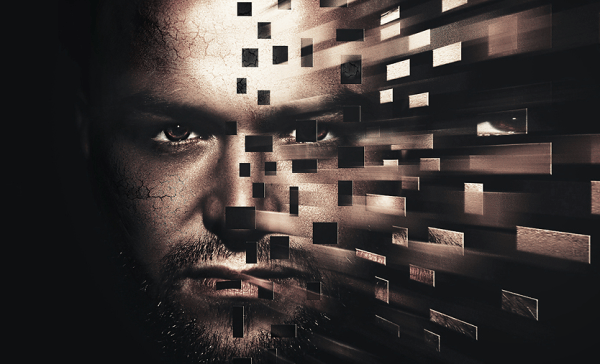
A trio of researchers has found off-the-shelf AI software can be used to identify people in blurred or pixilated images. The researchers have uploaded a paper describing the experiments they carried out with AI software identification of people or other items in blurred out images, what they found and reveal just how accurate they found it could be.
New learning procedure for neural networks

Rustling leaves, a creaking branch: To a mouse, these sensory impressions may, at first, seem harmless — but not if a cat suddenly bursts out of the bush. If so, they were clues of impending life-threatening danger. Researcher Robert Gütig has now found how the brain can link sensory perceptions to events occurring after a delay.
‘Conjunction junction’ for brain’s navigation function

Ever wake at night needing a drink of water and then find your way to the kitchen in the dark without stubbing your toe? Researchers at the University of California, San Diego say they have identified a region of the brain that enables you to do that – and generally helps you navigate the world.


 Lunatic Laboratories