
Largest-ever study reveals environmental impact of genetically modified crops


According to new research, widespread adoption of genetically modified crops has decreased the use of insecticides, but increased the use of weed-killing herbicides as weeds become more resistant. This is the largest study of genetically modified crops and pesticide use to date. The team of economists studied annual data from more than 5,000 soybean and 5,000 maize farmers in the U.S. from 1998 to 2011, far exceeding previous studies that have been limited to one or two years of data.
Pesticides alter bees’ brains, making them unable to live and reproduce adequately
Die hard, the bee version.
A new report suggests that a particular class of pesticides called “neonicotinoids” wreaks havoc on the bee populations, ultimately putting some crops that rely on pollination in jeopardy. Specifically, these pesticides kill bee brain cells, rendering them unable to learn, gather food and reproduce. The report, however, also suggests that the effects of these pesticides on bee colonies may be reversible by decreasing or eliminating the use of these pesticides on plants pollinated by bees and increasing the availability of “bee-friendly” plants available to the insects.
An apple a day may keep the children away: Pesticides and sperm count

Ever hear that old saying an apple a day keeps the Doctor away? Well it might have the right idea, just the wrong person. New research investigating the relationship between eating fruit and vegetables containing pesticide residues and the quality of men’s semen has shown a link with lower sperm counts and percentages of normally-formed sperm. So for people wanting children it may be time to rethink that produce.
The [real life] Doomsday Vault
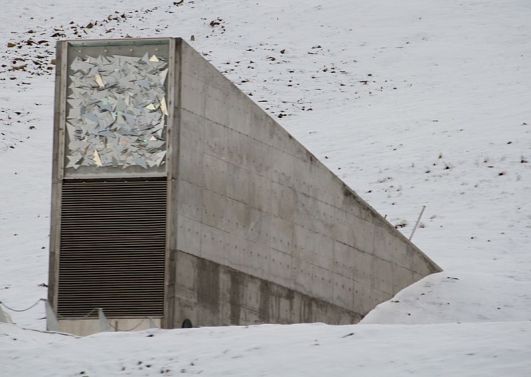
The real life entrance to the real life doomsday seed vault.
It sounds like something out of a sci fi movie, a vault that is designed to withstand the end of days. A ‘doomsday vault’, tucked deep in a mountain, designed to be self sufficient and keep it’s contents protected and safe for decades if not millennia.
From the outside it looks like some secret military bunker. A solid concrete tube that juts out of a mound of snow; a chain on either side of a ramp acting as a guide to the entrance, a man made object in the middle of nothingness.


 Lunatic Laboratories