
Restraint and confinement still an everyday practice in mental health settings
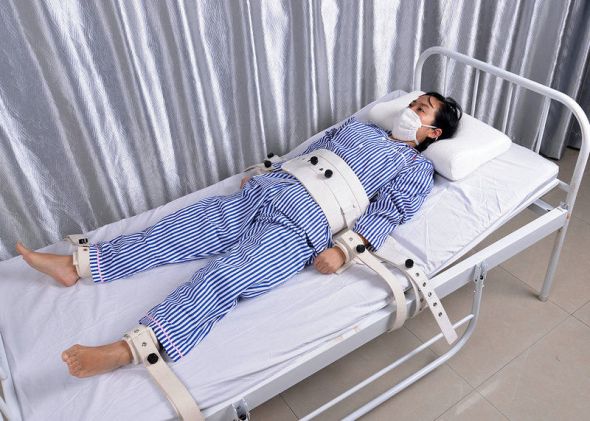
Providers of mental-health services still rely on intervention techniques such as physical restraint and confinement to control some psychiatric hospital patients, a practice which can cause harm to both patients and care facilities, according to a new study from the University of Waterloo. The study found that almost one in four psychiatric patients in Ontario hospitals are restrained using control interventions, such as chairs that prevent rising, wrist restraints, seclusion rooms or acute control medications.
Oh, to have Dr. Facebook on call!
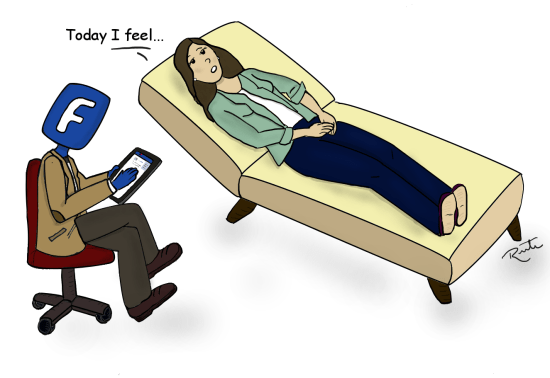
If it were up to Internet-savvy Americans, more of them would be emailing or sending Facebook messages to their doctors to chat about their health. That’s the result of a national survey led by Joy Lee of Johns Hopkins Bloomberg School of Public Health in the US.
US clinics avoiding government oversight of ‘stem cell’ treatments
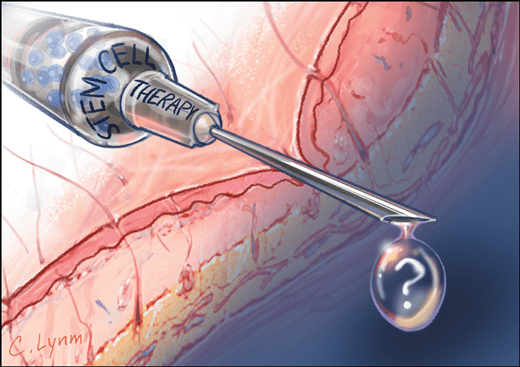
Clinics across the United States are advertising stem cell treatments that attempt to take advantage of what they perceive as exceptions in FDA regulations.The therapies in question are adipose-derived autologous stem cell treatments, in which fat cells are removed from a patient, broken down to separate components that purportedly contain stem cells, and are then reinjected into the same patient.


 Lunatic Laboratories