
Intestinal flora effects drug response

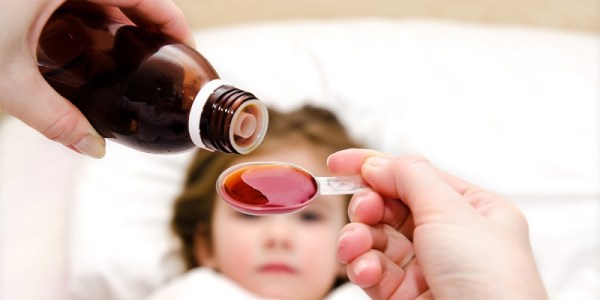
Intestinal flora has multiple influences on human health, but researchers have revealed that it is also likely to have an effect on the body’s response to drugs. Recent research suggests that changes in the intestinal flora, caused by antibacterial and antibiotic drugs or individual differences between people, may have an effect on a person’s response to drugs including side effects. The research focused on the changes in proteins due to the condition of intestinal flora that affect the response to drugs in the liver and kidneys.
Neurons in your gut help the immune system keep inflammation in check
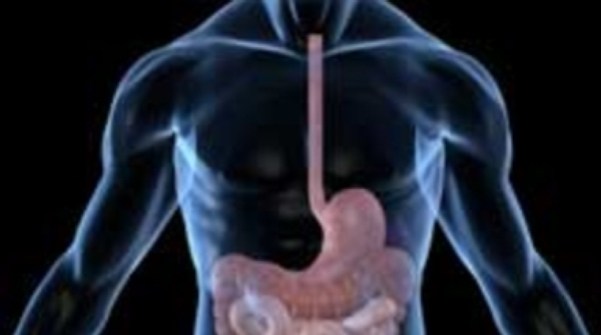
The immune system exercises constant vigilance to protect the body from external threats–including what we eat and drink. A careful balancing act plays out as digested food travels through the intestine. Immune cells must remain alert to protect against harmful pathogens like Salmonella, but their activity also needs to be tempered since an overreaction can lead to too much inflammation and permanent tissue damage.
Intestinal worms ‘talk’ to gut bacteria to boost immune system
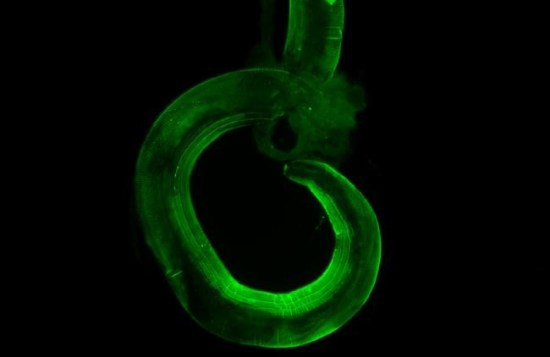
This is the helminth Heligmosomoides polygyrus bakeri (Hpb), which infects rodents. Here seen under fluorescent staining. Hpb was used in the mouse part of this study.
Image credit goes to: Nicola Harris/EPFL
When you think parasites you probably don’t think of anything helpful. However, this isn’t the case and certain parasites inadvertently help the host by helping themselves. In fact, researchers have discovered how intestinal worm infections cross-talk with gut bacteria to help the immune system.
Gut bacteria population, diversity linked to anorexia nervosa

Researchers at the UNC School of Medicine found that people with anorexia nervosa have very different microbial communities residing inside their guts compared to healthy individuals and that this bacterial imbalance is associated with some of the psychological symptoms related to the eating disorder.
Viruses flourish in guts of healthy babies

Bacteria aren’t the only nonhuman invaders to colonize the gut shortly after a baby’s birth. Viruses also set up house there, according to new research at Washington University School of Medicine in St. Louis. All together, these invisible residents are thought to play important roles in human health.


 Lunatic Laboratories