
Eating the placenta: trendy but no proven health benefits and unknown risks

Celebrities such as Kourtney Kardashian blogged and raved about the benefits of their personal placenta ‘vitamins’ and spiked women’s interest in the practice of consuming their placentas after childbirth.
How does human behavior lead to surgical errors? Researchers count the ways

Why are major surgical errors called “never events?” Because they shouldn’t happen — but do. Mayo Clinic researchers identified 69 never events among 1.5 million invasive procedures performed over five years and detailed why each occurred. Using a system created to investigate military plane crashes, they coded the human behaviors involved to identify any environmental, organizational, job and individual characteristics that led to the never events.
A patient’s budding cortex — in a dish?

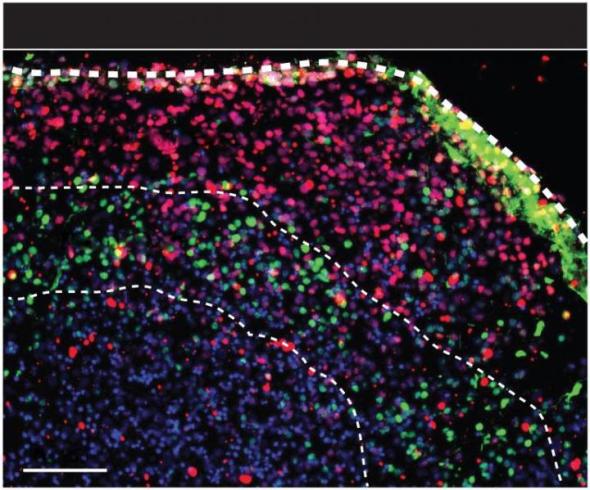
Neurons and supporting cells in the spheroids form layers and organize themselves according to the architecture of the developing human brain and network with each other.
Image credit goes to: Sergiu Pasca, M.D., Stanford University
A patient tormented by suicidal thoughts gives his psychiatrist a few strands of his hair. She derives stem cells from them to grow budding brain tissue harboring the secrets of his unique illness in a petri dish. She uses the information to genetically engineer a personalized treatment to correct his brain circuit functioning. Just Sci-fi? Yes, but…
Health factors influence ex-prisoners’ chances of returning to jail

Ex-prisoners with a history of risky drug use, mental illness or poverty are more likely to end up back behind bars. Those who are obese, are chronically ill or have attempted suicide are more likely to remain in the community. These are some of the findings from an exploratory study into health-related factors that could be used to predict whether a person released from prison will end up in custody again.
The relationship between CEO greed and company performance

That gut feeling many workers, laborers and other underlings have about their CEOs is spot on, according to three recent studies which all suggest that CEO greed is bad for business.But how do you define greed? Are compassionate CEOs better for business? How do you know if the leader is doing more harm than good? And can anybody rein in the I-Me-Mine type leader anyway?
Research shows more sex does not mean more happiness

Countless research and self-help books claim that having more sex will lead to increased happiness, based on the common finding that those having more sex are also happier. However, there are many reasons why one might observe this positive relationship between sex and happiness. Being happy in the first place, for example, might lead someone to have more sex (what researchers call ‘reverse causality’), or being healthy might result in being both happier and having more sex.
Fatal attraction: the intuitive appeal of GMO opposition

A team of Belgian philosophers and plant biotechnologists have turned to cognitive science to explain why opposition to genetically modified organisms (GMOs) has become so widespread, despite positive contributions GM crops have made to sustainable agriculture. They argue that the human mind is highly susceptible to the negative and often emotional representations put out by certain environmental groups and other opponents of GMOs. The researchers urge the general public to form opinions on GMOs on a case-by-case basis, thereby not focusing on the technology but on the resulting product.
Type 1 diabetes: On the way to an insulin vaccine
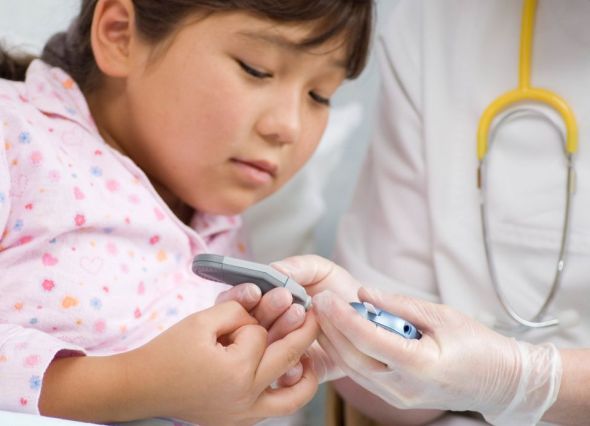
Pseudoscience claims about vaccines are seemingly hitting a fever pitch. Despite that, a new vaccine may be on the horizon for children at risk for diabetes, and that is a good thing. Researchers have found that children at risk for type 1 diabetes, who were given daily doses of oral insulin, developed a protective immune response to the disease that could lay the groundwork for a vaccine against the chronic illness.


 Lunatic Laboratories