
Bacteria communicate like neurons in the brain
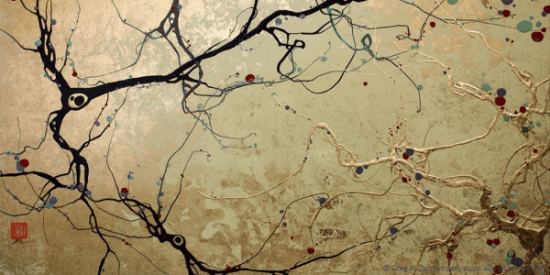
Biologists discovered that bacteria–often viewed as lowly, solitary creatures–are actually quite sophisticated in their social interactions and communicate with one another through similar electrical signaling mechanisms as neurons in the human brain. In the study, scientists detail the manner by which bacteria living in communities communicate with one another electrically through proteins called “ion channels.”
What metabolism could reveal about aging and mortality

Why some people live much longer than others is an enduring mystery. Now, based on a study of a worm, scientists are getting one step closer to understanding longevity. They report that the metabolic profiles of the worms could accurately predict how long they would live and that middle age could be a key turning point.
Supercoiled DNA is far more dynamic than the ‘Watson-Crick’ double helix
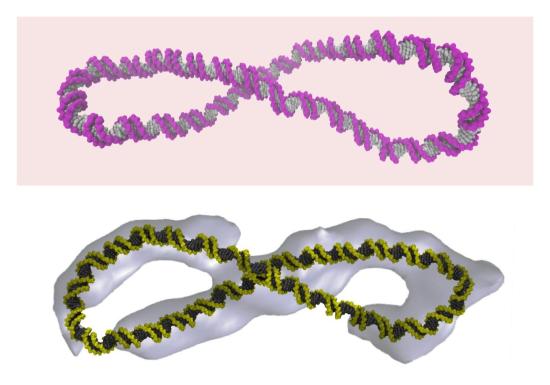
The image shows the structure of the DNA calculated with the supercomputer simulations (in colour) superimposed upon the cryo-electron tomography data (in white or yellow). (There is no superimposition onto cryo-electron tomography data for the purple figure-8 shape.) You can see that the familiar double helix has been either simply bent into a circle or twisted into a figure-8. Image credit goes to: Thana Sutthlbutpong
Researchers have imaged in unprecedented detail the three-dimensional structure of supercoiled DNA, revealing that its shape is much more dynamic than the well-known double helix.
Immune gene prevents Parkinson’s disease and dementia

An estimated seven to ten million people worldwide are living with Parkinson’s disease (PD), which is an incurable and progressive disease of the nervous system affecting movement and cognitive function. More than half of PD patients develop progressive disease showing signs of dementia similar to Alzheimer’s disease.
Connecting Alzheimer’s disease and the immune system

The role of the immune system in Alzheimer’s disease is a hot topic, but exactly how the two are connected and what interventions could help lower risk remain a mystery. In a new study, researchers in the Ann Romney Center for Neurologic Diseases at Brigham and Women’s Hospital (BWH) investigate how genetic risk factors for Alzheimer’s disease may influence a key type of immune cell. Their results lay the groundwork for designing better therapeutic strategies and better prediction tools for risk of developing Alzheimer’s disease.
A barrier against brain stem cell aging
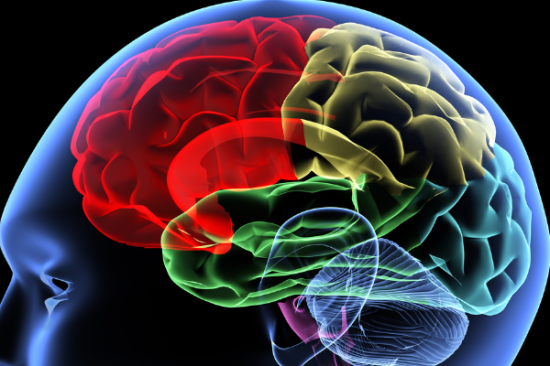
Neural stem cells generate new neurons throughout life in the mammalian brain. However, with advancing age the potential for regeneration in the brain dramatically declines. Scientists now identified a novel mechanism of how neural stem cells stay relatively free of aging-induced damage. A diffusion barrier regulates the sorting of damaged proteins during cell division.
Schizophrenia: Repairing the brain

Research led by scientists from Duke-NUS Graduate Medical School Singapore (Duke-NUS) has linked the abnormal behaviour of two genes (BDNF and DTNBP1) to the underlying cause of schizophrenia. These findings have provided a new target for schizophrenia treatment.
An antibody that can attack HIV in new ways
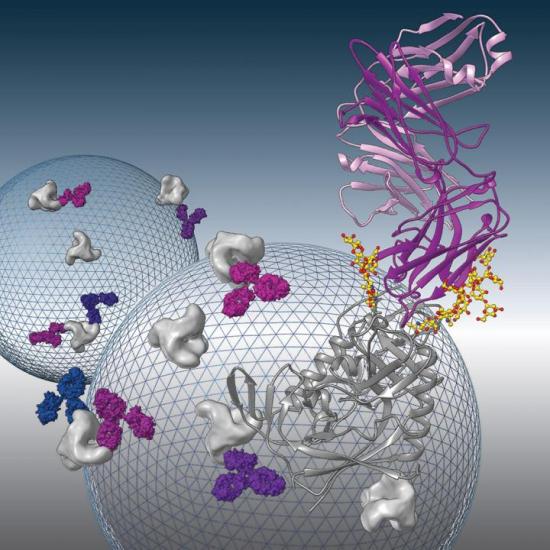
Broadly neutralizing antibodies to HIV-1 envelope glycoprotein are being evaluated as therapeutics to prevent or treat HIV-1 infection. Structural analysis of one such antibody, 8ANC195, revealed a new conformation of the envelope protein. The image shows the X-ray crystal structure of 8ANC195 in complex with the gp120 subunit of the envelope protein. The background shows schematic representations of HIV-1 virus particles studded with envelope proteins being recognized by 8ANC195 antibodies.
Image credit goes to: Louise Scharf/Caltech
Proteins called broadly neutralizing antibodies (bNAbs) are a promising key to the prevention of infection by HIV, the virus that causes AIDS. bNAbs have been found in blood samples from some HIV patients whose immune systems can naturally control the infection. These antibodies may protect a patient’s healthy cells by recognizing a protein called the envelope spike, present on the surface of all HIV strains and inhibiting, or neutralizing, the effects of the virus. Now Caltech researchers have discovered that one particular bNAb may be able to recognize this signature protein, even as it takes on different conformations during infection–making it easier to detect and neutralize the viruses in an infected patient.
Crystal clear images uncover secrets of hormone receptors
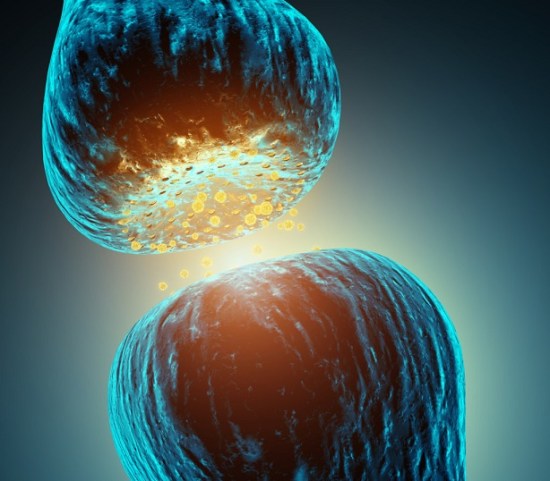
Many hormones and neurotransmitters work by binding to receptors on a cell’s exterior surface. This activates receptors causing them to twist, turn and spark chemical reactions inside cells. NIH scientists used atomic level images to show how the neuropeptide hormone neurotensin might activate its receptors. Their description is the first of its kind for a neuropeptide-binding G protein-coupled receptor (GPCR), a class of receptors involved in a wide range of disorders and the target of many drugs.
We can build it better: The first artificial ribosome
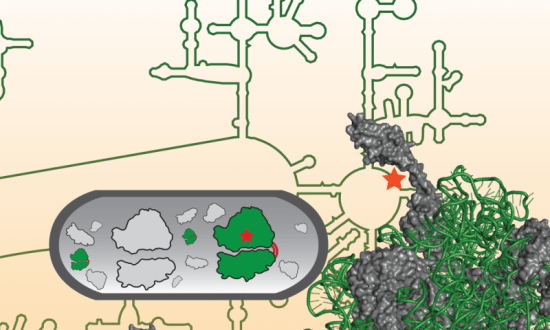
Researchers at the University of Illinois at Chicago and Northwestern University have engineered a tethered ribosome that works nearly as well as the authentic cellular component, or organelle, that produces all the proteins and enzymes within the cell. The engineered ribosome may enable the production of new drugs and next-generation biomaterials and lead to a better understanding of how ribosomes function.
How the tumor escapes the immune response

Natural killer cells of the immune system can fend off malignant lymphoma cells and thus are considered a promising therapeutic approach. However, in the direct vicinity of the tumor they lose their effect. Scientists have now elucidated which mechanisms block the natural killer cells and how this blockade could be lifted.
Synthetic biology used to engineer new route to biochemicals

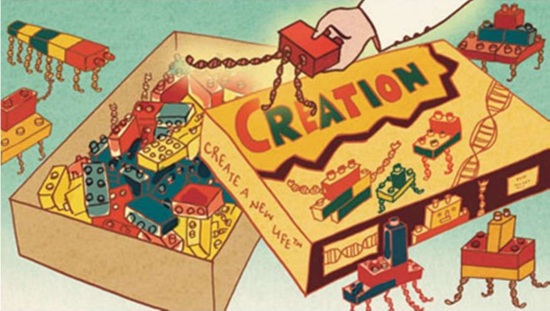
Living cells can make a vast range of products for us, but they don’t always do it in the most straightforward or efficient way. Shota Atsumi, a chemistry professor at UC Davis, aims to address that through “synthetic biology:” designing and building new biochemical pathways within living cells, based on existing pathways from other living things.
Avocados may hold the answer to beating leukemia
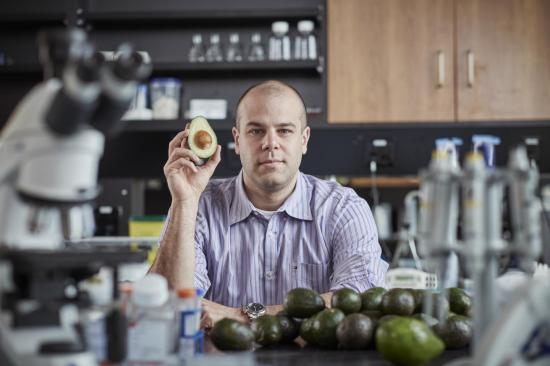
Professor Paul Spagnuolo from the University of Waterloo has discovered a lipid in avocados that combats acute myeloid leukemia by targeting the root of the disease — leukemia stem cells. Worldwide, there are few drug treatments available to patients that target leukemia stem cells. Image credit goes to: University of Waterloo
Rich, creamy, nutritious and now cancer fighting. New research reveals that molecules derived from avocados could be effective in treating a form of cancer. Professor Paul Spagnuolo from the University of Waterloo has discovered a lipid in avocados that combats acute myeloid leukemia (AML) by targeting the root of the disease – leukemia stem cells. Worldwide, there are few drug treatments available to patients that target leukemia stem cells.
Expanding the code of life with new ‘letters’
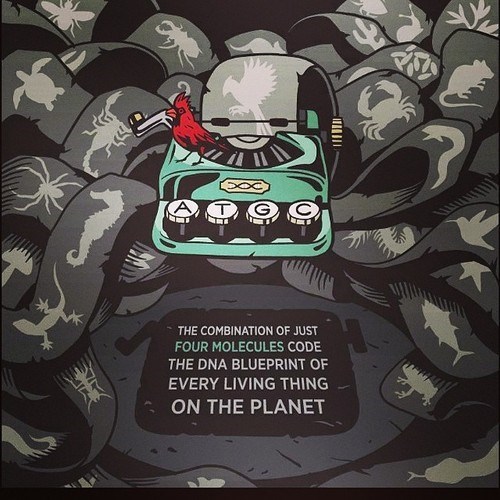
Not anymore…
The DNA encoding all life on Earth is made of four building blocks called nucleotides, commonly known as “letters,” that line up in pairs and twist into a double helix. Now, two groups of scientists are reporting for the first time that two new nucleotides can do the same thing — raising the possibility that entirely new proteins could be created for medical uses.
The fingerprint drug test
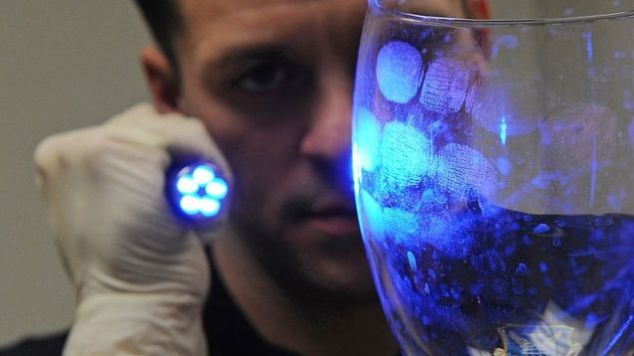
Researchers have demonstrated a new, noninvasive test that can detect cocaine use through a simple fingerprint. For the first time, this new fingerprint method can determine whether cocaine has been ingested, rather than just touched.
Type 1 diabetes: On the way to an insulin vaccine

Pseudoscience claims about vaccines are seemingly hitting a fever pitch. Despite that, a new vaccine may be on the horizon for children at risk for diabetes, and that is a good thing. Researchers have found that children at risk for type 1 diabetes, who were given daily doses of oral insulin, developed a protective immune response to the disease that could lay the groundwork for a vaccine against the chronic illness.
Botox makes unnerving journey into our nervous system
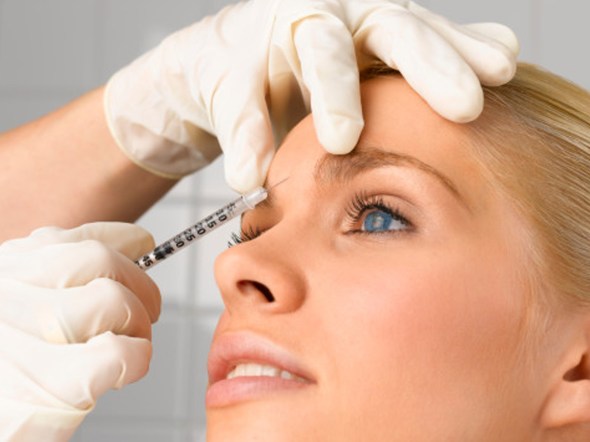
New research might bring a frown to even the most heavily botoxed faces, with scientists finding how some of the potent toxin used for cosmetic surgery escapes into the central nervous system. Researchers have shown how Botox – also known as Botulinum neurotoxin serotype A – is transported via our nerves back to the central nervous system.
Could maple syrup help cut use of antibiotics?

Another reason to have those waffles… well maybe. Researchers have found that a concentrated extract of maple syrup makes disease-causing bacteria more susceptible to antibiotics. In an ever increasing antibiotic resistant world, this news is almost as sweet as the syrup (okay no more bad puns). The findings suggest that combining maple syrup extract with common antibiotics could increase the microbes’ susceptibility, leading to lower antibiotic usage.


 Lunatic Laboratories