
The Ever Plastic Brain and Intellectual Disabilities
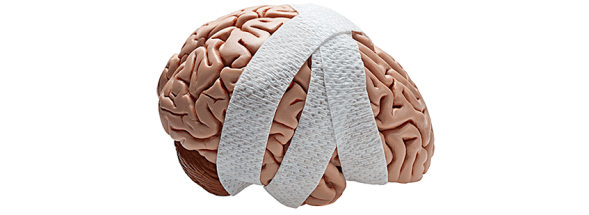
The plasticity of the brain is always somewhat of a shock. It’s near incredible what the brain can achieve, look at people who have strokes, or any other sort of brain injury and yet still somehow manage to get up and move, or perform tasks. So I guess it should be no surprise, but still amazing that studying mice with a genetic change similar to what is found in Kabuki syndrome (an inherited disease of humans) researchers report they have used an anticancer drug to improve mental function.
The Genetic Evolutionary Arms Race
Genes are tricky little buggers, the stuff that makes us up has fought the test of time to make it to where we are today. It is thought that our genes changed in an attempt to outpace other life, albeit random changes.That might only be half right however, new findings suggest that there is an evolutionary arms race going on within the genome against, of all things, itself. This inherent competition of primates drove the evolution of complex regulatory networks that orchestrate the activity of genes in every cell of our bodies
New Cocktail Turns Adult Cells into Stem Cells
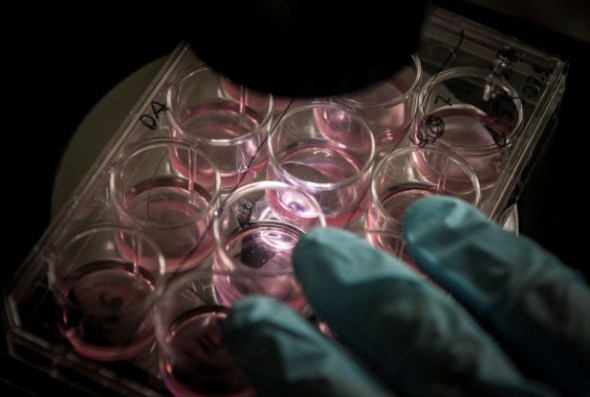
For those of us who were following stem cell news, recently the field had a huge setback when a paper, that offered a cheap and novel way to create stem cells, was retracted from publication. Regenerative medicine aims to replace lost or damaged cells, tissues or organs through cellular transplantation, but the promise to a better life has been hampered. Because stem cells derived from human embryos can trigger ethical concerns, a good solution is reprogramming adult cells back to an embryo-like state using a combination of reprogramming factors. Unfortunately that has been easier said than done.
The Genetic Roots of Schizophrenia

I have a friend who lost an eye — not in a war zone like you might suspect given my background — but to his brother. Yes, you read that correctly, his brother tried to kill him and in the process he lost his eye. I’ve told this story before, but whenever new schizophrenia research comes out I feel the need to tell it again. While he has forgiven his brother (partly because not long after, he was diagnosed as schizophrenic), he will not be able to see him again until he is released from prison. A tragedy that could’ve been avoided had he been diagnosed sooner.
Genes Smash! An Oxytricha trifallax story

In DNA mutation is often a bad thing. It’s sort of like building a car, there are far more wrong ways to one together than there are right ways. Still, mutation happens often which brings with it good (and more often bad) things. Usually mutation is spontaneous, it has no real rhyme or reason (in a broad sense) and while it brings things like cancers, it also can bring amazingly beneficial traits too. Maybe this is why a pond-dwelling, single-celled organism called Oxytricha trifallax is so keen on mixing things up. By that I mean it has the remarkable ability to break its own DNA into nearly a quarter-million pieces and rapidly reassemble those pieces when it’s time to mate.
Epigenetics: Taking Control of the Music
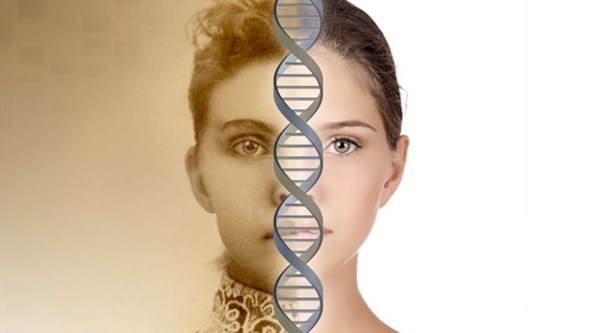
When I try to explain epigenetics to someone, I like to use the musician metaphor. Your genes are the sheet music and how your body reads those genes, that is your body acting like a musician, making those notes it’s own. This is even more evident when you realize that all human cells contain essentially the same DNA sequence. Up until now we’ve had to be the audience to this genetic symphony, but new research is helping scientists take control of the music.
The Ever Mutating Ebola Virus
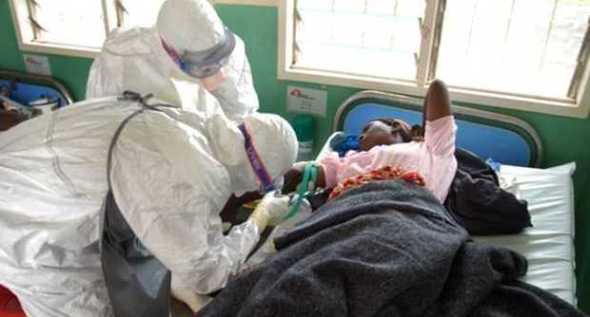
Ebola has a nasty reputation for the way it damages the body. It’s rightfully earned when you look at the death rate. But when you look at the actual details of an Ebola infection, a surprising fact surfaces: The virus isn’t what ends up killing you, it’s your own immune system. Sure they are trying different ways to outsmart the virus, but it’s mutating… quickly. In fact, scientists have rapidly sequenced and analyzed more than 99 Ebola virus genomes. The hope it to better understand the enemy and possibly outsmart it.
The DNA Signature of Lupus
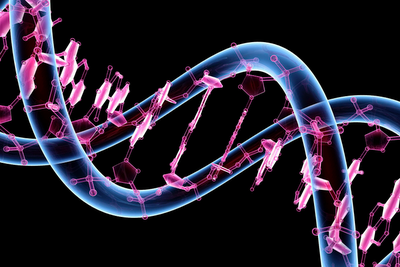
My Uncle suffered from Lupus. The disease itself should have a more sinister sounding name, given the effect it has on the body. Lupus is a form of autoimmune disease which attacks the body and causes an incredible amount of pain. It’s not pretty and complications from the disease can make life even more unbearable for people. There is no cure and sadly there are few treatments outside of managing the pain and side effects of the disease. Thankfully medical researchers have used DNA sequencing to identify a gene variant responsible for causing lupus in a young patient. This doesn’t mean they are on the verge of a cure, but it could possibly lead to tailored treatments.
Mitochondria and Anti Aging

I’m sure you can all relate, you go to fix the sink and in the process you build a new kitchen on accident. Anyone… no? Well that is sort of what happened to researchers recently, while developing a new cancer drug, they discovered that mice lacking a specific protein live longer lives with fewer age-related illnesses. The mice, which were bred to lack the TRAP-1 protein, demonstrated less age related tissue degeneration, obesity, and spontaneous tumor formation when compared to normal mice. Pretty awesome if you think about the fact that the findings could change how scientists view the metabolic networks within cells.
Fighting the Obesity Epidemic with X-box [No, not that one]
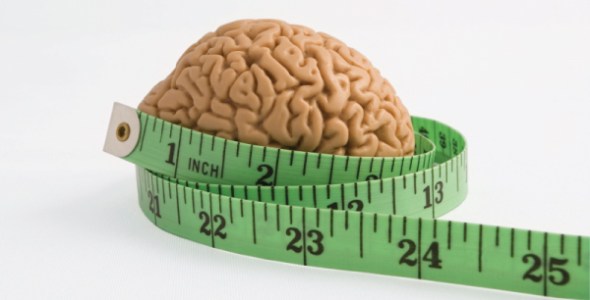
Despite all the efforts, people are losing the war on obesity. There is probably a number of factors involved, genetics, underlying medical problems, most of all diet, but in any case we are living in a world that is slightly heavier than our historical counterparts. Maybe that’s why so many researchers are trying to find an easy way for people to better regulate their weight. Thankfully that goal is one step closer because researchers have found a protein that controls when genes are switched on or off, one that plays a key role in specific areas of the brain to regulate metabolism.
HIV and Hepatitis C: A New Treatment Coming Soon!!

The old saying it could always be worse might not sound like it would apply to HIV patients. Then again if you had HIV and hepatitis C, that would probably be worse. Apparently not only it is a “thing”, but it happens often because of how both spread [blood-borne]. A multicenter team of researchers report that in a phase III clinical trial, a combination drug therapy cures chronic hepatitis C in the majority of patients co-infected with both HIV and hepatitis C.
A New way to Fight HIV, Using your Genome!
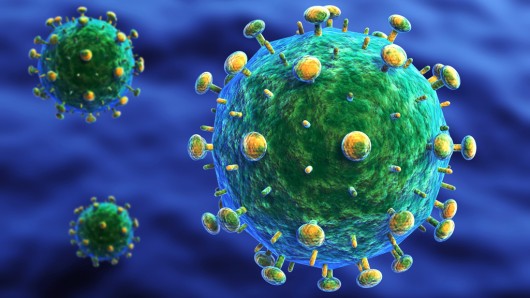
Outsmarting something as “simple” as a virus doesn’t seem like much of a challenge. If only you could set it down to take the SAT’s or something. Unfortunately, in the body fighting HIV is more like guerrilla warfare, you take the big losses for a small win. This is no way to wage a war, but HIV is smart. It mutates and sidesteps anything we’ve been able to throw at it. We don’t have a cure, or a vaccine, but we do have scientists trying. However, new research has made a crucial jump to throwing a curveball at HIV and with it, a possible cure.
Change your Genes with Stem Cells!
So researchers for the first time were evaluating the safety and reliability of the existing targeted gene correction technologies and in the process they successfully developed a new method of gene editing, TALEN-HDAdV [which I will explain later]. This new breakthrough could significantly increased gene-correction efficiency in human induced pluripotent stem cell [hiPSC]. You would have to guess that this is probably the science equivalent of finding a new function on your smartphone, while trying to work your microwave.
Finally! A Definite Cause of Autism: Hint it isn’t Vaccines

Autism, not caused by vaccines. In fact I’ve written several posts on the genetic clues to autism, now a new study offers more proof that it is purely genetic [at least in some cases]. This is huge because this is the first actual clear cut cause for certain types of Autism [or more accurately certain types of disorders falling under the Autistic spectrum]. It was a collaboration involving 13 institutions around the world — no easy feat either– and now researchers have broken new ground in understanding what causes autism.
“We finally got a clear cut case of an autism specific gene,” said Raphael Bernier, the lead author, and UW associate professor in the Department of Psychiatry and Behavioral Sciences and the clinical director of the Autism Center at Seattle Children’s.
New and Exciting discoveries about Autism

Vaccines don’t cause autism. One more time, all together now, vaccines do not cause autism. Thankfully science understands that and is moving in on the actual cause for it. A combination of new studies not only shows a link between a particular gene and autistic disabilities [since it’s an autistic spectrum], but the second study offers a potential new pathway for treatment of the disorders.
Autistic-like behaviors and decreased cognitive ability may be associated with the disruption of a particular gene, in this case the APC gene [Adenomatous Polyposis Coli]. The connection was made when Tufts researchers deleted the gene from select neurons in the developing mouse brain. The mice developed all the autistic characteristics, such as reduced social behavior, increased repetitive behavior, and impaired learning and memory formation. This study is the first to look at how the loss of APC from nerve cells in the forebrain affects brain development, learning, and behavior.
[Creepy] Plasmids and Antibiotic Resistance
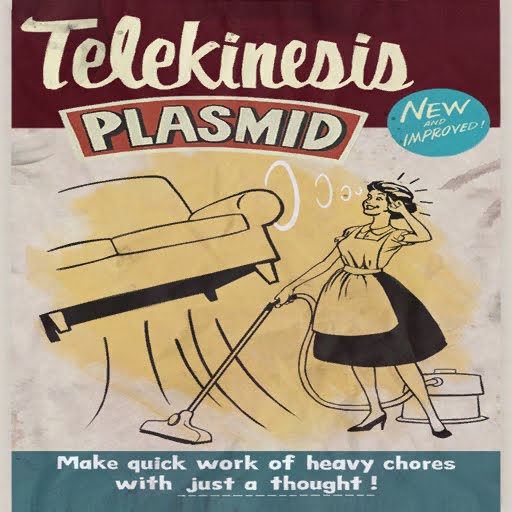
If the title didn’t give it away, plasmids are creepy. For those of you who are confused by that statement let’s cover what a plasmid is exactly. Plasmids are very short circular pieces of DNA that are like little virus’. What makes the little buggers creepy is that they aren’t technically living, but possess all the qualities that would make you think otherwise.
New Genetic Clues to Autism

There is a long, controversial life to autism. Autism comes from the greek autos, meaning self. The term describes conditions which a person is removed from interaction — hence, an isolated self.
It was first described by a guy named Eugen Bleuler, a swiss psychologist who noticed the symptoms in a schizophrenic patient. Technically Autism is a particular diagnosis in the Autistic Spectrum which includes things like Asperger syndrome, there is even something called savant syndrome in which children display amazing abilities in a particular field [typically math or music] with no real training.
Will genetically engineer bacteria for Biofuel
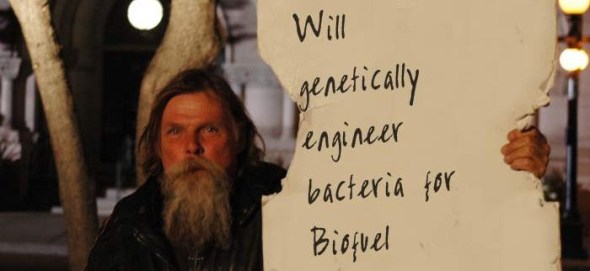
This is pretty much how biofuel technology is being funded right now…
Utter the word biofuel in the wrong circles and someone is likely to be stabbed. Let’s just say that the topic can be polarizing, but for good reason. Biofuel offers a [potentially] carbon neutral and sustainable way to wean ourselves off our oil addiction. At the same time, the hurdles in the cost of production coupled with the technological problems have all but stalled the biofuel fantasy [can you see why someone may get stabbed yet?].
Well there is good news, while we are waiting for our solar roadways and other [much better] alternatives to just a carbon neutral solution, we can at the very least, move away from oil. This all thanks to a new breakthrough that will allow a carbon neutral biofuel to be produced cheaply.
Genetics and Schizophrenia
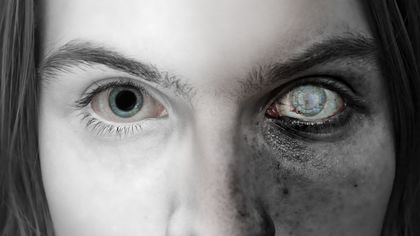
Like most mental illness, schizophrenia sucks. Once a friend of mine lost an eye to his schizophrenic brother during a serious episode. That sort of thing will tear a family apart and while he harbors no ill will towards his brother, because the state pressed charges [and he was the defendant] they cannot see each other while he is in prison. When it is not so severe, you would never know he could do something like that, schizophrenia sucks.
We can build it better: The First Semi-Synthetic Organism
Not anymore…
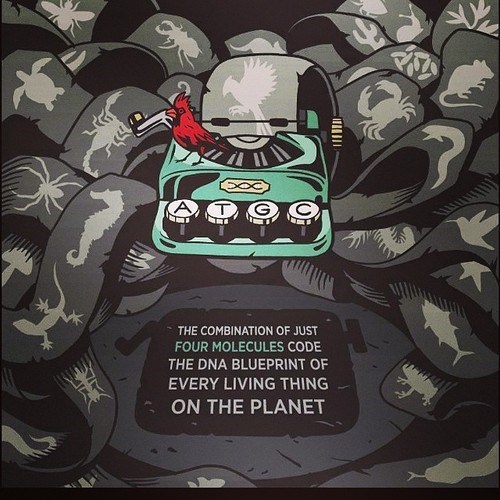
Normally I do one post a day, but I could NOT wait to share this. Scientists at The Scripps Research Institute (TSRI) have engineered a bacterium whose genetic material includes an added pair of DNA “letters,” not found in nature. The cells of this new bacterium can even replicate the unnatural DNA bases more or less normally, for as long as the molecular building blocks are supplied to the bacterium.
I don’t even really know where to start with this, so let’s start with the basics, normally in nature, everything, everywhere [that we know of] has four different letters in it’s DNA, A-T, G-C, that is is and they only go together in that order A with T and G with C, never will you see a T with a G for example.
DNA nanobots perform in living cockroach

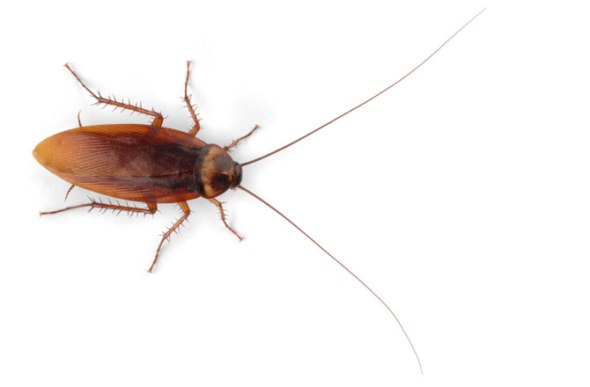
Cockroaches, not the cutest thing on the planet.
The six million dollar man has nothing on these cockroaches. We can rebuild them, better than they were before. We have the technology, and as it turns out, we do! While DNA robots may not, in itself be a new thing,a study published in Nature Nanotechnology is definitely not only new, but it’s something to talk about.
Grew up disadvantaged? Your genes show it.

Are you constantly stressed? Did you grow up disadvantaged [no judgement here, I did], or maybe you had a nurturing household as a child? As it turns out, we can see it in your genes.
A new study out published in the Proceedings of the National Academy of Sciences, shows a strong link between the way you are raised and your genes. The study used telomere length as a marker of stress, then compared it to genetic and environmental cues.
A New Hope for Spinal Injury Patients
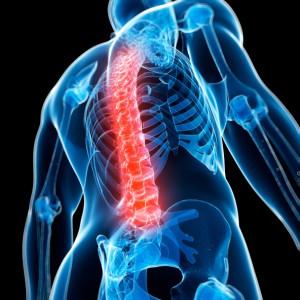
Why is it that when you break a bone, it heals, but when something happens to your spinal cord, the nerves don’t repair themselves? A new study in the Journal of Nature Communications now helps shed some light on just why that is.
But first a little background, the nervous system is made up of two separate parts, your central nervous system [CNS] which is made up of your brain and spinal cord, everything else is called the peripheral nervous system [PNS].
Gene Editing in Live Mice Cures Rare Liver Disease
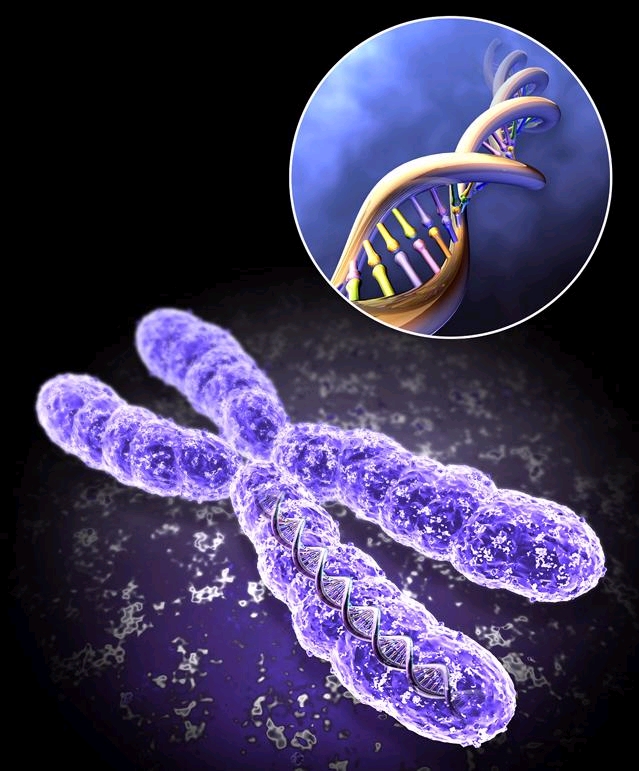
A chromosome [the “x”] with a DNA strand ‘close up’ in the circle.


 Lunatic Laboratories