
Trust issues? It may be your brain structure


Ever feel too trusting, or maybe not trusting at all? Well a recent study shows differences in brain structure according to how trusting people are of others. Teasing out the intricacies of the brain hasn’t been an easy job; if it were we probably wouldn’t be intelligent enough to figure it out. Because of this complexity, we also have higher risk of psychological conditions. Interestingly enough, this research may have implications for future treatments of those conditions, conditions such as autism or other attachment disorders.
People with anorexia and body dysmorphic disorder have similar brain abnormalities

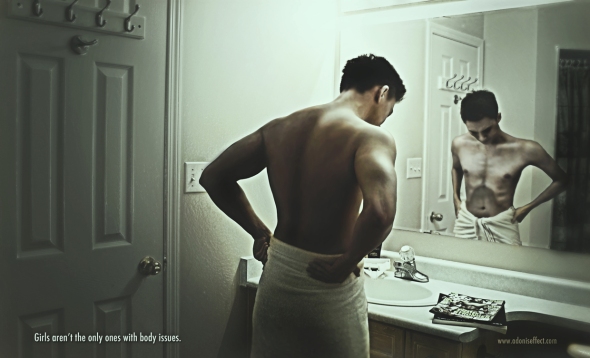
Imagine looking in the mirror and not seeing yourself. Imagine losing weight and seeing a lower number on the scale, but when looking in the mirror you are still just as fat. Suffering from anorexia or other body dysmorphic disorders live like that daily. They literally don’t see what you and I might see when we look at them. It’s not their fault and a new study suggests that people suffering from anorexia or body dysmorphic disorder have similar abnormalities in their brains that affect their ability to process visual information.
Not “just” crazy – Some psychoses caused by autoimmunity
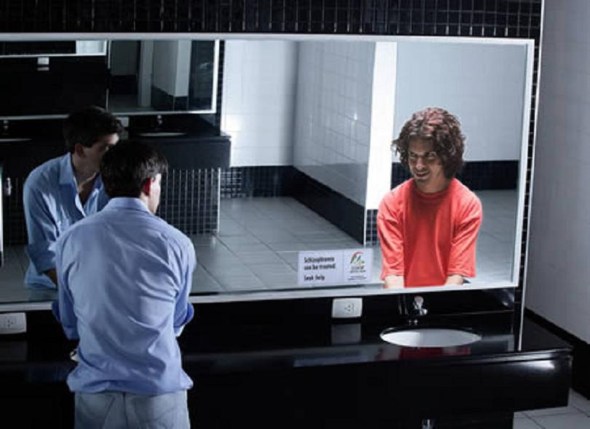
Antibodies defend the body against bacterial, viral, and other invaders. But sometimes the body makes antibodies that attack healthy cells. In these cases, autoimmune disorders develop. Immune abnormalities in patients with psychosis have been recognized for over a century, but it has been only relatively recently that scientists have identified specific immune mechanisms that seem to directly produce symptoms of psychosis, including hallucinations and delusions. In other words, some forms of psychoses might just be an autoimmune disorder.
Shopping while hungry leads to more non-food purchases

This comic by The Oatmeal, check out his site for more awesomeness.
Ever go shopping when you’re hungry and notice you walked out with a lot more than you were expecting to buy? While most people know that when you are hungry, you typically will buy more food (as illustrated by The Oatmeal above), new research shows that there is a clear link between hunger and buying non-food items. A team of international researchers has released a paper that describes five laboratory and field studies they conducted which showed how people respond to non-food objects when they are hungry.
How social norms come into being

Fifteen years ago, the name “Aiden” was hardly on the radar of Americans with new babies. It ranked a lowly 324th on the Social Security Administration’s list of popular baby names. But less than a decade later, the name became a favorite, soaring into the top 20 for five years and counting. Now, a new study provides a scientific explanation for how social conventions — everything from acceptable baby names to standards of professional conduct — can emerge suddenly, seemingly out of nowhere, with no external forces driving their creation.
Same sex relationships and stress: A new perspective

Studies of stress and its effects on health have typically focused on the worries of an individual: money, love, health, work. When we turn our attention on relationship stress, the focus is generally on your typical couple. However, new research studies how minority stress — which results from being stigmatized and disadvantaged in society — affects same-sex couples’ stress levels and overall health.
Mental illness treatment, there’s NOT an app for that
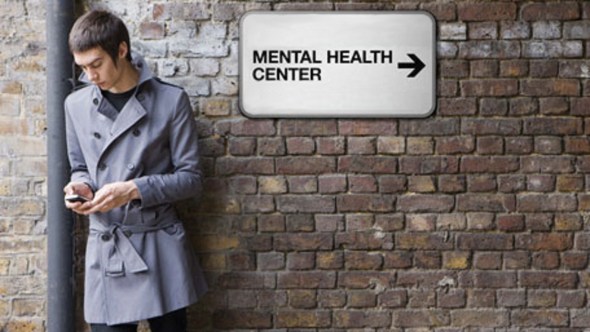
It’s more socially acceptable to talk about mental illness, which is important since the number of people who have it — or should we say, are getting treatment for mental illness — has steadily increased over the years. While it still may be taboo to talk about, mental illness is a very real thing needing very real treatment, however new research now shows that texting may be a more suitable treatment aid for those with mental illness than mobile applications.
Political gridlock: Blame the men

It feels like the government moves at a snails pace sometimes, it takes forever for any change to come about and even then it is typically not even “change.” This couldn’t be more evident than during the political gridlock that led to the 2013 US federal government shutdown, the leading voices for compromise were the handful of female U.S. senators — only 20 percent of the overall legislative body.
Mothers don’t speak clearly to their babies
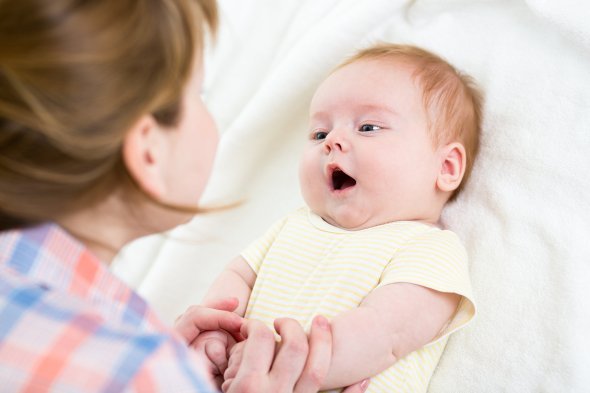
People have a distinctive way of talking to babies and small children: We speak more slowly, using a sing-song voice, and tend to use cutesy words like “tummy”. While we might be inclined to think that we talk this way because it is easier for children to understand, new research suggests that, surprisingly, mothers may actually speak less clearly to their infants than they do to adults.
Experiment showcasing humanity’s ‘dark side’ may offer a way to control it

It was an infamous experiment, one on obedience and reprehensible behavior done in 1961. With memories of Holocaust atrocities and the prosecution of Nazi officials at Nuremberg still fresh, psychologist Stanley Milgram made history. You may not remember the name per say, but chances are you know his work.
Lots of selfies may suggest you’re a narcissist
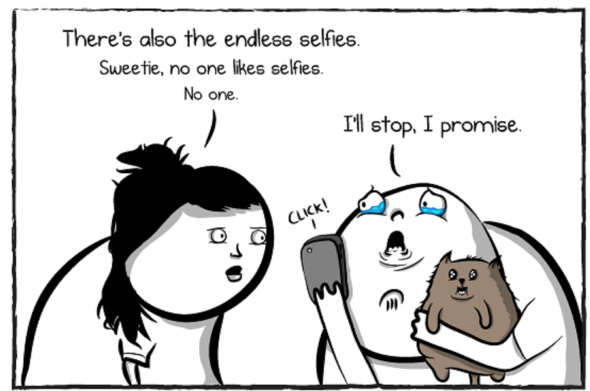
This awesomeness is from The Oatmeal, check out his website for the rest of the comic!
Well I’ve got some bad news to all you selfie fanatics out there, a new study showed that men who posted more online photos of themselves than others scored higher on measures of narcissism and psychopathy. The study looked exclusively at men, however the men out there should have no fear, there is a follow up study being done with women as well.
Why “fat shaming” makes things worse

Thanks to the internet age we have lost touch with the fact that there is a human out there reading these words. Because of this, the golden rule –treat others the way you want to be treated — went out the window. Making fun of “fat” people now seems to be a internet hobby and that insensitivity can (and does) bleed over into “normal” non-internet life. Now a new study shows that women whose loved ones are critical of their weight tend to put on even more pounds, which is probably no surprise to people who have experienced this behavior.
Mental Health- The invisible barrier for women’s care
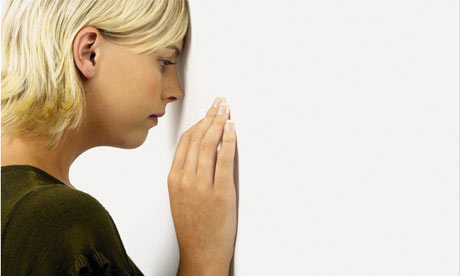
A while back I wrote a post about mental health and jail sentences, it seems like no one takes mental health seriously and that leads to lack of care for the individual. Well a new study offers even more bad news on the mental health front. Women with symptoms of serious mental illness are significantly less likely to receive three routine cancer screenings – Pap tests, mammograms and clinical breast exams – than women in the general population, despite being at elevated risk for medical comorbidities and early death, a new study indicates.
Soldiers and Suicide: A familiar tale
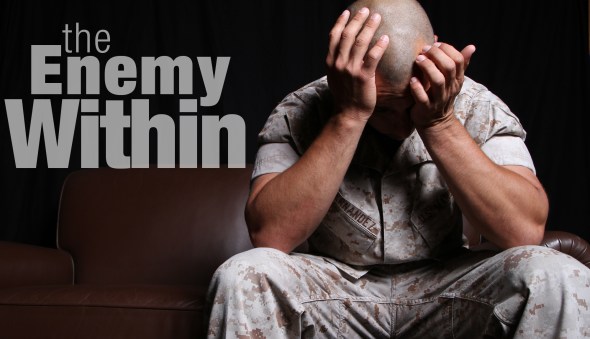
I know, Marine not soldier, but I really like the image. Photo credit goes to: USMC
Semper fi
As a Marine, there is a special place in my heart for all things military. While most protesters are busy arguing about the people who are dying overseas, there is an even more disheartening statistic — the suicide statistics of service members here at home. Suicide is an ugly word, so it’s no surprise that there is not a large movement fighting for better care and a new study done on soldiers doesn’t help.
You can tell [my mood] by the way I walk

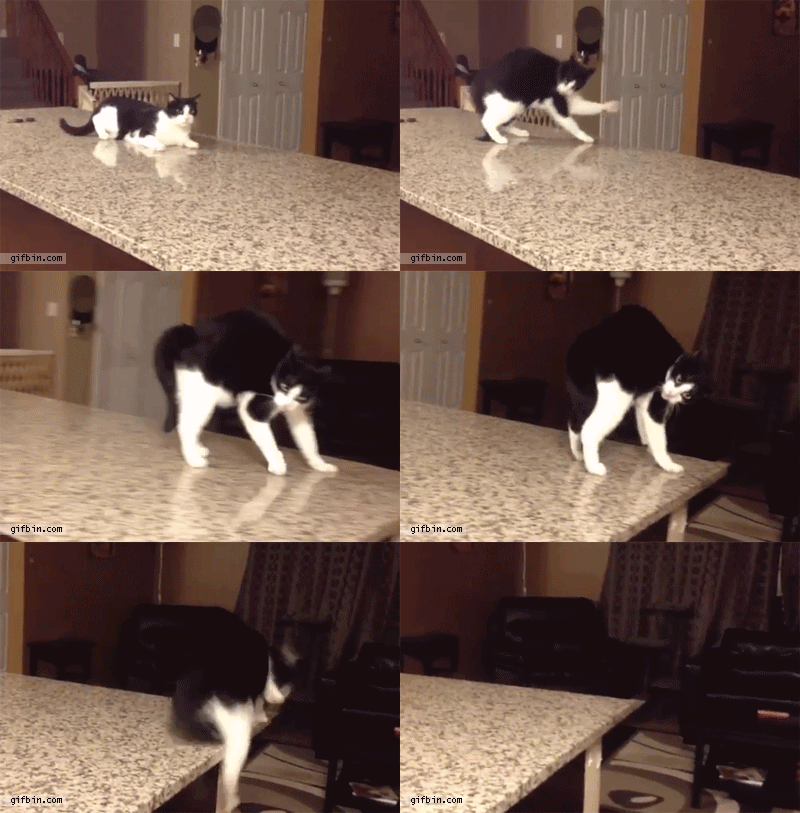
Ever see a guy walking down the street and know he’s depressed? Or how about someone happy, with a little bounce in their step? The way we walk says a lot and by some estimates roughly 90% of what we are telling people isn’t coming out our mouth, it’s all body language. Our walk says a lot about the kind of mood we are in, but in the question of what came first our mood or our walk, researchers have now shown that it works both ways.
The Genetic Roots of Schizophrenia

I have a friend who lost an eye — not in a war zone like you might suspect given my background — but to his brother. Yes, you read that correctly, his brother tried to kill him and in the process he lost his eye. I’ve told this story before, but whenever new schizophrenia research comes out I feel the need to tell it again. While he has forgiven his brother (partly because not long after, he was diagnosed as schizophrenic), he will not be able to see him again until he is released from prison. A tragedy that could’ve been avoided had he been diagnosed sooner.
The Origami Brain and a new marker for Schizophrenia
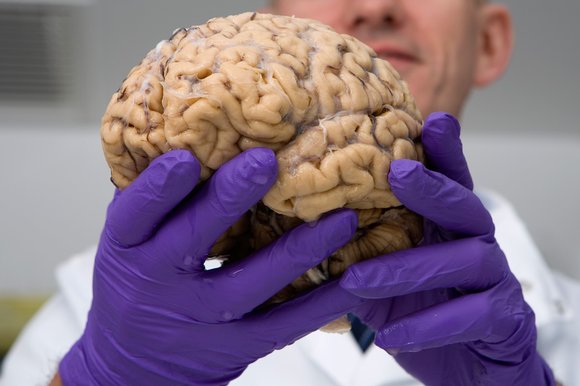
Anyone who has seen pictures or models of the human brain (like the one above) is aware that the outside layer, or cortex, of the brain is folded in an intricate pattern of “hills”, called gyri, and “valleys”, called sulci which give the brain it’s distinctive look. It turns out that the patterns of cortical folding are largely consistent across healthy humans, broadly speaking. However, disturbances in cortical folding patterns suggest deeper disturbances in brain structure and function.
Women and sexual assault: Unfortunate news…

I was debating about this new study. On one hand it’s important to share all sorts of different findings. On the other hand, my faith in humanity was more than just a little shaken, but there is no point on sweeping it under the rug. So disturbing news for women on college campuses, a new study indicates that female college students who are victims of sexual assault are at a much higher risk of becoming victims again. Please hold your disgust till the end…
Schizophrenia and the Twilight Zone

You are now entering the Twilight Zone. You may remember the television show, with it’s odd twists and turns, but for people with schizophrenia it means something just a little different. It’s unfortunate, but people with schizophrenia struggle to turn goals into actions, this sort of “twilight zone” has been seen in patients, however the cause was unknown. Now, according to new research, the brain structures governing desire and emotion are less active and fail to pass goal-directed messages to cortical regions affecting human decision-making.
Treatment and Prevention of PTSD

It’s no secret for anyone who follows me that I am a Marine veteran. It’s also no secret for anyone who follows me that I’ve had my own ups and downs in life because of my experiences. PTSD is a nightmare, one that you can’t quite shake no matter how hard you try. Then again, not everyone reacts the same way to the trauma that typically causes PTSD, not everyone walks away from war with it. The big question that scientists set out to answer was, why? And now they might just have an answer.
Background TV and Children don’t Mix
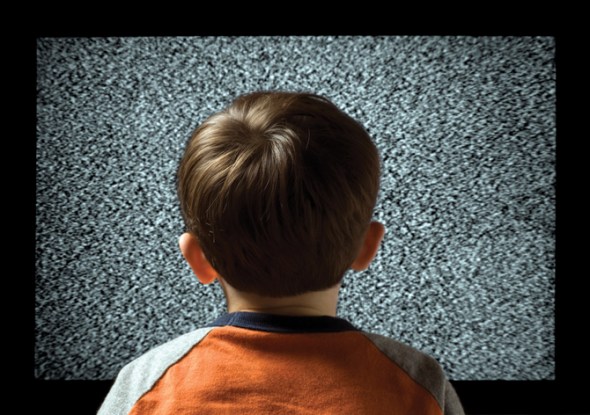
Coming from a, to put it gently, very broken home, my babysitter was the television. Yep, so now that you are feeling nice and awkward let’s talk television. New research, which was expanded from previous research by the same team shows that, if you are a parent, you should limit not just the television watching habits of your children but also the background television exposure.
Haters gonna… hate?


Haters gonna hate, unless you’ve been hiding under a rock since the internet has been born you’ve probably heard this phrase. Well now there is a new study that shows all that time spent hating, might mean less work doing.
The study, published in the journal Social Psychology might sound like more of a joke than actual science, but it is, in fact very real. Previous research done by the team have already shown that haters [and likers] are predisposed to be that way. Assuming that our disposition motivates behavior, the team suggested that people who like many things (those with positive dispositional attitudes) also do many things during the course of a week, while people who dislike many things (those with low dispositional attitudes) do very few things with their time.


 Lunatic Laboratories