
What musical taste tells us about social class

Photo credit goes to: Hiroyuki Ito/Getty Images
Love the opera? Hungry for hip hop? It turns out that your musical likes and dislikes may say more about you than you think, according to UBC research. Even in 2015, social class continues to inform our cultural attitudes and the way we listen to music, according to the study.
A patient’s budding cortex — in a dish?

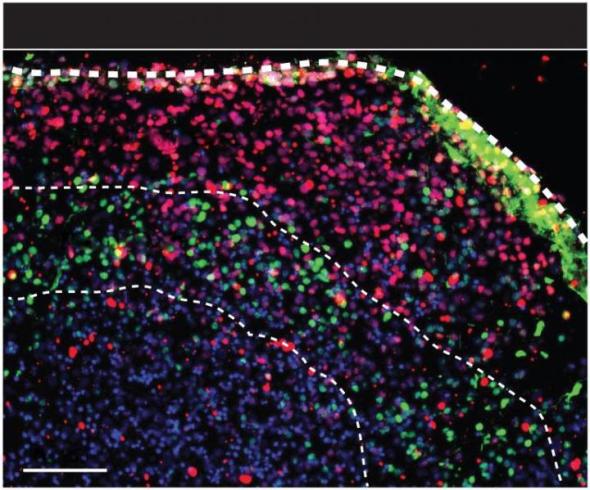
Neurons and supporting cells in the spheroids form layers and organize themselves according to the architecture of the developing human brain and network with each other.
Image credit goes to: Sergiu Pasca, M.D., Stanford University
A patient tormented by suicidal thoughts gives his psychiatrist a few strands of his hair. She derives stem cells from them to grow budding brain tissue harboring the secrets of his unique illness in a petri dish. She uses the information to genetically engineer a personalized treatment to correct his brain circuit functioning. Just Sci-fi? Yes, but…
Restricting firearms access for people who misuse alcohol may prevent violence

Restricting access to firearms for people who misuse alcohol could prevent firearm violence, but policies that more clearly define alcohol misuse should be developed to facilitate enforcement, according to a review of existing research and public policies by the UC Davis Violence Prevention Research Program.
Omega-3 as an intervention for childhood behavioral problems

We don’t usually think of a child’s behavior as a diet issue, but if new findings hold true, then that might be the very case. In a new study, researchers suggest that omega-3, a fatty acid commonly found in fish oil, may have long-term neurodevelopmental effects that ultimately reduce antisocial and aggressive behavior problems in children.
The relationship between CEO greed and company performance

That gut feeling many workers, laborers and other underlings have about their CEOs is spot on, according to three recent studies which all suggest that CEO greed is bad for business.But how do you define greed? Are compassionate CEOs better for business? How do you know if the leader is doing more harm than good? And can anybody rein in the I-Me-Mine type leader anyway?
Procrastinate much? Science offers a way to stop
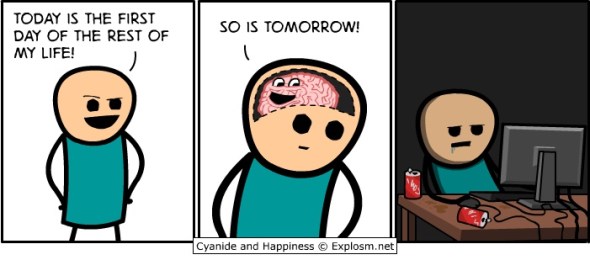
See more comics at explosm.net
Procrastination is the thief of time that derails New Year’s resolutions and delays saving for college or retirement, but researchers have found a way to collar it.
The trick? Think of the future as now.
Walking an extra two minutes each hour may offset hazards of sitting too long

Eat less, workout more, these are the messages we are being sent almost on a daily basis. But how do we quantify “more” and who really should listen to that advice? Well a new study suggests that engaging in low intensity activities such as standing may not be enough to offset the health hazards of sitting for long periods of time. On the bright side, adding two minutes of walking each hour to your routine just might do the trick.
Psychologists share the three secrets to healthier eating
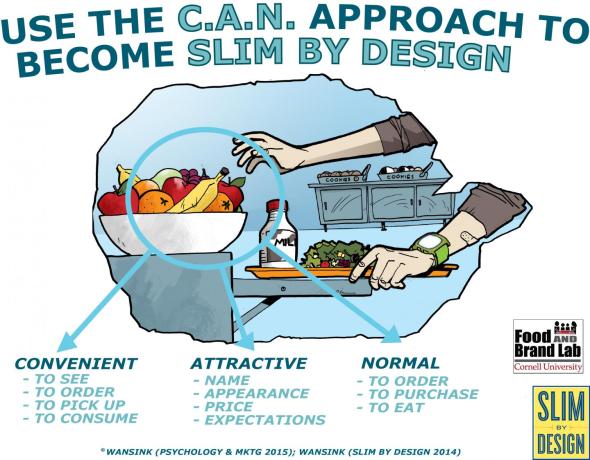
You don’t need a crazy diet to lose weight. In fact, your typical fad diet won’t help you keep weight off long term and could be harming your health. If you want to know the secrets of healthier eating, think of the kitchen fruit bowl. A fruit bowl makes fruit more convenient, attractive, and normal to eat than if the same fruit were in the bottom of the refrigerator.
Do you have the genes of a rapist?

Rape, it’s so taboo that victims are sometimes shamed for “letting” it happening. It’s a dirty word, no one likes the word rape so we come up with other names for it — sexual assault for example. Well new research shows that close relatives of men convicted of sexual offences commit similar offences themselves more frequently than comparison subjects. The study suggests that this is due to genetic factors rather than shared family environment. The study includes all men convicted of sex crime in Sweden during 37 years.
Gender differences in moral judgements linked to emotion
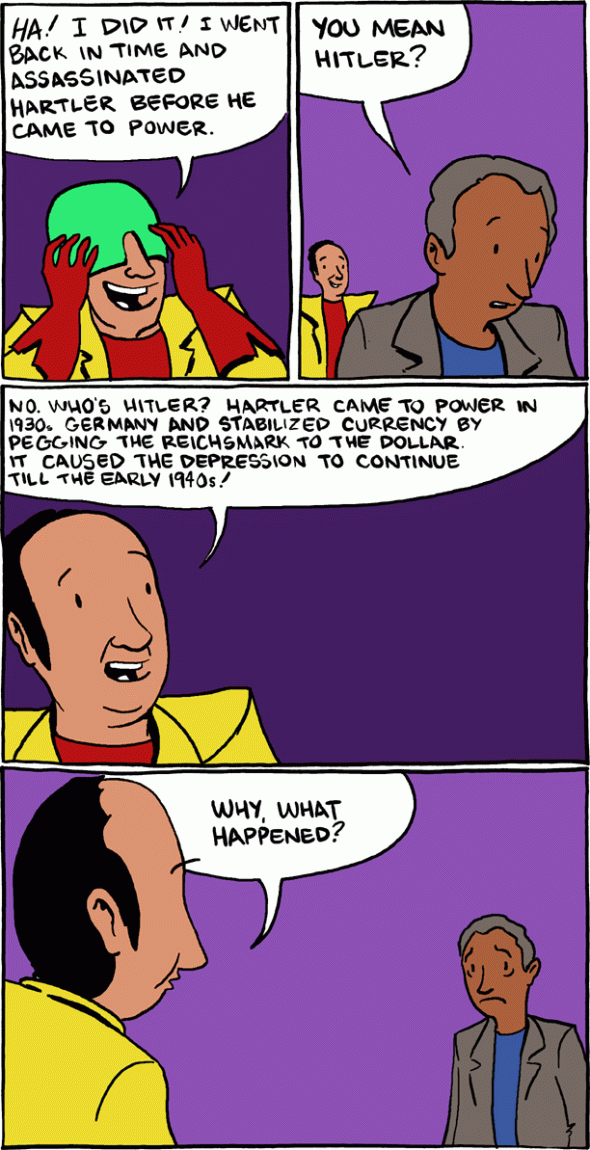
You can see more funny stuff like this over at SMBC
If a time machine was available, would it be right to kill Adolf Hitler when he was still a young Austrian artist to prevent World War II and save millions of lives? Should a police officer torture an alleged bomber to find hidden explosives that could kill many people at a local cafe? When faced with such dilemmas, men are typically more willing to accept harmful actions for the sake of the greater good than women. For example, women would be less likely to support the killing of a young Hitler or torturing a bombing suspect, even if doing so would ultimately save more lives.
Depressed parents cause anxiety and bad behavior in toddlers
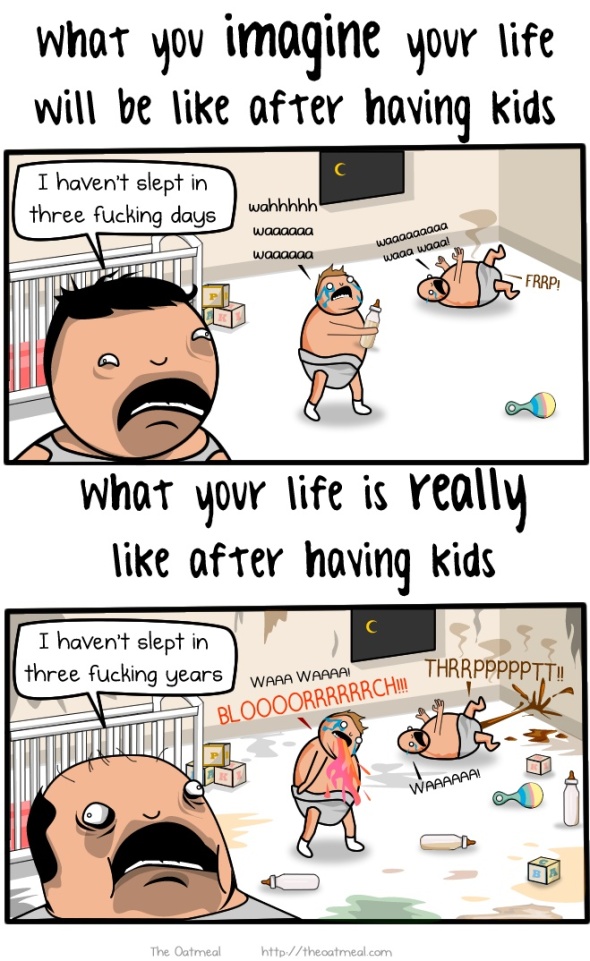
Credit for this all too true look at parenting goes to the one and only The Oatmeal, you can find more minor differences here.
Being a new parent can be stressful, new mothers can suffer from postpartum depression and even new fathers can find the changes stressful enough to cause depression. Unfortunately– and if that wasn’t bad enough– a new study shows that a father’s depression during the first years of parenting – as well as a mother’s – can put their toddler at risk of developing troubling behaviors such as hitting, lying, anxiety and sadness during a critical time of development.


 Lunatic Laboratories