
Genetics and Schizophrenia
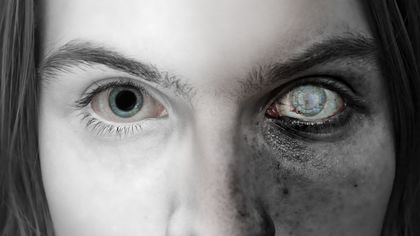
Like most mental illness, schizophrenia sucks. Once a friend of mine lost an eye to his schizophrenic brother during a serious episode. That sort of thing will tear a family apart and while he harbors no ill will towards his brother, because the state pressed charges [and he was the defendant] they cannot see each other while he is in prison. When it is not so severe, you would never know he could do something like that, schizophrenia sucks.
Mohawks and Autism- An unlikely connection

With how far science has come, eureka moments are becoming harder and harder to have. Most scientists will be lucky if they have one in their lifetime. So yes, rare, but then again, so is finding mice with a mohawk like hairstyle. As it turns out, both of these things happened just recently.
The connection came in a lab at NYU Langone Medical Center, months after an international team of neuroscientists bred hundreds of mice with a suspect genetic mutation tied to autism spectrum disorders.
Science Fact and Fiction behind Fat Loss
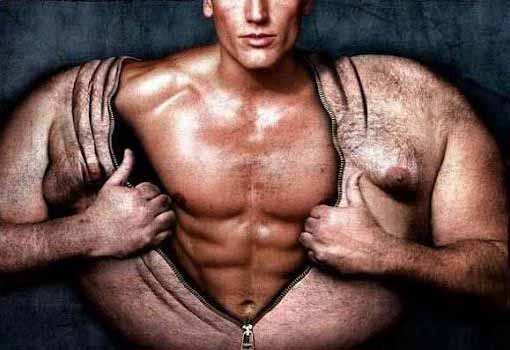
Do you have some of that unwanted belly fat? Do you get nervous that you will exceed the weight limit in an elevator? Do you want to eat everything in sight, but still lose the weight? Too bad, that is marketing, not science and if you want to lose the weight science can help, not so much the guy talking on the screen.
Genetically Modified Food: Myth and Legend

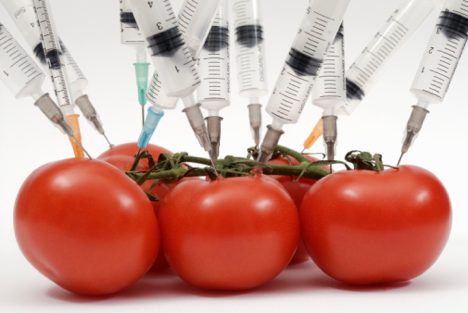
Vermont, not quite the armpit of the United States, but not a place I would live [personally speaking of course]. Still, looking at history Vermont was the first to ban slavery [good], but now they are the first to do something else too, they are looking to ban all food that is genetically modified if it is not properly labeled [bad].
This bill is set to start a wildfire across the US with food scares, like any science scare, is easy to start and hard to stop [if at all]. Genetically modified food has helped cushion the ever growing population and the need to feed that population. People will [undoubtedly] argue otherwise, but all food is genetically modified one way or another.
Using Genes to Boost Brain Power: Live Longer, Think Better


Does your family have a history of living to a ripe old age? That may bode well for you! Not only does a gene linked to longevity seem to help you live longer, it also makes you smarter. The study I am referring to was partly funded by the National Institutes of Health and offers a new way to boost brain power.
So what genes are we talking about– well right now it seems that people with the gene KLOTHO have improved brain skills such as thinking, learning and memory regardless of their age, sex, or whether they have a genetic risk factor for Alzheimer’s disease. Here is where it gets even more interesting though, increasing KLOTHO gene levels in mice made them smarter, possibly by increasing the strength of connections between nerve cells in the brain.
We can build it better: The First Semi-Synthetic Organism
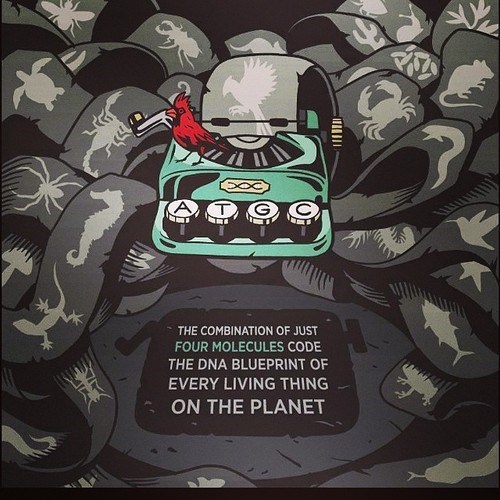
Not anymore…
Normally I do one post a day, but I could NOT wait to share this. Scientists at The Scripps Research Institute (TSRI) have engineered a bacterium whose genetic material includes an added pair of DNA “letters,” not found in nature. The cells of this new bacterium can even replicate the unnatural DNA bases more or less normally, for as long as the molecular building blocks are supplied to the bacterium.
I don’t even really know where to start with this, so let’s start with the basics, normally in nature, everything, everywhere [that we know of] has four different letters in it’s DNA, A-T, G-C, that is is and they only go together in that order A with T and G with C, never will you see a T with a G for example.
How a Mother’s Diet Shapes a Child
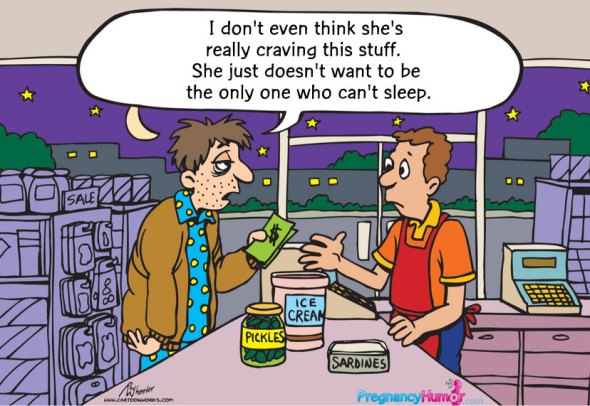
Peanut butter and pickles, yummy… well maybe if you are pregnant, speaking of which, [see how that works?] researchers from the MRC International Nutrition Group, based at the London School of Hygiene & Tropical Medicine have shown a link between a mother’s diet before conception and the effect it has on a babies genes.
The study, which was done in rural Gambia, where the population’s dependence on locally grown foods and a very different seasonal climate impose a large difference in the eating habits between rainy and dry seasons, gave researchers the ability to look specifically at the how diet would affect the genes in an unborn child.
Could a Vaccine for Cancer be a Reality?

How do you take out an unstoppable enemy? You don’t take the enemy head on, you take out the supply lines and the rest will take care of itself. This is not a new idea, but this not so new approach to war is being taken to an enemy on a new battlefield, your body.
Cancer in most cases can be an unstoppable force, collateral damage from chemotherapy can be, and in most cases is unacceptable. That was the thinking from a group of researchers from the Abramson Cancer Center and the Perelman School of Medicine at the University of Pennsylvania. Their idea, to attack the supply lines instead of the enemy directly.
DNA nanobots perform in living cockroach
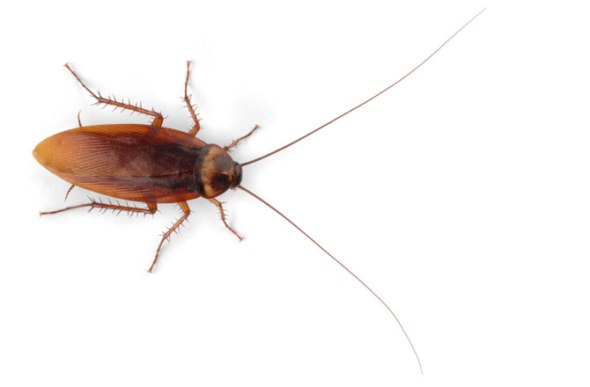
Cockroaches, not the cutest thing on the planet.
The six million dollar man has nothing on these cockroaches. We can rebuild them, better than they were before. We have the technology, and as it turns out, we do! While DNA robots may not, in itself be a new thing,a study published in Nature Nanotechnology is definitely not only new, but it’s something to talk about.
Grew up disadvantaged? Your genes show it.

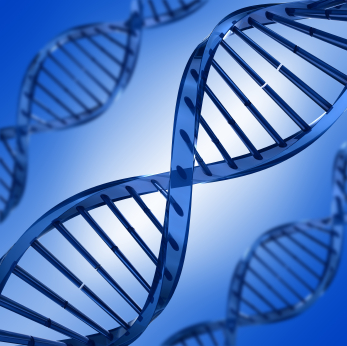
Are you constantly stressed? Did you grow up disadvantaged [no judgement here, I did], or maybe you had a nurturing household as a child? As it turns out, we can see it in your genes.
A new study out published in the Proceedings of the National Academy of Sciences, shows a strong link between the way you are raised and your genes. The study used telomere length as a marker of stress, then compared it to genetic and environmental cues.
A New Hope for Spinal Injury Patients
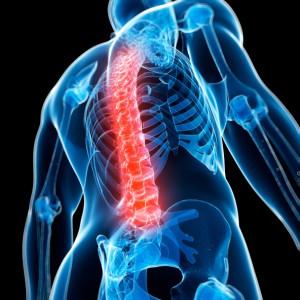
Why is it that when you break a bone, it heals, but when something happens to your spinal cord, the nerves don’t repair themselves? A new study in the Journal of Nature Communications now helps shed some light on just why that is.
But first a little background, the nervous system is made up of two separate parts, your central nervous system [CNS] which is made up of your brain and spinal cord, everything else is called the peripheral nervous system [PNS].
Gene Editing in Live Mice Cures Rare Liver Disease
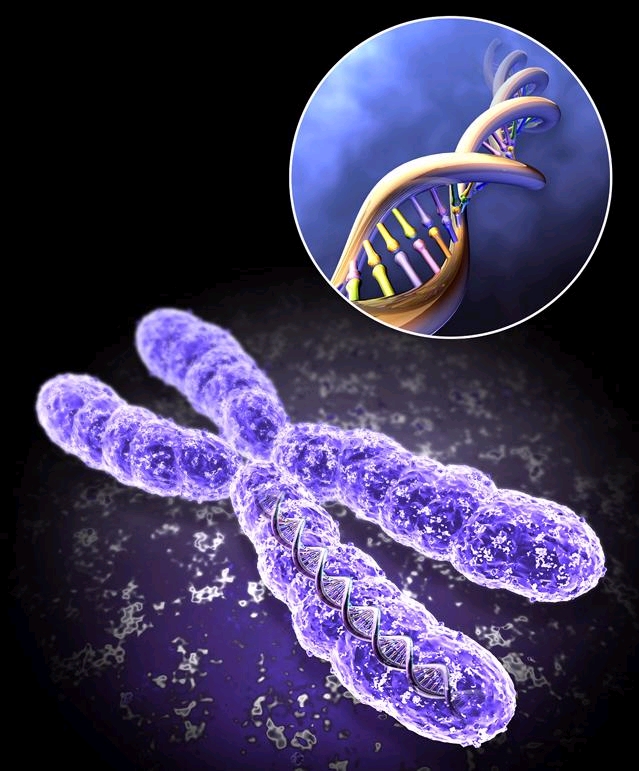
A chromosome [the “x”] with a DNA strand ‘close up’ in the circle.


 Lunatic Laboratories