
How gut microbiota changes the blood-brain barrier
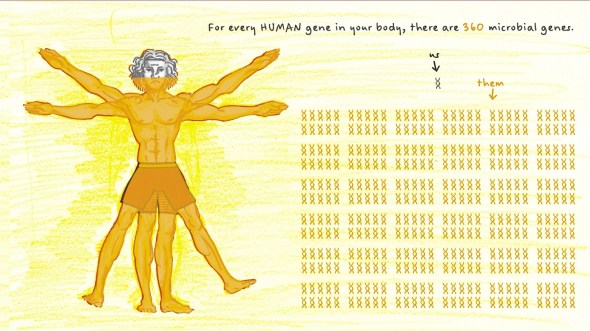
Photo credit goes to: NPR
Don’t be alarmed, but we are outnumbered. When figuring out what makes us, “us” we need to remember that there are far more bacteria genes in us than human genes, by recent counts it’s something like 360 to 1. We also know that your stomach can change your cravings, but now we know that your stomach affects more than just your thoughts. Your stomach can control what can get to your brain.
Telomeres, Epigenetics, and Aging: the new found complexities in your genes
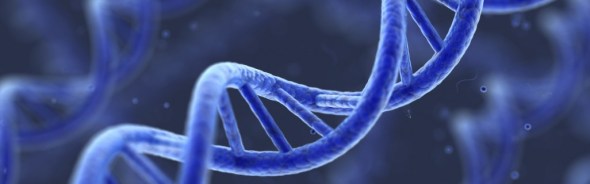
Telomere length is associated with aging, this isn’t a new statement, but interestingly enough there is more to this story than just the size of your telomeres. Telomere lengths have now been shown to cause epigenetic changes, this new discovery may help explain the aging of cells and how they initiate and transmit disease.
Chlamydia and Cancer: A new connection

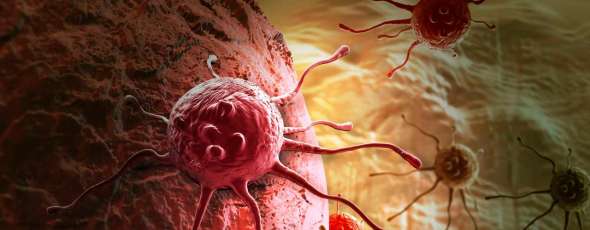
Infections due to the sexually transmitted bacterium Chlamydia trachomatis often remain unnoticed. The pathogen is not only a common cause of female infertility; it is also suspected of increasing the risk of abdominal cancer. A new study has now observed the breakdown of an important endogenous protective factor in the course of chlamydial infection. In other words, the pathogen can cause an increased risk of certain cancers.
Limitless: The science behind remembering everything


If you could remember everything, you saw, learned, or did, would it be a blessing or a curse? Well an even better question would be, it even possible to upgrade the storage capabilities of the brain? The answer is strangely enough, maybe, according to a new study we might just be able to remember quite literally everything.
Ever wonder how the brain maps our world?
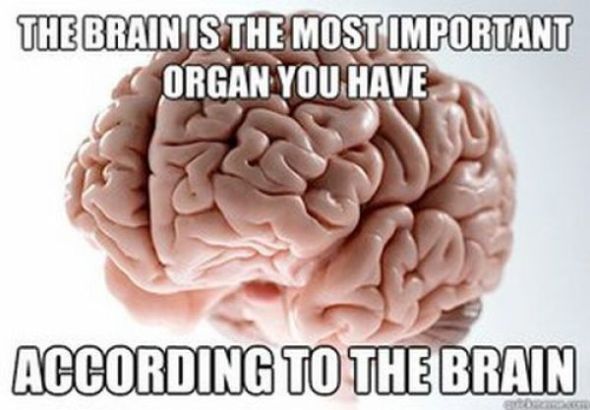
Well played brain, well played.
Sometimes we go into automatic, that “new” coffee shop on your way to work you just noticed, well it has been there for weeks. We can gauge where we are from just about anywhere we have already been. Giving directions, well some of us can never do that, yet we can still get from point A to B easy enough. Yet if we were to drive or even walk backwards and the world wouldn’t feel quite right, things would feel and seem just a little weird — not just because we are used to seeing things pass us by as we go forward.
If being sad is “bad”, then why is there sad music?

We tell children not to look so sad. We tell adults to wipe that sad look off their face and smile. We even worry that if you are sad too long, you might need medical attention. Yet, for most of us, when life gets you down, you put on some sad music. So if sadness is such a negative, why do we spend our money and time wallowing in these sad tunes?
A Possible Genetic “Cure” for HIV… Maybe
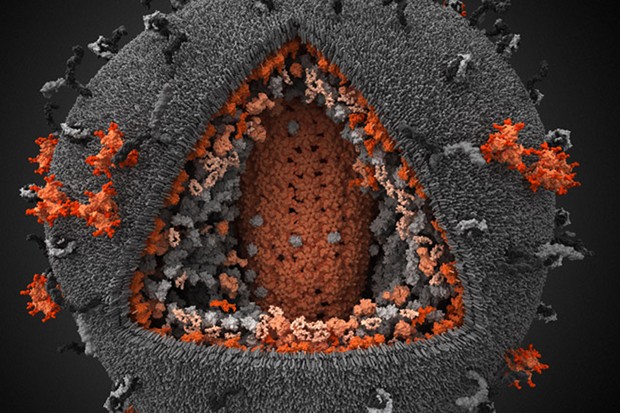
Let’s face it, a cure for HIV probably won’t be coming around for awhile. That slippery little virus manages to avoid everything we throw at it. Well researchers at Massachusetts General (MGH) and Boston Children’s hospitals (BCH) tried to take another crack at the problem. For the first time they have used a relatively new gene-editing technique to create what could prove to be an effective technique for blocking HIV from invading and destroying patients’ immune systems.
Steak is bad for the heart and now we know why

“Red meat is bad for your heart”, that is typically the story we hear from people. While some might take this as meat is bad for us, or that it is wrong to eat red meat, science has been trying to find a better answer to that question. After all it wouldn’t do for science to say, it just does. Well as luck may have it, new research provides details on how gut bacteria turn a nutrient found in red meat into metabolites that increase the risk of developing heart disease. The findings may lead to new strategies for safeguarding individuals’ cardiovascular health.
Reshaping the Limits of Synthetic Biology
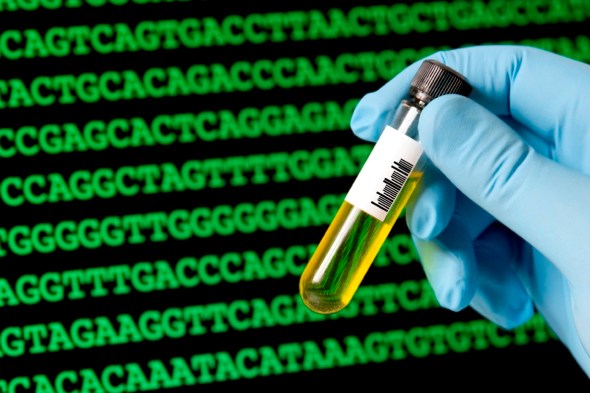
Ever think you could have built something better if you had a hand in the design? Sometimes people just have a desire to make, after all the maker movement is huge for a reason. Well geneticists have a new toy tool to play with —dubbed “the telomerator”—that could redefine the limits of synthetic biology and advance how successfully living things can be engineered or constructed in the laboratory based on an organism’s genetic, chemical base-pair structure. How cool is that?!
Where HIV hides
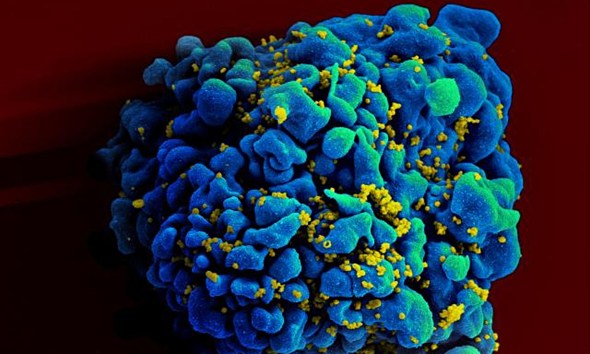
HIV is hard to get rid of,not because it primarily resides in the blood, but because of where it hides when antiretrovirals drop HIV levels. So the real question is where does HIV hide? Unfortunately those antiretroviral drugs can usually control the virus, but can’t completely eliminate it. So any strategy to eradicate HIV from the body has to take into account not only the main group of immune cells the virus targets, called CD4 or helper T cells, but other infected cells as well.
New Genetic Editing Technique Offers Novel Treatment of Defects
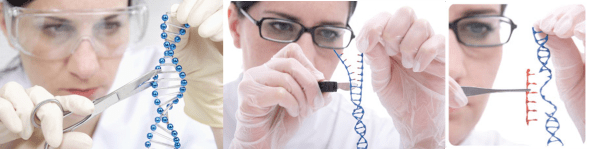
The promises of genetic modifications are endless, longer life, better health, cures for genetic based diseases that would otherwise cause an unimaginable amount of suffering all wiped out. We’ve come a long way in genetic alteration thanks, in part, to the ever faster moving pace of science. While genetic modification is the thing of horror movies, it also can change the world in ways we cannot even imagine — unfortunately getting genome-editing proteins into cells, where they need to be to access the genome, is a major challenge, especially in live animals or human patients.
More Genetic Links Behind Autism

Vaccines do NOT cause autism. One more time, vaccines DO NOT cause autism. So what does cause autism, that problem has been plaguing scientists for awhile now. Thankfully two major genetic studies of autism and involving more than 50 laboratories worldwide, have newly implicated dozens of genes in the disorder. The research shows that rare mutations in these genes affect communication networks in the brain and compromise fundamental biological mechanisms that govern whether, when, and how genes are activated overall.
Scientists resurrect 700-year-old viruses, Just in time for Halloween!


You know how some zombie movies start with a discovery of a virus, it gets loose, and things quickly spiral out of control from that? Well in breaking news a team of researchers have found two 700-year-old viral sequences in frozen caribou dung in an arctic ice patch. The group isolated part of a viral RNA genome and the complete genome of a DNA virus. Then they infected living plants with the DNA virus, what could go wrong?
Research Shows Synapses are Always Ready to Go

The inner workings of the brain are quick, but really they have to be. Neurons need to be able to rapidly propagate information in their interior via electrical signals and they communicate with each other at special contact points known as the synapses. These chemical messenger substances (known as neurotransmitters) are stored in vesicles at the synapses. When a synapse becomes active, some of these vesicles fuse with the cell membrane and release their contents. To ensure that valuable time is not lost, synapses always have some readily releasable vesicles on standby.
The Cause Behind Seizures post-Vaccination

The anti-vaccination movement is a dangerous one. Children are falling ill (and in certain cases dying) over nothing more than fear and misinformation. The problem is science doesn’t have all the answers and it is tempting to look to someone — or in this case a group of someones– who claim to have those answers, true or not. Well science eventually gets the answers we need and now scientists have found genetic clues to explain why a small number of children have febrile seizures—brief convulsions—after receiving the measles, mumps and rubella (MMR) vaccine.
The Genetics of Congenital Heart Defects Slowly Emerge from Down Syndrome Study
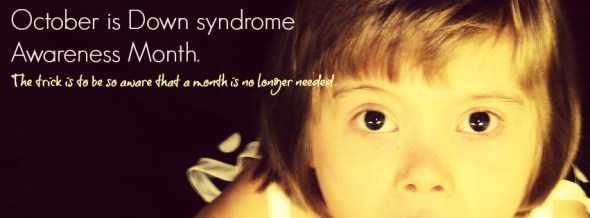
Down syndrome, of all the genetic defects people are born with, is the most common (as far as chromosomal abnormalities go). Down syndrome involves having a third copy of all or part of chromosome 21 (for those who do not recall we are typically born with 23 pairs of chromosomes). In addition to intellectual disability, individuals with Down syndrome have a high risk of congenital heart defects. However, not all people with Down syndrome have them – about half have structurally normal hearts.
The Genes Responsible for Immune System Reset after Infection

We’ve all been sick before, the aches and pains that come with it– most of the time including a fever — are all responses to our immune system kicking into high gear. But what if your body didn’t reverse course and go back to a, let’s call it” relaxed state.” Once the battle is won, the body’s efforts would be wasted on energy costing defense. A bad thing when the body really should be focusing on repairing the damage done by the foreign invaders.
Converting Skin Cells to Neurons: A Fight Against Huntington’s


A sad thought indeed.
Photo credit goes to: Huntington Society of Canada PSA
Neurological diseases are some of the hardest to fight against (in my opinion). The big reason is the brain, we still know so little about it and treatment for anything effecting it can be difficult to say the least. Take Huntington’s disease, an ultimately fatal neurodegenerative disorder. There is no cure and no real treatment, but that might change relatively soon thanks to a new discovery.
DNA Nanotech: The First Large DNA Crystals
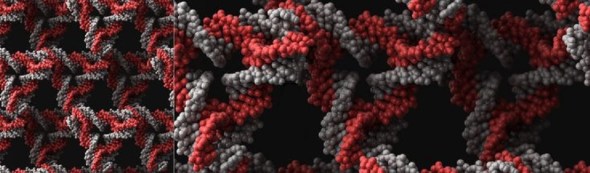
DNA is the stuff of life as we know it, but it is the potential as a programmable material platform that could spawn entire new and revolutionary nanodevices in computer science, microscopy, biology, and more. Researchers have been working to master the ability to coax DNA molecules to self assemble into the precise shapes and sizes needed in order to fully realize these nanotechnology dreams. A dream that been going on for 20 years now and was just realized.
New Genetic Test to help Solve Rare Disease Diagnosis

Photo credit goes to the Lapidus family
My sister suffers from a rare disease which causes small fiber polyneuropathy, or the killing of nerves in her hands and feet. As it progresses she has trouble standing or using her hands. If that was the worst of it, then it might be liveable given the time between severe attacks is years or more. Unfortunately, it also causes intense and mostly constant pain and burning sensations, pain so bad that conventional narcotic painkillers have trouble controlling it. After some time working with the hospital I narrowed it down to autoimmune mediated. Her Doctors finally agreed, but only after first dismissing it as anything from she was faking it, all the way to lupus.
The “New” Roots of our Friends the Mitochondria
![Image credit goes to biovisions, by Harvard University [see video below]](https://loonylabs.org/wp-content/uploads/2014/10/biovisions-mitochondria.jpg?w=590)
Image credit goes to biovisions, by Harvard University [see video below]
Free Radicals and Wound Healing
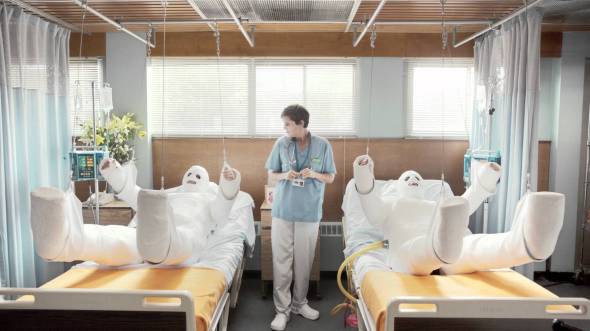
Free radicals, said in the right crowd and you might hear someone scream for their life. Of course, to be perfectly transparent antioxidants have already shown to be bad in plenty of cases, so maybe it’s just bad PR. Still they were long assumed to be destructive to tissues and cells causing a host of age related problems with them. Well new research is showing that “free radicals” generated by the cell’s mitochondria—the energy producing “powerhouse” structures in the cell—are actually beneficial to healing wounds.
Nothing Sticks to a new Bioinspired coating for medical devices
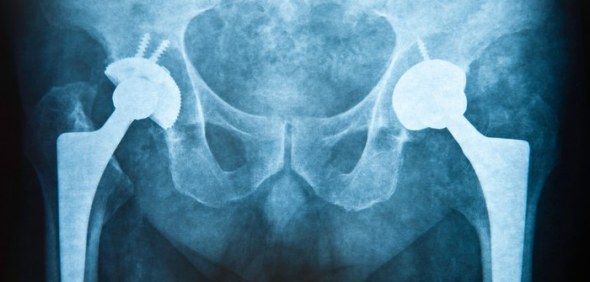
Putting things in the body can be tricky, I mean we need things from joint replacements to cardiac implants and dialysis machines, these medical devices are needed to enhance or save lives on a daily basis. However, any device implanted in the body or in contact with flowing blood faces two critical challenges that can threaten the life of the patient the device is meant to help: blood clotting and bacterial infection. Problems that sound easier to fix than they actually are.
Poop Pills, Yeah they are a Thing Now
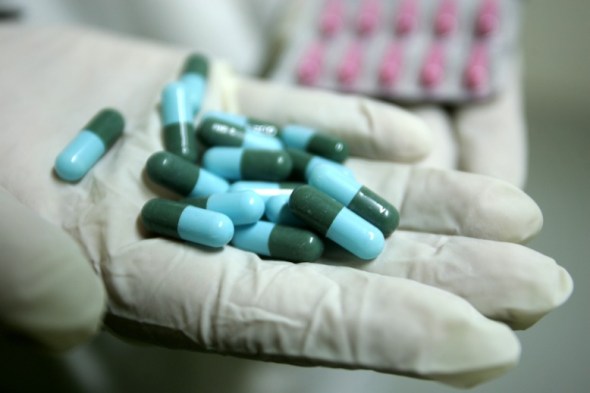
When someone is lying it isn’t too abnormal to hear someone say, “you’re full of sh…” well you get the idea. Our poop defines us, the microbes that live in our digestive tract make it possible for us to digest food, absorb nutrients, and stay healthy. Heck they may even cause your cravings! Unfortunately sometimes –whether due to abuse of antibiotics or some medical condition like C. diff infection– gut bacteria can work against us, leading to all sorts of problems. As of now, the only real way to fix it is a poop transplant, which can be invasive and the most effective poop transplants are not done anally, but orally.
How the Brain Heals After a Stroke
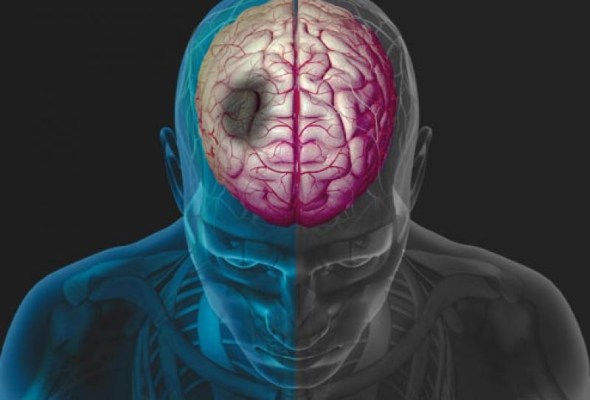
You have all the brain cells you’ll ever have when you reach adulthood. That was the science lesson I was taught in high school from, maybe a misguided teacher, or maybe just misinformed, I do not know. That statement however is not true, we know that the brain is very plastic and ever changing. It’s resilience still amazes us, even today with all that we know about it. Now a previously unknown mechanism through which the brain produces new nerve cells after a stroke has been discovered, showing us just how resilient the brain truly is.
The Blood-Brain Barrier and the Future of Medicine

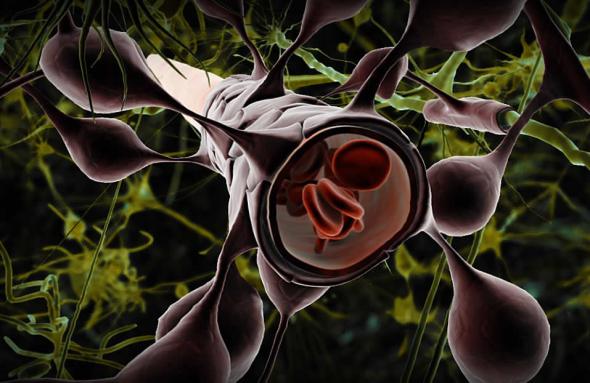
The blood-brain barrier, not quite a brick and mortar defense from the outside world, but strangely enough it is extremely effective. The blood-brain barrier (BBB) acts as a bouncer, it keeps the bad things out, while helping to regulate certain aspects of the brain. To circumvent the BBB thousands of people have stimulators placed deep in their brains in the hope of curing their ills. Many require tubes, catheters, and shunts penetrating deep into their brain ventricles to deliver medicine or to drain over pressurized cerebral fluids. These devices have a crude and bulky insertion that is simply plowed through healthy brain tissue, sparing little in its path. In other words, we need to do better.
Using “Programmable” Antibiotics to Attack Drug-Resistant Microbes
The body is pretty great at self regulation, that is up until it isn’t. The antibiotic era was one that improved human health hundreds of times over. Unfortunately health is a joint effort, a multitude of microbes scientists have found populating the human body have good, bad and mostly mysterious implications for our health. But when something goes wrong, we defend ourselves with the undiscriminating brute force of traditional antibiotics, which wipe out everything at once like a wild fire, regardless of the consequences.
The Path of Antibiotic Resistance
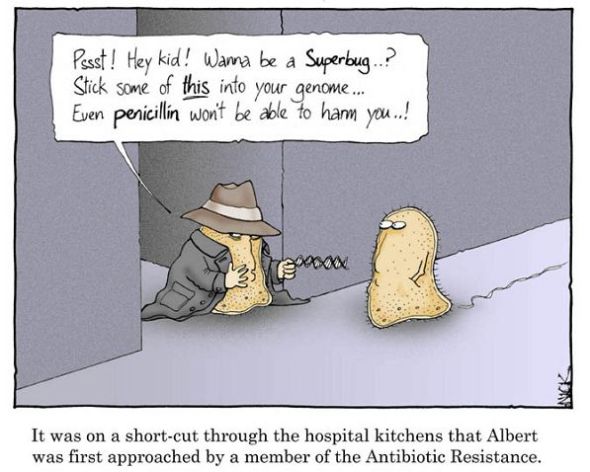
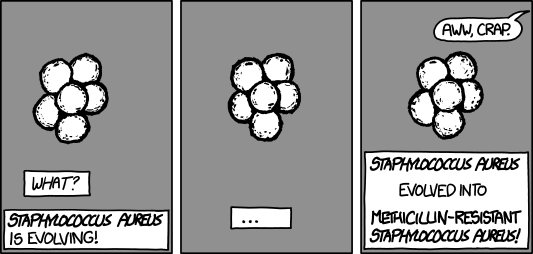
MRSA, not that long ago we had no idea what MRSA was… mostly because it hadn’t come into prevalence. With an increase in the use and abuse of antibiotics there has been an ever growing pressure for the pathogens we treat to mutate in order to survive, this pressure is called selective pressure and helped cause drug-resistance in pathogens. In response to the rise of these drug-resistant pathogens, doctors are routinely cautioned against over prescribing antimicrobials. But when a patient has a confirmed bacterial infection, the advice is to treat aggressively to quash the infection before the bacteria can develop resistance.
The Mysterious Origins of HIV Discovered

There have been a lot of theories on where HIV came from, anywhere from the mundane, it spread from other animals. To the down right crazy, the government created it to wipe out homosexuals. Well bad news for conspiracy theorists, a new study suggests that the HIV pandemic with us today is almost certain to have begun its global spread from Kinshasa, the capital of the Democratic Republic of the Congo (DRC).
The Ever Plastic Brain and Intellectual Disabilities
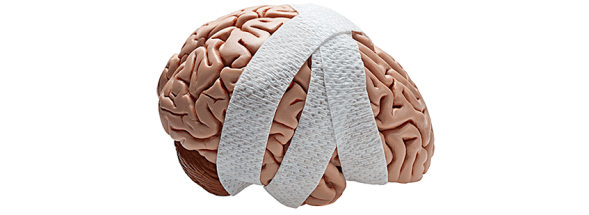
The plasticity of the brain is always somewhat of a shock. It’s near incredible what the brain can achieve, look at people who have strokes, or any other sort of brain injury and yet still somehow manage to get up and move, or perform tasks. So I guess it should be no surprise, but still amazing that studying mice with a genetic change similar to what is found in Kabuki syndrome (an inherited disease of humans) researchers report they have used an anticancer drug to improve mental function.
New Immune System Discovery
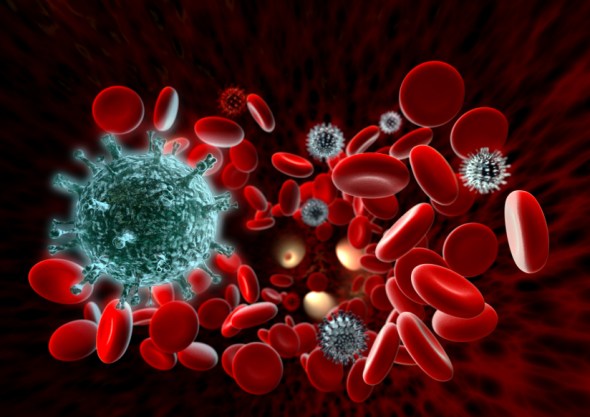
The immune system is sort of this big enigma, we know how pieces of it work, but we don’t know it as well as we would like or we wouldn’t have autoimmunity to contend with. Well new research reveals new information about how our immune system functions, shedding light on a vital process that determines how the body’s ability to fight infection develops. Which brings us one step closer to the big picture of the immune system.
New Protein Implicated in Alzheimer’s
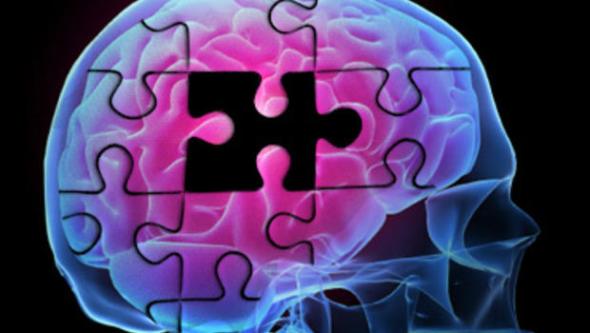
Alzheimer’s prevention has made some strides in recent years. We’ve even identified some new causes, and in some cases we can do both. In fact, researchers have now shown that low levels of the protein progranulin in the brain can increase the formation of amyloid-beta plaques (a hallmark of Alzheimer’s disease). These plaques can cause neuroinflammation, and worsen memory deficits in a mouse model of this condition. Conversely, by using a gene therapy approach to elevate progranulin levels, scientists were able to prevent these abnormalities and block cell death.
A New Discovery in the Treatment of Autoimmunity and Chronic Inflammation
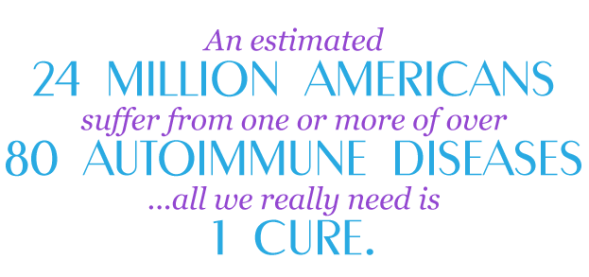
Lupus, Type 1 diabetes, and multiple sclerosis are all diseases brought on by autoimmunity — the bodies inability to tell itself apart from foreign invaders. Finding a cure, or even a suitable treatment has been to put it gently a long, painful road, with little to show for it. On the forefront of the war against the body betrayal is immunosuppressants, which with them carry their own set of side effects and in most cases only off mild to moderate relief of symptoms. But that is all changing and new research on something called immunoproteasomes offer that new hope.
A new Medicine may help Lupus Sufferers
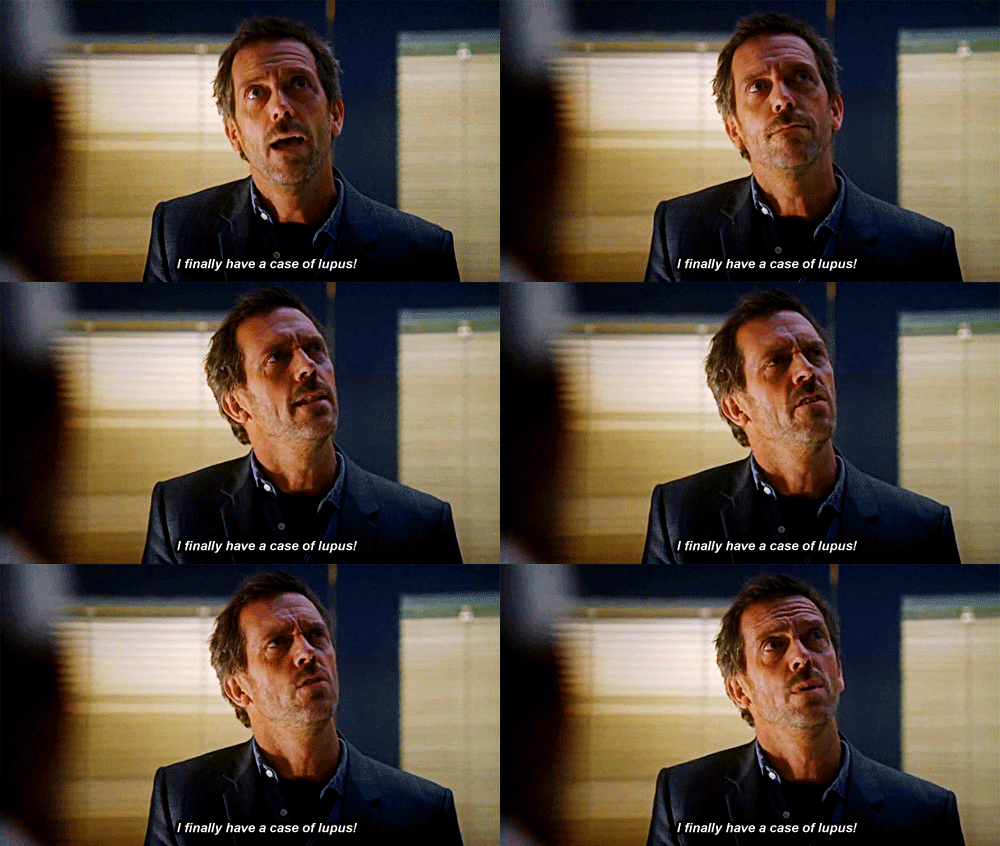
It’s never Lupus, until it is… that’s because it’s more common than you might think.
Lupus, a particularly bad hell on earth for people suffering from it. Lupus is caused by autoimmunity, in where the body attacks itself. I have a special place in my heart for people suffering from the disease because my Uncle suffered from it. There is no cure and only moderately effective treatments for the disorder, which causes, in some cases, the most excruciating pain you will ever feel. Thankfully new findings by a biomedical engineering team raise hope for a new class of drugs to treat lupus that may not include the long list of adverse risks and side effects often associated with current treatments.
Autism and the Low Iron Connection

The topic of autism is a charged one. Maybe it’s because it isn’t a simple diagnosis; there are many roads to autism. Most of them are probably genetic, some of them are likely environmental, and none of them are related to vaccination (sorry to burst your bubble anti vax people, it’s called science). Some new research shows another possible (environmental) cause. The new study shows that mothers of children with autism are significantly less likely to report taking iron supplements before and during their pregnancies than the mothers of children who are developing normally.
Lengthen Telomeres and Turn Back Aging
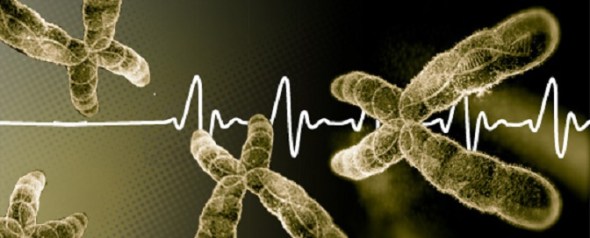
Want to live longer and healthier? Of course you do, well science may just have the answer! Scientists have discovered an on-and-off “switch” in cells that may hold the key to healthy aging. This switch points to a way to encourage healthy cells to keep dividing and generating, for example, new lung or liver tissue, even in old age. Getting cells to divide might not be that hard (or even very useful), but that isn’t all, it gets better!
Nanosponges Clean up Antibody-mediated Autoimmune Disease
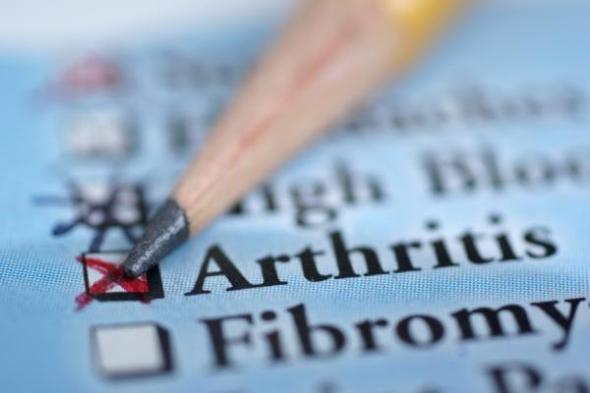
What does lupus, rheumatoid arthritis, type I diabetes, multiple sclerosis, and rheumatic heart disease have in common? All of these (and many other) apparently unrelated disorders are caused by autoimmunity, in which the immune system produces antibodies that attack normal, healthy cells and tissues. Currently considered incurable, these autoimmune diseases can be managed, but to varying degrees and not without serious side effects. Moreover, autoimmune diseases include a wide range of dysfunctional immune responses known as type II, type III, and type IV immune hypersensitivity reactions.
New test for Diagnosing Alzheimer’s Early
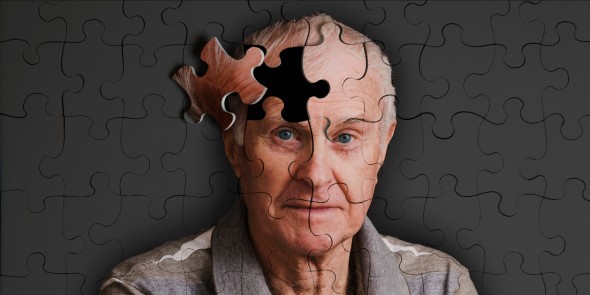
Alzheimer’s diagnosis is important, like the famous slogan “with a stroke, time lost is brain lost,” detecting alzheimer’s is important in order to stave off cognitive decline. A just like a stroke time lost is brain lost. Unfortunately early diagnosis has been hard to come by, but now researchers say a simple test that combines thinking and movement can help to detect heightened risk for developing Alzheimer’s disease in a person. The best part, they say this will work even before there are any telltale behavioural signs of dementia.
Is Stress Eating Away at You? No, Literally…

Ever wonder why, when people are too stressed, they are often grouchy, grumpy, nasty, distracted or forgetful? It may not be something you’ve done, in fact it turns out stress is literally tearing apart the brain. By this I mean that researchers have just highlighted a fundamental synaptic mechanism that explains the relationship between chronic stress and the loss of social skills and cognitive impairment. When triggered by stress, an enzyme attacks a synaptic regulatory molecule in the brain. In other words, when people use the colloquialism “what’s eating you?” the answer might just be, stress.
New Cocktail Turns Adult Cells into Stem Cells
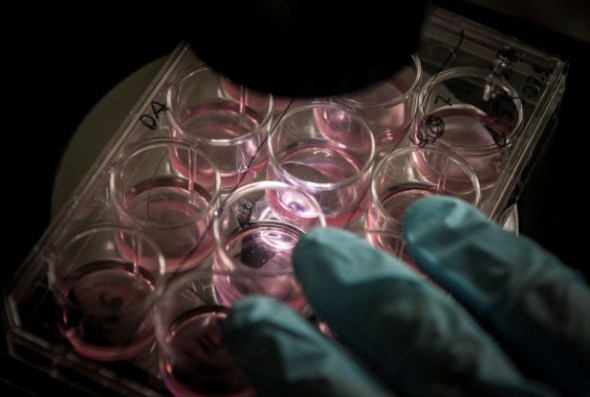
For those of us who were following stem cell news, recently the field had a huge setback when a paper, that offered a cheap and novel way to create stem cells, was retracted from publication. Regenerative medicine aims to replace lost or damaged cells, tissues or organs through cellular transplantation, but the promise to a better life has been hampered. Because stem cells derived from human embryos can trigger ethical concerns, a good solution is reprogramming adult cells back to an embryo-like state using a combination of reprogramming factors. Unfortunately that has been easier said than done.
Biospleen Helps Clean Blood to Prevent Sepsis

When a patient has sepsis, things can go downhill fast. A life-threatening condition in which bacteria or fungi multiply in a patient’s blood — sepsis is often too fast for antibiotics to help. But that’s all about to change with the introduction of a new device — inspired by the human spleen — that may radically transform the way doctors treat sepsis.
“Even with the best current treatments, sepsis patients are dying in intensive care units at least 30 percent of the time,” said Mike Super, Ph.D. “We need a new approach.”
To put things into perspective sepsis kills at least eight million people worldwide each year and it’s the leading cause of hospital deaths.
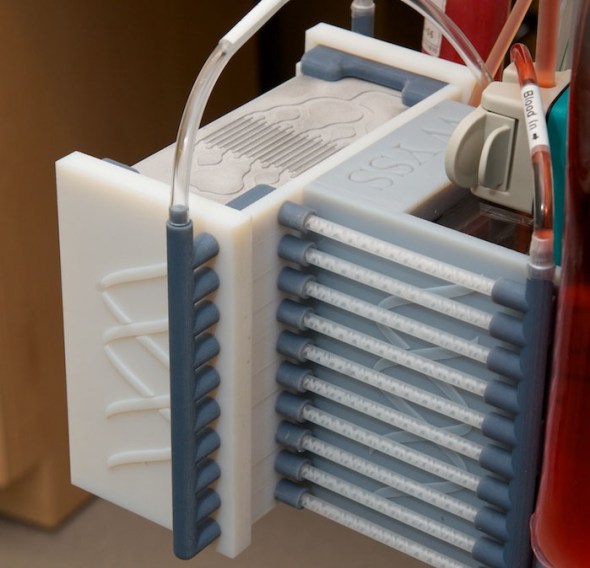
The Spleen-on-a-chip, developed at the Wyss Institute, will be used to treat bloodstream infections that are the leading cause of death in critically ill patients and soldiers injured in combat. Image credit goes to: Wyss Institute
Need a Kidney? Lab Grown Kidneys Coming Soon!

Stem cells offered the promise of having a patents own organ grown to replace a failing or damaged one. Unfortunately the road to that future has been paved with seemingly insurmountable challenges. Thankfully now we are one step closer, researchers have addressed a major challenge in the quest to build replacement kidneys in the lab. Working with human-sized pig kidneys, the scientists developed the most successful method to date to keep blood vessels in the new organs open and flowing with blood.
Inflammation of the Brain and Memory Problems
Neurological disorders typically involve memory issues. Most of the problems are attributed to plaques that build up in the brain (which are typically prions), yet some causes are unknown. New research however sheds some light on at least one cause of memory problems. As it turns out brain inflammation can rapidly disrupt our ability to retrieve complex memories of similar but distinct experiences.
The Origami Brain and a new marker for Schizophrenia
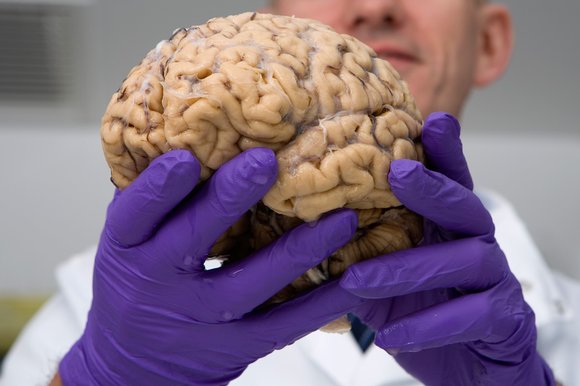
Anyone who has seen pictures or models of the human brain (like the one above) is aware that the outside layer, or cortex, of the brain is folded in an intricate pattern of “hills”, called gyri, and “valleys”, called sulci which give the brain it’s distinctive look. It turns out that the patterns of cortical folding are largely consistent across healthy humans, broadly speaking. However, disturbances in cortical folding patterns suggest deeper disturbances in brain structure and function.
Multiple Sclerosis and Myelin loss

Multiple sclerosis (MS) is an unpredictable, often disabling disease of the central nervous system that disrupts the flow of information within the brain, and between the brain and body. The exact cause is unknown, however people with multiple sclerosis lose myelin in the gray matter of their brains and the loss is closely correlated with the severity of the disease, according to a new magnetic resonance imaging (MRI) study.
Autism and Testosterone
As a male we are at higher risk for heart disease, we are also at higher risk for stroke. It’s that pesky testosterone, sure it has its benefits, don’t get me wrong I think testosterone over all is great. Estrogen has it’s own downsides too, things like certain cancers for example. Well estrogen has some other benefits and as it turns out, the same sex hormone that helps protect females from stroke may also reduce their risk of autism.
Genes Smash! An Oxytricha trifallax story

In DNA mutation is often a bad thing. It’s sort of like building a car, there are far more wrong ways to one together than there are right ways. Still, mutation happens often which brings with it good (and more often bad) things. Usually mutation is spontaneous, it has no real rhyme or reason (in a broad sense) and while it brings things like cancers, it also can bring amazingly beneficial traits too. Maybe this is why a pond-dwelling, single-celled organism called Oxytricha trifallax is so keen on mixing things up. By that I mean it has the remarkable ability to break its own DNA into nearly a quarter-million pieces and rapidly reassemble those pieces when it’s time to mate.
A new Hope for Muscle Wasting Diseases

Muscle wasting diseases can be difficult to watch. They are typically slow and have a very painful progression, some to the point of not even being able to breath on ones own. But new research might change all that. Scientists have developed a novel technique to promote tissue repair in damaged muscles. The technique also creates a sustainable pool of muscle stem cells needed to support multiple rounds of muscle repair.
Artificial Cells: They’re alive!!


Frankenstein’s monster was (in the story) a scientific marvel that could not be matched. Growing up with the story, the idea of creating life where there was none was a feat that I had once thought was going to always be science fiction. Maybe this is why I was so surprised when I found out that scientists, using only a few ingredients, have successfully implemented a minimalistic model of the cell that can change its shape and move on its own.
Total Recall: How the Brain Processes Color and Motion

Despite the barrage of visual information the brain receives almost constantly, it retains a remarkable ability to focus on important and relevant items. This fall, for example, NFL quarterbacks will be rewarded handsomely for how well they can focus their attention on color and motion – being able to quickly judge the jersey colors of teammates and opponents and where they’re headed is a valuable skill. How the brain accomplishes this feat, however, has been poorly understood.


 Lunatic Laboratories