
Overwhelmed and depressed? Well, there may be a connection

Ever feel overwhelmed when you are depressed, well the good news is it isn’t just you, the bad news is it’s probably your brain. Regions of the brain that normally work together to process emotion become decoupled in people who experience multiple episodes of depression, neuroscientists report. The findings may help identify which patients will benefit from long term antidepressant treatment to prevent the recurrence of depressive episodes.
Depression is more than a “mental health” problem and we can now measure its risk

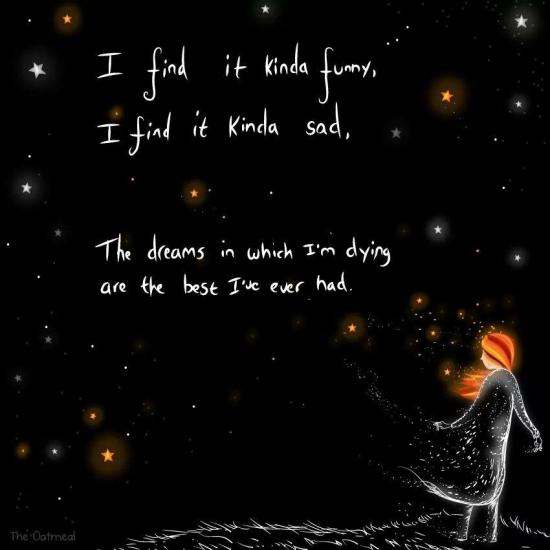
These feels drawn by the one, the only, and the oatmeal, or is it just one of those?
A network of interacting brain regions known as the default mode network (DMN) was found to have stronger connections in adults and children with a high risk of depression compared to those with a low risk. These findings suggest that increased DMN connectivity is a potential precursor, or biomarker, indicating a risk of developing major depressive disorder (MDD).
LSD changes consciousness by reorganizing human brain networks
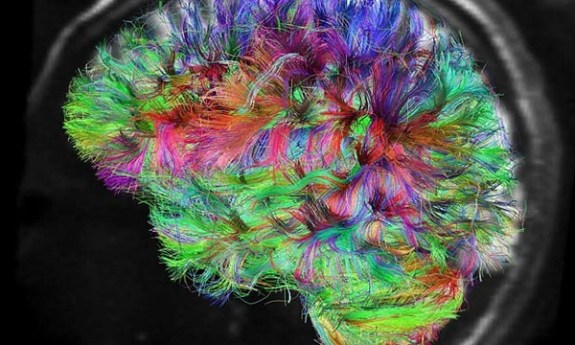
LSD is known to cause changes in consciousness, including “ego-dissolution”, or a loss of the sense of self. Despite a detailed knowledge of the action of LSD at specific serotonin receptors, it has not been understood how this these pharmacological effects can translate into such a profound effect on consciousness.
Antidepressant medication protects against compounds linked to dementia
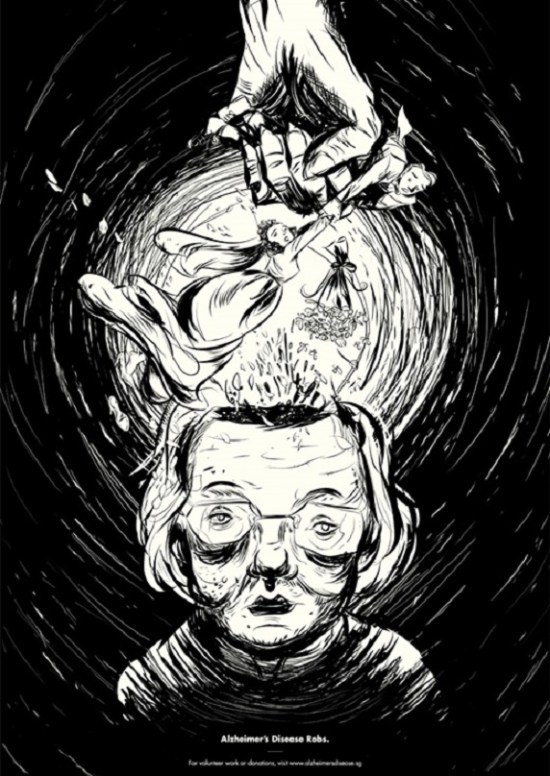
In addition to treating depression, a commonly used antidepressant medication also protects against compounds that can cause memory loss and dementia, a Loyola University Medical Center study has found. The study found that blood levels of two neurotoxic compounds dropped significantly in depressed patients after they were treated with the antidepressant escitalopram (Lexapro).
Not so happy old age?


The notion that older people are happier than younger people is being challenged following a recent study led by a University of Bradford lecturer. In fact it suggests that people get more depressed from age 65 onwards. The study, led by psychology lecturer Dr Helena Chui, builds on a 15-year project observing over 2,000 older Australians living in the Adelaide area.
Sex change hormonal treatments alter brain chemistry

Hormonal treatments administered as part of the procedures for sex reassignment have well-known and well-documented effects on the secondary sexual characteristics of the adult body, shifting a recipient’s physical appearance to that of the opposite sex. New research indicates that these hormonal treatments also alter brain chemistry.
Common antidepressant may change brain
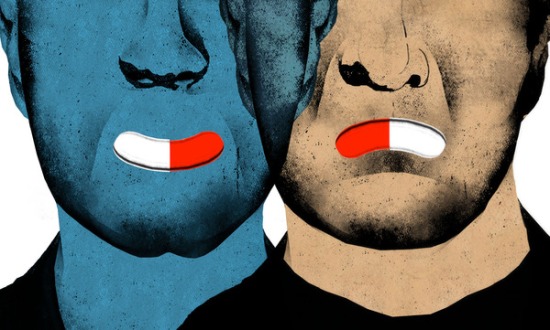
A commonly prescribed antidepressant may alter brain structures in depressed and non-depressed individuals in very different ways, according to new research. The study – conducted in nonhuman primates with brain structures and functions similar to those of humans – found that the antidepressant sertraline, a selective serotonin reuptake inhibitor (SSRI) marketed as Zoloft, significantly increased the volume of one brain region in depressed subjects but decreased the volume of two brain areas in non-depressed subjects.
Happiness spreads, but depression isn’t contagious
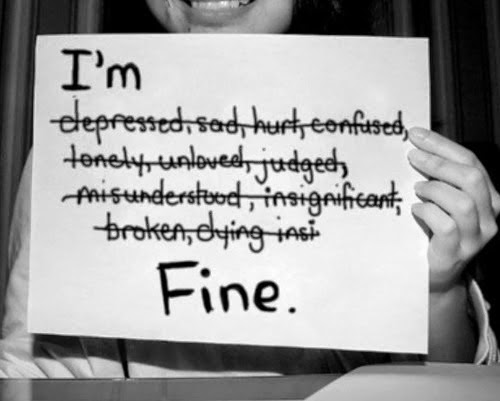
Having friends who suffer from depression doesn’t affect the mental health of others, according to research. The team found that having friends can help teenagers recover from depression or even avoid becoming depressed in the first instance. The findings are the result of a study of the way teenagers in a group of US high schools influenced each others’ mood. The academics used a mathematical model to establish if depression spreads from friend to friend.
Study shows poor sleep contributes to MS-related fatigue

New research confirmed that sleep disturbances significantly contribute to MS-related fatigue, a common and often disabling symptom among individuals with MS. Review of the pertinent literature showed that sleep may be the dominant factor in fatigue in MS. This was also the finding in Dr. Strober’s study of 107 employed individuals with MS of whom 61% reported poor sleep.
How to tell the difference between bipolar disorder and depression

Many patients with bipolar disorder, a debilitating mental condition that can take a person from the sluggishness of severe depression to super-human energy levels, are often misdiagnosed as having major depressive disorder, or MDD. But now as an alternative to reliance on patient interviews, scientists are closing in on an objective test that could help clinicians distinguish between the two — and provide better treatment.
Perfectionism linked to burnout at work, school and sports

Concerns about perfectionism can sabotage success at work, school or on the playing field, leading to stress, burnout and potential health problems, according to new research. In the first meta-analysis of the relationship between perfectionism and burnout, researchers analyzed the findings from 43 previous studies conducted over the past 20 years. It turns out perfectionism isn’t all bad.
Study finds violent video games provide quick stress relief, but at a price

A study authored by two University of Wisconsin-Madison graduate students indicates that while playing video games can improve mood, violent games may increase aggressive outcomes. The researchers looked at how video games may be used to manage emotions — specifically, whether playing the games can improve mood.
Pupil response predicts depression risk in kids

Findings suggest that physiological reactivity to sad stimuli, assessed using pupillometry, serves as one potential biomarker of depression risk among children of depressed mothers. Image credit goes to: Jonathan Cohen, Binghamton University Photographer
Most parents don’t want to think about their children as depressed, but that can be a deadly mistake. Short of clinical diagnosis through cost prohibitive therapy, there is no real way to tell if a child is at risk for depression. However, according to new research from Binghamton University , how much a child’s pupil dilates in response to seeing an emotional image can predict his or her risk of depression over the next two years.
Omega-3 as an intervention for childhood behavioral problems

We don’t usually think of a child’s behavior as a diet issue, but if new findings hold true, then that might be the very case. In a new study, researchers suggest that omega-3, a fatty acid commonly found in fish oil, may have long-term neurodevelopmental effects that ultimately reduce antisocial and aggressive behavior problems in children.
Suicide and skin color, or how being black is killing you

The great racial divide, despite all the evidence showing that racism, hate and frankly plain stupidity is alive and well, there are people who cannot accept it. This probably will not change anything for those people, but for the first time a new study shows that while suicide rates in children younger than 12 have remained steady for the past 20 years, there are significantly higher suicide rates among black children.
Mental disorders do not predict violence, so please stop

When Sandy Hook happened, it was so shocking that to this day, some don’t actually believe it happened. Shortly after, something frustrating happened, the shooter was labeled with aspergers. This helped drive the mental health and violence connection to the point that Time came out with an article dispelling that myth. Even now according to new longitudinal study of delinquent youth, most psychiatric disorders – including depression — do not predict future violent behavior. The only exception is substance abuse and dependence.
High-fat diet causes brain inflammation and alters behavior

We hear in the media all the time, obesity is effecting our health. In most cases when we talk obesity we are talking about heart disease, sedentary activity, or chronic overeating. But what if a high-fat diet — regardless of obesity — has more than just an affect on your waistline? What if the consumption of fatty foods can change your behavior and your brain?
Depressed parents cause anxiety and bad behavior in toddlers
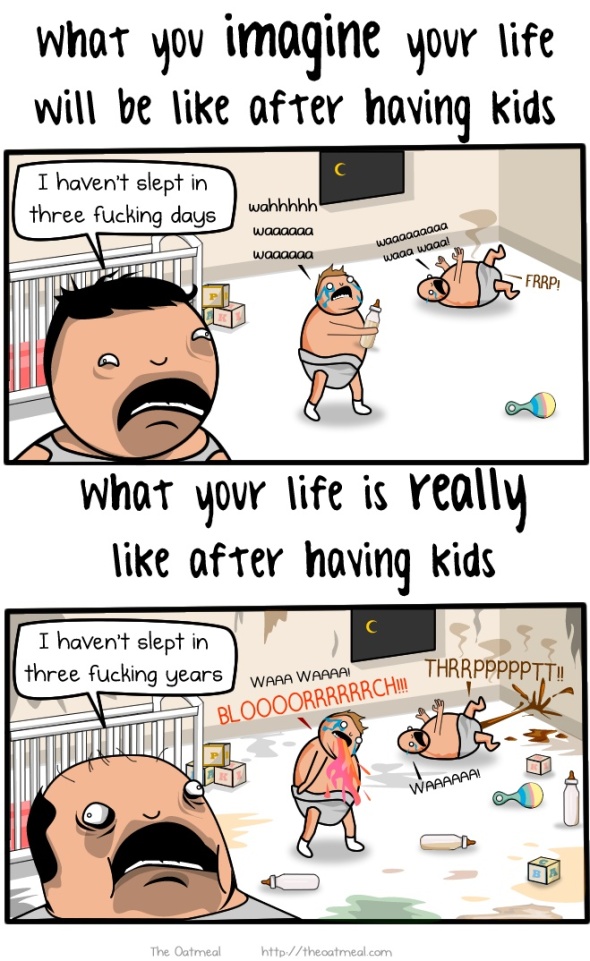
Credit for this all too true look at parenting goes to the one and only The Oatmeal, you can find more minor differences here.
Being a new parent can be stressful, new mothers can suffer from postpartum depression and even new fathers can find the changes stressful enough to cause depression. Unfortunately– and if that wasn’t bad enough– a new study shows that a father’s depression during the first years of parenting – as well as a mother’s – can put their toddler at risk of developing troubling behaviors such as hitting, lying, anxiety and sadness during a critical time of development.
People with anorexia and body dysmorphic disorder have similar brain abnormalities


Imagine looking in the mirror and not seeing yourself. Imagine losing weight and seeing a lower number on the scale, but when looking in the mirror you are still just as fat. Suffering from anorexia or other body dysmorphic disorders live like that daily. They literally don’t see what you and I might see when we look at them. It’s not their fault and a new study suggests that people suffering from anorexia or body dysmorphic disorder have similar abnormalities in their brains that affect their ability to process visual information.
Early life stress may result in a serotonin deficiency

If you have experienced — or are experiencing — mood disorders like anxiety or depression, you know about SSRI’s and chances are they didn’t do much for you. In fact studies indicate that the majority of people with mood and anxiety disorders who receive Selective Serotonin Reuptake Inhibitors (SSRI’s) are not helped by these medications. Sadly, they are the most commonly prescribed class of antidepressant medications, this is because SSRIs are designed to increase serotonin levels, a neurotransmitter in the brain that is key to maintenance of mood.
Help on the horizon for treatment resistant depression
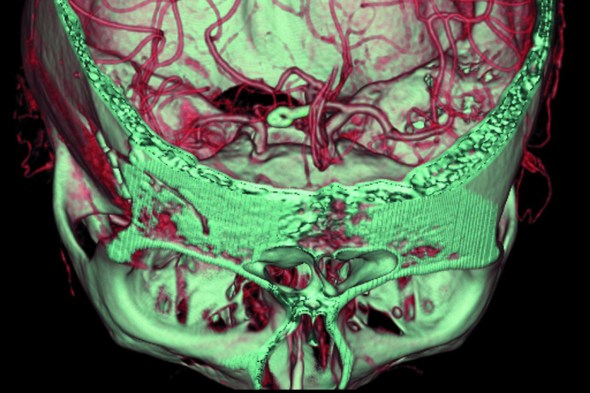
Depression is like a kick while you’re already down. Sometimes there is no real reason for it, sometimes it is triggered by some serious life issues, but clinical depression always has very real neurological roots. Unfortunately, while we know that certain areas of the brain are smaller in a depressed person, we don’t know why or what effect it has on a person. Worse, SSRI’s the “gold standard” for depression can have no — or worse ill — effects on the person taking the drugs.
Mental illness treatment, there’s NOT an app for that

It’s more socially acceptable to talk about mental illness, which is important since the number of people who have it — or should we say, are getting treatment for mental illness — has steadily increased over the years. While it still may be taboo to talk about, mental illness is a very real thing needing very real treatment, however new research now shows that texting may be a more suitable treatment aid for those with mental illness than mobile applications.
Depressed? Laughing gas might help
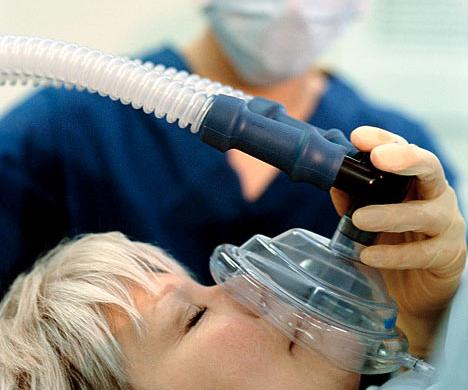
Nitrous oxide, or laughing gas, has shown early promise as a potential treatment for severe depression in patients whose symptoms don’t respond to standard therapies. In other words, it might actually live up to it’s name and as they say laughter is the best medicine. The pilot study is believed to be the first research in which patients with depression were given laughing gas.
You can tell [my mood] by the way I walk


Ever see a guy walking down the street and know he’s depressed? Or how about someone happy, with a little bounce in their step? The way we walk says a lot and by some estimates roughly 90% of what we are telling people isn’t coming out our mouth, it’s all body language. Our walk says a lot about the kind of mood we are in, but in the question of what came first our mood or our walk, researchers have now shown that it works both ways.
Warning: Serious Side Effects may be Overstated

Black box warnings, I’m all too familiar with them. A quick look in the medicine cabinet and you would see why. In fact I’m surprised the door shuts some days. No, I’m not a druggy, by any means. I have problems and frankly who doesn’t? These days, like millions of Americans I find some sort of comfort in pill form. It’s not perfect, but most days you wouldn’t know I had my own problems. It’s unfortunate then that the black box warning labels we see on just about every type of antidepressant may be doing more harm than good.


 Lunatic Laboratories