
Vegetable oil in the fight against gastric disease

The bacterium Helicobacter pylori is strongly associated with gastric ulcers and cancer. Unfortunately, treating the bacteria with antibiotics is difficult and with the increase in antibiotic resistance it can be a dangerous fight to take on. Given the high rate of ulcers and stomach cancers, the need for a better treatment is becoming more apparent. New research may bring hope (and of all things) in the form of vegetable oil.
New discovery sheds light on the forming brain
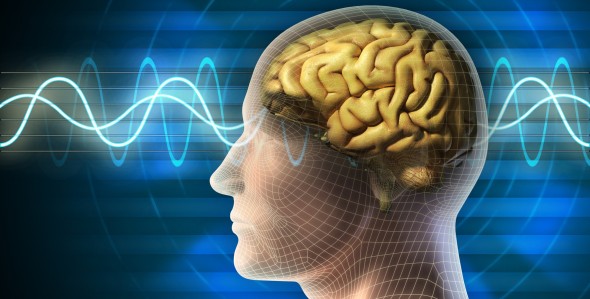
The cerebral cortex, which controls higher processes such as perception, thought and cognition, is the most complex structure in the mammalian central nervous system. Although much is known about the intricate structure of this brain region, the processes governing its formation remain uncertain. Research has now uncovered how feedback between cells, as well as molecular factors, helps shape cortical development during mouse embryogenesis.
Fragile X and a new autism treatment
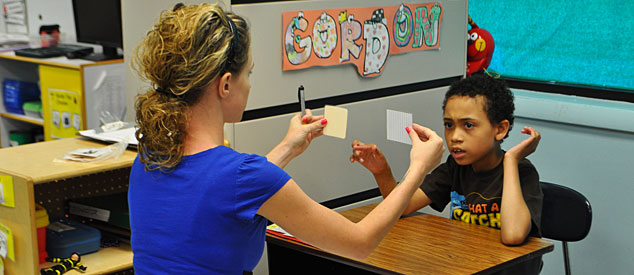
There are many roads to autism, none of them involve vaccination. I get tired of saying that, but it’s simple science, vaccines do not cause autism. Thankfully science knows this and is looking at not only what actually causes autism (Since again there are many different ways to develop on the spectrum). Well they may have found a new treatment for people affected by a common inherited form of autism by using a drug that is being tested as a treatment for cancer.
Need to turn off the pain? Well now we can!
 My sister suffers from chronic pain issues. I’ve written several posts about how her autoimmune disease is a special brand of pain that you will thankfully (almost certainly) never have to feel. While great strides have been made in pain management, there are still relatively few options that do not carry the risk of being extremely addictive. Well thankfully there is some new research and it offers hope, not just for my sister, but for the millions of people suffering from chronic pain that has been poorly managed.
Hiding cells to prevent HIV transmission
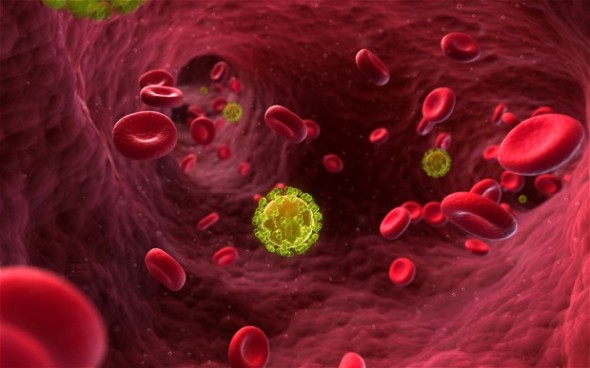
The fight against HIV is ongoing and despite our rapid progression against the disease we still lack a cure or even adequate treatment for people infected. However, new research suggests that cloaking immune cells with antibodies that block T cell trafficking to the gut can substantially reduce the risk of viral transmission, at least in a non-human primate model of HIV infection. If it works out, this could help slow down the spread of HIV and give people a better shot at a normal life.
Mental Health- The invisible barrier for women’s care

A while back I wrote a post about mental health and jail sentences, it seems like no one takes mental health seriously and that leads to lack of care for the individual. Well a new study offers even more bad news on the mental health front. Women with symptoms of serious mental illness are significantly less likely to receive three routine cancer screenings – Pap tests, mammograms and clinical breast exams – than women in the general population, despite being at elevated risk for medical comorbidities and early death, a new study indicates.
Designing a better flu vaccine

We all hate getting sick and the seasonal flu vaccine can help prevent a time of serious illness. Unfortunately the vaccine is usually an educated guess as to which strains of the flu are going to be most prevalent that year. Well now an international team of researchers has shown that it may be possible to improve the effectiveness of the seasonal flu vaccine by ‘pre-empting’ the evolution of the influenza virus.
How gut microbiota changes the blood-brain barrier
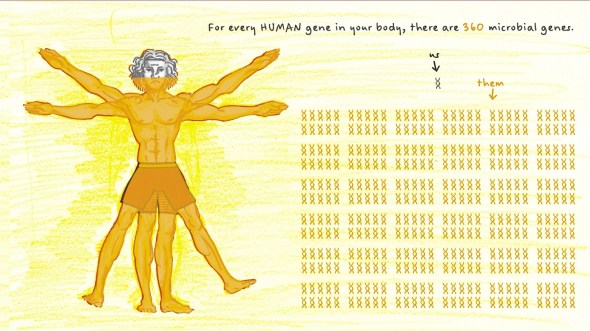
Photo credit goes to: NPR
Don’t be alarmed, but we are outnumbered. When figuring out what makes us, “us” we need to remember that there are far more bacteria genes in us than human genes, by recent counts it’s something like 360 to 1. We also know that your stomach can change your cravings, but now we know that your stomach affects more than just your thoughts. Your stomach can control what can get to your brain.
Does brain training really work?
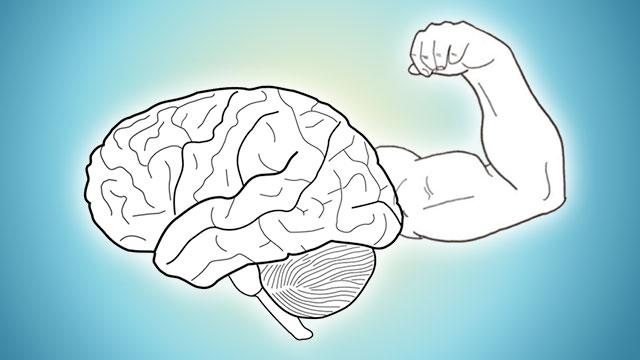
Ever wonder if you could be the next Einstein if only you could do some brain training? Well as it turns out, while computer based ‘brain training’ can boost memory and thinking skills in older adults, many programs promoted by the $1 billion brain training industry are ineffective.
The (Re)discovery of a major brain pathway
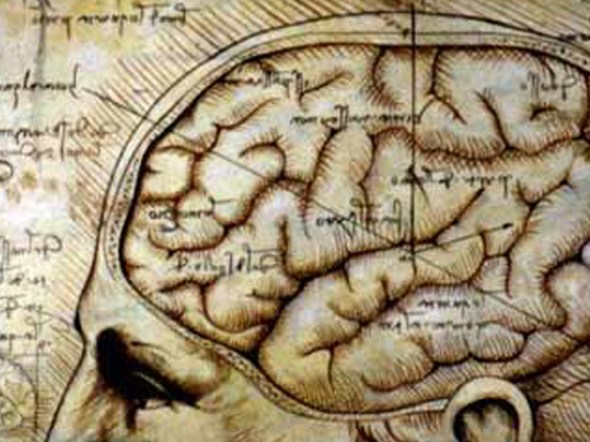
It was like something out of a mystery movie, a couple of years ago a scientist, looking at dozens of MRI scans of human brains noticed something surprising. A large, fiber pathway that seemed to be part of the network of connections that process visual information showed up on the scans, but the researcher couldn’t find it mentioned in any of the modern-day anatomy textbooks he had.
Soldiers and Suicide: A familiar tale


I know, Marine not soldier, but I really like the image. Photo credit goes to: USMC
Semper fi
As a Marine, there is a special place in my heart for all things military. While most protesters are busy arguing about the people who are dying overseas, there is an even more disheartening statistic — the suicide statistics of service members here at home. Suicide is an ugly word, so it’s no surprise that there is not a large movement fighting for better care and a new study done on soldiers doesn’t help.
Telomeres, Epigenetics, and Aging: the new found complexities in your genes
Telomere length is associated with aging, this isn’t a new statement, but interestingly enough there is more to this story than just the size of your telomeres. Telomere lengths have now been shown to cause epigenetic changes, this new discovery may help explain the aging of cells and how they initiate and transmit disease.
Chlamydia and Cancer: A new connection

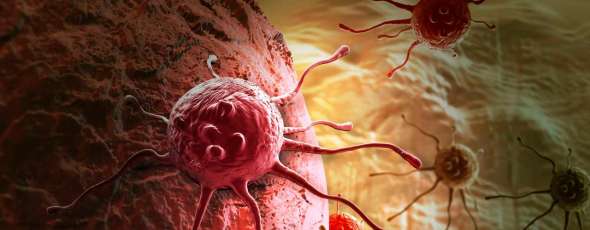
Infections due to the sexually transmitted bacterium Chlamydia trachomatis often remain unnoticed. The pathogen is not only a common cause of female infertility; it is also suspected of increasing the risk of abdominal cancer. A new study has now observed the breakdown of an important endogenous protective factor in the course of chlamydial infection. In other words, the pathogen can cause an increased risk of certain cancers.
Limitless: The science behind remembering everything


If you could remember everything, you saw, learned, or did, would it be a blessing or a curse? Well an even better question would be, it even possible to upgrade the storage capabilities of the brain? The answer is strangely enough, maybe, according to a new study we might just be able to remember quite literally everything.
Ever wonder how the brain maps our world?
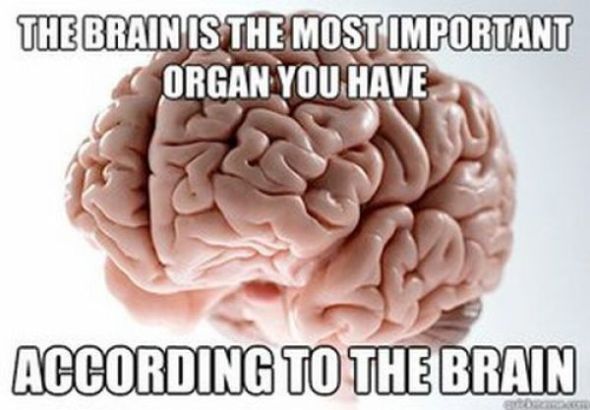
Well played brain, well played.
Sometimes we go into automatic, that “new” coffee shop on your way to work you just noticed, well it has been there for weeks. We can gauge where we are from just about anywhere we have already been. Giving directions, well some of us can never do that, yet we can still get from point A to B easy enough. Yet if we were to drive or even walk backwards and the world wouldn’t feel quite right, things would feel and seem just a little weird — not just because we are used to seeing things pass us by as we go forward.
A new way to look at Global Warming

Global warming, nothing new with that and it’s here to stay for now. But while computer models churn out bleak forecasts for the planet’s future, we also have a more conceptual understanding of what is happening as humans pump carbon dioxide into the air. Unfortunately the traditional conceptual understanding of carbon dioxide wrapping the planet in a sort of blanket that traps more heat is not quite right.
If being sad is “bad”, then why is there sad music?

We tell children not to look so sad. We tell adults to wipe that sad look off their face and smile. We even worry that if you are sad too long, you might need medical attention. Yet, for most of us, when life gets you down, you put on some sad music. So if sadness is such a negative, why do we spend our money and time wallowing in these sad tunes?
When it comes to sleep recommendations, what about the children?

Sleep is a hot topic lately, are we getting too much, too little, how much is enough? However, most of these questions are for adults, so what about children? Well as it turns out a new study used activity monitors to track how sleep habits changed in younger and older teens as they grew during a two-year period. Key findings from this study has also lent t0 new support to recent recommendations by the American Academy of Pediatrics that middle and high schools avoid starting earlier than 8:30 a.m.
A Possible Genetic “Cure” for HIV… Maybe
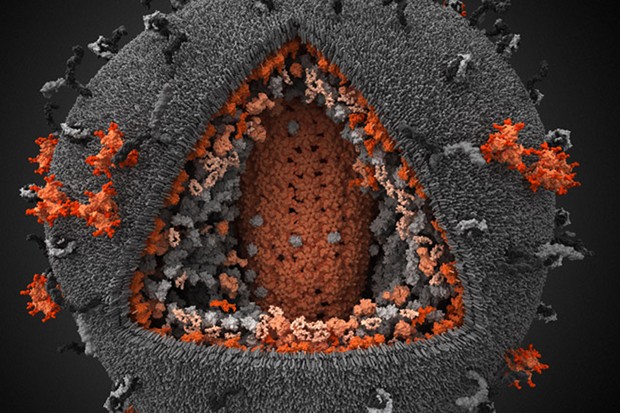
Let’s face it, a cure for HIV probably won’t be coming around for awhile. That slippery little virus manages to avoid everything we throw at it. Well researchers at Massachusetts General (MGH) and Boston Children’s hospitals (BCH) tried to take another crack at the problem. For the first time they have used a relatively new gene-editing technique to create what could prove to be an effective technique for blocking HIV from invading and destroying patients’ immune systems.
Steak is bad for the heart and now we know why

“Red meat is bad for your heart”, that is typically the story we hear from people. While some might take this as meat is bad for us, or that it is wrong to eat red meat, science has been trying to find a better answer to that question. After all it wouldn’t do for science to say, it just does. Well as luck may have it, new research provides details on how gut bacteria turn a nutrient found in red meat into metabolites that increase the risk of developing heart disease. The findings may lead to new strategies for safeguarding individuals’ cardiovascular health.
Reshaping the Limits of Synthetic Biology
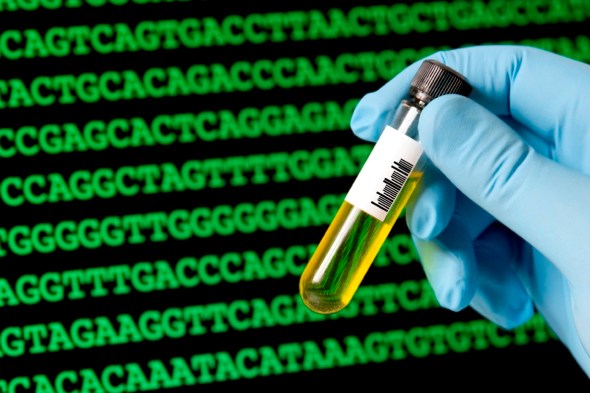
Ever think you could have built something better if you had a hand in the design? Sometimes people just have a desire to make, after all the maker movement is huge for a reason. Well geneticists have a new toy tool to play with —dubbed “the telomerator”—that could redefine the limits of synthetic biology and advance how successfully living things can be engineered or constructed in the laboratory based on an organism’s genetic, chemical base-pair structure. How cool is that?!
Where HIV hides
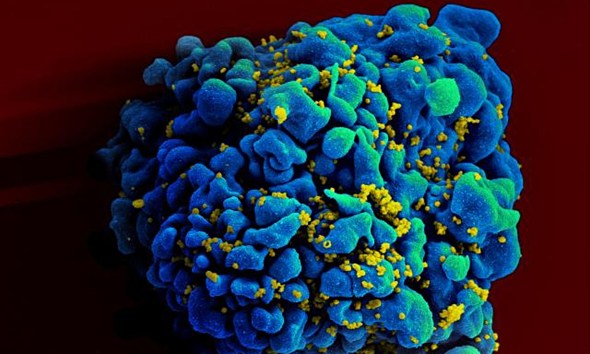
HIV is hard to get rid of,not because it primarily resides in the blood, but because of where it hides when antiretrovirals drop HIV levels. So the real question is where does HIV hide? Unfortunately those antiretroviral drugs can usually control the virus, but can’t completely eliminate it. So any strategy to eradicate HIV from the body has to take into account not only the main group of immune cells the virus targets, called CD4 or helper T cells, but other infected cells as well.
New Genetic Editing Technique Offers Novel Treatment of Defects
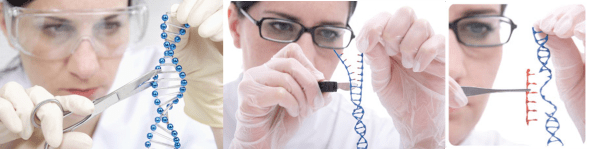
The promises of genetic modifications are endless, longer life, better health, cures for genetic based diseases that would otherwise cause an unimaginable amount of suffering all wiped out. We’ve come a long way in genetic alteration thanks, in part, to the ever faster moving pace of science. While genetic modification is the thing of horror movies, it also can change the world in ways we cannot even imagine — unfortunately getting genome-editing proteins into cells, where they need to be to access the genome, is a major challenge, especially in live animals or human patients.
Zombies: Science Fiction vs. Fact


Well in the spirit of Halloween I thought I would make a nice little zombie post. Zombies, those brain loving little guys, [and girls] are everywhere. From shows like The Walking Dead — a zombie show where they call them anything but zombies– to video games, music videos, and weird romance stuff. Even the zombie itself takes on a different life depending on the person and film.
More Genetic Links Behind Autism

Vaccines do NOT cause autism. One more time, vaccines DO NOT cause autism. So what does cause autism, that problem has been plaguing scientists for awhile now. Thankfully two major genetic studies of autism and involving more than 50 laboratories worldwide, have newly implicated dozens of genes in the disorder. The research shows that rare mutations in these genes affect communication networks in the brain and compromise fundamental biological mechanisms that govern whether, when, and how genes are activated overall.
Scientists resurrect 700-year-old viruses, Just in time for Halloween!


You know how some zombie movies start with a discovery of a virus, it gets loose, and things quickly spiral out of control from that? Well in breaking news a team of researchers have found two 700-year-old viral sequences in frozen caribou dung in an arctic ice patch. The group isolated part of a viral RNA genome and the complete genome of a DNA virus. Then they infected living plants with the DNA virus, what could go wrong?
The Cause Behind Seizures post-Vaccination
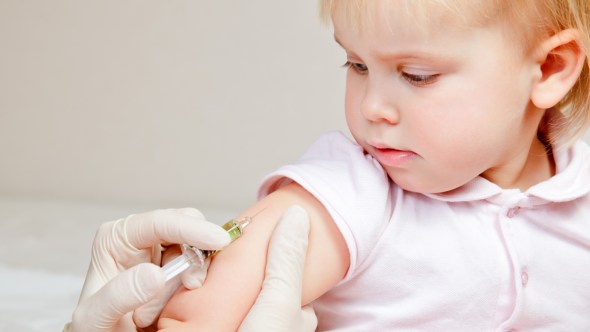
The anti-vaccination movement is a dangerous one. Children are falling ill (and in certain cases dying) over nothing more than fear and misinformation. The problem is science doesn’t have all the answers and it is tempting to look to someone — or in this case a group of someones– who claim to have those answers, true or not. Well science eventually gets the answers we need and now scientists have found genetic clues to explain why a small number of children have febrile seizures—brief convulsions—after receiving the measles, mumps and rubella (MMR) vaccine.
The Genetics of Congenital Heart Defects Slowly Emerge from Down Syndrome Study
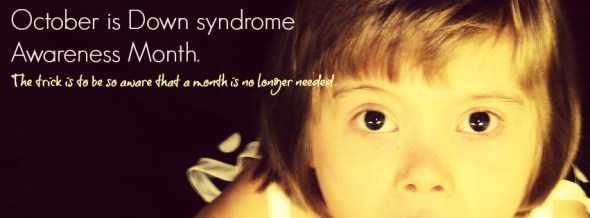
Down syndrome, of all the genetic defects people are born with, is the most common (as far as chromosomal abnormalities go). Down syndrome involves having a third copy of all or part of chromosome 21 (for those who do not recall we are typically born with 23 pairs of chromosomes). In addition to intellectual disability, individuals with Down syndrome have a high risk of congenital heart defects. However, not all people with Down syndrome have them – about half have structurally normal hearts.
The Genes Responsible for Immune System Reset after Infection

We’ve all been sick before, the aches and pains that come with it– most of the time including a fever — are all responses to our immune system kicking into high gear. But what if your body didn’t reverse course and go back to a, let’s call it” relaxed state.” Once the battle is won, the body’s efforts would be wasted on energy costing defense. A bad thing when the body really should be focusing on repairing the damage done by the foreign invaders.
Converting Skin Cells to Neurons: A Fight Against Huntington’s


A sad thought indeed.
Photo credit goes to: Huntington Society of Canada PSA
Neurological diseases are some of the hardest to fight against (in my opinion). The big reason is the brain, we still know so little about it and treatment for anything effecting it can be difficult to say the least. Take Huntington’s disease, an ultimately fatal neurodegenerative disorder. There is no cure and no real treatment, but that might change relatively soon thanks to a new discovery.
DNA Nanotech: The First Large DNA Crystals
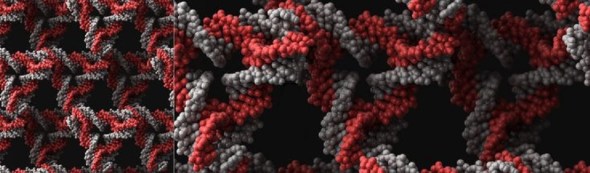
DNA is the stuff of life as we know it, but it is the potential as a programmable material platform that could spawn entire new and revolutionary nanodevices in computer science, microscopy, biology, and more. Researchers have been working to master the ability to coax DNA molecules to self assemble into the precise shapes and sizes needed in order to fully realize these nanotechnology dreams. A dream that been going on for 20 years now and was just realized.
New Genetic Test to help Solve Rare Disease Diagnosis
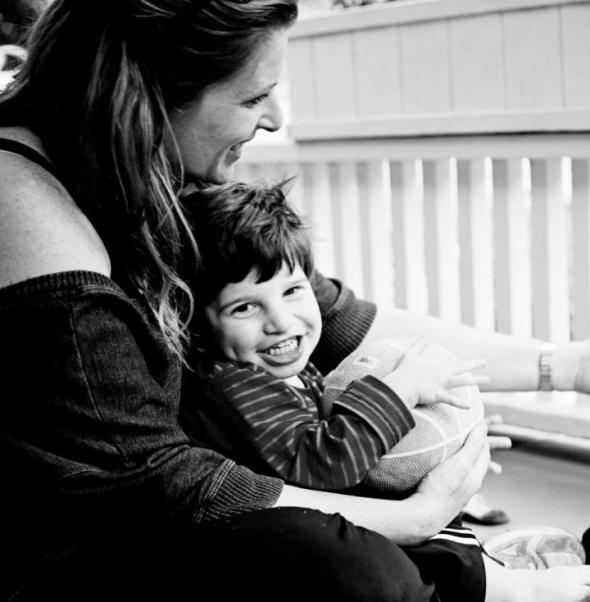
Photo credit goes to the Lapidus family
My sister suffers from a rare disease which causes small fiber polyneuropathy, or the killing of nerves in her hands and feet. As it progresses she has trouble standing or using her hands. If that was the worst of it, then it might be liveable given the time between severe attacks is years or more. Unfortunately, it also causes intense and mostly constant pain and burning sensations, pain so bad that conventional narcotic painkillers have trouble controlling it. After some time working with the hospital I narrowed it down to autoimmune mediated. Her Doctors finally agreed, but only after first dismissing it as anything from she was faking it, all the way to lupus.
A look at Air Pollution and Your Body

We have all probably seen stories from China on the horrid air pollution there. Accompanying those reports of course are the statistics for air pollution that deaths have caused. For the record, the World Health Organization estimated that ambient air pollution caused 3.7 million premature deaths (worldwide) in 2012 alone – yet what exactly happens to your body when it encounters pollutants?
The “New” Roots of our Friends the Mitochondria
![Image credit goes to biovisions, by Harvard University [see video below]](https://loonylabs.org/wp-content/uploads/2014/10/biovisions-mitochondria.jpg?w=590)
Image credit goes to biovisions, by Harvard University [see video below]
You can tell [my mood] by the way I walk

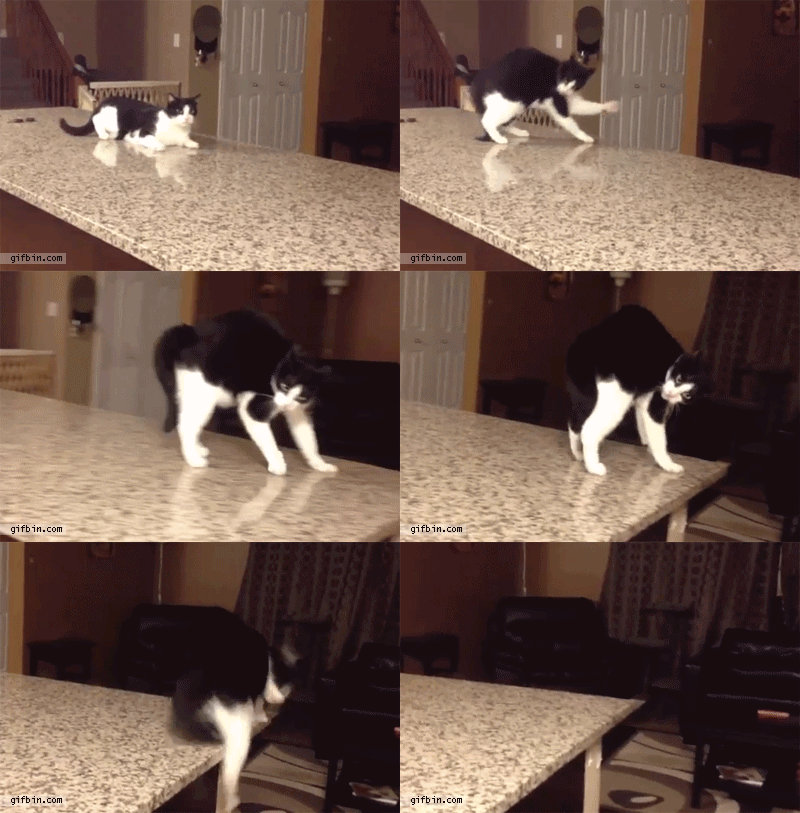
Ever see a guy walking down the street and know he’s depressed? Or how about someone happy, with a little bounce in their step? The way we walk says a lot and by some estimates roughly 90% of what we are telling people isn’t coming out our mouth, it’s all body language. Our walk says a lot about the kind of mood we are in, but in the question of what came first our mood or our walk, researchers have now shown that it works both ways.
Free Radicals and Wound Healing
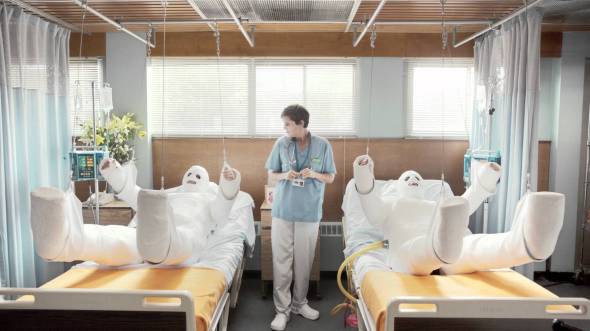
Free radicals, said in the right crowd and you might hear someone scream for their life. Of course, to be perfectly transparent antioxidants have already shown to be bad in plenty of cases, so maybe it’s just bad PR. Still they were long assumed to be destructive to tissues and cells causing a host of age related problems with them. Well new research is showing that “free radicals” generated by the cell’s mitochondria—the energy producing “powerhouse” structures in the cell—are actually beneficial to healing wounds.
Nothing Sticks to a new Bioinspired coating for medical devices
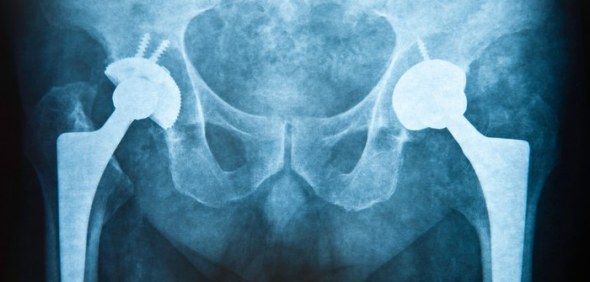
Putting things in the body can be tricky, I mean we need things from joint replacements to cardiac implants and dialysis machines, these medical devices are needed to enhance or save lives on a daily basis. However, any device implanted in the body or in contact with flowing blood faces two critical challenges that can threaten the life of the patient the device is meant to help: blood clotting and bacterial infection. Problems that sound easier to fix than they actually are.
Poop Pills, Yeah they are a Thing Now
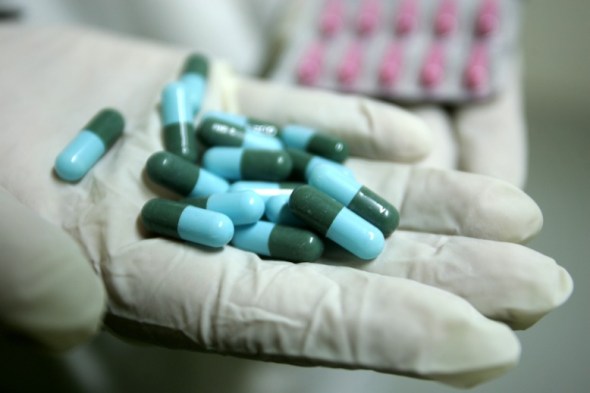
When someone is lying it isn’t too abnormal to hear someone say, “you’re full of sh…” well you get the idea. Our poop defines us, the microbes that live in our digestive tract make it possible for us to digest food, absorb nutrients, and stay healthy. Heck they may even cause your cravings! Unfortunately sometimes –whether due to abuse of antibiotics or some medical condition like C. diff infection– gut bacteria can work against us, leading to all sorts of problems. As of now, the only real way to fix it is a poop transplant, which can be invasive and the most effective poop transplants are not done anally, but orally.
How the Brain Heals After a Stroke
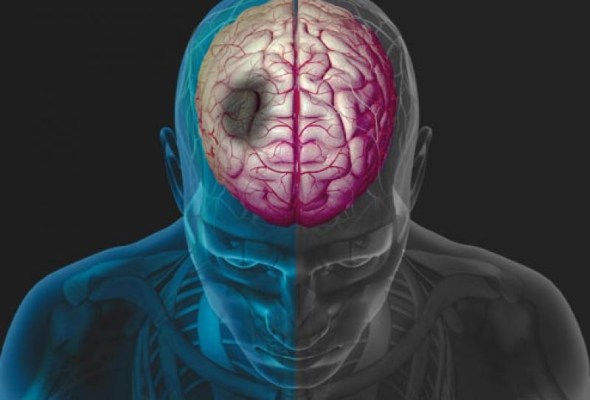
You have all the brain cells you’ll ever have when you reach adulthood. That was the science lesson I was taught in high school from, maybe a misguided teacher, or maybe just misinformed, I do not know. That statement however is not true, we know that the brain is very plastic and ever changing. It’s resilience still amazes us, even today with all that we know about it. Now a previously unknown mechanism through which the brain produces new nerve cells after a stroke has been discovered, showing us just how resilient the brain truly is.
The Blood-Brain Barrier and the Future of Medicine

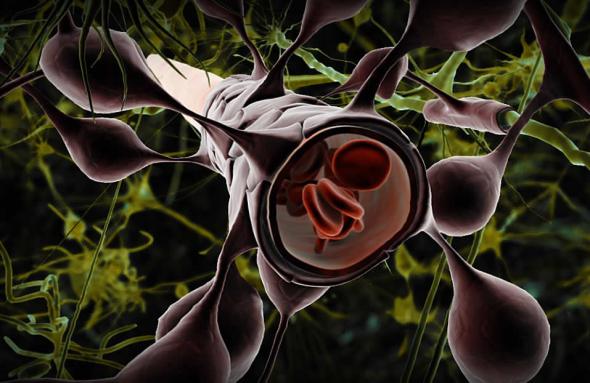
The blood-brain barrier, not quite a brick and mortar defense from the outside world, but strangely enough it is extremely effective. The blood-brain barrier (BBB) acts as a bouncer, it keeps the bad things out, while helping to regulate certain aspects of the brain. To circumvent the BBB thousands of people have stimulators placed deep in their brains in the hope of curing their ills. Many require tubes, catheters, and shunts penetrating deep into their brain ventricles to deliver medicine or to drain over pressurized cerebral fluids. These devices have a crude and bulky insertion that is simply plowed through healthy brain tissue, sparing little in its path. In other words, we need to do better.
Orange Corn Aims to Fight Vitamin A Deficiency


Corneal blindness often affects people at a young age, such as this twelve year old girl who is blind from vitamin A deficiency. She has had a penetrating corneal graft in her left eye; this has unfortunately failed. Image credit goes to: Lance Bellers
GMO food is still a hot button topic, honestly for no other reason than fear. Sure Monsanto is a big evil corporation, but the science is only as bad as what you do with it. In the modern fortified world we don’t think about vitamin deficiency or the horrible things that come with it, however vitamin A deficiency is a huge problem in developing countries. To combat this researchers have identified a set of genes that can be used to naturally boost the provitamin A content of corn kernels, a finding that could help combat vitamin A deficiency and macular degeneration in the elderly.
Using “Programmable” Antibiotics to Attack Drug-Resistant Microbes
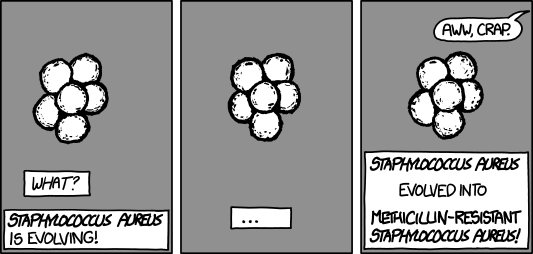
The body is pretty great at self regulation, that is up until it isn’t. The antibiotic era was one that improved human health hundreds of times over. Unfortunately health is a joint effort, a multitude of microbes scientists have found populating the human body have good, bad and mostly mysterious implications for our health. But when something goes wrong, we defend ourselves with the undiscriminating brute force of traditional antibiotics, which wipe out everything at once like a wild fire, regardless of the consequences.
The Path of Antibiotic Resistance
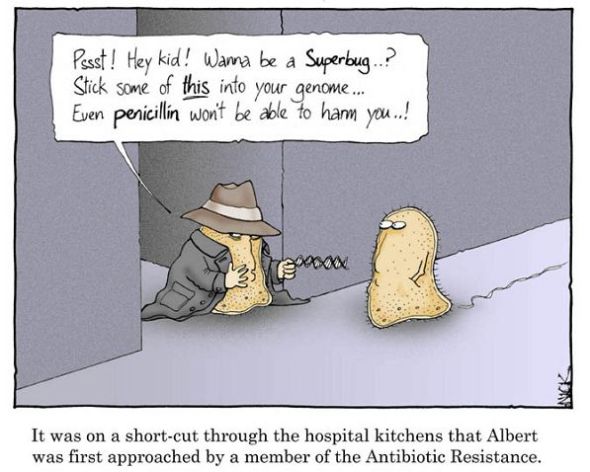
MRSA, not that long ago we had no idea what MRSA was… mostly because it hadn’t come into prevalence. With an increase in the use and abuse of antibiotics there has been an ever growing pressure for the pathogens we treat to mutate in order to survive, this pressure is called selective pressure and helped cause drug-resistance in pathogens. In response to the rise of these drug-resistant pathogens, doctors are routinely cautioned against over prescribing antimicrobials. But when a patient has a confirmed bacterial infection, the advice is to treat aggressively to quash the infection before the bacteria can develop resistance.
The Neurobiological Basis of a Human-Pet Relationship

My wife adores our cats. Now, I’m not a cat person, but my wife loves them. In fact if we had children and someone held a gun to her head and said choose between the kid or the cats, there would likely be an uncomfortable amount of time before a response. The big question is, why do we love animals like we do our own children? Well a small study helps try to answer this complex question by investigating differences in how important brain structures are activated when women view images of their children compared to images of their own dogs.
The Mysterious Origins of HIV Discovered

There have been a lot of theories on where HIV came from, anywhere from the mundane, it spread from other animals. To the down right crazy, the government created it to wipe out homosexuals. Well bad news for conspiracy theorists, a new study suggests that the HIV pandemic with us today is almost certain to have begun its global spread from Kinshasa, the capital of the Democratic Republic of the Congo (DRC).
The Ever Plastic Brain and Intellectual Disabilities
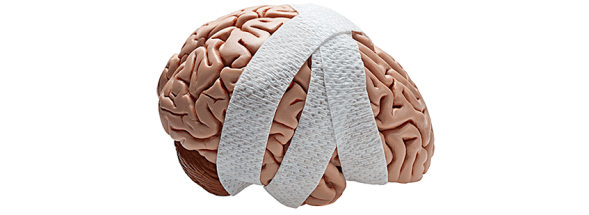
The plasticity of the brain is always somewhat of a shock. It’s near incredible what the brain can achieve, look at people who have strokes, or any other sort of brain injury and yet still somehow manage to get up and move, or perform tasks. So I guess it should be no surprise, but still amazing that studying mice with a genetic change similar to what is found in Kabuki syndrome (an inherited disease of humans) researchers report they have used an anticancer drug to improve mental function.
New Immune System Discovery
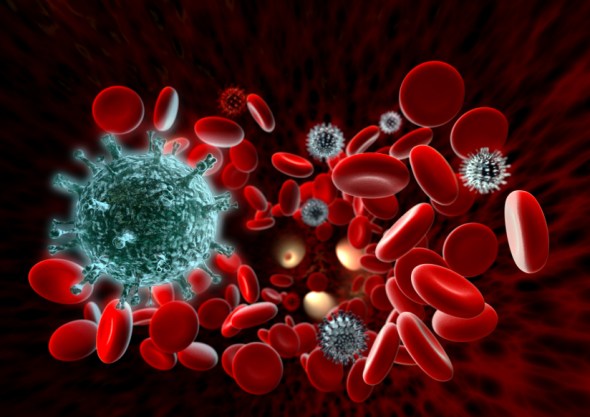
The immune system is sort of this big enigma, we know how pieces of it work, but we don’t know it as well as we would like or we wouldn’t have autoimmunity to contend with. Well new research reveals new information about how our immune system functions, shedding light on a vital process that determines how the body’s ability to fight infection develops. Which brings us one step closer to the big picture of the immune system.
New Protein Implicated in Alzheimer’s
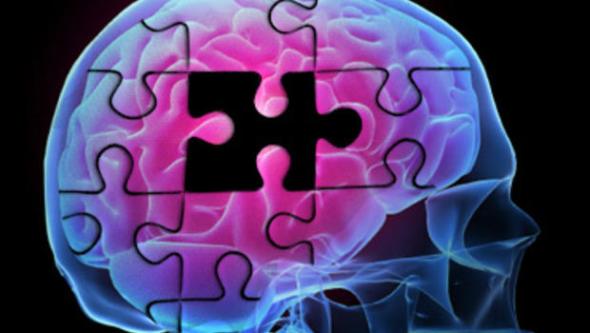
Alzheimer’s prevention has made some strides in recent years. We’ve even identified some new causes, and in some cases we can do both. In fact, researchers have now shown that low levels of the protein progranulin in the brain can increase the formation of amyloid-beta plaques (a hallmark of Alzheimer’s disease). These plaques can cause neuroinflammation, and worsen memory deficits in a mouse model of this condition. Conversely, by using a gene therapy approach to elevate progranulin levels, scientists were able to prevent these abnormalities and block cell death.
The Genetic Evolutionary Arms Race
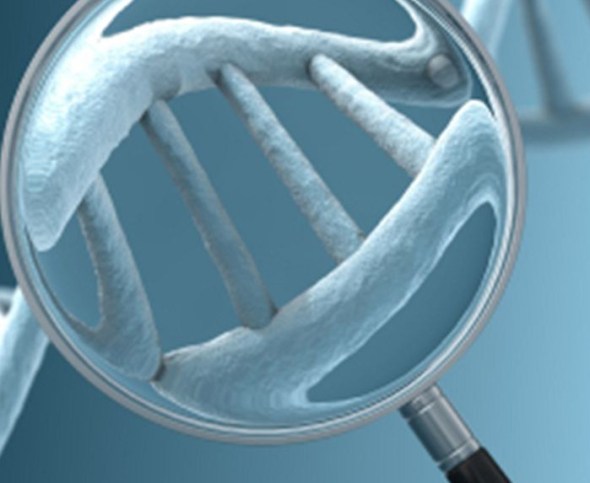
Genes are tricky little buggers, the stuff that makes us up has fought the test of time to make it to where we are today. It is thought that our genes changed in an attempt to outpace other life, albeit random changes.That might only be half right however, new findings suggest that there is an evolutionary arms race going on within the genome against, of all things, itself. This inherent competition of primates drove the evolution of complex regulatory networks that orchestrate the activity of genes in every cell of our bodies
“GMO” Foods (Once Again) Proven Safe


GMO, I shudder every time I hear someone talk about the “dangers”. It’s one of the new buzzwords that doesn’t actually mean anything, but still manages to scare people. Well a new scientific review reports that the performance and health of food-producing animals consuming genetically engineered feed, first introduced 18 years ago, has been comparable to that of animals consuming non-GE feed. Not that this will stop people from spreading fear, but it’s a start.


 Lunatic Laboratories