
Silicon Brains: Not as Cuddly as the Real Thing.
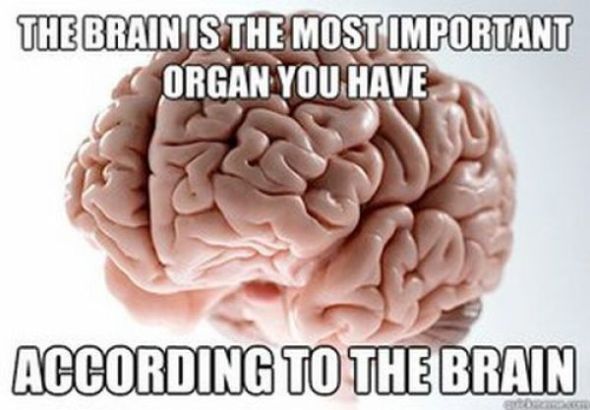
Well played brain, well played.
Are you real? What is ‘real’, more of a philosophy question than a scientific one, but what if a computer worked like your brain? What if, one day the line between computer and human were blurred? That day might be coming sooner than you think.
Currently there are two major problems with designing a robotic brain. The first is hardware, the brain is an incredibly complex thing that we don’t even fully understand, even if we could theoretically produce something close to that work of art there is that second problem– The software, designing software to take advantage of that type of power would take something short of genius to do, especially if it were going to be something easy enough that you or I could use.
What do those words really mean?


Certified by whom?
Organic, all natural, chemical free, theory, toxins, all words that get tossed around a whole lot for sure, especially in advertising. But do you really know what these words actually mean? More importantly is that source giving you a definition a reliable one– probably not.
Alzheimer’s? Forget about it!
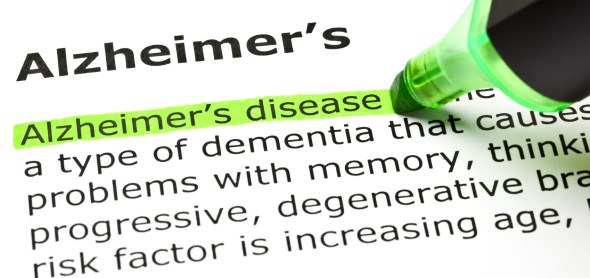
Just one of many horrible diseases of the brain.
Let’s face it, diseases that affect the brain are some of the hardest to deal with. Anyone who’s lost someone to alzheimer’s knows exactly what I am talking about. Looking at someone you love and watching them slip away without any visible difference can be heart wrenching!
However, there is a new hope! Physicists [of all things] from Michigan State University published an article in the Journal of Biological Chemistry, that might make alzheimers and associated diseases a thing of the past.
New Discovery turns Neuroscience Upsidedown
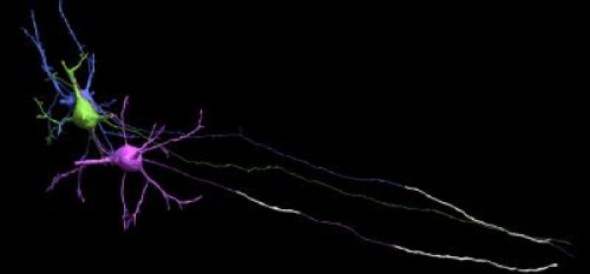
This is a computer image of three neurons showing differences in myelin. Image credit goes to: Daniel Berger and Giulio Tomassy/Harvard University
Sometimes finding out that something established isn’t true is more groundbreaking than finding something new. That is exactly what happened this week when it was found out that the covering that is on all nerves, isn’t really on all the axons in the brain.
Myelin, a fatty covering on nerves, protect the signals being sent and keeps the signals from “getting their wires crossed”. Much like the plastic coating on electrical cords, without it you wouldn’t get very far before you had a serious problem.
Brains Anti-Distraction System Found
So once my Grandmother… oh wait sorry, I was distracted while typing. As it turns out I’m not the only one. But there is hope, two Psychologists at Simon Fraser University discovered an active suppression mechanism to help you focus on what you want and avoid being distracted by irrelevant background information.
McDonald, a Canada Research Chair in Cognitive Neuroscience, and other scientists first found this system back in 2009. The problem is that little was understood about what they found and how it worked to help us ignore visual distractions.
1 in 20 Misdiagnosed by Doctors: 10 things you can do about it

 A new study out this week says that 1 in 20 adults will be misdiagnosed in outpatient clinics in the US. Thats roughly 12 million people each year, if that statistic isn’t frightening enough about half of those “have the potential to lead to serious harm.”
Five [Medical] lies the TV told me

 Fad diets, miracle weight loss super foods, and vaccines! Oh my! We live in the information age, a time where webMD will tell me what kind of cancer I am suffering from today and Dr. Oz will be more than happy to give me advice on the 5 superfoods I should include in my diet so I can live to see a healthy 160. (more…)
Penicillin 2.0 – Reviving an Old Winner
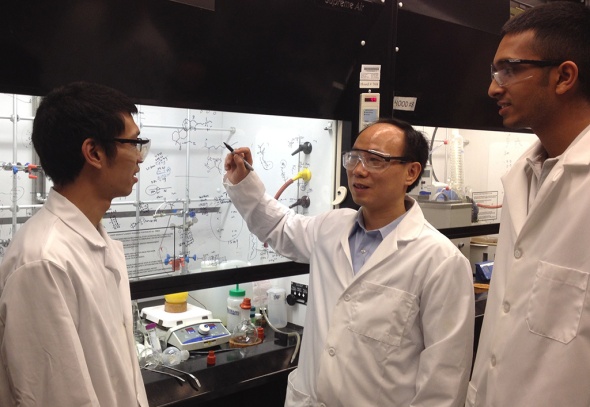
Chuanbing Tang (center) led the research team, which included graduate students Jiuyang Zhang (left) and Mitra Ganewatta. Photo credit goes to: University of South Carolina
Penicillin, it was one of the great feats of science and has saved countless lives. Antibiotics have been fighting the war on infections since before most of us were even alive. But since the 1960’s they have been fighting a losing battle, with the rise of new ‘super’ bugs penicillin and friends just doesn’t seem to cut it.
Trauma Follows Generations

The consequences of traumatic experiences can be passed on from one generation to the next. (Credit: Isabelle Mansuy / UZH / ETH Zurich)
Did you serve in the military? Maybe you witnessed something traumatic at home, or you had a bad accident. It turns out that if it is extremely traumatic and sticks with you, chances are it will get passed on to your children. The findings come from a new study from the University of Zurich and ETH Zurich and they even have some ideas as to why it gets passed on.
Silly Putty and Stem cells? What a combo!
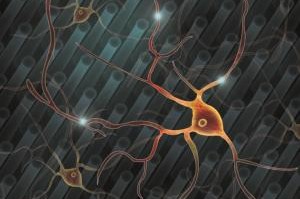
Cultured the stem cells on ultra-fine carpets made of microscopic posts. All from a key ingredient in Silly Putty. Credit: Ye Tao, Rose Anderson, Yubing Sun, and Jianping Fu.
Working with stem cells can be a little unruly, it’s sort of like asking a five year old what they want to be when they grow up– then making them stick to that plan. However, researchers have found a key piece of the puzzle needed to help coax stem cells into the adult cells they want and the key, silly putty.
DNA nanobots perform in living cockroach

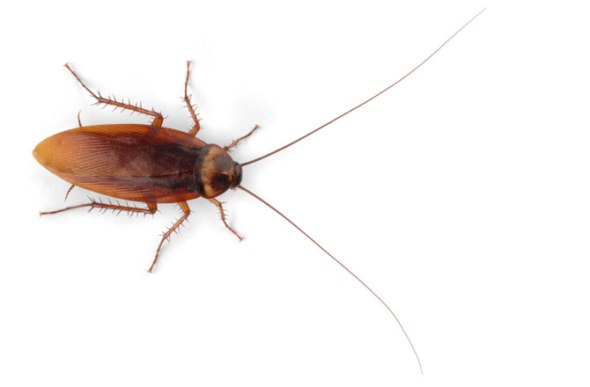
Cockroaches, not the cutest thing on the planet.
The six million dollar man has nothing on these cockroaches. We can rebuild them, better than they were before. We have the technology, and as it turns out, we do! While DNA robots may not, in itself be a new thing,a study published in Nature Nanotechnology is definitely not only new, but it’s something to talk about.
More BIG News for Spinal Cord Injuries
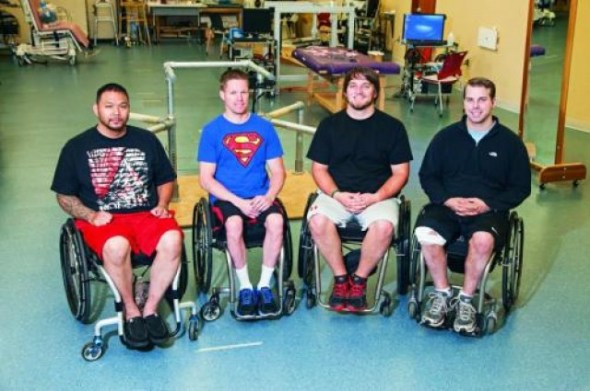
Photo credit goes to: University of Louisville. This photo shows the four participants in the study.
It seems like lately we have been reporting left and right about people suffering from paralysis, and for good reason! Today I’m happy to report even more new research that offers hope for people suffering from spinal cord injury.
In a new study published in Brain [a journal of neurology] researchers used adult patients who suffered different spinal cord injuries. Two had feeling in the extremities, but could not move them, while the other two had neither feeling nor could they move their extremities.
Grew up disadvantaged? Your genes show it.

Are you constantly stressed? Did you grow up disadvantaged [no judgement here, I did], or maybe you had a nurturing household as a child? As it turns out, we can see it in your genes.
A new study out published in the Proceedings of the National Academy of Sciences, shows a strong link between the way you are raised and your genes. The study used telomere length as a marker of stress, then compared it to genetic and environmental cues.
Zombie Cancer Cells Return from the Dead
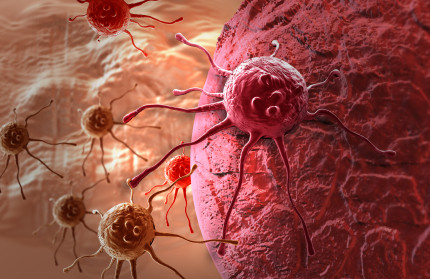
Zombies, they are the stuff of movies. But an interesting new study by the University of Colorado Cancer Center shows that sometimes reality mirrors fantasy. The study shows that cancer cells will partially eat themselves in times of distress just to come back to life and divide later on.
Autophagy [from the Greek “to eat oneself”] is a process in which proteins, or other surplus materials in the cell that are not explicitly needed for cellular function are cannibalized in times of stress. What was surprising, in this study we see this process used as a method to survive chemotherapy.
A New Hope for Spinal Injury Patients
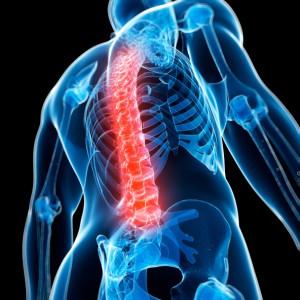
Why is it that when you break a bone, it heals, but when something happens to your spinal cord, the nerves don’t repair themselves? A new study in the Journal of Nature Communications now helps shed some light on just why that is.
But first a little background, the nervous system is made up of two separate parts, your central nervous system [CNS] which is made up of your brain and spinal cord, everything else is called the peripheral nervous system [PNS].
New [Free!] Tool Offers Insight into Diseases like Autism
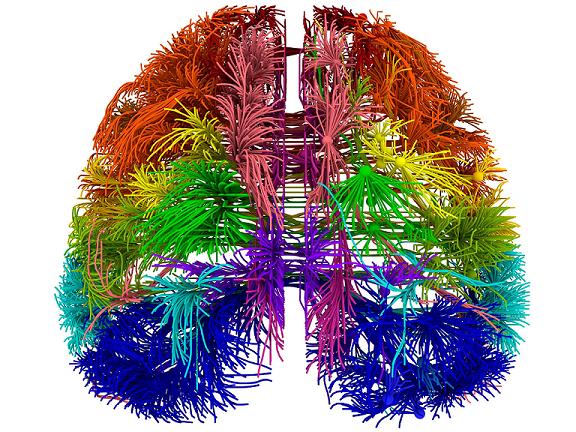
Researchers at the Allen Institute for Brain Science have just released a high resolution blueprint of the human brain. What makes this particular mapping unique? It shows which genes are turned on and off during brain development at mid-pregnancy, all at an unprecedented resolution.
That isn’t even the best part, the Allen Institute for Brain Science is sharing it’s work with the public for further research by anyone who is interested. This means that you or I can have access to this information, for free, if we want it.
DARPA wants Biotech Companies
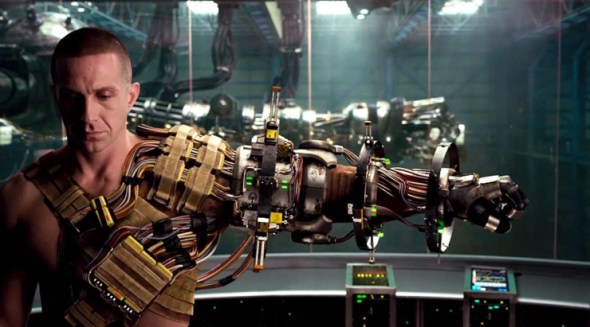
Science fiction… for now.
DARPA [Defense Advanced Research Project Agency] has a long history of making high-risk, high-reward moves. After all, they have helped shape the field for prosthetics, they have been pushing for big battlefield medical advancements and in 1997, they made a large effort to combat biological hazards.
Scientists cure Muscle Paralysis in Mice
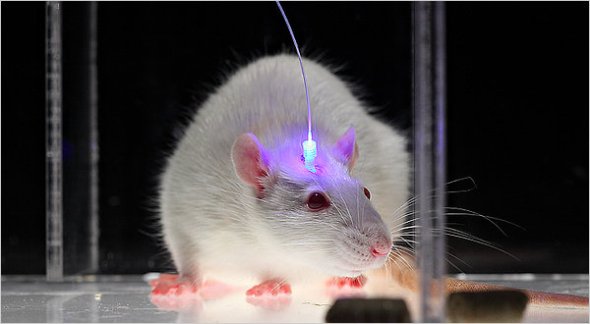
Photo credit: John Carnett/Popular Science – Optogenetics, tested in rodents, can control electrical activity in a few carefully selected neurons.
Searching for a new way to cure paralysis, a team of scientist has come up with a remarkable and off the wall idea. This discovery comes out of the labs at the University College London. The team, lead by Linda Greensmith, used stem cells and optogenetics to control leg muscles in mice and completely circumvent the nervous system in the process.
For those of you who are not familiar with Optogenetics [and really, why would you be familiar with it?] here is a overly simple rundown of what we are talking about.
Gene Editing in Live Mice Cures Rare Liver Disease
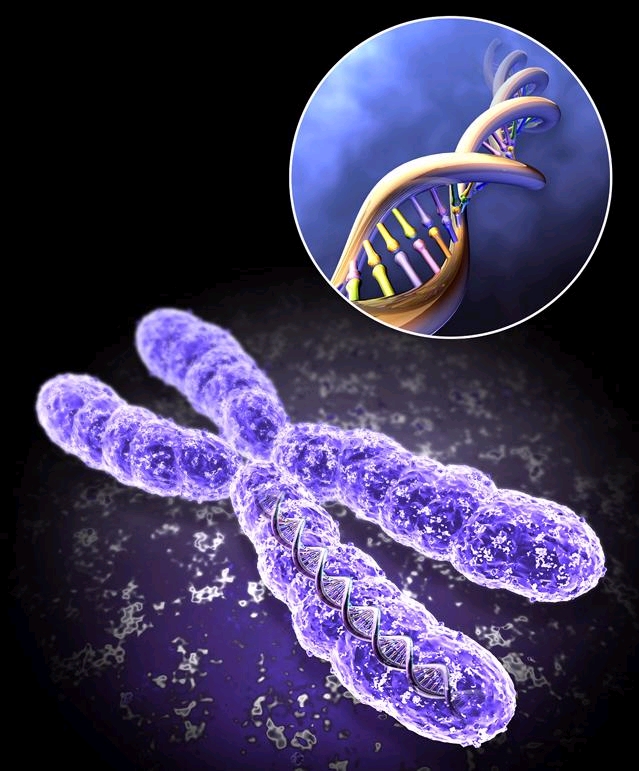
A chromosome [the “x”] with a DNA strand ‘close up’ in the circle.
Even more stem cell woes ahead
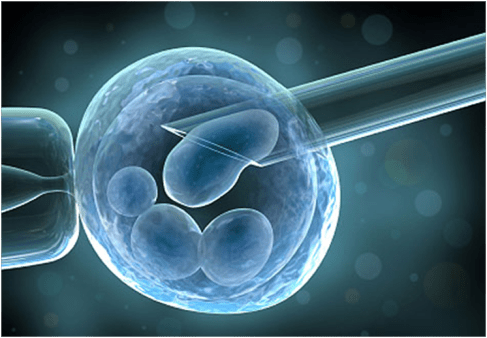
A few weeks back we reported on the latest stem cell research and the controversy surrounding it. I held my breath, wanting so badly to believe that there was a novel and cheap way to make new stem cells that would be controversy free.
The investigating body involved with trying to separate the mess and determine what may have been accidental, such as the mislabeled images in Nature, which could have been a simple publishing error has come to a decision about the work.
Did you hear the one about Vaccinations?
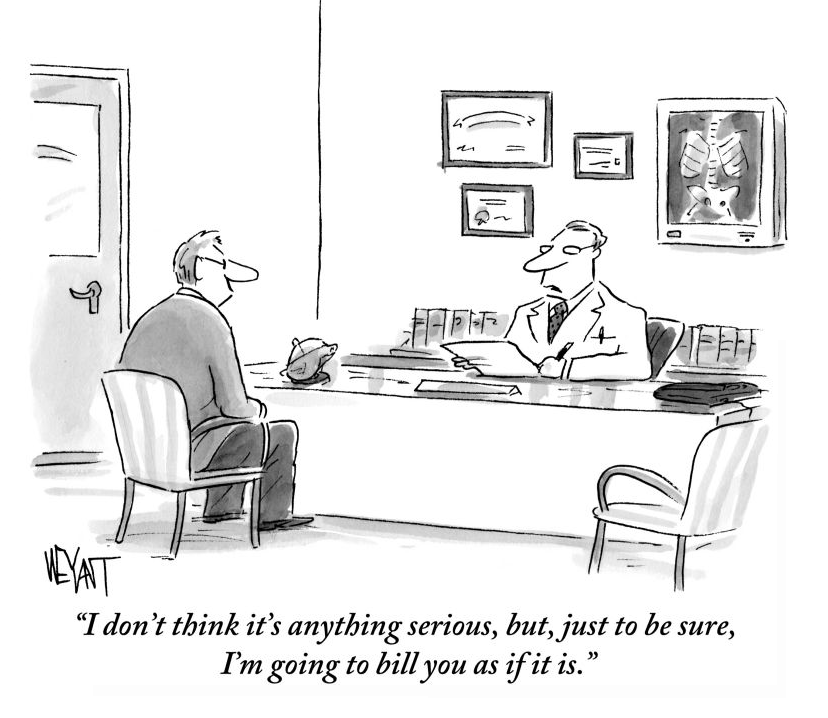
So a lawyer walks into a Doctors office and offers the Doctor large amounts of money if he can come up with a link between the MMR vaccine and some other problem. Not a very good start to a joke, I know, and if you are looking for a punch line there isn’t one.
Unfortunately this isn’t a joke, it is exactly how the vaccination controversy got started. The only punch line here is children catching preventable diseases and I don’t think anyone is laughing.
Just how did one man single handedly cause so many problems?
Orphan Deseases- A Silent Suffering
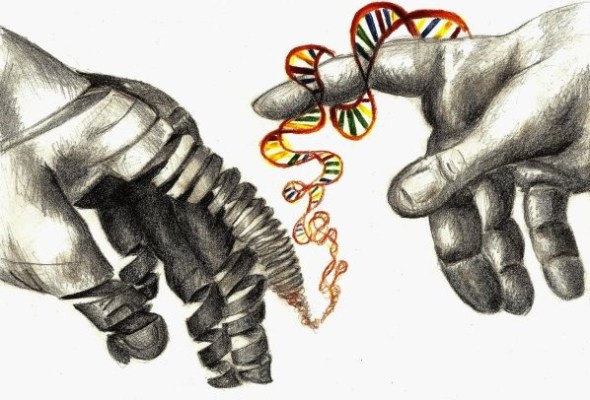
Cancer is sexy, it’s hip, it’s in, it’s news. All types of cancer, think of a cancer organization; I bet you can. Rightly so since cancer sucks, a cure should be found and we should shout at the top of our lungs that there are people suffering.
There is a beautiful sense of cooperation and unity when you can get a group of people together, like people suffering from cancer and start turning the large wheels of progress to find a way to cure something so dynamic.
[Not so] Big News for Stem Cells

Ever hear if it is too good to be true, then it probably it probably is? Well that seems to be the case for the not so latest news for stem cell research.
Just weeks ago, the science world was buzzing when Japanese scientists announced that it had discovered a novel way to produce stem cells that was free of controversy, cheaper than traditional methods and simple.
Fear Factor- How it Works in the Brain
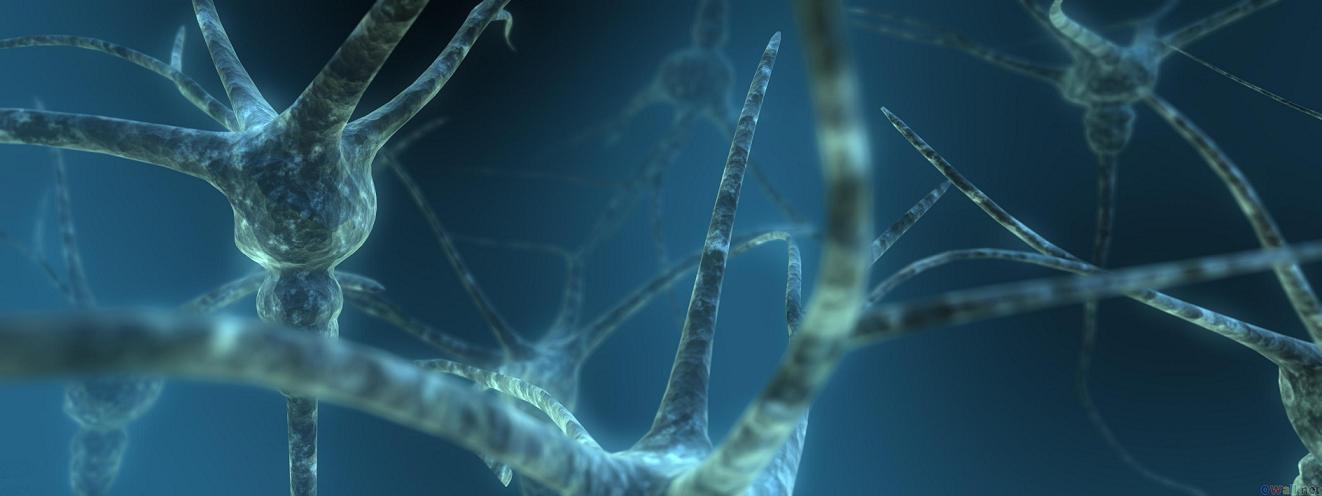
What are you afraid of? Like it or not your brain knows and now, scientists are starting to understand how it does it.
Scientists at Columbia University in New York have found the neurons responsible for preventing mice from forming fearful memories by looking at a part of the brain called the hippocampus [no, that isn’t where hippos go for an education; yes, that was a awful attempt at a joke].
Monkey Mind Control

Monkeying around…
What does a rhesus monkey and a the Blockbuster Hollywood film Avatar have in common?
They both use mind control to operate an ‘Avatar’.
Researchers at Massachusetts General Hospital placed a neural implant on the ‘master’ monkey that could monitor up to 100 neurons, this allowed the ‘master’ money to control a second ‘avatar’ monkey.
To test this. they trained the ‘master’ monkey to use a joystick and find a target on the screen.
Prosthetic hand gives amputee feeling again
![Amputee Dennis Aabo Sorensen tests the prosthetic hand in Rome last year. Photo credit [and caption] goes to the independent](https://loonylabs.org/wp-content/uploads/2014/02/amputee.png?w=590)
Amputee Dennis Aabo Sorensen tests the prosthetic hand in Rome last year. Photo credit [and caption] goes to the independent
Hook or hand?
Those are your choices, do you want a fake non-movable plastic hand, or would you prefer the hook? At that point you are probably wondering why they are now making smartphone watches, but you are stuck getting [almost] the same technology that was used during the civil war.
Vitamin C Cures Cancer?

Does Vitamin C actually cure cancer?
Well, no, not quite. But new research shows that vitamin C can improve the response of the chemotherapy drugs. The tests, which have primarily been done on mice and in the lab, show promise for future options in treatment.
Vitamin C, which is water soluble, easily passed from the body, and has low side-effect risk might be the key to better cancer therapies. If larger trials show promise, this could prove to be a low-cost addition to treatments already in place.


 Lunatic Laboratories