
It’s music to my eyes

Swan lake
Image credit goes to: The one and only Lora Zombie (Yes again).
When people are listening to music, their emotional reactions to the music are reflected in changes in their pupil size. Researchers from the University of Vienna and the University of Innsbruck, Austria, are the first to show that both the emotional content of the music and the listeners’ personal involvement with music influence pupil dilation. This study demonstrates that pupil size measurement can be effectively used to probe listeners’ reactions to music.
Adults’ happiness on the decline


Are you less happy than your parents were at the same age? It may not be all in your head. Researchers led by San Diego State University professor Jean M. Twenge found adults over age 30 are not as happy as they used to be, but teens and young adults are happier than ever. Researchers analyzed data from four nationally representative samples of 1.3 million Americans ages 13 to 96 taken from 1972 to 2014.
Brain’s immune system could be harnessed to fight Alzheimer’s

A new study suggests that the brain’s immune system could potentially be harnessed to help clear the amyloid plaques that are a hallmark of Alzheimer’s disease.
Lipid helps keep algae and brain fluid moving
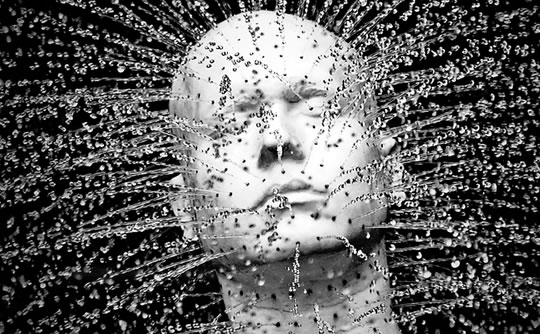
The same lipid that helps algae swim toward the light also appears to enable one type of brain cell to keep cerebrospinal fluid moving, researchers report.
Lack of ZZZZs may zap cell growth, brain activity

Lack of adequate sleep can do more than just make you tired. It can short-circuit your system and interfere with a fundamental cellular process that drives physical growth, physiological adaptation and even brain activity, according to a new study. Albrecht von Arnim, a molecular biologist based in the Department of Biochemistry and Cellular and Molecular Biology, studied plants but said the concepts may well translate to humans.
The science behind real life zombies


In the spirit of Halloween we bring you the science fact and fiction behind the undead. Zombies, those brain loving little guys, (and girls) are everywhere. We are all familiar (if you are horror fans, or at least not living on an Amish compound) with the classic zombie. But did you know that we aren’t the only zombie lovers out there? It turns out that nature has its own special types of zombies, but this isn’t a science fiction movie, this is science fact!
Depression too often reduced to a checklist of symptoms

How can you tell if someone is depressed? The Diagnostic and Statistical Manual of Mental Disorders (DSM) – the ‘bible’ of psychiatry – diagnoses depression when patients tick off a certain number of symptoms on the DSM checklist. A large-scale quantitative study coordinated at KU Leuven, Belgium, now shows that some symptoms play a much bigger role than others in driving depression, and that the symptoms listed in DSM may not be the most useful ones.
Bacteria communicate like neurons in the brain
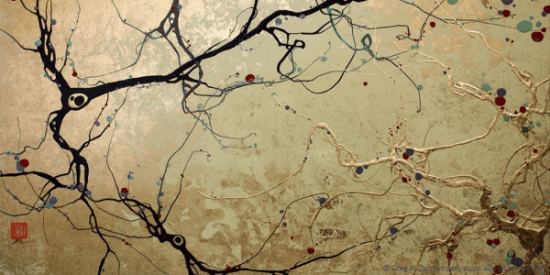
Biologists discovered that bacteria–often viewed as lowly, solitary creatures–are actually quite sophisticated in their social interactions and communicate with one another through similar electrical signaling mechanisms as neurons in the human brain. In the study, scientists detail the manner by which bacteria living in communities communicate with one another electrically through proteins called “ion channels.”
Finding the brain circuitry for gratitude with help from Holocaust survivors’ memories

Neuroscientists have mapped how the human brain experiences gratitude with help from an unexpected resource: Holocaust survivors’ testimonies.
Premature birth appears to weaken brain connections

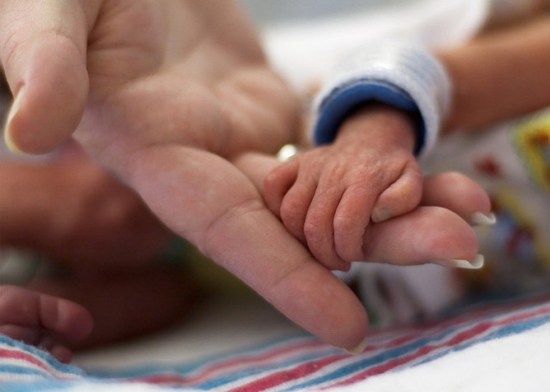
Babies born prematurely face an increased risk of neurological and psychiatric problems that may be due to weakened connections in brain networks linked to attention, communication and the processing of emotions, new research shows. Studying brain scans from premature and full-term babies, researchers zeroed in on differences in the brain that may underlie such problems.
How reward and daytime sleep boost learning

A new study suggests that receiving rewards as you learn can help cement new facts and skills in your memory, particularly when combined with a daytime nap. The findings from the University of Geneva reveal that memories associated with a reward are preferentially reinforced by sleep. Even a short nap after a period of learning is beneficial.
‘Paleo’ style sleep? Think again…
It’s tempting to believe that people these days aren’t getting enough sleep, living as we do in our well-lit houses with TVs blaring, cell phones buzzing, and a well-used coffee maker in every kitchen. But new evidence reported in the Cell Press journal Current Biology on October 15 shows that three ancient groups of hunter-gatherers–living in different parts of the world without any of those trappings of modern life–don’t get any more sleep than we do.
Schizophrenia symptoms linked to features of brain’s anatomy?
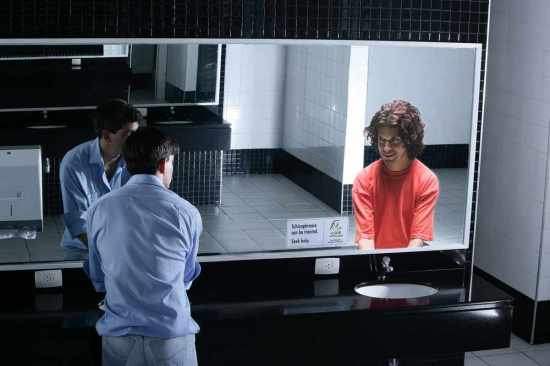
Using advanced brain imaging, researchers have matched certain behavioral symptoms of schizophrenia to features of the brain’s anatomy. The findings, at Washington University School of Medicine in St. Louis, could be a step toward improving diagnosis and treatment of schizophrenia.
Immune gene prevents Parkinson’s disease and dementia
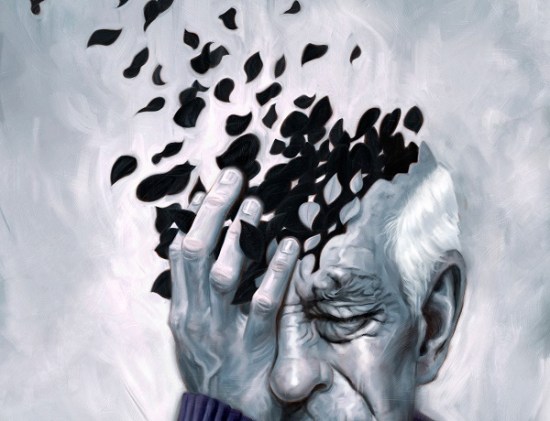
An estimated seven to ten million people worldwide are living with Parkinson’s disease (PD), which is an incurable and progressive disease of the nervous system affecting movement and cognitive function. More than half of PD patients develop progressive disease showing signs of dementia similar to Alzheimer’s disease.
Pain is in the brain

Chronic pain results from disease or trauma to the nervous system. Damaged nerve fibres with heightened responses to normal stimuli send incorrect messages to pain centres in the brain. This phenomenon, called “peripheral and central sensitization” is one of the key mechanisms involved in the condition which touches people with diabetes, cancer, and those suffering from multiple sclerosis, among others.
Sex change hormonal treatments alter brain chemistry

Hormonal treatments administered as part of the procedures for sex reassignment have well-known and well-documented effects on the secondary sexual characteristics of the adult body, shifting a recipient’s physical appearance to that of the opposite sex. New research indicates that these hormonal treatments also alter brain chemistry.
American placebo – An increase in the placebo response, but only in America?
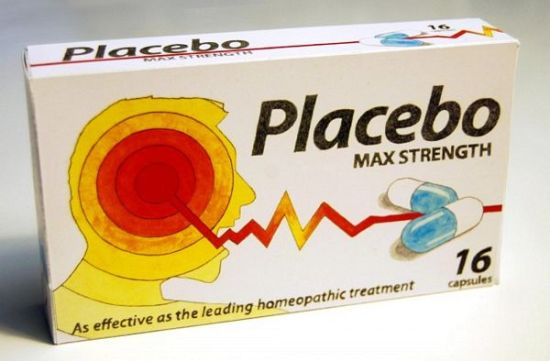
A new study finds that rising placebo responses may play a part in the increasingly high failure rate for clinical trials of drugs designed to control chronic pain caused by nerve damage. Surprisingly, however, the analysis of clinical trials conducted since 1990 found that the increase in placebo responses occurred only in trials conducted wholly in the U.S.; trials conducted in Europe or Asia showed no changes in placebo responses over that period.
Gut bacteria population, diversity linked to anorexia nervosa

Researchers at the UNC School of Medicine found that people with anorexia nervosa have very different microbial communities residing inside their guts compared to healthy individuals and that this bacterial imbalance is associated with some of the psychological symptoms related to the eating disorder.
Brain networking: behind the cognitive control of thoughts
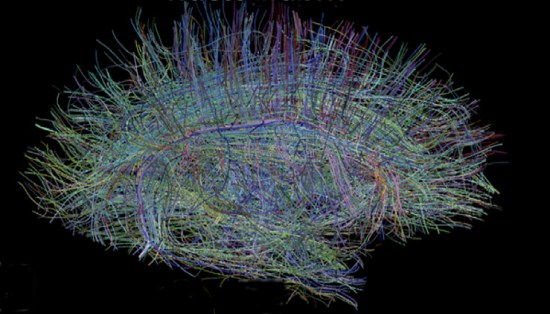
The human brain does not come with an operating manual. However, a group of scientists have developed a way to convert structural brain imaging techniques into “wiring diagrams” of connections between brain regions. Three researchers from UCSB’s Department of Psychological & Brain Sciences — Michael Miller, Scott Grafton and Matt Cieslak — used the structure of neural networks to reveal the fundamental rules that govern which parts of the brain are most able to exert cognitive control over thoughts and actions.
High-fructose diet slows recovery from brain injury

Well bad news for those of us who have a sweet tooth, a diet high in processed fructose sabotages rat brains’ ability to heal after head trauma, UCLA neuroscientists report. While this doesn’t necessarily translate to humans quite yet, it should still raise a few eyebrows given the results from the study.
Scientists identify key receptor as potential target for treatment of autism
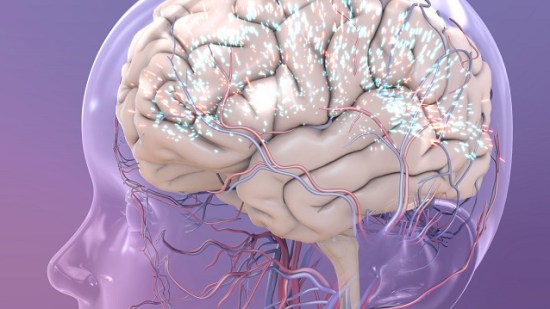
Scientists from the Florida campus of The Scripps Research Institute (TSRI) have uncovered a significant–and potentially treatable–relationship between a chemical that helps transmit signals in the brain and genetic mutations present in a subset of individuals with autism spectrum disorder. The new research findings focus on the role that the neurotransmitter serotonin plays in the development of social behavior.
Scientists to bypass brain damage by re-encoding memories
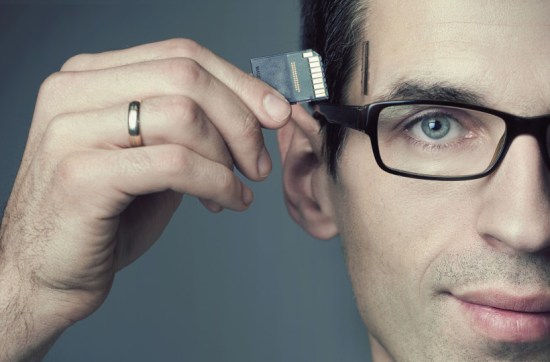
Researchers at USC and Wake Forest Baptist Medical Center have developed a brain prosthesis that is designed to help individuals suffering from memory loss. The prosthesis, which includes a small array of electrodes implanted into the brain, has performed well in laboratory testing in animals and is currently being evaluated in human patients.
Connecting Alzheimer’s disease and the immune system

The role of the immune system in Alzheimer’s disease is a hot topic, but exactly how the two are connected and what interventions could help lower risk remain a mystery. In a new study, researchers in the Ann Romney Center for Neurologic Diseases at Brigham and Women’s Hospital (BWH) investigate how genetic risk factors for Alzheimer’s disease may influence a key type of immune cell. Their results lay the groundwork for designing better therapeutic strategies and better prediction tools for risk of developing Alzheimer’s disease.
Mexico City’s air pollution has detrimental impact on Alzheimer’s disease gene

A new study by researchers heightens concerns over the detrimental impact of air pollution on hippocampal metabolites as early markers of neurodegeneration in young urbanites carrying an allele 4 of the apolipoprotein E gene (APOE). This is associated with the risk for Alzheimer disease (AD) and a susceptibility marker for poor outcome in traumatic brain injury (TBI) recovery.
Genetic analysis supports prediction that spontaneous rare mutations cause half of autism
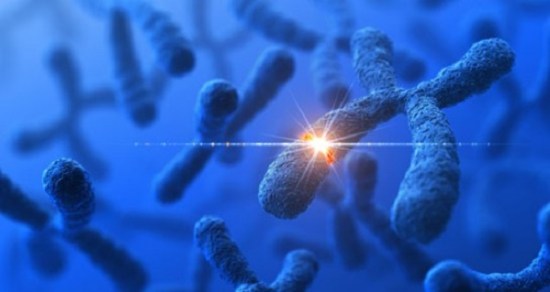
A team led by researchers at Cold Spring Harbor Laboratory (CSHL) has published a new analysis of data on the genetics of autism spectrum disorder (ASD). One commonly held theory is that autism results from the chance combinations of commonly occurring gene mutations, which are otherwise harmless. But the authors’ work provides support for a different theory.
‘Delayed remembering’: Kids can remember tomorrow what they forgot today

For adults, memories tend to fade with time. But a new study has shown that there are circumstances under which the opposite is true for small children: they can remember a piece of information better days later than they can on the day they first learned it. While playing a video game that asked them to remember associations between objects, 4- and 5-year-olds who re-played the game after a two-day delay scored more than 20 percent higher than kids who re-played it later the same day.
A barrier against brain stem cell aging
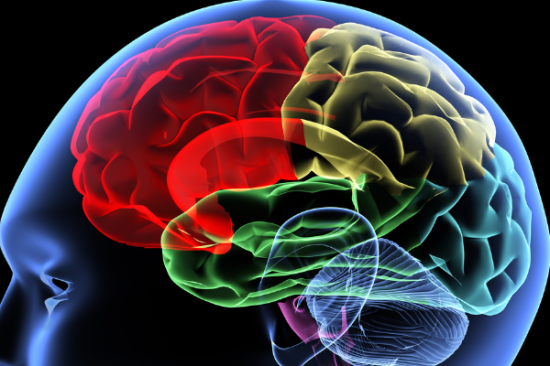
Neural stem cells generate new neurons throughout life in the mammalian brain. However, with advancing age the potential for regeneration in the brain dramatically declines. Scientists now identified a novel mechanism of how neural stem cells stay relatively free of aging-induced damage. A diffusion barrier regulates the sorting of damaged proteins during cell division.
Schizophrenia: Repairing the brain

Research led by scientists from Duke-NUS Graduate Medical School Singapore (Duke-NUS) has linked the abnormal behaviour of two genes (BDNF and DTNBP1) to the underlying cause of schizophrenia. These findings have provided a new target for schizophrenia treatment.
Types of athletic training affect how brain communicates with muscles

Using endurance training or strength and resistance training not only prepares an athlete for different types of sports, they can also change the way the brain and muscles communicate with each other.
Immune system may be pathway between nature and good health

Research has found evidence that spending time in nature provides protections against a startling range of diseases, including depression, diabetes, obesity, ADHD, cardiovascular disease, cancer, and many more. How this exposure to green space leads to better health has remained a mystery. After reviewing hundreds of studies examining nature’s effects on health, researchers believe the answer lies in nature’s ability to enhance the functioning of the body’s immune system.
Female mice sing for sex
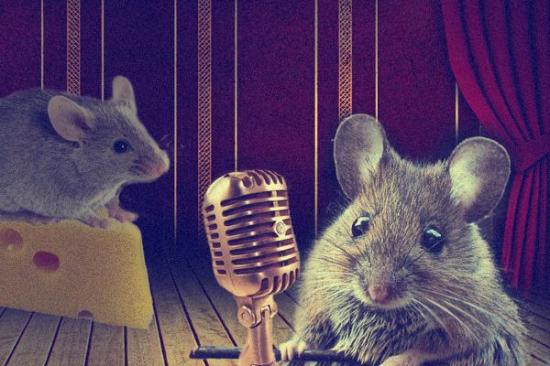
Using a sophisticated array of microphones and a sound chamber he developed, a University of Delaware researcher discovered the world is full of tiny furry Beyoncés. Studying all the Single Ladies’ communication provides insight into brain mechanics.
Image credit goes to: Jeff Chase, University of Delaware
They don’t use gondolas or croon like Sinatra. But scientists have known for a long time that male mice belt out something like love songs to females when the time seems right to them. What they didn’t know – until a University of Delaware researcher developed a sophisticated array of microphones and a sound analysis chamber – was that female mice were singing back.
Smart cells teach neurons damaged by Parkinson’s to heal themselves
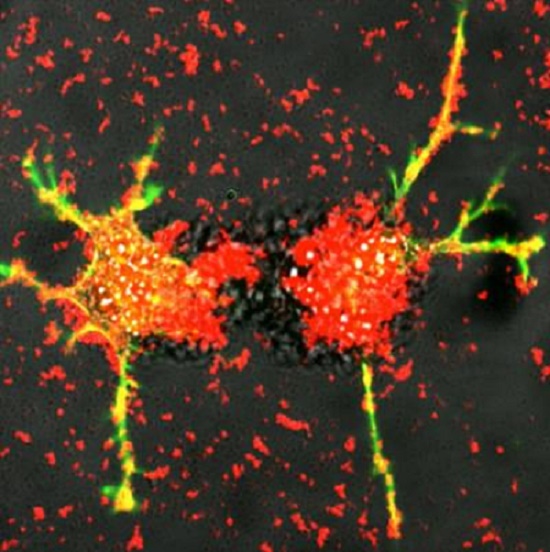
These are white blood cells reengineered by scientists at UNC-Chapel Hill deliver exosomes (red) loaded proteins that stimulate the growth of damaged nerve fibers (green and yellow). Researchers at the UNC Eshelman School of Pharmacy this technique can be developing into a potential treatment for Parkinson’s disease.
Image credit goes to: Elena Batrakova/UNC Eshelman School Of Pharmacy
As a potential treatment for Parkinson’s disease, scientists at the University of North Carolina at Chapel Hill have created smarter immune cells that produce and deliver a healing protein to the brain while also teaching neurons to begin making the protein for themselves.
Cells from human umbilical cord blood improve cognition in Alzheimer’s disease model mice
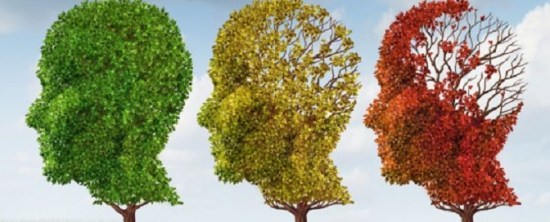
Alzheimer’s disease (AD), which affects an estimated 26 million people worldwide, is the fourth leading cause of death among the elderly and the leading cause of dementia. Predictions are that the number of AD cases will quadruple by 2050. Although pharmacological methods for treating AD have been discovered, none significantly delay the progression of the disease.
Tree of life study unveils inner workings of a cell
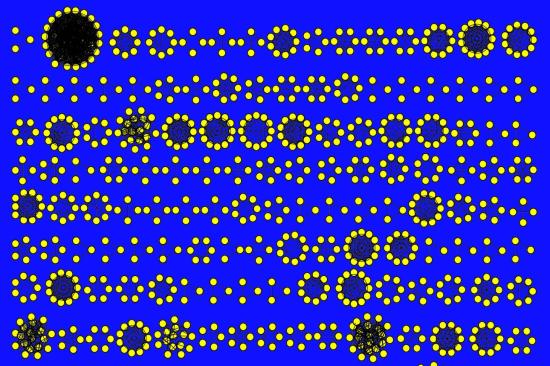
Scientists have uncovered tens of thousands of new protein interactions, accounting for about a quarter of all estimated protein contacts in a cell.
Image credit goes to: Jovana Drinkjakovic
A multinational team of scientists have sifted through cells of vastly different organisms, from amoebae to worms to mice to humans, to reveal how proteins fit together to build different cells and bodies. This tour de force of protein science, a result of a collaboration between seven research groups from three countries, led by Professor Andrew Emili from the University of Toronto’s Donnelly Centre, uncovered tens of thousands of new protein interactions, accounting for about a quarter of all estimated protein contacts in a cell.
Common antidepressant may change brain
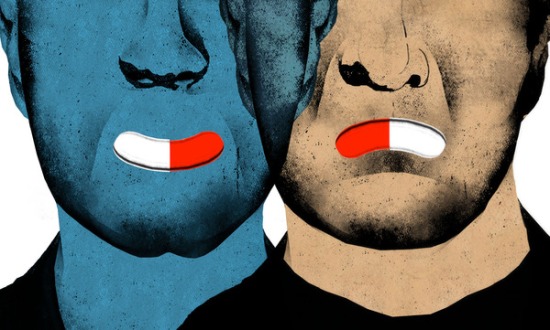
A commonly prescribed antidepressant may alter brain structures in depressed and non-depressed individuals in very different ways, according to new research. The study – conducted in nonhuman primates with brain structures and functions similar to those of humans – found that the antidepressant sertraline, a selective serotonin reuptake inhibitor (SSRI) marketed as Zoloft, significantly increased the volume of one brain region in depressed subjects but decreased the volume of two brain areas in non-depressed subjects.
Do antipsychotic medications affect cortical thinning?
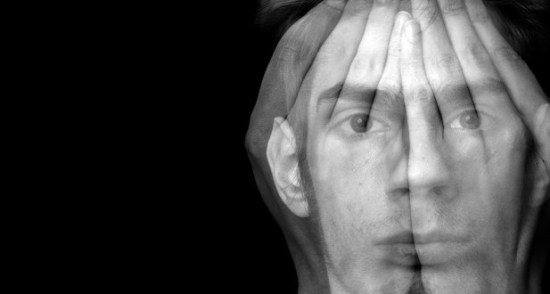
People diagnosed with schizophrenia critically rely upon treatment with antipsychotic medications to manage their symptoms and help them function at home and in the workplace. But despite their benefits, antipsychotic medications might also have some negative effects on brain structure or function when taken for long periods of time.
Feeling blue and seeing blue: Sadness may impair color perception

The world might seem a little grayer than usual when we’re down in the dumps and we often talk about “feeling blue” — new research suggests that the associations we make between emotion and color go beyond mere metaphor. The results of two studies indicate that feeling sadness may actually change how we perceive color. Specifically, researchers found that participants who were induced to feel sad were less accurate in identifying colors on the blue-yellow axis than those who were led to feel amused or emotionally neutral.
Researchers help identify neural basis of multitasking

What makes someone better at switching between different tasks? Looking for the mechanisms behind cognitive flexibility, researchers have used brain scans to shed new light on this question. By studying networks of activity in the brain’s frontal cortex, a region associated with control over thoughts and actions, the researchers have shown that the degree to which these networks reconfigure themselves while switching from task to task predicts people’s cognitive flexibility.
Television viewing linked to higher injury risk in hostile people

People with hostile personality traits who watch more television than their peers may be at a greater risk for injury, potentially because they are more susceptible to the influence of television on violence and risk-taking behaviors, a University of Pittsburgh Graduate School of Public Health analysis discovered.
Predicting who will murder his wife or his family

Murderers who kill intimate partners and family members have a significantly different psychological and forensic profile from murderers who kill people they don’t know, reports a new Northwestern Medicine study that examined the demographics, psychiatric history and neuropsychology of these individuals.
Want a better relationship and a better sex life?

If men take up more of the child-care duties, splitting them equally with their female partners, heterosexual couples have more satisfaction with their relationships and their sex lives, according to new research by sociologists. The group used data from more than 900 heterosexual couples’ responses in the 2006 Marital Relationship Study (MARS).
‘Memory region’ of the brain also involved in conflict resolution
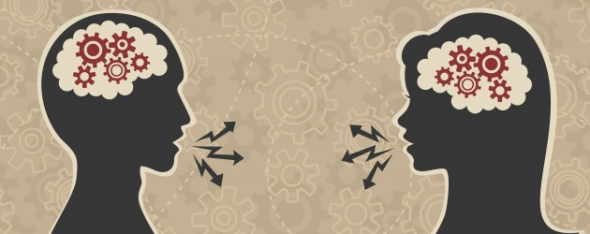
The hippocampus in the brain’s temporal lobe is responsible for more than just long-term memory. Researchers have for the first time demonstrated that it is also involved in quick and successful conflict resolution.
Happiness spreads, but depression isn’t contagious
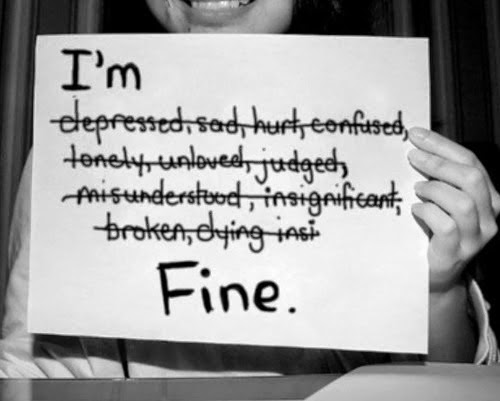
Having friends who suffer from depression doesn’t affect the mental health of others, according to research. The team found that having friends can help teenagers recover from depression or even avoid becoming depressed in the first instance. The findings are the result of a study of the way teenagers in a group of US high schools influenced each others’ mood. The academics used a mathematical model to establish if depression spreads from friend to friend.
Don’t I know that guy? Neuroscientists pinpoint part of the brain that deciphers memory from new experience

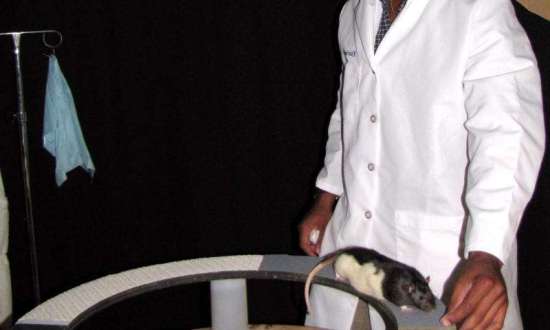
Research assistant Jeremy Johnson feeds a rat on the behavioral track used to determine where the brain decides what is new and what is familiar.
Image credit goes to: Johns Hopkins University
You see a man at the grocery store. Is that the fellow you went to college with or just a guy who looks like him? One tiny spot in the brain has the answer. Neuroscientists have identified the part of the hippocampus that creates and processes this type of memory, furthering our understanding of how the mind works, and what’s going wrong when it doesn’t.
Nicotine changes marijuana’s effect on the brain
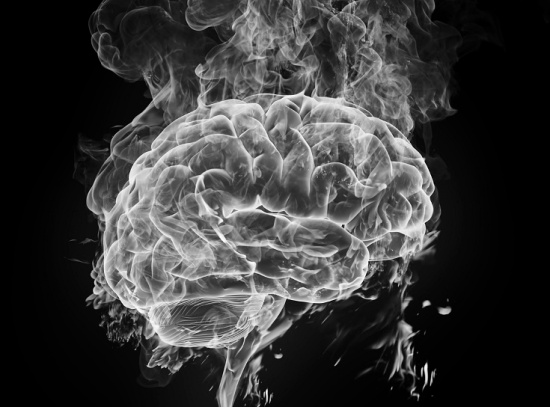
How scientists study the effects of marijuana on the brain is changing. Until recently marijuana research largely excluded tobacco users from its participant pool, but scientists have found reason to abandon this practice, uncovering significant differences in the brains of individuals who use both tobacco and marijuana and the brains of those who only use marijuana.
Study shows poor sleep contributes to MS-related fatigue

New research confirmed that sleep disturbances significantly contribute to MS-related fatigue, a common and often disabling symptom among individuals with MS. Review of the pertinent literature showed that sleep may be the dominant factor in fatigue in MS. This was also the finding in Dr. Strober’s study of 107 employed individuals with MS of whom 61% reported poor sleep.
The stomach is the way to a woman’s heart, too

You’ve heard that romance starts in the kitchen and not in the bedroom. Well, researchers at Drexel University finally have the science to support that saying – but not the way you might think. Researchers found that women’s brains respond more to romantic cues on a full stomach than an empty one. The study explored brain circuitry in hungry versus satiated states among women who were past-dieters and those who had never dieted.
Can your brain control how it loses control?
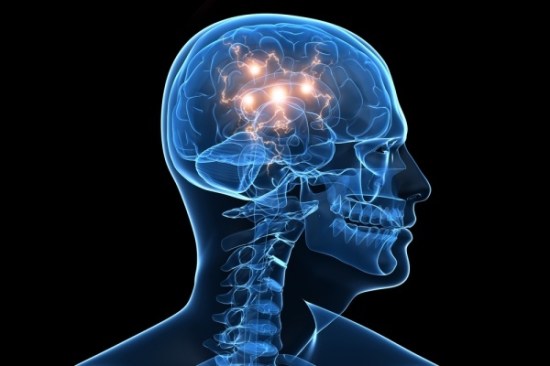
A new study may have unlocked understanding of a mysterious part of the brain — with implications for neurodegenerative conditions such as Alzheimer’s. The results open up new areas of research in the pursuit of neuroprotective therapies.
Scientists discover what controls waking up and going to sleep

Fifteen years ago, an odd mutant fruit fly caught the attention and curiosity of Dr. Ravi Allada, a circadian rhythms expert at Northwestern University, leading the neuroscientist to recently discover how an animal’s biological clock wakes it up in the morning and puts it to sleep at night. The clock’s mechanism, it turns out, is much like a light switch.
Cognitive decision making as the collapse of a quantum superstate
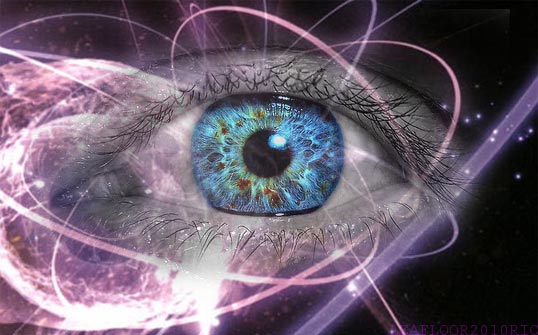
Decision making in an enormous range of tasks involves the accumulation of evidence in support of different hypotheses. One of the enduring models of evidence accumulation is the Markov random walk (MRW) theory, which assigns a probability to each hypothesis. In an MRW model of decision making, when deciding between two hypotheses, the cumulative evidence for and against each hypothesis reaches different levels at different times, moving particle-like from state to state and only occupying a single definite evidence level at any given point.


 Lunatic Laboratories