
Know your spinal cord – Anterior spinal artery syndrome
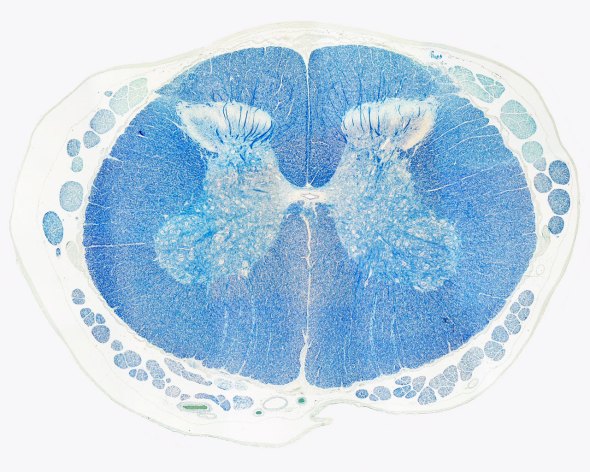
Today we hit the three week mark in knowing your spinal cord! I’m hoping we can do a full four weeks, that would be quite the collection of knowledge. For those of you just joining in, you can find all of our posts in the neuroanatomy category ordered in reverse chronological order. As per the last few posts, we’ve covered the majority of the anatomy and now we are looking at different disorders of the spinal cord. Today we’re going to cover another type of injury, this one called anterior spinal artery syndrome, so let’s get started!
Know your spinal cord – Brown-Sequard Syndrome
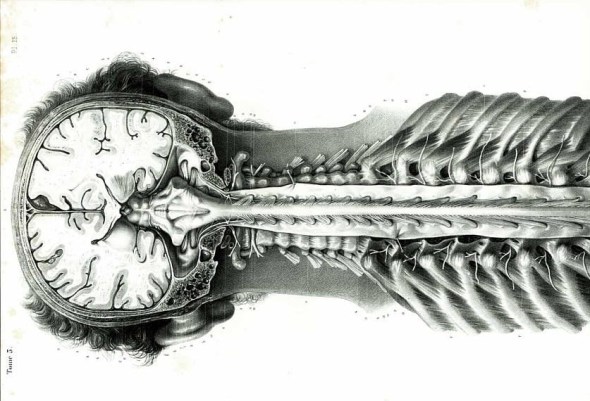
We’ve made it to day twenty in our little series on knowing your spinal cord. As always, you can find each and every post in this series through our neuroanatomy category. Since we’ve covered all the major neuroanatomy, the latest posts have been on spinal cord diseases and disorders. That said, today we’re covering Brown-Sequard syndrome, so let’s take a look at what this is.
Know your spinal cord – Spina bifida
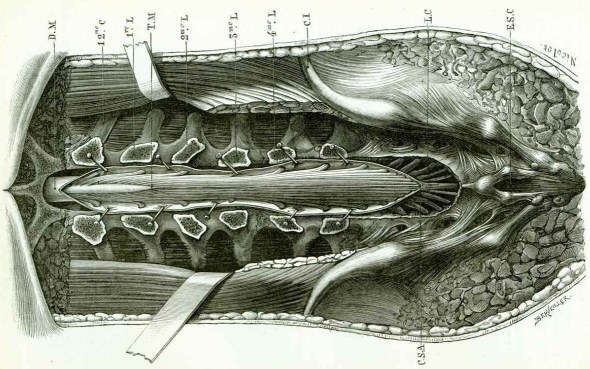
This is day nineteen of knowing your spinal cord! We covered all the big neuroanatomy and while we may go back and cover some of the minor things, we’re in the middle of spinal deformities. For those just starting, we have a neuroanatomy category to make it easy to find these posts. For everyone else, today we’re talking about spina bifida.
Know your spinal cord – Diastematomyelia
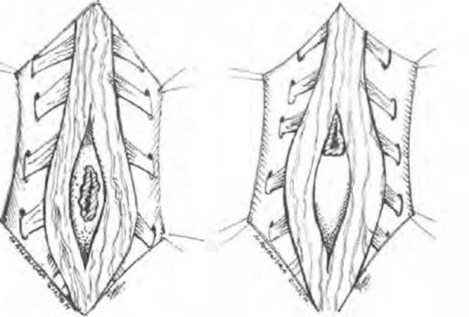
Diastematomyelia, a complicated name for a split spinal cord.
Day eighteen! Almost three weeks worth of fun spinal knowledge. For those tuning in, we have a neuroanatomy category just for these posts. Since we’ve covered most of the anatomy portion of the spinal cord, we’ve just started covering spinal disorders. If you’re here you’re probably wondering what diastematomyelia is, so let’s get started!
Know your spinal cord – The tethered spinal cord
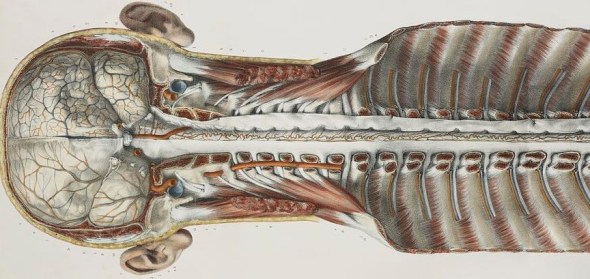
This has been a fun series of posts and today is day seventeen! As usual, you can check out all of our posts under the neuroanatomy category. I’ve got some good news and some bad news. The good news is we’re still going! The bad news is we’ve pretty much covered the anatomy. So for the next few posts, we will look at some issues the spinal cord may have. First up, let’s talk about a tethered spinal cord!
Know your spinal cord – The meninges
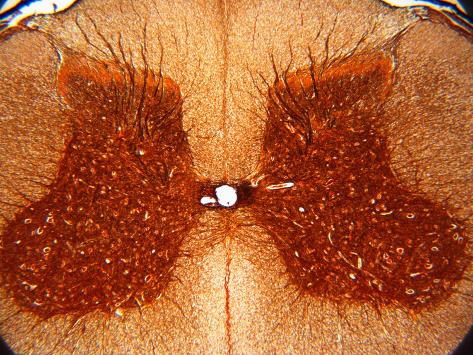
Day sixteen of knowing your spinal cord! So many posts, much knowledge! For those who are just finding us, we have a whole neuroanatomy category dedicated to these posts. If you want to take it from the top (literally) you should start with the medullary pyramids post. If you’ve been following along or only interested in this particular topic today we are covering the meninges and you’ll learn my really dumb way for remembering them, so let’s get started.
Know your spinal cord – The lumbar cistern and cerebrospinal fluid
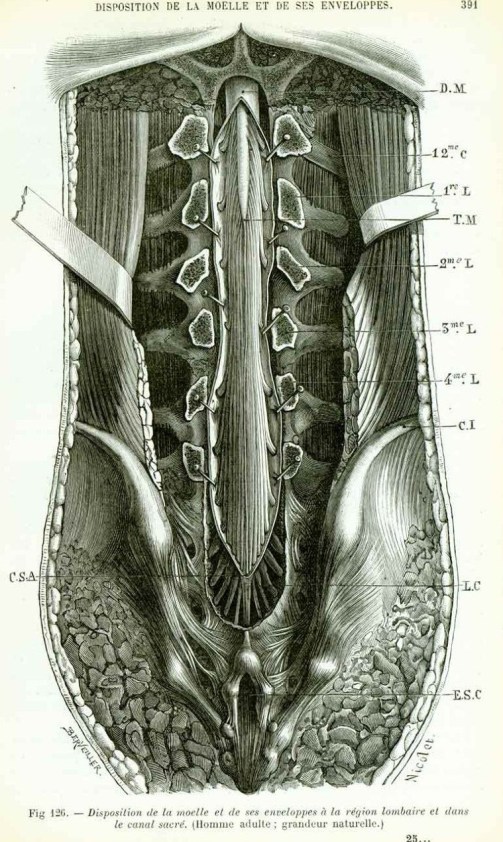
We are well on our way to finishing up the know your spinal cord series that I am doing. Today is day fifteen and as usual if you’re just tuning in we have a whole neuroanatomy category dedicated to these posts for you to check out organized in reverse chronological order. If you want to start at the beginning, that would be the medullary pyramids. Today we are at the other end of the cord, this is the lumbar cistern!
Know your spinal cord – The cauda equina
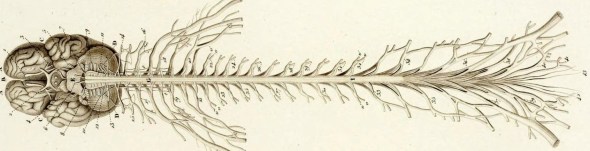
Here we are at day fourteen of knowing your spinal cord. By now you’re all experts on the spinal cord and I’m not even sure what I’m doing here. For those just joining us, we have a neuroanatomy category with all the posts so you don’t have to dig for them. If you want to start at the beginning, that would be the medullary pyramids. For the rest of you this is the end, not the end of the posts because we have a lot more to cover, but the end of the spinal cord. Let’s talk the cauda equina!
Know your spinal cord – The spinal cord enlargements
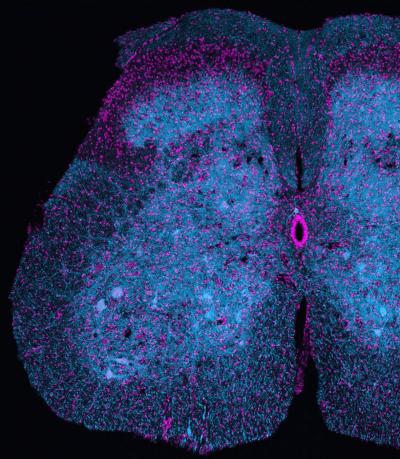
Mitochondria in a section of spinal cord
Here we are at day thirteen of knowing your spinal cord! As always, we have a whole special category for these posts called neuroanatomy and if you’re not after a specific topic, I recommend starting at the medullary pyramids. Today’s post is about something important that we haven’t touched on very much, the cervical and lumbar enlargements of the spinal cord, so let’s get started.
Know your spinal cord – The central pattern generator
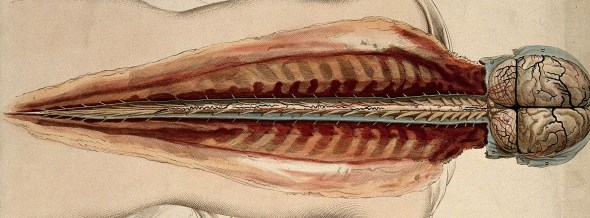
Day (or really post) twelve on knowing your spinal cord. We have a whole category for the posts, neuroanatomy. Today we are going to talk about the curious case of the central pattern generators (CPG’s). Unfortunately, we cannot talk about them without talking about the experiments that found them, meaning we will be covering animal studies. In particular, some animal studies that might not sit well with some people. I attempted to be general where I can, just know that it is coming.
Know your spinal cord – The reflex pathways
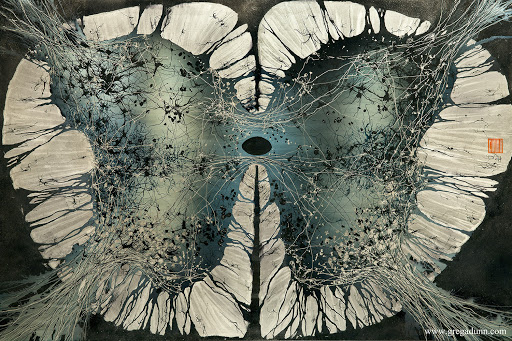
Beautiful spinal cord art, used with permission by Greg Dunn design.
Day eleven, we’ve almost spent two weeks covering your spinal cord! Tomorrow we will take a brief break as every two weeks I have a review paper due to my PI in the spinal cord feild, so tomorrow I will share it with all of you as well. For today, remember we have a neuroanatomy category with all of the posts we’ve done. If you’re new I would suggest you start with the medullary pyramids post and work forward, for the rest of you or those of you who are only interested in reflexes, let’s talk about some legos.
Know your spinal cord – The spinocerebellar tract
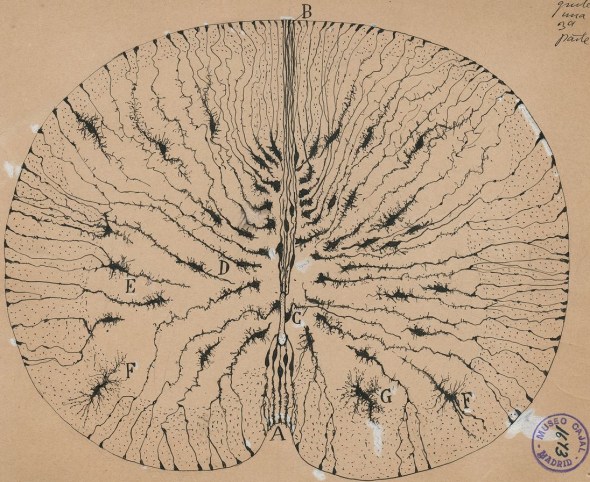
Drawing of a spinal cord cross section by Ramon y Cajal, a famous Spanish neuroscientist.
Here we are on day ten of knowing your spinal cord. As always, you can find the aggregated posts in my totally new, fresh off the line category, neuroanatomy. There posts are organized in reverse chronological order, so the first post on the medullary pyramids would be at the bottom, which is where I recommend you start if you’re new. For everyone who’s followed along or those of you who are just interested in this one tract, let’s talk about the spinocerebellar tract!
Know your spinal cord – The rubrospinal tract
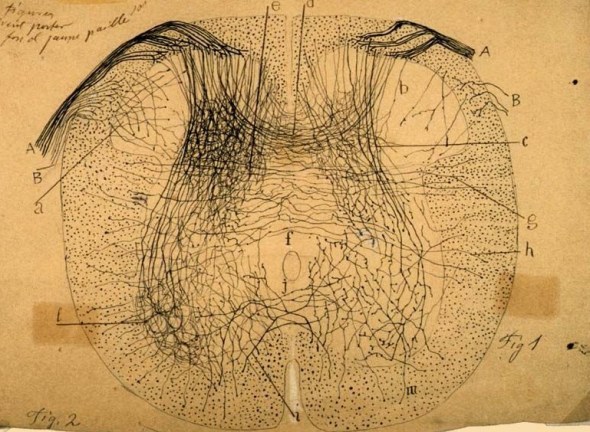
Drawing of a spinal cord slice by Ramon y Cajal, a Spanish neuroscientist and Nobel prize winner
This is day nine of know your spinal cord. Now for my usual bits, we have a whole category that I created just for these posts. They are in chronological order with the newest posts first, so I would recommend you start from the beginning post or dive in where you’re interested. That said, we’re going to tackle one of the smaller, but still important tracts, the rubrospinal tract!
Know your spinal cord – The grey matter
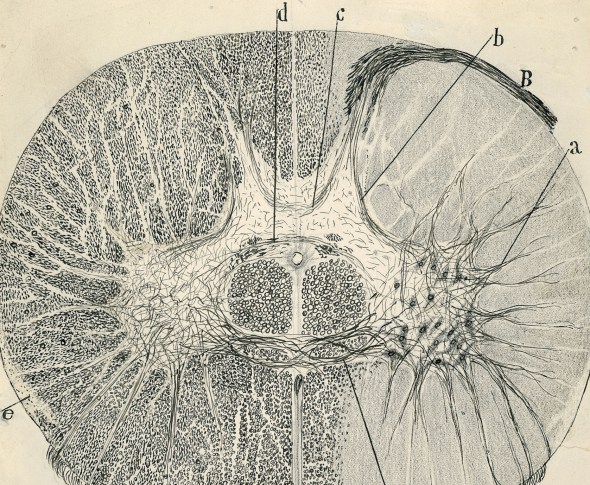
Drawing by Ramon y Cajal, a famous Spanish neuroscientist.
Today is day eight! I can hardly believe it, but here we are, day eight of spinal anatomy. For those of you who are just joining us, we have a whole new category just for these posts and they are in order from newest to oldest, so start at the bottom and work your way up. For those of you who have been following along, today we are tackling the grey matter of the spinal cord, a somewhat complex region where all the action takes place.
Know your spinal cord – The spinal nerves
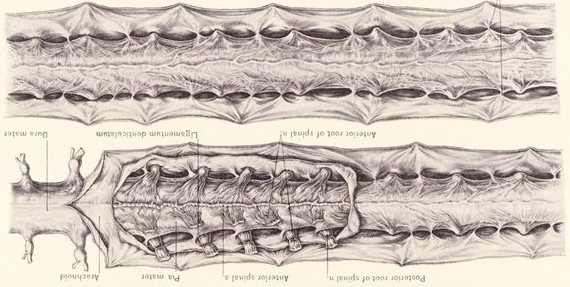
Here we are, a week into knowing your spinal cord (remember we have a new category for you to find these posts). If you’re just starting out, you may want to look at our new neuroanatomy category and start with the first post. For those of you who have been following along, we covered some of the major tracts of the spinal cord, so let’s dive into the structure some! First up, let’s talk about spinal nerves and what exactly these guys do.
Know your spinal cord – The spinothalamic tract
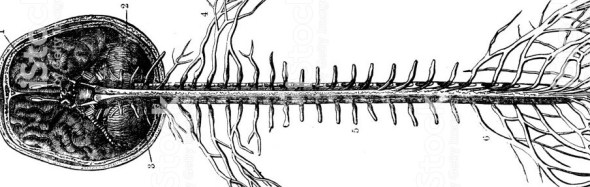
Day six already! Today is day six of knowing your spinal cord and we’re talking about the spinothalamic tract today. If you’re interested in the other posts, the first covers the medullary pyramids and I even have a category just for these posts. Of all the tracts of the spinal cord, this is probably my favorite becuase it is just so weird! You’ll see what I mean, so let’s get to it.
Know your spinal cord – The medial lemniscus tract

Here we are day five of knowing your spinal cord. If you’re just joining us, I’ve created a new category where you can find all the posts. Or you can start at the beginning with the medullary pyramids (technically not part of the spine, but close enough). If you’re all caught up or just want to learn about this specific tract, then let’s get started.
Know your spinal cord – The corticospinal tract
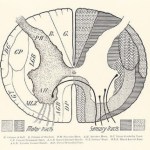
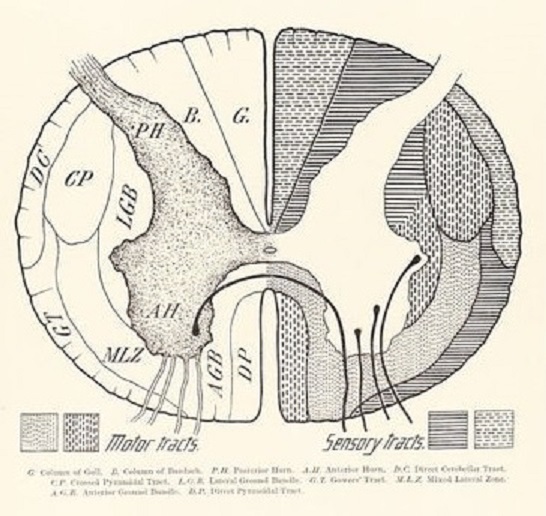
We’ve made it to day four of knowing your spinal cord. I’ve introduced a new category just for this, which makes these posts easier to find for future reference (yours or mine). For those of you just starting out, you may want to go from the first post on the medullary pyramids. For the rest of you, you’re probably here to learn about the corticospinal tract. This will be fun, so let’s get started.
Know your spinal cord – Tract organization
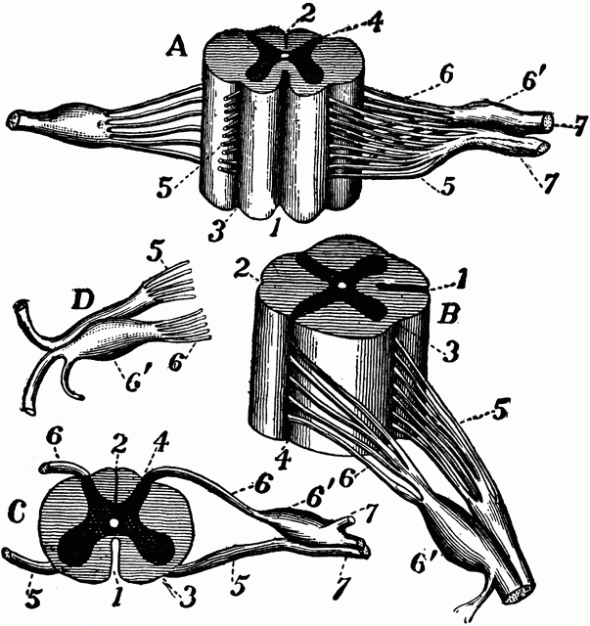
For those of us just tuning in, today is the third part in a … well a lot of posts on the spinal cord! If you’re just joining us, you should probably start from the top (literally) here and this post covers the anatomy of the cord. Today we are going to talk spinal organization, for that reason we also should talk about how the brain is organized, which will help us make sense of why the spinal cord is organized the way it is, so let’s get started!
Know your spinal cord – The anatomy
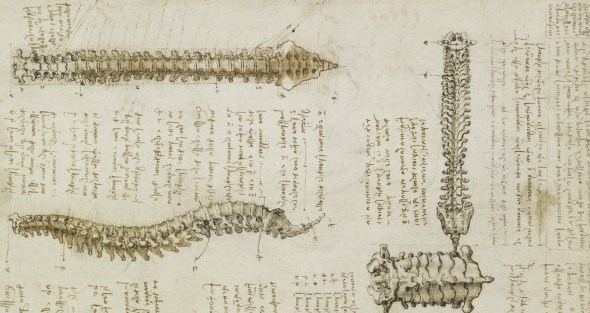
Now that we took it from the top, let’s get an overview of what exactly makes up the spinal cord. There is a lot, so we’re not going to do a comprehensive review since that would be a whole class and not a single post. Most of the structures we cover today, will have a seperate post where we can go into detail.
Know your spinal cord – Medullary Pyramids
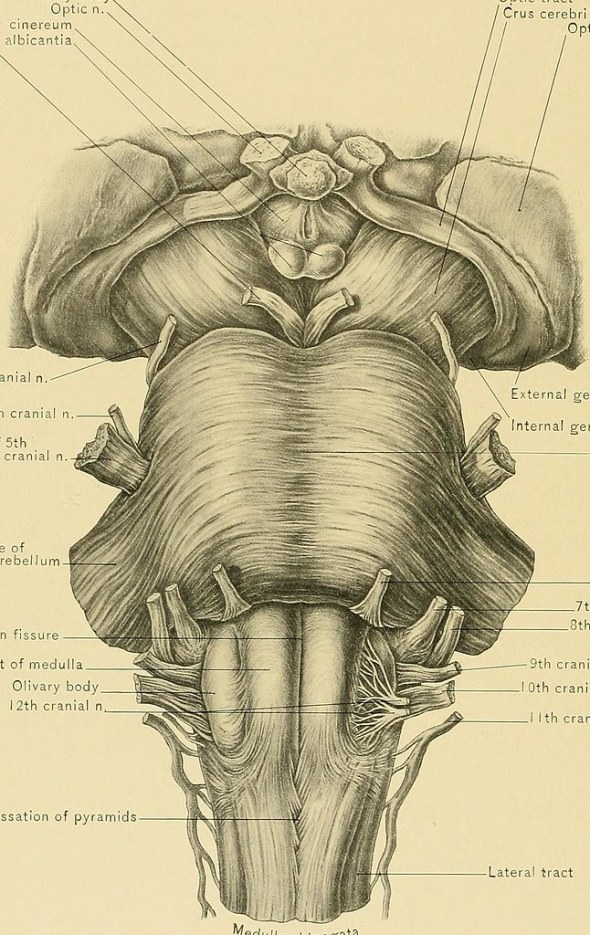
I’m excited that today we are starting the know your spinal cord series that I’ve been working on. Today we are going to take it from the top, no really. We’re starting at the top of the cord and we will work our way down. So without further delay, let’s look at the curious case of the medullary pyramids!


 Lunatic Laboratories