
Move over Carbon nanotubes introducing Diamond nanothreads
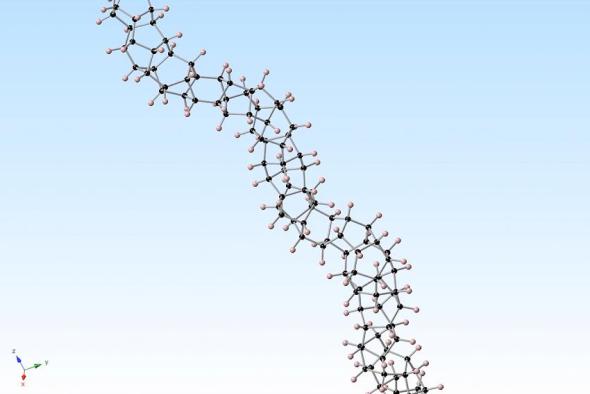
The core of the nanothreads that researchers made is a long, thin strand of carbon atoms arranged just like the fundamental unit of a diamond’s structure — zig-zag ‘cyclohexane’ rings of six carbon atoms bound together, in which each carbon is surrounded by others in the strong triangular-pyramid shape of a tetrahedron. Image credit goes to: Penn State University
Carbon nanotubes our hopes and dreams for the future have been firmly placed in using the unique material for everything from electronics to engineering. Unfortunately the production of carbon nanotubes has been hampered by setbacks, which as it turns out might not be a bad thing. This is because for the first time, scientists have discovered how to produce ultra-thin “diamond nanothreads” that promise extraordinary properties, including strength and stiffness greater than that of today’s strongest nanotubes and polymers.
Lengthen Telomeres and Turn Back Aging

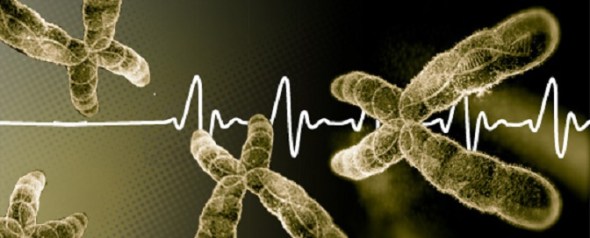
Want to live longer and healthier? Of course you do, well science may just have the answer! Scientists have discovered an on-and-off “switch” in cells that may hold the key to healthy aging. This switch points to a way to encourage healthy cells to keep dividing and generating, for example, new lung or liver tissue, even in old age. Getting cells to divide might not be that hard (or even very useful), but that isn’t all, it gets better!
Nanosponges Clean up Antibody-mediated Autoimmune Disease
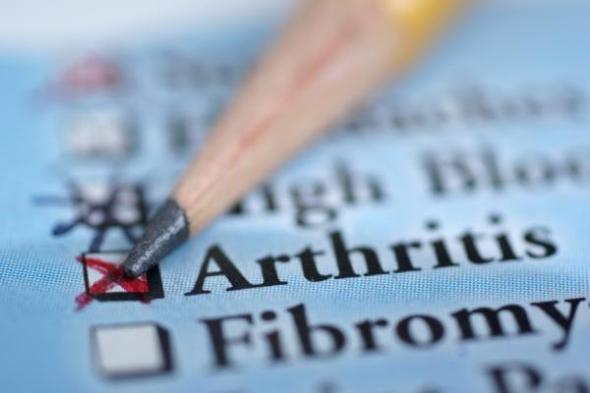
What does lupus, rheumatoid arthritis, type I diabetes, multiple sclerosis, and rheumatic heart disease have in common? All of these (and many other) apparently unrelated disorders are caused by autoimmunity, in which the immune system produces antibodies that attack normal, healthy cells and tissues. Currently considered incurable, these autoimmune diseases can be managed, but to varying degrees and not without serious side effects. Moreover, autoimmune diseases include a wide range of dysfunctional immune responses known as type II, type III, and type IV immune hypersensitivity reactions.
New test for Diagnosing Alzheimer’s Early
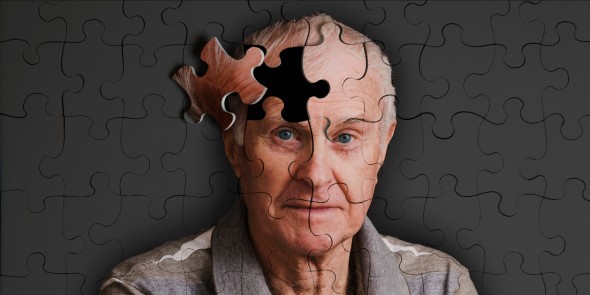
Alzheimer’s diagnosis is important, like the famous slogan “with a stroke, time lost is brain lost,” detecting alzheimer’s is important in order to stave off cognitive decline. A just like a stroke time lost is brain lost. Unfortunately early diagnosis has been hard to come by, but now researchers say a simple test that combines thinking and movement can help to detect heightened risk for developing Alzheimer’s disease in a person. The best part, they say this will work even before there are any telltale behavioural signs of dementia.
Is Stress Eating Away at You? No, Literally…

Ever wonder why, when people are too stressed, they are often grouchy, grumpy, nasty, distracted or forgetful? It may not be something you’ve done, in fact it turns out stress is literally tearing apart the brain. By this I mean that researchers have just highlighted a fundamental synaptic mechanism that explains the relationship between chronic stress and the loss of social skills and cognitive impairment. When triggered by stress, an enzyme attacks a synaptic regulatory molecule in the brain. In other words, when people use the colloquialism “what’s eating you?” the answer might just be, stress.
Biofilms: Using Bacteria for new Designer Nanomaterials

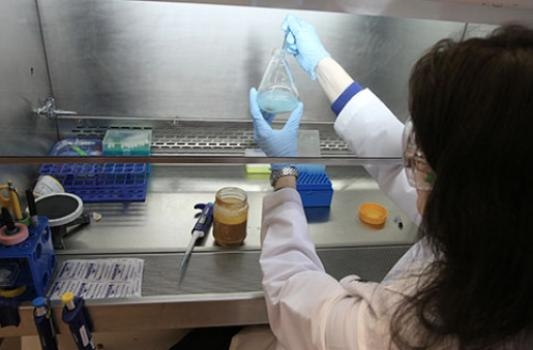
For most people biofilms conjure up images of slippery stones in a streambed and dirty drains. While there are plenty of “bad” biofilms around – they are even the same stuff that causes pesky dental plaque and a host of other more serious medical problems – a team of researchers sees biofilms as a robust new platform for designer nanomaterials that could clean up polluted rivers, manufacture pharmaceutical products, fabricate new textiles, and more.
New Cocktail Turns Adult Cells into Stem Cells
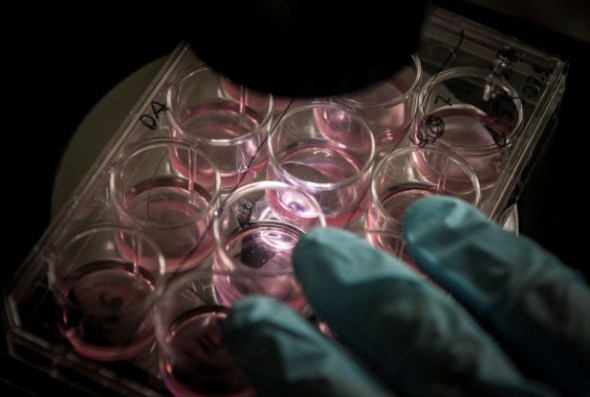
For those of us who were following stem cell news, recently the field had a huge setback when a paper, that offered a cheap and novel way to create stem cells, was retracted from publication. Regenerative medicine aims to replace lost or damaged cells, tissues or organs through cellular transplantation, but the promise to a better life has been hampered. Because stem cells derived from human embryos can trigger ethical concerns, a good solution is reprogramming adult cells back to an embryo-like state using a combination of reprogramming factors. Unfortunately that has been easier said than done.
The Genetic Roots of Schizophrenia

I have a friend who lost an eye — not in a war zone like you might suspect given my background — but to his brother. Yes, you read that correctly, his brother tried to kill him and in the process he lost his eye. I’ve told this story before, but whenever new schizophrenia research comes out I feel the need to tell it again. While he has forgiven his brother (partly because not long after, he was diagnosed as schizophrenic), he will not be able to see him again until he is released from prison. A tragedy that could’ve been avoided had he been diagnosed sooner.
Biospleen Helps Clean Blood to Prevent Sepsis

When a patient has sepsis, things can go downhill fast. A life-threatening condition in which bacteria or fungi multiply in a patient’s blood — sepsis is often too fast for antibiotics to help. But that’s all about to change with the introduction of a new device — inspired by the human spleen — that may radically transform the way doctors treat sepsis.
“Even with the best current treatments, sepsis patients are dying in intensive care units at least 30 percent of the time,” said Mike Super, Ph.D. “We need a new approach.”
To put things into perspective sepsis kills at least eight million people worldwide each year and it’s the leading cause of hospital deaths.
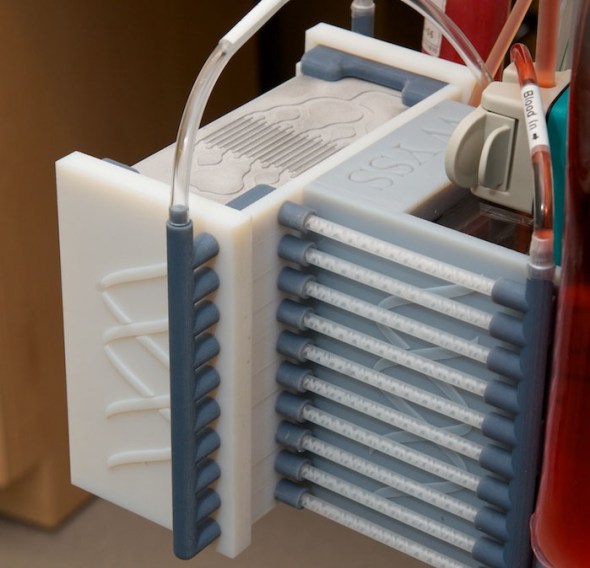
The Spleen-on-a-chip, developed at the Wyss Institute, will be used to treat bloodstream infections that are the leading cause of death in critically ill patients and soldiers injured in combat. Image credit goes to: Wyss Institute
Need a Kidney? Lab Grown Kidneys Coming Soon!

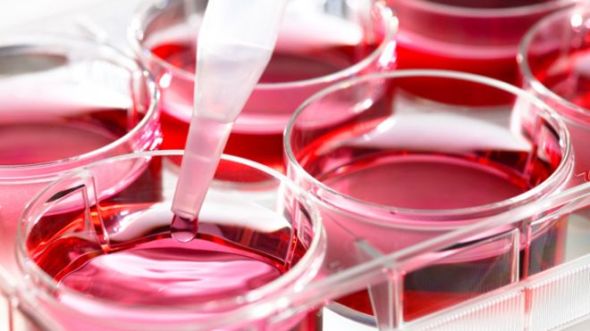
Stem cells offered the promise of having a patents own organ grown to replace a failing or damaged one. Unfortunately the road to that future has been paved with seemingly insurmountable challenges. Thankfully now we are one step closer, researchers have addressed a major challenge in the quest to build replacement kidneys in the lab. Working with human-sized pig kidneys, the scientists developed the most successful method to date to keep blood vessels in the new organs open and flowing with blood.
Inflammation of the Brain and Memory Problems
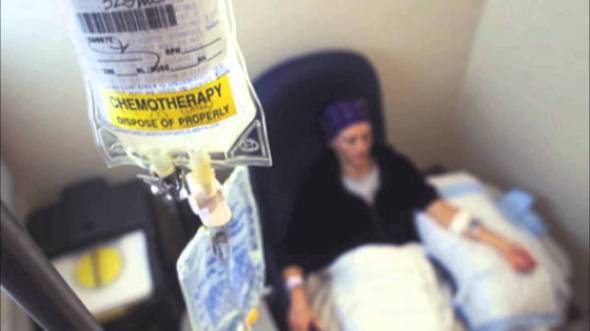
Neurological disorders typically involve memory issues. Most of the problems are attributed to plaques that build up in the brain (which are typically prions), yet some causes are unknown. New research however sheds some light on at least one cause of memory problems. As it turns out brain inflammation can rapidly disrupt our ability to retrieve complex memories of similar but distinct experiences.
The Origami Brain and a new marker for Schizophrenia
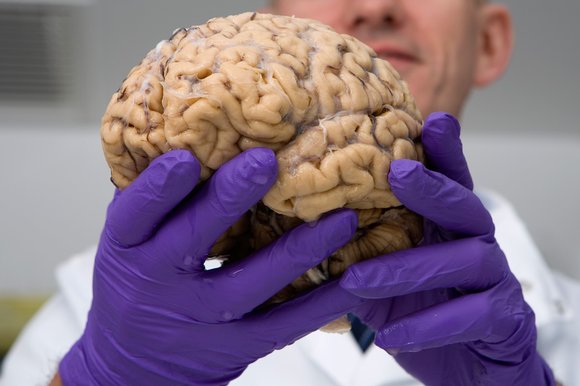
Anyone who has seen pictures or models of the human brain (like the one above) is aware that the outside layer, or cortex, of the brain is folded in an intricate pattern of “hills”, called gyri, and “valleys”, called sulci which give the brain it’s distinctive look. It turns out that the patterns of cortical folding are largely consistent across healthy humans, broadly speaking. However, disturbances in cortical folding patterns suggest deeper disturbances in brain structure and function.
Multiple Sclerosis and Myelin loss

Multiple sclerosis (MS) is an unpredictable, often disabling disease of the central nervous system that disrupts the flow of information within the brain, and between the brain and body. The exact cause is unknown, however people with multiple sclerosis lose myelin in the gray matter of their brains and the loss is closely correlated with the severity of the disease, according to a new magnetic resonance imaging (MRI) study.
Autism and Testosterone
As a male we are at higher risk for heart disease, we are also at higher risk for stroke. It’s that pesky testosterone, sure it has its benefits, don’t get me wrong I think testosterone over all is great. Estrogen has it’s own downsides too, things like certain cancers for example. Well estrogen has some other benefits and as it turns out, the same sex hormone that helps protect females from stroke may also reduce their risk of autism.
Genes Smash! An Oxytricha trifallax story

In DNA mutation is often a bad thing. It’s sort of like building a car, there are far more wrong ways to one together than there are right ways. Still, mutation happens often which brings with it good (and more often bad) things. Usually mutation is spontaneous, it has no real rhyme or reason (in a broad sense) and while it brings things like cancers, it also can bring amazingly beneficial traits too. Maybe this is why a pond-dwelling, single-celled organism called Oxytricha trifallax is so keen on mixing things up. By that I mean it has the remarkable ability to break its own DNA into nearly a quarter-million pieces and rapidly reassemble those pieces when it’s time to mate.
A new Hope for Muscle Wasting Diseases

Muscle wasting diseases can be difficult to watch. They are typically slow and have a very painful progression, some to the point of not even being able to breath on ones own. But new research might change all that. Scientists have developed a novel technique to promote tissue repair in damaged muscles. The technique also creates a sustainable pool of muscle stem cells needed to support multiple rounds of muscle repair.
Women and sexual assault: Unfortunate news…

I was debating about this new study. On one hand it’s important to share all sorts of different findings. On the other hand, my faith in humanity was more than just a little shaken, but there is no point on sweeping it under the rug. So disturbing news for women on college campuses, a new study indicates that female college students who are victims of sexual assault are at a much higher risk of becoming victims again. Please hold your disgust till the end…
Artificial Cells: They’re alive!!


Frankenstein’s monster was (in the story) a scientific marvel that could not be matched. Growing up with the story, the idea of creating life where there was none was a feat that I had once thought was going to always be science fiction. Maybe this is why I was so surprised when I found out that scientists, using only a few ingredients, have successfully implemented a minimalistic model of the cell that can change its shape and move on its own.
Total Recall: How the Brain Processes Color and Motion

Despite the barrage of visual information the brain receives almost constantly, it retains a remarkable ability to focus on important and relevant items. This fall, for example, NFL quarterbacks will be rewarded handsomely for how well they can focus their attention on color and motion – being able to quickly judge the jersey colors of teammates and opponents and where they’re headed is a valuable skill. How the brain accomplishes this feat, however, has been poorly understood.
HIV and Dementia
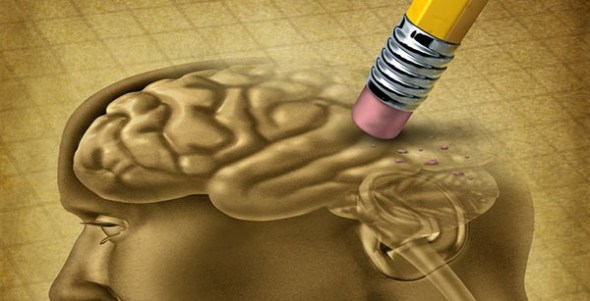
With the introduction of combination antiretroviral therapy (or cART) during the mid-90s, the life expectancy of HIV patients has significantly improved. An unfortunate side effect of this is that long-term complications are becoming more relevant: almost every second HIV patient is affected by neurocognitive disorders, which can lead to dementia. It has not as yet been fully understood how these disorders occur, but new research is shining a light on the culprit.
Epigenetics: Taking Control of the Music
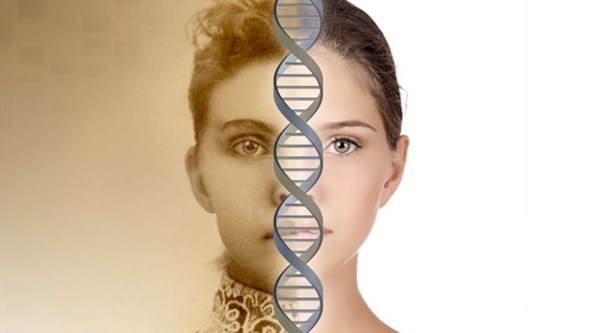
When I try to explain epigenetics to someone, I like to use the musician metaphor. Your genes are the sheet music and how your body reads those genes, that is your body acting like a musician, making those notes it’s own. This is even more evident when you realize that all human cells contain essentially the same DNA sequence. Up until now we’ve had to be the audience to this genetic symphony, but new research is helping scientists take control of the music.
Assemblages: 50 Years Later, We Know Nothing About Them
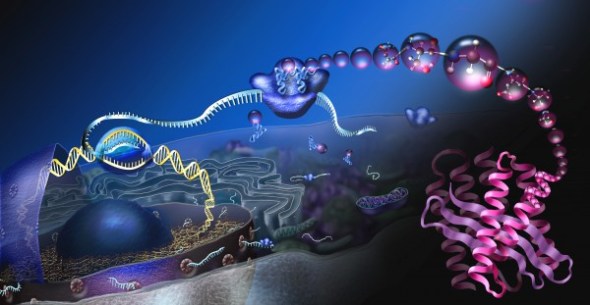
You would think we learn about every part of a cell in biology, but we really don’t. Case in point, about 50 years ago, electron microscopy revealed the presence of tiny blob-like structures that form inside cells, move around and disappear. The reason you probably haven’t heard of these structures is because scientists really don’t know what they do even 50 years later. Although they do have an idea about them, these shifting cloud-like collections of proteins are believed to be crucial to the life of a cell, and will ideally offer a new approach to disease treatment.
New Synthetic Amino Acid for a New Class of Drugs
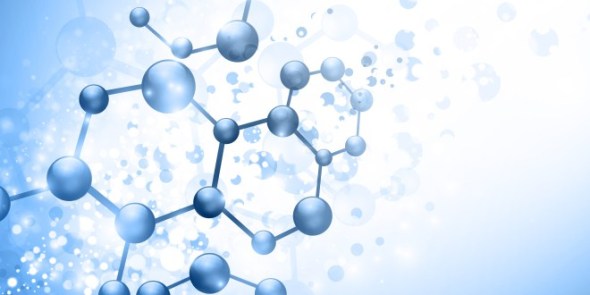
Creating new drug molecules is challenging, developing drugs that are highly effective against a target, but with minimal (or no) toxicity and side-effects to the patient can be an exercise in futility. These drug properties are directly conferred by the 3D structure of the drug molecule. So ideally, the drug should have a shape that is perfectly complementary to a disease-causing target, so that it binds it with high specificity.With that, scientists have developed a synthetic amino acid that can impact the 3D structure of bioactive peptides and enhance their potency.
Predictor of Sudden Death helps identify ICD candidates

New guidelines for patients with hypertrophic cardiomyopathy (HCM) identify candidates for implantable cardioverter defibrillators (ICDs). These devices help protect patients from arrhythmias (an irregular heartbeat) which can limit blood flow to vital organs, like the brain for example. Identifying which pacents would benefit from an ICD has been difficult. But the new guidelines, which were recently published, will help determine the patients most likely to benefit from ICDs by testing to see which of these patients are at higher risk for sudden cardiac death.
The Ever Mutating Ebola Virus
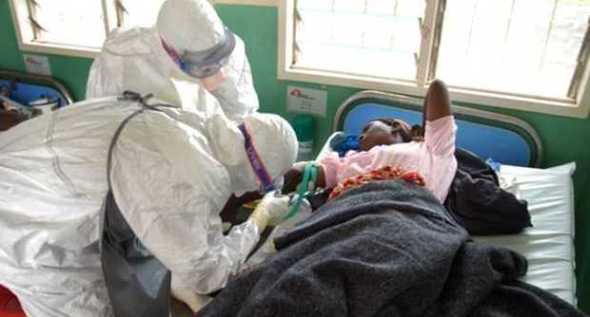
Ebola has a nasty reputation for the way it damages the body. It’s rightfully earned when you look at the death rate. But when you look at the actual details of an Ebola infection, a surprising fact surfaces: The virus isn’t what ends up killing you, it’s your own immune system. Sure they are trying different ways to outsmart the virus, but it’s mutating… quickly. In fact, scientists have rapidly sequenced and analyzed more than 99 Ebola virus genomes. The hope it to better understand the enemy and possibly outsmart it.
This is your Brain. This is your Brain on Drugs
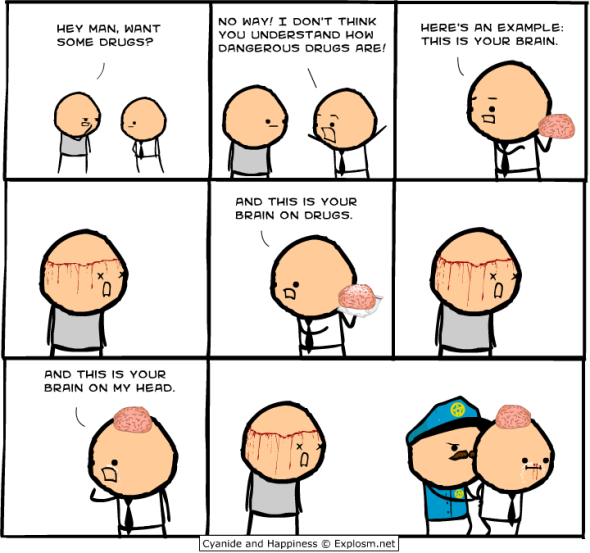
Image from cyanide and happiness
Drug abuse is bad for the brain. That is (excuse the horrible pun) a no-brainer, but while scientists have seen the after effect addictive drugs such as cocaine can have on the brain, we have never seen how they affect the actual blood flow to the brain. That is of course, until now. A new method for measuring and imaging how quickly blood flows in the brain could help doctors and researchers better understand how drug abuse affects the brain and they are currently testing this new method as we speak.
Oh the Things Living on your Toothbrush…
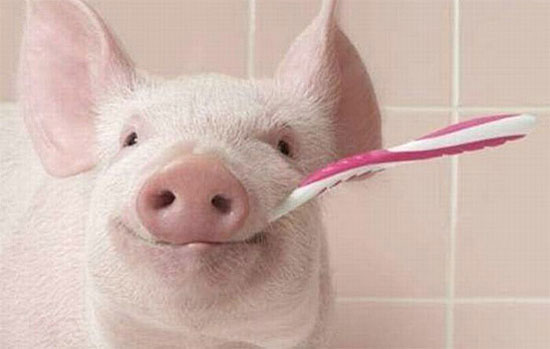
Did you remember to brush? I hope you did, but you may be throwing away your toothbrush soon. Get ready for your daily amount of gross, because have I got a scientific discovery that will make you rethink your dental hygiene. Researchers have found that “solid-head” power toothbrushes have up to 3,000 times less bacteria when compared to “hollow-head” toothbrushes.
The researchers note that microbial counts were lower in the solid-head toothbrush group than in the two hollow-head toothbrush groups in 9 out of 10 comparisons.
“Toothbrushes can transmit microorganisms that cause disease and infections. A solid-head design allows for less growth of bacteria and bristles should be soft and made of nylon,” Morris said. “It is also important to disinfect and to let your toothbrush dry between uses. Some power toothbrushes now include an ultraviolet system or you can soak the head in mouthwash for 20 minutes.”
The surprisingly obvious study was conducted over a three-week period where participants brushed twice daily with one out of three randomly assigned power toothbrushes. Participants used non-antimicrobial toothpaste (which it should be mentioned that most toothpaste is not antimicrobial) and continued their flossing routine throughout the study, but refrained from using other dental products like mouthwash.
“The packaging on most power toothbrushes won’t distinguish between a hollow-head and a solid-head design,” Morris said. “The best way to identify a solid-head design is through the connection to the body of the power toothbrush. Naturally, there will be some space to connect the two parts but a significant portion will be solid, up to the bristles or brush head.”
During the study the group found that the brush heads were exposed to five categories of oral microorganisms: anaerobes and facultative microorganisms, yeast and mold, oral streptococci and oral enterococci anaerobes, Porphyromonas gingivalis and Fusobacterium species.
The article also mentions that there is no present or published study that has demonstrated that bacterial growth on toothbrushes can lead to systematic health effects, but as Morris stated, several microorganisms have been associated with systemic diseases.
“We do know and there are studies that have linked Fusobacterium to colorectal cancer. Some of these other bacteria have been linked with cardiovascular disease,” Morris said. “There is a high association with gum disease and cardiovascular disease. Researchers have been able to culture the same bacteria around the heart that causes gum disease. ”
So while you shouldn’t worry about getting sick from the bacteria, the news might not be too appetizing. I know as a science fan that there are tons of bacteria and odd things we cannot see living around us, on us, and even in us. But sometimes it’s just better not to point that out.
I think what I’m really trying to say, is that it’s probably time to change my toothbrush.
Sources:
Morris DW, Goldschmidt M, Keene H, & Cron SG (2014). Microbial contamination of power toothbrushes: a comparison of solid-head versus hollow-head designs. Journal of dental hygiene : JDH / American Dental Hygienists’ Association, 88 (4), 237-42 PMID: 25134956
The Learning Brain Unravelled
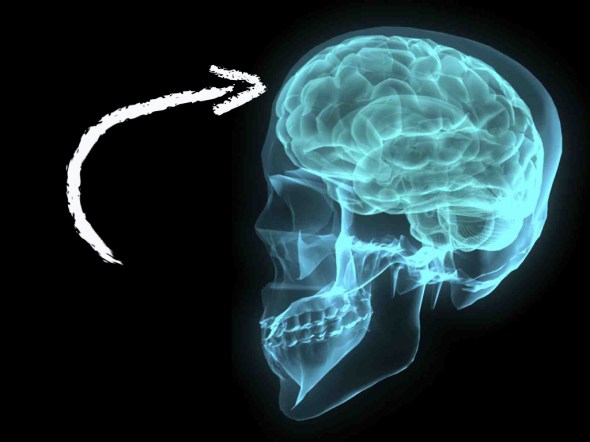
As an engineer you would think math would come easy to me, it didn’t. Funny thing though, science in general and biology in particular came very easy to me. The big question is why? Why would math, something I need to know how to do for my work and my degree, be so hard to learn? Thankfully science has stepped in to answer the question, at least partially, about why somethings can come so easy to a person and other things (like me and math) take so much longer to pick up.
The Holographic Universe [we might Live in!]

Are you feeling a little… flat? Well that might be because you are only in 2 dimensions. I know what you’re thinking, insane! Well first check the name of the business and second, check out the science. In fact, it may seem like a joke, but the math suggests that it could very well be true and with it could come a deeper understanding of the universe. Testing this hypothesis (which was first made in the late 90’s) has been harder to do than you might think, but that has now changed. We are officially checking to see if our universe is a hologram!
Zombie Ant Fungi knows it’s Prey

So awhile back I was bored and to kill some time wisely I wrote this little bit on real life (sometime potential) zombies. It featured a special section on a particular group of fungi that created some really crazy zombie ants. Ants, which would do the bidding of the fungus, would eventually latch itself in a “death bite” and sprout the parasite from its head. Yeah I know, not a pleasant death. In any case new research is showing just how cool — and evidently smart — these fungi really are.
mTOR and the Cause of Autism

Autism is a hot topic, lets face it, the increase in prevalence has started to cause a panic in some people. That fear is what the anti-vaccination movement is hoping to capitalize on, but that doesn’t stop science from trying to solve what is really causing the problem. There are probably several roads to autism, most — if not all — of them genetic. Scientists have already found one definite genetic cause of autism and several genetic factors. Now it looks like they may have even found the actual brain changes that cause it. With these new discoveries come better testing, treatment and more individualized care.
An end to Finger Pricking for Diabetics
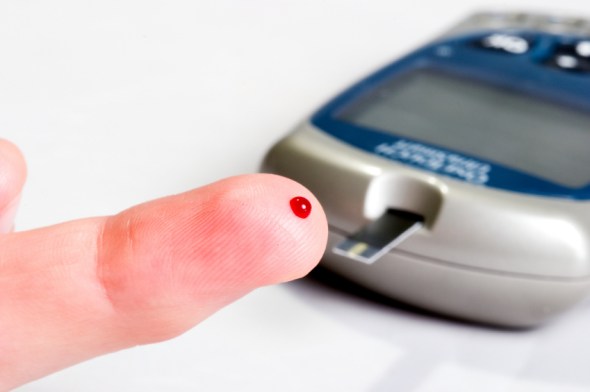
About 10% of the US is diabetic, that doesn’t sound like a lot until you realize how many people there are in the US (roughly 311 million and counting). Think about it like this, every 7 seconds (roughly) a child is born. With that statistic every minute and 10 seconds leads to another person with diabetes. By the time you finish reading this, about two people in the US will be diagnosed with diabetes.
Pomegranate eases Alzheimer’s? I’m skeptical

Alternative medicine is garbage, there I said it. Thankfully there is a difference between alternative and “natural” medicine. I shudder at the term “natural” medicine, but that is typically what medicine based from things in nature (in other words practically all medicine used). Well to cut to the chase, new research shows that the onset of Alzheimer’s disease can be slowed and some of its symptoms curbed by a natural compound that is found in pomegranate, unfortunately I am just a little skeptical of this.
Jonas Salk and the Polio Comeback
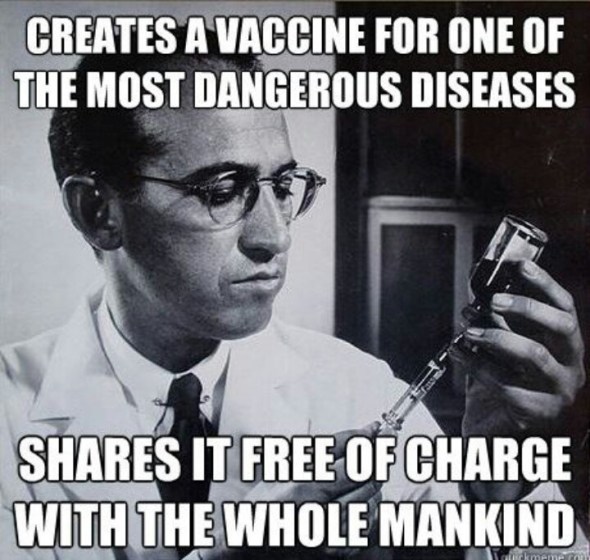
Jonas Salk, you should know this name, but chances are you don’t. He was the inventor of the polio vaccine, a disease that was feared more than the atomic bomb. Today we don’t think about it, no one “gets” polio anymore. Scientists get a bad rap today with the whole “autism-vaccine” BS. But they don’t know Salk, instead of making a small [see: huge] fortune from the drug, he refused to patent it and gave it to the people for essentially free. You think this story would have a happy ending, I mean we don’t have polio anymore… right? Well the devils in the details and it’s not good.
The DNA Signature of Lupus
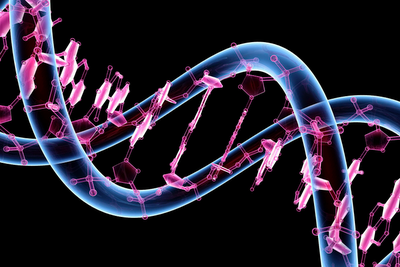
My Uncle suffered from Lupus. The disease itself should have a more sinister sounding name, given the effect it has on the body. Lupus is a form of autoimmune disease which attacks the body and causes an incredible amount of pain. It’s not pretty and complications from the disease can make life even more unbearable for people. There is no cure and sadly there are few treatments outside of managing the pain and side effects of the disease. Thankfully medical researchers have used DNA sequencing to identify a gene variant responsible for causing lupus in a young patient. This doesn’t mean they are on the verge of a cure, but it could possibly lead to tailored treatments.
Hobby Lobby and the War on Race and Women

There is a war going on and it’s not on foreign soil. This war is the fight for the status quo, a war where you are only worth your skin color, a war where you are only worth as much as your gender. This war is all around us, we see it everyday, yet we let it quietly pass us by. We do this because, in all actuality, we are losing this war. I don’t blame you if you don’t believe me, you shouldn’t. Frankly I would read this to see the history of this war in action. But where that post focused more on color, I am going to be focusing more on gender and it isn’t pretty.
We can Build it Better: The First Artificial Cell Network
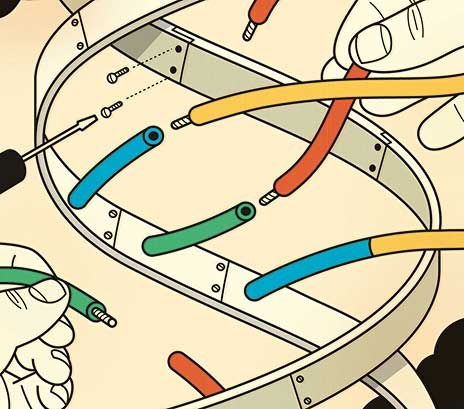
How does the old saying go? Imitation, is the sincerest form of flattery? Well that is what we’ve been trying to do for a very long time, but mimicking the intricate networks and dynamic interactions that are inherent to living cells is difficult to achieve outside the cell. Unfortunately despite all our intelligence nature has had the upper hand on us for a long time. That has not changed… until now that is.
Schizophrenia and the Twilight Zone

You are now entering the Twilight Zone. You may remember the television show, with it’s odd twists and turns, but for people with schizophrenia it means something just a little different. It’s unfortunate, but people with schizophrenia struggle to turn goals into actions, this sort of “twilight zone” has been seen in patients, however the cause was unknown. Now, according to new research, the brain structures governing desire and emotion are less active and fail to pass goal-directed messages to cortical regions affecting human decision-making.
Is your Stomach… Controlling your Mind?
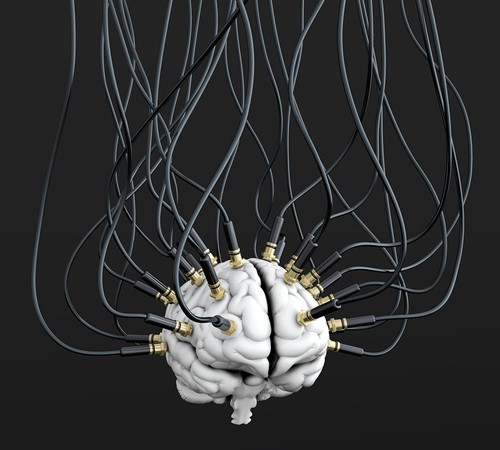
Close the blinds, lock the doors, and find a safe place to hide. Are you alone? No, no you aren’t and you may not even be in control of your own actions. Shhh, take a deep breath. I don’t want to alarm you, but you are being controlled. No, I’m not being paranoid and while it may sound like science fiction it looks like that bacteria within us — which for the record outnumber our own cells about 100-fold — may very well be affecting both our cravings and moods to get us to eat what they want, and often are driving us toward obesity.
Swamp Thing and Plant Communication

Maybe I’m dating myself here, but ever see the swamp thing movie, television show, or even the comic? Call me picky, after all we are talking about a human/plant hybrid, but he never needed to talk. I know, some of you are probably rolling your eyes at me given it’s a comic, movie or tv show [depending on your level of geek], but come on, this is science!
Bringing the Fight to hidden HIV

We’ve got even more news for the HIV cure front. Yesterday we talked about broadly neutralizing antibodies, today we are going to be touching on that yet again,so if you missed it, you can read more about that here. Now, although HIV can now be effectively suppressed using anti-retroviral drugs, it still comes surging back the moment the flow of drugs is stopped. We sadly saw this delayed response in an infant that was thought to be effectively “cured” of HIV. It is unfortunate, but latent reservoirs of HIV-infected cells, invisible to the body’s immune system and unreachable by pharmaceuticals, ensure that the infection will rebound after therapy is terminated. This is a big reason that, even when the viral load drops below detection, you still need constant check ups and continuous anti-retrovirals.
HIV Vaccine One Step Closer to Reality
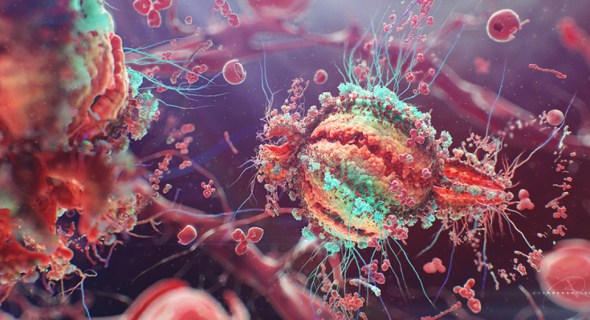
The war on HIV, that tricky little guy has avoided every thing we could throw at it in a broad sense. Sure a few people here and there get lucky, but we have yet to actually make any sort of we’re going to kick your ass headway [don’t worry it’s the technical term for it]. That is hopefully going to change with a new scientific discovery that has enormous implications for HIV vaccine development. Researchers have uncovered novel properties of special HIV antibodies that promise to help eliminate HIV.
Treatment and Prevention of PTSD

It’s no secret for anyone who follows me that I am a Marine veteran. It’s also no secret for anyone who follows me that I’ve had my own ups and downs in life because of my experiences. PTSD is a nightmare, one that you can’t quite shake no matter how hard you try. Then again, not everyone reacts the same way to the trauma that typically causes PTSD, not everyone walks away from war with it. The big question that scientists set out to answer was, why? And now they might just have an answer.
New Hope for Autoimmune Diseases
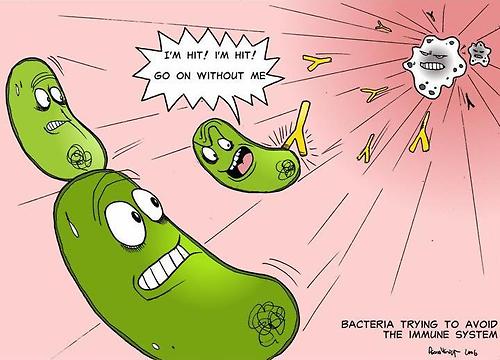
Autoimmune diseases are on the rise. Since I have a history of over sharing, my Uncle suffered from a form of lupus. It caused him intense and — in my opinion — unbearable pain although he shouldered it like the incredible man he was and never complained. My sister unfortunately is suffering from a rare disease that has yet to be diagnosed, which in my opinion has autoimmune dysfunction as the root cause. If you or anyone you know suffers in a similar fashion then you know that the treatments for such things are, expensive, moderately effective at best, and are overall inadequate.
State of the Art Bridge: A Failed Engineer Comic

Introducing the Failed Engineer…
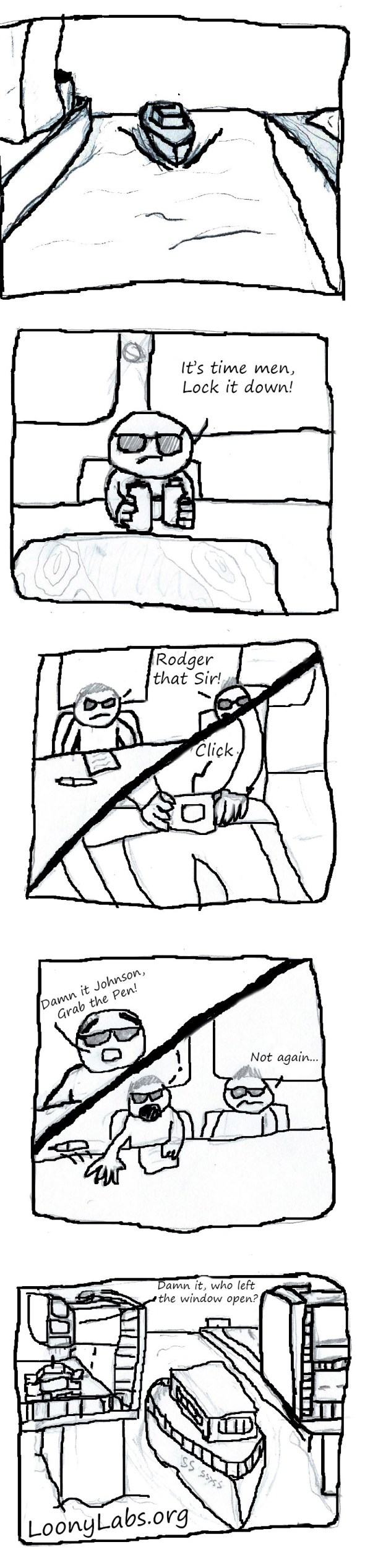
It was about that time that the failed engineer decided to rethink the new lookout tower position.
Pregnancy and Antibacterial Soap a Potentially Dangerous Combination

My wife likes to sanitize everything with bleach. I don’t really approve, but I bite my tongue because it makes her feel better. Germs are everywhere and honestly there is no way to escape them because frankly…. they are you! In hospitals it makes sense to try to fight it, to be as sanitary as possible for the health of the patients. At home it makes a little less sense, there is no need, but that hasn’t stopped the rise of antibacterial soaps. In fact, it’s hard to find a soap that isn’t antibacterial these days, which has brought with it an interesting dilemma, along with potential health issues.
Marijuana and the Developing Brain

You can’t get away from it, the big marijuana debate here in the US. Is it good? Is it bad? What are other countries doing? There are also a lot of claims made about marijuana, most of which aren’t true, namely the big medical claims. Then there is the other side of that fence, what about some of the health issues that are claimed, where does science sit on that?
The Self Assembling Brain
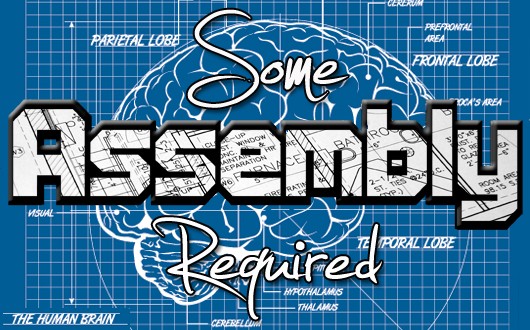
Let’s face it, if the brain were a lego set I would still be staring at the box wondering what I got myself into. So I guess we can just chalk that one up to yet another thing the body can do than I can. When the brain is just developing, special proteins that act like a sort of molecular tugboat. These proteins push or pull on the growing nerve cells, or neurons, helping them organize and placing them in their assigned places amidst the brain’s wiring. Doing a better job organizing all those cells than I ever did organizing my sock drawer.
Nerve Regeneration: Another Piece of the Stem Cell Puzzle
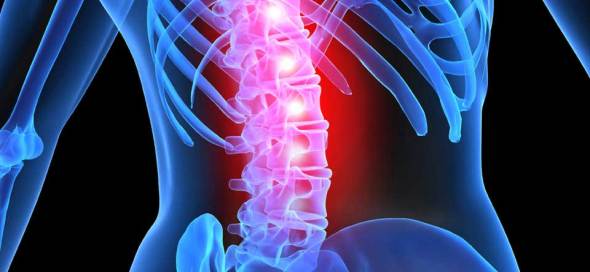
Almost everyone regenerates nerves, but you! Sure, yesterday we talked about how other animals in the kingdom regenerate damaged nerves and how we got left in the dust. But we forge ahead and we have more good news in the race to catch up to some other animals. Building upon previous research, a team of scientists report that neurons which were derived from human induced pluripotent stem cells [ or iPSC for short] and grafted into rats after a spinal cord injury produced cells with tens of thousands of axons extending virtually the entire length of the animals’ central nervous system.
Nerve Regeneration: Everyone does it, but you
Dogs do it, frogs do it, and even whales do it! No, this isn’t everyone poops. I’m talking about regrowing nerves after an injury and sadly, we don’t do it… yet. Now, thanks to a small molecule that may be able to convince damaged nerves to not just grow, but effectively rewire circuits, that all could change. Such breakthrough could eventually lead to therapies for the thousands of Americans with severe spinal cord injuries and paralysis.


 Lunatic Laboratories