
Possible treatment and Prevention for Parkinson’s
From the Michael J Fox Foundation for Parkinson’s Research — you can donate by clicking the link.
Parkinson’s disease affects neurons in a particular brain region, when it develops brain cells have their mitochondrial activity cease and then the cells die. But now researchers have shown that supplying D-lactate or glycolate [two products of the gene DJ-1] can stop and even counteract this process, a huge step forward to finding a cure or even a way to prevent parkinson’s.
Can’t Handle the Stress? Blame your Brain

Do you rise to the occasion, or do you fold under the pressure? No matter which side of the fence you’re, you can thank [or blame] your brain. Some people can deal with stressful situations better than others, and while you might suspect it is genetic, even identical twins show differences in how they respond.
Save the Neurons: Fighting the Effects of Parkinsons
Photo credit goes to: the The Michael J. Fox Foundation for Parkinson’s Research
Possibly one of the most famous cases of parkinson’s is Michael J. Fox. More than just the “shakes” parkinson’s can cause a whole host of other problems mentally and physically [things like lack of sleep, smell, and mood]. But now an experimental anti-inflammatory drug ,funded by the foundation with is namesake has been shown to protect vulnerable neurons and reduce motor deficits, at least in a rat model of Parkinson’s disease.
Salmon and Spinal Cod Regeneration, er… Cord
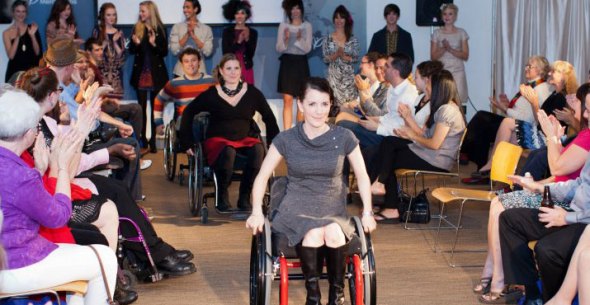
Fish might not be the first thing you think about when we talk spinal cord injury but that is exactly what scientists are doing. Don’t ask where they got the idea, but a therapy combining salmon fibrin [a protein that acts as a scaffolding] injections into the spinal cord and injections of a gene inhibitor into the brain restored voluntary motor function impaired by spinal cord injury.
Background TV and Children don’t Mix

Coming from a, to put it gently, very broken home, my babysitter was the television. Yep, so now that you are feeling nice and awkward let’s talk television. New research, which was expanded from previous research by the same team shows that, if you are a parent, you should limit not just the television watching habits of your children but also the background television exposure.
When Crazy becomes a Crime

My friend has a glass eye, you would never notice and unless you knew the story you might not think anything of it. His older brother did it. Yes, you read that correctly, in a schizophrenic rage he gouged out his eye and almost killed him. He never held what happened against his older brother, he was sick, how could he? At least that was his logic. The courts didn’t agree, he would not be allowed to visit his brother while he resided in prison, even ten years [and several appeals] after the fact. Unfortunately he isn’t alone, new research has linked tighter Medicaid policies governing antipsychotic drugs with increased incarceration rates for schizophrenic individuals.
Unraveling the Connections of the Brain
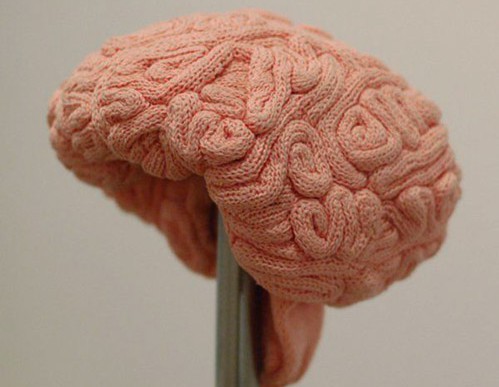
Yes it’s a brain hat, and yes I do want one!!
The brain is complex, heck if it wasn’t then we wouldn’t be smart enough to figure out how it works. I guess it’s one of those stupid catch-22 type things. Still, little is known about how the brain forms connections and the process that is behind all that. Thankfully new research provides an important glimpse into the processes that establish connections between nerve cells in the brain. These connections [also known as synapses] allow nerve cells to transmit and process information involved in thinking and moving the body. Sounds simple enough, but the formation is quite complex.
The Brain, Down Syndrome, and Antibiotics
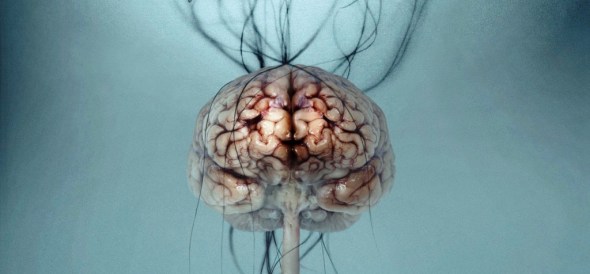
At first glance the title might sound a little weird. But if that is the case then you probably want to read this. Researchers have identified a group of cells in the brain that they say plays an important role in the abnormal neuron development in Down syndrome. After developing a new model for studying the syndrome using patient-derived stem cells [over other models]. As the title alluded to, the scientists also found that applying an inexpensive antibiotic to the cells appears to correct many abnormalities in the interaction between the cells and developing neurons.
The Mediterranean Diet and Cognitive Decline


The Mediterranean diet, it may have broad health benefits [let’s face it we can’t seem to escape the push for it here in the US], but a new study suggests that it doesn’t impart the same health benefits for everyone. In fact, new research shows that its impact on cognitive decline differs among race-specific populations.
Schizophrenia and Autism: A New Connection
 Autism and Schizophrenia, at first glance there probably isn’t a whole lot in common other than they are disorders that fall in that lovely book the DCM-5. The brain is a complex thing, so I guess it shouldn’t be a surprise that certain forms of Autism and Schizophrenia [don’t ask me why I capitalize them, I don’t know] share a link in what at first glance seems to be an unlikely culprit.
Schizophrenic Noise and Schizophrenic Voices

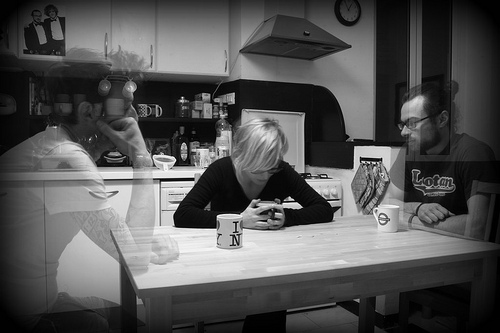
Hear that voice? What, is there more than one? Is this real, or fake? How do you know? That is how schizophrenia works: auditory hallucinations, confusion, inability to tell what is real and what is not. Schizophrenia isn’t something a person can simply ignore. You can’t get rid of that voice, or even the voices on your own. But what causes this problem? That was the question researchers wanted to tackle.
New ways to test for Alzheimers

Accurately diagnosing alzheimer’s is not an easy thing to do. In fact most of the time people aren’t diagnosed until very late in the progression of the disease, long after serious damage to the brain has been done. Biological markers of Alzheimer’s disease may be able to detect it at an earlier stage. For example, using brain PET imaging in conjunction with a specialized chemical that binds to beta-amyloid protein, the buildup of the protein as plaques in the brain can be revealed years before symptoms appear. But as with anything that requires any sort of imaging techniques, these scans can be expensive and are not available everywhere. That is all about to change thanks to four new studies that aim to help offer multiple ways to test for alzheimers much earlier than we can currently test.
Don’t Listen to the Voices: Understanding Consciousness
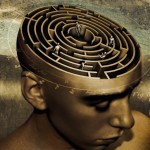
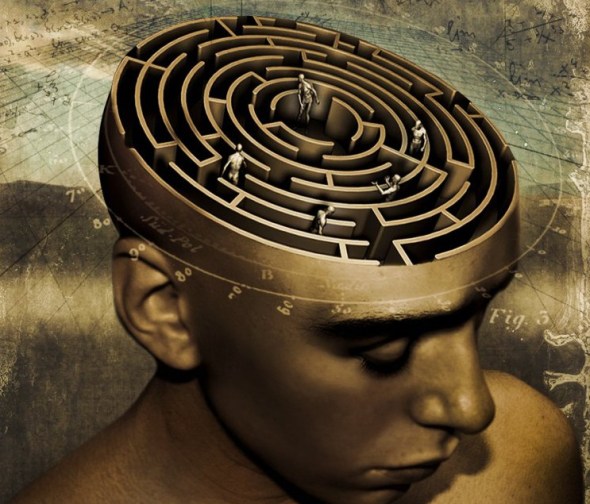
There is a voice in my head. Don’t worry it’s mine… I think [a story for another time I’m sure], but why is my voice inside my head? What causes me to hear myself while I type these very words, or even better you to hear them in your voice as you read them? Consciousness is a complex and very confusing thing. I think therefore I am? Science has had trouble cracking that nut and philosophy just won’t cut it in the realm of neuroscience.
Staying up late? You’re going Crazy

All night cram sessions, anyone in college has probably had more than just a few of these [okay maybe only if you are a procrastinator like me]. If you have done anything like that, well then you know how weird you start to feel. Well researchers have now shown that with a “mere” twenty-four hours of sleep deprivation can lead to conditions in healthy persons similar to the symptoms of schizophrenia. The team points out that this effect should be investigated more closely in persons who have to work at night [as anyone who works nights knows how hard that can be on a sleep schedule]. They also recommend that sleep deprivation may serve as a model system for the development of drugs to treat psychosis.
Finally! A Definite Cause of Autism: Hint it isn’t Vaccines
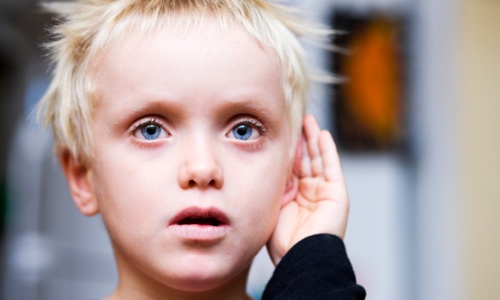
Autism, not caused by vaccines. In fact I’ve written several posts on the genetic clues to autism, now a new study offers more proof that it is purely genetic [at least in some cases]. This is huge because this is the first actual clear cut cause for certain types of Autism [or more accurately certain types of disorders falling under the Autistic spectrum]. It was a collaboration involving 13 institutions around the world — no easy feat either– and now researchers have broken new ground in understanding what causes autism.
“We finally got a clear cut case of an autism specific gene,” said Raphael Bernier, the lead author, and UW associate professor in the Department of Psychiatry and Behavioral Sciences and the clinical director of the Autism Center at Seattle Children’s.
Noninvasive Brain Control via Jaws!


Mind control, we’ve seen several semi [see very] invasive ways to make it happen here from the Labs. Now those crazy scientists from MIT have developed a technique that allows researchers to enable neurons to be silenced noninvasively, using a light source outside the skull. All using a protein known as Jaws.
Optogenetics [a technology that allows scientists to control brain activity by shining light on neurons] uses light-sensitive proteins that can suppress or stimulate electrical signals within cells. This technique is very invasive though because it requires a light source to be implanted in the brain, where it can reach the cells to be controlled.
Autism and Pesticides: What, too obvious?

There have been a few different things linked to children who fall under the Autism Spectrum Disorder. A combination of genetic and environmental factors, along with complications during pregnancy have been associated with the diagnoses. And a new study aims to strengthen the link between prenatal exposure to pesticides and autism [Please hold your collective duh’s until the end]. The large, multi-site California-based study examined associations between specific classes of pesticides, including organophosphates, pyrethroids and carbamates, applied during the study participants’ pregnancies and later diagnoses of autism and developmental delay in their offspring.
Alcohol Abuse and Combat in the Military

It’s no secret, I’m a proud Marine and combat veteran. So while searching for the latest and greatest science to write about I was surprised to come across a study on combat and alcohol abuse. Thinking I already knew the answer I almost didn’t bother to read it — when I did, the results were a little surprising and I wanted to share them.
Eternal Sunshine of the Spotless Mind?
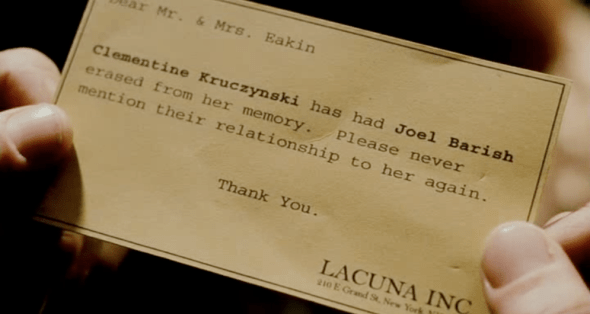
A frame from Eternal Sunshine of the Spotless Mind. What if it was more than just a movie…
Much like this posts namesake, the movie Eternal Sunshine of the Spotless Mind asked what if you could erase memories? Want to forget your ex, no problem. Better yet, what PTSD? I’m sure that all of us can think of at least one or two things — be it embarrassing, or scary — that we would like to forget.
Or conversely, maybe there is something forgotten, something you would give anything to remember — like a loved one or a relative — locked away deep in your brain. Thanks to new advancements in neuroscience, it’s technology that is not just in the movies anymore.
Mind Control: Influencing Choice

Ever change your mind? Well now scientists can do it for you, at least that is the latest by researchers from Massachusetts General Hospital (MGH) and the University of Leuven in Belgium. By artificially stimulating a brain region believed to play a key role in learning, reward and motivation they were able to induce monkeys to change which of two images they would choose to look at.
Genetics and Schizophrenia
Like most mental illness, schizophrenia sucks. Once a friend of mine lost an eye to his schizophrenic brother during a serious episode. That sort of thing will tear a family apart and while he harbors no ill will towards his brother, because the state pressed charges [and he was the defendant] they cannot see each other while he is in prison. When it is not so severe, you would never know he could do something like that, schizophrenia sucks.
Mohawks and Autism- An unlikely connection

With how far science has come, eureka moments are becoming harder and harder to have. Most scientists will be lucky if they have one in their lifetime. So yes, rare, but then again, so is finding mice with a mohawk like hairstyle. As it turns out, both of these things happened just recently.
The connection came in a lab at NYU Langone Medical Center, months after an international team of neuroscientists bred hundreds of mice with a suspect genetic mutation tied to autism spectrum disorders.
A New Way to Read the Brain [in 3D!!]
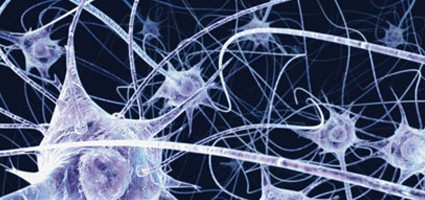
What if you were trying to learn language, but you could only see one letter at a time. Nothing before that letter, nothing after that letter, just a single letter. You can imagine how frustrating something like that might be, that is exactly what scientists have been dealing with when it comes to the brain. But a new innovation is changing that and with it, opening a whole new realm of possibilities.
Snail Venom and Pain Relief
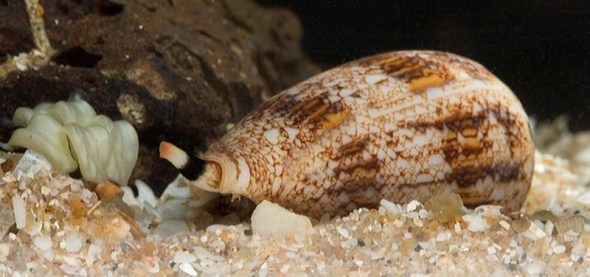
There is no pain like nerve pain. Unfortunately my sister and me both know all too well how bad pain can actually get, her especially. After desperately trying everything from morphine derivatives to a combination of calcium and sodium channel blockers we had exhausted all attempts at keeping her pain at bay. That is where the story would’ve ended too, if it wasn’t for the sea snails.
Herpes and Brain Tumors: Or What happens in Vegas?
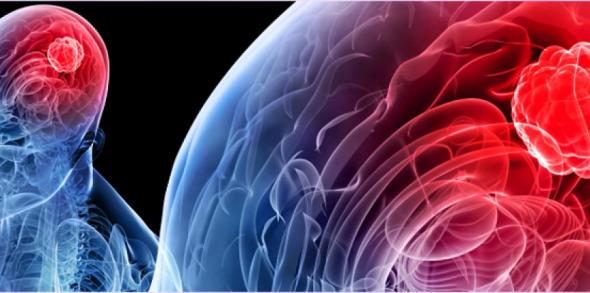
Herpes, it isn’t just a pest that follows you home from Vegas, not anymore anyway. New research has found a [not so] new use for the virus. Harvard Stem Cell Institute [HSCI] scientists at Massachusetts General Hospital have repurposed the herpes virus to help fight brain tumors.
The investigators reported that by trapping virus-loaded stem cells in a gel and applying them to tumors they significantly improved survival in mice with glioblastoma multiforme, which is not only the most common brain tumor in human adults, it also happens to be the most difficult to treat.
Tearing down the [Blood Brain Barrier] Wall
The blood brain barrier, it can be very picky about who [or what] can come in.
The blood-brain barrier helps that finicky brain of yours maintain the delicate environment that it needs to thrive. There’s just one problem: The barrier is so good at what it does, it won’t let medicines pass through. Like most things with the brain, we don’t know enough about it to control it for our benefit.
Using Genes to Boost Brain Power: Live Longer, Think Better


Does your family have a history of living to a ripe old age? That may bode well for you! Not only does a gene linked to longevity seem to help you live longer, it also makes you smarter. The study I am referring to was partly funded by the National Institutes of Health and offers a new way to boost brain power.
So what genes are we talking about– well right now it seems that people with the gene KLOTHO have improved brain skills such as thinking, learning and memory regardless of their age, sex, or whether they have a genetic risk factor for Alzheimer’s disease. Here is where it gets even more interesting though, increasing KLOTHO gene levels in mice made them smarter, possibly by increasing the strength of connections between nerve cells in the brain.
New Study Explains why MS Affects more Women
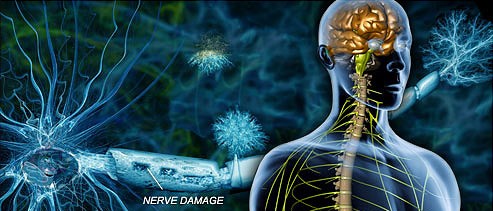
MS affects women almost four times more often than it affects men. The reasons are unclear, but a new study is the first to associate a sex difference in the brain with MS. The newly identified difference between the brains of women and men with multiple sclerosis (MS) offer not only insight into why, but also may offer a course of treatment.
Looking at mice and people that have MS, the researchers found that females susceptible to MS produce higher levels of a blood vessel receptor protein [S1PR2]. than males and that the protein is present at even higher levels in the brain areas that MS typically damages.
Silicon Brains: Not as Cuddly as the Real Thing.
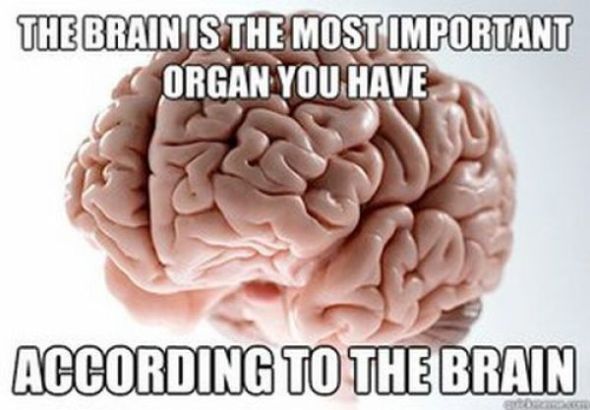
Well played brain, well played.
Are you real? What is ‘real’, more of a philosophy question than a scientific one, but what if a computer worked like your brain? What if, one day the line between computer and human were blurred? That day might be coming sooner than you think.
Currently there are two major problems with designing a robotic brain. The first is hardware, the brain is an incredibly complex thing that we don’t even fully understand, even if we could theoretically produce something close to that work of art there is that second problem– The software, designing software to take advantage of that type of power would take something short of genius to do, especially if it were going to be something easy enough that you or I could use.
Alzheimer’s? Forget about it!
Just one of many horrible diseases of the brain.
Let’s face it, diseases that affect the brain are some of the hardest to deal with. Anyone who’s lost someone to alzheimer’s knows exactly what I am talking about. Looking at someone you love and watching them slip away without any visible difference can be heart wrenching!
However, there is a new hope! Physicists [of all things] from Michigan State University published an article in the Journal of Biological Chemistry, that might make alzheimers and associated diseases a thing of the past.
New Discovery turns Neuroscience Upsidedown
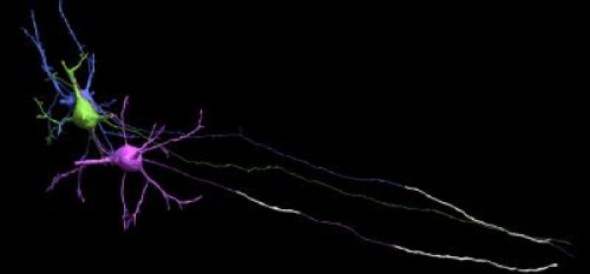
This is a computer image of three neurons showing differences in myelin. Image credit goes to: Daniel Berger and Giulio Tomassy/Harvard University
Sometimes finding out that something established isn’t true is more groundbreaking than finding something new. That is exactly what happened this week when it was found out that the covering that is on all nerves, isn’t really on all the axons in the brain.
Myelin, a fatty covering on nerves, protect the signals being sent and keeps the signals from “getting their wires crossed”. Much like the plastic coating on electrical cords, without it you wouldn’t get very far before you had a serious problem.
Brains Anti-Distraction System Found
So once my Grandmother… oh wait sorry, I was distracted while typing. As it turns out I’m not the only one. But there is hope, two Psychologists at Simon Fraser University discovered an active suppression mechanism to help you focus on what you want and avoid being distracted by irrelevant background information.
McDonald, a Canada Research Chair in Cognitive Neuroscience, and other scientists first found this system back in 2009. The problem is that little was understood about what they found and how it worked to help us ignore visual distractions.
More BIG News for Spinal Cord Injuries
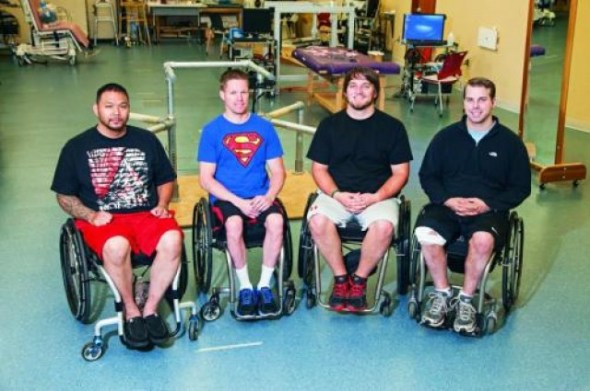
Photo credit goes to: University of Louisville. This photo shows the four participants in the study.
It seems like lately we have been reporting left and right about people suffering from paralysis, and for good reason! Today I’m happy to report even more new research that offers hope for people suffering from spinal cord injury.
In a new study published in Brain [a journal of neurology] researchers used adult patients who suffered different spinal cord injuries. Two had feeling in the extremities, but could not move them, while the other two had neither feeling nor could they move their extremities.
New [Free!] Tool Offers Insight into Diseases like Autism
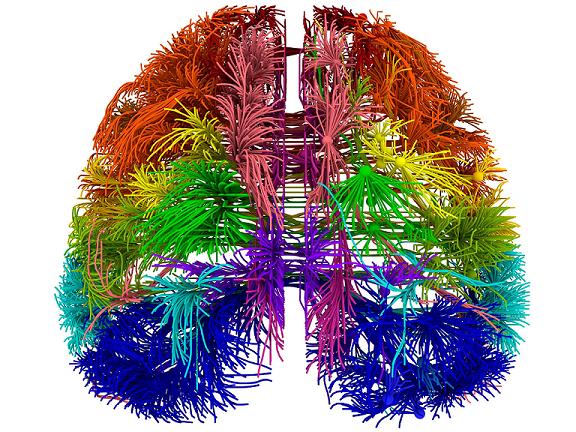
Researchers at the Allen Institute for Brain Science have just released a high resolution blueprint of the human brain. What makes this particular mapping unique? It shows which genes are turned on and off during brain development at mid-pregnancy, all at an unprecedented resolution.
That isn’t even the best part, the Allen Institute for Brain Science is sharing it’s work with the public for further research by anyone who is interested. This means that you or I can have access to this information, for free, if we want it.
Scientists cure Muscle Paralysis in Mice
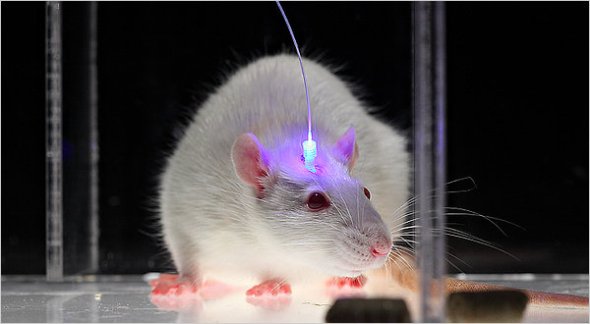
Photo credit: John Carnett/Popular Science – Optogenetics, tested in rodents, can control electrical activity in a few carefully selected neurons.
Searching for a new way to cure paralysis, a team of scientist has come up with a remarkable and off the wall idea. This discovery comes out of the labs at the University College London. The team, lead by Linda Greensmith, used stem cells and optogenetics to control leg muscles in mice and completely circumvent the nervous system in the process.
For those of you who are not familiar with Optogenetics [and really, why would you be familiar with it?] here is a overly simple rundown of what we are talking about.
Fear Factor- How it Works in the Brain
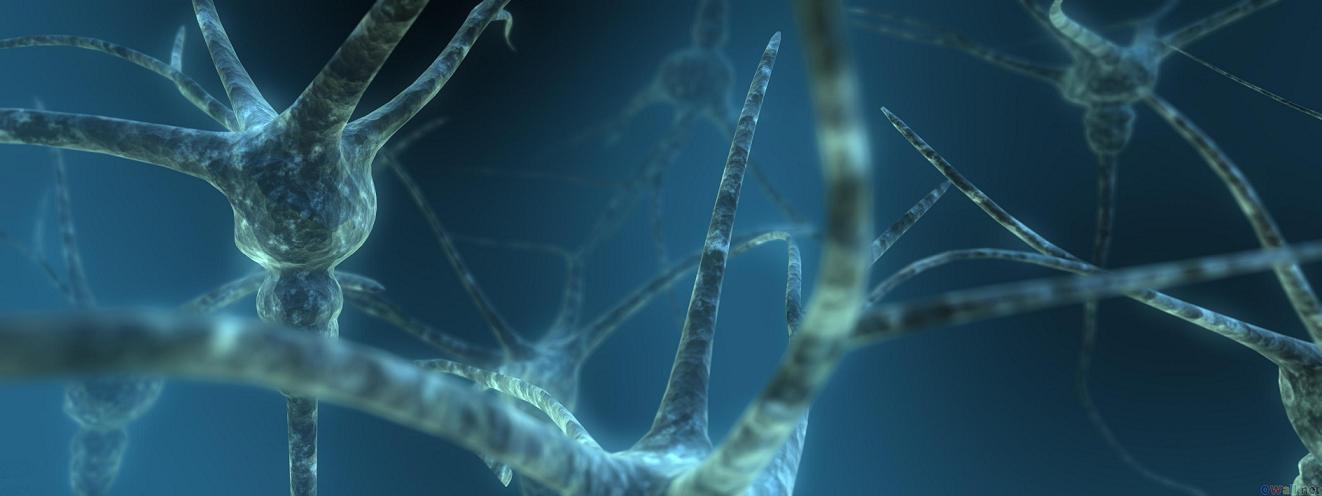
What are you afraid of? Like it or not your brain knows and now, scientists are starting to understand how it does it.
Scientists at Columbia University in New York have found the neurons responsible for preventing mice from forming fearful memories by looking at a part of the brain called the hippocampus [no, that isn’t where hippos go for an education; yes, that was a awful attempt at a joke].


 Lunatic Laboratories