
If being sad is “bad”, then why is there sad music?
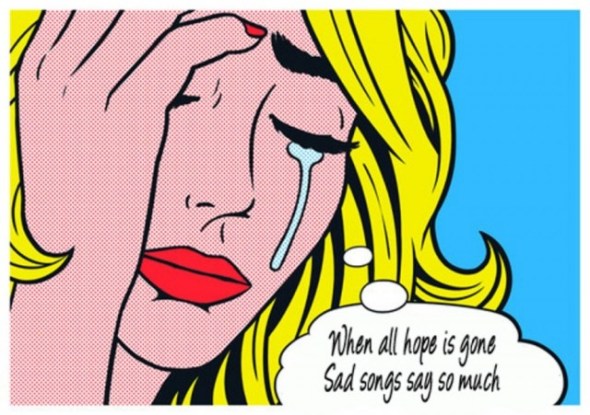
We tell children not to look so sad. We tell adults to wipe that sad look off their face and smile. We even worry that if you are sad too long, you might need medical attention. Yet, for most of us, when life gets you down, you put on some sad music. So if sadness is such a negative, why do we spend our money and time wallowing in these sad tunes?
When it comes to sleep recommendations, what about the children?

Sleep is a hot topic lately, are we getting too much, too little, how much is enough? However, most of these questions are for adults, so what about children? Well as it turns out a new study used activity monitors to track how sleep habits changed in younger and older teens as they grew during a two-year period. Key findings from this study has also lent t0 new support to recent recommendations by the American Academy of Pediatrics that middle and high schools avoid starting earlier than 8:30 a.m.
Zombies: Science Fiction vs. Fact


Well in the spirit of Halloween I thought I would make a nice little zombie post. Zombies, those brain loving little guys, [and girls] are everywhere. From shows like The Walking Dead — a zombie show where they call them anything but zombies– to video games, music videos, and weird romance stuff. Even the zombie itself takes on a different life depending on the person and film.
More Genetic Links Behind Autism

Vaccines do NOT cause autism. One more time, vaccines DO NOT cause autism. So what does cause autism, that problem has been plaguing scientists for awhile now. Thankfully two major genetic studies of autism and involving more than 50 laboratories worldwide, have newly implicated dozens of genes in the disorder. The research shows that rare mutations in these genes affect communication networks in the brain and compromise fundamental biological mechanisms that govern whether, when, and how genes are activated overall.
Research Shows Synapses are Always Ready to Go
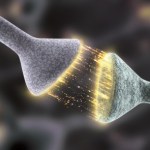

The inner workings of the brain are quick, but really they have to be. Neurons need to be able to rapidly propagate information in their interior via electrical signals and they communicate with each other at special contact points known as the synapses. These chemical messenger substances (known as neurotransmitters) are stored in vesicles at the synapses. When a synapse becomes active, some of these vesicles fuse with the cell membrane and release their contents. To ensure that valuable time is not lost, synapses always have some readily releasable vesicles on standby.
Converting Skin Cells to Neurons: A Fight Against Huntington’s


A sad thought indeed.
Photo credit goes to: Huntington Society of Canada PSA
Neurological diseases are some of the hardest to fight against (in my opinion). The big reason is the brain, we still know so little about it and treatment for anything effecting it can be difficult to say the least. Take Huntington’s disease, an ultimately fatal neurodegenerative disorder. There is no cure and no real treatment, but that might change relatively soon thanks to a new discovery.
You can tell [my mood] by the way I walk


Ever see a guy walking down the street and know he’s depressed? Or how about someone happy, with a little bounce in their step? The way we walk says a lot and by some estimates roughly 90% of what we are telling people isn’t coming out our mouth, it’s all body language. Our walk says a lot about the kind of mood we are in, but in the question of what came first our mood or our walk, researchers have now shown that it works both ways.
How the Brain Heals After a Stroke
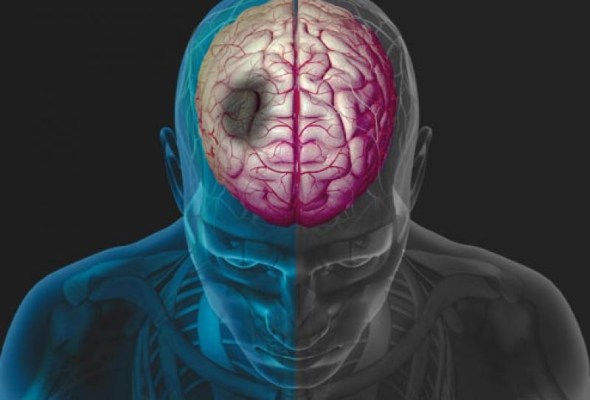
You have all the brain cells you’ll ever have when you reach adulthood. That was the science lesson I was taught in high school from, maybe a misguided teacher, or maybe just misinformed, I do not know. That statement however is not true, we know that the brain is very plastic and ever changing. It’s resilience still amazes us, even today with all that we know about it. Now a previously unknown mechanism through which the brain produces new nerve cells after a stroke has been discovered, showing us just how resilient the brain truly is.
The Blood-Brain Barrier and the Future of Medicine

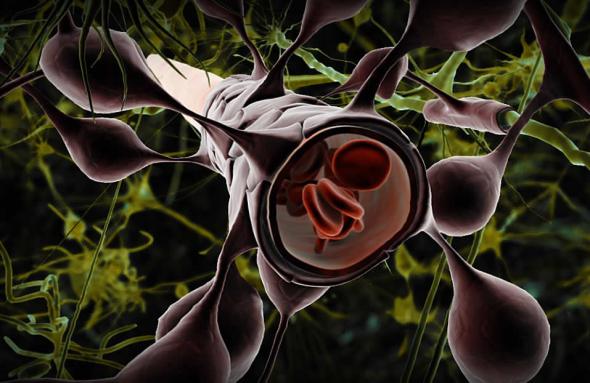
The blood-brain barrier, not quite a brick and mortar defense from the outside world, but strangely enough it is extremely effective. The blood-brain barrier (BBB) acts as a bouncer, it keeps the bad things out, while helping to regulate certain aspects of the brain. To circumvent the BBB thousands of people have stimulators placed deep in their brains in the hope of curing their ills. Many require tubes, catheters, and shunts penetrating deep into their brain ventricles to deliver medicine or to drain over pressurized cerebral fluids. These devices have a crude and bulky insertion that is simply plowed through healthy brain tissue, sparing little in its path. In other words, we need to do better.
The Neurobiological Basis of a Human-Pet Relationship

My wife adores our cats. Now, I’m not a cat person, but my wife loves them. In fact if we had children and someone held a gun to her head and said choose between the kid or the cats, there would likely be an uncomfortable amount of time before a response. The big question is, why do we love animals like we do our own children? Well a small study helps try to answer this complex question by investigating differences in how important brain structures are activated when women view images of their children compared to images of their own dogs.
The Ever Plastic Brain and Intellectual Disabilities
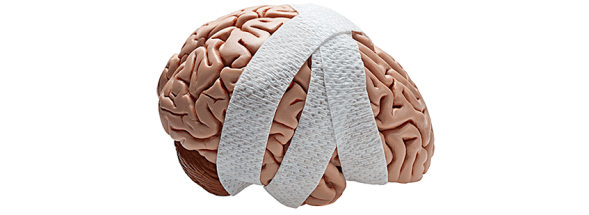
The plasticity of the brain is always somewhat of a shock. It’s near incredible what the brain can achieve, look at people who have strokes, or any other sort of brain injury and yet still somehow manage to get up and move, or perform tasks. So I guess it should be no surprise, but still amazing that studying mice with a genetic change similar to what is found in Kabuki syndrome (an inherited disease of humans) researchers report they have used an anticancer drug to improve mental function.
New Protein Implicated in Alzheimer’s
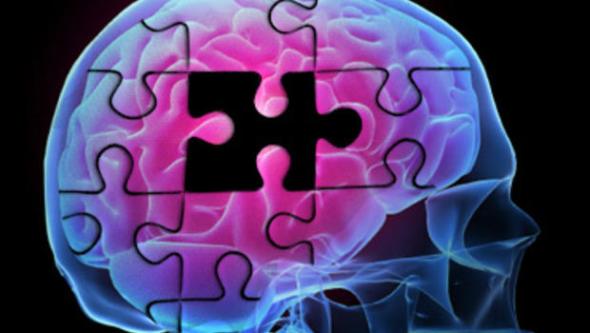
Alzheimer’s prevention has made some strides in recent years. We’ve even identified some new causes, and in some cases we can do both. In fact, researchers have now shown that low levels of the protein progranulin in the brain can increase the formation of amyloid-beta plaques (a hallmark of Alzheimer’s disease). These plaques can cause neuroinflammation, and worsen memory deficits in a mouse model of this condition. Conversely, by using a gene therapy approach to elevate progranulin levels, scientists were able to prevent these abnormalities and block cell death.
Lie Detection using Brain Waves: It’s just as creepy as it sounds…

Currently lie detectors (polygraphs) are not admissible in court, this is because (despite what you may read) there is little proof to show that they are much better than a guess — coming in at roughly 50% accuracy. They aren’t really based in science, making them more of a toy. There might just be a new contender in the lie detection department coming soon however, researchers have found that brain activity can be used to tell whether someone recognizes details they encountered in normal, daily life. This finding may have very real implications for criminal investigations and use in courtrooms.
Autism and the Low Iron Connection

The topic of autism is a charged one. Maybe it’s because it isn’t a simple diagnosis; there are many roads to autism. Most of them are probably genetic, some of them are likely environmental, and none of them are related to vaccination (sorry to burst your bubble anti vax people, it’s called science). Some new research shows another possible (environmental) cause. The new study shows that mothers of children with autism are significantly less likely to report taking iron supplements before and during their pregnancies than the mothers of children who are developing normally.
New test for Diagnosing Alzheimer’s Early
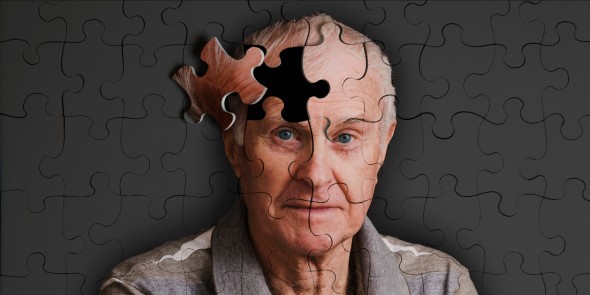
Alzheimer’s diagnosis is important, like the famous slogan “with a stroke, time lost is brain lost,” detecting alzheimer’s is important in order to stave off cognitive decline. A just like a stroke time lost is brain lost. Unfortunately early diagnosis has been hard to come by, but now researchers say a simple test that combines thinking and movement can help to detect heightened risk for developing Alzheimer’s disease in a person. The best part, they say this will work even before there are any telltale behavioural signs of dementia.
Is Stress Eating Away at You? No, Literally…

Ever wonder why, when people are too stressed, they are often grouchy, grumpy, nasty, distracted or forgetful? It may not be something you’ve done, in fact it turns out stress is literally tearing apart the brain. By this I mean that researchers have just highlighted a fundamental synaptic mechanism that explains the relationship between chronic stress and the loss of social skills and cognitive impairment. When triggered by stress, an enzyme attacks a synaptic regulatory molecule in the brain. In other words, when people use the colloquialism “what’s eating you?” the answer might just be, stress.
The Genetic Roots of Schizophrenia

I have a friend who lost an eye — not in a war zone like you might suspect given my background — but to his brother. Yes, you read that correctly, his brother tried to kill him and in the process he lost his eye. I’ve told this story before, but whenever new schizophrenia research comes out I feel the need to tell it again. While he has forgiven his brother (partly because not long after, he was diagnosed as schizophrenic), he will not be able to see him again until he is released from prison. A tragedy that could’ve been avoided had he been diagnosed sooner.
Inflammation of the Brain and Memory Problems
Neurological disorders typically involve memory issues. Most of the problems are attributed to plaques that build up in the brain (which are typically prions), yet some causes are unknown. New research however sheds some light on at least one cause of memory problems. As it turns out brain inflammation can rapidly disrupt our ability to retrieve complex memories of similar but distinct experiences.
The Origami Brain and a new marker for Schizophrenia
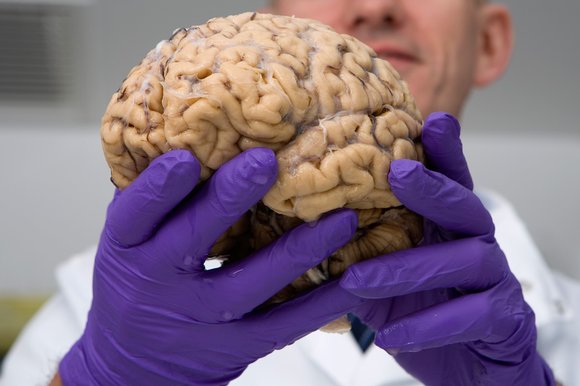
Anyone who has seen pictures or models of the human brain (like the one above) is aware that the outside layer, or cortex, of the brain is folded in an intricate pattern of “hills”, called gyri, and “valleys”, called sulci which give the brain it’s distinctive look. It turns out that the patterns of cortical folding are largely consistent across healthy humans, broadly speaking. However, disturbances in cortical folding patterns suggest deeper disturbances in brain structure and function.
Multiple Sclerosis and Myelin loss
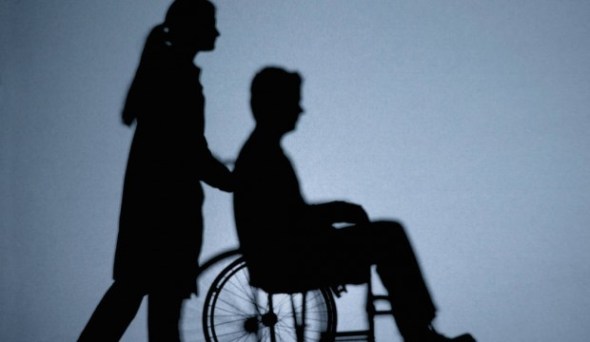
Multiple sclerosis (MS) is an unpredictable, often disabling disease of the central nervous system that disrupts the flow of information within the brain, and between the brain and body. The exact cause is unknown, however people with multiple sclerosis lose myelin in the gray matter of their brains and the loss is closely correlated with the severity of the disease, according to a new magnetic resonance imaging (MRI) study.
Autism and Testosterone
As a male we are at higher risk for heart disease, we are also at higher risk for stroke. It’s that pesky testosterone, sure it has its benefits, don’t get me wrong I think testosterone over all is great. Estrogen has it’s own downsides too, things like certain cancers for example. Well estrogen has some other benefits and as it turns out, the same sex hormone that helps protect females from stroke may also reduce their risk of autism.
Total Recall: How the Brain Processes Color and Motion

Despite the barrage of visual information the brain receives almost constantly, it retains a remarkable ability to focus on important and relevant items. This fall, for example, NFL quarterbacks will be rewarded handsomely for how well they can focus their attention on color and motion – being able to quickly judge the jersey colors of teammates and opponents and where they’re headed is a valuable skill. How the brain accomplishes this feat, however, has been poorly understood.
HIV and Dementia
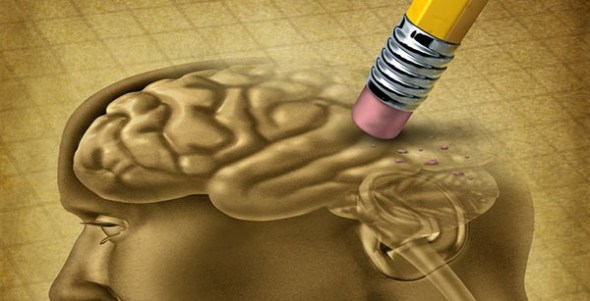
With the introduction of combination antiretroviral therapy (or cART) during the mid-90s, the life expectancy of HIV patients has significantly improved. An unfortunate side effect of this is that long-term complications are becoming more relevant: almost every second HIV patient is affected by neurocognitive disorders, which can lead to dementia. It has not as yet been fully understood how these disorders occur, but new research is shining a light on the culprit.
New Synthetic Amino Acid for a New Class of Drugs
Creating new drug molecules is challenging, developing drugs that are highly effective against a target, but with minimal (or no) toxicity and side-effects to the patient can be an exercise in futility. These drug properties are directly conferred by the 3D structure of the drug molecule. So ideally, the drug should have a shape that is perfectly complementary to a disease-causing target, so that it binds it with high specificity.With that, scientists have developed a synthetic amino acid that can impact the 3D structure of bioactive peptides and enhance their potency.
This is your Brain. This is your Brain on Drugs
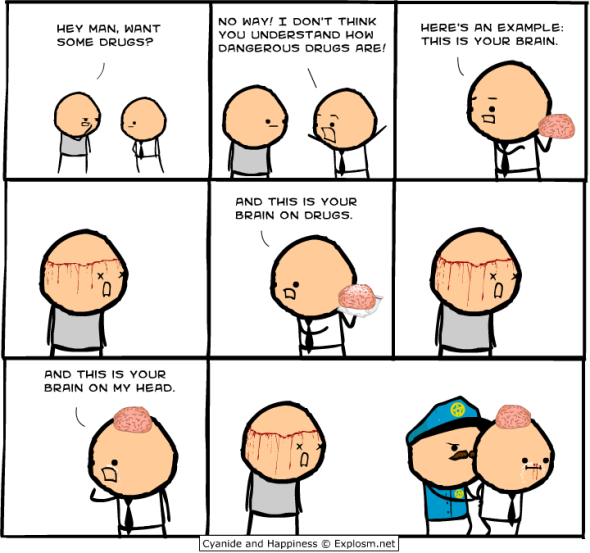
Image from cyanide and happiness
Drug abuse is bad for the brain. That is (excuse the horrible pun) a no-brainer, but while scientists have seen the after effect addictive drugs such as cocaine can have on the brain, we have never seen how they affect the actual blood flow to the brain. That is of course, until now. A new method for measuring and imaging how quickly blood flows in the brain could help doctors and researchers better understand how drug abuse affects the brain and they are currently testing this new method as we speak.
The Learning Brain Unravelled
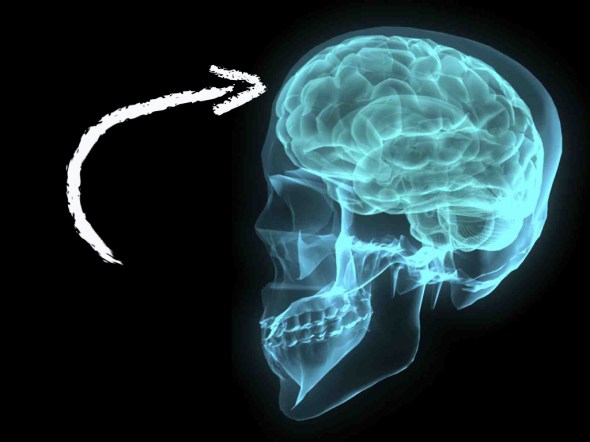
As an engineer you would think math would come easy to me, it didn’t. Funny thing though, science in general and biology in particular came very easy to me. The big question is why? Why would math, something I need to know how to do for my work and my degree, be so hard to learn? Thankfully science has stepped in to answer the question, at least partially, about why somethings can come so easy to a person and other things (like me and math) take so much longer to pick up.
Zombie Ant Fungi knows it’s Prey

So awhile back I was bored and to kill some time wisely I wrote this little bit on real life (sometime potential) zombies. It featured a special section on a particular group of fungi that created some really crazy zombie ants. Ants, which would do the bidding of the fungus, would eventually latch itself in a “death bite” and sprout the parasite from its head. Yeah I know, not a pleasant death. In any case new research is showing just how cool — and evidently smart — these fungi really are.
mTOR and the Cause of Autism

Autism is a hot topic, lets face it, the increase in prevalence has started to cause a panic in some people. That fear is what the anti-vaccination movement is hoping to capitalize on, but that doesn’t stop science from trying to solve what is really causing the problem. There are probably several roads to autism, most — if not all — of them genetic. Scientists have already found one definite genetic cause of autism and several genetic factors. Now it looks like they may have even found the actual brain changes that cause it. With these new discoveries come better testing, treatment and more individualized care.
Pomegranate eases Alzheimer’s? I’m skeptical

Alternative medicine is garbage, there I said it. Thankfully there is a difference between alternative and “natural” medicine. I shudder at the term “natural” medicine, but that is typically what medicine based from things in nature (in other words practically all medicine used). Well to cut to the chase, new research shows that the onset of Alzheimer’s disease can be slowed and some of its symptoms curbed by a natural compound that is found in pomegranate, unfortunately I am just a little skeptical of this.
The DNA Signature of Lupus
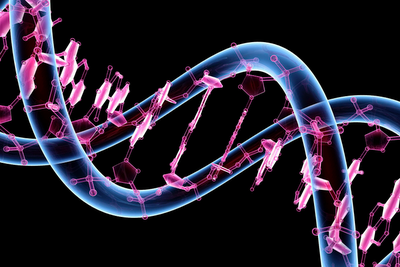
My Uncle suffered from Lupus. The disease itself should have a more sinister sounding name, given the effect it has on the body. Lupus is a form of autoimmune disease which attacks the body and causes an incredible amount of pain. It’s not pretty and complications from the disease can make life even more unbearable for people. There is no cure and sadly there are few treatments outside of managing the pain and side effects of the disease. Thankfully medical researchers have used DNA sequencing to identify a gene variant responsible for causing lupus in a young patient. This doesn’t mean they are on the verge of a cure, but it could possibly lead to tailored treatments.
Schizophrenia and the Twilight Zone

You are now entering the Twilight Zone. You may remember the television show, with it’s odd twists and turns, but for people with schizophrenia it means something just a little different. It’s unfortunate, but people with schizophrenia struggle to turn goals into actions, this sort of “twilight zone” has been seen in patients, however the cause was unknown. Now, according to new research, the brain structures governing desire and emotion are less active and fail to pass goal-directed messages to cortical regions affecting human decision-making.
Is your Stomach… Controlling your Mind?
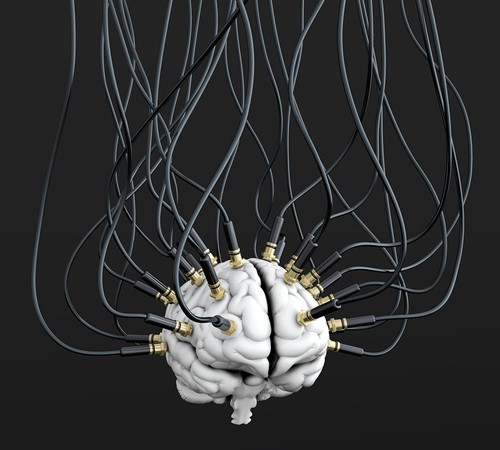
Close the blinds, lock the doors, and find a safe place to hide. Are you alone? No, no you aren’t and you may not even be in control of your own actions. Shhh, take a deep breath. I don’t want to alarm you, but you are being controlled. No, I’m not being paranoid and while it may sound like science fiction it looks like that bacteria within us — which for the record outnumber our own cells about 100-fold — may very well be affecting both our cravings and moods to get us to eat what they want, and often are driving us toward obesity.
Treatment and Prevention of PTSD

It’s no secret for anyone who follows me that I am a Marine veteran. It’s also no secret for anyone who follows me that I’ve had my own ups and downs in life because of my experiences. PTSD is a nightmare, one that you can’t quite shake no matter how hard you try. Then again, not everyone reacts the same way to the trauma that typically causes PTSD, not everyone walks away from war with it. The big question that scientists set out to answer was, why? And now they might just have an answer.
New Hope for Autoimmune Diseases
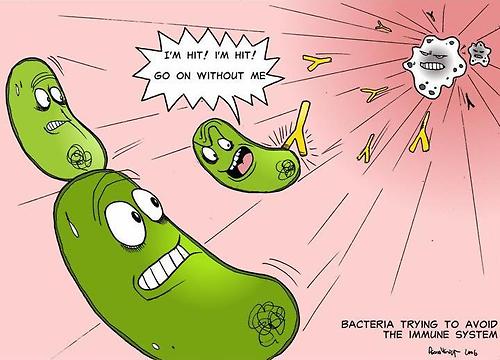
Autoimmune diseases are on the rise. Since I have a history of over sharing, my Uncle suffered from a form of lupus. It caused him intense and — in my opinion — unbearable pain although he shouldered it like the incredible man he was and never complained. My sister unfortunately is suffering from a rare disease that has yet to be diagnosed, which in my opinion has autoimmune dysfunction as the root cause. If you or anyone you know suffers in a similar fashion then you know that the treatments for such things are, expensive, moderately effective at best, and are overall inadequate.
Marijuana and the Developing Brain

You can’t get away from it, the big marijuana debate here in the US. Is it good? Is it bad? What are other countries doing? There are also a lot of claims made about marijuana, most of which aren’t true, namely the big medical claims. Then there is the other side of that fence, what about some of the health issues that are claimed, where does science sit on that?
The Self Assembling Brain
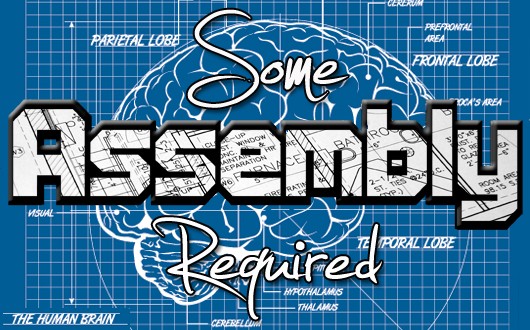
Let’s face it, if the brain were a lego set I would still be staring at the box wondering what I got myself into. So I guess we can just chalk that one up to yet another thing the body can do than I can. When the brain is just developing, special proteins that act like a sort of molecular tugboat. These proteins push or pull on the growing nerve cells, or neurons, helping them organize and placing them in their assigned places amidst the brain’s wiring. Doing a better job organizing all those cells than I ever did organizing my sock drawer.
Nerve Regeneration: Another Piece of the Stem Cell Puzzle
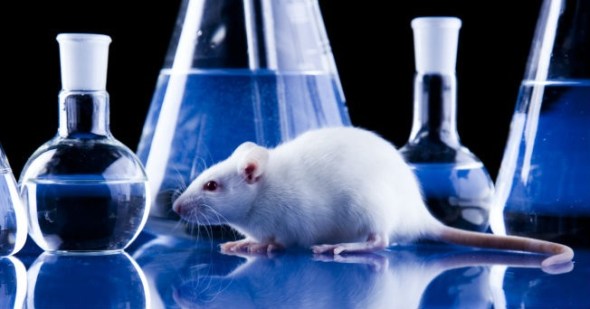
Almost everyone regenerates nerves, but you! Sure, yesterday we talked about how other animals in the kingdom regenerate damaged nerves and how we got left in the dust. But we forge ahead and we have more good news in the race to catch up to some other animals. Building upon previous research, a team of scientists report that neurons which were derived from human induced pluripotent stem cells [ or iPSC for short] and grafted into rats after a spinal cord injury produced cells with tens of thousands of axons extending virtually the entire length of the animals’ central nervous system.
Nerve Regeneration: Everyone does it, but you
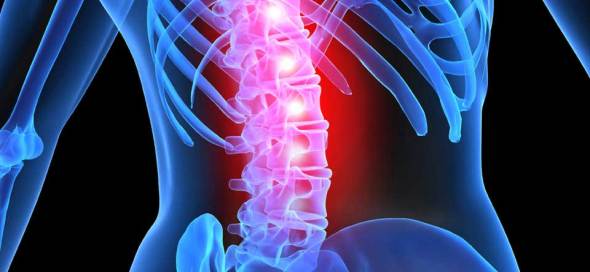
Dogs do it, frogs do it, and even whales do it! No, this isn’t everyone poops. I’m talking about regrowing nerves after an injury and sadly, we don’t do it… yet. Now, thanks to a small molecule that may be able to convince damaged nerves to not just grow, but effectively rewire circuits, that all could change. Such breakthrough could eventually lead to therapies for the thousands of Americans with severe spinal cord injuries and paralysis.
Want a Larger Brain: How About an Implant?
Feel like you could use some extra grey matter? Maybe get a dash of genius added to all those cobwebs in the brain? Well then science might just have the answer. Researchers have managed to graft neurons that were made from reprogrammed stem cells into the brains of mice for the first time with long term stability.The best part, six months after implantation, the neurons had become fully functionally integrated into the brain.
Is Fat Making you… Fat?
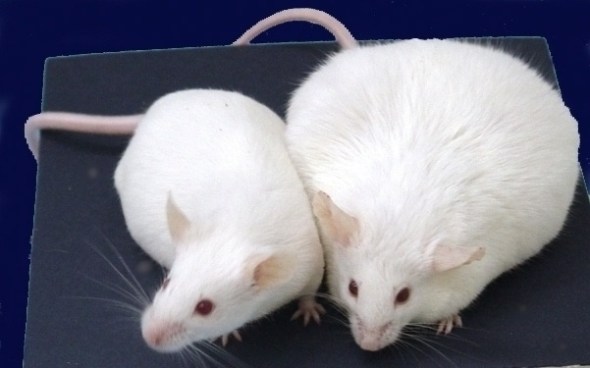
Fast food, let’s face it, it’s not the best for you. Yet Mcdonalds and Pizza hut are known practically world wide [although menu options differ]. With the rise of our waist lines and the shrinking cost of fast food, you might suspect a connection. Fortunately for your big mac addiction [no judgement] it isn’t what you might think. If you’re finding it harder and harder to see your toes, you might just have your brain, and not your stomach, to thank for it.
Possible treatment and Prevention for Parkinson’s
From the Michael J Fox Foundation for Parkinson’s Research — you can donate by clicking the link.
Parkinson’s disease affects neurons in a particular brain region, when it develops brain cells have their mitochondrial activity cease and then the cells die. But now researchers have shown that supplying D-lactate or glycolate [two products of the gene DJ-1] can stop and even counteract this process, a huge step forward to finding a cure or even a way to prevent parkinson’s.
Suicide, it might be in the blood

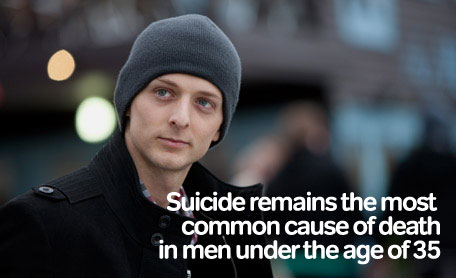
I tried to kill myself, more than once in fact. It was a troubling time for me and as a former active duty Marine that might not be too surprising for people to hear. I’m not proud of it and with where I am now, it seems like a pretty solid decision to stay alive, honestly if it wasn’t for my brothers in arms I might not even be typing this now. Unfortunately the statistic for suicide in the military is high enough that no one would have been shocked. Typically the “treatment” is therapy and medications, I say “treatment” in parentheses because you would have to know something was wrong first. But what if suicide was more than just in your head? What if it was in your blood too?
Can’t Handle the Stress? Blame your Brain

Do you rise to the occasion, or do you fold under the pressure? No matter which side of the fence you’re, you can thank [or blame] your brain. Some people can deal with stressful situations better than others, and while you might suspect it is genetic, even identical twins show differences in how they respond.
Save the Neurons: Fighting the Effects of Parkinsons
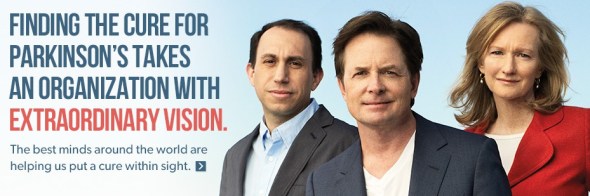
Photo credit goes to: the The Michael J. Fox Foundation for Parkinson’s Research
Possibly one of the most famous cases of parkinson’s is Michael J. Fox. More than just the “shakes” parkinson’s can cause a whole host of other problems mentally and physically [things like lack of sleep, smell, and mood]. But now an experimental anti-inflammatory drug ,funded by the foundation with is namesake has been shown to protect vulnerable neurons and reduce motor deficits, at least in a rat model of Parkinson’s disease.
Fighting the Obesity Epidemic with X-box [No, not that one]
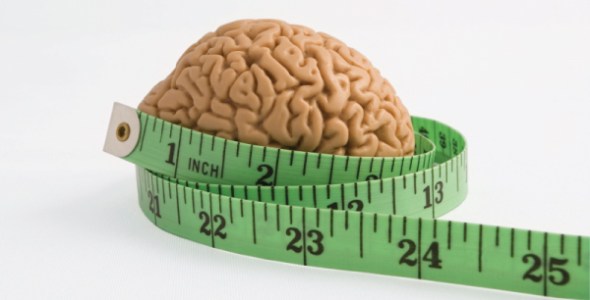
Despite all the efforts, people are losing the war on obesity. There is probably a number of factors involved, genetics, underlying medical problems, most of all diet, but in any case we are living in a world that is slightly heavier than our historical counterparts. Maybe that’s why so many researchers are trying to find an easy way for people to better regulate their weight. Thankfully that goal is one step closer because researchers have found a protein that controls when genes are switched on or off, one that plays a key role in specific areas of the brain to regulate metabolism.
Salmon and Spinal Cod Regeneration, er… Cord
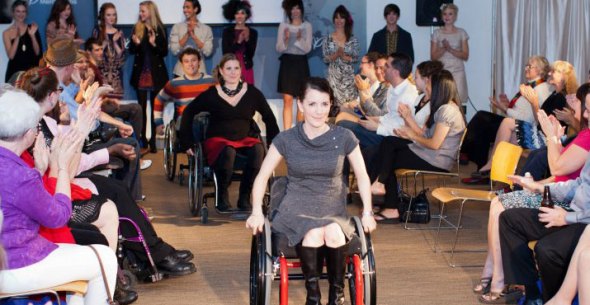
Fish might not be the first thing you think about when we talk spinal cord injury but that is exactly what scientists are doing. Don’t ask where they got the idea, but a therapy combining salmon fibrin [a protein that acts as a scaffolding] injections into the spinal cord and injections of a gene inhibitor into the brain restored voluntary motor function impaired by spinal cord injury.
Background TV and Children don’t Mix
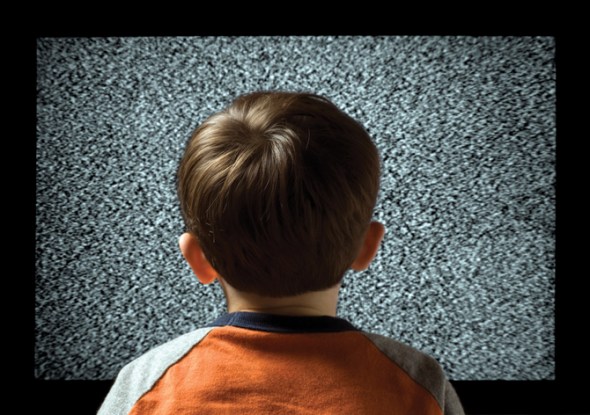
Coming from a, to put it gently, very broken home, my babysitter was the television. Yep, so now that you are feeling nice and awkward let’s talk television. New research, which was expanded from previous research by the same team shows that, if you are a parent, you should limit not just the television watching habits of your children but also the background television exposure.
When Crazy becomes a Crime

My friend has a glass eye, you would never notice and unless you knew the story you might not think anything of it. His older brother did it. Yes, you read that correctly, in a schizophrenic rage he gouged out his eye and almost killed him. He never held what happened against his older brother, he was sick, how could he? At least that was his logic. The courts didn’t agree, he would not be allowed to visit his brother while he resided in prison, even ten years [and several appeals] after the fact. Unfortunately he isn’t alone, new research has linked tighter Medicaid policies governing antipsychotic drugs with increased incarceration rates for schizophrenic individuals.
Autism and Parents: Reducing stress
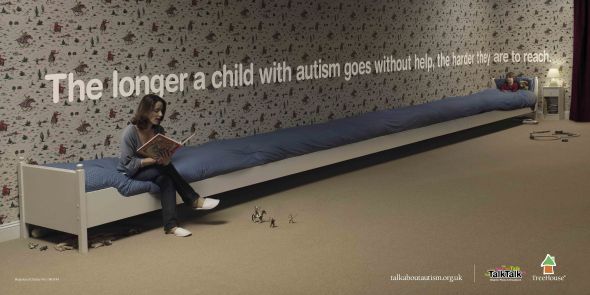
Raising an autistic child can be a gift. Unfortunately it can also be challenging and stressful. Let’s be real, it’s stressful just being a parent, throw in a disability that most new parents don’t understand all that well and it can be down-right depression inducing. Not because your child fall is the Autistic spectrum, but because you don’t know what that means or how to best help your child. Then it should be unsurprising that, according to a new study, peer-led interventions that target parental well-being can significantly reduce stress, depression and anxiety in mothers of children with disabilities.
Unraveling the Connections of the Brain
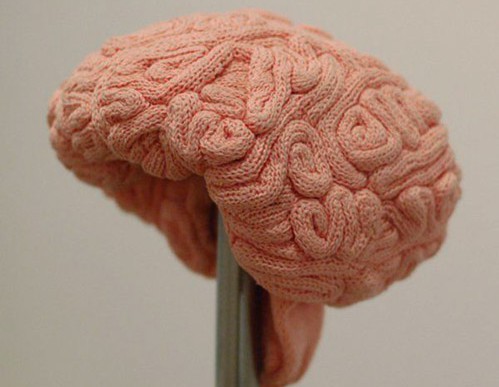
Yes it’s a brain hat, and yes I do want one!!
The brain is complex, heck if it wasn’t then we wouldn’t be smart enough to figure out how it works. I guess it’s one of those stupid catch-22 type things. Still, little is known about how the brain forms connections and the process that is behind all that. Thankfully new research provides an important glimpse into the processes that establish connections between nerve cells in the brain. These connections [also known as synapses] allow nerve cells to transmit and process information involved in thinking and moving the body. Sounds simple enough, but the formation is quite complex.


 Lunatic Laboratories