
Neural stem cell transplants aid traumatic brain injury recovery


No one knows Traumatic brain injuries (TBI) quite like veterans. Unfortunately, it is a major cause of mortality and morbidity, often causing lifelong disability for those who survive. There is simply no treatment, jut care, but a new study might change that. Stem cell therapy has recently been receiving attention as a way to promote recovery for injuries to the central nervous system (CNS) which opens the door for treatment of a TBI.
Scientific evidence of sexual transmission of the Zika virus
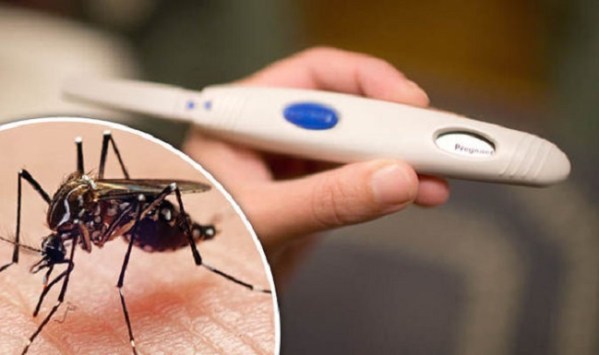
Well, we know now that ZIKA causes microcephaly, at least that is the latest findings. Things don’t look so good on other ZIKA fronts either, a new study confirms that the virus can be transmitted sexually. The analyses have shown 100% genetic correlation between the form of the virus present in a man who contracted the virus in Brazil and that of a woman who had never travelled in the epidemic area, but who had sexual relations with him.
Early detection of dementia in Parkinson’s disease might be key to treatment


If Parkinson’s disease wasn’t bad enough for families to have to learn to deal with, about 80% of patients also develop dementia. That’s the problem with the brain; while it has the amazing ability to adapt to just about anything, it can’t fix everything. There are no particularly good solutions to Parkinson’s or dementia, however, early detection of dementia is key to keeping it at bay and a new study may have a way to do just that.
Born to run? Love of exercise may start in the womb


If you see me on the street and I am running, there is a good chance you should be running as well, because something dangerous is coming. I don’t run, I hate to run, I loathe running, did I mention I don’t like to run? Maybe it’s all the running I did in the military, or if a new study is correct, it may have to do with my mother. Which is good, because now I can blame someone else for my hatred of running.
Stopping organ rejection: An end to the medication

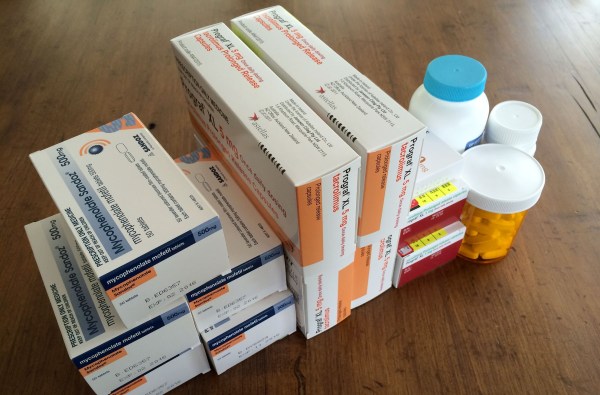
If you’re a transplant recipient you know that transplant organs are a veritable ticking time bomb waiting to be rejected by your well-meaning (but stupid) body. Not only can you do everything right and still have the organs rejected, you have to take a steady stream of expensive pills to inhibit the immune system and stop the body from launching its attack. Don’t throw your pill organizers away just yet, but soon.
Carb-loading and your heart, you may want to put the pasta down…


So if you are one of the bodybuilders, powerlifters, marathon runners, or just people who like to binge-eat every now and then — no judgment all you can eat pizza day is a thing I’m told telling myself — there is some bad news. If you like to preload carbs like they are the magic bullet to your workout woes, you may want to rethink it because according to a new study, it can have an acute and detrimental effect on heart function.
Modified maggots could help human wound healing


When most of us think maggots, we probably don’t think anything good, but maybe we should start. In a proof-of-concept study, researchers have shown that genetically engineered green bottle fly (Lucilia sericata) larvae can produce and secrete a human growth factor – a molecule that helps promote cell growth and wound healing.
Using precision medicine to define the genetics of autoimmune disease
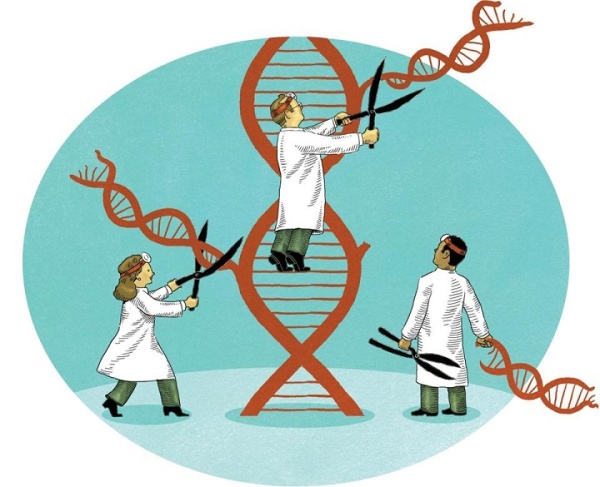
Demonstrating the potential of precision medicine, an international study used next-generation DNA sequencing technology to identify more than 1,000 gene variants that affect susceptibility to systemic lupus erythematosus (SLE). Precision medicine is an emerging field that aims to deliver highly personalized health care by understanding how individual differences in genetics, environment, and lifestyle impact health and disease.
Decrypting a collagen’s role in schizophrenia
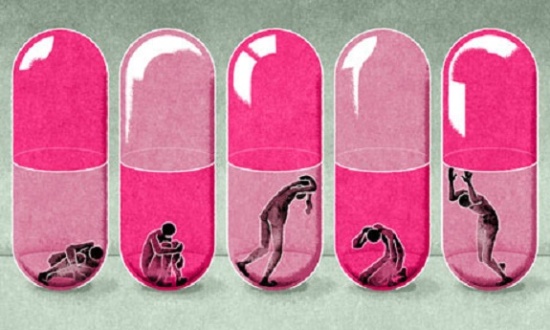
What would be worse than having bad joints? How about schizophrenia and bad joints? To be fair that isn’t what is suggested, but they may, in fact, be linked. A small peptide generated from a collagen protein may protect the brain from schizophrenia by promoting the formation of neuronal synapses and study may lead to new approaches to treating the mental disorder.
Want a younger brain? Stay in school — and take the stairs


Taking the stairs is normally associated with keeping your body strong and healthy. But new research shows that it improves your brain’s health too — and that education also has a positive effect. Researchers found that the more flights of stairs a person climbs, and the more years of school a person completes, the “younger” their brain physically appears.
Frankenstein’s E. Coli: How an artificial protein rescues dying cells


It’s alive, ALIVE! No really and it could one day have big implications for you and me. So it is not quite Frankenstein’s monster… yet. However, a new study has revealed how a synthetic protein revives E. coli cells that lack a life-sustaining gene, offering insight into how life can adapt to survive and potentially be reinvented.
Preemies’ gut bacteria reveal vast scope of antibiotic resistance


Yesterday we blogged about the emergent and increasing antibiotic resistance problem, which was good — or bad timing — depending on how you look at it. A new study of gut bacteria in premature infants reveals the vast scope of the problem of antibiotic resistance and gives new insight into the extreme vulnerability of these young patients, according to researchers.
Antibiotic resistance, evolution, and our future


Without the discovery of antibiotics we could not — and most certainly would not — be living in the world we do today. It was a discovery that would save countless lives, while simultaneously compromising our future. From the use (and unfortunate misuse) of antibiotics, we gave rise to more virulent bacteria that have become resistant to more and more types of antibiotics.
Testing the evolution of resistance by experiment

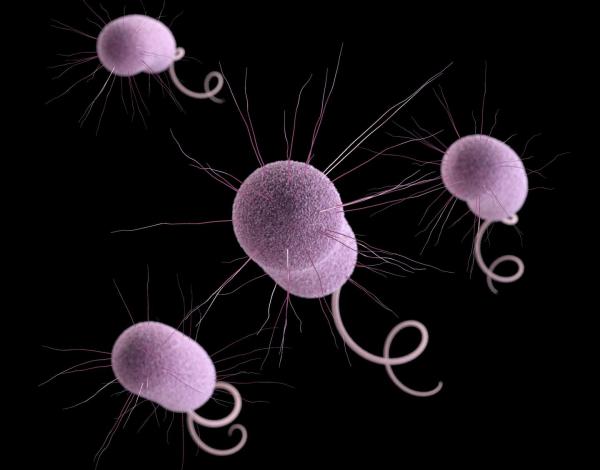
When the first antibiotics became available 70 years ago, they were often described as miracles of human ingenuity, rather like plastics or bright permanent dyes, which were discovered at roughly the same time. Packaged in vials or pills, they seemed like our inventions rather a chance gift of evolution and one that evolution might also rescind.
Brain connectivity reveals your hidden motivations
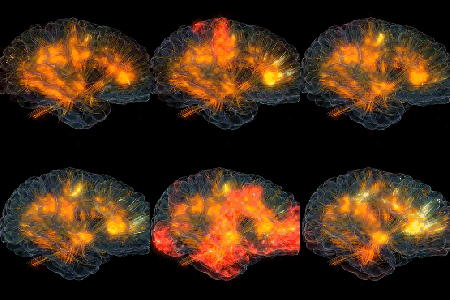
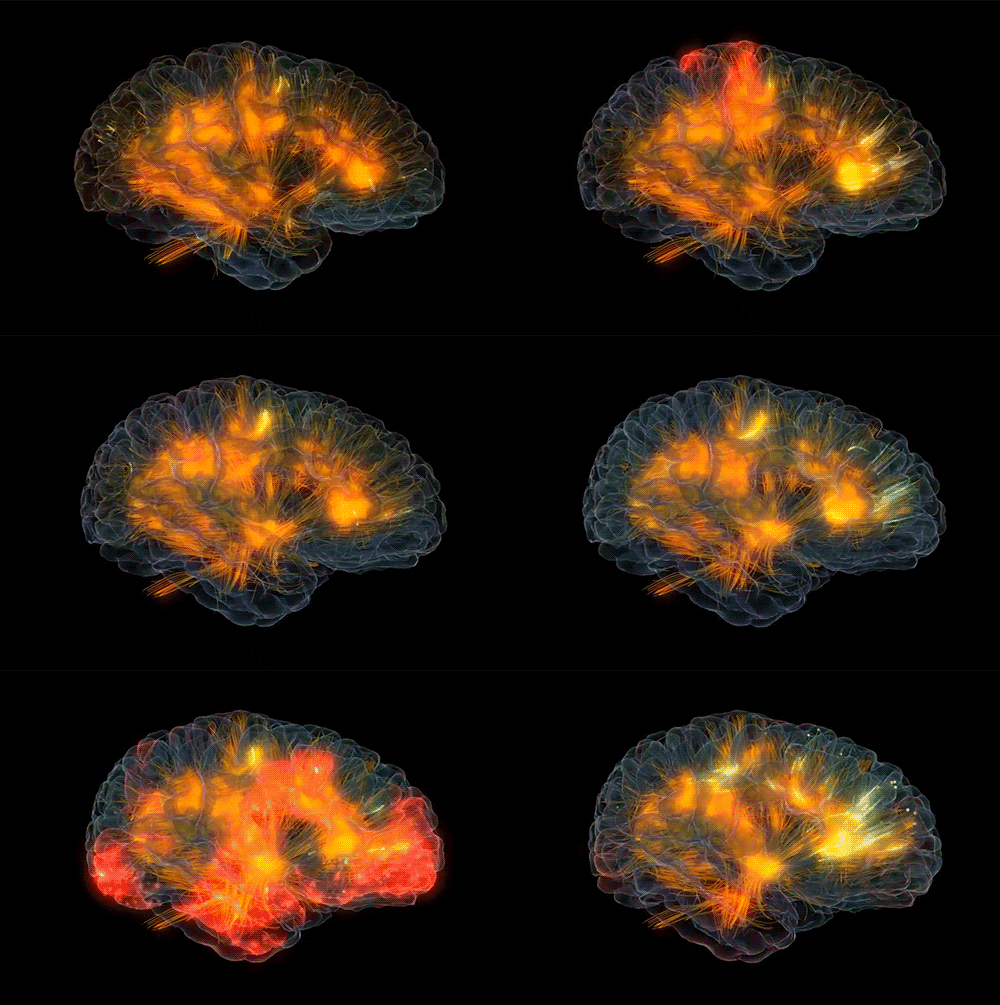
Animation from Glass Brain
To understand human behaviors, it is crucial to understand the motives behind them. So far, there was no direct way to identify motives. Simply observing behavior or eliciting explanations from individuals for their actions will not give reliable results as motives are considered to be private and people can be unwilling to unveil – or even be unaware of – their own motives.
Zika virus infects human neural stem cells, but…


The Zika virus infects a type of neural stem cell that gives rise to the brain’s cerebral cortex, Johns Hopkins and Florida State researchers have found. On laboratory dishes, these stem cells were found to be havens for viral reproduction, resulting in cell death and/or disruption of cell growth. While this study does not prove the direct link between Zika and microcephaly, it does pinpoint where the virus may be doing the most damage.
Brain connectivity disruptions may explain cognitive deficits in people with brain injury
Cognitive impairment following a traumatic brain injury (TBI) is common, often adversely affecting quality of life for those 1.7 million Americans who experience a TBI each year. Researchers have identified complex brain connectivity patterns in individuals with chronic phases of traumatic brain injury which may explain long term higher order cognitive function deficits.
Does your immune system play a larger role in Alzheimer’s disease than thought?


Immune cells that normally help us fight off bacterial and viral infections may play a far greater role in Alzheimer’s disease than originally thought, according to University of California, Irvine neurobiologists with the Sue & Bill Gross Stem Cell Research Center and the Institute for Memory Impairments and Neurological Disorders.
Scientists discover the way to a new generation of antibiotics
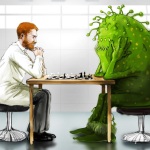

Antibiotic resistance is becoming a common occurrence. Once isolated, more and more we are turning away from the traditional antibiotics to our so called “last line of defense” antibiotics to fight infections. Sadly, in a growing number of cases these antibiotics are having less of an effect. However, new research reveals the mechanism by which drug-resistant bacterial cells maintain a defensive barrier.
Some aging treatments shown to have opposite effects on males and females


What helps her live longer might be harmful to him, according to a new study that may shed light on how and why organisms age. Analyzing years of previous research on dietary and pharmaceutical tests on flies and mice, researchers showed that aging interventions can have opposite effects on mortality rates in males versus females.
A way to track and stop human and agricultural viruses
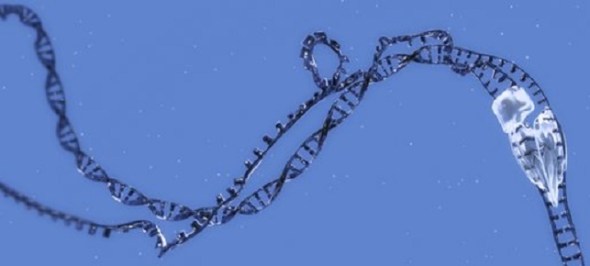
Viruses are molecular thieves that take from their hosts under the cloak of darkness. But now a Virginia Tech scientist has found a way to not only track viral hijackers, but also potentially stop them from replicating. The discovery has broad ranging applications in stopping viral outbreaks such as Hepatitis C in humans and a number of viruses in plants and animals because it applies to many viruses in the largest category of viral classes — positive-strand RNA viruses.
‘Jaws’ may help humans grow new teeth, shark study suggests


A new insight into how sharks regenerate their teeth, which may pave the way for the development of therapies to help humans with tooth loss, has been discovered by scientists. The study has identified a network of genes that enables sharks to develop and regenerate their teeth throughout their lifetime. The genes also allow sharks to replace rows of their teeth using a conveyer belt-like system.
Brain plasticity assorted into functional networks
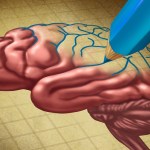
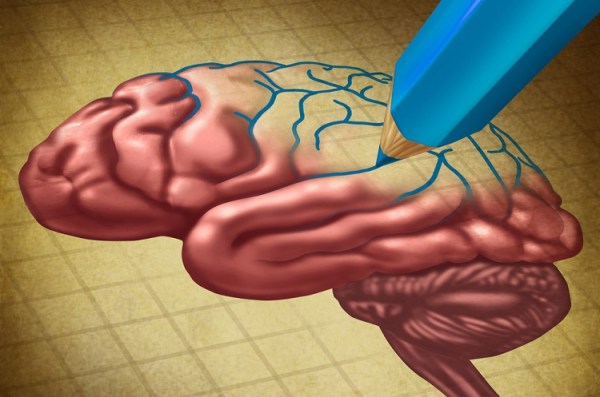
Plasticity of the brain, what does that even mean? Well the good news is that it isn’t just a marketing ploy, the brain needs to be “plastic” because we need to be able to adapt. Frankly speaking, the brain still has a lot to learn about itself. Scientists at the Virginia Tech Carilion Research Institute have made a key finding of the striking differences in how the brain’s cells can change through experience.
Man-made underwater sound may have wider ecosystem effects

Underwater sound linked to human activity could alter the behaviour of seabed creatures that play a vital role in marine ecosystems, according to new research from the University of Southampton. The study found that exposure to sounds that resemble shipping traffic and offshore construction activities results in behavioural responses in certain invertebrate species that live in the marine sediment.
Investigating potential fetal exposure to antidepressants


Depression is a serious issue for expecting mothers. Left untreated, depression could have implications for a fetus’s health. But treating the disease during pregnancy may carry health risks for the developing fetus, which makes an expecting mother’s decision whether to take medication a very difficult one. To better understand how antidepressants affect fetuses during pregnancy, scientists studied exposure in mice.
Blood pressure medicine may improve conversational skills of individuals with autism


An estimated 1 in 68 children in the United States has autism. The neurodevelopmental disorder, which impairs communication and social interaction skills, can be treated with medications and behavioral therapies, though there is no cure. Now, University of Missouri researchers have found that a medication commonly used to treat high blood pressure and irregular heartbeats may have the potential to improve some social functions of individuals with autism.
The brains of patients with schizophrenia vary depending on the type of schizophrenia

I have a friend who lost an eye to his brother. Yes, you read that correctly, his brother tried to kill him and in the process he lost his eye. I’ve told this story before, but whenever new schizophrenia research comes out I feel the need to tell it again. While he has forgiven his brother (partly because not long after, he was diagnosed as schizophrenic), he will not be able to see him again until he is released from prison. A tragedy that could’ve been avoided had he been diagnosed sooner. Sadly now that he is treated, most days, you wouldn’t know he’s schizophrenic.
Neurological adaptations to the presence of toxic HIV protein
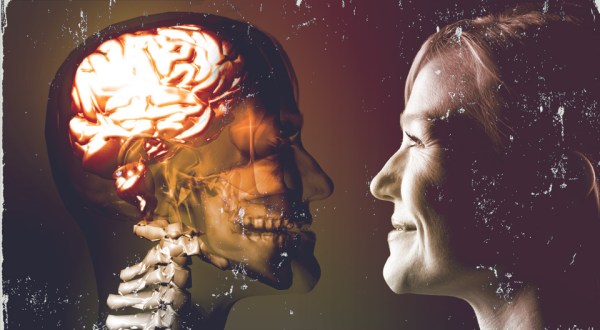
Nearly half of HIV infected patients suffer from impaired neurocognitive function. The HIV protein transactivator of transcription (Tat) is an important contributor to HIV neuropathogenesis because it is a potent neurotoxin that continues to be produced despite treatment with antiretroviral therapy.
Why you should never use the term ‘the mentally ill’


Yes, it’s real… you can find more information here
Image credit goes to: Jenn Ackerman
Even subtle differences in how you refer to people with mental illness can affect levels of tolerance, a new study has found. In a first-of-its-kind study, researchers found that participants showed less tolerance toward people who were referred to as “the mentally ill” when compared to those referred to as “people with mental illness.”
Scientists shed new light on workings of genetic regulation

A team of scientists has uncovered greater intricacy in protein signaling than was previously understood, shedding new light on the nature of genetic production.
60 genetic disorders affect skin and nervous system
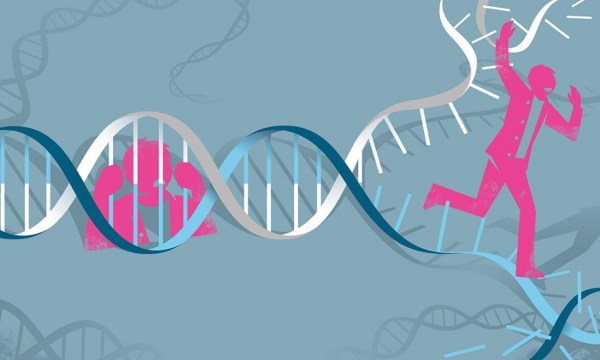
One of the most common genetic disorders is a condition called neurofibromatosis, which causes brown spots on the skin and benign tumors on the brain, spinal cord and other parts of the nervous system. Neurofibromatosis is one of at least 60 genetic diseases called neurocutaneous disorders that involve the skin, central nervous system, and/or peripheral nervous system.
When the music stops: Intensive instrument playing can lead to movement disorders


A musician takes up his/her violin and starts to play, but rather than gripping the strings, the fingers seize up–and this happens every time he/she takes up the instrument. Such a movement disorder–the so-called focal dystonia— is a dramatic disease for those affected, which has thus far barely been studied.
Neurons in your gut help the immune system keep inflammation in check

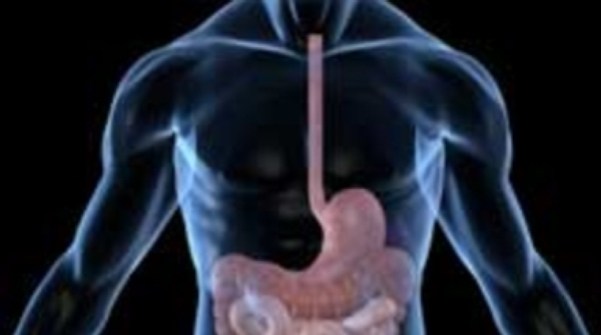
The immune system exercises constant vigilance to protect the body from external threats–including what we eat and drink. A careful balancing act plays out as digested food travels through the intestine. Immune cells must remain alert to protect against harmful pathogens like Salmonella, but their activity also needs to be tempered since an overreaction can lead to too much inflammation and permanent tissue damage.
Anxious? Chronic stress and anxiety can damage the brain


Yeah, let me just get over that anxiety since it’s a choice…
A scientific review paper warns that people need to find ways to reduce chronic stress and anxiety in their lives or they may be at increased risk for developing depression and even dementia. Led by the Rotman Research Institute at Baycrest Health Sciences, the review examined brain areas impacted by chronic anxiety, fear and stress in animal and human studies that are already published.
Pay attention! Attention neuron type identified


Researchers have identified for the first time a cell type in the brain of mice that is integral to attention. Moreover, by manipulating the activity of this cell type, the scientists were able to enhance attention in mice. The results add to the understanding of how the brain’s frontal lobes work and control behaviour.
Feeling sick? It’s evolution’s way of telling you to stay home
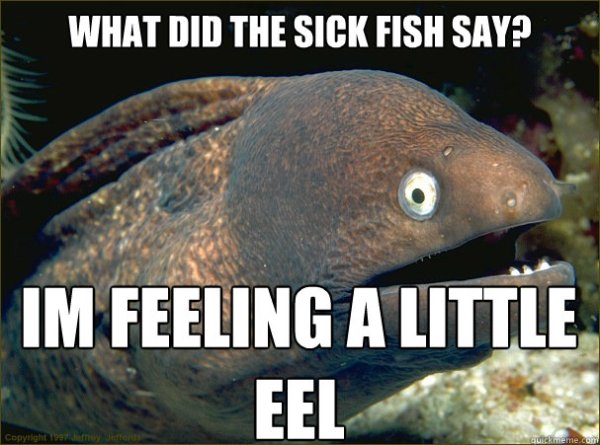
When you have a fever, your nose is stuffed and your headache is spreading to your toes, your body is telling you to stay home in bed. Feeling sick is an evolutionary adaptation according to a hypothesis put forward by Prof. Guy Shakhar of the Weizmann Institute’s Immunology Department and Dr. Keren Shakhar of the Psychology Department of the College of Management Academic Studies.
Stem cells regulate their own proliferation and their microenvironment


A study by researchers at the Centro Nacional de Investigaciones Cardiovasculares Carlos III (CNIC) has identified a new mechanism through which hematopoietic stem cells (HSCs) control both their own proliferation and the characteristics of the niche that houses them. This control is exercised by the protein E-Selectin Ligand-1 (ESL-1).
New genes born by accident lead to evolutionary innovation
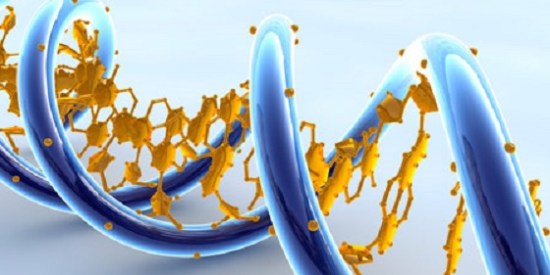
Novel genes are continuously emerging during evolution, but what drives this process? A new study has found that the fortuitous appearance of certain combinations of elements in the genome can lead to the generation of new genes.
Gene-editing technique stops progression of Duchenne muscular dystrophy

Using a new gene-editing technique, a team of scientists from UT Southwestern Medical Center stopped progression of Duchenne muscular dystrophy (DMD) in young mice. If efficiently and safely scaled up in DMD patients, this technique could lead to one of the first successful genome editing-based treatments for this fatal disease, researchers said.
A faster way to evaluate synthetic metabolic pathways


A central challenge in the field of metabolic engineering is the efficient identification of a metabolic pathway genotype that maximizes specific productivity over a robust range of process conditions. A review from researchers at Michigan State University in East Lansing, MI covers the challenges of optimizing specific productivity of metabolic pathways in cells and new advances in pathway creation and screening.
You too can increase your risk for dementia by up to 48% with, anxiety!


People who experienced high anxiety any time in their lives had a 48 percent higher risk of developing dementia compared to those who had not, according to a new study led by USC researchers. The findings were based on an examination of 28 years of data from the Swedish Adoption Twin Study of Aging, overseen by the Karolinska Institutet of Sweden.
Emotion processing in the brain changes with tinnitus severity
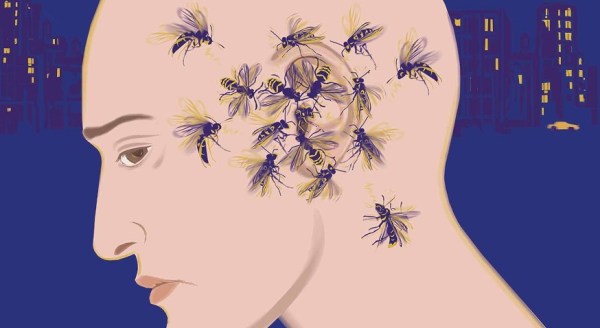
Tinnitus, otherwise known as ringing in the ears, affects nearly one-third of adults over age 65. The condition can develop as part of age-related hearing loss or from a traumatic injury. In either case, the resulting persistent noise causes varying amounts of disruption to everyday life. While some tinnitus patients adapt to the condition, many others are forced to limit daily activities as a direct result of their symptoms. A new study reveals that people who are less bothered by their tinnitus use different brain regions when processing emotional information.
The world’s smallest terrorist: Virus hijacks protein machine and then kills the host
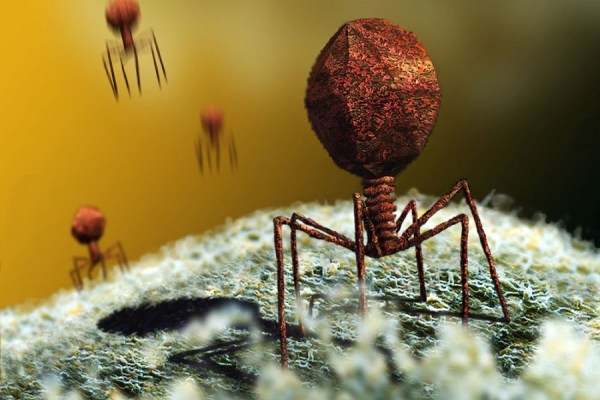
Bacteriophages are viruses that infect and kill bacteria. The name originates from the Greek ‘phagos’ which means ‘to devour’. Bacteriophages were discovered 100 years ago because of their ability to replicate in a pathogenic bacterium, kill it and thereby cure the patient. As a small spaceship landing on the moon, the microscopic particles land on the surface of the bacteria where they inject their deadly genetic material.
Healthy or sick? Tiny cell bubbles may hold the answer

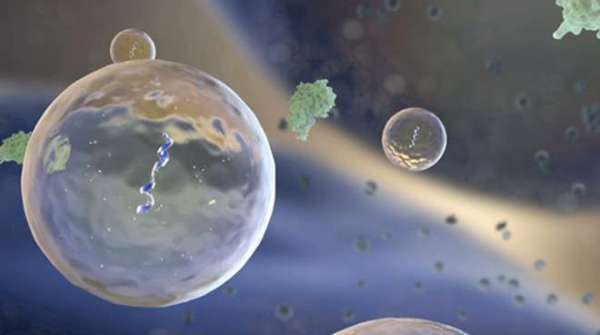
Rutgers scientists have uncovered biological pathways in the roundworm that provide insight into how tiny bubbles released by cells can have beneficial health effects, like promoting tissue repair, or may play a diabolical role and carry disease signals for cancer or neurodegenerative diseases like Alzheimer’s.
Certain herpes viruses can infect human neurons
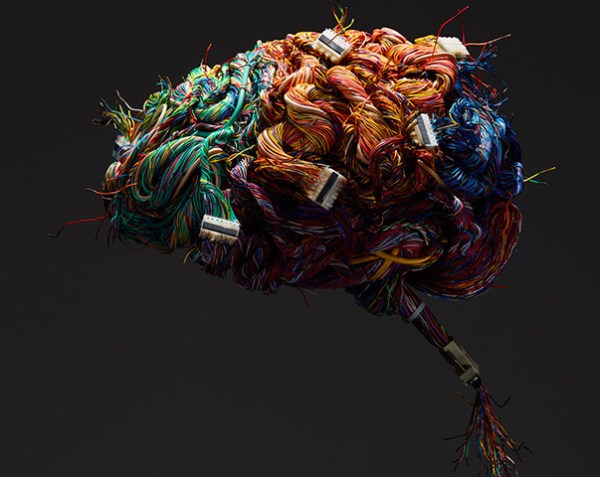
For years, researchers have noted a tantalizing link between some neurologic conditions and certain species of the herpes virus. In patients with Alzheimer’s disease, multiple sclerosis, and cerebellar ataxia, among other neuropathies, the cerebrospinal fluid teems with Epstein-Barr virus (EBV). Yet, the nature of that link has remained unclear, as it has been assumed that EBV, as well as other viruses in the same sub-family, called gammaherpesviruses, cannot infect neurons.
Antidepressant medication protects against compounds linked to dementia

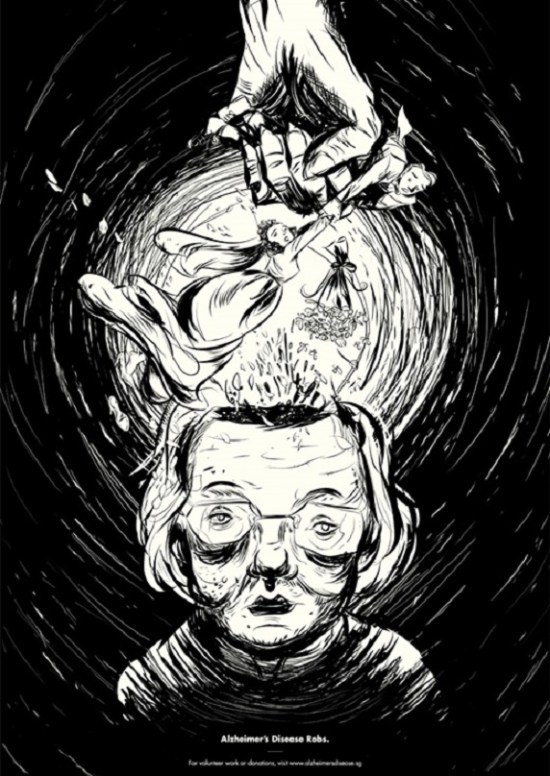
In addition to treating depression, a commonly used antidepressant medication also protects against compounds that can cause memory loss and dementia, a Loyola University Medical Center study has found. The study found that blood levels of two neurotoxic compounds dropped significantly in depressed patients after they were treated with the antidepressant escitalopram (Lexapro).
Novel insights into genetic cause of autoimmune diseases
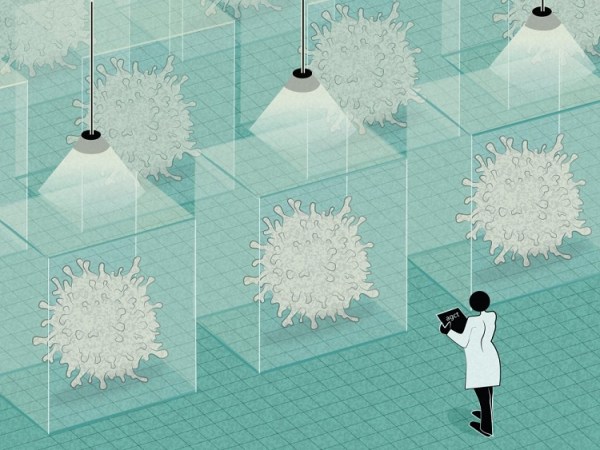
A collaboration between researchers at the Babraham Institute and the University of Manchester has mapped the physical connections occurring in the genome to shed light on the parts of the genome involved in autoimmune diseases. Using a new technique, called Capture Hi-C, the team revealed novel insights into how changes in the genetic sequence have a biological effect and increase the risk of disease.
Stem cell study paves the way for patient therapies

Stem cells that have been specifically developed for use as clinical therapies are fit for use in patients, an independent study of their genetic make-up suggests. The research – which focused on human embryonic stem cells – paves the way for clinical trials of cell therapies to treat conditions such as Parkinson’s disease, age-related degeneration of the eyes and spinal cord injury.
Closing the loop on an HIV escape mechanism
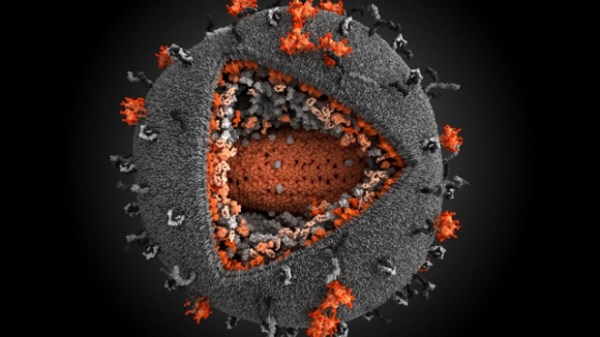
Nearly 37 million people worldwide are living with HIV. When the virus destroys so many immune cells that the body can’t fight off infection, AIDS will develop. The disease took the lives of more than a million people last year.
Insights into protein structure could change the future of biomedicine
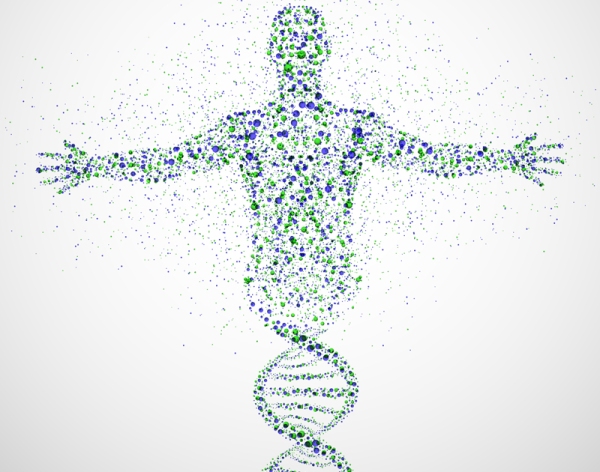
Researchers at the University of Waterloo have discovered a new way to create designer proteins that have the potential to transform biotechnology and personalized medicines.


 Lunatic Laboratories