
The Genetics of Congenital Heart Defects Slowly Emerge from Down Syndrome Study
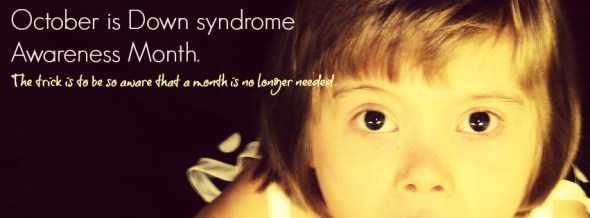
Down syndrome, of all the genetic defects people are born with, is the most common (as far as chromosomal abnormalities go). Down syndrome involves having a third copy of all or part of chromosome 21 (for those who do not recall we are typically born with 23 pairs of chromosomes). In addition to intellectual disability, individuals with Down syndrome have a high risk of congenital heart defects. However, not all people with Down syndrome have them – about half have structurally normal hearts.
The Genes Responsible for Immune System Reset after Infection

We’ve all been sick before, the aches and pains that come with it– most of the time including a fever — are all responses to our immune system kicking into high gear. But what if your body didn’t reverse course and go back to a, let’s call it” relaxed state.” Once the battle is won, the body’s efforts would be wasted on energy costing defense. A bad thing when the body really should be focusing on repairing the damage done by the foreign invaders.
DNA Nanotech: The First Large DNA Crystals
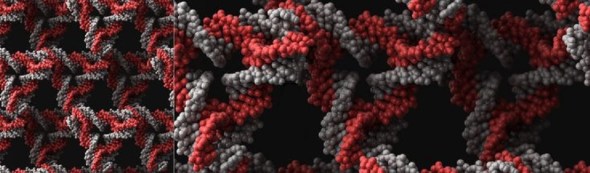
DNA is the stuff of life as we know it, but it is the potential as a programmable material platform that could spawn entire new and revolutionary nanodevices in computer science, microscopy, biology, and more. Researchers have been working to master the ability to coax DNA molecules to self assemble into the precise shapes and sizes needed in order to fully realize these nanotechnology dreams. A dream that been going on for 20 years now and was just realized.
New Genetic Test to help Solve Rare Disease Diagnosis

Photo credit goes to the Lapidus family
My sister suffers from a rare disease which causes small fiber polyneuropathy, or the killing of nerves in her hands and feet. As it progresses she has trouble standing or using her hands. If that was the worst of it, then it might be liveable given the time between severe attacks is years or more. Unfortunately, it also causes intense and mostly constant pain and burning sensations, pain so bad that conventional narcotic painkillers have trouble controlling it. After some time working with the hospital I narrowed it down to autoimmune mediated. Her Doctors finally agreed, but only after first dismissing it as anything from she was faking it, all the way to lupus.
The “New” Roots of our Friends the Mitochondria
![Image credit goes to biovisions, by Harvard University [see video below]](https://loonylabs.org/wp-content/uploads/2014/10/biovisions-mitochondria.jpg?w=590)
Image credit goes to biovisions, by Harvard University [see video below]
tRNA lookalikes in the Human Genome
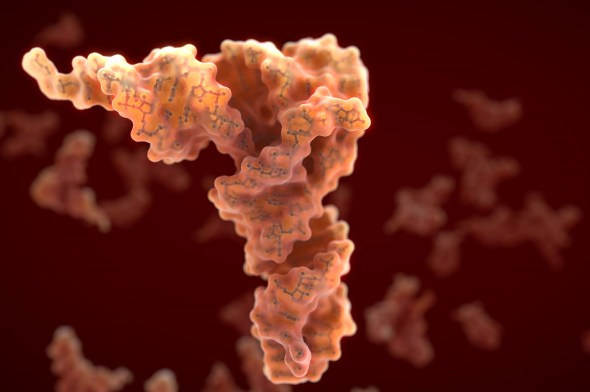
There was a time not long ago when we knew we had the longest genome. It was an obvious assumption because we are “in fact” the most intelligent and complex species on the planet. Boy were we wrong, as genetics progressed we came to realize that we weren’t as genetically special as we thought we were. We found that we had tons of “junk” DNA. Of course we continue to be wrong and we now know that we may not be the biggest genome on the planet, but we are still very complex and new research is proving that once again.
Orange Corn Aims to Fight Vitamin A Deficiency


Corneal blindness often affects people at a young age, such as this twelve year old girl who is blind from vitamin A deficiency. She has had a penetrating corneal graft in her left eye; this has unfortunately failed. Image credit goes to: Lance Bellers
GMO food is still a hot button topic, honestly for no other reason than fear. Sure Monsanto is a big evil corporation, but the science is only as bad as what you do with it. In the modern fortified world we don’t think about vitamin deficiency or the horrible things that come with it, however vitamin A deficiency is a huge problem in developing countries. To combat this researchers have identified a set of genes that can be used to naturally boost the provitamin A content of corn kernels, a finding that could help combat vitamin A deficiency and macular degeneration in the elderly.
The Ever Plastic Brain and Intellectual Disabilities
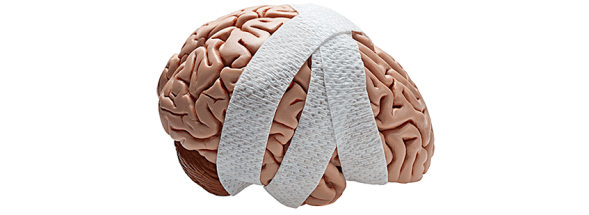
The plasticity of the brain is always somewhat of a shock. It’s near incredible what the brain can achieve, look at people who have strokes, or any other sort of brain injury and yet still somehow manage to get up and move, or perform tasks. So I guess it should be no surprise, but still amazing that studying mice with a genetic change similar to what is found in Kabuki syndrome (an inherited disease of humans) researchers report they have used an anticancer drug to improve mental function.
New Protein Implicated in Alzheimer’s
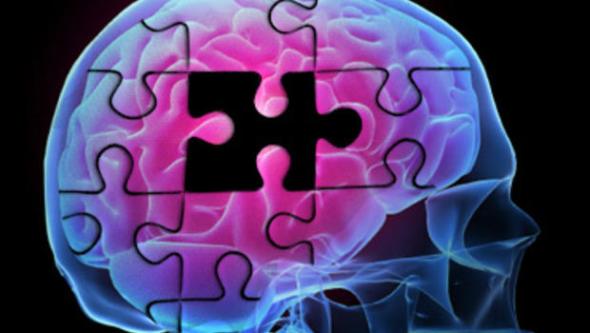
Alzheimer’s prevention has made some strides in recent years. We’ve even identified some new causes, and in some cases we can do both. In fact, researchers have now shown that low levels of the protein progranulin in the brain can increase the formation of amyloid-beta plaques (a hallmark of Alzheimer’s disease). These plaques can cause neuroinflammation, and worsen memory deficits in a mouse model of this condition. Conversely, by using a gene therapy approach to elevate progranulin levels, scientists were able to prevent these abnormalities and block cell death.
The Genetic Evolutionary Arms Race
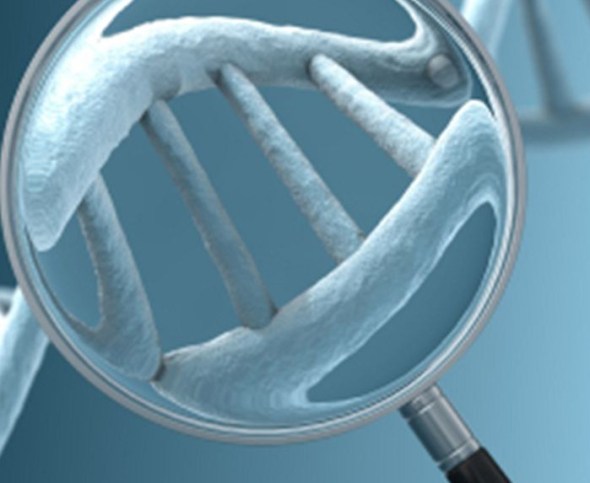
Genes are tricky little buggers, the stuff that makes us up has fought the test of time to make it to where we are today. It is thought that our genes changed in an attempt to outpace other life, albeit random changes.That might only be half right however, new findings suggest that there is an evolutionary arms race going on within the genome against, of all things, itself. This inherent competition of primates drove the evolution of complex regulatory networks that orchestrate the activity of genes in every cell of our bodies
“GMO” Foods (Once Again) Proven Safe


GMO, I shudder every time I hear someone talk about the “dangers”. It’s one of the new buzzwords that doesn’t actually mean anything, but still manages to scare people. Well a new scientific review reports that the performance and health of food-producing animals consuming genetically engineered feed, first introduced 18 years ago, has been comparable to that of animals consuming non-GE feed. Not that this will stop people from spreading fear, but it’s a start.
A new Medicine may help Lupus Sufferers
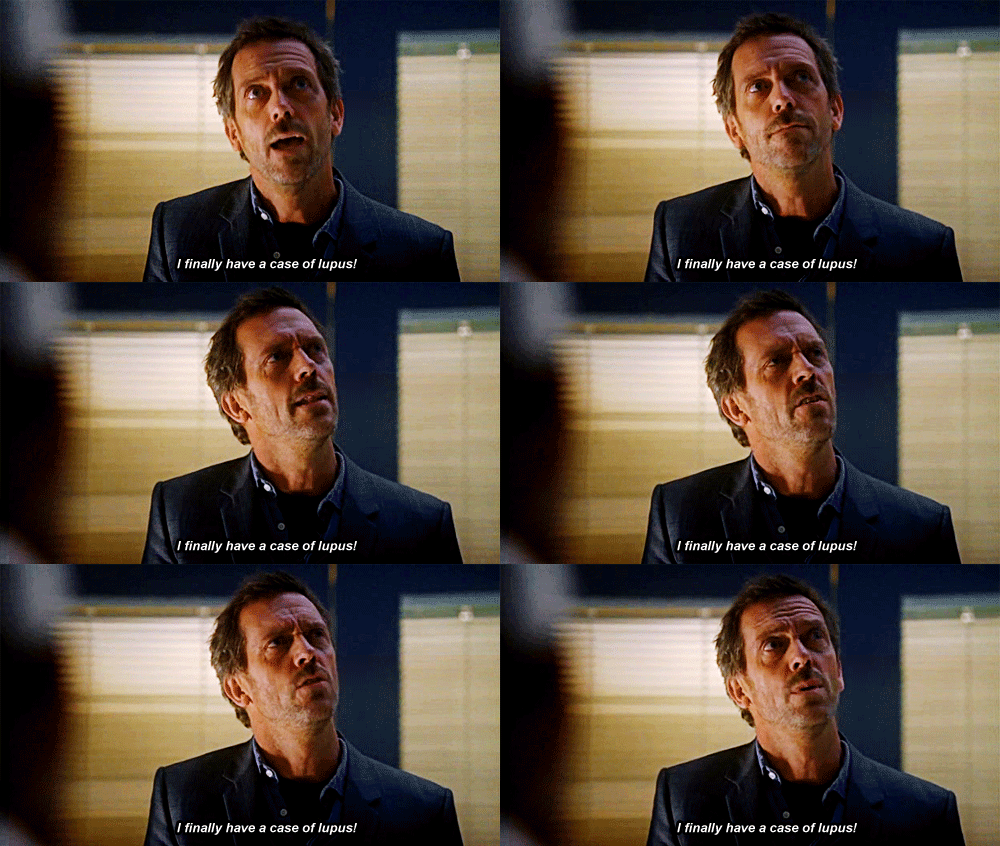
It’s never Lupus, until it is… that’s because it’s more common than you might think.
Lupus, a particularly bad hell on earth for people suffering from it. Lupus is caused by autoimmunity, in where the body attacks itself. I have a special place in my heart for people suffering from the disease because my Uncle suffered from it. There is no cure and only moderately effective treatments for the disorder, which causes, in some cases, the most excruciating pain you will ever feel. Thankfully new findings by a biomedical engineering team raise hope for a new class of drugs to treat lupus that may not include the long list of adverse risks and side effects often associated with current treatments.
Lengthen Telomeres and Turn Back Aging
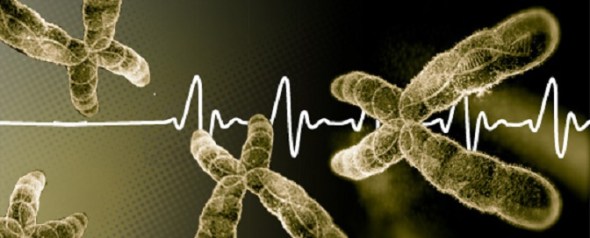
Want to live longer and healthier? Of course you do, well science may just have the answer! Scientists have discovered an on-and-off “switch” in cells that may hold the key to healthy aging. This switch points to a way to encourage healthy cells to keep dividing and generating, for example, new lung or liver tissue, even in old age. Getting cells to divide might not be that hard (or even very useful), but that isn’t all, it gets better!
New test for Diagnosing Alzheimer’s Early
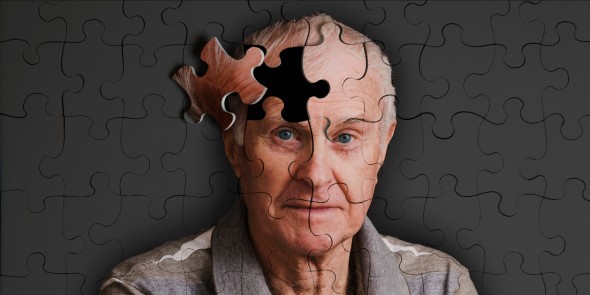
Alzheimer’s diagnosis is important, like the famous slogan “with a stroke, time lost is brain lost,” detecting alzheimer’s is important in order to stave off cognitive decline. A just like a stroke time lost is brain lost. Unfortunately early diagnosis has been hard to come by, but now researchers say a simple test that combines thinking and movement can help to detect heightened risk for developing Alzheimer’s disease in a person. The best part, they say this will work even before there are any telltale behavioural signs of dementia.
Biofilms: Using Bacteria for new Designer Nanomaterials

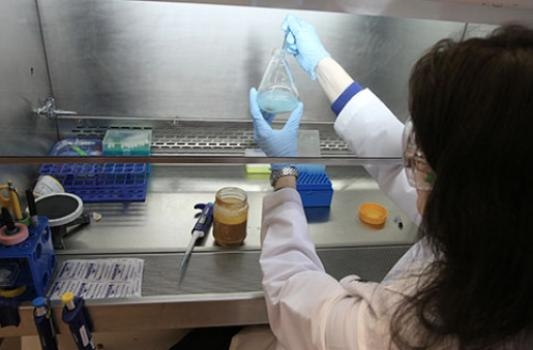
For most people biofilms conjure up images of slippery stones in a streambed and dirty drains. While there are plenty of “bad” biofilms around – they are even the same stuff that causes pesky dental plaque and a host of other more serious medical problems – a team of researchers sees biofilms as a robust new platform for designer nanomaterials that could clean up polluted rivers, manufacture pharmaceutical products, fabricate new textiles, and more.
New Cocktail Turns Adult Cells into Stem Cells
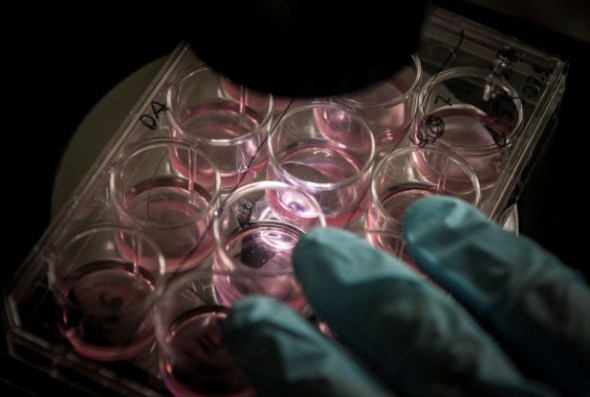
For those of us who were following stem cell news, recently the field had a huge setback when a paper, that offered a cheap and novel way to create stem cells, was retracted from publication. Regenerative medicine aims to replace lost or damaged cells, tissues or organs through cellular transplantation, but the promise to a better life has been hampered. Because stem cells derived from human embryos can trigger ethical concerns, a good solution is reprogramming adult cells back to an embryo-like state using a combination of reprogramming factors. Unfortunately that has been easier said than done.
The Genetic Roots of Schizophrenia

I have a friend who lost an eye — not in a war zone like you might suspect given my background — but to his brother. Yes, you read that correctly, his brother tried to kill him and in the process he lost his eye. I’ve told this story before, but whenever new schizophrenia research comes out I feel the need to tell it again. While he has forgiven his brother (partly because not long after, he was diagnosed as schizophrenic), he will not be able to see him again until he is released from prison. A tragedy that could’ve been avoided had he been diagnosed sooner.
Autism and Testosterone
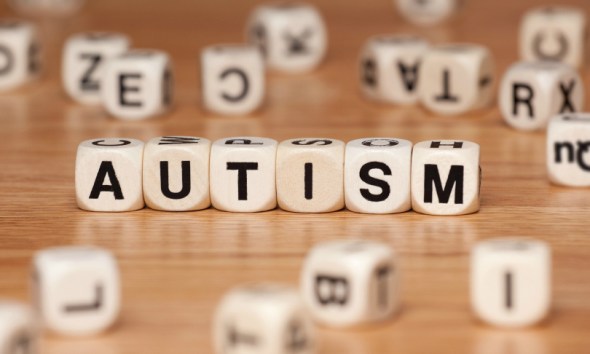
As a male we are at higher risk for heart disease, we are also at higher risk for stroke. It’s that pesky testosterone, sure it has its benefits, don’t get me wrong I think testosterone over all is great. Estrogen has it’s own downsides too, things like certain cancers for example. Well estrogen has some other benefits and as it turns out, the same sex hormone that helps protect females from stroke may also reduce their risk of autism.
Genes Smash! An Oxytricha trifallax story

In DNA mutation is often a bad thing. It’s sort of like building a car, there are far more wrong ways to one together than there are right ways. Still, mutation happens often which brings with it good (and more often bad) things. Usually mutation is spontaneous, it has no real rhyme or reason (in a broad sense) and while it brings things like cancers, it also can bring amazingly beneficial traits too. Maybe this is why a pond-dwelling, single-celled organism called Oxytricha trifallax is so keen on mixing things up. By that I mean it has the remarkable ability to break its own DNA into nearly a quarter-million pieces and rapidly reassemble those pieces when it’s time to mate.
Epigenetics: Taking Control of the Music
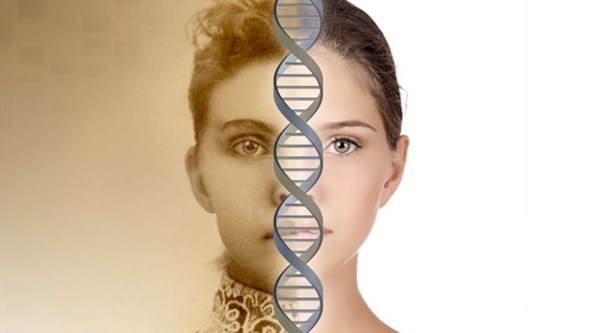
When I try to explain epigenetics to someone, I like to use the musician metaphor. Your genes are the sheet music and how your body reads those genes, that is your body acting like a musician, making those notes it’s own. This is even more evident when you realize that all human cells contain essentially the same DNA sequence. Up until now we’ve had to be the audience to this genetic symphony, but new research is helping scientists take control of the music.
Predictor of Sudden Death helps identify ICD candidates

New guidelines for patients with hypertrophic cardiomyopathy (HCM) identify candidates for implantable cardioverter defibrillators (ICDs). These devices help protect patients from arrhythmias (an irregular heartbeat) which can limit blood flow to vital organs, like the brain for example. Identifying which pacents would benefit from an ICD has been difficult. But the new guidelines, which were recently published, will help determine the patients most likely to benefit from ICDs by testing to see which of these patients are at higher risk for sudden cardiac death.
The Ever Mutating Ebola Virus
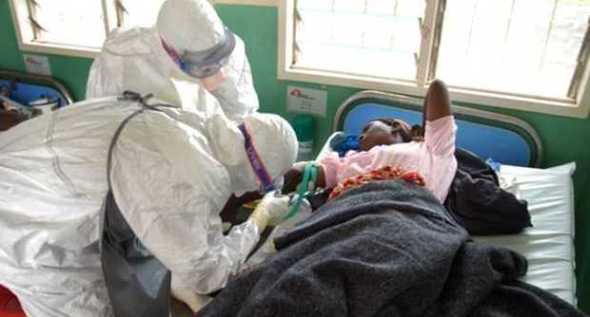
Ebola has a nasty reputation for the way it damages the body. It’s rightfully earned when you look at the death rate. But when you look at the actual details of an Ebola infection, a surprising fact surfaces: The virus isn’t what ends up killing you, it’s your own immune system. Sure they are trying different ways to outsmart the virus, but it’s mutating… quickly. In fact, scientists have rapidly sequenced and analyzed more than 99 Ebola virus genomes. The hope it to better understand the enemy and possibly outsmart it.
mTOR and the Cause of Autism

Autism is a hot topic, lets face it, the increase in prevalence has started to cause a panic in some people. That fear is what the anti-vaccination movement is hoping to capitalize on, but that doesn’t stop science from trying to solve what is really causing the problem. There are probably several roads to autism, most — if not all — of them genetic. Scientists have already found one definite genetic cause of autism and several genetic factors. Now it looks like they may have even found the actual brain changes that cause it. With these new discoveries come better testing, treatment and more individualized care.
The DNA Signature of Lupus
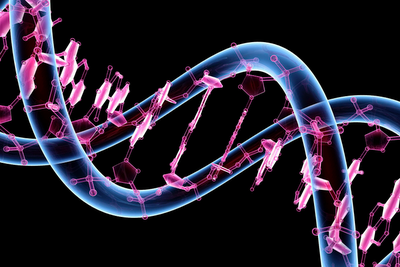
My Uncle suffered from Lupus. The disease itself should have a more sinister sounding name, given the effect it has on the body. Lupus is a form of autoimmune disease which attacks the body and causes an incredible amount of pain. It’s not pretty and complications from the disease can make life even more unbearable for people. There is no cure and sadly there are few treatments outside of managing the pain and side effects of the disease. Thankfully medical researchers have used DNA sequencing to identify a gene variant responsible for causing lupus in a young patient. This doesn’t mean they are on the verge of a cure, but it could possibly lead to tailored treatments.
We can Build it Better: The First Artificial Cell Network
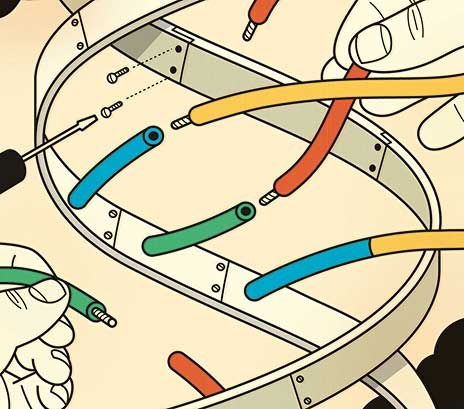
How does the old saying go? Imitation, is the sincerest form of flattery? Well that is what we’ve been trying to do for a very long time, but mimicking the intricate networks and dynamic interactions that are inherent to living cells is difficult to achieve outside the cell. Unfortunately despite all our intelligence nature has had the upper hand on us for a long time. That has not changed… until now that is.
HIV Vaccine One Step Closer to Reality
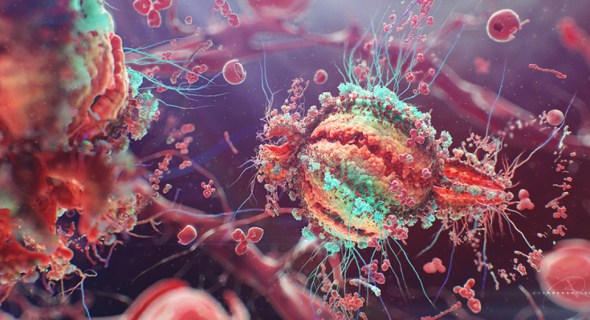
The war on HIV, that tricky little guy has avoided every thing we could throw at it in a broad sense. Sure a few people here and there get lucky, but we have yet to actually make any sort of we’re going to kick your ass headway [don’t worry it’s the technical term for it]. That is hopefully going to change with a new scientific discovery that has enormous implications for HIV vaccine development. Researchers have uncovered novel properties of special HIV antibodies that promise to help eliminate HIV.
Possible treatment and Prevention for Parkinson’s
From the Michael J Fox Foundation for Parkinson’s Research — you can donate by clicking the link.
Parkinson’s disease affects neurons in a particular brain region, when it develops brain cells have their mitochondrial activity cease and then the cells die. But now researchers have shown that supplying D-lactate or glycolate [two products of the gene DJ-1] can stop and even counteract this process, a huge step forward to finding a cure or even a way to prevent parkinson’s.
Mitochondria and Anti Aging

I’m sure you can all relate, you go to fix the sink and in the process you build a new kitchen on accident. Anyone… no? Well that is sort of what happened to researchers recently, while developing a new cancer drug, they discovered that mice lacking a specific protein live longer lives with fewer age-related illnesses. The mice, which were bred to lack the TRAP-1 protein, demonstrated less age related tissue degeneration, obesity, and spontaneous tumor formation when compared to normal mice. Pretty awesome if you think about the fact that the findings could change how scientists view the metabolic networks within cells.
Suicide, it might be in the blood

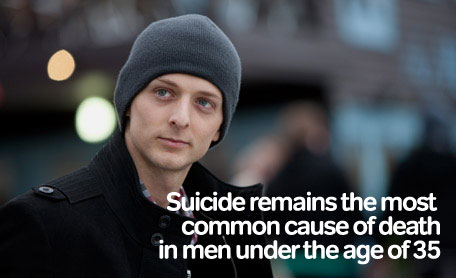
I tried to kill myself, more than once in fact. It was a troubling time for me and as a former active duty Marine that might not be too surprising for people to hear. I’m not proud of it and with where I am now, it seems like a pretty solid decision to stay alive, honestly if it wasn’t for my brothers in arms I might not even be typing this now. Unfortunately the statistic for suicide in the military is high enough that no one would have been shocked. Typically the “treatment” is therapy and medications, I say “treatment” in parentheses because you would have to know something was wrong first. But what if suicide was more than just in your head? What if it was in your blood too?
Fighting the Obesity Epidemic with X-box [No, not that one]
Despite all the efforts, people are losing the war on obesity. There is probably a number of factors involved, genetics, underlying medical problems, most of all diet, but in any case we are living in a world that is slightly heavier than our historical counterparts. Maybe that’s why so many researchers are trying to find an easy way for people to better regulate their weight. Thankfully that goal is one step closer because researchers have found a protein that controls when genes are switched on or off, one that plays a key role in specific areas of the brain to regulate metabolism.
Salmon and Spinal Cod Regeneration, er… Cord
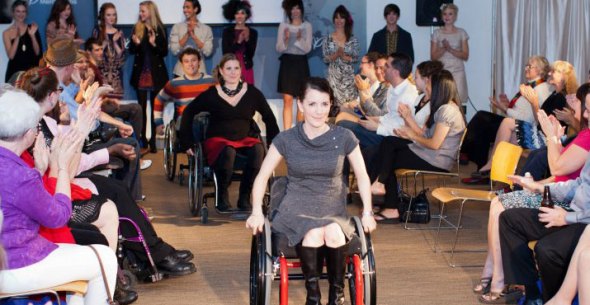
Fish might not be the first thing you think about when we talk spinal cord injury but that is exactly what scientists are doing. Don’t ask where they got the idea, but a therapy combining salmon fibrin [a protein that acts as a scaffolding] injections into the spinal cord and injections of a gene inhibitor into the brain restored voluntary motor function impaired by spinal cord injury.
HIV and Hepatitis C: A New Treatment Coming Soon!!

The old saying it could always be worse might not sound like it would apply to HIV patients. Then again if you had HIV and hepatitis C, that would probably be worse. Apparently not only it is a “thing”, but it happens often because of how both spread [blood-borne]. A multicenter team of researchers report that in a phase III clinical trial, a combination drug therapy cures chronic hepatitis C in the majority of patients co-infected with both HIV and hepatitis C.
Unraveling the Connections of the Brain
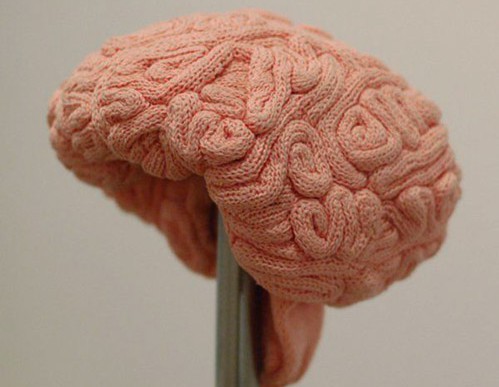
Yes it’s a brain hat, and yes I do want one!!
The brain is complex, heck if it wasn’t then we wouldn’t be smart enough to figure out how it works. I guess it’s one of those stupid catch-22 type things. Still, little is known about how the brain forms connections and the process that is behind all that. Thankfully new research provides an important glimpse into the processes that establish connections between nerve cells in the brain. These connections [also known as synapses] allow nerve cells to transmit and process information involved in thinking and moving the body. Sounds simple enough, but the formation is quite complex.
The Brain, Down Syndrome, and Antibiotics
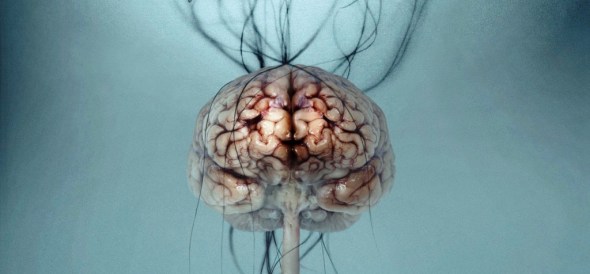
At first glance the title might sound a little weird. But if that is the case then you probably want to read this. Researchers have identified a group of cells in the brain that they say plays an important role in the abnormal neuron development in Down syndrome. After developing a new model for studying the syndrome using patient-derived stem cells [over other models]. As the title alluded to, the scientists also found that applying an inexpensive antibiotic to the cells appears to correct many abnormalities in the interaction between the cells and developing neurons.
A New way to Fight HIV, Using your Genome!
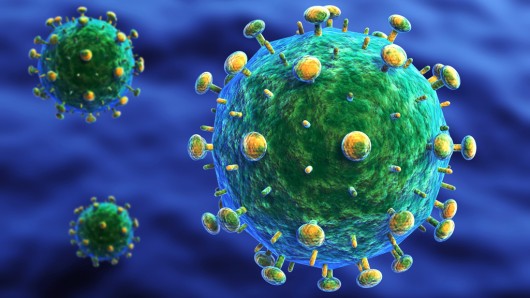
Outsmarting something as “simple” as a virus doesn’t seem like much of a challenge. If only you could set it down to take the SAT’s or something. Unfortunately, in the body fighting HIV is more like guerrilla warfare, you take the big losses for a small win. This is no way to wage a war, but HIV is smart. It mutates and sidesteps anything we’ve been able to throw at it. We don’t have a cure, or a vaccine, but we do have scientists trying. However, new research has made a crucial jump to throwing a curveball at HIV and with it, a possible cure.
The Mediterranean Diet and Cognitive Decline


The Mediterranean diet, it may have broad health benefits [let’s face it we can’t seem to escape the push for it here in the US], but a new study suggests that it doesn’t impart the same health benefits for everyone. In fact, new research shows that its impact on cognitive decline differs among race-specific populations.
Schizophrenia and Autism: A New Connection
 Autism and Schizophrenia, at first glance there probably isn’t a whole lot in common other than they are disorders that fall in that lovely book the DCM-5. The brain is a complex thing, so I guess it shouldn’t be a surprise that certain forms of Autism and Schizophrenia [don’t ask me why I capitalize them, I don’t know] share a link in what at first glance seems to be an unlikely culprit.
Change your Genes with Stem Cells!
So researchers for the first time were evaluating the safety and reliability of the existing targeted gene correction technologies and in the process they successfully developed a new method of gene editing, TALEN-HDAdV [which I will explain later]. This new breakthrough could significantly increased gene-correction efficiency in human induced pluripotent stem cell [hiPSC]. You would have to guess that this is probably the science equivalent of finding a new function on your smartphone, while trying to work your microwave.
Don’t Listen to the Voices: Understanding Consciousness

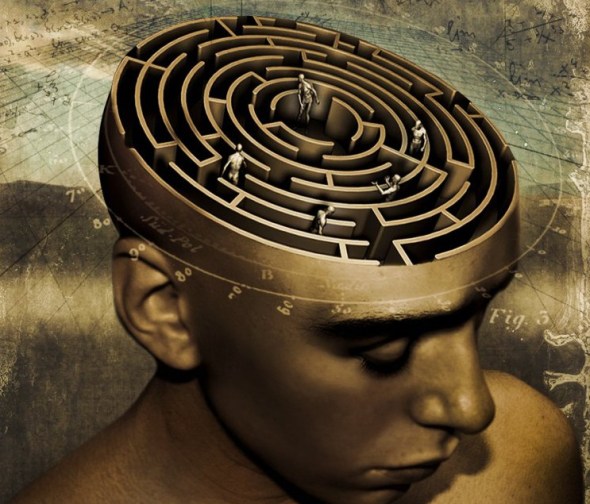
There is a voice in my head. Don’t worry it’s mine… I think [a story for another time I’m sure], but why is my voice inside my head? What causes me to hear myself while I type these very words, or even better you to hear them in your voice as you read them? Consciousness is a complex and very confusing thing. I think therefore I am? Science has had trouble cracking that nut and philosophy just won’t cut it in the realm of neuroscience.

New tool helps Doctors treat Menopause


With the SCOTUS ruling for the Hobby Lobby case [if you have no idea what I am talking about you can read about that anywhere on the net, like here] it may seem like everyone is fighting the war against women’s care at full speed. Thankfully that isn’t the case everywhere, there are still people out there who are trying to make a difference. Introducing the world’s first toolkit is designed for GPs to use with women from the age of 40 to help them decide the best care for dealing with menopause. Thought to be the first of its kind, researchers say the toolkit has the potential to help manage menopausal conditions for women globally.
Finally! A Definite Cause of Autism: Hint it isn’t Vaccines

Autism, not caused by vaccines. In fact I’ve written several posts on the genetic clues to autism, now a new study offers more proof that it is purely genetic [at least in some cases]. This is huge because this is the first actual clear cut cause for certain types of Autism [or more accurately certain types of disorders falling under the Autistic spectrum]. It was a collaboration involving 13 institutions around the world — no easy feat either– and now researchers have broken new ground in understanding what causes autism.
“We finally got a clear cut case of an autism specific gene,” said Raphael Bernier, the lead author, and UW associate professor in the Department of Psychiatry and Behavioral Sciences and the clinical director of the Autism Center at Seattle Children’s.
Noninvasive Brain Control via Jaws!


Mind control, we’ve seen several semi [see very] invasive ways to make it happen here from the Labs. Now those crazy scientists from MIT have developed a technique that allows researchers to enable neurons to be silenced noninvasively, using a light source outside the skull. All using a protein known as Jaws.
Optogenetics [a technology that allows scientists to control brain activity by shining light on neurons] uses light-sensitive proteins that can suppress or stimulate electrical signals within cells. This technique is very invasive though because it requires a light source to be implanted in the brain, where it can reach the cells to be controlled.
Haters gonna… hate?


Haters gonna hate, unless you’ve been hiding under a rock since the internet has been born you’ve probably heard this phrase. Well now there is a new study that shows all that time spent hating, might mean less work doing.
The study, published in the journal Social Psychology might sound like more of a joke than actual science, but it is, in fact very real. Previous research done by the team have already shown that haters [and likers] are predisposed to be that way. Assuming that our disposition motivates behavior, the team suggested that people who like many things (those with positive dispositional attitudes) also do many things during the course of a week, while people who dislike many things (those with low dispositional attitudes) do very few things with their time.
New and Exciting discoveries about Autism

Vaccines don’t cause autism. One more time, all together now, vaccines do not cause autism. Thankfully science understands that and is moving in on the actual cause for it. A combination of new studies not only shows a link between a particular gene and autistic disabilities [since it’s an autistic spectrum], but the second study offers a potential new pathway for treatment of the disorders.
Autistic-like behaviors and decreased cognitive ability may be associated with the disruption of a particular gene, in this case the APC gene [Adenomatous Polyposis Coli]. The connection was made when Tufts researchers deleted the gene from select neurons in the developing mouse brain. The mice developed all the autistic characteristics, such as reduced social behavior, increased repetitive behavior, and impaired learning and memory formation. This study is the first to look at how the loss of APC from nerve cells in the forebrain affects brain development, learning, and behavior.
Quantum Conundrum, Puzzling People, and Survey Statistics

Order matters, we all know this when it comes to math, but did you know the order of questions asked can affect how you answer them? It’s true and it isn’t new news, the question-order effect is why survey organizations normally change the order of questions between different respondents, hoping to cancel out this bias. But that isn’t the interesting part, not by a long shot.
It turns out that quantum theory is a much better predictor of the survey results than conventional methods of predictions.
Lab Made Flu Coming to a Outbreak Near You!
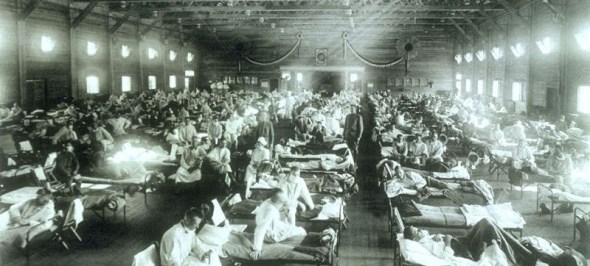
Spanish Flu outbreak of 1918
Forgive the alarmist title, I had to do it. Researchers have created a genetically engineered version of the flu, similar to the spanish flu that killed roughly 50 million people in 1918. Don’t worry, it’s not as bad as it sounds, that is until someone sneezes and drops the vial… but what are the odds that would… umm… happen.
Truthfully there is already a war coming. If anyone remembers the swine flu outbreak a few years back, you know what I am talking about — for those of you who had it, including yours truly, you know how horrible it can be. Swine flu or H1N1 was a supercharged flu that was 95% or so genetically different from the flu we have typically seen. This lead to all sorts of fun and horrid complications from the outbreak due to the fact it was something the body had never really seen before.
[Creepy] Plasmids and Antibiotic Resistance
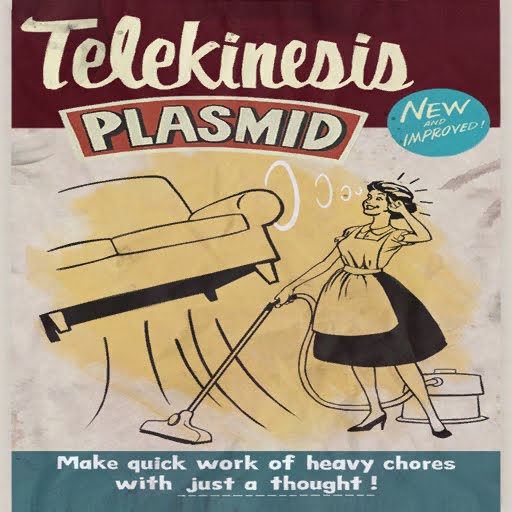
If the title didn’t give it away, plasmids are creepy. For those of you who are confused by that statement let’s cover what a plasmid is exactly. Plasmids are very short circular pieces of DNA that are like little virus’. What makes the little buggers creepy is that they aren’t technically living, but possess all the qualities that would make you think otherwise.
New Genetic Clues to Autism

There is a long, controversial life to autism. Autism comes from the greek autos, meaning self. The term describes conditions which a person is removed from interaction — hence, an isolated self.
It was first described by a guy named Eugen Bleuler, a swiss psychologist who noticed the symptoms in a schizophrenic patient. Technically Autism is a particular diagnosis in the Autistic Spectrum which includes things like Asperger syndrome, there is even something called savant syndrome in which children display amazing abilities in a particular field [typically math or music] with no real training.
Will genetically engineer bacteria for Biofuel

This is pretty much how biofuel technology is being funded right now…
Utter the word biofuel in the wrong circles and someone is likely to be stabbed. Let’s just say that the topic can be polarizing, but for good reason. Biofuel offers a [potentially] carbon neutral and sustainable way to wean ourselves off our oil addiction. At the same time, the hurdles in the cost of production coupled with the technological problems have all but stalled the biofuel fantasy [can you see why someone may get stabbed yet?].
Well there is good news, while we are waiting for our solar roadways and other [much better] alternatives to just a carbon neutral solution, we can at the very least, move away from oil. This all thanks to a new breakthrough that will allow a carbon neutral biofuel to be produced cheaply.


 Lunatic Laboratories