
A way to track and stop human and agricultural viruses
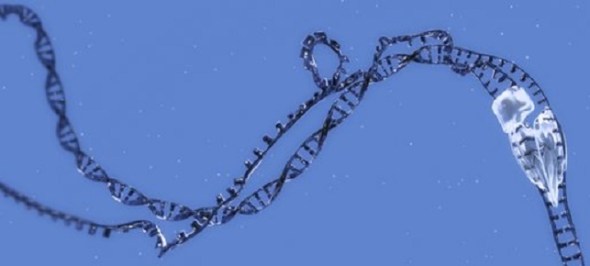
Viruses are molecular thieves that take from their hosts under the cloak of darkness. But now a Virginia Tech scientist has found a way to not only track viral hijackers, but also potentially stop them from replicating. The discovery has broad ranging applications in stopping viral outbreaks such as Hepatitis C in humans and a number of viruses in plants and animals because it applies to many viruses in the largest category of viral classes — positive-strand RNA viruses.
The potential pathway between insomnia and depression


Have you ever had to deal with bouts of insomnia make you feel depressed? Well the good news is you’re not alone, in fact the two may be linked. A new study of firefighters suggests that insomnia and nightmares may increase the risk of depression by impairing the ability to access and leverage emotion regulation strategies effectively.
Researchers highlight brain region as ‘ground zero’ of Alzheimer’s disease


A critical but vulnerable region in the brain appears to be the first place affected by late onset Alzheimer’s disease and may be more important for maintaining cognitive function in later life than previously appreciated, according to a new review of the scientific literature.
Scientists prove feasibility of ‘printing’ replacement tissue
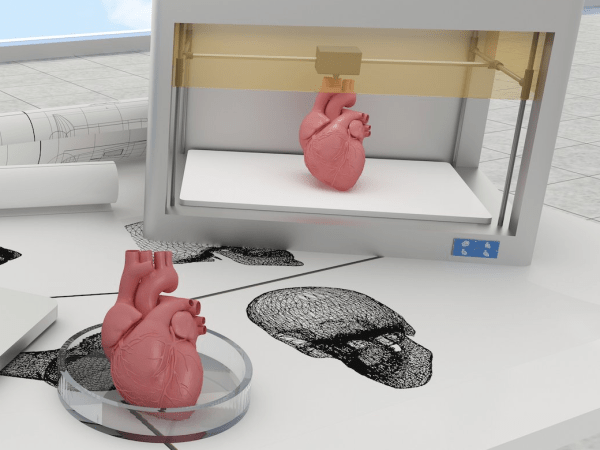
Using a sophisticated, custom-designed 3D printer, regenerative medicine scientists at Wake Forest Baptist Medical Center have proved that it is feasible to print living tissue structures to replace injured or diseased tissue in patients. Scientists said they printed ear, bone and muscle structures. When implanted in animals, the structures matured into functional tissue and developed a system of blood vessels.
‘Jaws’ may help humans grow new teeth, shark study suggests


A new insight into how sharks regenerate their teeth, which may pave the way for the development of therapies to help humans with tooth loss, has been discovered by scientists. The study has identified a network of genes that enables sharks to develop and regenerate their teeth throughout their lifetime. The genes also allow sharks to replace rows of their teeth using a conveyer belt-like system.
Stem cell gene therapy could be key to treating Duchenne muscular dystrophy
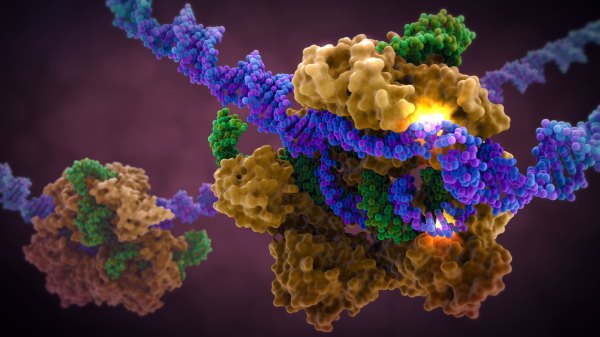
Scientists at the UCLA Eli and Edythe Broad Center of Regenerative Medicine and Stem Cell Research and Center for Duchenne Muscular Dystrophy at UCLA have developed a new approach that could eventually be used to treat Duchenne muscular dystrophy. The stem cell gene therapy could be applicable for 60 percent of people with Duchenne, which affects approximately 1 in 5,000 boys in the U.S. and is the most common fatal childhood genetic disease.
Synthetic biology breakthrough creates biosensors on demand

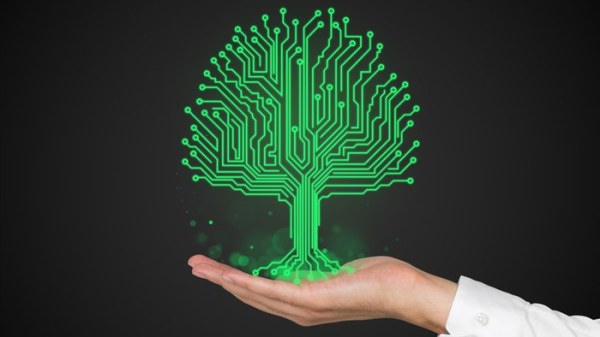
Biosensors are powerful tools in synthetic biology for engineering metabolic pathways or controlling synthetic and native genetic circuits in bacteria. Scientists have had difficulty developing a method to engineer “designer” biosensor proteins that can precisely sense and report the presence of specific molecules, which has so far limited the number and variety of biosensor designs able to precisely regulate cell metabolism, cell biology, and synthetic gene circuits.
Starting age of marijuana use may have long-term effects on brain development
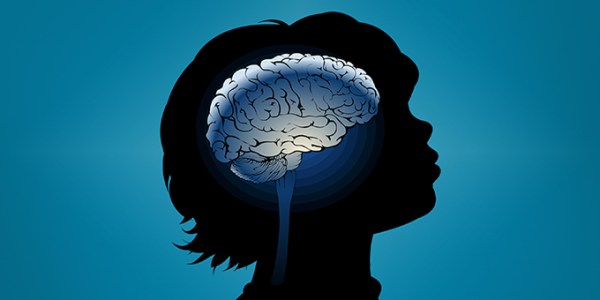
The age at which an adolescent begins using marijuana may affect typical brain development, according to researchers at the Center for BrainHealth at The University of Texas at Dallas. In a paper recently published, scientists describe how marijuana use, and the age at which use is initiated, may adversely alter brain structures that underlie higher order thinking.
Brain power: Wirelessly supplying power to the brain
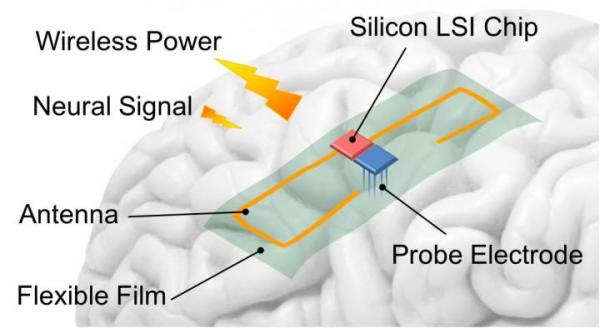
A picture of a proposed architecture of the implantable device composed of flexible antenna and CMOS circuits for wireless-powered neural interface systems.
Image credit goes to: Toyohashi University of Technology
Human and animal movements generate slight neural signals from their brain cells. These signals obtained using a neural interface are essential for realizing brain-machine interfaces (BMI). Such neural recording systems using wires to connect the implanted device to an external device can cause infections through the opening in the skull. One method of solving this issue is to develop a wireless neural interface that is fully implantable on the brain.
The molecular link between psychiatric disorders and type 2 diabetes


There may be a genetic connection between some mental health disorders and type 2 diabetes. In a new report, scientists show that a gene called “DISC1,” which is believed to play a role in mental health disorders, such as schizophrenia, bipolar disorder and some forms of depression, influences the function of pancreatic beta cells which produce insulin to maintain normal blood glucose levels.
Brain plasticity assorted into functional networks
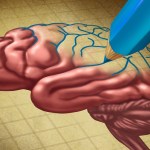
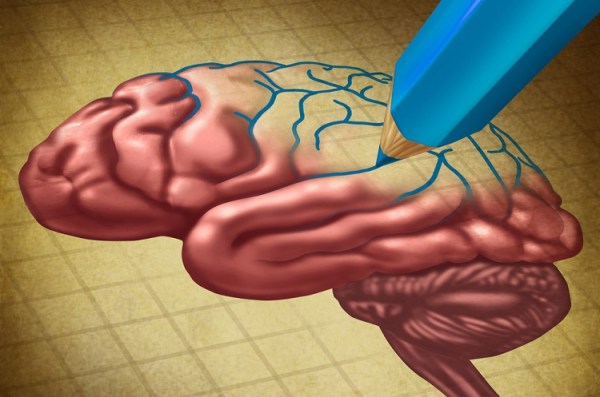
Plasticity of the brain, what does that even mean? Well the good news is that it isn’t just a marketing ploy, the brain needs to be “plastic” because we need to be able to adapt. Frankly speaking, the brain still has a lot to learn about itself. Scientists at the Virginia Tech Carilion Research Institute have made a key finding of the striking differences in how the brain’s cells can change through experience.
Investigating potential fetal exposure to antidepressants


Depression is a serious issue for expecting mothers. Left untreated, depression could have implications for a fetus’s health. But treating the disease during pregnancy may carry health risks for the developing fetus, which makes an expecting mother’s decision whether to take medication a very difficult one. To better understand how antidepressants affect fetuses during pregnancy, scientists studied exposure in mice.
Depressed or inflamed? Inflammation attacks brain’s reward center


Inflammation is a good thing, it helps the body fight disease, and without it we wouldn’t survive. Unfortunately, when inflammation isn’t kept under control it can wreak havoc on the body. From potentially causing alzheimer’s to arthritis it seems that unchecked inflammation can cause all sorts of issues. In fact, a new study adds to the list of issues out of control inflammation causes in the body.
Blood pressure medicine may improve conversational skills of individuals with autism


An estimated 1 in 68 children in the United States has autism. The neurodevelopmental disorder, which impairs communication and social interaction skills, can be treated with medications and behavioral therapies, though there is no cure. Now, University of Missouri researchers have found that a medication commonly used to treat high blood pressure and irregular heartbeats may have the potential to improve some social functions of individuals with autism.
The brains of patients with schizophrenia vary depending on the type of schizophrenia

I have a friend who lost an eye to his brother. Yes, you read that correctly, his brother tried to kill him and in the process he lost his eye. I’ve told this story before, but whenever new schizophrenia research comes out I feel the need to tell it again. While he has forgiven his brother (partly because not long after, he was diagnosed as schizophrenic), he will not be able to see him again until he is released from prison. A tragedy that could’ve been avoided had he been diagnosed sooner. Sadly now that he is treated, most days, you wouldn’t know he’s schizophrenic.
Neurological adaptations to the presence of toxic HIV protein
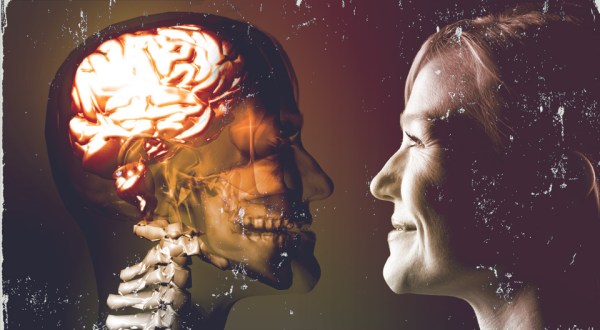
Nearly half of HIV infected patients suffer from impaired neurocognitive function. The HIV protein transactivator of transcription (Tat) is an important contributor to HIV neuropathogenesis because it is a potent neurotoxin that continues to be produced despite treatment with antiretroviral therapy.
How to unlock inaccessible genes
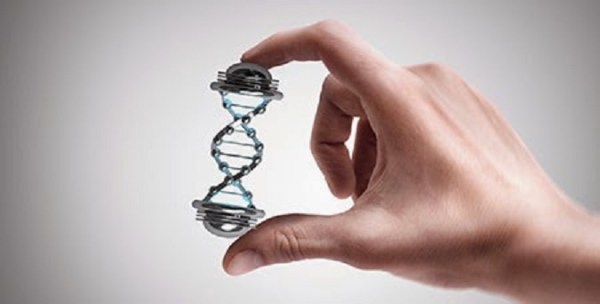
An international team of biologists has discovered how specialized enzymes remodel the extremely condensed genetic material in the nucleus of cells in order to control which genes can be used. It was known that the DNA in cells is wrapped around proteins in structures called nucleosomes that resemble beads on a string, which allow the genetic material to be folded and compacted into a structure called chromatin.
It’s complicated: Benefits and toxicity of anti-prion antibodies in the brain
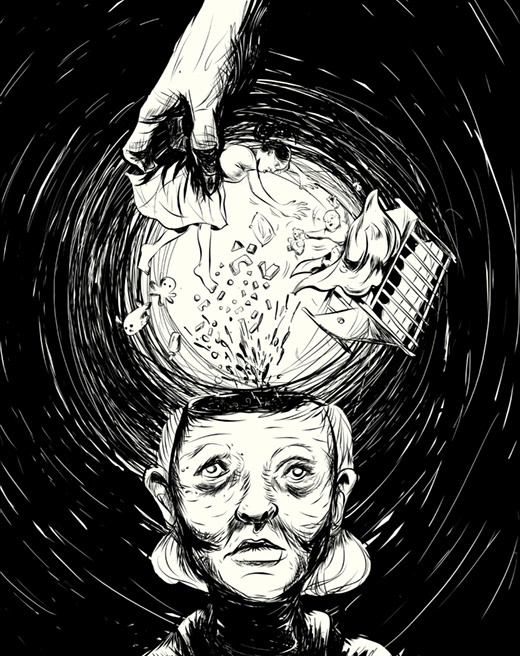
Immunotherapy to ameliorate neurodegeneration by targeting brain protein aggregates with antibodies is an area of intense investigation. A new study examines seemingly contradictory earlier results of targeting the prion protein and proposes a cautionary way forward to further test related therapeutic approaches.
The music of the mind: throwing light on human consciousness

UNSW Australia scientists have shown that complex human brain activity is governed by the same simple universal rule of nature that can explain other phenomena such as the beautiful sound of a finely crafted violin or the spots on a leopard. The UNSW team has identified a link between the distinctive patterns of brain function that occur at rest and the physical structure of people’s brains.
Why you should never use the term ‘the mentally ill’


Yes, it’s real… you can find more information here
Image credit goes to: Jenn Ackerman
Even subtle differences in how you refer to people with mental illness can affect levels of tolerance, a new study has found. In a first-of-its-kind study, researchers found that participants showed less tolerance toward people who were referred to as “the mentally ill” when compared to those referred to as “people with mental illness.”
Scientists shed new light on workings of genetic regulation

A team of scientists has uncovered greater intricacy in protein signaling than was previously understood, shedding new light on the nature of genetic production.
60 genetic disorders affect skin and nervous system
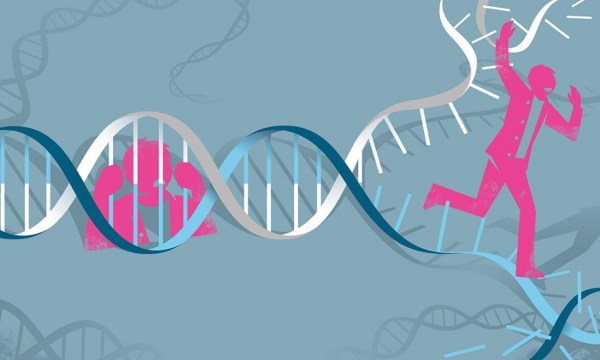
One of the most common genetic disorders is a condition called neurofibromatosis, which causes brown spots on the skin and benign tumors on the brain, spinal cord and other parts of the nervous system. Neurofibromatosis is one of at least 60 genetic diseases called neurocutaneous disorders that involve the skin, central nervous system, and/or peripheral nervous system.
When the music stops: Intensive instrument playing can lead to movement disorders


A musician takes up his/her violin and starts to play, but rather than gripping the strings, the fingers seize up–and this happens every time he/she takes up the instrument. Such a movement disorder–the so-called focal dystonia— is a dramatic disease for those affected, which has thus far barely been studied.
Neurons in your gut help the immune system keep inflammation in check

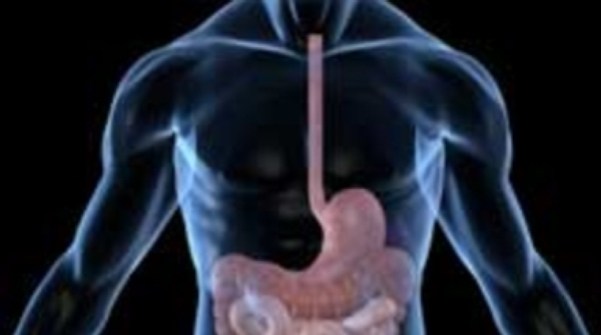
The immune system exercises constant vigilance to protect the body from external threats–including what we eat and drink. A careful balancing act plays out as digested food travels through the intestine. Immune cells must remain alert to protect against harmful pathogens like Salmonella, but their activity also needs to be tempered since an overreaction can lead to too much inflammation and permanent tissue damage.
Anxious? Chronic stress and anxiety can damage the brain


Yeah, let me just get over that anxiety since it’s a choice…
A scientific review paper warns that people need to find ways to reduce chronic stress and anxiety in their lives or they may be at increased risk for developing depression and even dementia. Led by the Rotman Research Institute at Baycrest Health Sciences, the review examined brain areas impacted by chronic anxiety, fear and stress in animal and human studies that are already published.
Overwhelmed and depressed? Well, there may be a connection


Ever feel overwhelmed when you are depressed, well the good news is it isn’t just you, the bad news is it’s probably your brain. Regions of the brain that normally work together to process emotion become decoupled in people who experience multiple episodes of depression, neuroscientists report. The findings may help identify which patients will benefit from long term antidepressant treatment to prevent the recurrence of depressive episodes.
Thwarting abnormal neural development with a new mutation


*Cue music* You can tell by the way I walk, I’m a motor protein, no time to talk…
Researchers at the RIKEN Brain Science Institute in Japan have discovered how to reverse the abnormal axonal development characteristic of CFEOM3, a congenital disease that affects the muscles that control eye movements. The work shows how creating a specific mutation rescued abnormal axonal growth in the developing mouse brain.
Nanodevice, build thyself
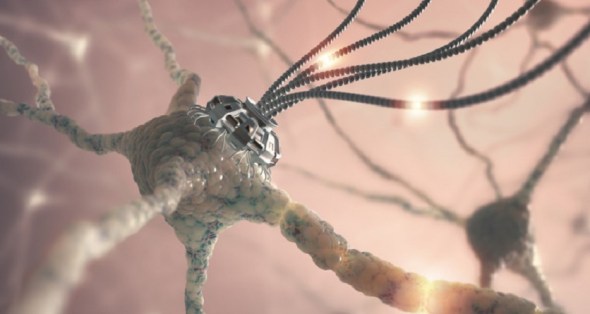
As we continue to shrink electronic components, top-down manufacturing methods begin to approach a physical limit at the nanoscale. Rather than continue to chip away at this limit, one solution of interest involves using the bottom-up self-assembly of molecular building blocks to build nanoscale devices.
Pay attention! Attention neuron type identified


Researchers have identified for the first time a cell type in the brain of mice that is integral to attention. Moreover, by manipulating the activity of this cell type, the scientists were able to enhance attention in mice. The results add to the understanding of how the brain’s frontal lobes work and control behaviour.
Improving your toddler’s memory skills has long-term benefits


If your toddler is a Forgetful Jones, you might want to help boost his or her brainpower sooner rather than later. New research shows that preschoolers who score lower on a memory task are likely to score higher on a dropout risk scale at the age of 12.
Put the cellphone away! Fragmented baby care can affect brain development


Mothers, put down your smartphones when caring for your babies! That’s the message from University of California, Irvine researchers, who have found that fragmented and chaotic maternal care can disrupt proper brain development, which can lead to emotional disorders later in life.
Feeling sick? It’s evolution’s way of telling you to stay home


When you have a fever, your nose is stuffed and your headache is spreading to your toes, your body is telling you to stay home in bed. Feeling sick is an evolutionary adaptation according to a hypothesis put forward by Prof. Guy Shakhar of the Weizmann Institute’s Immunology Department and Dr. Keren Shakhar of the Psychology Department of the College of Management Academic Studies.
Stem cells regulate their own proliferation and their microenvironment


A study by researchers at the Centro Nacional de Investigaciones Cardiovasculares Carlos III (CNIC) has identified a new mechanism through which hematopoietic stem cells (HSCs) control both their own proliferation and the characteristics of the niche that houses them. This control is exercised by the protein E-Selectin Ligand-1 (ESL-1).
Schizophrenia linked to loss of cells in the brain’s memory center


Art by the one and only Lora Zombie
Scientists at Columbia University’s Mortimer B. Zuckerman Mind Brain Behavior Institute, Columbia University Medical Center (CUMC), and the Université Paris Descartes have found that deficits in social memory–a crucial yet poorly understood feature of psychiatric disorders such as schizophrenia–may be due to a decrease in the number of a particular class of brain cells, called inhibitory neurons, in a little-explored region within the brain’s memory center.
New genes born by accident lead to evolutionary innovation
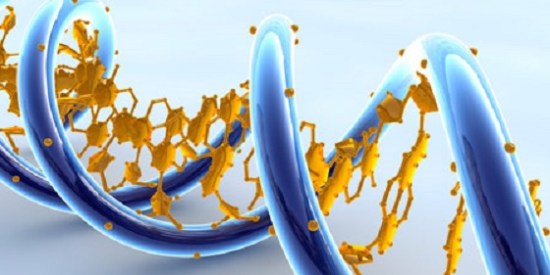
Novel genes are continuously emerging during evolution, but what drives this process? A new study has found that the fortuitous appearance of certain combinations of elements in the genome can lead to the generation of new genes.
Gene-editing technique stops progression of Duchenne muscular dystrophy
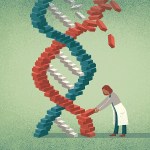

Using a new gene-editing technique, a team of scientists from UT Southwestern Medical Center stopped progression of Duchenne muscular dystrophy (DMD) in young mice. If efficiently and safely scaled up in DMD patients, this technique could lead to one of the first successful genome editing-based treatments for this fatal disease, researchers said.
A faster way to evaluate synthetic metabolic pathways


A central challenge in the field of metabolic engineering is the efficient identification of a metabolic pathway genotype that maximizes specific productivity over a robust range of process conditions. A review from researchers at Michigan State University in East Lansing, MI covers the challenges of optimizing specific productivity of metabolic pathways in cells and new advances in pathway creation and screening.
3-D footage of nematode brains links neurons with motion and behavior
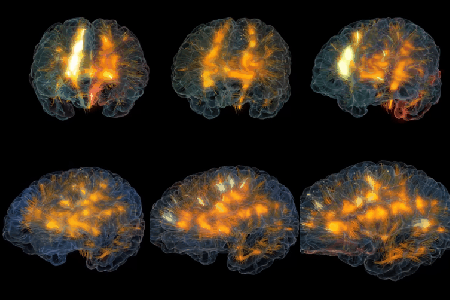
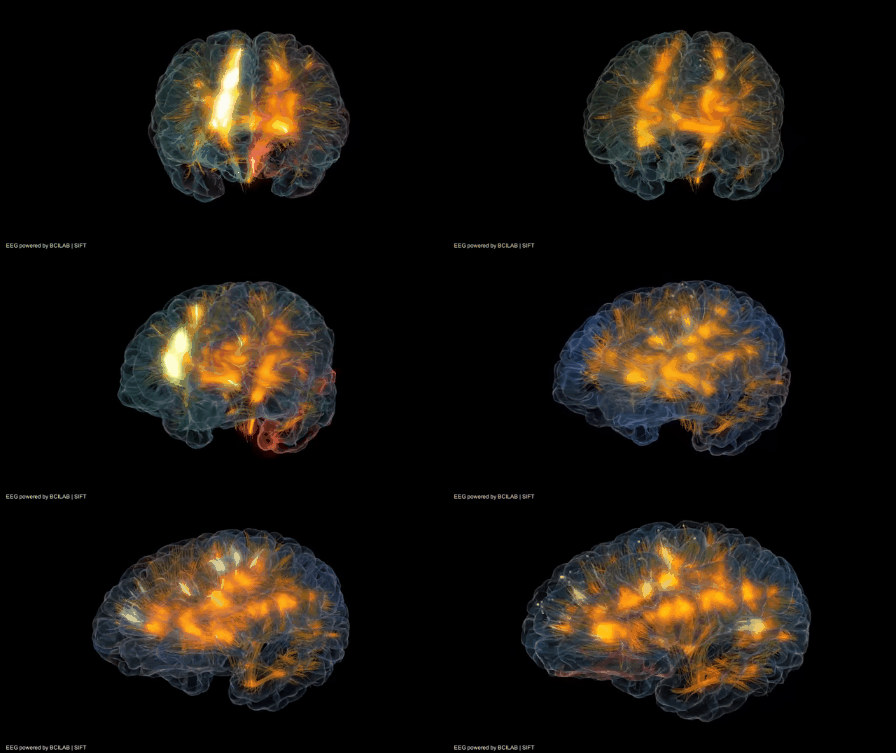
Animation from glass brain. Yea it isn’t what this post is about exactly, but it is still cool
Princeton University researchers have captured among the first recordings of neural activity in nearly the entire brain of a free-moving animal. The three-dimensional recordings could provide scientists with a better understanding of how neurons coordinate action and perception in animals. The researchers reported a technique that allowed them to record 3-D footage of neural activity in the nematode Caenorhabditis elegans, a worm species 1 millimeter long with a nervous system containing a mere 302 neurons.
Being anxious could be good for you! If you’re in a crisis…


Well maybe not that anxious…
New findings by French researchers show that the brain devotes more processing resources to social situations that signal threat than those that are benign. The results may help explain the apparent “sixth sense” we have for danger. This is the first time that specific regions of the brain have been identified to be involved in the phenomenon. The human brain is able to detect social threats in these regions in a fast, automatic fashion, within just 200 milliseconds.
Want to keep your new year’s resolution? Ask, don’t tell.

Results may vary…
“Will you exercise this year?” That simple question can be a game-changing technique for people who want to influence their own or others’ behavior, according to a recent study spanning 40 years of research. The research is the first comprehensive look at more than 100 studies examining the ‘question-behavior effect,’ a phenomenon in which asking people about performing a certain behavior influences whether they do it in the future. The effect has been shown to last more than six months after questioning.
The development of the cerebellar circuitry is driven by epigenetic “music”

From before birth through childhood, connections form between neurons in the brain, ultimately making us who we are. So far, scientists have gained a relatively good understanding of how neural circuits become established, but they know less about the genetic control at play during this crucial developmental process. Now, a team of researchers has described for the first time the so-called epigenetic mechanisms underlying the development of the cerebellum, the portion of the brain that allows us to learn and execute complex movements.
Have a sweet tooth? It may be your livers fault


Psh, what did the liver ever do for you?
We all love our sugar, especially during the holidays. Cookies, cake, and candy are simply irresistible. While sugar cravings are common, the physiological mechanisms that trigger our “sweet tooth” are not well defined.
Lack of serotonin alters development and function in the brain
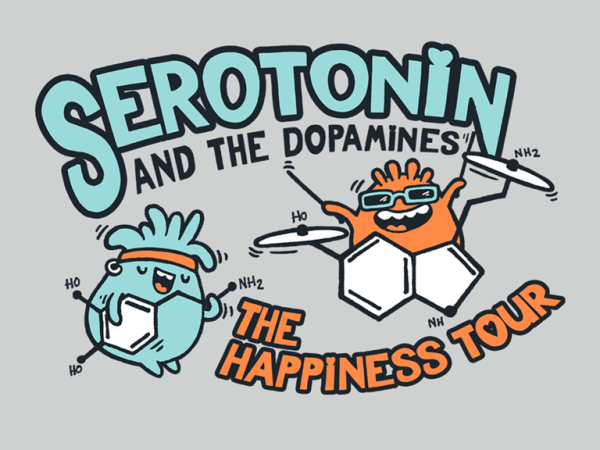
Come on get happy!
Researchers at Case Western Reserve University School of Medicine have created the first complete model to describe the role that serotonin plays in brain development and structure. Serotonin, also called 5-hydroxytryptamine [5-HT], is an important neuromodulator of brain development and the structure and function of neuronal (nerve cell) circuits.
Intelligence, it’s in your genes… and we can change that.


Ever feel like everyone around you has their brain running much faster than your own? Well, the good news is that it may not be you, it may be your genes. The other good news, we might be able to change that. Scientists from Imperial College London have identified for the first time two clusters of genes linked to human intelligence. Called M1 and M3, these so-called gene networks appear to influence cognitive function – which includes memory, attention, processing speed and reasoning.
You too can increase your risk for dementia by up to 48% with, anxiety!


People who experienced high anxiety any time in their lives had a 48 percent higher risk of developing dementia compared to those who had not, according to a new study led by USC researchers. The findings were based on an examination of 28 years of data from the Swedish Adoption Twin Study of Aging, overseen by the Karolinska Institutet of Sweden.
Depression is more than a “mental health” problem and we can now measure its risk


These feels drawn by the one, the only, and the oatmeal, or is it just one of those?
A network of interacting brain regions known as the default mode network (DMN) was found to have stronger connections in adults and children with a high risk of depression compared to those with a low risk. These findings suggest that increased DMN connectivity is a potential precursor, or biomarker, indicating a risk of developing major depressive disorder (MDD).
Scientists manipulate consciousness in rats
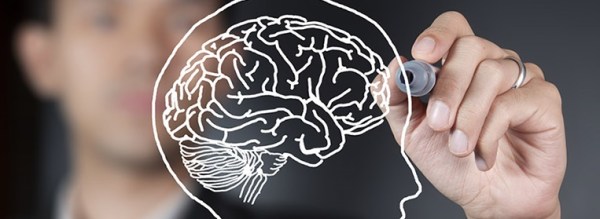
Scientists showed that they could alter brain activity of rats and either wake them up or put them in an unconscious state by changing the firing rates of neurons in the central thalamus, a region known to regulate arousal. The study was partially funded by the National Institutes of Health.
Emotion processing in the brain changes with tinnitus severity

Tinnitus, otherwise known as ringing in the ears, affects nearly one-third of adults over age 65. The condition can develop as part of age-related hearing loss or from a traumatic injury. In either case, the resulting persistent noise causes varying amounts of disruption to everyday life. While some tinnitus patients adapt to the condition, many others are forced to limit daily activities as a direct result of their symptoms. A new study reveals that people who are less bothered by their tinnitus use different brain regions when processing emotional information.
The world’s smallest terrorist: Virus hijacks protein machine and then kills the host

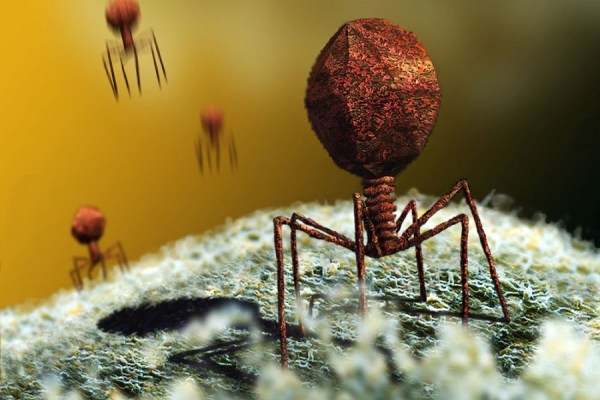
Bacteriophages are viruses that infect and kill bacteria. The name originates from the Greek ‘phagos’ which means ‘to devour’. Bacteriophages were discovered 100 years ago because of their ability to replicate in a pathogenic bacterium, kill it and thereby cure the patient. As a small spaceship landing on the moon, the microscopic particles land on the surface of the bacteria where they inject their deadly genetic material.
Discovery puts designer dopamine neurons within reach
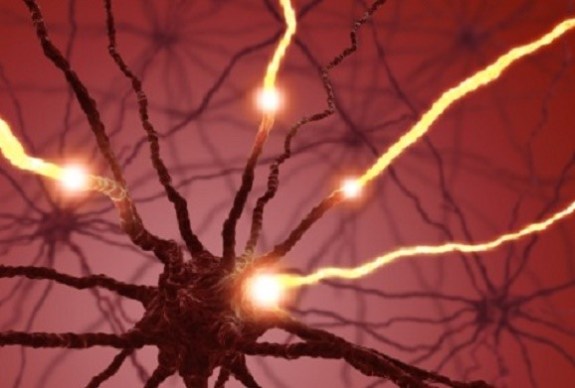
For decades, the elusive holy grail in Parkinson’s disease research has been finding a way to repair faulty dopamine neurons and put them back into patients, where they will start producing dopamine again. Researchers have used fetal material, which is difficult to obtain and of variable quality. Embryonic stem cells represented a tremendous innovation, but making dopamine neurons from stem cells is a long process with a low yield.


 Lunatic Laboratories