
Want a younger brain? Stay in school — and take the stairs


Taking the stairs is normally associated with keeping your body strong and healthy. But new research shows that it improves your brain’s health too — and that education also has a positive effect. Researchers found that the more flights of stairs a person climbs, and the more years of school a person completes, the “younger” their brain physically appears.
Brain connectivity reveals your hidden motivations
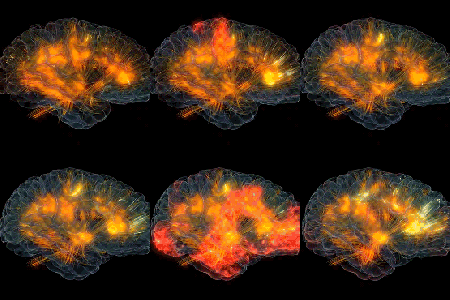
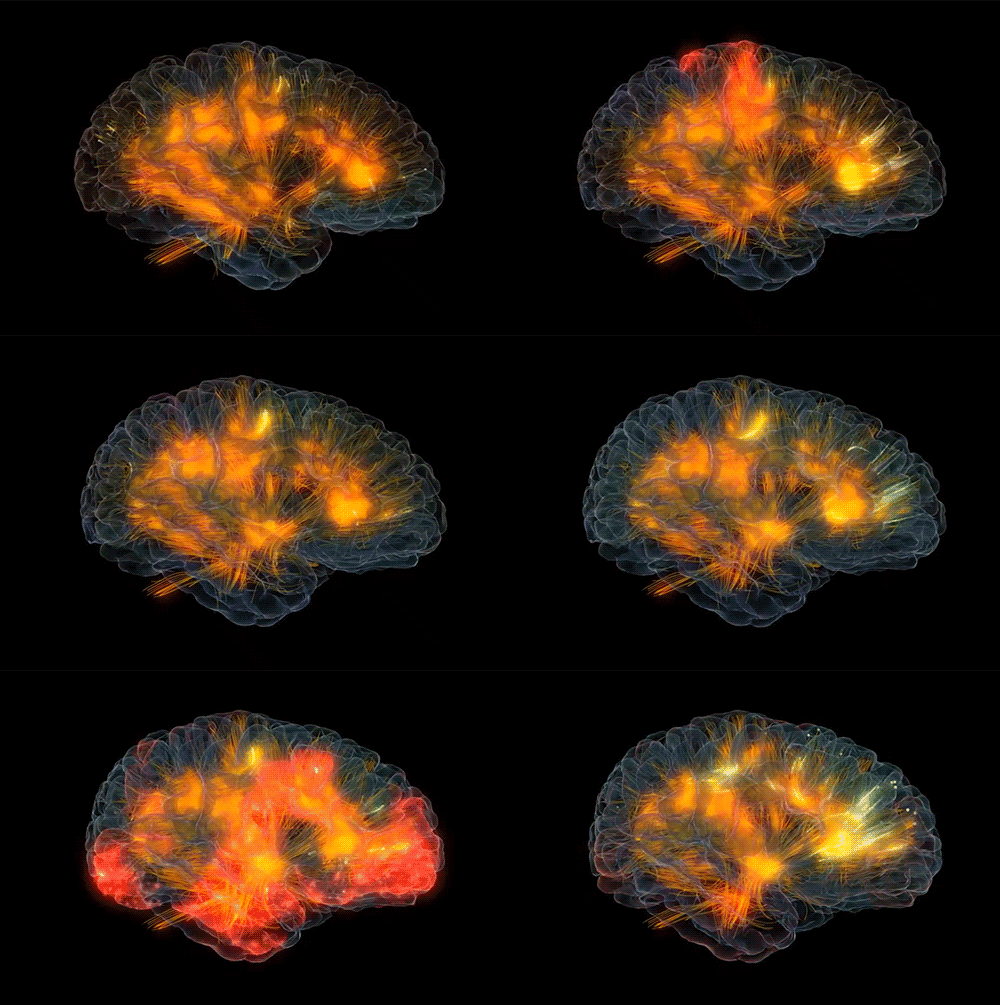
Animation from Glass Brain
To understand human behaviors, it is crucial to understand the motives behind them. So far, there was no direct way to identify motives. Simply observing behavior or eliciting explanations from individuals for their actions will not give reliable results as motives are considered to be private and people can be unwilling to unveil – or even be unaware of – their own motives.
Zika virus infects human neural stem cells, but…


The Zika virus infects a type of neural stem cell that gives rise to the brain’s cerebral cortex, Johns Hopkins and Florida State researchers have found. On laboratory dishes, these stem cells were found to be havens for viral reproduction, resulting in cell death and/or disruption of cell growth. While this study does not prove the direct link between Zika and microcephaly, it does pinpoint where the virus may be doing the most damage.
Your brain and the ‘neuronal big bang’
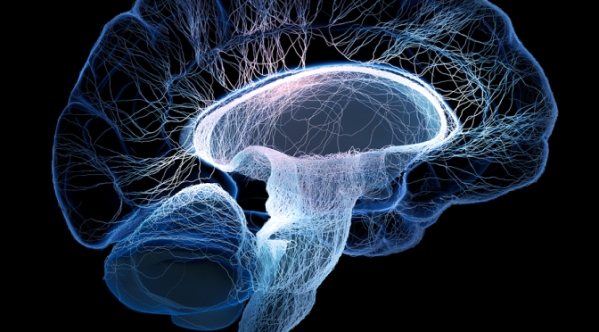
Our brain is home to different types of neurons, each with their own genetic signature that defines their function. These neurons are derived from progenitor cells, which are specialized stem cells that have the ability to divide to give rise to neurons. Neuroscientists have shed light on the mechanisms that allow progenitors to generate neurons.
Brain connectivity disruptions may explain cognitive deficits in people with brain injury
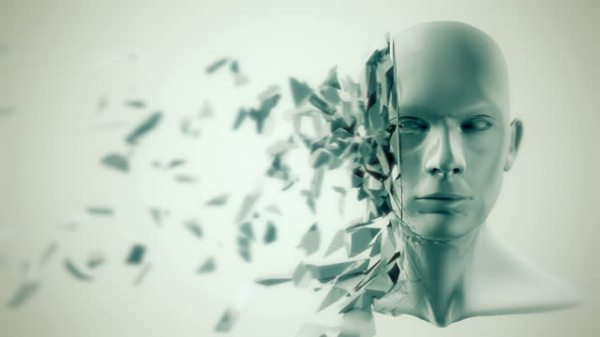
Cognitive impairment following a traumatic brain injury (TBI) is common, often adversely affecting quality of life for those 1.7 million Americans who experience a TBI each year. Researchers have identified complex brain connectivity patterns in individuals with chronic phases of traumatic brain injury which may explain long term higher order cognitive function deficits.
New targets for reducing nerve pain identified


There’s no pain like nerve pain. Whether it is because of a chronic illness or related to an injury, it may be obvious, but nerve pain hurts. That may change soon though, as a specific molecule involved in maintaining pain after a nerve injury has been identified and blocked in mice by researchers. These results reveal a promising therapeutic strategy for treating neuropathic pain.
Matrix Unloaded: How you can fly a plane using expert-pilot brainwave patterns
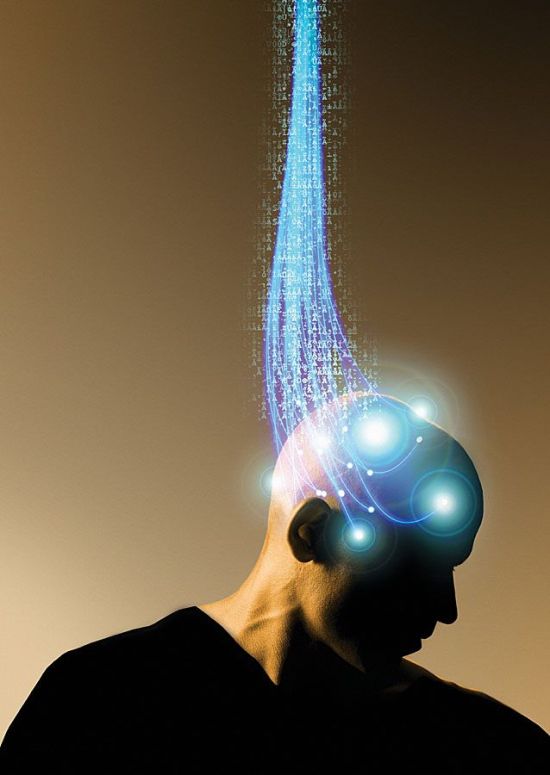
“I know kung fu,” movie buffs might remember the remember the quote from “The Matrix.” We can all probably agree that being able to download knowledge “on tap” would be a boon to humanity. It is a shame it is just a movie… right? While that may be the case, it is just for now. That is because researchers have discovered that low-current electrical brain stimulation can modulate the learning of complex real-world skills.
Technology and human biology: The singularity may not be so singular


Life literally inside the world wide web, it’s an interesting idea. One that has tantalized sci-fi fans since before the framework for the internet was even finished. While the idea of a seemingly eternal disembodied life through the unfiltered and raw computer consciousness that we all share a connection with, maybe we are shooting for a goal that isn’t really possible — maybe we are asking the wrong questions.
What makes the brain so fast?
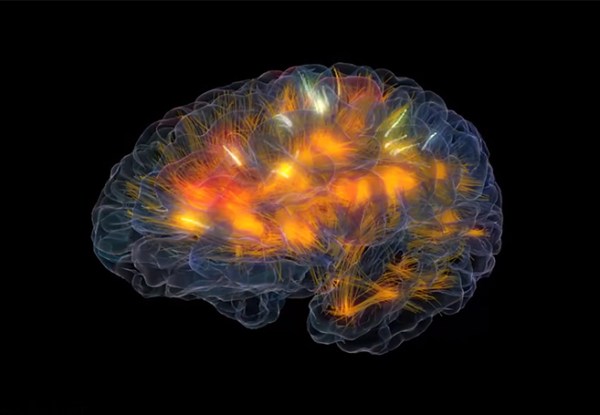
Surprisingly complex interactions between neurotransmitter receptors and other key proteins help explain the brain’s ability to process information with lightning speed, according to a new study. Scientists at McGill University, working with collaborators at the universities of Oxford and Liverpool, combined experimental techniques to examine fast-acting protein macromolecules, known as AMPA receptors, which are a major player in brain signaling.
Does your immune system play a larger role in Alzheimer’s disease than thought?


Immune cells that normally help us fight off bacterial and viral infections may play a far greater role in Alzheimer’s disease than originally thought, according to University of California, Irvine neurobiologists with the Sue & Bill Gross Stem Cell Research Center and the Institute for Memory Impairments and Neurological Disorders.
Does rape alter the female brain?

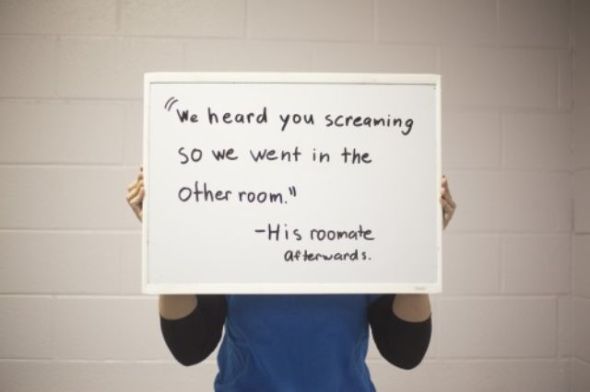
Maybe we should shame rapists instead of victims?
Image credit goes to: Project Unbreakable
Sexual assault, personally, I hate the phrase. It sounds much more tame than rape and I think we should call it like it is, rape. Sure that might make a person’s skin crawl just slightly — and that is frankly the point. Rape is ugly, it’s evil, it leaves an indelible mark on a person and unfortunately a new study shows that it may be worse. Researchers have discovered that prepubescent female rodents paired with sexually experienced males had elevated levels of stress hormones, could not learn as well, and expressed reduced maternal behaviors needed to care for offspring.
The potential pathway between insomnia and depression


Have you ever had to deal with bouts of insomnia make you feel depressed? Well the good news is you’re not alone, in fact the two may be linked. A new study of firefighters suggests that insomnia and nightmares may increase the risk of depression by impairing the ability to access and leverage emotion regulation strategies effectively.
Researchers highlight brain region as ‘ground zero’ of Alzheimer’s disease


A critical but vulnerable region in the brain appears to be the first place affected by late onset Alzheimer’s disease and may be more important for maintaining cognitive function in later life than previously appreciated, according to a new review of the scientific literature.
Scientists prove feasibility of ‘printing’ replacement tissue
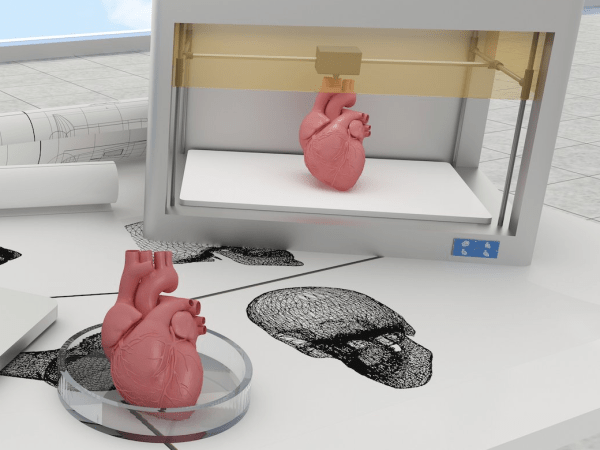
Using a sophisticated, custom-designed 3D printer, regenerative medicine scientists at Wake Forest Baptist Medical Center have proved that it is feasible to print living tissue structures to replace injured or diseased tissue in patients. Scientists said they printed ear, bone and muscle structures. When implanted in animals, the structures matured into functional tissue and developed a system of blood vessels.
All the lonely people: Pinpointing loneliness in the brain


Humans, like all social animals, have a fundamental need for contact with others. This deeply ingrained instinct helps us to survive; it’s much easier to find food, shelter, and other necessities with a group than alone. Deprived of human contact, most people become lonely and emotionally distressed.
Brain power: Wirelessly supplying power to the brain
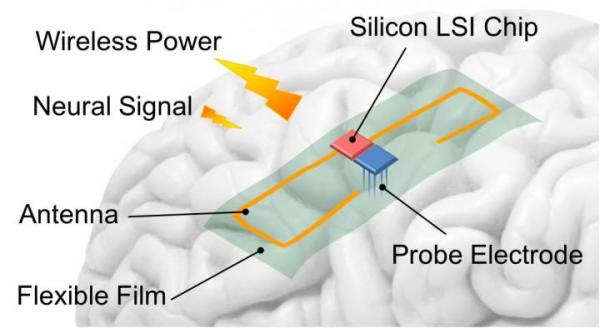
A picture of a proposed architecture of the implantable device composed of flexible antenna and CMOS circuits for wireless-powered neural interface systems.
Image credit goes to: Toyohashi University of Technology
Human and animal movements generate slight neural signals from their brain cells. These signals obtained using a neural interface are essential for realizing brain-machine interfaces (BMI). Such neural recording systems using wires to connect the implanted device to an external device can cause infections through the opening in the skull. One method of solving this issue is to develop a wireless neural interface that is fully implantable on the brain.
The molecular link between psychiatric disorders and type 2 diabetes


There may be a genetic connection between some mental health disorders and type 2 diabetes. In a new report, scientists show that a gene called “DISC1,” which is believed to play a role in mental health disorders, such as schizophrenia, bipolar disorder and some forms of depression, influences the function of pancreatic beta cells which produce insulin to maintain normal blood glucose levels.
Brain plasticity assorted into functional networks
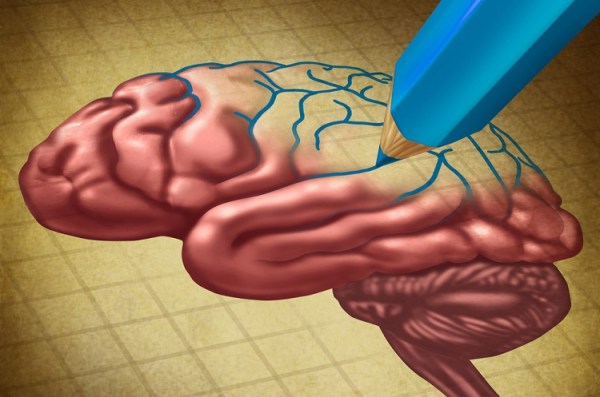
Plasticity of the brain, what does that even mean? Well the good news is that it isn’t just a marketing ploy, the brain needs to be “plastic” because we need to be able to adapt. Frankly speaking, the brain still has a lot to learn about itself. Scientists at the Virginia Tech Carilion Research Institute have made a key finding of the striking differences in how the brain’s cells can change through experience.
Taser shock disrupts brain function, has implications for police interrogations


More than two million citizens have been Tased by police as Taser stun guns have become one of the preferred less-lethal weapons by police departments across the United States during the past decade. But what does that 50,000-volt shock do to a person’s brain?
Investigating potential fetal exposure to antidepressants


Depression is a serious issue for expecting mothers. Left untreated, depression could have implications for a fetus’s health. But treating the disease during pregnancy may carry health risks for the developing fetus, which makes an expecting mother’s decision whether to take medication a very difficult one. To better understand how antidepressants affect fetuses during pregnancy, scientists studied exposure in mice.
Depressed or inflamed? Inflammation attacks brain’s reward center


Inflammation is a good thing, it helps the body fight disease, and without it we wouldn’t survive. Unfortunately, when inflammation isn’t kept under control it can wreak havoc on the body. From potentially causing alzheimer’s to arthritis it seems that unchecked inflammation can cause all sorts of issues. In fact, a new study adds to the list of issues out of control inflammation causes in the body.
Blood pressure medicine may improve conversational skills of individuals with autism


An estimated 1 in 68 children in the United States has autism. The neurodevelopmental disorder, which impairs communication and social interaction skills, can be treated with medications and behavioral therapies, though there is no cure. Now, University of Missouri researchers have found that a medication commonly used to treat high blood pressure and irregular heartbeats may have the potential to improve some social functions of individuals with autism.
The brains of patients with schizophrenia vary depending on the type of schizophrenia

I have a friend who lost an eye to his brother. Yes, you read that correctly, his brother tried to kill him and in the process he lost his eye. I’ve told this story before, but whenever new schizophrenia research comes out I feel the need to tell it again. While he has forgiven his brother (partly because not long after, he was diagnosed as schizophrenic), he will not be able to see him again until he is released from prison. A tragedy that could’ve been avoided had he been diagnosed sooner. Sadly now that he is treated, most days, you wouldn’t know he’s schizophrenic.
Neurological adaptations to the presence of toxic HIV protein
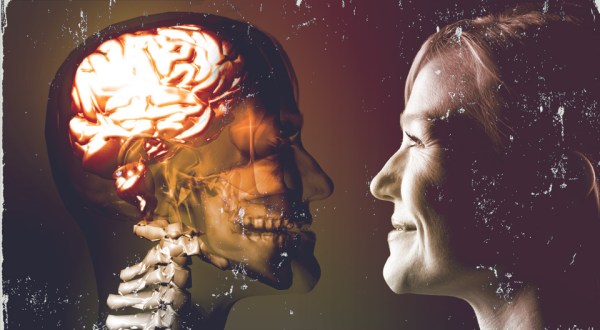
Nearly half of HIV infected patients suffer from impaired neurocognitive function. The HIV protein transactivator of transcription (Tat) is an important contributor to HIV neuropathogenesis because it is a potent neurotoxin that continues to be produced despite treatment with antiretroviral therapy.
It’s complicated: Benefits and toxicity of anti-prion antibodies in the brain
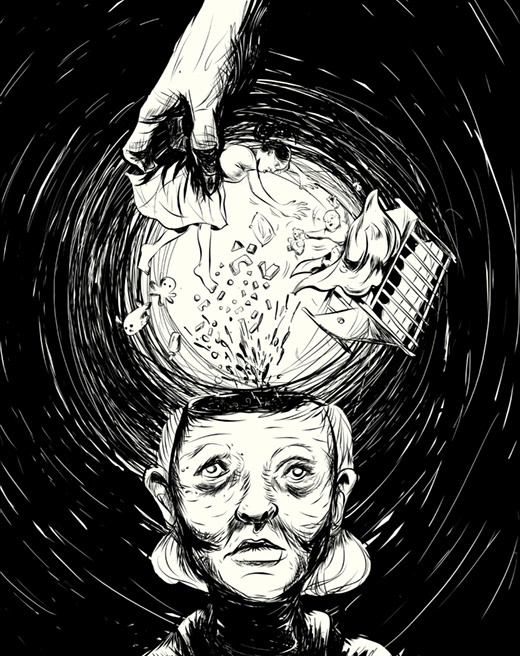
Immunotherapy to ameliorate neurodegeneration by targeting brain protein aggregates with antibodies is an area of intense investigation. A new study examines seemingly contradictory earlier results of targeting the prion protein and proposes a cautionary way forward to further test related therapeutic approaches.
The music of the mind: throwing light on human consciousness

UNSW Australia scientists have shown that complex human brain activity is governed by the same simple universal rule of nature that can explain other phenomena such as the beautiful sound of a finely crafted violin or the spots on a leopard. The UNSW team has identified a link between the distinctive patterns of brain function that occur at rest and the physical structure of people’s brains.
60 genetic disorders affect skin and nervous system
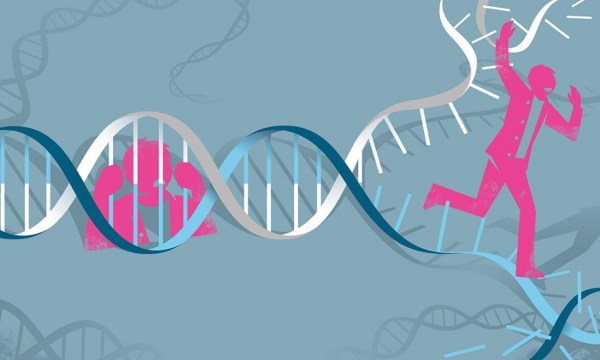
One of the most common genetic disorders is a condition called neurofibromatosis, which causes brown spots on the skin and benign tumors on the brain, spinal cord and other parts of the nervous system. Neurofibromatosis is one of at least 60 genetic diseases called neurocutaneous disorders that involve the skin, central nervous system, and/or peripheral nervous system.
When the music stops: Intensive instrument playing can lead to movement disorders


A musician takes up his/her violin and starts to play, but rather than gripping the strings, the fingers seize up–and this happens every time he/she takes up the instrument. Such a movement disorder–the so-called focal dystonia— is a dramatic disease for those affected, which has thus far barely been studied.
Neurons in your gut help the immune system keep inflammation in check

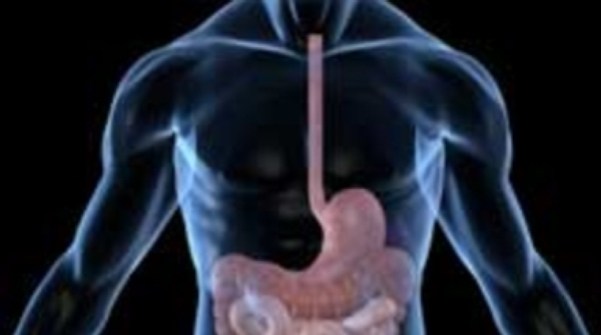
The immune system exercises constant vigilance to protect the body from external threats–including what we eat and drink. A careful balancing act plays out as digested food travels through the intestine. Immune cells must remain alert to protect against harmful pathogens like Salmonella, but their activity also needs to be tempered since an overreaction can lead to too much inflammation and permanent tissue damage.
Anxious? Chronic stress and anxiety can damage the brain


Yeah, let me just get over that anxiety since it’s a choice…
A scientific review paper warns that people need to find ways to reduce chronic stress and anxiety in their lives or they may be at increased risk for developing depression and even dementia. Led by the Rotman Research Institute at Baycrest Health Sciences, the review examined brain areas impacted by chronic anxiety, fear and stress in animal and human studies that are already published.
Overwhelmed and depressed? Well, there may be a connection


Ever feel overwhelmed when you are depressed, well the good news is it isn’t just you, the bad news is it’s probably your brain. Regions of the brain that normally work together to process emotion become decoupled in people who experience multiple episodes of depression, neuroscientists report. The findings may help identify which patients will benefit from long term antidepressant treatment to prevent the recurrence of depressive episodes.
Thwarting abnormal neural development with a new mutation


*Cue music* You can tell by the way I walk, I’m a motor protein, no time to talk…
Researchers at the RIKEN Brain Science Institute in Japan have discovered how to reverse the abnormal axonal development characteristic of CFEOM3, a congenital disease that affects the muscles that control eye movements. The work shows how creating a specific mutation rescued abnormal axonal growth in the developing mouse brain.
Autism-linked protein lays groundwork for healthy brain


A gene linked to mental disorders helps lays the foundation for a crucial brain structure during prenatal development, according to Salk Institute research. The findings reveal new mechanistic insights into the gene, known as MDGA1, which may bring a better understanding of neurodevelopmental disorders in people.
Pay attention! Attention neuron type identified


Researchers have identified for the first time a cell type in the brain of mice that is integral to attention. Moreover, by manipulating the activity of this cell type, the scientists were able to enhance attention in mice. The results add to the understanding of how the brain’s frontal lobes work and control behaviour.
Improving your toddler’s memory skills has long-term benefits


If your toddler is a Forgetful Jones, you might want to help boost his or her brainpower sooner rather than later. New research shows that preschoolers who score lower on a memory task are likely to score higher on a dropout risk scale at the age of 12.
Put the cellphone away! Fragmented baby care can affect brain development


Mothers, put down your smartphones when caring for your babies! That’s the message from University of California, Irvine researchers, who have found that fragmented and chaotic maternal care can disrupt proper brain development, which can lead to emotional disorders later in life.
Feeling sick? It’s evolution’s way of telling you to stay home

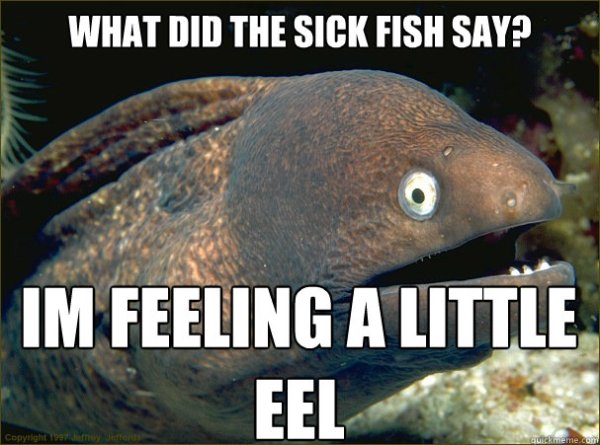
When you have a fever, your nose is stuffed and your headache is spreading to your toes, your body is telling you to stay home in bed. Feeling sick is an evolutionary adaptation according to a hypothesis put forward by Prof. Guy Shakhar of the Weizmann Institute’s Immunology Department and Dr. Keren Shakhar of the Psychology Department of the College of Management Academic Studies.
Schizophrenia linked to loss of cells in the brain’s memory center


Art by the one and only Lora Zombie
Scientists at Columbia University’s Mortimer B. Zuckerman Mind Brain Behavior Institute, Columbia University Medical Center (CUMC), and the Université Paris Descartes have found that deficits in social memory–a crucial yet poorly understood feature of psychiatric disorders such as schizophrenia–may be due to a decrease in the number of a particular class of brain cells, called inhibitory neurons, in a little-explored region within the brain’s memory center.
If our brain is a computer, do we really have free will?


The background to this new set of experiments lies in the debate regarding conscious will and determinism in human decision-making, which has attracted researchers, psychologists, philosophers and the general public, and which has been ongoing since at least the 1980s. Back then, the American researcher Benjamin Libet studied the nature of cerebral processes of study participants during conscious decision-making.
Gene-editing technique stops progression of Duchenne muscular dystrophy
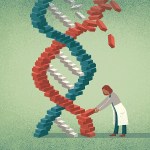

Using a new gene-editing technique, a team of scientists from UT Southwestern Medical Center stopped progression of Duchenne muscular dystrophy (DMD) in young mice. If efficiently and safely scaled up in DMD patients, this technique could lead to one of the first successful genome editing-based treatments for this fatal disease, researchers said.
3-D footage of nematode brains links neurons with motion and behavior
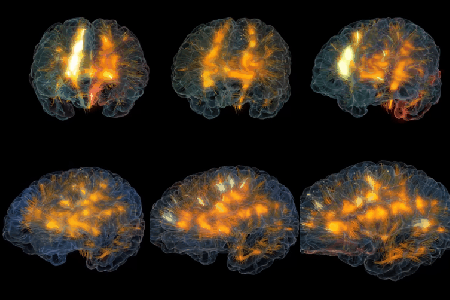
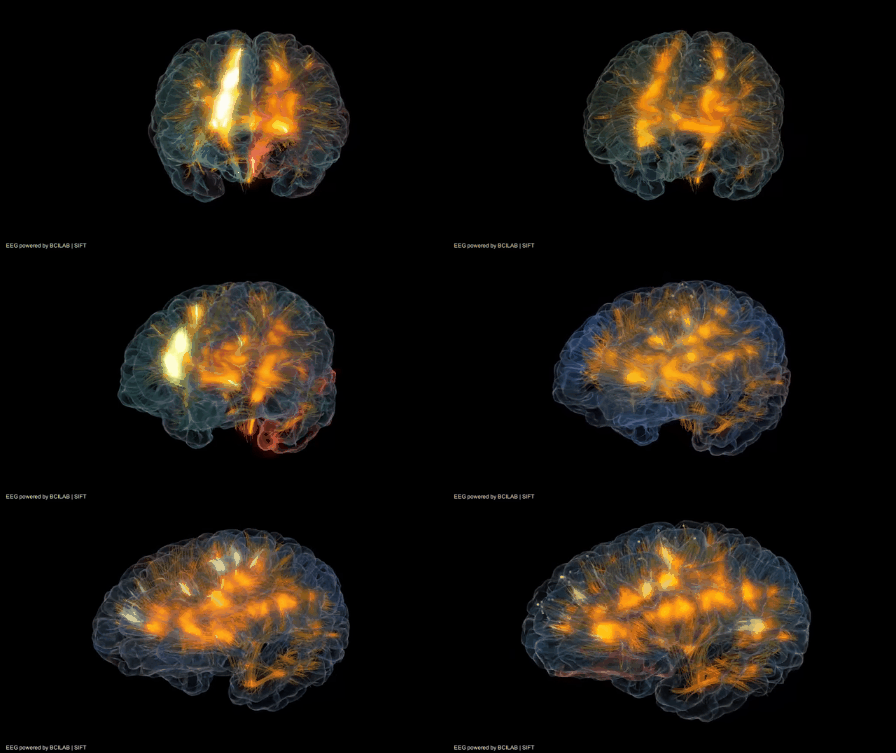
Animation from glass brain. Yea it isn’t what this post is about exactly, but it is still cool
Princeton University researchers have captured among the first recordings of neural activity in nearly the entire brain of a free-moving animal. The three-dimensional recordings could provide scientists with a better understanding of how neurons coordinate action and perception in animals. The researchers reported a technique that allowed them to record 3-D footage of neural activity in the nematode Caenorhabditis elegans, a worm species 1 millimeter long with a nervous system containing a mere 302 neurons.
Being anxious could be good for you! If you’re in a crisis…


Well maybe not that anxious…
New findings by French researchers show that the brain devotes more processing resources to social situations that signal threat than those that are benign. The results may help explain the apparent “sixth sense” we have for danger. This is the first time that specific regions of the brain have been identified to be involved in the phenomenon. The human brain is able to detect social threats in these regions in a fast, automatic fashion, within just 200 milliseconds.
The development of the cerebellar circuitry is driven by epigenetic “music”
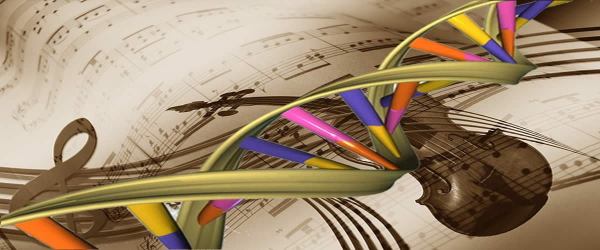
From before birth through childhood, connections form between neurons in the brain, ultimately making us who we are. So far, scientists have gained a relatively good understanding of how neural circuits become established, but they know less about the genetic control at play during this crucial developmental process. Now, a team of researchers has described for the first time the so-called epigenetic mechanisms underlying the development of the cerebellum, the portion of the brain that allows us to learn and execute complex movements.
Have a sweet tooth? It may be your livers fault


Psh, what did the liver ever do for you?
We all love our sugar, especially during the holidays. Cookies, cake, and candy are simply irresistible. While sugar cravings are common, the physiological mechanisms that trigger our “sweet tooth” are not well defined.
Lack of serotonin alters development and function in the brain
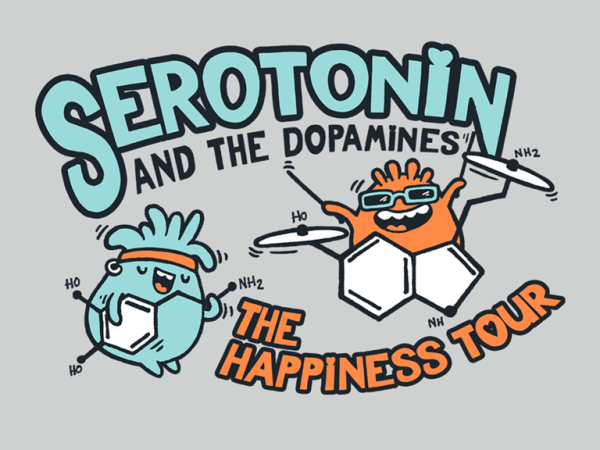
Come on get happy!
Researchers at Case Western Reserve University School of Medicine have created the first complete model to describe the role that serotonin plays in brain development and structure. Serotonin, also called 5-hydroxytryptamine [5-HT], is an important neuromodulator of brain development and the structure and function of neuronal (nerve cell) circuits.
Are you a ‘harbinger of failure’?


Has a point, he does.
Diet Crystal Pepsi. Frito Lay Lemonade. Watermelon-flavored Oreos. Through the years, the shelves of stores have been filled with products that turned out to be flops, failures, duds, and losers. But only briefly filled with them, of course, because products like these tend to get yanked from stores quickly, leaving most consumers to wonder: Who exactly buys these things, anyway?
Intelligence, it’s in your genes… and we can change that.


Ever feel like everyone around you has their brain running much faster than your own? Well, the good news is that it may not be you, it may be your genes. The other good news, we might be able to change that. Scientists from Imperial College London have identified for the first time two clusters of genes linked to human intelligence. Called M1 and M3, these so-called gene networks appear to influence cognitive function – which includes memory, attention, processing speed and reasoning.
You too can increase your risk for dementia by up to 48% with, anxiety!


People who experienced high anxiety any time in their lives had a 48 percent higher risk of developing dementia compared to those who had not, according to a new study led by USC researchers. The findings were based on an examination of 28 years of data from the Swedish Adoption Twin Study of Aging, overseen by the Karolinska Institutet of Sweden.
Depression is more than a “mental health” problem and we can now measure its risk


These feels drawn by the one, the only, and the oatmeal, or is it just one of those?
A network of interacting brain regions known as the default mode network (DMN) was found to have stronger connections in adults and children with a high risk of depression compared to those with a low risk. These findings suggest that increased DMN connectivity is a potential precursor, or biomarker, indicating a risk of developing major depressive disorder (MDD).
Scientists manipulate consciousness in rats
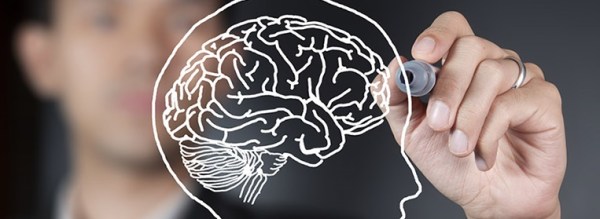
Scientists showed that they could alter brain activity of rats and either wake them up or put them in an unconscious state by changing the firing rates of neurons in the central thalamus, a region known to regulate arousal. The study was partially funded by the National Institutes of Health.


 Lunatic Laboratories