
New neurons in the adult brain help us adapt
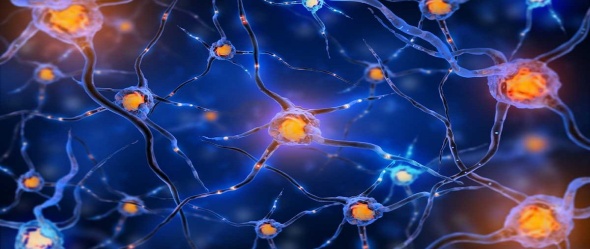
The discovery that the human brain continues to produce new neurons in adulthood challenged a major dogma in the field of neuroscience, but the role of these neurons in behavior and cognition is still not clear. In a review article researchers synthesize the vast literature on this topic, reviewing environmental factors that influence the birth of new neurons in the adult hippocampus, a region of the brain that plays an important role in memory and learning.
Mental illness and ultradian rhythms

In the relatively new 24 hour, always on the go, digital lifestyle we live — might living a structured life with regularly established mealtimes and early bedtimes lead to a better life and perhaps even prevent the onset of mental illness? Well according to a new study, it might do just that, you could have a better quality of life just by being a little more structured thanks to our circadian rhythm.
Shopping while hungry leads to more non-food purchases

This comic by The Oatmeal, check out his site for more awesomeness.
Ever go shopping when you’re hungry and notice you walked out with a lot more than you were expecting to buy? While most people know that when you are hungry, you typically will buy more food (as illustrated by The Oatmeal above), new research shows that there is a clear link between hunger and buying non-food items. A team of international researchers has released a paper that describes five laboratory and field studies they conducted which showed how people respond to non-food objects when they are hungry.
Possible mechanism underpinning Alzheimer’s and Parkinson’s type diseases found
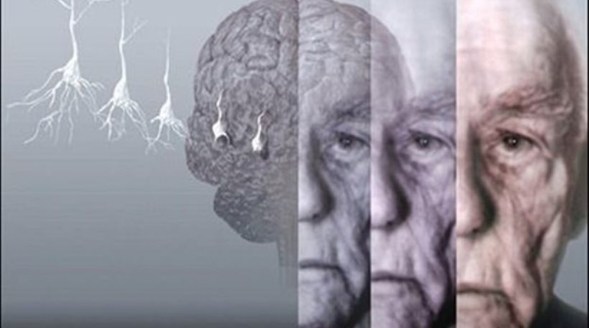
Neurodegenerative diseases have remained stubbornly increasing in prevalence for sometime now. Unfortunately longer life does not mean a better quality of life. Thankfully that could change sooner than you think, scientists have for the first time discovered a killing mechanism that could underpin a range of the most intractable neurodegenerative diseases such as Alzheimer’s, Parkinson’s and ALS.
Music may reduce your ability to remember!

Sometimes just turning on some background music really helps a person get things done. While music may help some people relax when they’re trying to concentrate, new research suggests that it doesn’t help them remember what they’re focusing on, especially as they get older.
Help on the horizon for treatment resistant depression
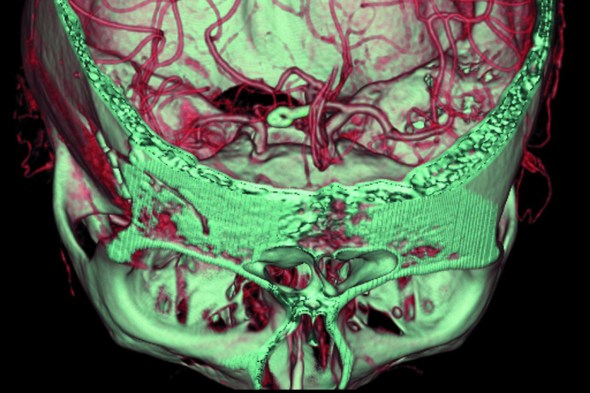
Depression is like a kick while you’re already down. Sometimes there is no real reason for it, sometimes it is triggered by some serious life issues, but clinical depression always has very real neurological roots. Unfortunately, while we know that certain areas of the brain are smaller in a depressed person, we don’t know why or what effect it has on a person. Worse, SSRI’s the “gold standard” for depression can have no — or worse ill — effects on the person taking the drugs.
Anorexia, it’s in your genes

No one likes to talk about eating disorders — specifically anorexia nervosa — despite the increased prevalence in both men and women. Like depression people tend to think that you can “just get over it” or some other nonsense. However new research is shedding light on the truth behind anorexia, much like with depression, there is a biological component involved. Simply put, it gets written into your genes.
Meditation might mean more gray matter in later years
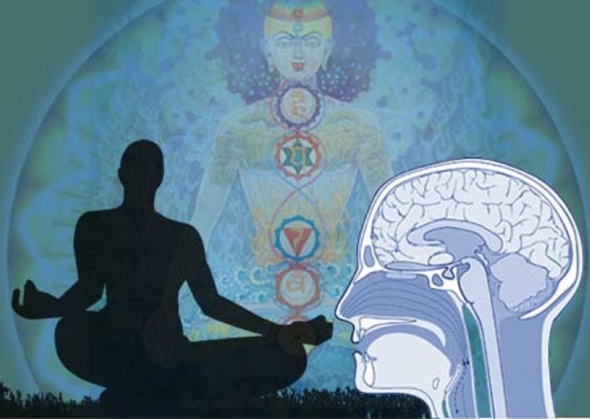
Since 1970, life expectancy around the world has risen dramatically, with people living more than 10 years longer. That’s the good news. The bad news is that starting when people are in their mid-to-late-20s, the brain begins to wither — its volume and weight begin to decrease. As this occurs, the brain can begin to lose some of its functional abilities.
Study shows children and birds learn alike
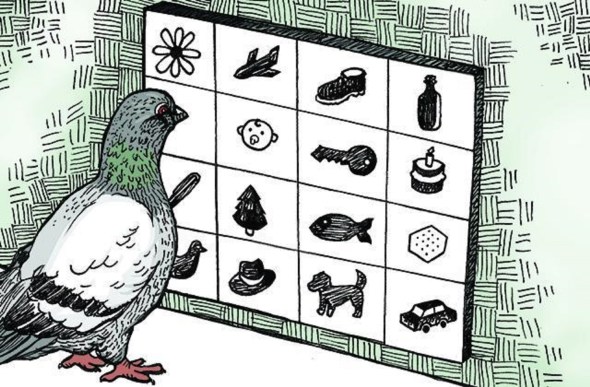
Image credit goes to: John Petsel
Your child is your pride and joy — and why not, every parent should be a proud one, even if your child might be bird brained. Or maybe birds are baby brained? In any case, a new study has found that pigeons can categorize and name both natural and manmade objects–and not just a few objects. These birds categorized 128 photographs into 16 categories, and they did so simultaneously.
How social norms come into being

Fifteen years ago, the name “Aiden” was hardly on the radar of Americans with new babies. It ranked a lowly 324th on the Social Security Administration’s list of popular baby names. But less than a decade later, the name became a favorite, soaring into the top 20 for five years and counting. Now, a new study provides a scientific explanation for how social conventions — everything from acceptable baby names to standards of professional conduct — can emerge suddenly, seemingly out of nowhere, with no external forces driving their creation.
Political gridlock: Blame the men

It feels like the government moves at a snails pace sometimes, it takes forever for any change to come about and even then it is typically not even “change.” This couldn’t be more evident than during the political gridlock that led to the 2013 US federal government shutdown, the leading voices for compromise were the handful of female U.S. senators — only 20 percent of the overall legislative body.
Your brain is hardening your arteries, but not on purpose!
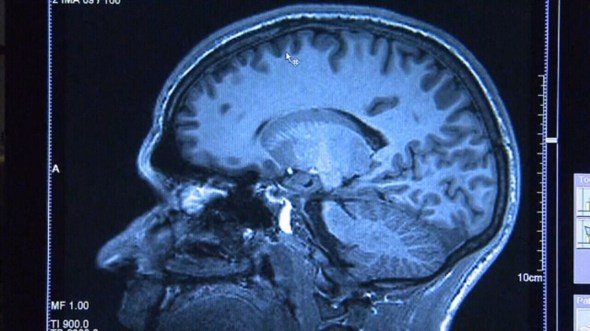
Your brain might just be killing you slowly. Atherosclerosis — or hardening and narrowing of the arteries — can be caused by fat buildup that causes plaque deposits, and is one of the main causes of cardiovascular disease. What does that have to do with the brain? Well new research has shown a link between how the brain regulates fat metabolism, which has the potential of stopping the development of this disease risk factor in obesity and diabetes.
You can’t unboil an egg? Well… now you can.

There is a saying, “you can’t unboil an egg.” Usually this is just illustrating cause and effect; you can’t turn back time, or what’s done is done. Well now scientists have successfully unboiled an egg, so suck it thermodynamics. An international team of chemists have accomplished this feat – an innovation that could dramatically reduce costs for cancer treatments, food production and other segments of the $160 billion global biotechnology industry, according to the findings.
Lucid dreaming: The similarities between dreaming and wakefulness
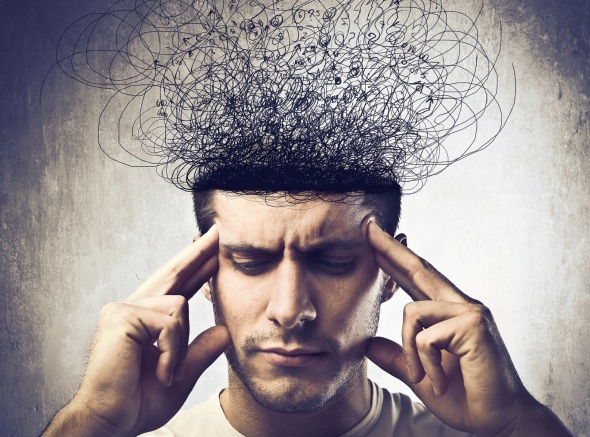
To control one’s dreams and to live out there what is impossible in real life — a truly tempting idea. Some people — so-called lucid dreamers — can do this. Researchers have discovered that the brain area which enables self-reflection is larger in lucid dreamers. Thus, lucid dreamers are possibly also more self-reflecting when they are awake.
Mothers don’t speak clearly to their babies

People have a distinctive way of talking to babies and small children: We speak more slowly, using a sing-song voice, and tend to use cutesy words like “tummy”. While we might be inclined to think that we talk this way because it is easier for children to understand, new research suggests that, surprisingly, mothers may actually speak less clearly to their infants than they do to adults.
Belief’s effect on biochemistry in cases of addiction

Ever wonder what makes people susceptible to addiction? Think about it, some people can stop addictive painkillers without a problem and others, well others are not so lucky. So the big question is are there more than biophysical factors at play in addiction? A new study shows that cognitive beliefs play a significant role in a person’s neurological response to an addictive substance and that belief can diminish the neurological effects of an addictive drug.
Fish, mercury, and pregnancy: Good news for seafood lovers

People freak out when they hear mercury is in something and sometimes for good reasons. In vaccinations for example a very small amount of ethyl-mercury WAS used as a preservative in vaccines, people got scared so now it is not used in most vaccines. Methylmercury* however is found in seafood and larger fish in particular (in much, much higher concentrations than in vaccines mind you). They may sound the same, but the methylmercury in fish is far more toxic. That said, it turns out that fish isn’t as toxic as we thought, so all you pregnant women who love fish will be happy to hear this.
Fear, PTSD, and newly found neural circuits in the brain

People with anxiety disorders, such as post traumatic stress disorder (PTSD), often experience prolonged and exaggerated fearfulness. Now, an animal study suggests that this might involve disruption of a gradual shifting of brain circuitry for retrieving fear memories. Researchers have discovered in rats that an old fear memory is recalled by a separate brain pathway from the one originally used to recall it when it was fresh.
New genetic clues in fragile x syndrome

Scientists have gained new insight into fragile X syndrome — the most common cause of inherited intellectual disability — by studying the case of a person without the disorder, but with two of its classic symptoms.
Scientists use the brain to direct fat burning

Does it seem like no matter what you do, you still can’t shed the pounds? You know what to eat, how to eat and workout regularly, but the weight just won’t go away, well you may not be alone. There are many different medical conditions that limit your ability to lose weight, but thankfully science has now found how to use your brain to shed the weight.
The hidden neurological impact of explosions on military members

More bad news for war Veterans, the brains of some Iraq and Afghanistan combat veterans who survived blasts from improvised explosive devices (IEDs) and died later of other causes show a distinctive honeycomb pattern of broken and swollen nerve fibers throughout critical brain regions, including those that control executive function. The pattern is different from brain damage caused by car crashes, drug overdoses or collision sports, and may be the never-before-reported signature of blast injuries suffered by soldiers as far back as World War I.
Genetic brain disorders start at the synapse
As we’ve seen from research featured here at the lab, there are many genetic disorders that cause intellectual disability and autism. Historically, these were viewed as untreatable. However, in recent years we have shown via animal models that it is possible to reverse the effects of these gene mutations. But the question remained whether different gene mutations disrupt common physiological processes. If this were the case, a treatment developed for one genetic cause of autism and intellectual disability might be useful for many others.
Being angry might be good for your health

In the US and many Western countries, people are urged to manage feelings of anger or suffer its ill effects. We are raised to, for a large part, stifle our emotions and to “not be so angry.” However, new research with participants from the US and Japan suggests that anger may actually be linked with better, not worse, health at least in certain cultures.
Experiment showcasing humanity’s ‘dark side’ may offer a way to control it

It was an infamous experiment, one on obedience and reprehensible behavior done in 1961. With memories of Holocaust atrocities and the prosecution of Nazi officials at Nuremberg still fresh, psychologist Stanley Milgram made history. You may not remember the name per say, but chances are you know his work.
Humans keep the memories accurate by forgetting
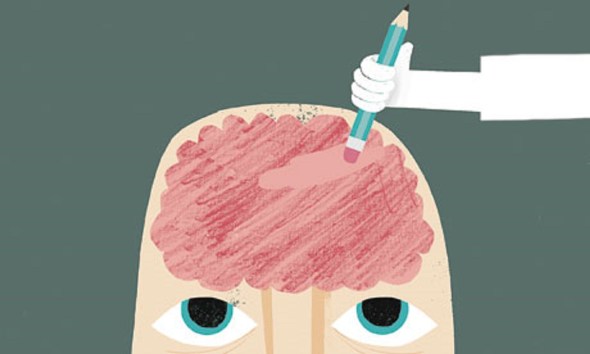
Your brain is a memory powerhouse, constantly recording experiences in long-term memory. Those memories help you find your way through the world: Who works the counter each morning at your favorite coffee shop? How do you turn on the headlights of your car? What color is your best friend’s house? But then your barista leaves for law school, you finally buy a new car and your buddy spends the summer with a paint brush in hand. Suddenly, your memories are out of date. So what do you do, forget about it.
Music takes the pain away post surgery
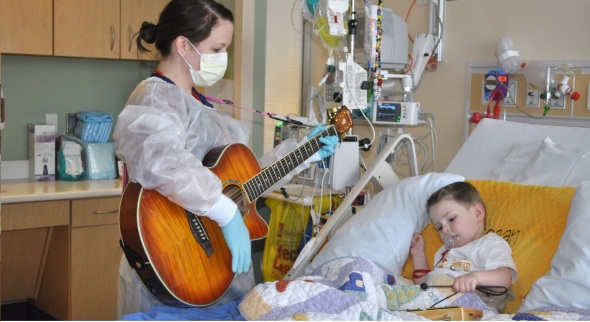
In today’s society, when it is so easy to over medicate children and adults alike it is nice to finally read something that looks for an alternative option. This particular case deals with pain management in children post surgery and the study shows that pediatric patients who listened to 30 minutes of songs by Rihanna, Taylor Swift and other singers of their choosing — or audio books — had a significant reduction in pain after major surgery.
Lots of selfies may suggest you’re a narcissist

This awesomeness is from The Oatmeal, check out his website for the rest of the comic!
Well I’ve got some bad news to all you selfie fanatics out there, a new study showed that men who posted more online photos of themselves than others scored higher on measures of narcissism and psychopathy. The study looked exclusively at men, however the men out there should have no fear, there is a follow up study being done with women as well.
Nanoparticles could deliver drugs to the brain
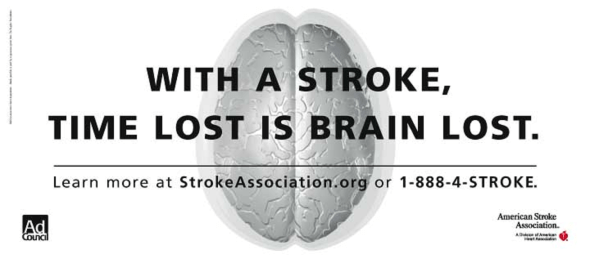
Science has already shown that when it comes to strokes, the sooner you treat it the better your outcome. Well now, stroke victims could have more time to seek treatment that could reduce harmful effects on the brain, thanks to tiny blobs of gelatin that could deliver the medication to the brain. The best part, this would be done noninvasively.
Autism presentation and genetic variance

People with autism have a wide range of symptoms, with no two people sharing the exact type and severity of behaviors. This has made finding a cause (or causes) difficult, leaving pseudoscientists to claim vaccines are the cause as if it were that simple (hint: vaccines do not cause autism). Now a large-scale analysis of hundreds of patients and nearly 1000 genes has started to uncover how diversity among traits can be traced to differences in patients’ genetic mutations.
Vaccine against prion disease, not for humans… yet
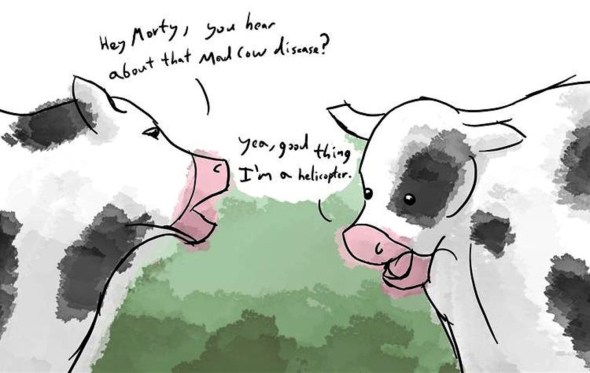
Prions, misfolded proteins that wreak havoc on the brain, may have finally met their match. Best known for things like mad cow disease (and possibly alzheimer’s disease) scientists have had no luck stopping prions, until now. Researchers say that a vaccination they have developed to fight a brain-based, wasting syndrome among deer and other animals may hold promise on two additional fronts: Protecting U.S. livestock from contracting the disease, and preventing similar brain infections in humans.
Antidepressants and the effects on your unborn child

Think you know what causes depression? Well unfortunately scientists don’t have the exact answer, surprised? That’s not the only problem, there is an ever growing concern that we live in an over medicated society and a newly released study doesn’t paint a better picture. About 15 percent of women in the United States suffer from anxiety disorders and depression during their pregnancies, and many are prescribed antidepressants. However little is known about how early exposure to these medications might affect their offspring as they mature into adults.
Gene fragments linked to brain development and autism
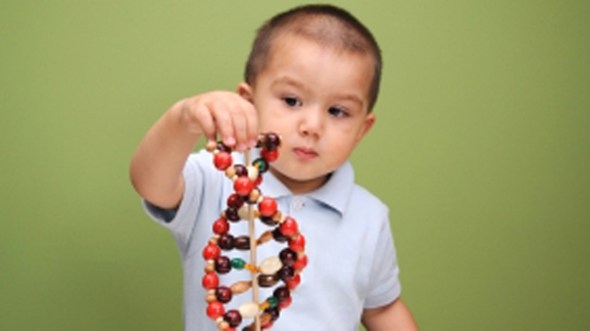
While the anti-vaccine movement enjoys the simple (and very wrong) answer to the cause of autism, there are people who want the actual truth. This drive had lead to a slew of causes (and risk factors) for autism in recent times. Now scientists have found that very small segments of genes called “microexons” influence how proteins interact with each other in the nervous system. In turn, this opens up a new line of research into the cause of autism.
Epigenetic changes and autism
Despite what you may think, the supposed “explosion” of children diagnosed with autism can directly attributed to better diagnosing techniques and — more importantly — the change of definition to make Autism spectrum disorders more broad. Thankfully more causes of autism have been found, none of them remotely related to vaccines and now scientists have found that chemical modifications to DNA’s packaging—known as epigenetic changes—can activate or repress genes involved in autism spectrum disorders (ASDs) and early brain development.
Methamphetamine use and the onset of parkinson’s


We’ve all seen the PSA’s trying to show the effects of meth use and in particular, what it does to your teeth. Typically, when it comes to drug use, people will not look at the long term side effects from their addiction instead thinking in the short term. This is unfortunate because as it turns out, methamphetamine users are three times more at risk for getting Parkinson’s disease than non-illicit drug users with even worse news for women, new research shows.
Finding the neurons that deal with distraction
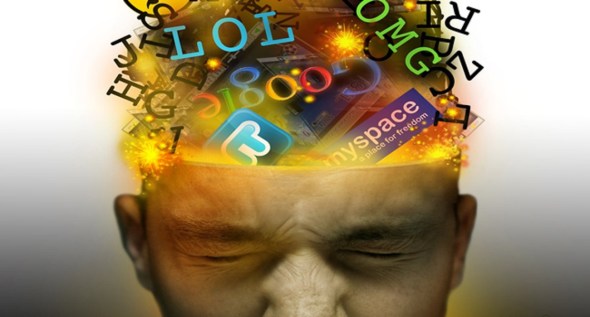
What’s that over there!? The next time you are around people, count how many people are on their phone? Distractions invade every aspect of our lives. Status updates, text messages, popup notifications, all threaten to steal our attention away from the moment. While we fight the urge to check the phone, our brains are making constant judgment calls about where to focus attention. The brain must continually filter important information from irrelevant interference.
High fat diet leads to brain inflammation and obesity
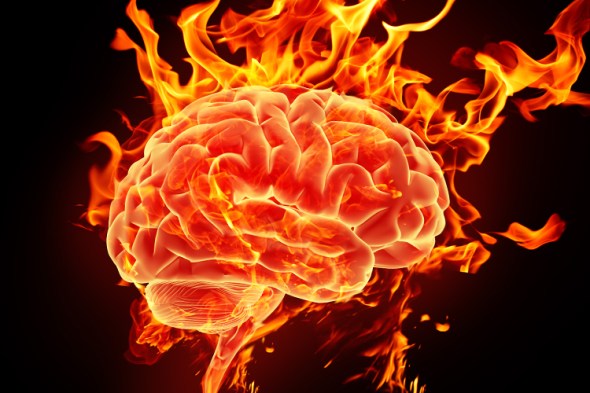
The stomach strikes again, or so it seems. We’ve already covered how your stomach seemingly controls your brain and your blood-brain barrier, but now it seems that what you eat –not too indirectly related to your stomach– might make you fatter, but not in the way you might be thinking thinking. What you are eating may be causing inflammation in the brain.
Worms’ “mental GPS” could help improve mental health

Imagine this, you’ve misplaced your cell phone. You start by scanning where you remember leaving it: on your bureau. You check and double-check the bureau before expanding your search around and below the bureau. Eventually, you switch from this local area to a more global one, widening your search to the rest of your room and beyond.
Depressed? Laughing gas might help
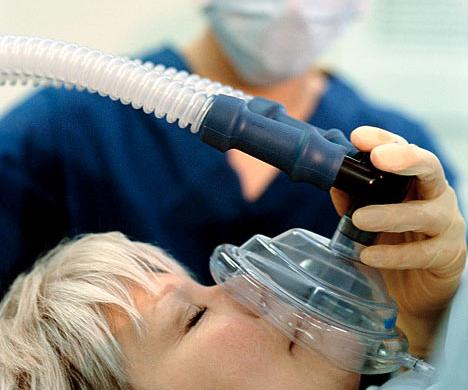
Nitrous oxide, or laughing gas, has shown early promise as a potential treatment for severe depression in patients whose symptoms don’t respond to standard therapies. In other words, it might actually live up to it’s name and as they say laughter is the best medicine. The pilot study is believed to be the first research in which patients with depression were given laughing gas.
Study suggests lefties actually earn less

Much has been thrown at left-handed people—they are quick to anger, quickly scared and, with the exception of heads of state, are more or less life’s losers. There was even a time where left handedness was “beaten out” of children in school. Conversely, there have been much bestowed upon left-handed people—they are creative and score highly on certain tests. Obviously, scientists need to rely on more than popular notions to make connections, if any, between left-handed people and success.
Mapping the spinal circuitry to fight phantom pain
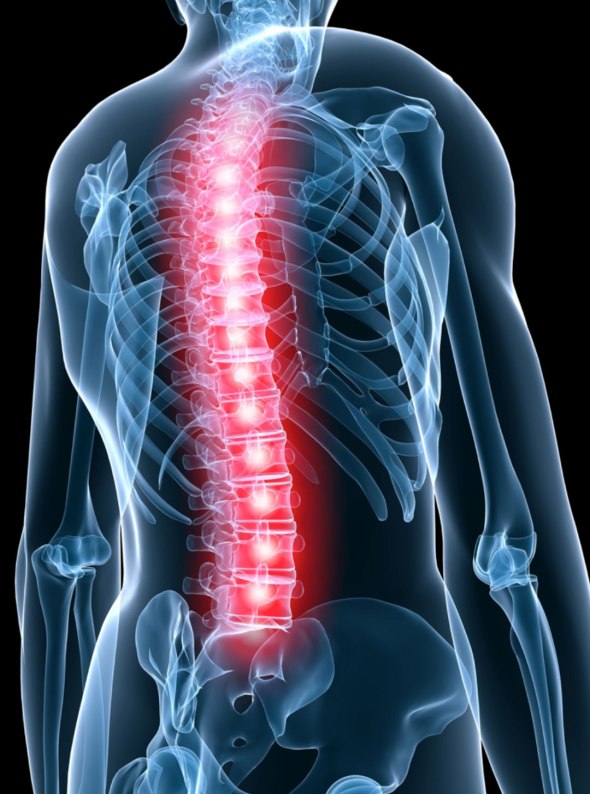
Pain typically has a clear cause–but not always. When a person touches something hot or bumps into a sharp object, it’s no surprise that it hurts. But for people with certain chronic pain disorders, including fibromyalgia and phantom limb pain, even a gentle caress can result in agony and for some — like my sister — the pain can be almost never ending.
New discovery sheds light on the forming brain
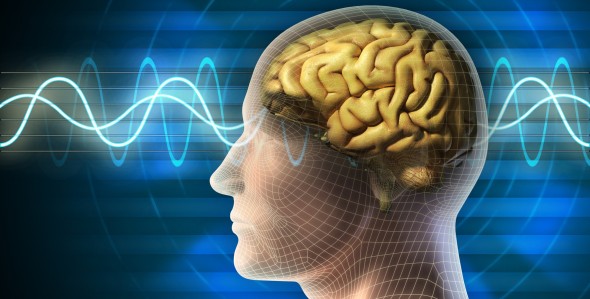
The cerebral cortex, which controls higher processes such as perception, thought and cognition, is the most complex structure in the mammalian central nervous system. Although much is known about the intricate structure of this brain region, the processes governing its formation remain uncertain. Research has now uncovered how feedback between cells, as well as molecular factors, helps shape cortical development during mouse embryogenesis.
Fragile X and a new autism treatment
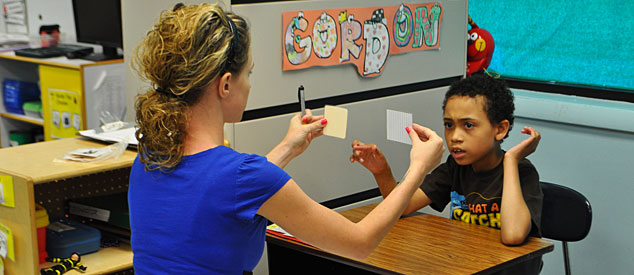
There are many roads to autism, none of them involve vaccination. I get tired of saying that, but it’s simple science, vaccines do not cause autism. Thankfully science knows this and is looking at not only what actually causes autism (Since again there are many different ways to develop on the spectrum). Well they may have found a new treatment for people affected by a common inherited form of autism by using a drug that is being tested as a treatment for cancer.
Need to turn off the pain? Well now we can!
 My sister suffers from chronic pain issues. I’ve written several posts about how her autoimmune disease is a special brand of pain that you will thankfully (almost certainly) never have to feel. While great strides have been made in pain management, there are still relatively few options that do not carry the risk of being extremely addictive. Well thankfully there is some new research and it offers hope, not just for my sister, but for the millions of people suffering from chronic pain that has been poorly managed.
Love, it’s in your genes

Most kids worry about passing tests, winning games, lost phones, fractured bones—and whether or not they will ever really fall in love. While the first few things are of relatively low value in the scientific pursuit, three Chinese researchers have focused on that last question. All in a bid to find out some of the more interesting questions about our genes: Why do some students stay single? What factors determine if a young adult falls in love?
How gut microbiota changes the blood-brain barrier
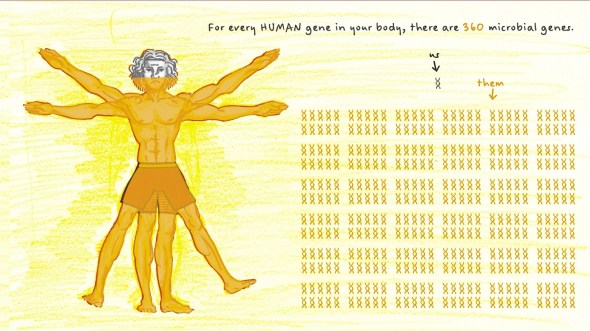
Photo credit goes to: NPR
Don’t be alarmed, but we are outnumbered. When figuring out what makes us, “us” we need to remember that there are far more bacteria genes in us than human genes, by recent counts it’s something like 360 to 1. We also know that your stomach can change your cravings, but now we know that your stomach affects more than just your thoughts. Your stomach can control what can get to your brain.
Does brain training really work?
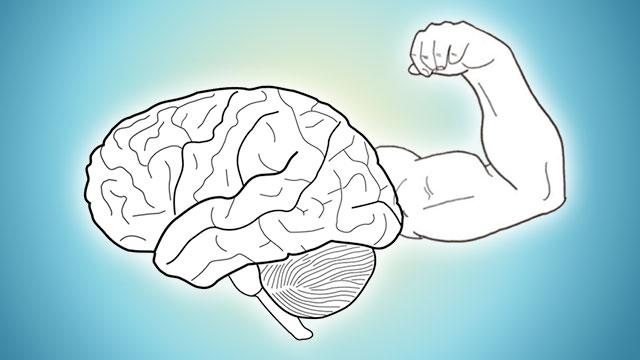
Ever wonder if you could be the next Einstein if only you could do some brain training? Well as it turns out, while computer based ‘brain training’ can boost memory and thinking skills in older adults, many programs promoted by the $1 billion brain training industry are ineffective.
The (Re)discovery of a major brain pathway
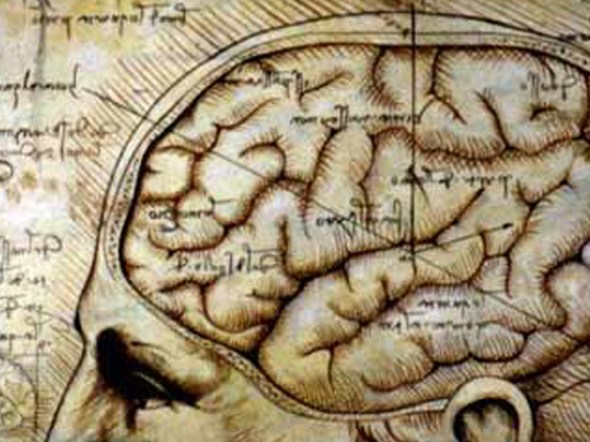
It was like something out of a mystery movie, a couple of years ago a scientist, looking at dozens of MRI scans of human brains noticed something surprising. A large, fiber pathway that seemed to be part of the network of connections that process visual information showed up on the scans, but the researcher couldn’t find it mentioned in any of the modern-day anatomy textbooks he had.
Soldiers and Suicide: A familiar tale


I know, Marine not soldier, but I really like the image. Photo credit goes to: USMC
Semper fi
As a Marine, there is a special place in my heart for all things military. While most protesters are busy arguing about the people who are dying overseas, there is an even more disheartening statistic — the suicide statistics of service members here at home. Suicide is an ugly word, so it’s no surprise that there is not a large movement fighting for better care and a new study done on soldiers doesn’t help.
Limitless: The science behind remembering everything


If you could remember everything, you saw, learned, or did, would it be a blessing or a curse? Well an even better question would be, it even possible to upgrade the storage capabilities of the brain? The answer is strangely enough, maybe, according to a new study we might just be able to remember quite literally everything.
Ever wonder how the brain maps our world?
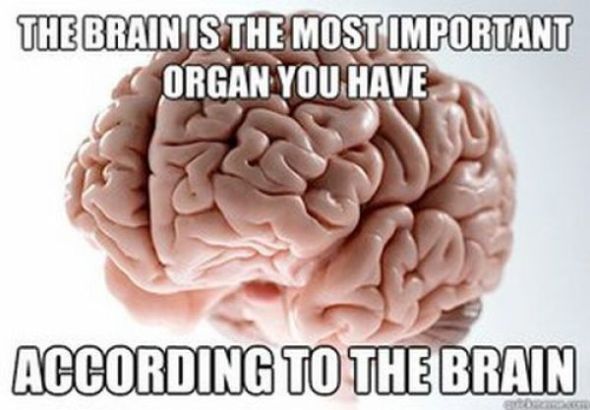
Well played brain, well played.
Sometimes we go into automatic, that “new” coffee shop on your way to work you just noticed, well it has been there for weeks. We can gauge where we are from just about anywhere we have already been. Giving directions, well some of us can never do that, yet we can still get from point A to B easy enough. Yet if we were to drive or even walk backwards and the world wouldn’t feel quite right, things would feel and seem just a little weird — not just because we are used to seeing things pass us by as we go forward.


 Lunatic Laboratories