
Study uncovers brain changes in offending pedophiles


New research reveals that certain alterations in the brain may be present in pedophiles, with differences between hands-on offenders and those who have not sexually offended against children.
Concentrating on the social billions
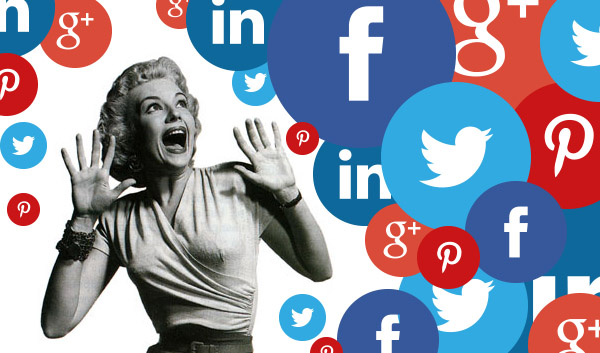
Using online social media does not lead to long-term problems with our ability to concentrate, according to new research. We are social animals, so it is really no surprise that billions of us now use online tools to communicate, educate and inform each other. The advent of social media and social networking has nevertheless been phenomenally rapid.
Nature or nurture: is violence in our genes?

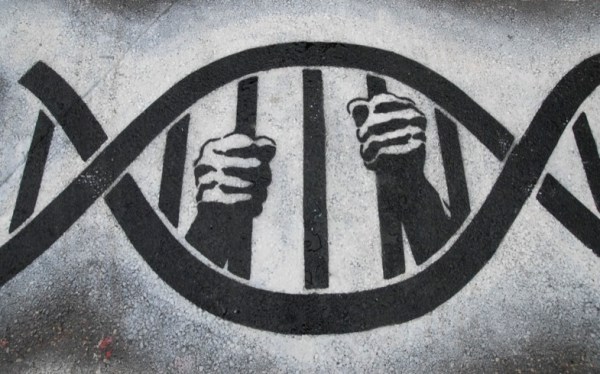
Nature or nurture? The quest to understand why humans kill one another has occupied the minds of philosophers, sociologists and psychologists for centuries. Are we innately violent, as Englishman Thomas Hobbes postulated in the 1650s, or is our behaviour influenced more by the environment we grow up in, as Jean-Jacques Rousseau theorised a century later?
Why do more men than women commit suicide?

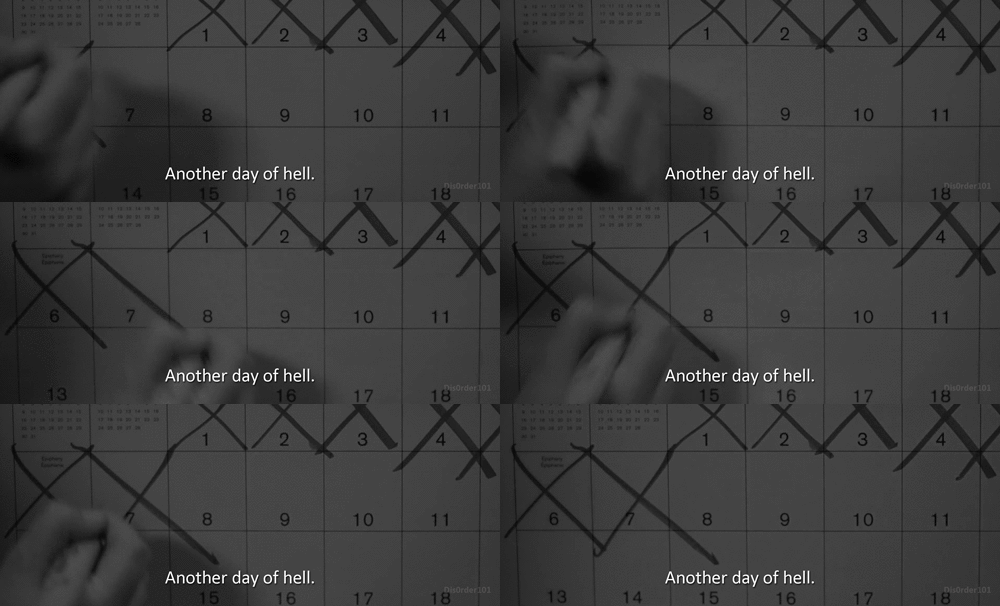
Why do more men die when they attempt suicide than women? The answer could lie in four traits, finds scientists. There are over 6,000 British lives lost to suicide each year, and nearly 75 per cent of those are male. However, research has found women are more likely to suffer from depression, and to attempt to take their own life.
Entitlement — a damning recipe for happiness


Entitlement–a personality trait driven by exaggerated feelings of deservingness and superiority–may lead to chronic disappointment, unmet expectations and a habitual, self-reinforcing cycle of behavior with dire psychological and social costs, according to new research. In a new theoretical model, researchers have mapped how entitled personality traits may lead to a perpetual loop of distress.
Parents’ math skills ‘rub off’ on their children


Parents who excel at math produce children who excel at math. This is according to a recently released study, which shows a distinct transfer of math skills from parent to child. The study specifically explored intergenerational transmission–the concept of parental influence on an offspring’s behavior or psychology–in mathematical capabilities.
Babies chew on subtle social, cultural cues at mealtime

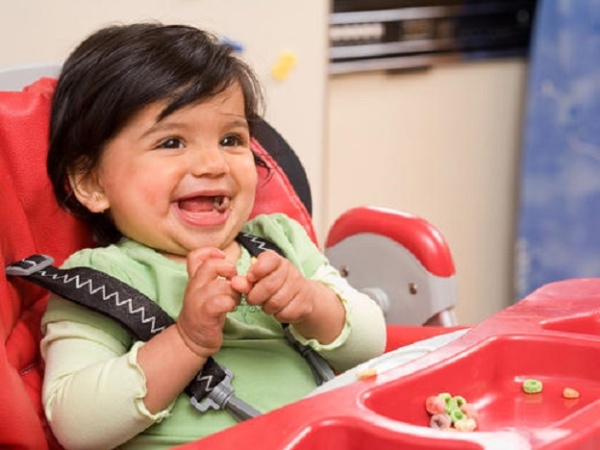
At the dinner table, babies do a lot more than play with their sippy cups, new research suggests. Babies pay close attention to what food is being eaten around them – and especially who is eating it. The study adds evidence to a growing body of research suggesting even very young children think in sophisticated ways about subtle social cues.
Scientists show that a ‘Superman’ disguise could actually work


Ever wonder think it’s silly that people don’t recognize Clark Kent is actually Superman? Well as it turns out, glasses are actually a fairly good way to disguise yourself. In fact, researchers have shown that small alterations to a person’s appearance, such as wearing glasses, can significantly hinder positive facial identification.
A visual nudge can disrupt recall of what things look like


Interfering with your vision makes it harder to describe what you know about the appearance of even common objects, according to researchers. This connection between visual knowledge and visual perception challenges widely held theories that visual information about the world — that alligators are green and have long tails, for example — is stored abstractly, as a list of facts, divorced from the visual experience of seeing an alligator.
‘I miss you so much’: How Twitter is broadening the conversation on death and mourning

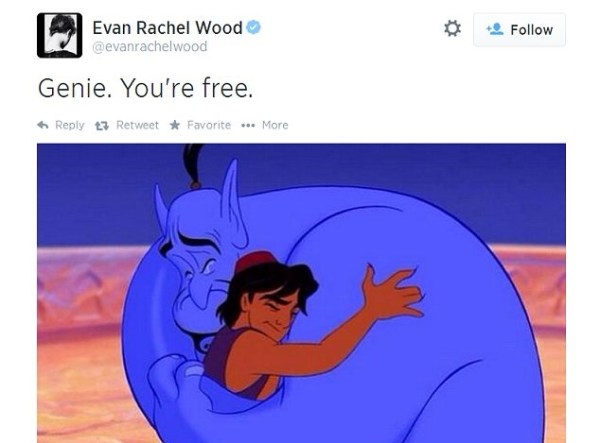
Death and mourning were largely considered private matters in the 20th century, with the public remembrances common in previous eras replaced by intimate gatherings behind closed doors in funeral parlors and family homes. But social media is redefining how people grieve, and Twitter in particular — with its ephemeral mix of rapid-fire broadcast and personal expression — is widening the conversation around death and mourning.
Can cell phones make you feel less connected to your friends and family?


Image credit goes to: Eric Pickersgill
In this digital age, with phones at our fingertips, you would think that access to constant communication would make us feel closer to one another. But a new study shows that may not be the case. In fact, cell phone use might actually lead to feeling less socially connected, depending on your gender or cell phone habits.
A dog’s dilemma: Do canines prefer praise or food?


A new study suggests that given the choice, many dogs prefer praise from their owners over food. The study is one of the first to combine brain-imaging data with behavioral experiments to explore canine reward preferences.
When it comes to empathy, don’t always trust your gut

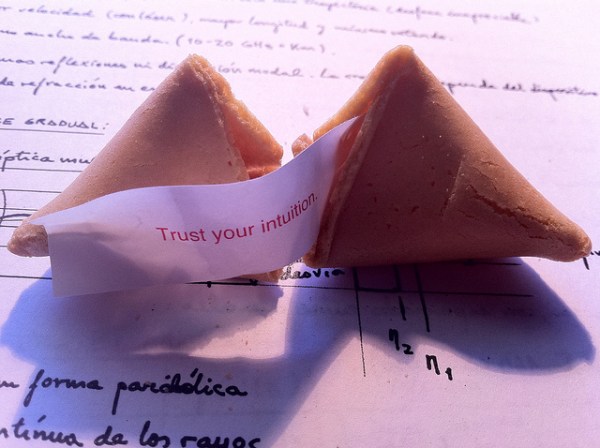
Ever feel like someone is hiding something? Or maybe you suddenly feel like you can’t trust a co-worker. The feeling may seem logical, but is empathy the result of gut intuition or careful reasoning? Research suggests that, contrary to popular belief, the latter may be more the case.
“Shocking” new role of the immune system: Controlling social interaction
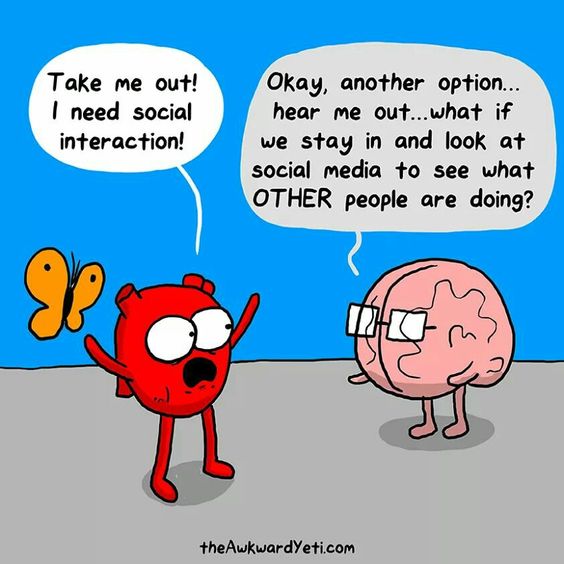
Image credit goes to: The awkward Yeti
In a startling discovery that raises fundamental questions about human behavior, researchers have determined that the immune system directly affects – and even controls – creatures’ social behavior, such as their desire to interact with others. So could immune system problems contribute to an inability to have normal social interactions?
In doctors we trust — especially when they admit to bias

A doctor’s guidance may reassure us more than we realize -especially if she says she is likely to recommend treatment in her field of expertise, known as “specialty bias.” Doing research in a real-world healthcare setting, researchers have found that when surgeons revealed their bias toward their own specialty, their patients were more likely to perceive them as trustworthy. And patients are more apt to follow their recommendation to have surgical treatment.
Even when help is just a click away, stigma is still a roadblock
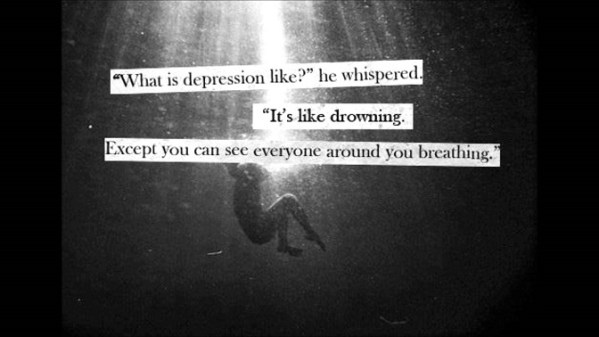
Stigma is a major barrier preventing people with mental health issues from getting the help they need. Even in a private and anonymous setting online, someone with greater self-stigma is less likely to take that first step to get information about mental health concerns and counseling.
Air pollution affects young people’s psychiatric health


Smog has been a part of modern life since the industrial revolution, unfortunately all that pollution isn’t just hurting the environment — but come on, you saw this coming… right? New research from Sweden indicates that dispensed medication for psychiatric diagnosis can be related to air pollution concentrations. More and more studies show that the brain and human cognitive development are affected by pollution.
Why everyone wants to help the sick — but not the unemployed


New research explains why healthcare costs are running out of control, while costs to unemployment protection are kept in line. The answer is found deep in our psychology, where powerful intuitions lead us to view illness as the result of bad luck and worthy of help.
Humiliation from stares are worse than tiny seats for obese air travelers


Feelings of shame and humiliation bother obese air passengers more than tight seat belts and tiny seats, according to a study published by Ben-Gurion University of the Negev (BGU) researchers. Participants interviewed for the study recounted the typical challenges they encounter while boarding, in-flight and deplaning.
Extreme beliefs often mistaken for insanity


In the aftermath of violent acts such as mass shootings, many people assume mental illness is the cause. After studying the 2011 case of Norwegian mass murderer Anders Breivik, researchers are suggesting a new forensic term to classify non-psychotic behavior that leads to criminal acts of violence.
How depression and antidepressant drugs work


Treating depression is kind of a guessing game. Trying to find a medication that works without causing side effects can take months, or more likely, years. However, new research demonstrates the effectiveness of ketamine to treat depression in a mouse model of the disease and brings together two hypotheses for the cause of depression.
Your friends have more friends than you do


No matter how smart and funny you think you are, those you follow on Twitter really do have a larger following than you. And the same holds true for Facebook. But there is no reason to feel badly about any of this. According to the research, it is all due to the inherently hierarchical nature of social media networks, where, in the social hierarchy of connections, people mostly either follow up or across; they rarely follow down.
Research shows body image linked to overall life satisfaction
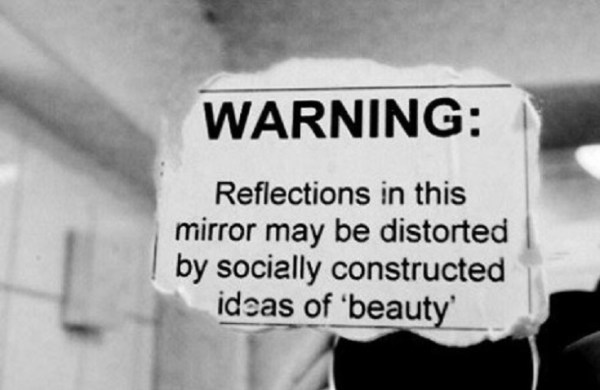
We’re constantly bombarded by advertisements telling us we are too fat, too thin, not curvy enough, not flat enough — or more often than not — simply not enough. It shouldn’t be a surprise to see that effect our day to day life, like it or not — and it has. Researchers have just published results from a national study on the factors linked to satisfaction with appearance and weight.
Measuring happiness on social media


Happiness. It’s something we all strive for, but how do we measure it — as a country? A global community? Not so surprisingly, researchers are turning to social media to answer these questions and more. In a newly published study, computer scientists used two years of Twitter data to measure users’ life satisfaction, a component of happiness.
The scientific brain: How the brain repurposes itself to learn scientific concepts

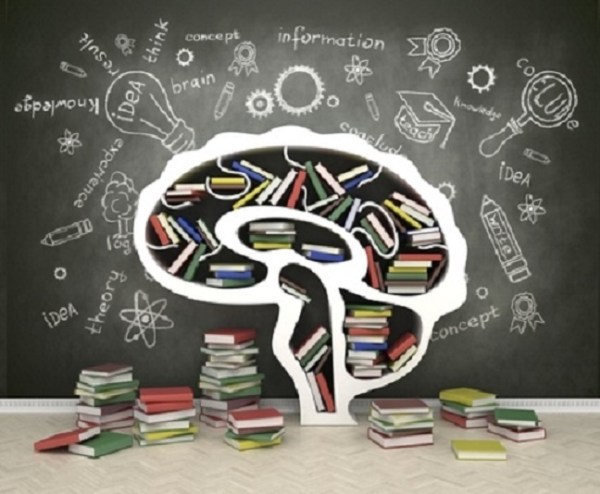
The human brain was initially used for basic survival tasks, such as staying safe and hunting and gathering. Yet, 200,000 years later, the same human brain is able to learn abstract concepts, like momentum, energy, and gravity, which have only been formally defined in the last few centuries. New research has now uncovered how the brain is able to acquire brand new types of ideas.
Suicidal thinking and US veterans
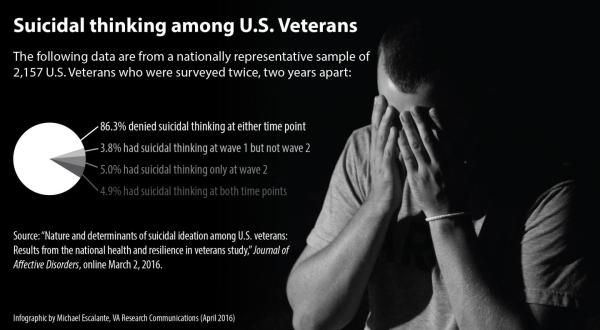
Nearly 14 percent of Veterans reported suicidal thinking at one or both phases of a two-year VA study.
Image credit goes to: Michael Escalante
Something very personal about me, the thought of suicide is never too far behind. It is to the point that I need to qualify it to my counselor when I am asked if I have thoughts of suicide, I always do. A new study shows that I am far from alone Nearly 14 percent of military veterans reported suicidal thinking at one or both phases of a two-year Veterans Affairs (VA) study.
What is a good death?


Food for the worms, a dirt nap, kicking the bucket, maybe there are so many euphemisms for death because it is still a taboo in certain cultures. Not so fun fact, my Uncle committed suicide some years back. I’m not going to go into details, but because suicide is looked down on, was his death still considered a “good death”? Trying to qualitatively and quantitatively define a good death, researchers have published a new paper offering help in defining the idea of a good death and have ultimately identified 11 core themes associated with dying well.
Road rage and toxoplasmosis: Return of the parasite


It was a clear case of a false alarm, toxoplasmosis, a parasite that infects mice and cats was thought to have an effect on humans. However, after a thorough review of the data it was off the hook, or so we thought. Individuals with a psychiatric disorder involving recurrent bouts of extreme, impulsive anger–road rage, for example–are more than twice as likely to have been exposed to a common parasite than healthy individuals with no psychiatric diagnosis.
Sleep suppresses brain rebalancing


Why humans and other animals sleep is one of the remaining deep mysteries of physiology. One prominent theory in neuroscience is that sleep is when the brain replays memories “offline” to better encode them (“memory consolidation“). A prominent and competing theory is that sleep is important for rebalancing activity in brain networks that have been perturbed during learning while awake.
A link between nightmares and suicidal behavior

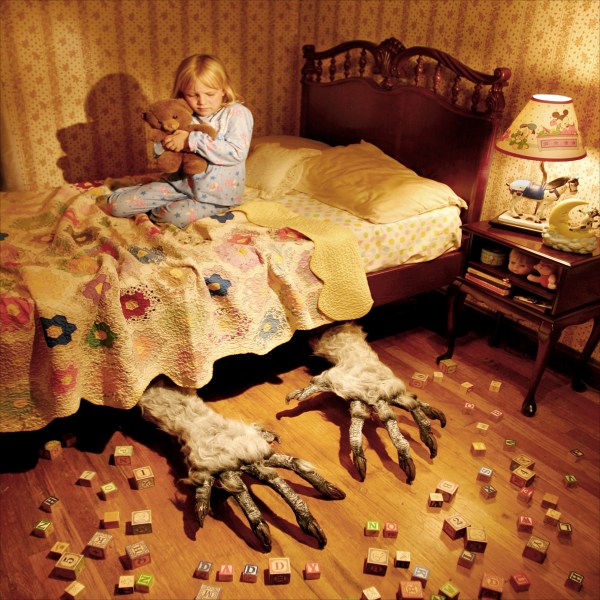
Image credit goes to: Joshua Hoffine
A new study is the first to report that the relationship between nightmares and suicidal behaviors is partially mediated by a multi-step pathway via defeat, entrapment, and hopelessness. Results show that suicidal thoughts, plans or attempts were present in 62 percent of participants who experienced nightmares and only 20 percent of those without nightmares.
Forgetting, to learn
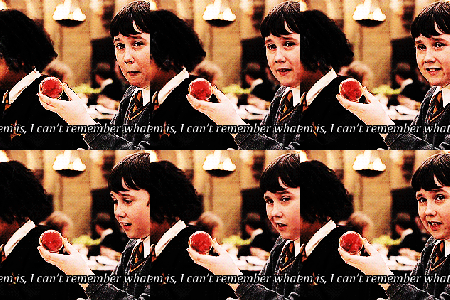
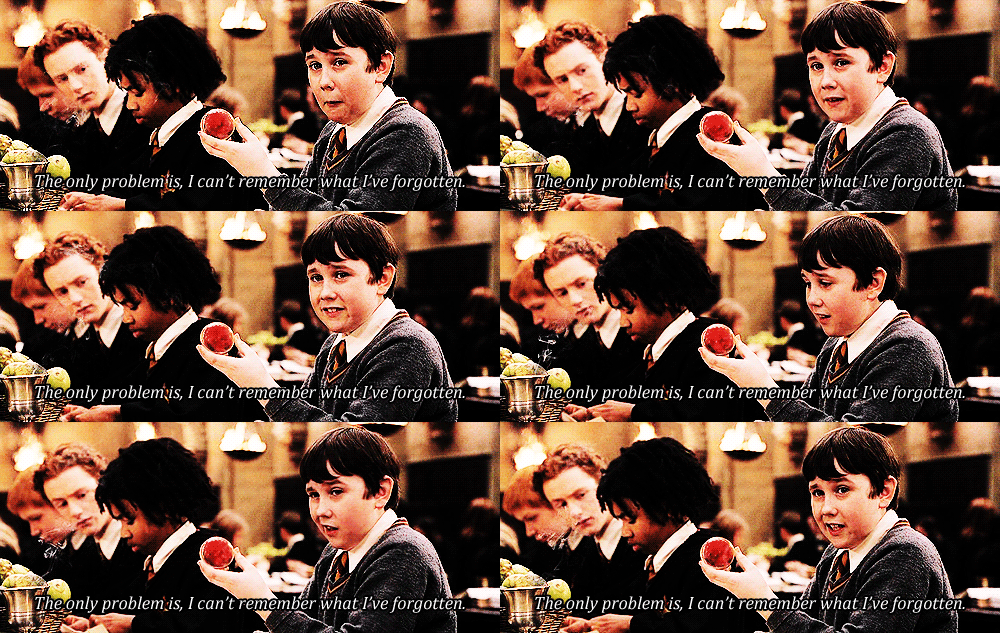
They say that once you’ve learned to ride a bicycle, you never forget how to do it. Unfortunately for students who hope this applies to studying, they might not like new research suggesting that while learning, the brain is actively trying to forget. While this may at first blush seem like a bad thing, it actually may be useful for those suffering from PTSD.
People with anxiety show fundamental differences in perception
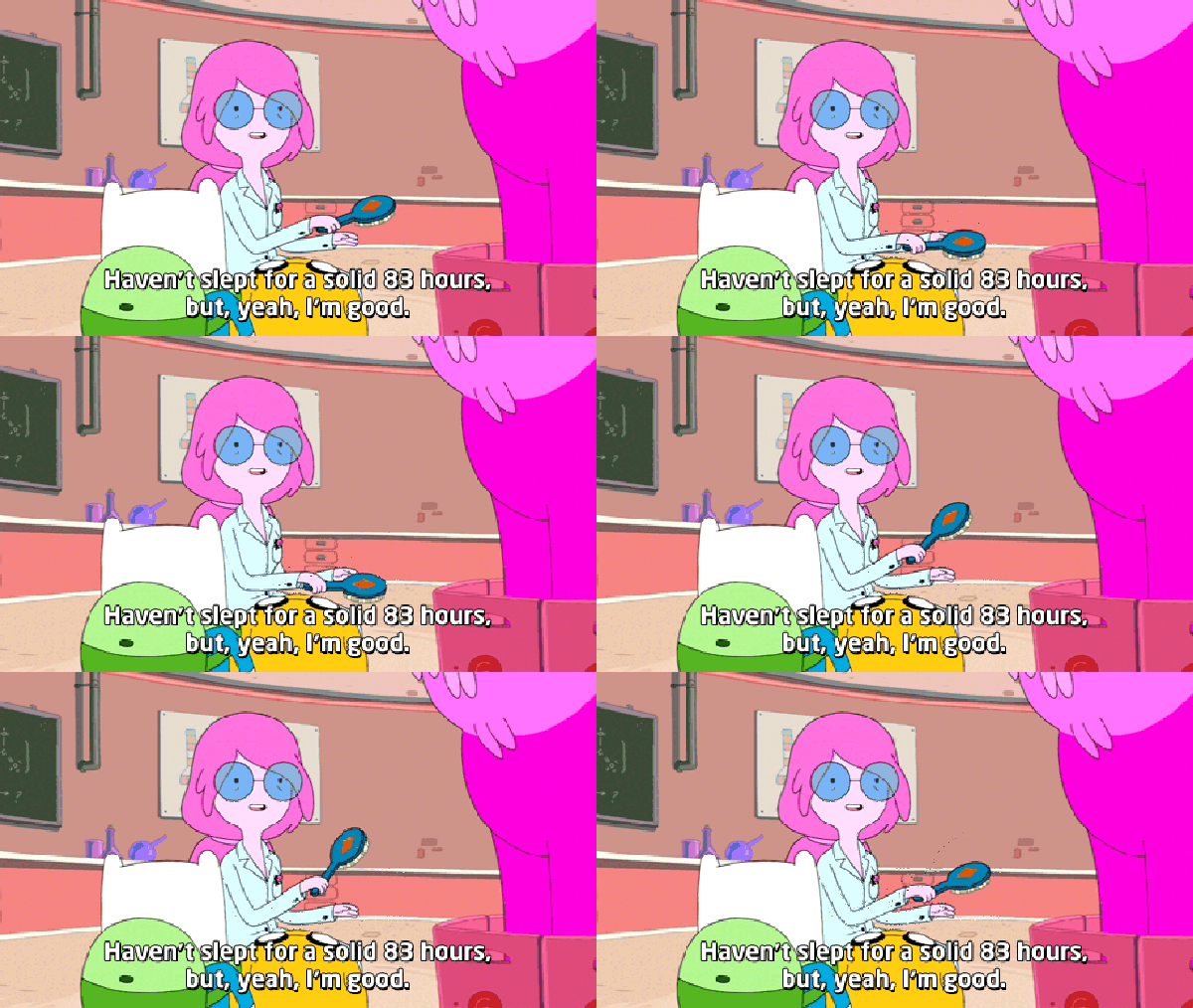
People suffering from anxiety perceive the world in a fundamentally different way than others, according to a new study. The research may help explain why certain people are more prone to anxiety. The study shows that people diagnosed with anxiety are less able to distinguish between a neutral, “safe” stimulus (in this case, the sound of a tone) and one that had earlier been associated with gaining or losing money.
Why people oppose same-sex marriage
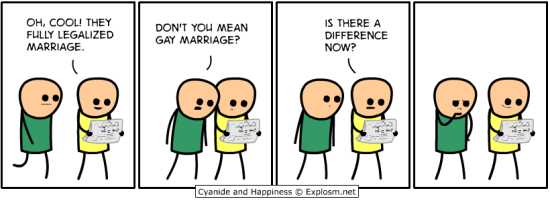
More pearls of wisdom from the great Cyanide and happiness.
Marriage is legal (here in the US anyway), now I’m not gay, but that is exciting to me. So the question remains, has society fallen apart? Are cats hanging out with dogs and toast falling butter side up? Of course not, so then why do opponents of same-sex marriage really oppose it? A UCLA psychology study concludes that many people believe gay men and women are more sexually promiscuous than heterosexuals, which they may fear could threaten their own marriages and their way of life.
Mutual mistrust may have added a few X-files to the UFO era


Mulder and Scully may have accomplished something that hasn’t happened for society — trust between two opposing viewpoints. According to a new study, uncloaking the flying saucer movement in the United States could offer historians a snapshot of Cold War attitudes at work in society, as well as insights into how science communication may be tied to current denialism and conspiracy theory movements.
Does rape alter the female brain?
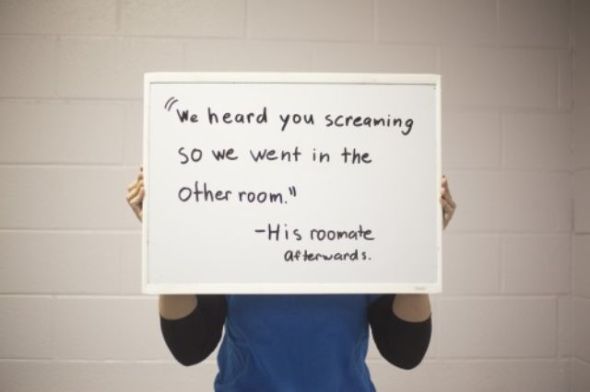
Maybe we should shame rapists instead of victims?
Image credit goes to: Project Unbreakable
Sexual assault, personally, I hate the phrase. It sounds much more tame than rape and I think we should call it like it is, rape. Sure that might make a person’s skin crawl just slightly — and that is frankly the point. Rape is ugly, it’s evil, it leaves an indelible mark on a person and unfortunately a new study shows that it may be worse. Researchers have discovered that prepubescent female rodents paired with sexually experienced males had elevated levels of stress hormones, could not learn as well, and expressed reduced maternal behaviors needed to care for offspring.
The potential pathway between insomnia and depression

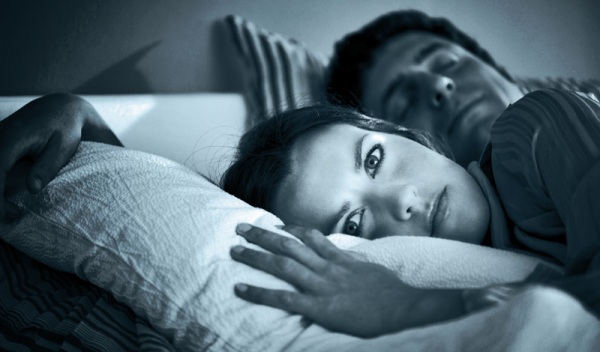
Have you ever had to deal with bouts of insomnia make you feel depressed? Well the good news is you’re not alone, in fact the two may be linked. A new study of firefighters suggests that insomnia and nightmares may increase the risk of depression by impairing the ability to access and leverage emotion regulation strategies effectively.
Starting age of marijuana use may have long-term effects on brain development
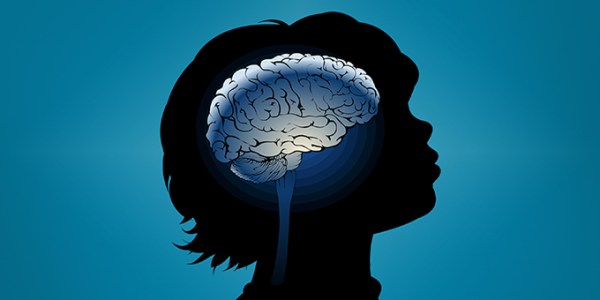
The age at which an adolescent begins using marijuana may affect typical brain development, according to researchers at the Center for BrainHealth at The University of Texas at Dallas. In a paper recently published, scientists describe how marijuana use, and the age at which use is initiated, may adversely alter brain structures that underlie higher order thinking.
Depressed or inflamed? Inflammation attacks brain’s reward center


Inflammation is a good thing, it helps the body fight disease, and without it we wouldn’t survive. Unfortunately, when inflammation isn’t kept under control it can wreak havoc on the body. From potentially causing alzheimer’s to arthritis it seems that unchecked inflammation can cause all sorts of issues. In fact, a new study adds to the list of issues out of control inflammation causes in the body.
Why you should never use the term ‘the mentally ill’


Yes, it’s real… you can find more information here
Image credit goes to: Jenn Ackerman
Even subtle differences in how you refer to people with mental illness can affect levels of tolerance, a new study has found. In a first-of-its-kind study, researchers found that participants showed less tolerance toward people who were referred to as “the mentally ill” when compared to those referred to as “people with mental illness.”
Anxious? Chronic stress and anxiety can damage the brain
Yeah, let me just get over that anxiety since it’s a choice…
A scientific review paper warns that people need to find ways to reduce chronic stress and anxiety in their lives or they may be at increased risk for developing depression and even dementia. Led by the Rotman Research Institute at Baycrest Health Sciences, the review examined brain areas impacted by chronic anxiety, fear and stress in animal and human studies that are already published.
Overwhelmed and depressed? Well, there may be a connection

Ever feel overwhelmed when you are depressed, well the good news is it isn’t just you, the bad news is it’s probably your brain. Regions of the brain that normally work together to process emotion become decoupled in people who experience multiple episodes of depression, neuroscientists report. The findings may help identify which patients will benefit from long term antidepressant treatment to prevent the recurrence of depressive episodes.
Can you trust your gut when public speaking?


There is good news for frequent public speakers. New research shows that individuals have the ability to quickly and accurately identify a crowd’s general emotion as focused or distracted, suggesting that we can trust our first impression of a crowd’s mood.
Autism-linked protein lays groundwork for healthy brain


A gene linked to mental disorders helps lays the foundation for a crucial brain structure during prenatal development, according to Salk Institute research. The findings reveal new mechanistic insights into the gene, known as MDGA1, which may bring a better understanding of neurodevelopmental disorders in people.
Improving your toddler’s memory skills has long-term benefits


If your toddler is a Forgetful Jones, you might want to help boost his or her brainpower sooner rather than later. New research shows that preschoolers who score lower on a memory task are likely to score higher on a dropout risk scale at the age of 12.
Stereotype means girls should expect poorer physics grades


Imagine that you are a female student and give the exact same answer to a physics exam question as one of your male classmates, but you receive a significantly poorer grade. This is precisely what happens on a regular basis, as concluded in a study by Sarah Hofer, a researcher in the group led by ETH professor Elsbeth Stern.
Put the cellphone away! Fragmented baby care can affect brain development


Mothers, put down your smartphones when caring for your babies! That’s the message from University of California, Irvine researchers, who have found that fragmented and chaotic maternal care can disrupt proper brain development, which can lead to emotional disorders later in life.
Why daring to compare online prices pays off offline


The constant barrage of post-holiday sales touted by web-based retailers may make it seem like online shopping is killing real-world stores. But shoppers are actually engaging in “web-to-store” shopping — buying offline after comparing prices online.
If our brain is a computer, do we really have free will?

The background to this new set of experiments lies in the debate regarding conscious will and determinism in human decision-making, which has attracted researchers, psychologists, philosophers and the general public, and which has been ongoing since at least the 1980s. Back then, the American researcher Benjamin Libet studied the nature of cerebral processes of study participants during conscious decision-making.
Being anxious could be good for you! If you’re in a crisis…

Well maybe not that anxious…
New findings by French researchers show that the brain devotes more processing resources to social situations that signal threat than those that are benign. The results may help explain the apparent “sixth sense” we have for danger. This is the first time that specific regions of the brain have been identified to be involved in the phenomenon. The human brain is able to detect social threats in these regions in a fast, automatic fashion, within just 200 milliseconds.
Want to keep your new year’s resolution? Ask, don’t tell.
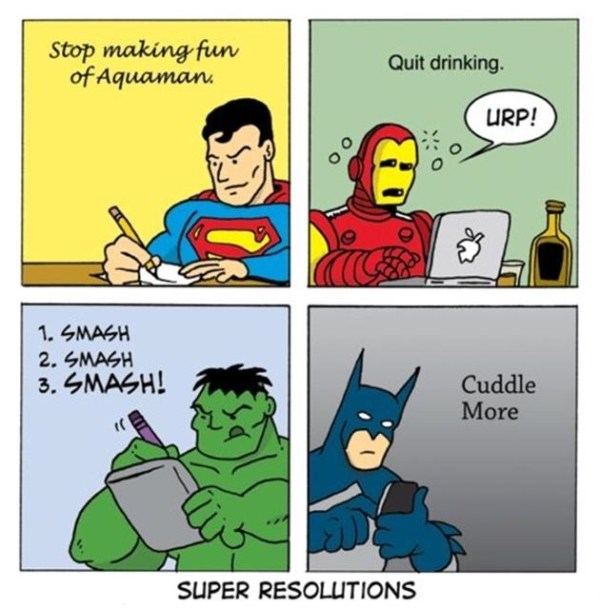
Results may vary…
“Will you exercise this year?” That simple question can be a game-changing technique for people who want to influence their own or others’ behavior, according to a recent study spanning 40 years of research. The research is the first comprehensive look at more than 100 studies examining the ‘question-behavior effect,’ a phenomenon in which asking people about performing a certain behavior influences whether they do it in the future. The effect has been shown to last more than six months after questioning.


 Lunatic Laboratories