
Autism-linked protein lays groundwork for healthy brain


A gene linked to mental disorders helps lays the foundation for a crucial brain structure during prenatal development, according to Salk Institute research. The findings reveal new mechanistic insights into the gene, known as MDGA1, which may bring a better understanding of neurodevelopmental disorders in people.
Pay attention! Attention neuron type identified


Researchers have identified for the first time a cell type in the brain of mice that is integral to attention. Moreover, by manipulating the activity of this cell type, the scientists were able to enhance attention in mice. The results add to the understanding of how the brain’s frontal lobes work and control behaviour.
Improving your toddler’s memory skills has long-term benefits


If your toddler is a Forgetful Jones, you might want to help boost his or her brainpower sooner rather than later. New research shows that preschoolers who score lower on a memory task are likely to score higher on a dropout risk scale at the age of 12.
Stereotype means girls should expect poorer physics grades


Imagine that you are a female student and give the exact same answer to a physics exam question as one of your male classmates, but you receive a significantly poorer grade. This is precisely what happens on a regular basis, as concluded in a study by Sarah Hofer, a researcher in the group led by ETH professor Elsbeth Stern.
Put the cellphone away! Fragmented baby care can affect brain development


Mothers, put down your smartphones when caring for your babies! That’s the message from University of California, Irvine researchers, who have found that fragmented and chaotic maternal care can disrupt proper brain development, which can lead to emotional disorders later in life.
Feeling sick? It’s evolution’s way of telling you to stay home

When you have a fever, your nose is stuffed and your headache is spreading to your toes, your body is telling you to stay home in bed. Feeling sick is an evolutionary adaptation according to a hypothesis put forward by Prof. Guy Shakhar of the Weizmann Institute’s Immunology Department and Dr. Keren Shakhar of the Psychology Department of the College of Management Academic Studies.
Schizophrenia linked to loss of cells in the brain’s memory center


Art by the one and only Lora Zombie
Scientists at Columbia University’s Mortimer B. Zuckerman Mind Brain Behavior Institute, Columbia University Medical Center (CUMC), and the Université Paris Descartes have found that deficits in social memory–a crucial yet poorly understood feature of psychiatric disorders such as schizophrenia–may be due to a decrease in the number of a particular class of brain cells, called inhibitory neurons, in a little-explored region within the brain’s memory center.
Why daring to compare online prices pays off offline


The constant barrage of post-holiday sales touted by web-based retailers may make it seem like online shopping is killing real-world stores. But shoppers are actually engaging in “web-to-store” shopping — buying offline after comparing prices online.
If our brain is a computer, do we really have free will?

The background to this new set of experiments lies in the debate regarding conscious will and determinism in human decision-making, which has attracted researchers, psychologists, philosophers and the general public, and which has been ongoing since at least the 1980s. Back then, the American researcher Benjamin Libet studied the nature of cerebral processes of study participants during conscious decision-making.
3-D footage of nematode brains links neurons with motion and behavior
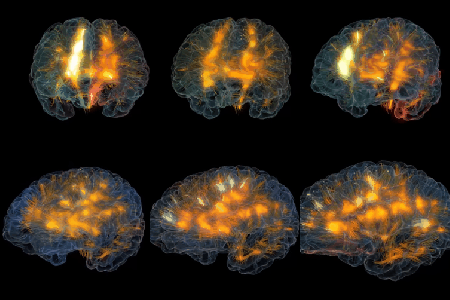
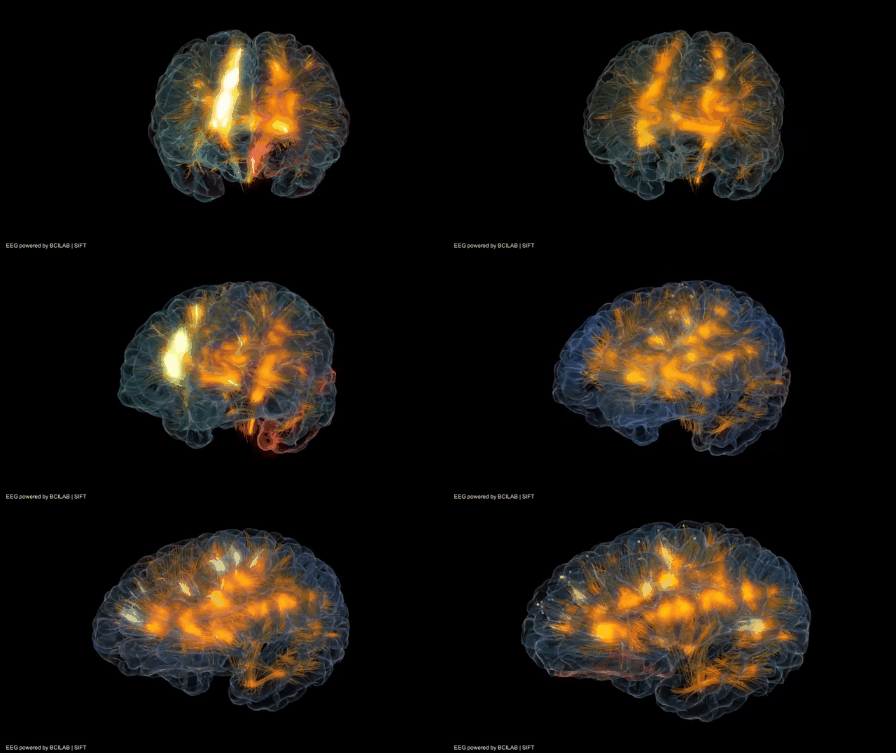
Animation from glass brain. Yea it isn’t what this post is about exactly, but it is still cool
Princeton University researchers have captured among the first recordings of neural activity in nearly the entire brain of a free-moving animal. The three-dimensional recordings could provide scientists with a better understanding of how neurons coordinate action and perception in animals. The researchers reported a technique that allowed them to record 3-D footage of neural activity in the nematode Caenorhabditis elegans, a worm species 1 millimeter long with a nervous system containing a mere 302 neurons.
Being anxious could be good for you! If you’re in a crisis…


Well maybe not that anxious…
New findings by French researchers show that the brain devotes more processing resources to social situations that signal threat than those that are benign. The results may help explain the apparent “sixth sense” we have for danger. This is the first time that specific regions of the brain have been identified to be involved in the phenomenon. The human brain is able to detect social threats in these regions in a fast, automatic fashion, within just 200 milliseconds.
Want to keep your new year’s resolution? Ask, don’t tell.

Results may vary…
“Will you exercise this year?” That simple question can be a game-changing technique for people who want to influence their own or others’ behavior, according to a recent study spanning 40 years of research. The research is the first comprehensive look at more than 100 studies examining the ‘question-behavior effect,’ a phenomenon in which asking people about performing a certain behavior influences whether they do it in the future. The effect has been shown to last more than six months after questioning.
The development of the cerebellar circuitry is driven by epigenetic “music”
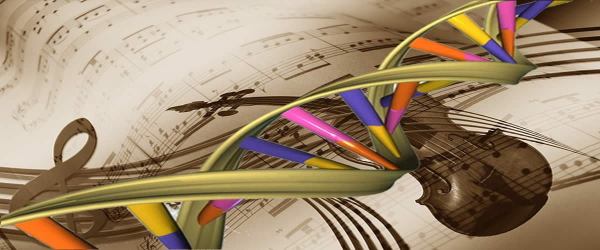
From before birth through childhood, connections form between neurons in the brain, ultimately making us who we are. So far, scientists have gained a relatively good understanding of how neural circuits become established, but they know less about the genetic control at play during this crucial developmental process. Now, a team of researchers has described for the first time the so-called epigenetic mechanisms underlying the development of the cerebellum, the portion of the brain that allows us to learn and execute complex movements.
Have a sweet tooth? It may be your livers fault

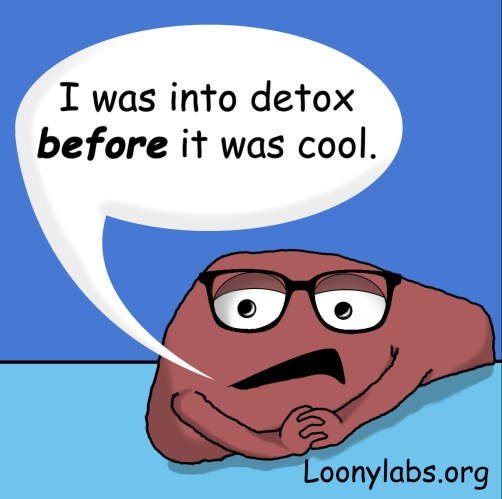
Psh, what did the liver ever do for you?
We all love our sugar, especially during the holidays. Cookies, cake, and candy are simply irresistible. While sugar cravings are common, the physiological mechanisms that trigger our “sweet tooth” are not well defined.
Lack of serotonin alters development and function in the brain
Come on get happy!
Researchers at Case Western Reserve University School of Medicine have created the first complete model to describe the role that serotonin plays in brain development and structure. Serotonin, also called 5-hydroxytryptamine [5-HT], is an important neuromodulator of brain development and the structure and function of neuronal (nerve cell) circuits.
Are you a ‘harbinger of failure’?


Has a point, he does.
Diet Crystal Pepsi. Frito Lay Lemonade. Watermelon-flavored Oreos. Through the years, the shelves of stores have been filled with products that turned out to be flops, failures, duds, and losers. But only briefly filled with them, of course, because products like these tend to get yanked from stores quickly, leaving most consumers to wonder: Who exactly buys these things, anyway?
Intelligence, it’s in your genes… and we can change that.


Ever feel like everyone around you has their brain running much faster than your own? Well, the good news is that it may not be you, it may be your genes. The other good news, we might be able to change that. Scientists from Imperial College London have identified for the first time two clusters of genes linked to human intelligence. Called M1 and M3, these so-called gene networks appear to influence cognitive function – which includes memory, attention, processing speed and reasoning.
You too can increase your risk for dementia by up to 48% with, anxiety!


People who experienced high anxiety any time in their lives had a 48 percent higher risk of developing dementia compared to those who had not, according to a new study led by USC researchers. The findings were based on an examination of 28 years of data from the Swedish Adoption Twin Study of Aging, overseen by the Karolinska Institutet of Sweden.
Depression is more than a “mental health” problem and we can now measure its risk

These feels drawn by the one, the only, and the oatmeal, or is it just one of those?
A network of interacting brain regions known as the default mode network (DMN) was found to have stronger connections in adults and children with a high risk of depression compared to those with a low risk. These findings suggest that increased DMN connectivity is a potential precursor, or biomarker, indicating a risk of developing major depressive disorder (MDD).
Emotion processing in the brain changes with tinnitus severity

Tinnitus, otherwise known as ringing in the ears, affects nearly one-third of adults over age 65. The condition can develop as part of age-related hearing loss or from a traumatic injury. In either case, the resulting persistent noise causes varying amounts of disruption to everyday life. While some tinnitus patients adapt to the condition, many others are forced to limit daily activities as a direct result of their symptoms. A new study reveals that people who are less bothered by their tinnitus use different brain regions when processing emotional information.
LSD changes consciousness by reorganizing human brain networks
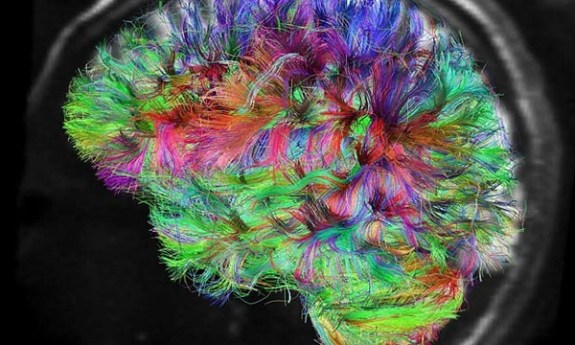
LSD is known to cause changes in consciousness, including “ego-dissolution”, or a loss of the sense of self. Despite a detailed knowledge of the action of LSD at specific serotonin receptors, it has not been understood how this these pharmacological effects can translate into such a profound effect on consciousness.
Self-consciousness: Beyond the looking-glass and what dogs found there


That man’s best friend has a conscience is what every owner would be willing to bet, without even thinking about it for a moment. This means that dogs have self-consciousness. But the problem in science is that ideas and assumptions must be demonstrated. It is not enough for someone to have an inkling of something for it to be considered a scientific fact. Self-awareness, or self-consciousness, has been studied mainly by examining the responses of animals and children to their reflection in the mirror.
No two faces are the same


For the very first time, researchers have been able to show that the causes of congenital face blindness can be traced back to an early stage in the perceptual process. These findings are crucial, not just for our understanding of face recognition, but also because they allow us to understand the processes behind the recognition of any visually presented object.
Exposure to violence makes you more likely to lie, cheat


Maybe it’s not what it looks like…
Can watching a violent movie make you more likely to lie, cheat or steal? What about reading a violent book? While that may seem like a stretch, a new research study shows it may be the case. The study finds that exposure to human violence is strongly linked to an increase in cheating for monetary gain. In other words, violence may be making us less ethical.
Our pale blue dot in the wake of destruction


This is our home, that pale blue dot, dwarfed by an arrow that takes up less space on your screen than this sentence. For all our “overwhelming” intelligence, if we flexed our mental might and developed a weapon to destroy this pale blue dot, it would almost certainly go unnoticed in the universe.
Antidepressant medication protects against compounds linked to dementia

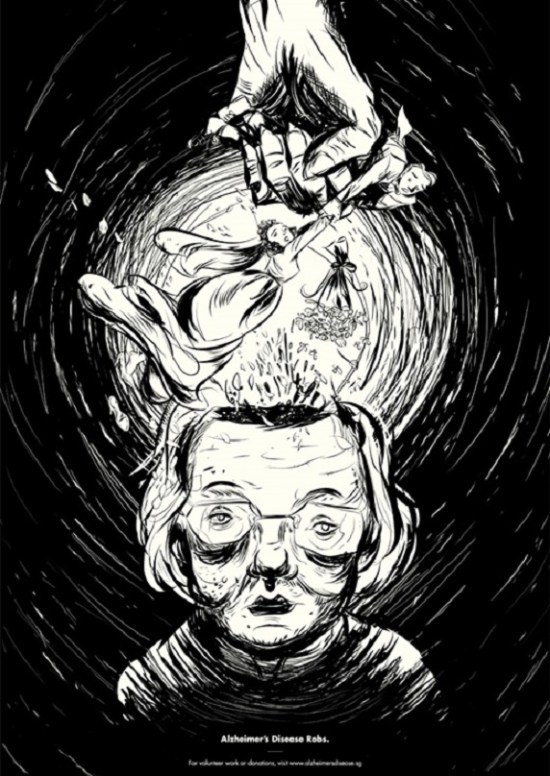
In addition to treating depression, a commonly used antidepressant medication also protects against compounds that can cause memory loss and dementia, a Loyola University Medical Center study has found. The study found that blood levels of two neurotoxic compounds dropped significantly in depressed patients after they were treated with the antidepressant escitalopram (Lexapro).
Mental health risk for new dads
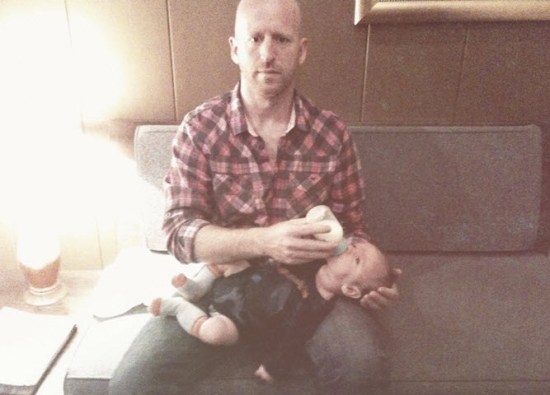
Researchers have found anxiety around the arrival of a new baby is just as common as postnatal depression, and the risks for men are nearly as high as for women. Mental health researcher Dr Liana Leach reviewed 43 separate studies and found anxiety before and after a child arrives is just as prevalent as depression, affecting around one in ten men, around half the rate for women.
Dopamine measurements reveal insights into how we learn


Virginia Tech Carilion Research Institute scientists have reported measurements of dopamine release with unprecedented temporal precision in the brains of people with Parkinson’s disease. The measurements, collected during brain surgery as the conscious patients played an investment game, demonstrate how rapid dopamine release encodes information crucial for human choice.
Neuroscience and the search for happiness

Exercising, meditating, scouring self-help books… we go out of our way to be happy, but do we really know what happiness is? Wataru Sato and his team at Kyoto University have found an answer from a neurological perspective.
Inflammation linked to weakened reward circuits in depression


About one third of people with depression have high levels of inflammation markers in their blood. New research indicates that persistent inflammation affects the brain in ways that are connected with stubborn symptoms of depression, such as anhedonia, the inability to experience pleasure.
Yin and yang of serotonin neurons in mood regulation

Low levels of serotonin in the brain are known to play a role in depression and anxiety, and it is customary to treat these disorders with medications that increase the amount of this neurotransmitter. However, a new study carried out by researchers suggests that this approach may be too simple. It appears that neighboring serotonin-producing brainstem regions exert different and sometimes opposing effects on behavior.
Master switch for brain development

Scientists at the Institute of Molecular Biology (IMB) in Mainz have unraveled a complex regulatory mechanism that explains how a single gene can drive the formation of brain cells. The research is an important step towards a better understanding of how the brain develops. It also harbors potential for regenerative medicine.
What’s in a name? More than you think…

What’s in a name? In the case of the usernames of video gamers, a remarkable amount of information about their real world personalities, according to research. Analysis of anonymised data from one of the world’s most popular computer games by scientists in the Department of Psychology at York also revealed information about their ages.
Strongest evidence yet of a link between breakfast and educational outcomes

A direct and positive link between pupils’ breakfast quality and consumption, and their educational attainment, has for the first time been demonstrated in a ground-breaking new study carried out by public health experts at Cardiff University. The study of 5000 9-11 year-olds from more than 100 primary schools sought to examine the link between breakfast consumption and quality and subsequent attainment in Key Stage 2 Teacher Assessments* 6-18 months later.
3-D printing aids in understanding food enjoyment

Tasting food relies on food volatiles moving from the back of the mouth to the nasal cavity, but researchers have wondered why airflow doesn’t carry them in the other direction, into the lungs. Now a team of engineers, using a 3D printed model of the human airway from nostril to trachea, has determined that the shape of the airway preferentially transfers volatiles to the nasal cavity and allows humans to enjoy the smell of good food.
Not so happy old age?


The notion that older people are happier than younger people is being challenged following a recent study led by a University of Bradford lecturer. In fact it suggests that people get more depressed from age 65 onwards. The study, led by psychology lecturer Dr Helena Chui, builds on a 15-year project observing over 2,000 older Australians living in the Adelaide area.
It’s music to my eyes

Swan lake
Image credit goes to: The one and only Lora Zombie (Yes again).
When people are listening to music, their emotional reactions to the music are reflected in changes in their pupil size. Researchers from the University of Vienna and the University of Innsbruck, Austria, are the first to show that both the emotional content of the music and the listeners’ personal involvement with music influence pupil dilation. This study demonstrates that pupil size measurement can be effectively used to probe listeners’ reactions to music.
The connection between masculinity, energy drink use, and sleep problems

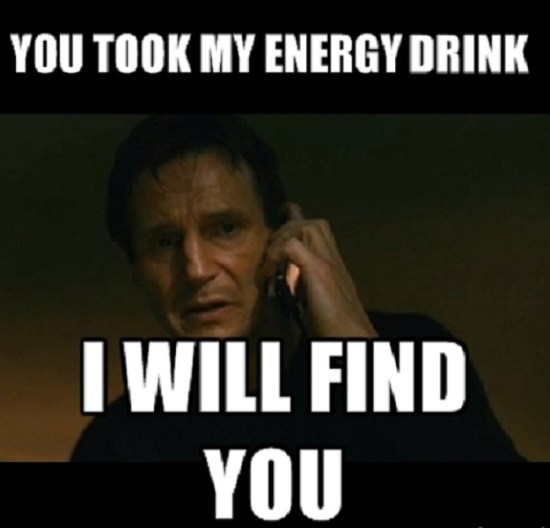
Energy drinks have grown in popularity for many Americans, but there is growing concern about the health risks of consuming them in large quantities. Because men are the main consumers of energy drinks, a research team lead by Dr. Ronald F. Levant, a professor of psychology at The University of Akron, set out to study a possible link between masculinity, expectations about the benefits of consuming energy drinks, how those expectations affect energy drink use, and the impact on sleep.
Cancer survivors less likely to receive callbacks from potential employers


Job applicants who are cancer survivors are less likely to receive callbacks from potential retail employers than those who did not disclose their health history, according to a recent study by Rice University and Penn State University researchers.
Adults’ happiness on the decline

Are you less happy than your parents were at the same age? It may not be all in your head. Researchers led by San Diego State University professor Jean M. Twenge found adults over age 30 are not as happy as they used to be, but teens and young adults are happier than ever. Researchers analyzed data from four nationally representative samples of 1.3 million Americans ages 13 to 96 taken from 1972 to 2014.
Kids meals, toys, and TV advertising: A triple threat to child health

Image credit goes to the one and only: Laura Zombie
Fast food companies advertise children’s meals on TV with ads that feature toy premiums, and it has been suggested that the use of these toy premiums may prompt children to request eating at fast food restaurants. In a new study, researchers found that the more children watched television channels that aired ads for children’s fast food meals, the more frequently their families visited those fast food restaurants.
Lack of ZZZZs may zap cell growth, brain activity

Lack of adequate sleep can do more than just make you tired. It can short-circuit your system and interfere with a fundamental cellular process that drives physical growth, physiological adaptation and even brain activity, according to a new study. Albrecht von Arnim, a molecular biologist based in the Department of Biochemistry and Cellular and Molecular Biology, studied plants but said the concepts may well translate to humans.
How common is sexting among married couples?

Earlier this year, we looked at a study that suggested sexting can be healthy in a relationship, but that study primarily looked at non-married couples and the average age for the behavior was, as you may expect, young adult. Which may lead you to think that married couples don’t sext. In fact, married couples do report sexting, but it is much less common than in young adult relationships and consists more of intimate talk with their partners than sending nude or nearly nude photos via mobile phones, according to a new study.
Depression too often reduced to a checklist of symptoms

How can you tell if someone is depressed? The Diagnostic and Statistical Manual of Mental Disorders (DSM) – the ‘bible’ of psychiatry – diagnoses depression when patients tick off a certain number of symptoms on the DSM checklist. A large-scale quantitative study coordinated at KU Leuven, Belgium, now shows that some symptoms play a much bigger role than others in driving depression, and that the symptoms listed in DSM may not be the most useful ones.
Bacteria communicate like neurons in the brain
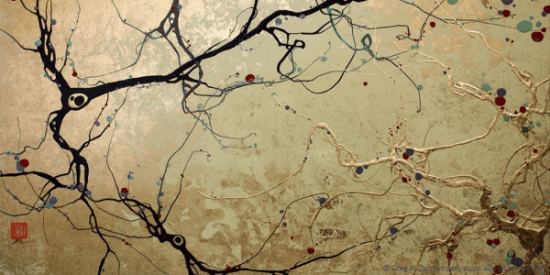
Biologists discovered that bacteria–often viewed as lowly, solitary creatures–are actually quite sophisticated in their social interactions and communicate with one another through similar electrical signaling mechanisms as neurons in the human brain. In the study, scientists detail the manner by which bacteria living in communities communicate with one another electrically through proteins called “ion channels.”
Finding the brain circuitry for gratitude with help from Holocaust survivors’ memories

Neuroscientists have mapped how the human brain experiences gratitude with help from an unexpected resource: Holocaust survivors’ testimonies.
Premature birth appears to weaken brain connections

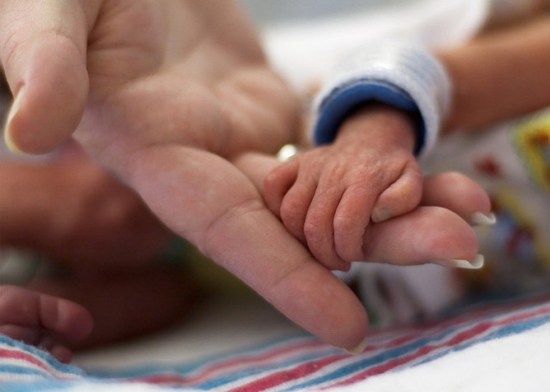
Babies born prematurely face an increased risk of neurological and psychiatric problems that may be due to weakened connections in brain networks linked to attention, communication and the processing of emotions, new research shows. Studying brain scans from premature and full-term babies, researchers zeroed in on differences in the brain that may underlie such problems.
How reward and daytime sleep boost learning

A new study suggests that receiving rewards as you learn can help cement new facts and skills in your memory, particularly when combined with a daytime nap. The findings from the University of Geneva reveal that memories associated with a reward are preferentially reinforced by sleep. Even a short nap after a period of learning is beneficial.
‘Paleo’ style sleep? Think again…
It’s tempting to believe that people these days aren’t getting enough sleep, living as we do in our well-lit houses with TVs blaring, cell phones buzzing, and a well-used coffee maker in every kitchen. But new evidence reported in the Cell Press journal Current Biology on October 15 shows that three ancient groups of hunter-gatherers–living in different parts of the world without any of those trappings of modern life–don’t get any more sleep than we do.
Schizophrenia symptoms linked to features of brain’s anatomy?
Using advanced brain imaging, researchers have matched certain behavioral symptoms of schizophrenia to features of the brain’s anatomy. The findings, at Washington University School of Medicine in St. Louis, could be a step toward improving diagnosis and treatment of schizophrenia.


 Lunatic Laboratories