
Hyper sleep- A “down to earth” space story

It was every kids’ dream to go into space, not understanding the perils or the boredom that comes with it. The idea of floating weightless and “boldly going where no man has gone before” permeated the imagination as nothing had ever done before. Space, why did there have to be so much of it?
Lucid dreaming: The similarities between dreaming and wakefulness

To control one’s dreams and to live out there what is impossible in real life — a truly tempting idea. Some people — so-called lucid dreamers — can do this. Researchers have discovered that the brain area which enables self-reflection is larger in lucid dreamers. Thus, lucid dreamers are possibly also more self-reflecting when they are awake.
Belief’s effect on biochemistry in cases of addiction

Ever wonder what makes people susceptible to addiction? Think about it, some people can stop addictive painkillers without a problem and others, well others are not so lucky. So the big question is are there more than biophysical factors at play in addiction? A new study shows that cognitive beliefs play a significant role in a person’s neurological response to an addictive substance and that belief can diminish the neurological effects of an addictive drug.
Fish, mercury, and pregnancy: Good news for seafood lovers

People freak out when they hear mercury is in something and sometimes for good reasons. In vaccinations for example a very small amount of ethyl-mercury WAS used as a preservative in vaccines, people got scared so now it is not used in most vaccines. Methylmercury* however is found in seafood and larger fish in particular (in much, much higher concentrations than in vaccines mind you). They may sound the same, but the methylmercury in fish is far more toxic. That said, it turns out that fish isn’t as toxic as we thought, so all you pregnant women who love fish will be happy to hear this.
You can live longer, but not healthier

We all want to live longer and thanks to medical technologies our life expectancies have dramatically increased. Which would be handy if we could actually enjoy the extra years. Unfortunately a study of long-lived mutant C. elegans by scientists shows that the genetically altered worms spend a greater portion of their life in a frail state and exhibit less activity as they age than typical nematodes. These findings suggest that genes that increase longevity may not significantly increase healthy lifespan and point to the need to measure health as part of aging studies going forward.
Fear, PTSD, and newly found neural circuits in the brain

People with anxiety disorders, such as post traumatic stress disorder (PTSD), often experience prolonged and exaggerated fearfulness. Now, an animal study suggests that this might involve disruption of a gradual shifting of brain circuitry for retrieving fear memories. Researchers have discovered in rats that an old fear memory is recalled by a separate brain pathway from the one originally used to recall it when it was fresh.
Stem cells derived from amniotic tissues have immunosuppressive properties

Stem cells derived from human amnion have for some time been considered promising for cell therapies because of their ease of access, ability to differentiate, and absence of ethical issues. Now, a research team has found that stem cells derived from human female amnion also have immunosuppressive activity and that the addition of antibodies to specific factors can enhance their immunosuppressive potential.
Pythagoras theorem could improve patient care

Triangles, few of us have ever thought of a relationship between healthcare and triangles. Most of us will remember Pythagoras theorem from our school days, but rarely have a reason to use it in day-to-day life. Well for Doctors that might change, a team of medical researchers has found the 2,500-year-old Pythagoras theorem could be the most effective way to identify the point at which a patient’s health begins to improve.
New genetic clues in fragile x syndrome

Scientists have gained new insight into fragile X syndrome — the most common cause of inherited intellectual disability — by studying the case of a person without the disorder, but with two of its classic symptoms.
Scientists use the brain to direct fat burning
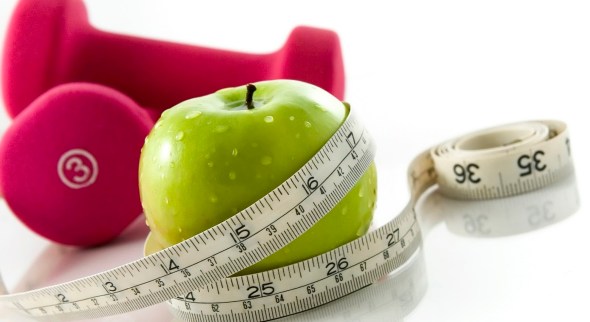
Does it seem like no matter what you do, you still can’t shed the pounds? You know what to eat, how to eat and workout regularly, but the weight just won’t go away, well you may not be alone. There are many different medical conditions that limit your ability to lose weight, but thankfully science has now found how to use your brain to shed the weight.
The hidden neurological impact of explosions on military members

More bad news for war Veterans, the brains of some Iraq and Afghanistan combat veterans who survived blasts from improvised explosive devices (IEDs) and died later of other causes show a distinctive honeycomb pattern of broken and swollen nerve fibers throughout critical brain regions, including those that control executive function. The pattern is different from brain damage caused by car crashes, drug overdoses or collision sports, and may be the never-before-reported signature of blast injuries suffered by soldiers as far back as World War I.
Genetic brain disorders start at the synapse
As we’ve seen from research featured here at the lab, there are many genetic disorders that cause intellectual disability and autism. Historically, these were viewed as untreatable. However, in recent years we have shown via animal models that it is possible to reverse the effects of these gene mutations. But the question remained whether different gene mutations disrupt common physiological processes. If this were the case, a treatment developed for one genetic cause of autism and intellectual disability might be useful for many others.
Humans keep the memories accurate by forgetting
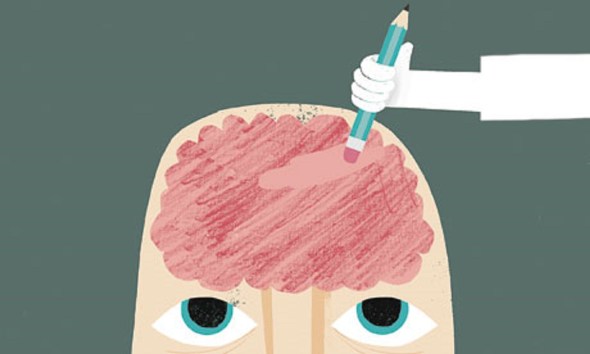
Your brain is a memory powerhouse, constantly recording experiences in long-term memory. Those memories help you find your way through the world: Who works the counter each morning at your favorite coffee shop? How do you turn on the headlights of your car? What color is your best friend’s house? But then your barista leaves for law school, you finally buy a new car and your buddy spends the summer with a paint brush in hand. Suddenly, your memories are out of date. So what do you do, forget about it.
Music takes the pain away post surgery

In today’s society, when it is so easy to over medicate children and adults alike it is nice to finally read something that looks for an alternative option. This particular case deals with pain management in children post surgery and the study shows that pediatric patients who listened to 30 minutes of songs by Rihanna, Taylor Swift and other singers of their choosing — or audio books — had a significant reduction in pain after major surgery.
New antibiotic may help slow drug resistance
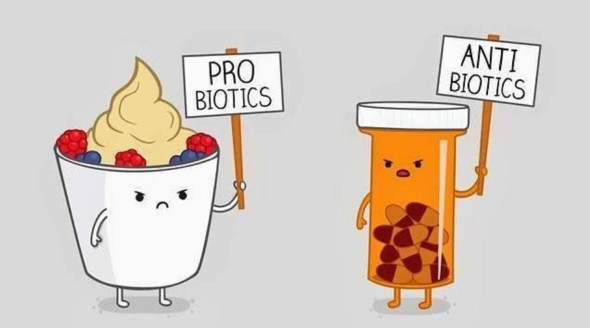
Antibiotic resistance, a hot topic lately here at the labs, as evidence by this recent post. So it is fortuitous that I stumbled upon this little bit of research that suggests scientists (using a “revolutionary” approach) have devised an antibiotic that may offset the mounting problem of drug resistance for decades… hopefully.
Creating a better diet pill: The new drug that is making big promises

Losing the weight, some of us never seem to be able to do it. Whether it is poor choice in diet, a medical condition, or just a sedentary lifestyle, people everywhere are finding they can’t shed the pounds. Now there is a new drug that promises help in the weight loss department and works like nothing we’ve seen used for weight loss yet. The compound effectively stopped weight gain, lowered cholesterol, controlled blood sugar and minimized inflammation in mice, making it an excellent candidate for a rapid transition into human clinical trials.
Outsmarting superbugs’ countermoves to antibiotics
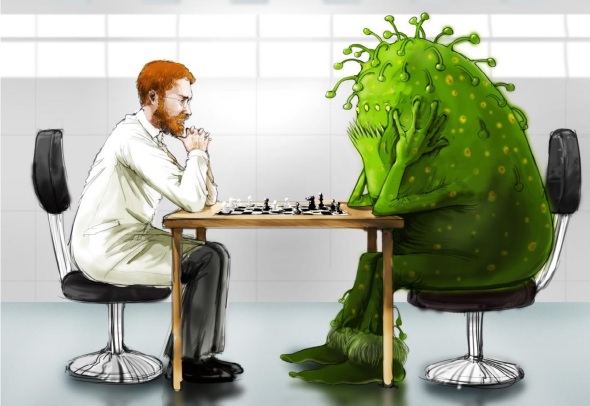
With drug-resistant bacteria on the rise, even common infections that were easily controlled for decades — such as pneumonia or urinary tract infections — are proving trickier to treat with standard antibiotics. New drugs are desperately needed, but so are ways to maximize the effective lifespan of these drugs.
Not everyone sees health decline from obesity, but why is that?

The news isn’t shy in reporting the effects of being obese, high blood pressure, and diabetes (just to name a few). However, new research demonstrates that obesity does not always go hand in hand with metabolic changes in the body that can lead to diabetes, heart disease and stroke. Determining how and why may help reduce or eliminate the health risks in other people dealing with obesity.
HIV vaccines may make things worse
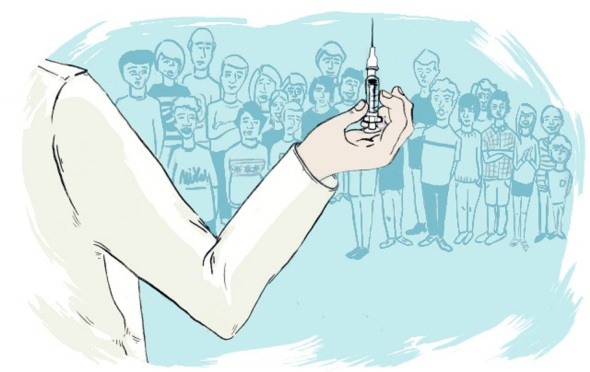
Despite what conspiracy theorists say, there is no cure for HIV. Not that people aren’t feverously working hard to find one, it is just really hard to do. To illustrate that point researchers have found that vaccines designed to protect against HIV can backfire and lead to increased rates of infection. This unfortunate effect has been seen in more than one vaccine clinical trial.
New cancer treatment targets telomeres

Cancer, right now we don’t have much to fight it besides the standard surgery or chemo, neither of which is a great option. Well now scientists have targeted telomeres with a small molecule called 6-thiodG that takes advantage of the cell’s ‘biological clock’ to kill cancer cells and shrink tumor growth. Ideally this new technique will help eliminate the need for nasty drugs like those used in chemotherapy.
A surprising discovery about fast food portion sizes

Since the noticeable expansion of most of the worlds waistlines, people have come to lay the blame (amongst other things) almost squarely on fast food and ever increasing portion sizes. While the world and it’s leaders are dealing with this mysterious problem by trying to help push fast food chains in the direction of change, it might be surprising to know that according to new research, fast food portion sizes have changed little since 1996.
Steak raises cancer risk and now we know why

Some of you may remember a recent study showing why red meat is bad for the heart, while now there is a study showing why steak — or in particular red meats — raise the risk of cancer. To be clear, I am still very much a red meat eater and this is no way intended to change anyones opinions on steak consumption, but it is nice to understand the science behind what we put in our mouths.
Estrogen worsens allergic reactions


Are you a woman? Do you find yourself allergic to everything, but water (and sometimes that is up for debate)? Worse, does your husband, boyfriend, or male friend seem to be impervious to any sort of allergy? Well I have good news and bad news, the good news is it isn’t you — or him. The bad news, is it’s your hormones…
Evolution of whooping cough and the anti-vaccination movement


When I was your age, whooping cough wasn’t what it is today. I’m sure we all know the stereotypical grandfather telling stories like that, but — at least in this case — if he started his story off like that then he is actually right. Over the last few years, this once-common childhood illness, has evolved in response to its own vaccine, in other words this isn’t your parents’ pertussis.
Nanoparticles could deliver drugs to the brain
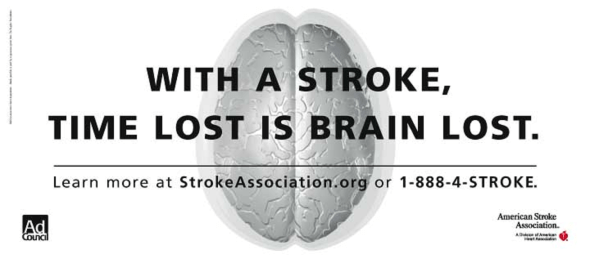
Science has already shown that when it comes to strokes, the sooner you treat it the better your outcome. Well now, stroke victims could have more time to seek treatment that could reduce harmful effects on the brain, thanks to tiny blobs of gelatin that could deliver the medication to the brain. The best part, this would be done noninvasively.
mTOR and the fountain of youth

The fountain of youth might be just right around the corner, I know here at the labs we’ve reported several different ways to get to that fabled place, but now we have one more. New research shows that seniors received a significant boost to their immune systems when given a drug that targets a genetic signaling pathway linked to aging and immune function.
Obesity and a high-fat diet might be hurting your baby

We’ve seen it on the news, we’ve probably even read some articles about it, the “western” diet is awful. Yet, despite the warnings, Americans as a whole still eat awfully. Unfortunately, the health effects are very real and a new study shows that it may not just be effecting an expected mothers health, it may be harming the unborn child as well.
The science of dietary restriction and it’s benefits (or what to do after the holidays)

In a new study, researchers have identified a key molecular mechanism behind the health benefits of dietary restriction — or reduced food intake without malnutrition. Also known as calorie restriction or simply a diet, dietary restriction is best known for its ability to slow aging in laboratory animals. The findings here show that restricting two amino acids, methionine and cysteine, results in increased hydrogen sulfide (H2S) production and protection against ischemia reperfusion injury, or damage to tissue that occurs following the interruption of blood flow as during organ transplantation and stroke. Increased H2S production upon dietary restriction was also associated with lifespan extension in worms, flies, and yeast.
Autism presentation and genetic variance

People with autism have a wide range of symptoms, with no two people sharing the exact type and severity of behaviors. This has made finding a cause (or causes) difficult, leaving pseudoscientists to claim vaccines are the cause as if it were that simple (hint: vaccines do not cause autism). Now a large-scale analysis of hundreds of patients and nearly 1000 genes has started to uncover how diversity among traits can be traced to differences in patients’ genetic mutations.
Vaccine against prion disease, not for humans… yet
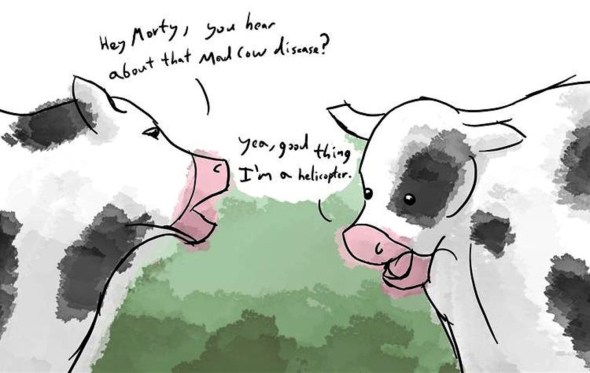
Prions, misfolded proteins that wreak havoc on the brain, may have finally met their match. Best known for things like mad cow disease (and possibly alzheimer’s disease) scientists have had no luck stopping prions, until now. Researchers say that a vaccination they have developed to fight a brain-based, wasting syndrome among deer and other animals may hold promise on two additional fronts: Protecting U.S. livestock from contracting the disease, and preventing similar brain infections in humans.
Antidepressants and the effects on your unborn child

Think you know what causes depression? Well unfortunately scientists don’t have the exact answer, surprised? That’s not the only problem, there is an ever growing concern that we live in an over medicated society and a newly released study doesn’t paint a better picture. About 15 percent of women in the United States suffer from anxiety disorders and depression during their pregnancies, and many are prescribed antidepressants. However little is known about how early exposure to these medications might affect their offspring as they mature into adults.
Gene fragments linked to brain development and autism

While the anti-vaccine movement enjoys the simple (and very wrong) answer to the cause of autism, there are people who want the actual truth. This drive had lead to a slew of causes (and risk factors) for autism in recent times. Now scientists have found that very small segments of genes called “microexons” influence how proteins interact with each other in the nervous system. In turn, this opens up a new line of research into the cause of autism.
Epigenetic changes and autism
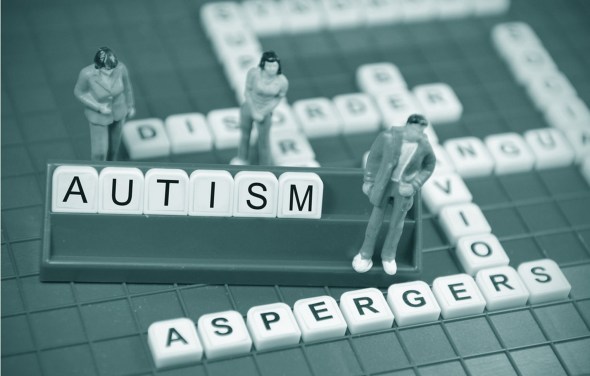
Despite what you may think, the supposed “explosion” of children diagnosed with autism can directly attributed to better diagnosing techniques and — more importantly — the change of definition to make Autism spectrum disorders more broad. Thankfully more causes of autism have been found, none of them remotely related to vaccines and now scientists have found that chemical modifications to DNA’s packaging—known as epigenetic changes—can activate or repress genes involved in autism spectrum disorders (ASDs) and early brain development.
Methamphetamine use and the onset of parkinson’s


We’ve all seen the PSA’s trying to show the effects of meth use and in particular, what it does to your teeth. Typically, when it comes to drug use, people will not look at the long term side effects from their addiction instead thinking in the short term. This is unfortunate because as it turns out, methamphetamine users are three times more at risk for getting Parkinson’s disease than non-illicit drug users with even worse news for women, new research shows.
Finding the neurons that deal with distraction

What’s that over there!? The next time you are around people, count how many people are on their phone? Distractions invade every aspect of our lives. Status updates, text messages, popup notifications, all threaten to steal our attention away from the moment. While we fight the urge to check the phone, our brains are making constant judgment calls about where to focus attention. The brain must continually filter important information from irrelevant interference.
Scientists find a drug (currently used) to turn white fat to brown

It seems like we’ve been on a weight loss campaign here at the labs, but there just has been so much new and interesting research on the subject to report on; this is no exception. Researchers have uncovered the mechanism by which white fat cells from humans (an important distinction) gets reprogrammed to become browner.
High fat diet leads to brain inflammation and obesity

The stomach strikes again, or so it seems. We’ve already covered how your stomach seemingly controls your brain and your blood-brain barrier, but now it seems that what you eat –not too indirectly related to your stomach– might make you fatter, but not in the way you might be thinking thinking. What you are eating may be causing inflammation in the brain.
What makes us fat, OR food vs. physiology
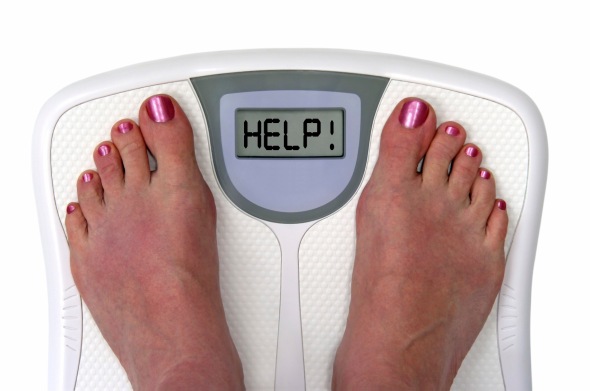
There is a heir of mystery surrounding weight loss and fat in general. Have you ever heard you have all the fat cells you’ll ever have — that’s false by the way. Then there is fad diets like gluten free — proven to do nothing unless you actually have a diagnosed gluten allergy — or adkins, but now researchers believe they’re on track to solve the mystery of weight gain – and it has nothing to do with indulging in holiday eggnog.
Worms’ “mental GPS” could help improve mental health

Imagine this, you’ve misplaced your cell phone. You start by scanning where you remember leaving it: on your bureau. You check and double-check the bureau before expanding your search around and below the bureau. Eventually, you switch from this local area to a more global one, widening your search to the rest of your room and beyond.
Depressed? Laughing gas might help
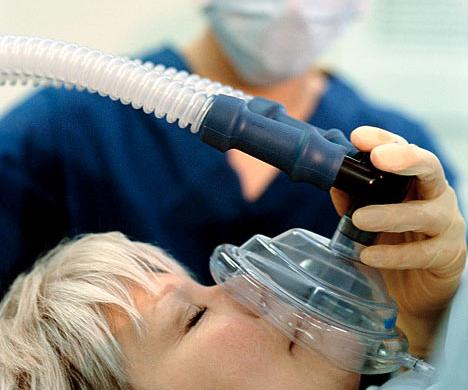
Nitrous oxide, or laughing gas, has shown early promise as a potential treatment for severe depression in patients whose symptoms don’t respond to standard therapies. In other words, it might actually live up to it’s name and as they say laughter is the best medicine. The pilot study is believed to be the first research in which patients with depression were given laughing gas.
Scientists find a hormone that makes you fatter
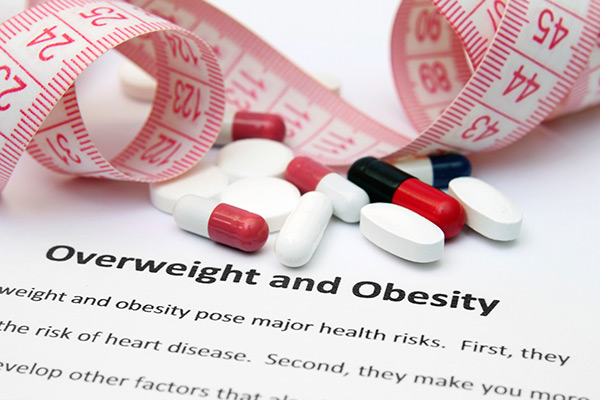
Our waistlines are expanding, it’s no secret that around the world despite rampant hunger people are also getting fatter. While there are many things that are contributing to this — our increased food security, the cost of food, fast food, the increasing sugar supplied in food, etc — there are other theories as to why we are getting so heavy. Scientists have pointed towards bacteria, gut microbiota, and many other causes for our increased weight, now add to that list a common hormone that we all produce.
Mapping the spinal circuitry to fight phantom pain
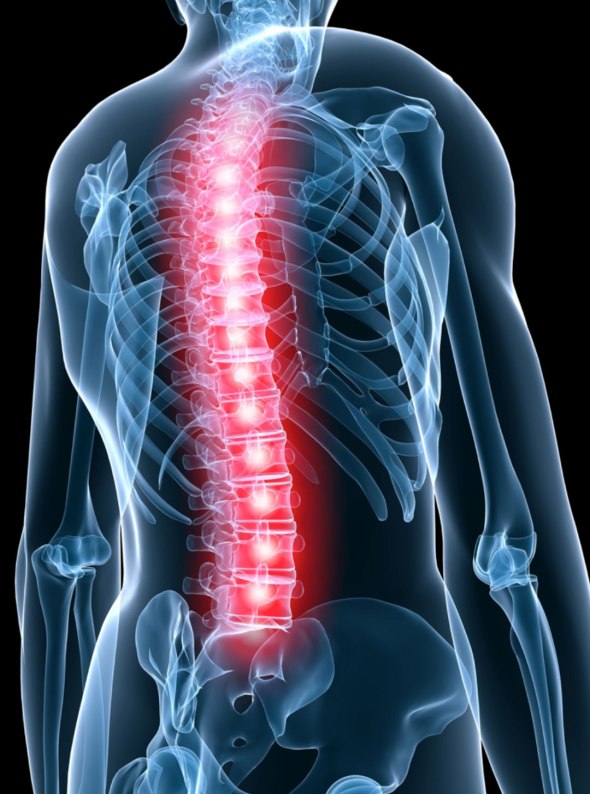
Pain typically has a clear cause–but not always. When a person touches something hot or bumps into a sharp object, it’s no surprise that it hurts. But for people with certain chronic pain disorders, including fibromyalgia and phantom limb pain, even a gentle caress can result in agony and for some — like my sister — the pain can be almost never ending.
New peptide might treat spinal cord injury
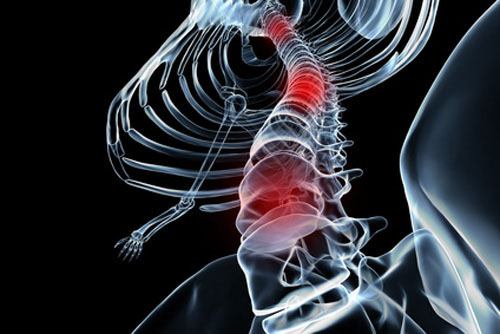
In nature there are plenty of animals that can regenerate nerves, even some mammals have the ability to regenerate them, but unfortunately we do not. However, there is some great news on the horizon, scientists have developed a new chemical compound that shows extraordinary promise in restoring function lost to spinal cord injury. The compound, which the researchers dubbed intracellular sigma peptide (ISP), allowed paralyzed muscles to activate in more than 80 percent of the animals tested.
Synthetic biology breakthrough: The world’s first artificial enzymes
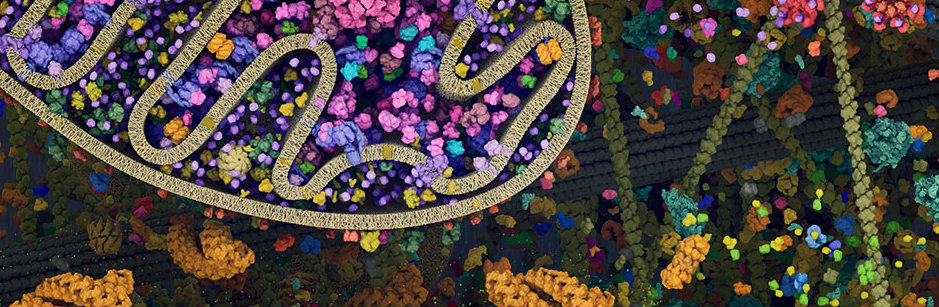
Like mad scientists working away in some secret location we have created life… well sort of. It may sound like something out of a Sci fi movie, but scientists have created the world’s first enzymes made from artificial genetic material. Their synthetic enzymes (which are made from molecules that do not occur anywhere in nature) are capable of triggering chemical reactions in the lab and are the building blocks for life.
Vegetable oil in the fight against gastric disease

The bacterium Helicobacter pylori is strongly associated with gastric ulcers and cancer. Unfortunately, treating the bacteria with antibiotics is difficult and with the increase in antibiotic resistance it can be a dangerous fight to take on. Given the high rate of ulcers and stomach cancers, the need for a better treatment is becoming more apparent. New research may bring hope (and of all things) in the form of vegetable oil.
Fragile X and a new autism treatment

There are many roads to autism, none of them involve vaccination. I get tired of saying that, but it’s simple science, vaccines do not cause autism. Thankfully science knows this and is looking at not only what actually causes autism (Since again there are many different ways to develop on the spectrum). Well they may have found a new treatment for people affected by a common inherited form of autism by using a drug that is being tested as a treatment for cancer.
Need to turn off the pain? Well now we can!
 My sister suffers from chronic pain issues. I’ve written several posts about how her autoimmune disease is a special brand of pain that you will thankfully (almost certainly) never have to feel. While great strides have been made in pain management, there are still relatively few options that do not carry the risk of being extremely addictive. Well thankfully there is some new research and it offers hope, not just for my sister, but for the millions of people suffering from chronic pain that has been poorly managed.
Hiding cells to prevent HIV transmission
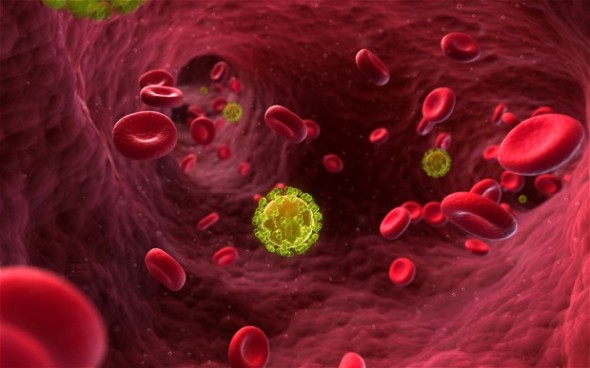
The fight against HIV is ongoing and despite our rapid progression against the disease we still lack a cure or even adequate treatment for people infected. However, new research suggests that cloaking immune cells with antibodies that block T cell trafficking to the gut can substantially reduce the risk of viral transmission, at least in a non-human primate model of HIV infection. If it works out, this could help slow down the spread of HIV and give people a better shot at a normal life.
Mental Health- The invisible barrier for women’s care

A while back I wrote a post about mental health and jail sentences, it seems like no one takes mental health seriously and that leads to lack of care for the individual. Well a new study offers even more bad news on the mental health front. Women with symptoms of serious mental illness are significantly less likely to receive three routine cancer screenings – Pap tests, mammograms and clinical breast exams – than women in the general population, despite being at elevated risk for medical comorbidities and early death, a new study indicates.
Designing a better flu vaccine

We all hate getting sick and the seasonal flu vaccine can help prevent a time of serious illness. Unfortunately the vaccine is usually an educated guess as to which strains of the flu are going to be most prevalent that year. Well now an international team of researchers has shown that it may be possible to improve the effectiveness of the seasonal flu vaccine by ‘pre-empting’ the evolution of the influenza virus.


 Lunatic Laboratories