
The scientific brain: How the brain repurposes itself to learn scientific concepts
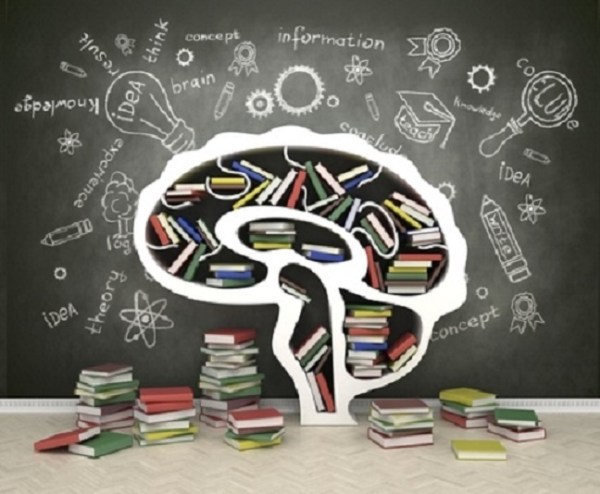
The human brain was initially used for basic survival tasks, such as staying safe and hunting and gathering. Yet, 200,000 years later, the same human brain is able to learn abstract concepts, like momentum, energy, and gravity, which have only been formally defined in the last few centuries. New research has now uncovered how the brain is able to acquire brand new types of ideas.
Imagery enhances memory and reduces false memories

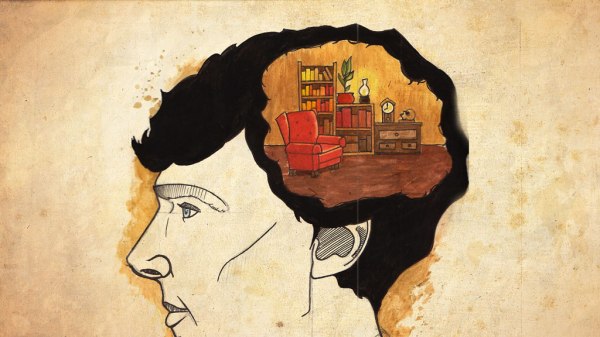
Using imagery is an effective way to improve memory and decrease certain types of false memories. The study examined how creating images affected the ability to accurately recall conceptually related word lists as well as rhyming word lists. People who were instructed to create images of the list words in their head were able to recall more words than people who didn’t create images, and they didn’t recall false memories as often. False memories occur when a person recalls something that didn’t happen or remembers something inaccurately.
Could a popular painkiller hamper our ability to notice erors?

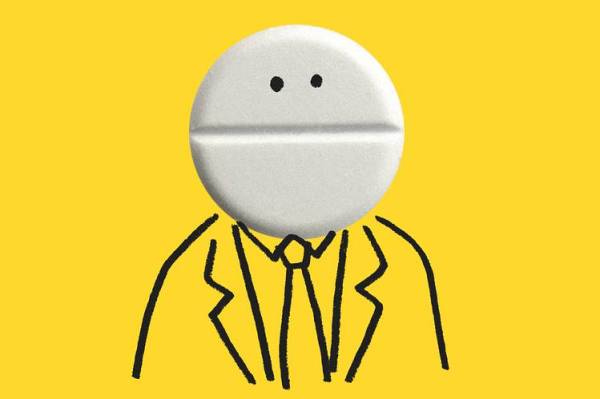
Pain, it’s a pain, it always seems to find ways to pop up when you least expect it, enter non-aspirin! Better known as acetaminophen, it has been known for centuries that is an effective painkiller. Since it is over the counter most people don’t give it a second thought, but according to a new study, it could also be impeding error-detection in the brain.
What is a good death?


Food for the worms, a dirt nap, kicking the bucket, maybe there are so many euphemisms for death because it is still a taboo in certain cultures. Not so fun fact, my Uncle committed suicide some years back. I’m not going to go into details, but because suicide is looked down on, was his death still considered a “good death”? Trying to qualitatively and quantitatively define a good death, researchers have published a new paper offering help in defining the idea of a good death and have ultimately identified 11 core themes associated with dying well.
Mental illness, that’s a funny term isn’t it?


If you suffer from depression, PTSD, or anything else please visit: Take this
In today’s lexicon, the term mental illness is used pretty widely. It can be used to describe someone suffering from depression, to PTSD, to even someone suicidal. In fact, today it is sort of a catch all term for anyone who is involved in a mass shooting here in the US. We are getting off point however, why are we (myself included) labeled as mentally ill? You don’t call an amputee someone suffering from body illness, nor would you call someone with cancer “cellularly ill”.
A link between nightmares and suicidal behavior


Image credit goes to: Joshua Hoffine
A new study is the first to report that the relationship between nightmares and suicidal behaviors is partially mediated by a multi-step pathway via defeat, entrapment, and hopelessness. Results show that suicidal thoughts, plans or attempts were present in 62 percent of participants who experienced nightmares and only 20 percent of those without nightmares.
Forgetting, to learn
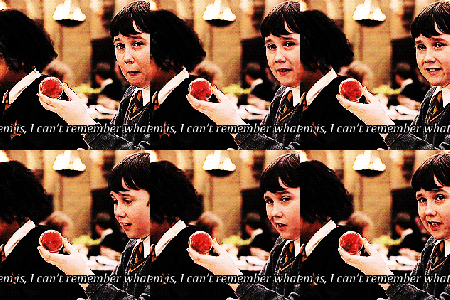
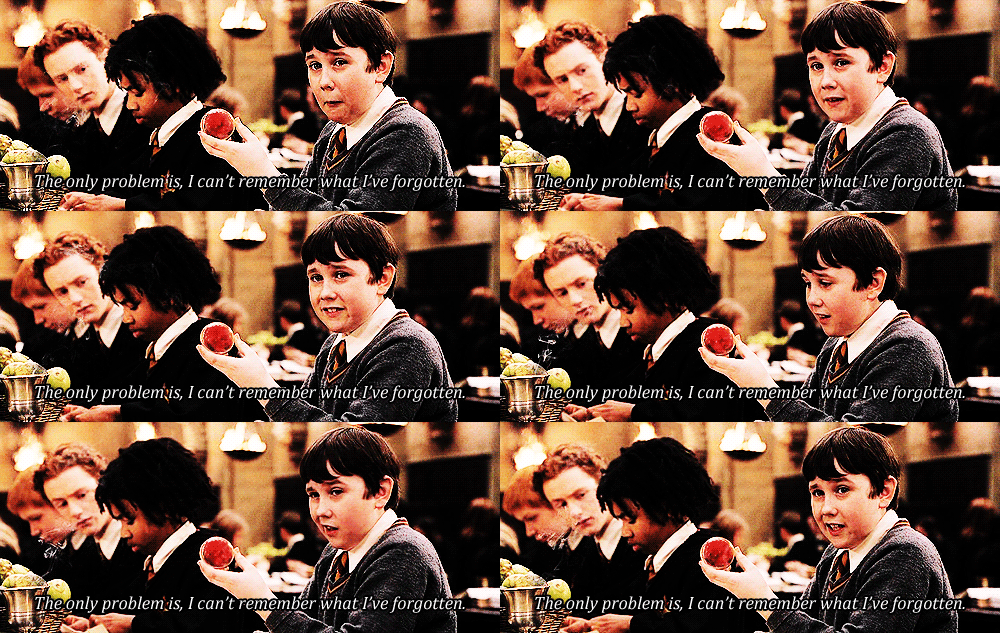
They say that once you’ve learned to ride a bicycle, you never forget how to do it. Unfortunately for students who hope this applies to studying, they might not like new research suggesting that while learning, the brain is actively trying to forget. While this may at first blush seem like a bad thing, it actually may be useful for those suffering from PTSD.
Where aging memories get stored in the brain


Think back to when you were a child. Now instead, try to think of something that happened just a few minutes ago; would you believe that you are using different portions of the brain? When we remember events which occurred recently, the hippocampus is activated. This area in the temporal lobe of the brain is a hub for learning and memory. But what happens, if we try to remember things that took place years or decades ago?
Decrypting a collagen’s role in schizophrenia
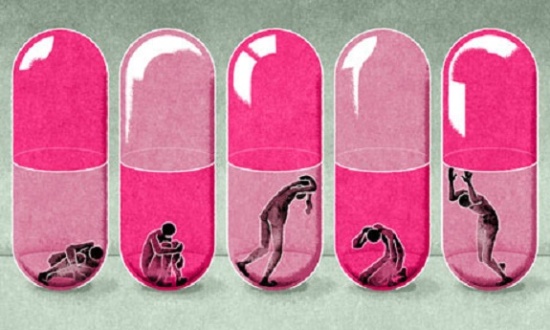
What would be worse than having bad joints? How about schizophrenia and bad joints? To be fair that isn’t what is suggested, but they may, in fact, be linked. A small peptide generated from a collagen protein may protect the brain from schizophrenia by promoting the formation of neuronal synapses and study may lead to new approaches to treating the mental disorder.
Brain connectivity reveals your hidden motivations
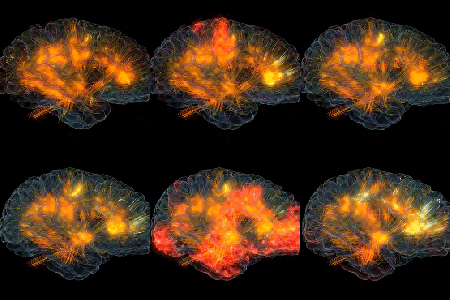
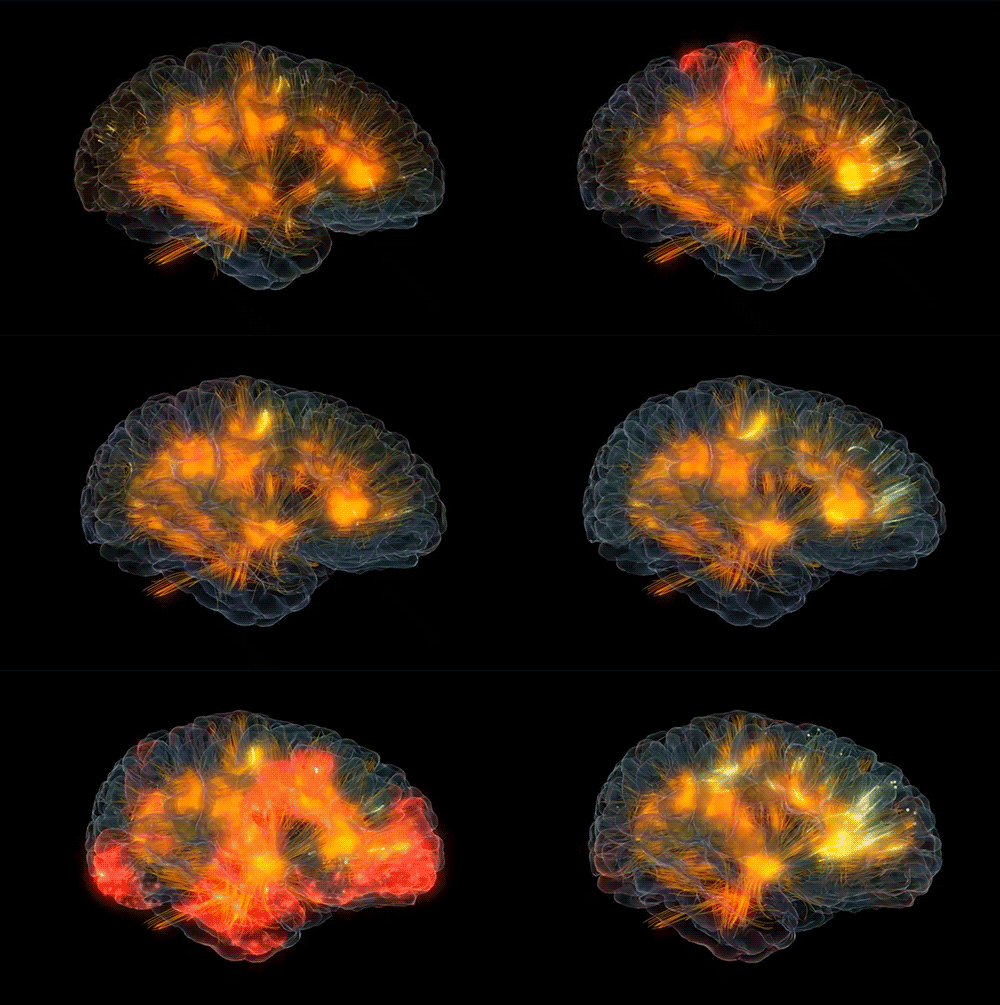
Animation from Glass Brain
To understand human behaviors, it is crucial to understand the motives behind them. So far, there was no direct way to identify motives. Simply observing behavior or eliciting explanations from individuals for their actions will not give reliable results as motives are considered to be private and people can be unwilling to unveil – or even be unaware of – their own motives.
Brain connectivity disruptions may explain cognitive deficits in people with brain injury
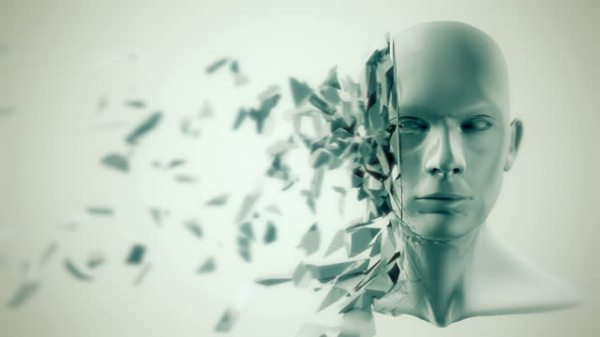
Cognitive impairment following a traumatic brain injury (TBI) is common, often adversely affecting quality of life for those 1.7 million Americans who experience a TBI each year. Researchers have identified complex brain connectivity patterns in individuals with chronic phases of traumatic brain injury which may explain long term higher order cognitive function deficits.
Matrix Unloaded: How you can fly a plane using expert-pilot brainwave patterns
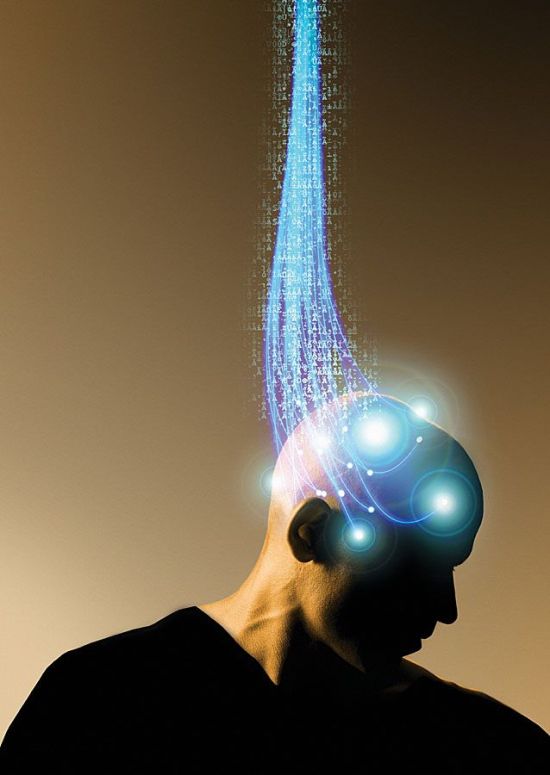
“I know kung fu,” movie buffs might remember the remember the quote from “The Matrix.” We can all probably agree that being able to download knowledge “on tap” would be a boon to humanity. It is a shame it is just a movie… right? While that may be the case, it is just for now. That is because researchers have discovered that low-current electrical brain stimulation can modulate the learning of complex real-world skills.
Why people oppose same-sex marriage
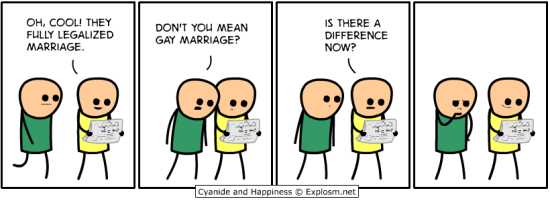
More pearls of wisdom from the great Cyanide and happiness.
Marriage is legal (here in the US anyway), now I’m not gay, but that is exciting to me. So the question remains, has society fallen apart? Are cats hanging out with dogs and toast falling butter side up? Of course not, so then why do opponents of same-sex marriage really oppose it? A UCLA psychology study concludes that many people believe gay men and women are more sexually promiscuous than heterosexuals, which they may fear could threaten their own marriages and their way of life.
Mutual mistrust may have added a few X-files to the UFO era


Mulder and Scully may have accomplished something that hasn’t happened for society — trust between two opposing viewpoints. According to a new study, uncloaking the flying saucer movement in the United States could offer historians a snapshot of Cold War attitudes at work in society, as well as insights into how science communication may be tied to current denialism and conspiracy theory movements.
Does rape alter the female brain?

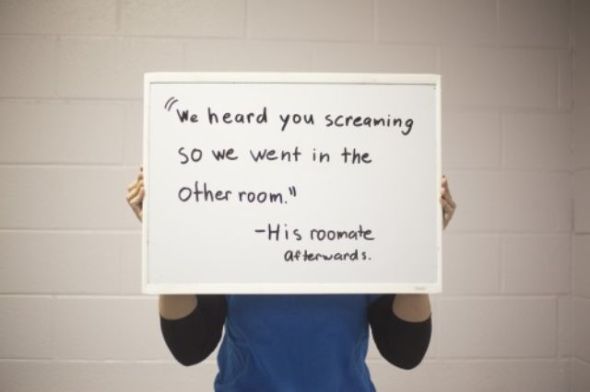
Maybe we should shame rapists instead of victims?
Image credit goes to: Project Unbreakable
Sexual assault, personally, I hate the phrase. It sounds much more tame than rape and I think we should call it like it is, rape. Sure that might make a person’s skin crawl just slightly — and that is frankly the point. Rape is ugly, it’s evil, it leaves an indelible mark on a person and unfortunately a new study shows that it may be worse. Researchers have discovered that prepubescent female rodents paired with sexually experienced males had elevated levels of stress hormones, could not learn as well, and expressed reduced maternal behaviors needed to care for offspring.
The potential pathway between insomnia and depression


Have you ever had to deal with bouts of insomnia make you feel depressed? Well the good news is you’re not alone, in fact the two may be linked. A new study of firefighters suggests that insomnia and nightmares may increase the risk of depression by impairing the ability to access and leverage emotion regulation strategies effectively.
Researchers highlight brain region as ‘ground zero’ of Alzheimer’s disease

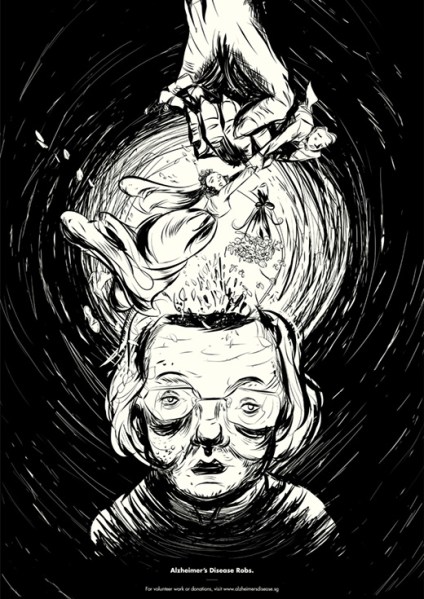
A critical but vulnerable region in the brain appears to be the first place affected by late onset Alzheimer’s disease and may be more important for maintaining cognitive function in later life than previously appreciated, according to a new review of the scientific literature.
All the lonely people: Pinpointing loneliness in the brain

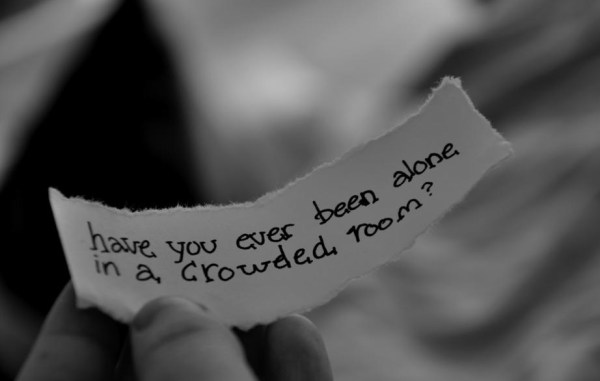
Humans, like all social animals, have a fundamental need for contact with others. This deeply ingrained instinct helps us to survive; it’s much easier to find food, shelter, and other necessities with a group than alone. Deprived of human contact, most people become lonely and emotionally distressed.
Starting age of marijuana use may have long-term effects on brain development
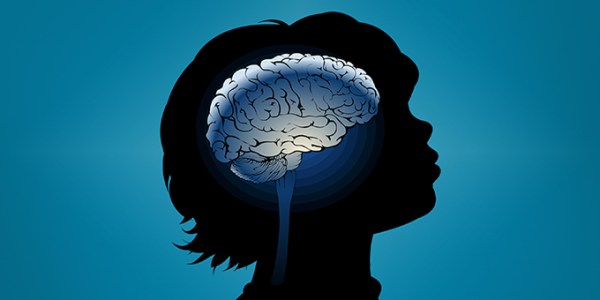
The age at which an adolescent begins using marijuana may affect typical brain development, according to researchers at the Center for BrainHealth at The University of Texas at Dallas. In a paper recently published, scientists describe how marijuana use, and the age at which use is initiated, may adversely alter brain structures that underlie higher order thinking.
Taser shock disrupts brain function, has implications for police interrogations


More than two million citizens have been Tased by police as Taser stun guns have become one of the preferred less-lethal weapons by police departments across the United States during the past decade. But what does that 50,000-volt shock do to a person’s brain?
Depressed or inflamed? Inflammation attacks brain’s reward center


Inflammation is a good thing, it helps the body fight disease, and without it we wouldn’t survive. Unfortunately, when inflammation isn’t kept under control it can wreak havoc on the body. From potentially causing alzheimer’s to arthritis it seems that unchecked inflammation can cause all sorts of issues. In fact, a new study adds to the list of issues out of control inflammation causes in the body.
The brains of patients with schizophrenia vary depending on the type of schizophrenia

I have a friend who lost an eye to his brother. Yes, you read that correctly, his brother tried to kill him and in the process he lost his eye. I’ve told this story before, but whenever new schizophrenia research comes out I feel the need to tell it again. While he has forgiven his brother (partly because not long after, he was diagnosed as schizophrenic), he will not be able to see him again until he is released from prison. A tragedy that could’ve been avoided had he been diagnosed sooner. Sadly now that he is treated, most days, you wouldn’t know he’s schizophrenic.
Why you should never use the term ‘the mentally ill’


Yes, it’s real… you can find more information here
Image credit goes to: Jenn Ackerman
Even subtle differences in how you refer to people with mental illness can affect levels of tolerance, a new study has found. In a first-of-its-kind study, researchers found that participants showed less tolerance toward people who were referred to as “the mentally ill” when compared to those referred to as “people with mental illness.”
Anxious? Chronic stress and anxiety can damage the brain
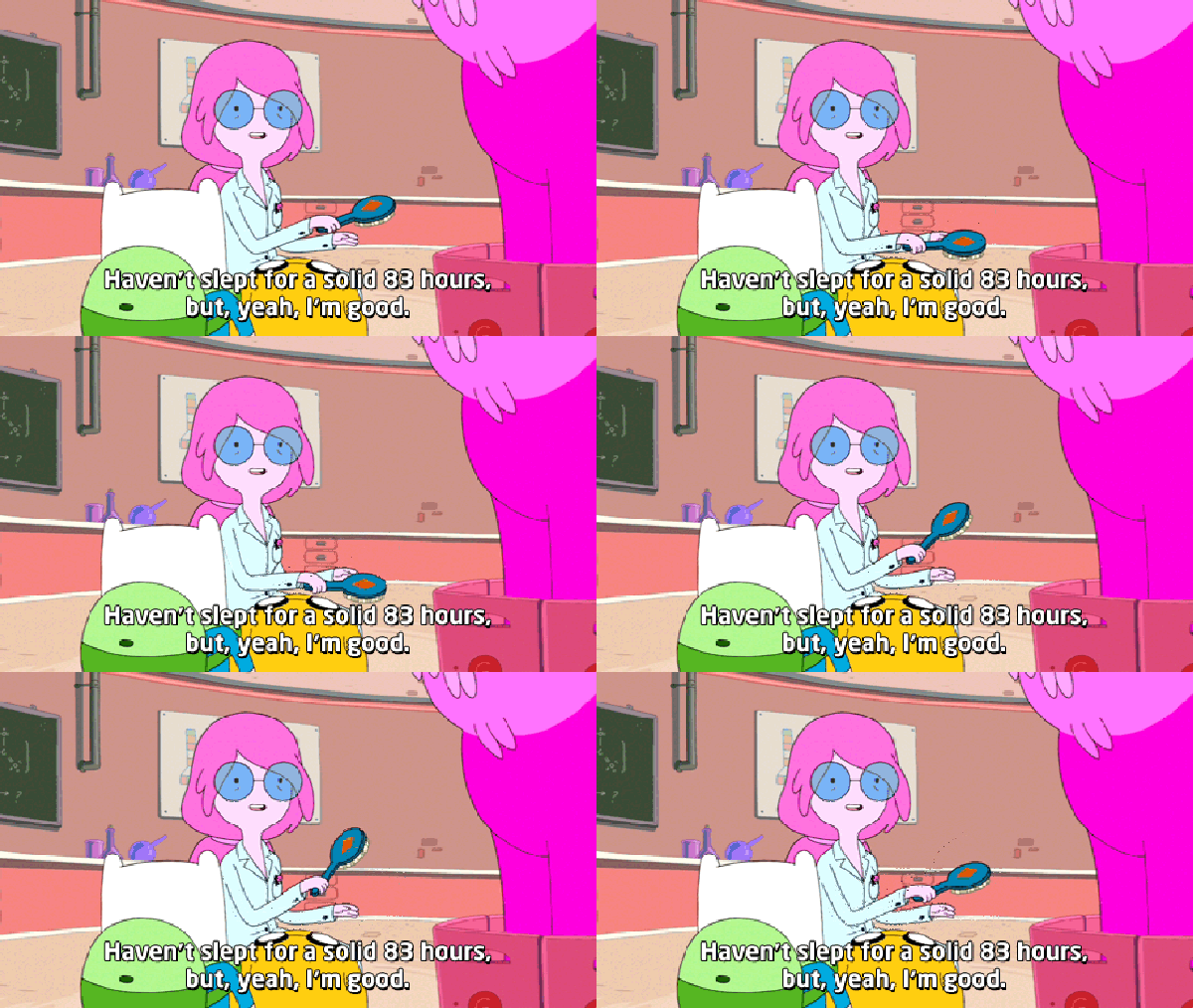
Yeah, let me just get over that anxiety since it’s a choice…
A scientific review paper warns that people need to find ways to reduce chronic stress and anxiety in their lives or they may be at increased risk for developing depression and even dementia. Led by the Rotman Research Institute at Baycrest Health Sciences, the review examined brain areas impacted by chronic anxiety, fear and stress in animal and human studies that are already published.
Can you trust your gut when public speaking?


There is good news for frequent public speakers. New research shows that individuals have the ability to quickly and accurately identify a crowd’s general emotion as focused or distracted, suggesting that we can trust our first impression of a crowd’s mood.
Autism-linked protein lays groundwork for healthy brain


A gene linked to mental disorders helps lays the foundation for a crucial brain structure during prenatal development, according to Salk Institute research. The findings reveal new mechanistic insights into the gene, known as MDGA1, which may bring a better understanding of neurodevelopmental disorders in people.
Pay attention! Attention neuron type identified


Researchers have identified for the first time a cell type in the brain of mice that is integral to attention. Moreover, by manipulating the activity of this cell type, the scientists were able to enhance attention in mice. The results add to the understanding of how the brain’s frontal lobes work and control behaviour.
Improving your toddler’s memory skills has long-term benefits


If your toddler is a Forgetful Jones, you might want to help boost his or her brainpower sooner rather than later. New research shows that preschoolers who score lower on a memory task are likely to score higher on a dropout risk scale at the age of 12.
Stereotype means girls should expect poorer physics grades


Imagine that you are a female student and give the exact same answer to a physics exam question as one of your male classmates, but you receive a significantly poorer grade. This is precisely what happens on a regular basis, as concluded in a study by Sarah Hofer, a researcher in the group led by ETH professor Elsbeth Stern.
Put the cellphone away! Fragmented baby care can affect brain development


Mothers, put down your smartphones when caring for your babies! That’s the message from University of California, Irvine researchers, who have found that fragmented and chaotic maternal care can disrupt proper brain development, which can lead to emotional disorders later in life.
Feeling sick? It’s evolution’s way of telling you to stay home

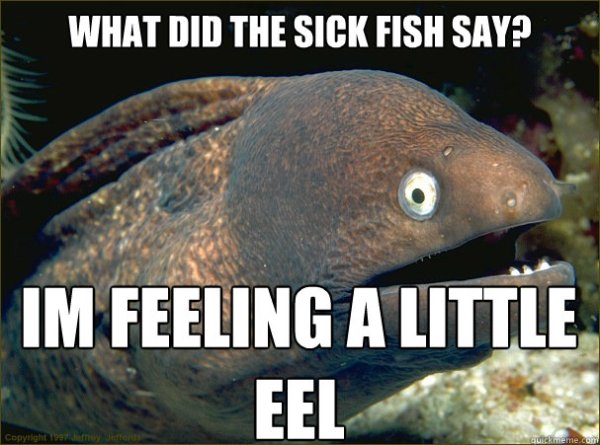
When you have a fever, your nose is stuffed and your headache is spreading to your toes, your body is telling you to stay home in bed. Feeling sick is an evolutionary adaptation according to a hypothesis put forward by Prof. Guy Shakhar of the Weizmann Institute’s Immunology Department and Dr. Keren Shakhar of the Psychology Department of the College of Management Academic Studies.
Schizophrenia linked to loss of cells in the brain’s memory center


Art by the one and only Lora Zombie
Scientists at Columbia University’s Mortimer B. Zuckerman Mind Brain Behavior Institute, Columbia University Medical Center (CUMC), and the Université Paris Descartes have found that deficits in social memory–a crucial yet poorly understood feature of psychiatric disorders such as schizophrenia–may be due to a decrease in the number of a particular class of brain cells, called inhibitory neurons, in a little-explored region within the brain’s memory center.
Why daring to compare online prices pays off offline


The constant barrage of post-holiday sales touted by web-based retailers may make it seem like online shopping is killing real-world stores. But shoppers are actually engaging in “web-to-store” shopping — buying offline after comparing prices online.
If our brain is a computer, do we really have free will?

The background to this new set of experiments lies in the debate regarding conscious will and determinism in human decision-making, which has attracted researchers, psychologists, philosophers and the general public, and which has been ongoing since at least the 1980s. Back then, the American researcher Benjamin Libet studied the nature of cerebral processes of study participants during conscious decision-making.
Being anxious could be good for you! If you’re in a crisis…


Well maybe not that anxious…
New findings by French researchers show that the brain devotes more processing resources to social situations that signal threat than those that are benign. The results may help explain the apparent “sixth sense” we have for danger. This is the first time that specific regions of the brain have been identified to be involved in the phenomenon. The human brain is able to detect social threats in these regions in a fast, automatic fashion, within just 200 milliseconds.
Want to keep your new year’s resolution? Ask, don’t tell.
Results may vary…
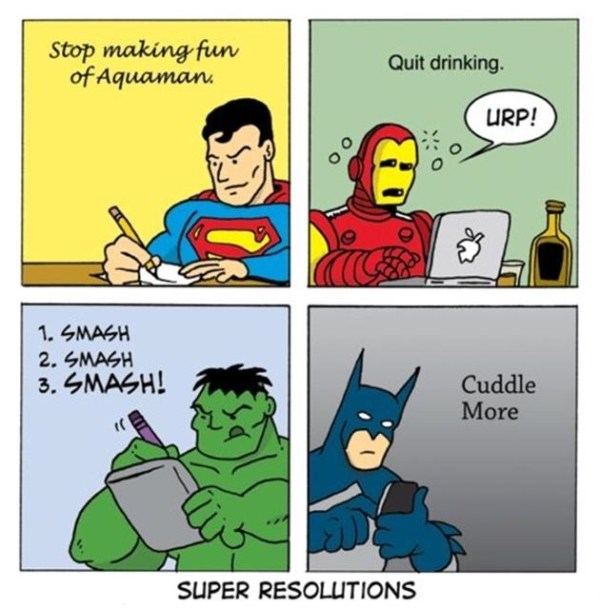
“Will you exercise this year?” That simple question can be a game-changing technique for people who want to influence their own or others’ behavior, according to a recent study spanning 40 years of research. The research is the first comprehensive look at more than 100 studies examining the ‘question-behavior effect,’ a phenomenon in which asking people about performing a certain behavior influences whether they do it in the future. The effect has been shown to last more than six months after questioning.
The development of the cerebellar circuitry is driven by epigenetic “music”
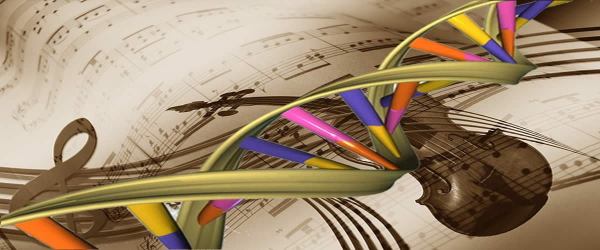
From before birth through childhood, connections form between neurons in the brain, ultimately making us who we are. So far, scientists have gained a relatively good understanding of how neural circuits become established, but they know less about the genetic control at play during this crucial developmental process. Now, a team of researchers has described for the first time the so-called epigenetic mechanisms underlying the development of the cerebellum, the portion of the brain that allows us to learn and execute complex movements.
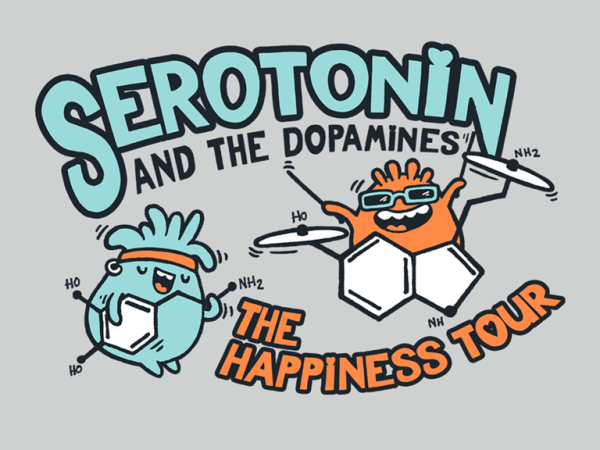
Lack of serotonin alters development and function in the brain
Come on get happy!
Researchers at Case Western Reserve University School of Medicine have created the first complete model to describe the role that serotonin plays in brain development and structure. Serotonin, also called 5-hydroxytryptamine [5-HT], is an important neuromodulator of brain development and the structure and function of neuronal (nerve cell) circuits.
Are you a ‘harbinger of failure’?


Has a point, he does.
Diet Crystal Pepsi. Frito Lay Lemonade. Watermelon-flavored Oreos. Through the years, the shelves of stores have been filled with products that turned out to be flops, failures, duds, and losers. But only briefly filled with them, of course, because products like these tend to get yanked from stores quickly, leaving most consumers to wonder: Who exactly buys these things, anyway?
Intelligence, it’s in your genes… and we can change that.


Ever feel like everyone around you has their brain running much faster than your own? Well, the good news is that it may not be you, it may be your genes. The other good news, we might be able to change that. Scientists from Imperial College London have identified for the first time two clusters of genes linked to human intelligence. Called M1 and M3, these so-called gene networks appear to influence cognitive function – which includes memory, attention, processing speed and reasoning.
Women, do you want to be a leader at a teaching hospital? Grow a mustache!


Thirteen percent of department leader positions at top academic medical institutions in the United States are held by women, while nearly 20 percent are held by men with mustaches. The findings of the tongue-in-cheek study, an analysis of more than 1,000 headshots of department leaders at top National Institutes of Health-funded academic medical institutions, provide a new context for examining gender disparities in the field.
You too can increase your risk for dementia by up to 48% with, anxiety!


People who experienced high anxiety any time in their lives had a 48 percent higher risk of developing dementia compared to those who had not, according to a new study led by USC researchers. The findings were based on an examination of 28 years of data from the Swedish Adoption Twin Study of Aging, overseen by the Karolinska Institutet of Sweden.
Depression is more than a “mental health” problem and we can now measure its risk

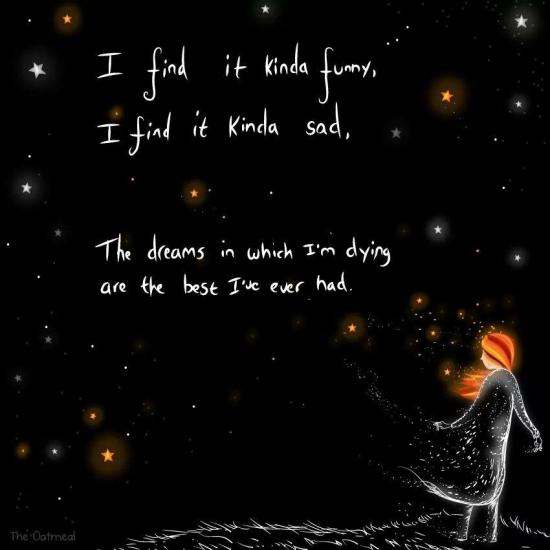
These feels drawn by the one, the only, and the oatmeal, or is it just one of those?
A network of interacting brain regions known as the default mode network (DMN) was found to have stronger connections in adults and children with a high risk of depression compared to those with a low risk. These findings suggest that increased DMN connectivity is a potential precursor, or biomarker, indicating a risk of developing major depressive disorder (MDD).
Scientists manipulate consciousness in rats
Scientists showed that they could alter brain activity of rats and either wake them up or put them in an unconscious state by changing the firing rates of neurons in the central thalamus, a region known to regulate arousal. The study was partially funded by the National Institutes of Health.
LSD changes consciousness by reorganizing human brain networks
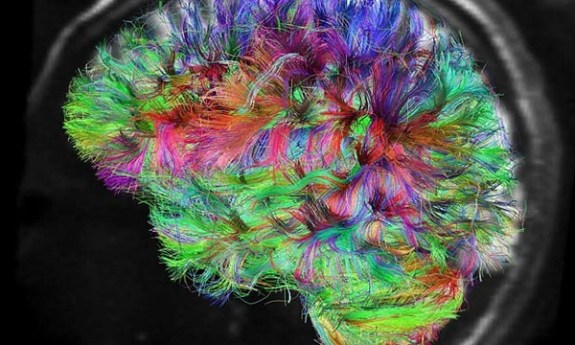
LSD is known to cause changes in consciousness, including “ego-dissolution”, or a loss of the sense of self. Despite a detailed knowledge of the action of LSD at specific serotonin receptors, it has not been understood how this these pharmacological effects can translate into such a profound effect on consciousness.
Self-consciousness: Beyond the looking-glass and what dogs found there


That man’s best friend has a conscience is what every owner would be willing to bet, without even thinking about it for a moment. This means that dogs have self-consciousness. But the problem in science is that ideas and assumptions must be demonstrated. It is not enough for someone to have an inkling of something for it to be considered a scientific fact. Self-awareness, or self-consciousness, has been studied mainly by examining the responses of animals and children to their reflection in the mirror.
No two faces are the same


For the very first time, researchers have been able to show that the causes of congenital face blindness can be traced back to an early stage in the perceptual process. These findings are crucial, not just for our understanding of face recognition, but also because they allow us to understand the processes behind the recognition of any visually presented object.
Exposure to violence makes you more likely to lie, cheat


Maybe it’s not what it looks like…
Can watching a violent movie make you more likely to lie, cheat or steal? What about reading a violent book? While that may seem like a stretch, a new research study shows it may be the case. The study finds that exposure to human violence is strongly linked to an increase in cheating for monetary gain. In other words, violence may be making us less ethical.
Our pale blue dot in the wake of destruction


This is our home, that pale blue dot, dwarfed by an arrow that takes up less space on your screen than this sentence. For all our “overwhelming” intelligence, if we flexed our mental might and developed a weapon to destroy this pale blue dot, it would almost certainly go unnoticed in the universe.
Mental health risk for new dads
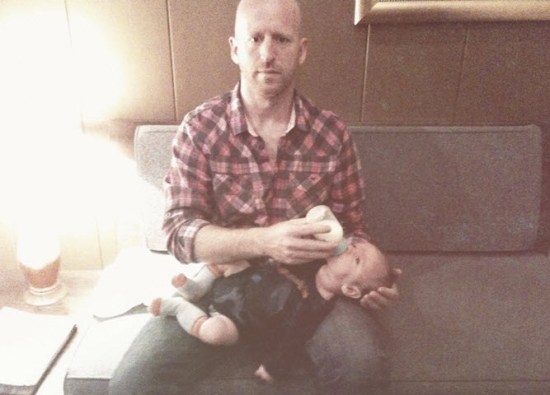
Researchers have found anxiety around the arrival of a new baby is just as common as postnatal depression, and the risks for men are nearly as high as for women. Mental health researcher Dr Liana Leach reviewed 43 separate studies and found anxiety before and after a child arrives is just as prevalent as depression, affecting around one in ten men, around half the rate for women.


 Lunatic Laboratories