
Fish oil-diet benefits may be mediated by gut microbes

Diets rich in fish oil versus diets rich in lard produce very different bacteria in the guts of mice, reports a study from Sahlgrenska Academy published in Cell Metabolism. The researchers transferred these microbes into other mice to see how they affected health. The results suggest that gut bacteria share some of the responsibility for the beneficial effects of fish oil and the harmful effects of lard. Image credit goes to: University of Gothenburg
Diets rich in fish oil versus diets rich in lard produce very different bacteria in the guts of mice, reports a new study. The researchers transferred these microbes into other mice to see how they affected health. The results suggest that gut bacteria share some of the responsibility for the beneficial effects of fish oil and the harmful effects of lard.
Want a better relationship and a better sex life?

If men take up more of the child-care duties, splitting them equally with their female partners, heterosexual couples have more satisfaction with their relationships and their sex lives, according to new research by sociologists. The group used data from more than 900 heterosexual couples’ responses in the 2006 Marital Relationship Study (MARS).
Don’t touch that dial: TV’s subliminal influence on women’s perception of pregnancy and birth

In an era where popular culture is increasingly recognized for its impact on lay understanding of health and medicine, few scholars have looked at television’s powerful role in the creation of patient expectations, especially regarding pregnancy and birth.
Anti-aging tricks from dietary supplement seen in mice

In human cells, shortened telomeres, the protective caps at the ends of chromosomes, are both a sign of aging and contribute to it. Scientists have found that the dietary supplement alpha lipoic acid (ALA) can stimulate telomerase, the enzyme that lengthens telomeres, with positive effects in a mouse model of atherosclerosis.
Happiness spreads, but depression isn’t contagious

Having friends who suffer from depression doesn’t affect the mental health of others, according to research. The team found that having friends can help teenagers recover from depression or even avoid becoming depressed in the first instance. The findings are the result of a study of the way teenagers in a group of US high schools influenced each others’ mood. The academics used a mathematical model to establish if depression spreads from friend to friend.
Good for the relationship: A reframing of sexting

The practice of sexting may be more common than generally thought among adults. More than eight out of 10 people surveyed online admitted to sexting in the prior year, according to new research.
Excessive workout supplement use: An emerging eating disorder in men?
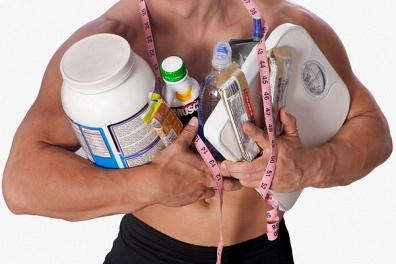
In an effort to build better bodies, more men are turning not to illegal anabolic steroids, but to legal over-the-counter bodybuilding supplements to the point where it may qualify as an emerging eating disorder, according to research presented at the American Psychological Association’s annual convention.
Some vaccines support evolution of more-virulent viruses

This image shows chickens in agricultural production. Image credit goes to: Andrew Read, Penn State University
Scientific experiments with the herpes virus such as the one that causes Marek’s disease in poultry have confirmed, for the first time, the highly controversial theory that some vaccines could allow more-virulent versions of a virus to survive, putting unvaccinated individuals at greater risk of severe illness. The research has important implications for food-chain security and food-chain economics, as well as for other diseases that affect humans and agricultural animals.
Cholesterol metabolism in immune cells linked to HIV progression, may lead to new therapy
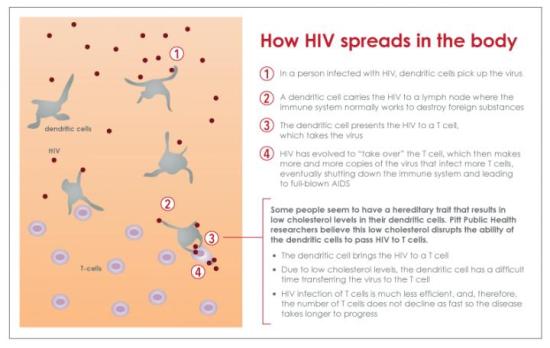
This infographic shows how HIV spreads in the body. Image credit goes to: 2014 UPMC
Enhanced cholesterol metabolism in certain immune cells may help some people infected with HIV naturally control disease progression, according to new research. The findings provide a basis for potential development of new approaches to control HIV infection by regulating cellular cholesterol metabolism.
Vaginal douches may expose women to harmful phthalate chemicals

Women who use feminine care products called douches may increase their exposure to harmful chemicals called phthalates–and black women may be at particularly high risk due to frequent use. Public health officials advise against the use of douching products, which can hide vaginal infections and lead to other serious health problems. Despite that, douching products are still a popular item on the drug store shelf, and are disproportionately used by black women.
Restraint and confinement still an everyday practice in mental health settings

Providers of mental-health services still rely on intervention techniques such as physical restraint and confinement to control some psychiatric hospital patients, a practice which can cause harm to both patients and care facilities, according to a new study from the University of Waterloo. The study found that almost one in four psychiatric patients in Ontario hospitals are restrained using control interventions, such as chairs that prevent rising, wrist restraints, seclusion rooms or acute control medications.
A single mutation helped last year’s flu virus gain an advantage over the vaccine

The 2014-2015 flu vaccine didn’t work as well compared to previous years because the H3N2 virus recently acquired a mutation that concealed the infection from the immune system. A new study reveals the major viral mutation responsible for the mismatch between the vaccine strain and circulating strains. The research will help guide the selection of viral strains for future seasonal flu vaccines.
Justice system chips away at women’s rights

Arrests of women increased dramatically in the past two decades, while domestic abuse laws meant to protect female victims have put many behind bars for defending themselves, a new paper argues. These trends suggest evidence, at least in the justice system, of a “war on women” — a term coined during the 2012 election that refers to attempts to limit women’s rights.
Power of the media’s impact on medicine use revealed

More than 60,000 Australians are estimated to have reduced or discontinued their use of prescribed cholesterol-lowering statin medications following the airing of a two-part series critical of statins by ABC TV’s science program, Catalyst, a University of Sydney study reveals. The analysis of the Pharmaceutical Benefits Scheme medication records of 191,000 people revealed that there was an immediate impact after Catalyst was aired in October 2013, with 14,000 fewer people dispensed statins per week than expected.
Largest-ever study of parental age and autism finds increased risk with teen moms

The largest-ever multinational study of parental age and autism risk, funded by Autism Speaks, found increased autism rates among the children of teen moms and among children whose parents have relatively large gaps between their ages. The study also confirmed that older parents are at higher risk of having children with autism. The analysis included more than 5.7 million children in five countries.
The health effects of homophobia

Homophobia, since people are (finally) stigmatizing racism, it’s just another excuse to be able to treat people who are slightly different like they are garbage. To that end, I have bad news for gay and bisexual men living in European countries. The ones with strong attitudes and policies against homosexuality are far less likely to use HIV-prevention services, test for HIV, and discuss their sexuality with health providers, according to research led by Yale School of Public Health (YSPH).
Babies who can resettle are more likely to ‘sleep through the night’

Good news, for parents who see their babies “resettle” when they wake up. According to a video study, young infants who can “resettle” themselves after waking up are more likely to sleep for prolonged periods at night. Okay, maybe that’s bad news for parents who don’t have a baby who “resettles,” but it’s still good information.
Walking an extra two minutes each hour may offset hazards of sitting too long

Eat less, workout more, these are the messages we are being sent almost on a daily basis. But how do we quantify “more” and who really should listen to that advice? Well a new study suggests that engaging in low intensity activities such as standing may not be enough to offset the health hazards of sitting for long periods of time. On the bright side, adding two minutes of walking each hour to your routine just might do the trick.
Psychologists share the three secrets to healthier eating
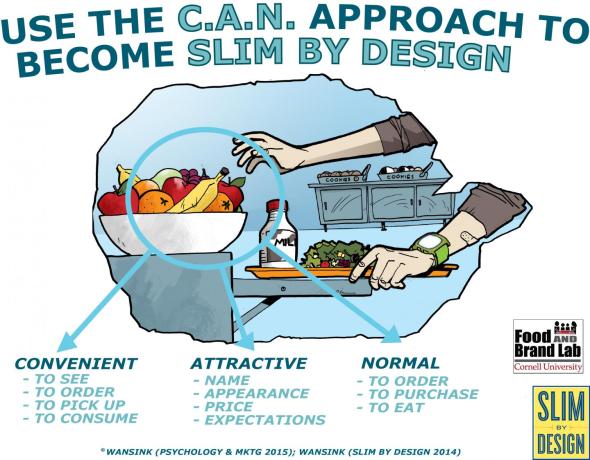
You don’t need a crazy diet to lose weight. In fact, your typical fad diet won’t help you keep weight off long term and could be harming your health. If you want to know the secrets of healthier eating, think of the kitchen fruit bowl. A fruit bowl makes fruit more convenient, attractive, and normal to eat than if the same fruit were in the bottom of the refrigerator.
The adolescent brain on alcohol: Changes last into adulthood

Repeated alcohol exposure during adolescence results in long-lasting changes in the region of the brain that controls learning and memory, according to a research team at Duke Medicine that used a rodent model as a surrogate for humans. The study provides new insights at the cellular level for how alcohol exposure during adolescence, before the brain is fully developed, can result in cellular and synaptic abnormalities that have enduring, detrimental effects on behavior.
Google searches for ‘n-word’ associated with black mortality

Google searches could unveil patterns in Black mortality rates across the US, according to a new study. Researchers found that those areas with greater levels of racism, as indexed by the proportion of Google searches containing the “n-word,” had higher mortality rates among Blacks. The study is the first to examine an Internet query-based measure of racism in relation to mortality risk.
Whooping cough: A small drop in vaccine protection can lead to a case upsurge

In 2012 the USA saw the highest number of pertussis (whooping cough) cases since 1955. New research finds that a likely explanation for this rise in disease is a drop in the degree of vaccine protection for each vaccinated individual. The team worked with 60 years of pertussis disease data to determine what best explained the recent increase in the disease.
Botox makes unnerving journey into our nervous system

New research might bring a frown to even the most heavily botoxed faces, with scientists finding how some of the potent toxin used for cosmetic surgery escapes into the central nervous system. Researchers have shown how Botox – also known as Botulinum neurotoxin serotype A – is transported via our nerves back to the central nervous system.
Watch out Atkins: Over eating fatty foods can alter your muscle metabolism

More bad news on the obesity front and strangely enough, on the popular diet front too — at least for diets like atkins. New research shows that even short term high-fat diets can change your metabolism. So while you might think that you can get away with eating fatty foods for a few days without it making any significant changes to your body, think again.


 Lunatic Laboratories