
Beta secretase inhibitors offer treatment for Alzheimer’s disease
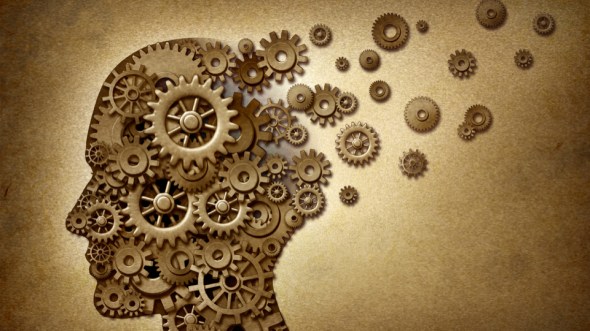
With each new amyloid-targeting treatment for Alzheimer’s disease that has been developed, there has been a corresponding concern. For example, antibodies targeting amyloid-β peptide (Aβ) produce inflammation in the brain in some patients. Gamma secretase inhibitors tend to produce adverse effects by interacting with Notch, an important pathway for cellular signaling. However, a new target for alzheimer’s is offering some new hope.
Underage drinking has lasting effects on the brain and epigenetics

The rise of underage drinking has almost left a sense that it is acceptable or even free of long-term consequences. Unfortunately because the brain continues forming long into the early twenties, environmental factors can have a large impact on the development. In fact, research shows that binge-drinking during adolescence may perturb brain development at a critical time and leave lasting effects on genes and behavior that persist into adulthood.
Ovulation changes women’s desire for variety in products

We know that hormones affect who we are, even when we aren’t aware of it. In the past scientists have found that people who are hungry tend to buy more things, no surprise for those of us who have shopped hungry. However, new research shows that women seek a greater variety of products and services, specifically when they are ovulating.
Welcome to the wikipedia for neurons
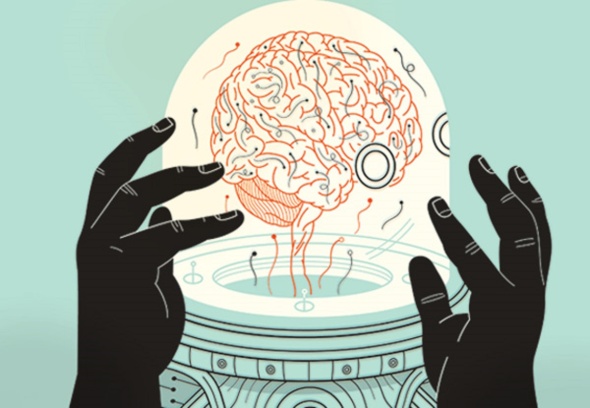
While the brain might not have more connections than stars in the universe (sorry guys), it is still complex. In fact, someone I respect defined a neuroscientist as “someone who knows how little we know about the brain.” Despite the decades worth of data that has been collected about the billions of neurons in the brain, we still don’t know much. So to help scientists make sense of the vast amount of information we already collected, researchers used data mining to create neuroelectro.org, a publicly available website that acts like Wikipedia, indexing physiological information about neurons.
Too much attention can be a deficit

Sometimes you need to unfocus
Sometimes being too focused on a task is not a good thing. During tasks that require our attention, we might become so engrossed in what we are doing that we fail to notice there is a better way to get the job done. For example, let’s say you are coming out of a New York City subway one late afternoon and you want to find out which way is west. You might begin to scan street signs and then suddenly realize that you could just look for the setting sun.
Researchers find how body’s good fat talks to the brain
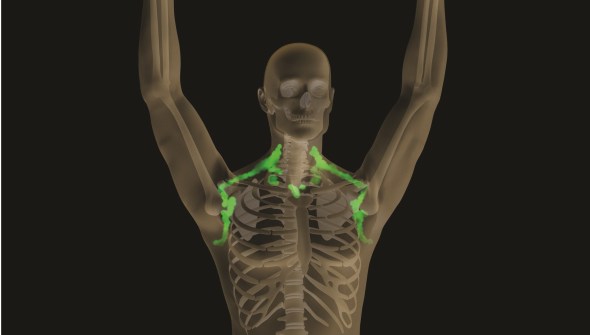
The typical areas where brown fat is stored in adults. (Unknown original source)
There are two types of fat we humans have — white and brown — unfortunately only one of them is “good fat” and it is unfortunately not the one we tend to produce. Well new research shows that brown fat tissue, the body’s “good fat,” communicates with the brain through sensory nerves, possibly sharing information that is important for fighting human obesity, such as how much fat we have and how much fat we’ve lost.
Music played by professionals activates genes for learning and memory

Music performance is known to induce structural and functional changes to the human brain and enhance cognition. However, the molecular mechanisms underlying music performance have been so far unexplored. A Finnish research group has now investigated the effect of music performance (in a 2 hr concert) on the gene expression profiles of professional musicians from Tapiola Sinfonietta (a professional orchestra) and Sibelius-Academy (a music university).
High-fat diet causes brain inflammation and alters behavior

We hear in the media all the time, obesity is effecting our health. In most cases when we talk obesity we are talking about heart disease, sedentary activity, or chronic overeating. But what if a high-fat diet — regardless of obesity — has more than just an affect on your waistline? What if the consumption of fatty foods can change your behavior and your brain?
Immunotherapy, a promising new treatment of Alzheimer’s disease

Alzheimer’s disease, it slowly takes things away from the person without giving anything back. Right now there is no cure and at best we can slow the progression in some cases. Time is always a factor and no two cases are the same. However, new treatments are in the works and a new study has revealed that a single dose of an immunotherapy reverses memory problems in an animal model of Alzheimer’s disease.
Cracking the blood-brain barrier with magnetic nanoparticles
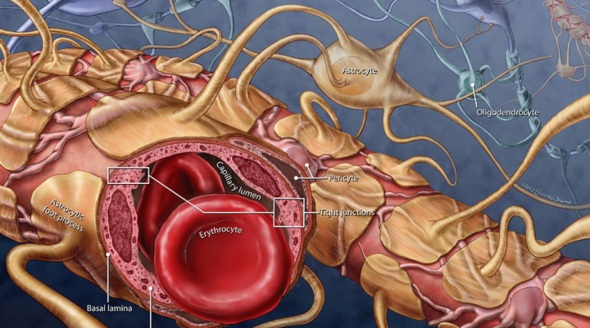
The blood-brain barrier, the thorn in the side of medicine. It makes using drugs directed for the brain ineffective at best and unusable at worst. This barrier runs inside almost all vessels in the brain and protects it from elements circulating in the blood that may be toxic to the brain. This barrier means that currently 98% of therapeutic molecules are also unable to cross to the brain. However, researchers now say magnetic nanoparticles can open the blood-brain barrier and deliver molecules directly to the brain.
Milk, not just for your bones, for your brain

Milk, depending on who you ask it’s either great or the devil. In the US drinking milk is common; not so much in other parts of the world. This has lead to questions about why we even drink milk and how real its reported health claims actually are. Well new research has found a correlation between milk consumption and the levels of a naturally-occurring antioxidant called glutathione in the brain in older, healthy adults.
The neurological basis for anorexia nervosa

Most of us know about dieting, and if not first hand, have seen in the news or from friends how hard sticking to a diet long-term can be. This is because adults (regardless of their weight_ resolve to lose weight. Yet, more often than not, that chocolate lava cake is too enticing and that resolve vanishes. This behavior is normal because hunger increases the intensity of food rewards. Yet, individuals with anorexia nervosa (AN), despite their state of starvation, are able to ignore such food-related rewards.
Not “just in your head,” brain networks differ among those with severe schizophrenia

The brain is plastic, it’s how we grow, it’s how we adapt, it is quite literally how we survive. This can unfortunately be to our detriment and new research shows that people with a severe form of schizophrenia have major differences in their brain networks compared to others with schizophrenia, bipolar disorder and healthy individuals. So while it may be true, that it is all be in your head, it isn’t how people usually mean it.
Does watching porn affect your performance in bed?

Pornography, it’s why google and other search engines have safesearch. It’s all around us and if sales are any indication, it is not going away. There have been lots of claims regarding it, but does a predilection for porn mean bad news in bed? That’s the conclusion of many clinicians and the upshot of anecdotal reports claiming a man’s habit of viewing sex films can lead to problems getting or sustaining an erection, but what does science say?
Classical Music modulates genes responsible for brain functions

Although listening to music is common in all societies, the biological determinants of listening to music are largely unknown. According to a latest study, listening to classical music enhanced the activity of genes involved in dopamine secretion and transport, synaptic neurotransmission, learning and memory, and down-regulated the genes mediating neurodegeneration. Several of the up-regulated genes were known to be responsible for song learning and singing in songbirds, suggesting a common evolutionary background of sound perception across species.
The cerebral cortex: we can rebuild it, we have the technology
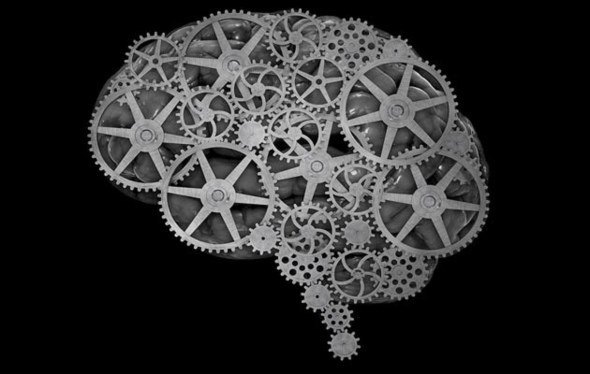
While the first actual bionic man (or woman) might still be a ways off, the writers of the show might be impressed at this. A international team of researchers, have just taken an important step in the area of cell therapy: repairing the cerebral cortex of the adult mouse using a graft of cortical neurons derived from embryonic stem cells.
New understanding of genetics behind the autism spectrum

Autism is a spectrum, because it isn’t a clear-cut diagnosis — and because the brain is so complex — it has been hard to figure out what causes autism. This uncertainty has led rise to the anti-vaccination movement along with other groups who are at best misinformed and at worst trying to make a quick dollar. However, a new study reveals an important connection between dozens of genes that may contribute to autism, a major step toward understanding how brain development goes awry in some individuals with the disorder.
Alzheimer’s, the autoimmune disease?

Brain levels of the lipid ceramide are high in Alzheimer’s disease, and now scientists have found increased levels of an antibody to the lipid in their disease model. While some members of this lipid family are a plus in skin cream, inside the brain, ceramide appears to increase beta amyloid production and help the iconic plaque kill brain cells in Alzheimer’s.
Trust issues? It may be your brain structure


Ever feel too trusting, or maybe not trusting at all? Well a recent study shows differences in brain structure according to how trusting people are of others. Teasing out the intricacies of the brain hasn’t been an easy job; if it were we probably wouldn’t be intelligent enough to figure it out. Because of this complexity, we also have higher risk of psychological conditions. Interestingly enough, this research may have implications for future treatments of those conditions, conditions such as autism or other attachment disorders.
People with anorexia and body dysmorphic disorder have similar brain abnormalities


Imagine looking in the mirror and not seeing yourself. Imagine losing weight and seeing a lower number on the scale, but when looking in the mirror you are still just as fat. Suffering from anorexia or other body dysmorphic disorders live like that daily. They literally don’t see what you and I might see when we look at them. It’s not their fault and a new study suggests that people suffering from anorexia or body dysmorphic disorder have similar abnormalities in their brains that affect their ability to process visual information.
Not “just” crazy – Some psychoses caused by autoimmunity

Antibodies defend the body against bacterial, viral, and other invaders. But sometimes the body makes antibodies that attack healthy cells. In these cases, autoimmune disorders develop. Immune abnormalities in patients with psychosis have been recognized for over a century, but it has been only relatively recently that scientists have identified specific immune mechanisms that seem to directly produce symptoms of psychosis, including hallucinations and delusions. In other words, some forms of psychoses might just be an autoimmune disorder.
A study of twins shows that autism is largely genetic

In the fight against misinformation about autism it seems science is starting to come out on top, finally. A new study hopes to add to the recent advancements made in the understanding of autism, which finds that a substantial genetic and moderate environmental influences were associated with risk of autism spectrum disorder (ASD) and broader autism traits in a study of twins.
Early life stress may result in a serotonin deficiency

If you have experienced — or are experiencing — mood disorders like anxiety or depression, you know about SSRI’s and chances are they didn’t do much for you. In fact studies indicate that the majority of people with mood and anxiety disorders who receive Selective Serotonin Reuptake Inhibitors (SSRI’s) are not helped by these medications. Sadly, they are the most commonly prescribed class of antidepressant medications, this is because SSRIs are designed to increase serotonin levels, a neurotransmitter in the brain that is key to maintenance of mood.
Drug already on the market could help treat MS and other neurological diseases
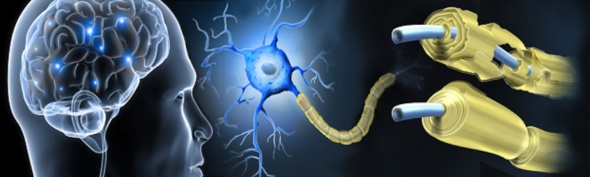
Multiple sclerosis, unless you suffer from nerve damage it is a pain you (thankfully) will never have to feel. In most cases, treating the brutal pain caused by this (and other neurological diseases) is the only help that can be offered to people. The pain is caused by damage to myelin, the fatty insulator that enables communication between nerve cells, which characterizes multiple sclerosis (MS) and other devastating neurological diseases.
New compounds protect nerves from the damage of MS
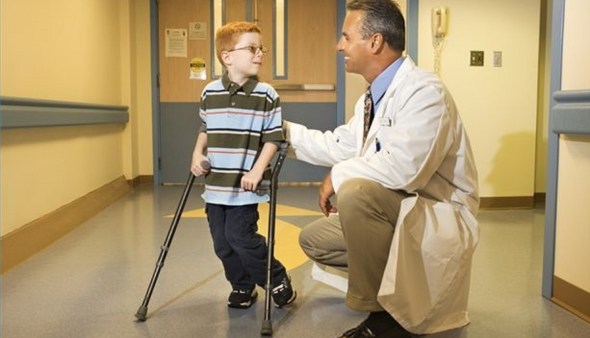
Autoimmune diseases are tough to live with, frankly we don’t really understand the reasons they start at all, how to treat them, or even where to start in forming a cure. Well there might be some good news — as far as a treatment goes anyway — a newly characterized group of pharmacological compounds block both the inflammation and nerve cell damage seen in mouse models of multiple sclerosis.
Dr. Frankenstein might be impressed, the human head transplant

Sure it sounds like something from the book Frankenstein, but Sergio Canavero of the Turin Advanced Neuromodulation Group has made it known that he intends to announce at this summer’s American Academy of Neurological and Orthopedic Surgeons meeting, that he believes he has put together a group of techniques that should make it possible to attach a human donor body to a head.
Brain waves help memory formation
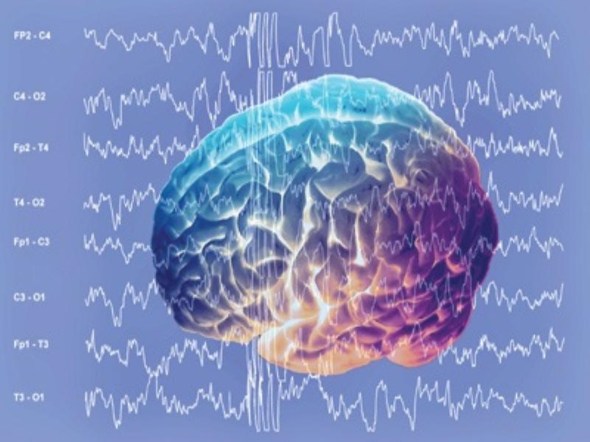
Our brains generate a constant hum of activity: As neurons fire, they produce brain waves that oscillate at different frequencies. Long thought to be merely a byproduct of neuron activity, recent studies suggest that these waves may play a critical role in communication between different parts of the brain.
New neurons in the adult brain help us adapt
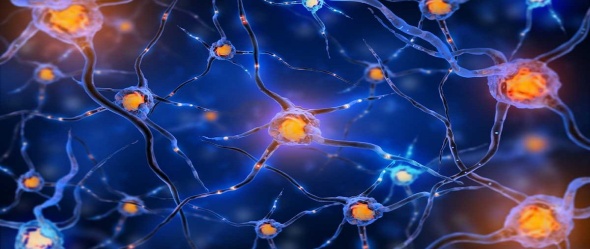
The discovery that the human brain continues to produce new neurons in adulthood challenged a major dogma in the field of neuroscience, but the role of these neurons in behavior and cognition is still not clear. In a review article researchers synthesize the vast literature on this topic, reviewing environmental factors that influence the birth of new neurons in the adult hippocampus, a region of the brain that plays an important role in memory and learning.
Mental illness and ultradian rhythms

In the relatively new 24 hour, always on the go, digital lifestyle we live — might living a structured life with regularly established mealtimes and early bedtimes lead to a better life and perhaps even prevent the onset of mental illness? Well according to a new study, it might do just that, you could have a better quality of life just by being a little more structured thanks to our circadian rhythm.
Possible mechanism underpinning Alzheimer’s and Parkinson’s type diseases found
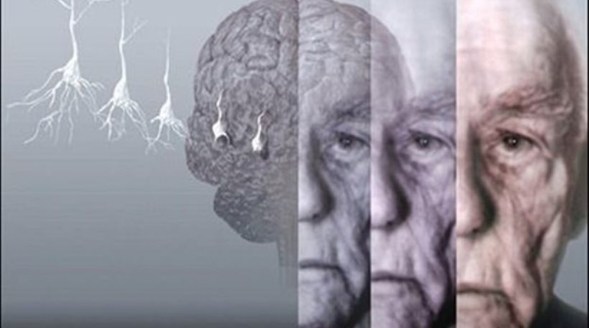
Neurodegenerative diseases have remained stubbornly increasing in prevalence for sometime now. Unfortunately longer life does not mean a better quality of life. Thankfully that could change sooner than you think, scientists have for the first time discovered a killing mechanism that could underpin a range of the most intractable neurodegenerative diseases such as Alzheimer’s, Parkinson’s and ALS.
Music may reduce your ability to remember!

Sometimes just turning on some background music really helps a person get things done. While music may help some people relax when they’re trying to concentrate, new research suggests that it doesn’t help them remember what they’re focusing on, especially as they get older.
Help on the horizon for treatment resistant depression
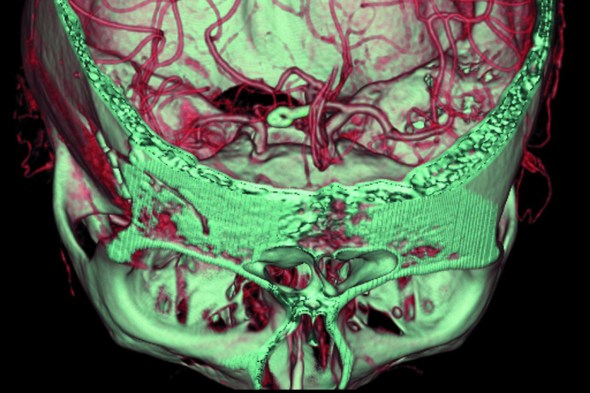
Depression is like a kick while you’re already down. Sometimes there is no real reason for it, sometimes it is triggered by some serious life issues, but clinical depression always has very real neurological roots. Unfortunately, while we know that certain areas of the brain are smaller in a depressed person, we don’t know why or what effect it has on a person. Worse, SSRI’s the “gold standard” for depression can have no — or worse ill — effects on the person taking the drugs.
Meditation might mean more gray matter in later years
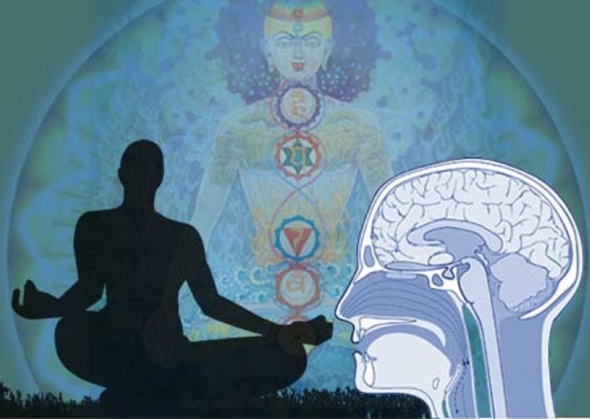
Since 1970, life expectancy around the world has risen dramatically, with people living more than 10 years longer. That’s the good news. The bad news is that starting when people are in their mid-to-late-20s, the brain begins to wither — its volume and weight begin to decrease. As this occurs, the brain can begin to lose some of its functional abilities.
Study shows children and birds learn alike
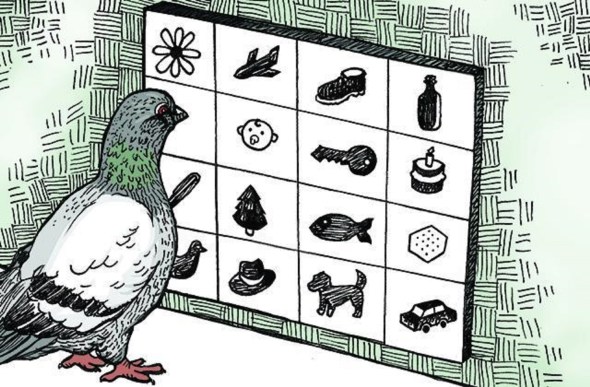
Image credit goes to: John Petsel
Your child is your pride and joy — and why not, every parent should be a proud one, even if your child might be bird brained. Or maybe birds are baby brained? In any case, a new study has found that pigeons can categorize and name both natural and manmade objects–and not just a few objects. These birds categorized 128 photographs into 16 categories, and they did so simultaneously.
Mental illness treatment, there’s NOT an app for that

It’s more socially acceptable to talk about mental illness, which is important since the number of people who have it — or should we say, are getting treatment for mental illness — has steadily increased over the years. While it still may be taboo to talk about, mental illness is a very real thing needing very real treatment, however new research now shows that texting may be a more suitable treatment aid for those with mental illness than mobile applications.
Your brain is hardening your arteries, but not on purpose!
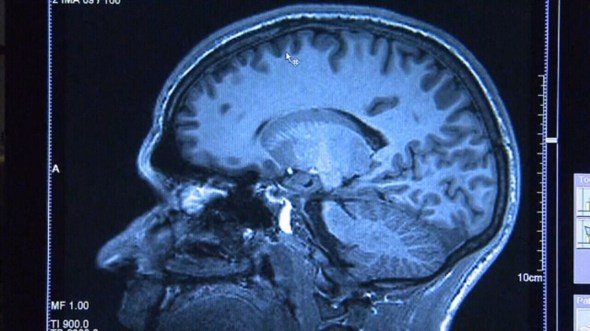
Your brain might just be killing you slowly. Atherosclerosis — or hardening and narrowing of the arteries — can be caused by fat buildup that causes plaque deposits, and is one of the main causes of cardiovascular disease. What does that have to do with the brain? Well new research has shown a link between how the brain regulates fat metabolism, which has the potential of stopping the development of this disease risk factor in obesity and diabetes.
Lucid dreaming: The similarities between dreaming and wakefulness

To control one’s dreams and to live out there what is impossible in real life — a truly tempting idea. Some people — so-called lucid dreamers — can do this. Researchers have discovered that the brain area which enables self-reflection is larger in lucid dreamers. Thus, lucid dreamers are possibly also more self-reflecting when they are awake.
Mothers don’t speak clearly to their babies

People have a distinctive way of talking to babies and small children: We speak more slowly, using a sing-song voice, and tend to use cutesy words like “tummy”. While we might be inclined to think that we talk this way because it is easier for children to understand, new research suggests that, surprisingly, mothers may actually speak less clearly to their infants than they do to adults.
Belief’s effect on biochemistry in cases of addiction

Ever wonder what makes people susceptible to addiction? Think about it, some people can stop addictive painkillers without a problem and others, well others are not so lucky. So the big question is are there more than biophysical factors at play in addiction? A new study shows that cognitive beliefs play a significant role in a person’s neurological response to an addictive substance and that belief can diminish the neurological effects of an addictive drug.
Fear, PTSD, and newly found neural circuits in the brain

People with anxiety disorders, such as post traumatic stress disorder (PTSD), often experience prolonged and exaggerated fearfulness. Now, an animal study suggests that this might involve disruption of a gradual shifting of brain circuitry for retrieving fear memories. Researchers have discovered in rats that an old fear memory is recalled by a separate brain pathway from the one originally used to recall it when it was fresh.
New genetic clues in fragile x syndrome

Scientists have gained new insight into fragile X syndrome — the most common cause of inherited intellectual disability — by studying the case of a person without the disorder, but with two of its classic symptoms.
Scientists use the brain to direct fat burning

Does it seem like no matter what you do, you still can’t shed the pounds? You know what to eat, how to eat and workout regularly, but the weight just won’t go away, well you may not be alone. There are many different medical conditions that limit your ability to lose weight, but thankfully science has now found how to use your brain to shed the weight.
The hidden neurological impact of explosions on military members

More bad news for war Veterans, the brains of some Iraq and Afghanistan combat veterans who survived blasts from improvised explosive devices (IEDs) and died later of other causes show a distinctive honeycomb pattern of broken and swollen nerve fibers throughout critical brain regions, including those that control executive function. The pattern is different from brain damage caused by car crashes, drug overdoses or collision sports, and may be the never-before-reported signature of blast injuries suffered by soldiers as far back as World War I.
Genetic brain disorders start at the synapse
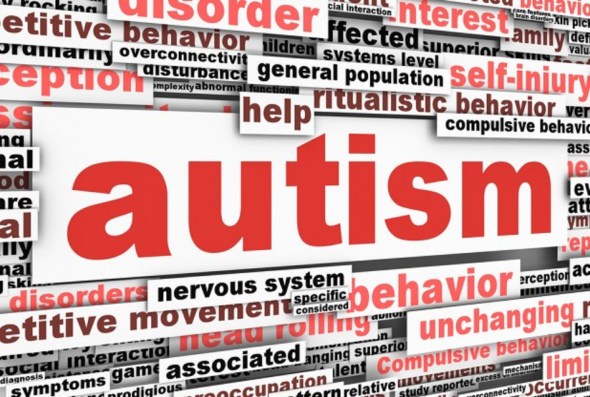
As we’ve seen from research featured here at the lab, there are many genetic disorders that cause intellectual disability and autism. Historically, these were viewed as untreatable. However, in recent years we have shown via animal models that it is possible to reverse the effects of these gene mutations. But the question remained whether different gene mutations disrupt common physiological processes. If this were the case, a treatment developed for one genetic cause of autism and intellectual disability might be useful for many others.
Humans keep the memories accurate by forgetting
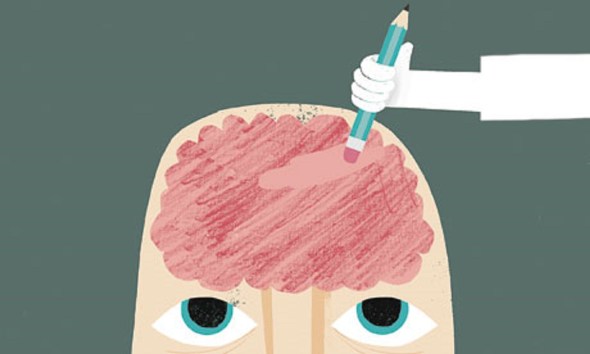
Your brain is a memory powerhouse, constantly recording experiences in long-term memory. Those memories help you find your way through the world: Who works the counter each morning at your favorite coffee shop? How do you turn on the headlights of your car? What color is your best friend’s house? But then your barista leaves for law school, you finally buy a new car and your buddy spends the summer with a paint brush in hand. Suddenly, your memories are out of date. So what do you do, forget about it.
Music takes the pain away post surgery
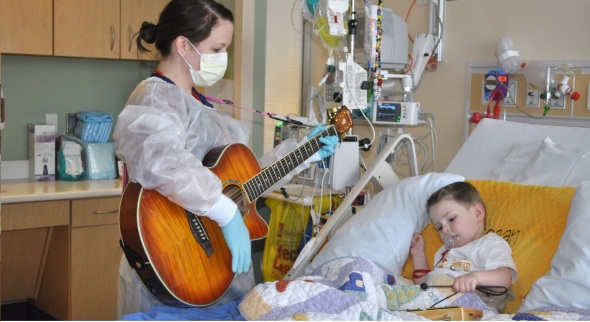
In today’s society, when it is so easy to over medicate children and adults alike it is nice to finally read something that looks for an alternative option. This particular case deals with pain management in children post surgery and the study shows that pediatric patients who listened to 30 minutes of songs by Rihanna, Taylor Swift and other singers of their choosing — or audio books — had a significant reduction in pain after major surgery.
Lots of selfies may suggest you’re a narcissist

This awesomeness is from The Oatmeal, check out his website for the rest of the comic!
Well I’ve got some bad news to all you selfie fanatics out there, a new study showed that men who posted more online photos of themselves than others scored higher on measures of narcissism and psychopathy. The study looked exclusively at men, however the men out there should have no fear, there is a follow up study being done with women as well.
Nanoparticles could deliver drugs to the brain
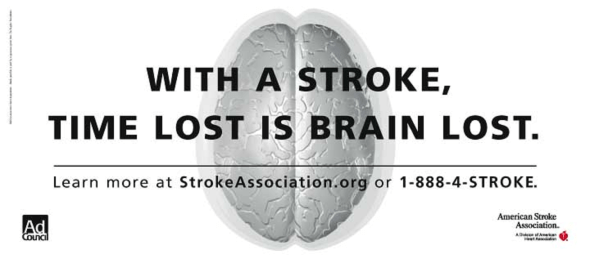
Science has already shown that when it comes to strokes, the sooner you treat it the better your outcome. Well now, stroke victims could have more time to seek treatment that could reduce harmful effects on the brain, thanks to tiny blobs of gelatin that could deliver the medication to the brain. The best part, this would be done noninvasively.
Autism presentation and genetic variance

People with autism have a wide range of symptoms, with no two people sharing the exact type and severity of behaviors. This has made finding a cause (or causes) difficult, leaving pseudoscientists to claim vaccines are the cause as if it were that simple (hint: vaccines do not cause autism). Now a large-scale analysis of hundreds of patients and nearly 1000 genes has started to uncover how diversity among traits can be traced to differences in patients’ genetic mutations.
Vaccine against prion disease, not for humans… yet
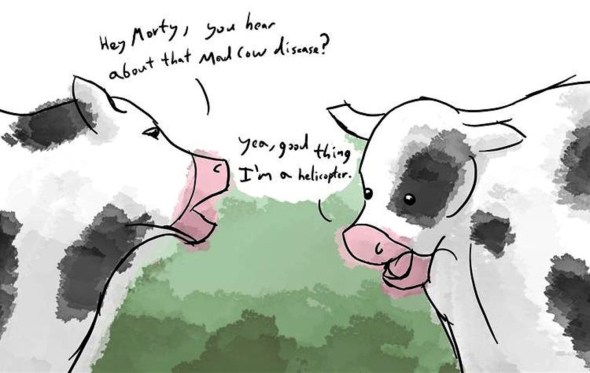
Prions, misfolded proteins that wreak havoc on the brain, may have finally met their match. Best known for things like mad cow disease (and possibly alzheimer’s disease) scientists have had no luck stopping prions, until now. Researchers say that a vaccination they have developed to fight a brain-based, wasting syndrome among deer and other animals may hold promise on two additional fronts: Protecting U.S. livestock from contracting the disease, and preventing similar brain infections in humans.


 Lunatic Laboratories