We're a little crazy, about science!

Latest

Matrix Unloaded: How you can fly a plane using expert-pilot brainwave patterns

download knowledge

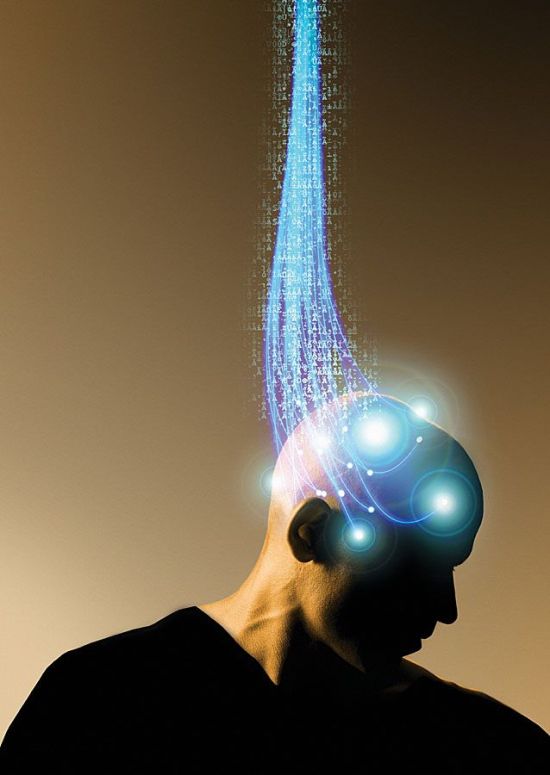
“I know kung fu,” movie buffs might remember the remember the quote from “The Matrix.” We can all probably agree that being able to download knowledge “on tap” would be a boon to humanity. It is a shame it is just a movie… right? While that may be the case, it is just for now. That is because researchers have discovered that low-current electrical brain stimulation can modulate the learning of complex real-world skills.

Read the rest of this page »

Technology and human biology: The singularity may not be so singular

future of humanity

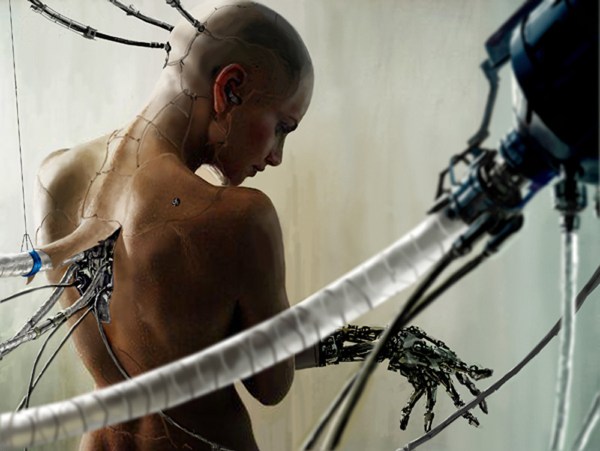
Life literally inside the world wide web, it’s an interesting idea. One that has tantalized sci-fi fans since before the framework for the internet was even finished. While the idea of a seemingly eternal disembodied life through the unfiltered and raw computer consciousness that we all share a connection with, maybe we are shooting for a goal that isn’t really possible — maybe we are asking the wrong questions.

Read the rest of this page »

Why people oppose same-sex marriage

Marriage

More pearls of wisdom from the great Cyanide and happiness.

Marriage is legal (here in the US anyway), now I’m not gay, but that is exciting to me. So the question remains, has society fallen apart? Are cats hanging out with dogs and toast falling butter side up? Of course not, so then why do opponents of same-sex marriage really oppose it? A UCLA psychology study concludes that many people believe gay men and women are more sexually promiscuous than heterosexuals, which they may fear could threaten their own marriages and their way of life.

Read the rest of this page »

What makes the brain so fast?

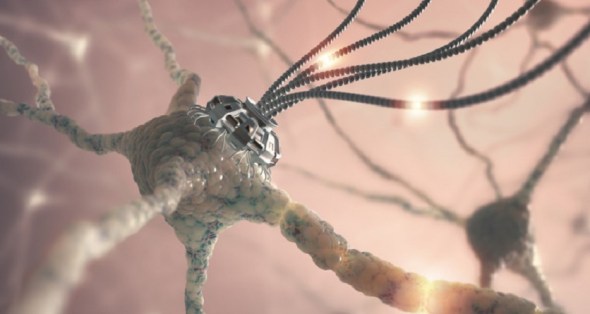
Neuron connections in the brain

Surprisingly complex interactions between neurotransmitter receptors and other key proteins help explain the brain’s ability to process information with lightning speed, according to a new study. Scientists at McGill University, working with collaborators at the universities of Oxford and Liverpool, combined experimental techniques to examine fast-acting protein macromolecules, known as AMPA receptors, which are a major player in brain signaling.

Read the rest of this page »

Mutual mistrust may have added a few X-files to the UFO era

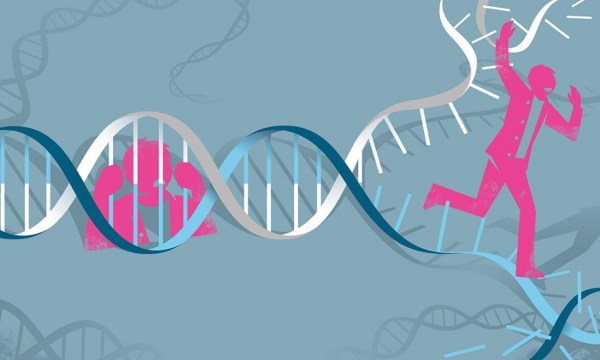
x flies logo

Mulder and Scully may have accomplished something that hasn’t happened for society — trust between two opposing viewpoints. According to a new study, uncloaking the flying saucer movement in the United States could offer historians a snapshot of Cold War attitudes at work in society, as well as insights into how science communication may be tied to current denialism and conspiracy theory movements.
Read the rest of this page »

Does rape alter the female brain?

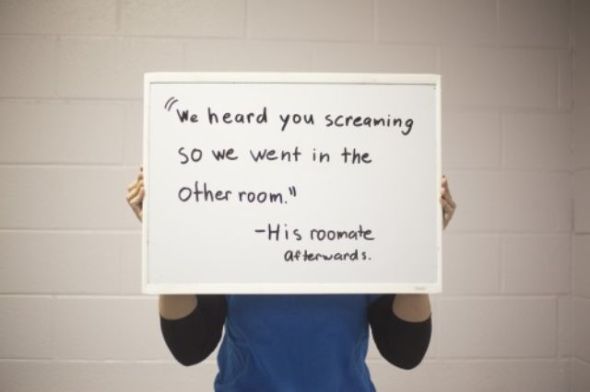
project unbreakable

Maybe we should shame rapists instead of victims?
Image credit goes to: Project Unbreakable

Sexual assault, personally, I hate the phrase. It sounds much more tame than rape and I think we should call it like it is, rape. Sure that might make a person’s skin crawl just slightly — and that is frankly the point. Rape is ugly, it’s evil, it leaves an indelible mark on a person and unfortunately a new study shows that it may be worse. Researchers have discovered that prepubescent female rodents paired with sexually experienced males had elevated levels of stress hormones, could not learn as well, and expressed reduced maternal behaviors needed to care for offspring.

Read the rest of this page »

A way to track and stop human and agricultural viruses

Virus Artwork

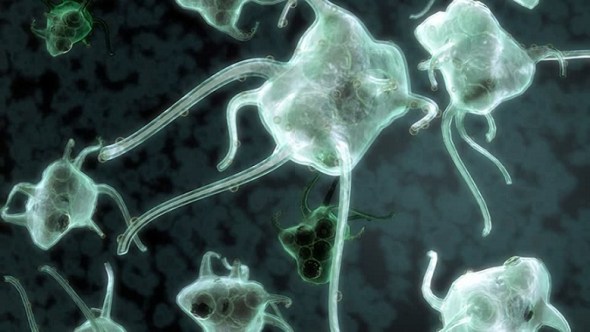
Viruses are molecular thieves that take from their hosts under the cloak of darkness. But now a Virginia Tech scientist has found a way to not only track viral hijackers, but also potentially stop them from replicating. The discovery has broad ranging applications in stopping viral outbreaks such as Hepatitis C in humans and a number of viruses in plants and animals because it applies to many viruses in the largest category of viral classes — positive-strand RNA viruses.

Read the rest of this page »

Scientists prove feasibility of ‘printing’ replacement tissue

bioengineering with a 3d printer

Using a sophisticated, custom-designed 3D printer, regenerative medicine scientists at Wake Forest Baptist Medical Center have proved that it is feasible to print living tissue structures to replace injured or diseased tissue in patients. Scientists said they printed ear, bone and muscle structures. When implanted in animals, the structures matured into functional tissue and developed a system of blood vessels.

Read the rest of this page »

‘Jaws’ may help humans grow new teeth, shark study suggests

Dentist shark

A new insight into how sharks regenerate their teeth, which may pave the way for the development of therapies to help humans with tooth loss, has been discovered by scientists. The study has identified a network of genes that enables sharks to develop and regenerate their teeth throughout their lifetime. The genes also allow sharks to replace rows of their teeth using a conveyer belt-like system.

Read the rest of this page »

Stem cell gene therapy could be key to treating Duchenne muscular dystrophy

crispr cas9 art

Scientists at the UCLA Eli and Edythe Broad Center of Regenerative Medicine and Stem Cell Research and Center for Duchenne Muscular Dystrophy at UCLA have developed a new approach that could eventually be used to treat Duchenne muscular dystrophy. The stem cell gene therapy could be applicable for 60 percent of people with Duchenne, which affects approximately 1 in 5,000 boys in the U.S. and is the most common fatal childhood genetic disease.

Read the rest of this page »

Synthetic biology breakthrough creates biosensors on demand

biosensors synthetic biology

Biosensors are powerful tools in synthetic biology for engineering metabolic pathways or controlling synthetic and native genetic circuits in bacteria. Scientists have had difficulty developing a method to engineer “designer” biosensor proteins that can precisely sense and report the presence of specific molecules, which has so far limited the number and variety of biosensor designs able to precisely regulate cell metabolism, cell biology, and synthetic gene circuits.

Read the rest of this page »

Brain power: Wirelessly supplying power to the brain

Wirelessly supplying power to brain

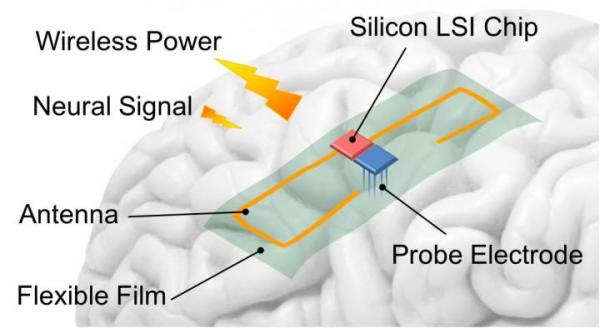
A picture of a proposed architecture of the implantable device composed of flexible antenna and CMOS circuits for wireless-powered neural interface systems.
Image credit goes to: Toyohashi University of Technology

Human and animal movements generate slight neural signals from their brain cells. These signals obtained using a neural interface are essential for realizing brain-machine interfaces (BMI). Such neural recording systems using wires to connect the implanted device to an external device can cause infections through the opening in the skull. One method of solving this issue is to develop a wireless neural interface that is fully implantable on the brain.

Read the rest of this page »

The molecular link between psychiatric disorders and type 2 diabetes

Schizophrenia artwork

There may be a genetic connection between some mental health disorders and type 2 diabetes. In a new report, scientists show that a gene called “DISC1,” which is believed to play a role in mental health disorders, such as schizophrenia, bipolar disorder and some forms of depression, influences the function of pancreatic beta cells which produce insulin to maintain normal blood glucose levels.

Read the rest of this page »

Brain plasticity assorted into functional networks

neuroplasticity or the plastic brain

Plasticity of the brain, what does that even mean? Well the good news is that it isn’t just a marketing ploy, the brain needs to be “plastic” because we need to be able to adapt. Frankly speaking, the brain still has a lot to learn about itself. Scientists at the Virginia Tech Carilion Research Institute have made a key finding of the striking differences in how the brain’s cells can change through experience.

Read the rest of this page »

Man-made underwater sound may have wider ecosystem effects

Underwater sea creatures

Underwater sound linked to human activity could alter the behaviour of seabed creatures that play a vital role in marine ecosystems, according to new research from the University of Southampton. The study found that exposure to sounds that resemble shipping traffic and offshore construction activities results in behavioural responses in certain invertebrate species that live in the marine sediment.

Read the rest of this page »

Investigating potential fetal exposure to antidepressants

Taking antidepressants while pregnant

Depression is a serious issue for expecting mothers. Left untreated, depression could have implications for a fetus’s health. But treating the disease during pregnancy may carry health risks for the developing fetus, which makes an expecting mother’s decision whether to take medication a very difficult one. To better understand how antidepressants affect fetuses during pregnancy, scientists studied exposure in mice.

Read the rest of this page »

Depressed or inflamed? Inflammation attacks brain’s reward center

Depression is a monster that lives inside

Inflammation is a good thing, it helps the body fight disease, and without it we wouldn’t survive. Unfortunately, when inflammation isn’t kept under control it can wreak havoc on the body.  From potentially causing alzheimer’s to arthritis it seems that unchecked inflammation can cause all sorts of issues. In fact, a new study adds to the list of issues out of control inflammation causes in the body.

Read the rest of this page »

Blood pressure medicine may improve conversational skills of individuals with autism

Children with autism

An estimated 1 in 68 children in the United States has autism. The neurodevelopmental disorder, which impairs communication and social interaction skills, can be treated with medications and behavioral therapies, though there is no cure. Now, University of Missouri researchers have found that a medication commonly used to treat high blood pressure and irregular heartbeats may have the potential to improve some social functions of individuals with autism.

Read the rest of this page »

The brains of patients with schizophrenia vary depending on the type of schizophrenia

Schizophrenia art

I have a friend who lost an eye to his brother. Yes, you read that correctly, his brother tried to kill him and in the process he lost his eye. I’ve told this story before, but whenever new schizophrenia research comes out I feel the need to tell it again. While he has forgiven his brother (partly because not long after, he was diagnosed as schizophrenic), he will not be able to see him again until he is released from prison. A tragedy that could’ve been avoided had he been diagnosed sooner. Sadly now that he is treated, most days, you wouldn’t know he’s schizophrenic.

Read the rest of this page »

How to unlock inaccessible genes

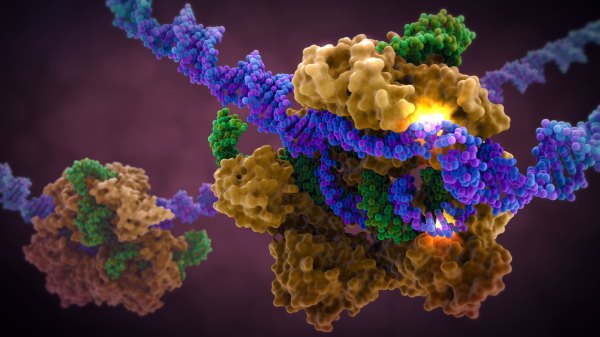
How to unlock inaccessible genes

An international team of biologists has discovered how specialized enzymes remodel the extremely condensed genetic material in the nucleus of cells in order to control which genes can be used. It was known that the DNA in cells is wrapped around proteins in structures called nucleosomes that resemble beads on a string, which allow the genetic material to be folded and compacted into a structure called chromatin.

Read the rest of this page »

The music of the mind: throwing light on human consciousness

New theory linking brain activity to brain shape could throw light on human consciousness

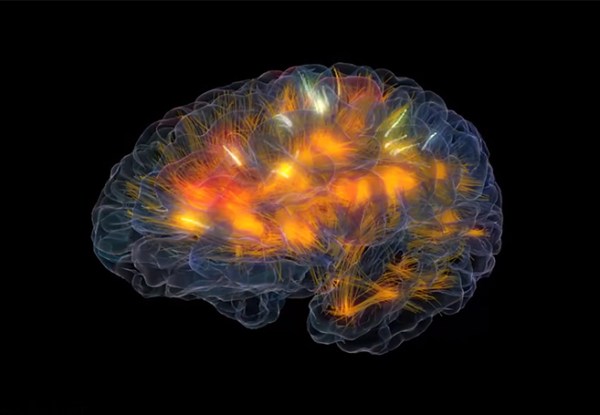
UNSW Australia scientists have shown that complex human brain activity is governed by the same simple universal rule of nature that can explain other phenomena such as the beautiful sound of a finely crafted violin or the spots on a leopard. The UNSW team has identified a link between the distinctive patterns of brain function that occur at rest and the physical structure of people’s brains.

Read the rest of this page »

Why you should never use the term ‘the mentally ill’

The Power of Language and Labels: “The Mentally Ill” Versus “People With Mental Illnesses”

Yes, it’s real… you can find more information here
Image credit goes to: Jenn Ackerman

Even subtle differences in how you refer to people with mental illness can affect levels of tolerance, a new study has found. In a first-of-its-kind study, researchers found that participants showed less tolerance toward people who were referred to as “the mentally ill” when compared to those referred to as “people with mental illness.”

Read the rest of this page »

Neurons in your gut help the immune system keep inflammation in check

The neurons in our gut help the immune system keep inflammation in check

The immune system exercises constant vigilance to protect the body from external threats–including what we eat and drink. A careful balancing act plays out as digested food travels through the intestine. Immune cells must remain alert to protect against harmful pathogens like Salmonella, but their activity also needs to be tempered since an overreaction can lead to too much inflammation and permanent tissue damage.

Read the rest of this page »

Anxious? Chronic stress and anxiety can damage the brain

Chronic stress and anxiety can damage the brain

Yeah, let me just get over that anxiety since it’s a choice…

A scientific review paper warns that people need to find ways to reduce chronic stress and anxiety in their lives or they may be at increased risk for developing depression and even dementia. Led by the Rotman Research Institute at Baycrest Health Sciences, the review examined brain areas impacted by chronic anxiety, fear and stress in animal and human studies that are already published.

Read the rest of this page »

Overwhelmed and depressed? Well, there may be a connection

Emotion-processing networks disrupted in sufferers of depression

Ever feel overwhelmed when you are depressed, well the good news is it isn’t just you, the bad news is it’s probably your brain. Regions of the brain that normally work together to process emotion become decoupled in people who experience multiple episodes of depression, neuroscientists report. The findings may help identify which patients will benefit from long term antidepressant treatment to prevent the recurrence of depressive episodes.

Read the rest of this page »

Thwarting abnormal neural development with a new mutation

Thwarting abnormal neural development with a new mutation

*Cue music*  You can tell by the way I walk, I’m a motor protein, no time to talk…

Researchers at the RIKEN Brain Science Institute in Japan have discovered how to reverse the abnormal axonal development characteristic of CFEOM3, a congenital disease that affects the muscles that control eye movements. The work shows how creating a specific mutation rescued abnormal axonal growth in the developing mouse brain.

Read the rest of this page »