
Autism-linked protein lays groundwork for healthy brain


A gene linked to mental disorders helps lays the foundation for a crucial brain structure during prenatal development, according to Salk Institute research. The findings reveal new mechanistic insights into the gene, known as MDGA1, which may bring a better understanding of neurodevelopmental disorders in people.
Feeling sick? It’s evolution’s way of telling you to stay home


When you have a fever, your nose is stuffed and your headache is spreading to your toes, your body is telling you to stay home in bed. Feeling sick is an evolutionary adaptation according to a hypothesis put forward by Prof. Guy Shakhar of the Weizmann Institute’s Immunology Department and Dr. Keren Shakhar of the Psychology Department of the College of Management Academic Studies.
Stem cells regulate their own proliferation and their microenvironment


A study by researchers at the Centro Nacional de Investigaciones Cardiovasculares Carlos III (CNIC) has identified a new mechanism through which hematopoietic stem cells (HSCs) control both their own proliferation and the characteristics of the niche that houses them. This control is exercised by the protein E-Selectin Ligand-1 (ESL-1).
Are you multicellular? Thank a random mutation that created a new protein


Get it? Cell division, well long division anyway…
All it took was one mutation more than 600 million years ago. With that random act, a new protein function was born that helped our single-celled ancestor transition into an organized multicellular organism. That’s the scenario — done with some molecular time travel — that emerged from basic research in the lab of University of Oregon biochemist Ken Prehoda.
New genes born by accident lead to evolutionary innovation
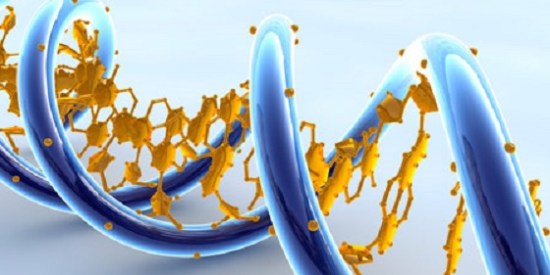
Novel genes are continuously emerging during evolution, but what drives this process? A new study has found that the fortuitous appearance of certain combinations of elements in the genome can lead to the generation of new genes.
Gene-editing technique stops progression of Duchenne muscular dystrophy
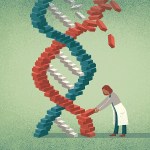

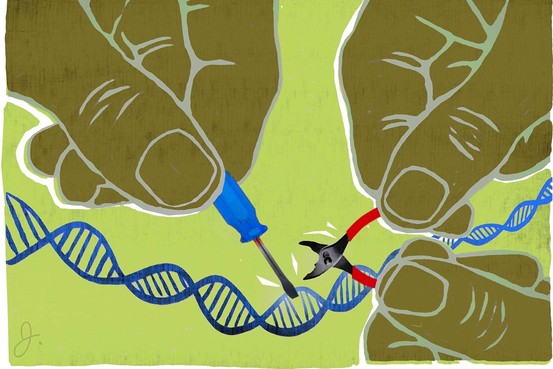
Using a new gene-editing technique, a team of scientists from UT Southwestern Medical Center stopped progression of Duchenne muscular dystrophy (DMD) in young mice. If efficiently and safely scaled up in DMD patients, this technique could lead to one of the first successful genome editing-based treatments for this fatal disease, researchers said.
A faster way to evaluate synthetic metabolic pathways


A central challenge in the field of metabolic engineering is the efficient identification of a metabolic pathway genotype that maximizes specific productivity over a robust range of process conditions. A review from researchers at Michigan State University in East Lansing, MI covers the challenges of optimizing specific productivity of metabolic pathways in cells and new advances in pathway creation and screening.
3-D footage of nematode brains links neurons with motion and behavior
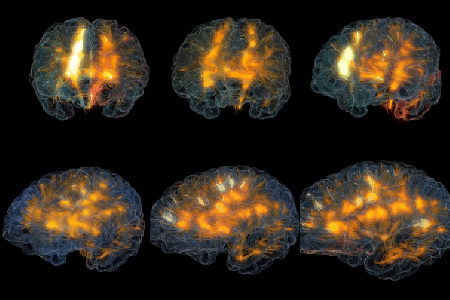
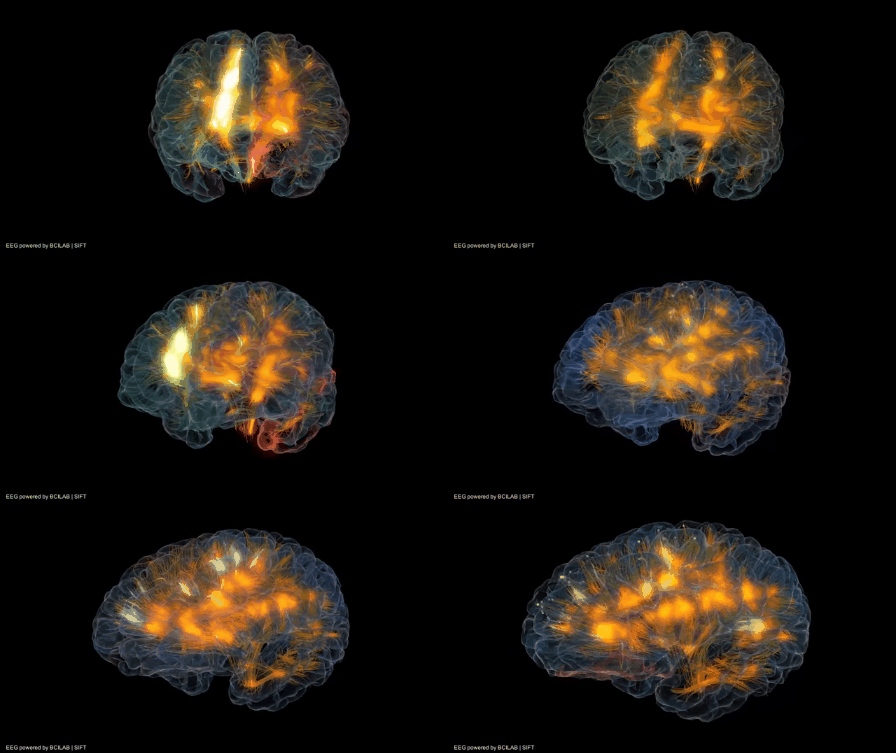
Animation from glass brain. Yea it isn’t what this post is about exactly, but it is still cool
Princeton University researchers have captured among the first recordings of neural activity in nearly the entire brain of a free-moving animal. The three-dimensional recordings could provide scientists with a better understanding of how neurons coordinate action and perception in animals. The researchers reported a technique that allowed them to record 3-D footage of neural activity in the nematode Caenorhabditis elegans, a worm species 1 millimeter long with a nervous system containing a mere 302 neurons.
The development of the cerebellar circuitry is driven by epigenetic “music”

From before birth through childhood, connections form between neurons in the brain, ultimately making us who we are. So far, scientists have gained a relatively good understanding of how neural circuits become established, but they know less about the genetic control at play during this crucial developmental process. Now, a team of researchers has described for the first time the so-called epigenetic mechanisms underlying the development of the cerebellum, the portion of the brain that allows us to learn and execute complex movements.
Intelligence, it’s in your genes… and we can change that.


Ever feel like everyone around you has their brain running much faster than your own? Well, the good news is that it may not be you, it may be your genes. The other good news, we might be able to change that. Scientists from Imperial College London have identified for the first time two clusters of genes linked to human intelligence. Called M1 and M3, these so-called gene networks appear to influence cognitive function – which includes memory, attention, processing speed and reasoning.
The world’s smallest terrorist: Virus hijacks protein machine and then kills the host
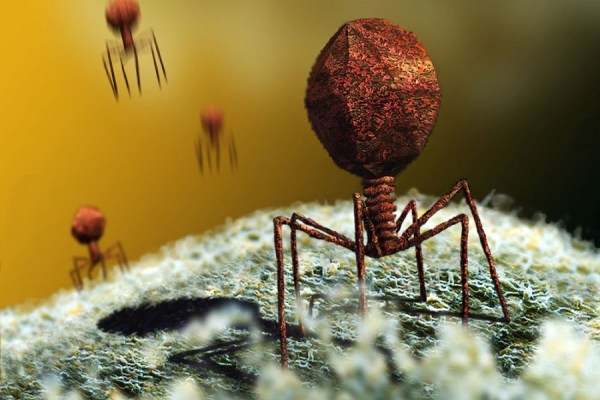
Bacteriophages are viruses that infect and kill bacteria. The name originates from the Greek ‘phagos’ which means ‘to devour’. Bacteriophages were discovered 100 years ago because of their ability to replicate in a pathogenic bacterium, kill it and thereby cure the patient. As a small spaceship landing on the moon, the microscopic particles land on the surface of the bacteria where they inject their deadly genetic material.
Discovery puts designer dopamine neurons within reach
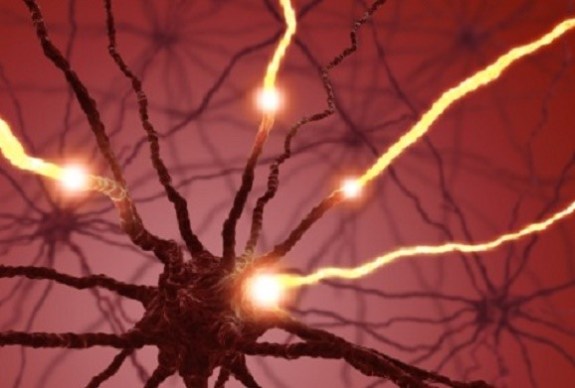
For decades, the elusive holy grail in Parkinson’s disease research has been finding a way to repair faulty dopamine neurons and put them back into patients, where they will start producing dopamine again. Researchers have used fetal material, which is difficult to obtain and of variable quality. Embryonic stem cells represented a tremendous innovation, but making dopamine neurons from stem cells is a long process with a low yield.
Healthy or sick? Tiny cell bubbles may hold the answer

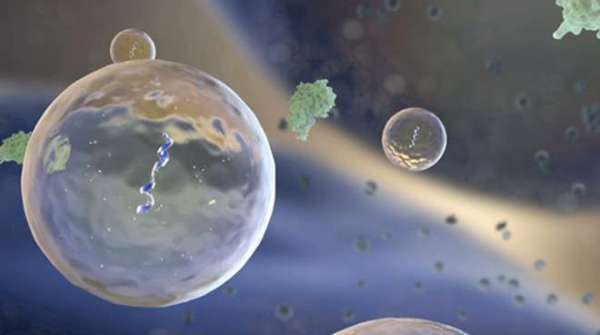
Rutgers scientists have uncovered biological pathways in the roundworm that provide insight into how tiny bubbles released by cells can have beneficial health effects, like promoting tissue repair, or may play a diabolical role and carry disease signals for cancer or neurodegenerative diseases like Alzheimer’s.
The silence of the genes, an epigenetic tale
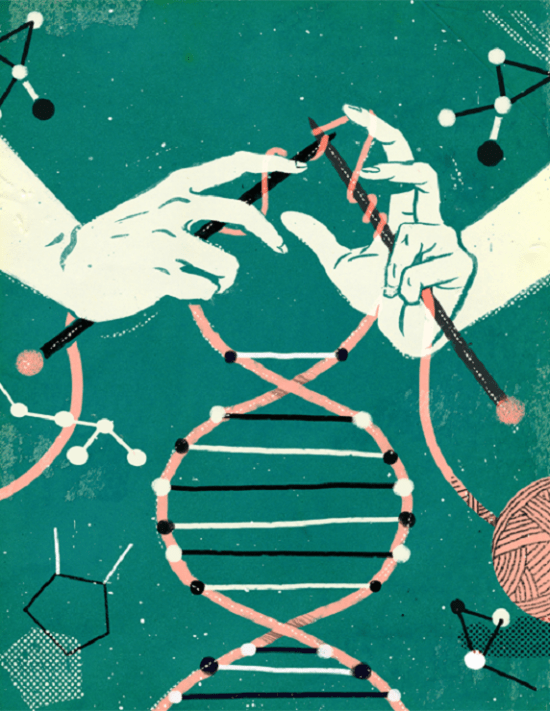
Research led by Dr. Keiji Tanimoto from the University of Tsukuba, Japan, has brought us closer to understanding the mechanisms underlying the phenomenon of genomic imprinting. In this intriguing event, one copy of a gene is ‘turned off’, or silenced, depending on whether it was derived from the mother or the father.
Stem cell study paves the way for patient therapies

Stem cells that have been specifically developed for use as clinical therapies are fit for use in patients, an independent study of their genetic make-up suggests. The research – which focused on human embryonic stem cells – paves the way for clinical trials of cell therapies to treat conditions such as Parkinson’s disease, age-related degeneration of the eyes and spinal cord injury.
Insights into protein structure could change the future of biomedicine
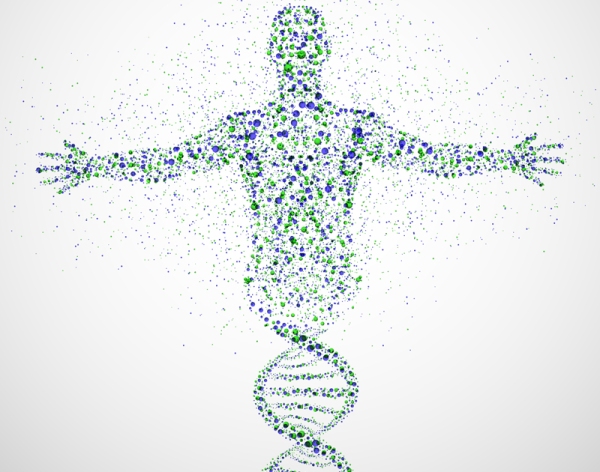
Researchers at the University of Waterloo have discovered a new way to create designer proteins that have the potential to transform biotechnology and personalized medicines.
The mysterious fungus that has major health consequences

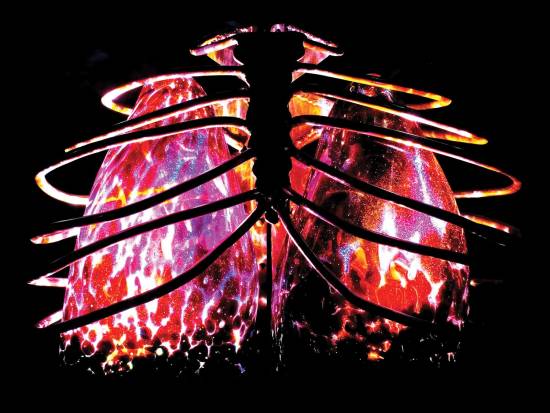
Researchers at the University of Toronto examined fungi in the mucus of patients with cystic fibrosis and discovered how one particularly cunning fungal species has evolved to defend itself against neighbouring bacteria. A regular resident of our microbiome – and especially ubiquitous in the lungs of cystic fibrosis patients -the Candida albicans fungus is an “opportunistic pathogen.”
The rise of do-it-yourself biology
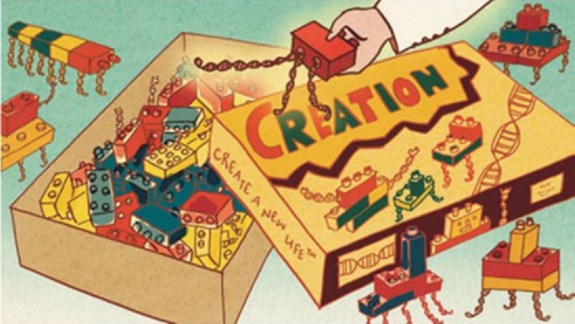
The Wilson Center’s Synthetic Biology Project has released a short documentary on the growth of the do-it-yourself biology (DIYbio) movement as seen through a community DIYbio lab in Baltimore, Maryland.
A protein-RNA structure hints at how viruses commandeer human proteins

Researchers at Case Western Reserve University and the University of Michigan have produced the first image of an important human protein as it binds with ribonucleic acid (RNA), a discovery that could offer clues to how some viruses, including HIV, control expression of their genetic material. That information could lead to new strategies to block viruses from replicating, thereby limiting or halting infection.
Brain’s immune system could be harnessed to fight Alzheimer’s

A new study suggests that the brain’s immune system could potentially be harnessed to help clear the amyloid plaques that are a hallmark of Alzheimer’s disease.
Predicting what side effects you’ll experience from a drug

Researchers at the University of California, San Diego have developed a model that could be used to predict a drug’s side effects on different patients. The proof of concept study is aimed at determining how different individuals will respond to a drug treatment and could help assess whether a drug is suitable for a particular patient based on measurements taken from the patient’s blood.
The science behind real life zombies


In the spirit of Halloween we bring you the science fact and fiction behind the undead. Zombies, those brain loving little guys, (and girls) are everywhere. We are all familiar (if you are horror fans, or at least not living on an Amish compound) with the classic zombie. But did you know that we aren’t the only zombie lovers out there? It turns out that nature has its own special types of zombies, but this isn’t a science fiction movie, this is science fact!
Gene therapy treats all muscles in the body in muscular dystrophy dogs

Muscular dystrophy, which affects approximately 250,000 people in the U.S., occurs when damaged muscle tissue is replaced with fibrous, fatty or bony tissue and loses function. For years, scientists have searched for a way to successfully treat the most common form of the disease, Duchenne Muscular Dystrophy (DMD), which primarily affects boys. Now, a team of University of Missouri researchers have successfully treated dogs with DMD and say that human clinical trials are being planned in the next few years.
How plants turn into zombies

It begins as a fairy tale which later turns into a horror story: Lusciously flowering plants, surrounded by a large number of insects. Usually, both sides profit from the encounter: Feasting on the plant juice and pollen, the insects pollinate the flowers and thus secure the survival of the plants. However, sometimes the insects – in this case a certain species of leafhoppers – can bring disaster to the plants, which they are not able to overcome.
What metabolism could reveal about aging and mortality

Why some people live much longer than others is an enduring mystery. Now, based on a study of a worm, scientists are getting one step closer to understanding longevity. They report that the metabolic profiles of the worms could accurately predict how long they would live and that middle age could be a key turning point.
Supercoiled DNA is far more dynamic than the ‘Watson-Crick’ double helix
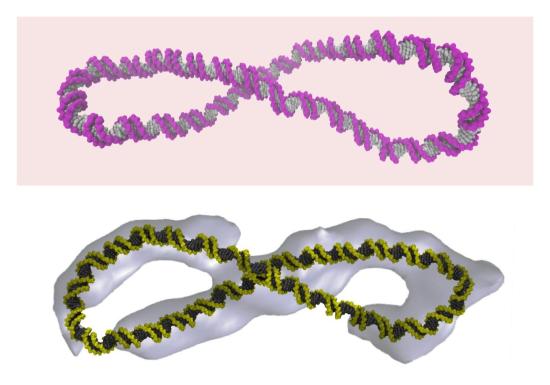
The image shows the structure of the DNA calculated with the supercomputer simulations (in colour) superimposed upon the cryo-electron tomography data (in white or yellow). (There is no superimposition onto cryo-electron tomography data for the purple figure-8 shape.) You can see that the familiar double helix has been either simply bent into a circle or twisted into a figure-8. Image credit goes to: Thana Sutthlbutpong
Researchers have imaged in unprecedented detail the three-dimensional structure of supercoiled DNA, revealing that its shape is much more dynamic than the well-known double helix.
Immune gene prevents Parkinson’s disease and dementia

An estimated seven to ten million people worldwide are living with Parkinson’s disease (PD), which is an incurable and progressive disease of the nervous system affecting movement and cognitive function. More than half of PD patients develop progressive disease showing signs of dementia similar to Alzheimer’s disease.
Scientists identify key receptor as potential target for treatment of autism
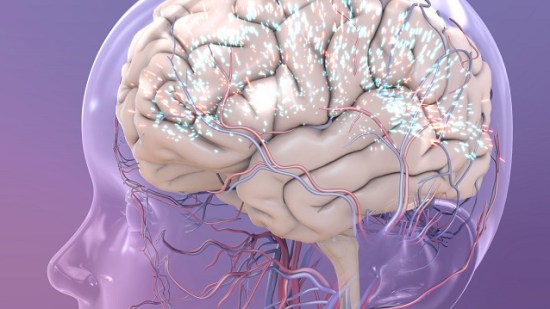
Scientists from the Florida campus of The Scripps Research Institute (TSRI) have uncovered a significant–and potentially treatable–relationship between a chemical that helps transmit signals in the brain and genetic mutations present in a subset of individuals with autism spectrum disorder. The new research findings focus on the role that the neurotransmitter serotonin plays in the development of social behavior.
Scientists discover new system for human genome editing
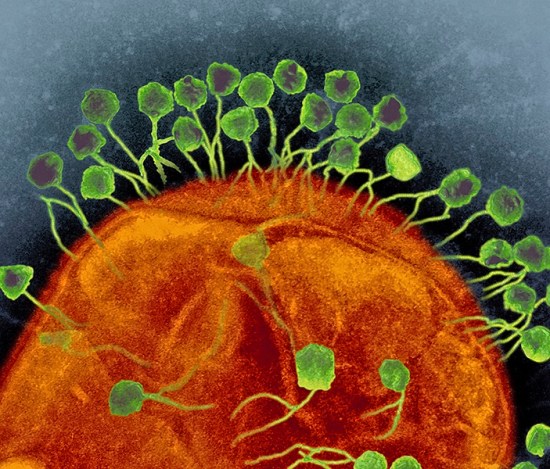
CRISPR systems help bacteria defend against viral attack (shown here).
These systems have been adapted for use as genome editing tools in
human cells.
Image credit goes to: Ami Images/Science Photo Library.
A team including the scientist who first harnessed the revolutionary CRISPR-Cas9 system for mammalian genome editing has now identified a different CRISPR system with the potential for even simpler and more precise genome engineering. In the study researchers describe the unexpected biological features of this new system and demonstrate that it can be engineered to edit the genomes of human cells.
It’s alive!! Study adds to evidence that viruses are alive
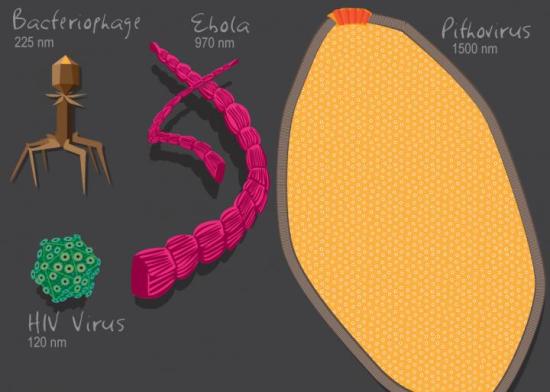
The diverse physical attributes, genome sizes and lifestyles of viruses make them difficult to classify. A new study uses protein folds as evidence that viruses are living entities that belong on their own branch of the tree of life.
Image credit goes to: Julie McMahon
Classifying something as living isn’t as easy as it sounds, after all we are all atoms, so when do atoms go from nonliving to living? Despite the complexities of viruses, we have historically deemed them nonliving. However, a new analysis supports the hypothesis that viruses are living entities that share a long evolutionary history with cells. The study offers the first reliable method for tracing viral evolution back to a time when neither viruses nor cells existed in the forms recognized today.
Schizophrenia: Repairing the brain

Research led by scientists from Duke-NUS Graduate Medical School Singapore (Duke-NUS) has linked the abnormal behaviour of two genes (BDNF and DTNBP1) to the underlying cause of schizophrenia. These findings have provided a new target for schizophrenia treatment.
Viruses flourish in guts of healthy babies

Bacteria aren’t the only nonhuman invaders to colonize the gut shortly after a baby’s birth. Viruses also set up house there, according to new research at Washington University School of Medicine in St. Louis. All together, these invisible residents are thought to play important roles in human health.
Female mice sing for sex

Using a sophisticated array of microphones and a sound chamber he developed, a University of Delaware researcher discovered the world is full of tiny furry Beyoncés. Studying all the Single Ladies’ communication provides insight into brain mechanics.
Image credit goes to: Jeff Chase, University of Delaware
They don’t use gondolas or croon like Sinatra. But scientists have known for a long time that male mice belt out something like love songs to females when the time seems right to them. What they didn’t know – until a University of Delaware researcher developed a sophisticated array of microphones and a sound analysis chamber – was that female mice were singing back.
Smart cells teach neurons damaged by Parkinson’s to heal themselves
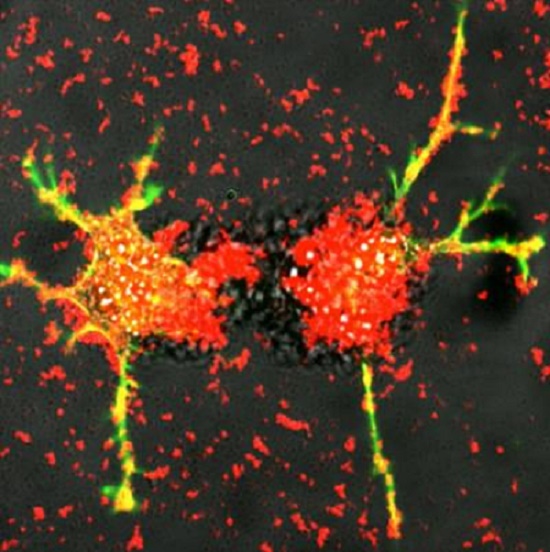
These are white blood cells reengineered by scientists at UNC-Chapel Hill deliver exosomes (red) loaded proteins that stimulate the growth of damaged nerve fibers (green and yellow). Researchers at the UNC Eshelman School of Pharmacy this technique can be developing into a potential treatment for Parkinson’s disease.
Image credit goes to: Elena Batrakova/UNC Eshelman School Of Pharmacy
As a potential treatment for Parkinson’s disease, scientists at the University of North Carolina at Chapel Hill have created smarter immune cells that produce and deliver a healing protein to the brain while also teaching neurons to begin making the protein for themselves.
An antibody that can attack HIV in new ways
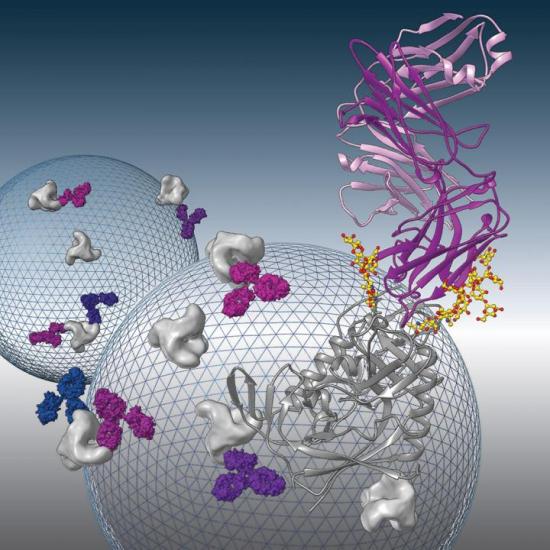
Broadly neutralizing antibodies to HIV-1 envelope glycoprotein are being evaluated as therapeutics to prevent or treat HIV-1 infection. Structural analysis of one such antibody, 8ANC195, revealed a new conformation of the envelope protein. The image shows the X-ray crystal structure of 8ANC195 in complex with the gp120 subunit of the envelope protein. The background shows schematic representations of HIV-1 virus particles studded with envelope proteins being recognized by 8ANC195 antibodies.
Image credit goes to: Louise Scharf/Caltech
Proteins called broadly neutralizing antibodies (bNAbs) are a promising key to the prevention of infection by HIV, the virus that causes AIDS. bNAbs have been found in blood samples from some HIV patients whose immune systems can naturally control the infection. These antibodies may protect a patient’s healthy cells by recognizing a protein called the envelope spike, present on the surface of all HIV strains and inhibiting, or neutralizing, the effects of the virus. Now Caltech researchers have discovered that one particular bNAb may be able to recognize this signature protein, even as it takes on different conformations during infection–making it easier to detect and neutralize the viruses in an infected patient.
Genetic overlaps in autoimmune diseases may suggest common therapies
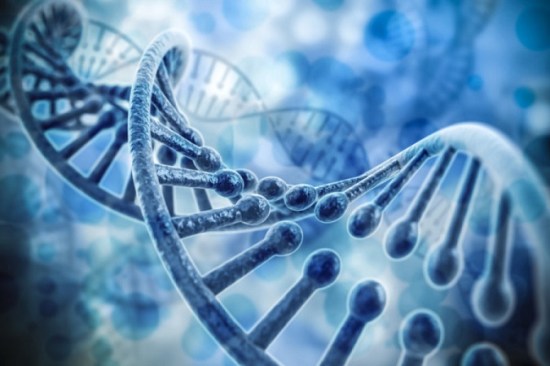
Scientists who analyzed the genes involved in 10 autoimmune diseases that begin in childhood have discovered 22 genome-wide signals shared by two or more diseases. These shared gene sites may reveal potential new targets for treating many of these diseases, in some cases with existing drugs already available for non-autoimmune disorders.
Anti-aging tricks from dietary supplement seen in mice
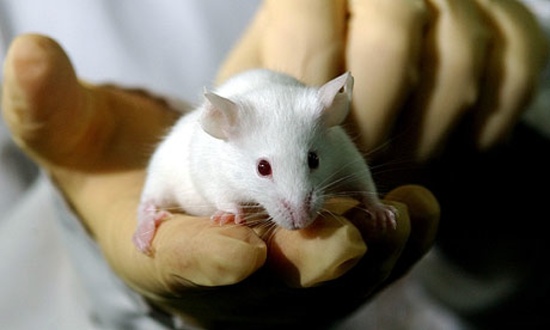
In human cells, shortened telomeres, the protective caps at the ends of chromosomes, are both a sign of aging and contribute to it. Scientists have found that the dietary supplement alpha lipoic acid (ALA) can stimulate telomerase, the enzyme that lengthens telomeres, with positive effects in a mouse model of atherosclerosis.
How long have primates been infected with viruses related to HIV?

Disease-causing viruses engage their hosts in ongoing arms races: positive selection for antiviral genes increases host fitness and survival, and viruses in turn select for mutations that counteract the antiviral host factors. Studying such adaptive mutations can provide insights into the distant history of host-virus interactions. A study of antiviral gene sequences in African monkeys suggests that lentiviruses closely related to HIV have infected primates in Africa as far back as 16 million years.
Researchers resurrect ancient viruses in hopes of improving gene therapy
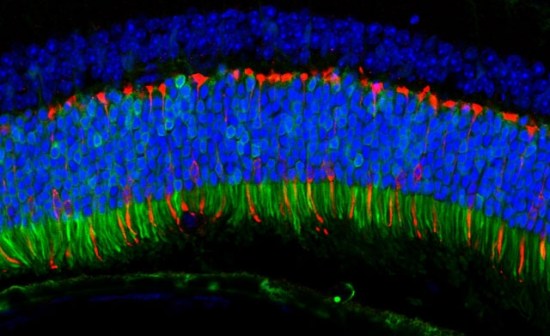
The Anc80 virus delivered genes to the mouse retina that fluoresce green when expressed. Pictured here, the delivered genes are active in the retina’s color-detecting cells.
Image credit goes to: Livia Carvalho
It sounds like the start of a horror movie, but Harvard Stem Cell Institute (HSCI) researchers at Massachusetts Eye and Ear (MEE) have reconstructed an ancient virus that is highly effective at delivering gene therapies to the liver, muscle, and retina. This discovery could potentially be used to design gene therapies that are not only safer and more potent than therapies currently available, but may also help a greater number of patients.
Switching mouse neural stem cells to a primate-like behavior
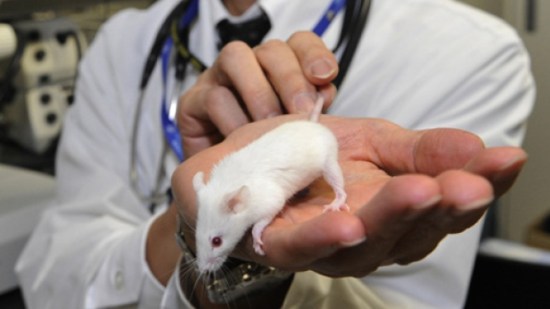
When the right gene is expressed in the right manner in the right population of stem cells, the developing mouse brain can exhibit primate-like features. Researchers at the Max Planck Institute of Molecular Cell Biology and Genetics (MPI-CBG) succeeded in mimicking the sustained expression of the transcription factor Pax6 as seen in the developing human brain, in mouse cortical progenitor cells. This altered the behavior of these cells to one that is akin to that of progenitors in the developing primate neocortex. Consequently, the mouse progenitors generated more neurons – a prerequisite for a bigger brain.
Cellular zombies: Mutant cells that can’t copy DNA keep dividing when they shouldn’t
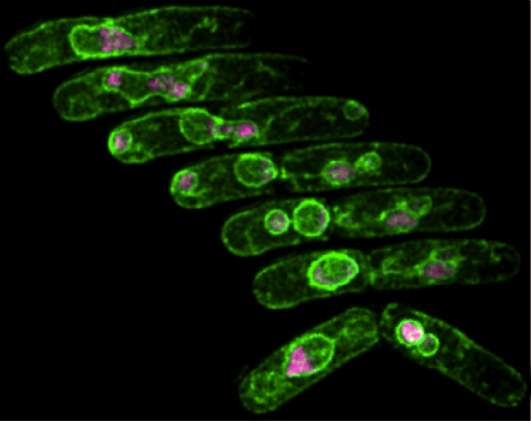
Sequential images of abnormal divisions in a mutant cell leading to abnormal nuclei and chromosome rearrangement. Chromosomes are displayed in pink, cell membranes in green. The cell undergoes two aberrant divisions.
Image credit goes to: Susan Forsburg
Researchers at USC have developed a yeast model to study a gene mutation that disrupts the duplication of DNA, causing massive damage to a cell’s chromosomes, while somehow allowing the cell to continue dividing.
Stem cells: From pluripotency to totipotency
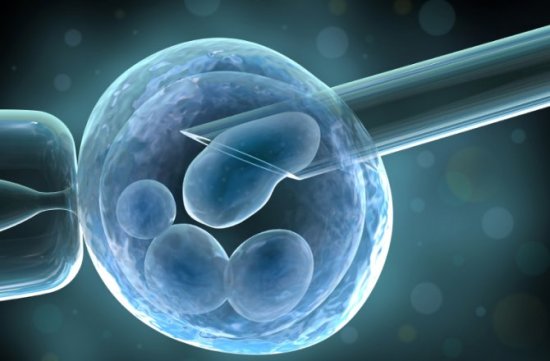
While it is already possible to obtain in vitro pluripotent cells (ie, cells capable of generating all tissues of an embryo) from any cell type, researchers from Maria-Elena Torres-Padilla’s team have pushed the limits of science even further. They managed to obtain totipotent cells with the same characteristics as those of the earliest embryonic stages and with even more interesting properties. (more…)
Some vaccines support evolution of more-virulent viruses

This image shows chickens in agricultural production. Image credit goes to: Andrew Read, Penn State University
Scientific experiments with the herpes virus such as the one that causes Marek’s disease in poultry have confirmed, for the first time, the highly controversial theory that some vaccines could allow more-virulent versions of a virus to survive, putting unvaccinated individuals at greater risk of severe illness. The research has important implications for food-chain security and food-chain economics, as well as for other diseases that affect humans and agricultural animals.
Spines of boys and girls differ at birth

Looking at measurements of the vertebrae – the series of small bones that make up the spinal column – in newborn children, investigators at Children’s Hospital Los Angeles found that differences between the sexes are present at birth. Results of the study suggest that this difference is evolutionary, allowing the female spine to adapt to the fetal load during pregnancy.
Using low-dose irradiation, researchers can now edit human genes
For the first time, researchers have employed a gene-editing technique involving low-dose irradiation to repair patient cells. This method, developed by researchers in the Cedars-Sinai Board of Governors Regenerative Medicine Institute, is 10 times more effective than techniques currently in use.
Research investigates whether solar events could trigger birth defects on Earth

Studies find airplane crews at high altitude are exposed to potentially harmful levels of radiation from cosmic rays. But could these cosmic rays pose hazards even at sea level? In recent years, research has suggested congenital birth defects down on Earth’s surface could be caused by these “solar particle events” — spikes in cosmic rays from the sun that touch off the northern lights and sometimes hamper communications or the electric power grid.
Cholesterol metabolism in immune cells linked to HIV progression, may lead to new therapy
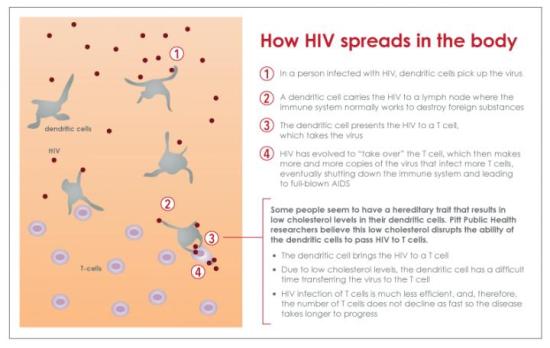
This infographic shows how HIV spreads in the body. Image credit goes to: 2014 UPMC
Enhanced cholesterol metabolism in certain immune cells may help some people infected with HIV naturally control disease progression, according to new research. The findings provide a basis for potential development of new approaches to control HIV infection by regulating cellular cholesterol metabolism.
A new wrinkle: Geometry of brain’s outer surface correlates with genetic heritage
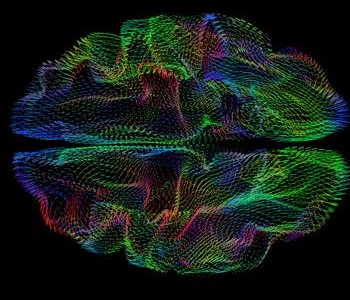
In the study, the researchers found that the shape of the cerebral cortex correlates with genetic ancestry. Image credit goes to: UC San Diego
Researchers at the University of California, San Diego and the School of Medicine have found that the three-dimensional shape of the cerebral cortex – the wrinkled outer layer of the brain controlling many functions of thinking and sensation – strongly correlates with ancestral background. The study opens the door to more precise studies of brain anatomy going forward and could eventually lead to more personalized medicine approaches for diagnosing and treating brain diseases.
New epigenetic mechanism revealed in brain cells
For decades, researchers in the genetics field have theorized that the protein spools around which DNA is wound, histones, remain constant in the brain, never changing after development in the womb. Now, researchers from the Icahn School of Medicine at Mount Sinai have discovered that histones are steadily replaced in brain cells throughout life – a process which helps to switch genes on and off.
How your brain knows it’s summer

Researchers led by Toru Takumi at the RIKEN Brain Science Institute in Japan have discovered a key mechanism underlying how animals keep track of the seasons. The study shows how circadian clock machinery in the brain encodes seasonal changes in daylight duration through GABA activity along with changes in the amount of chloride located inside certain neurons.


 Lunatic Laboratories