
Healthy or sick? Tiny cell bubbles may hold the answer
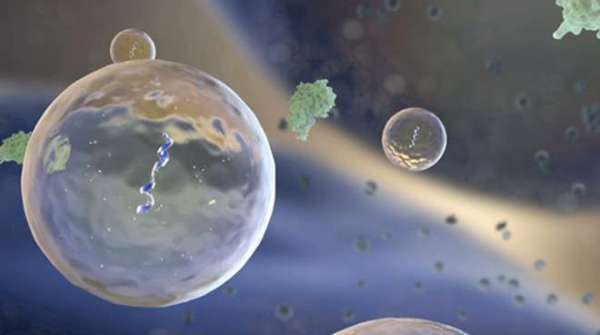
Rutgers scientists have uncovered biological pathways in the roundworm that provide insight into how tiny bubbles released by cells can have beneficial health effects, like promoting tissue repair, or may play a diabolical role and carry disease signals for cancer or neurodegenerative diseases like Alzheimer’s.
Self-consciousness: Beyond the looking-glass and what dogs found there


That man’s best friend has a conscience is what every owner would be willing to bet, without even thinking about it for a moment. This means that dogs have self-consciousness. But the problem in science is that ideas and assumptions must be demonstrated. It is not enough for someone to have an inkling of something for it to be considered a scientific fact. Self-awareness, or self-consciousness, has been studied mainly by examining the responses of animals and children to their reflection in the mirror.
Certain herpes viruses can infect human neurons
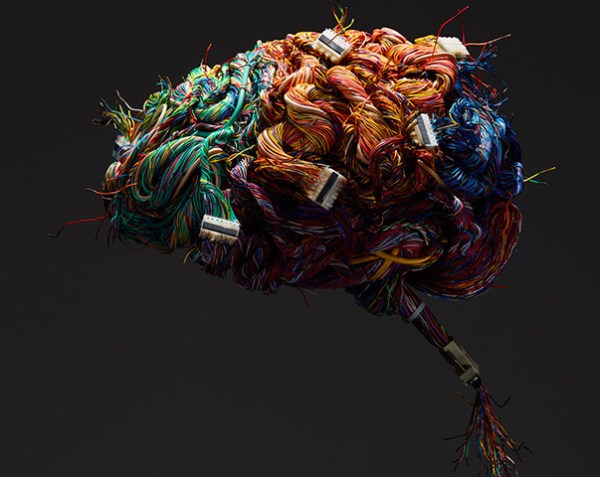
For years, researchers have noted a tantalizing link between some neurologic conditions and certain species of the herpes virus. In patients with Alzheimer’s disease, multiple sclerosis, and cerebellar ataxia, among other neuropathies, the cerebrospinal fluid teems with Epstein-Barr virus (EBV). Yet, the nature of that link has remained unclear, as it has been assumed that EBV, as well as other viruses in the same sub-family, called gammaherpesviruses, cannot infect neurons.
How is a developing brain assembled?
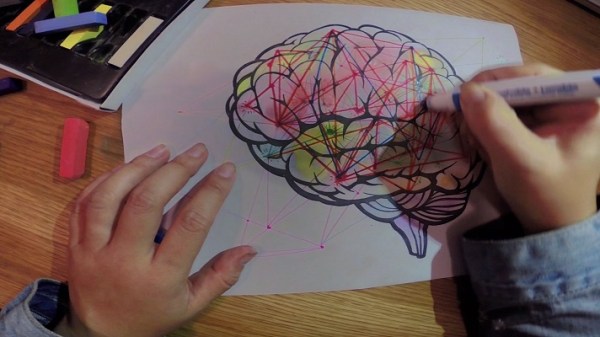
A new, open-source software that can help track the embryonic development and movement of neuronal cells throughout the body of the worm, is now available to scientists.
Exposure to violence makes you more likely to lie, cheat


Maybe it’s not what it looks like…
Can watching a violent movie make you more likely to lie, cheat or steal? What about reading a violent book? While that may seem like a stretch, a new research study shows it may be the case. The study finds that exposure to human violence is strongly linked to an increase in cheating for monetary gain. In other words, violence may be making us less ethical.
Antidepressant medication protects against compounds linked to dementia
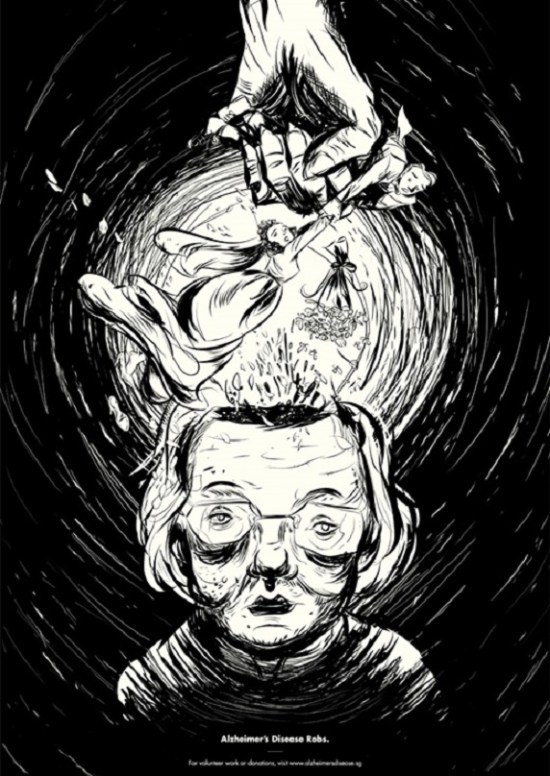
In addition to treating depression, a commonly used antidepressant medication also protects against compounds that can cause memory loss and dementia, a Loyola University Medical Center study has found. The study found that blood levels of two neurotoxic compounds dropped significantly in depressed patients after they were treated with the antidepressant escitalopram (Lexapro).
Novel insights into genetic cause of autoimmune diseases
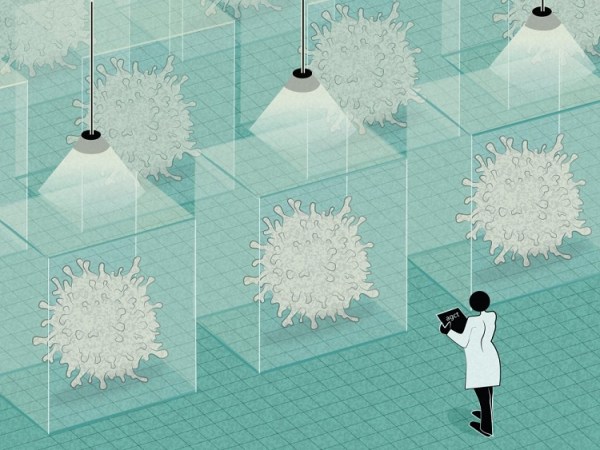
A collaboration between researchers at the Babraham Institute and the University of Manchester has mapped the physical connections occurring in the genome to shed light on the parts of the genome involved in autoimmune diseases. Using a new technique, called Capture Hi-C, the team revealed novel insights into how changes in the genetic sequence have a biological effect and increase the risk of disease.
Mental health risk for new dads
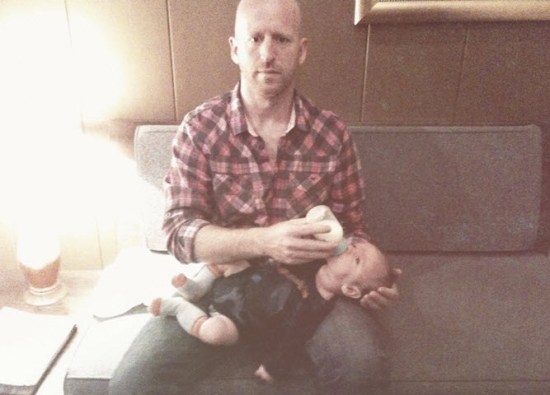
Researchers have found anxiety around the arrival of a new baby is just as common as postnatal depression, and the risks for men are nearly as high as for women. Mental health researcher Dr Liana Leach reviewed 43 separate studies and found anxiety before and after a child arrives is just as prevalent as depression, affecting around one in ten men, around half the rate for women.
The silence of the genes, an epigenetic tale
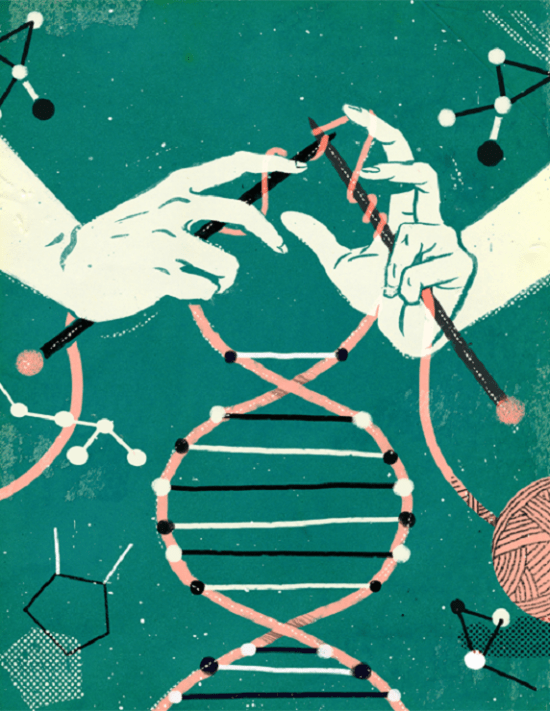
Research led by Dr. Keiji Tanimoto from the University of Tsukuba, Japan, has brought us closer to understanding the mechanisms underlying the phenomenon of genomic imprinting. In this intriguing event, one copy of a gene is ‘turned off’, or silenced, depending on whether it was derived from the mother or the father.
Stem cell study paves the way for patient therapies

Stem cells that have been specifically developed for use as clinical therapies are fit for use in patients, an independent study of their genetic make-up suggests. The research – which focused on human embryonic stem cells – paves the way for clinical trials of cell therapies to treat conditions such as Parkinson’s disease, age-related degeneration of the eyes and spinal cord injury.
Closing the loop on an HIV escape mechanism
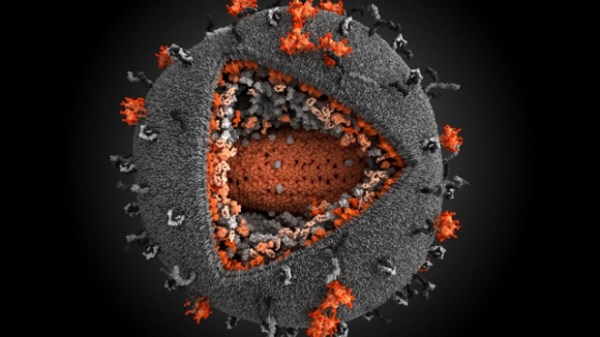
Nearly 37 million people worldwide are living with HIV. When the virus destroys so many immune cells that the body can’t fight off infection, AIDS will develop. The disease took the lives of more than a million people last year.
Insights into protein structure could change the future of biomedicine
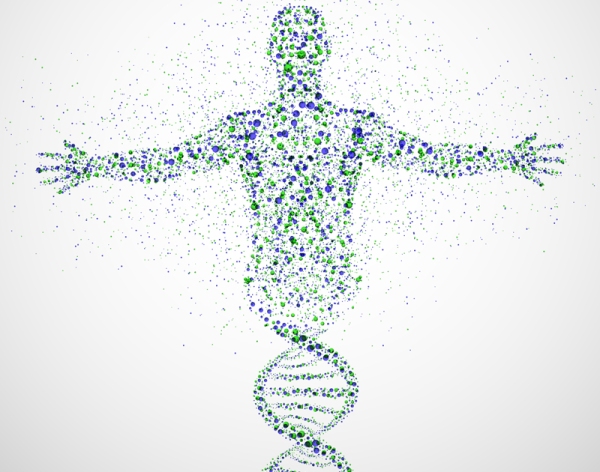
Researchers at the University of Waterloo have discovered a new way to create designer proteins that have the potential to transform biotechnology and personalized medicines.
Neuroscience and the search for happiness

Exercising, meditating, scouring self-help books… we go out of our way to be happy, but do we really know what happiness is? Wataru Sato and his team at Kyoto University have found an answer from a neurological perspective.
The mysterious fungus that has major health consequences


Researchers at the University of Toronto examined fungi in the mucus of patients with cystic fibrosis and discovered how one particularly cunning fungal species has evolved to defend itself against neighbouring bacteria. A regular resident of our microbiome – and especially ubiquitous in the lungs of cystic fibrosis patients -the Candida albicans fungus is an “opportunistic pathogen.”
Inflammation linked to weakened reward circuits in depression


About one third of people with depression have high levels of inflammation markers in their blood. New research indicates that persistent inflammation affects the brain in ways that are connected with stubborn symptoms of depression, such as anhedonia, the inability to experience pleasure.
What’s in a name? More than you think…

What’s in a name? In the case of the usernames of video gamers, a remarkable amount of information about their real world personalities, according to research. Analysis of anonymised data from one of the world’s most popular computer games by scientists in the Department of Psychology at York also revealed information about their ages.
Strongest evidence yet of a link between breakfast and educational outcomes

A direct and positive link between pupils’ breakfast quality and consumption, and their educational attainment, has for the first time been demonstrated in a ground-breaking new study carried out by public health experts at Cardiff University. The study of 5000 9-11 year-olds from more than 100 primary schools sought to examine the link between breakfast consumption and quality and subsequent attainment in Key Stage 2 Teacher Assessments* 6-18 months later.
The rise of do-it-yourself biology
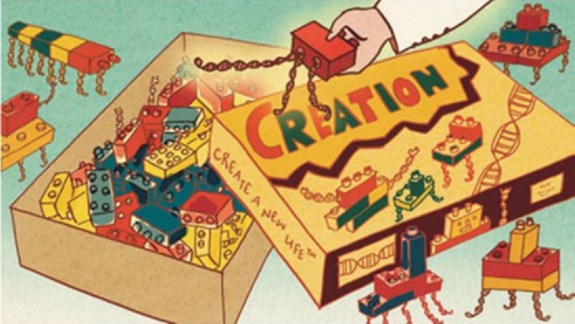
The Wilson Center’s Synthetic Biology Project has released a short documentary on the growth of the do-it-yourself biology (DIYbio) movement as seen through a community DIYbio lab in Baltimore, Maryland.
Not so happy old age?


The notion that older people are happier than younger people is being challenged following a recent study led by a University of Bradford lecturer. In fact it suggests that people get more depressed from age 65 onwards. The study, led by psychology lecturer Dr Helena Chui, builds on a 15-year project observing over 2,000 older Australians living in the Adelaide area.
It’s music to my eyes

Swan lake
Image credit goes to: The one and only Lora Zombie (Yes again).
When people are listening to music, their emotional reactions to the music are reflected in changes in their pupil size. Researchers from the University of Vienna and the University of Innsbruck, Austria, are the first to show that both the emotional content of the music and the listeners’ personal involvement with music influence pupil dilation. This study demonstrates that pupil size measurement can be effectively used to probe listeners’ reactions to music.
A protein-RNA structure hints at how viruses commandeer human proteins

Researchers at Case Western Reserve University and the University of Michigan have produced the first image of an important human protein as it binds with ribonucleic acid (RNA), a discovery that could offer clues to how some viruses, including HIV, control expression of their genetic material. That information could lead to new strategies to block viruses from replicating, thereby limiting or halting infection.
New vaccine could prevent high cholesterol


Time to pug out…
Image credit goes to: (Once again) the talented and creative Lora Zombie
A new cholesterol-lowering vaccine leads to reductions in ‘bad’ LDL cholesterol in mice and macaques, according to research. The authors of the study, from the University of New Mexico and the National Institutes of health in the United States, say the vaccine has the potential to be a more powerful treatment than statins alone.
One energy drink may increase heart disease risk in young adults
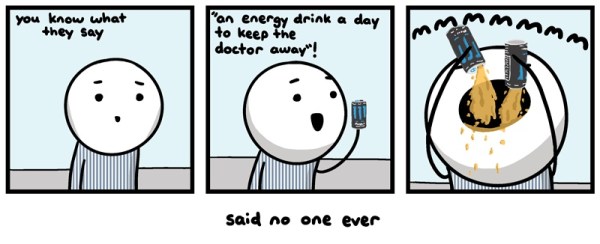
New research shows that drinking one 16-ounce energy drink can increase blood pressure and stress hormone responses significantly. This raises the concern that these response changes could increase the risk of cardiovascular events.
The first line of defense? Think Mucus

By licking a wound it heals faster — this is not simply popular belief, but scientifically proven. Our saliva consists of water and mucus, among other things, and the mucus plays an important role. It stimulates white blood cells to build a good defense against invaders, according to a group of researchers at Lund University in Sweden together with colleagues from Copenhagen and Odense in Denmark.
Adults’ happiness on the decline


Are you less happy than your parents were at the same age? It may not be all in your head. Researchers led by San Diego State University professor Jean M. Twenge found adults over age 30 are not as happy as they used to be, but teens and young adults are happier than ever. Researchers analyzed data from four nationally representative samples of 1.3 million Americans ages 13 to 96 taken from 1972 to 2014.
Brain’s immune system could be harnessed to fight Alzheimer’s

A new study suggests that the brain’s immune system could potentially be harnessed to help clear the amyloid plaques that are a hallmark of Alzheimer’s disease.
Lipid helps keep algae and brain fluid moving
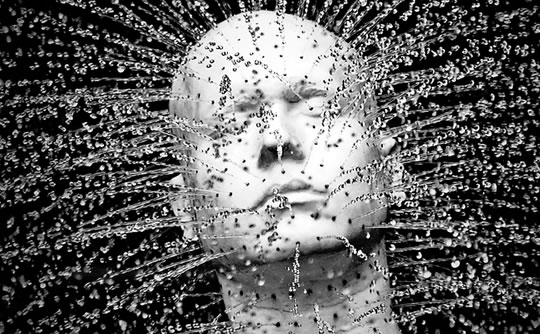
The same lipid that helps algae swim toward the light also appears to enable one type of brain cell to keep cerebrospinal fluid moving, researchers report.
Predicting what side effects you’ll experience from a drug
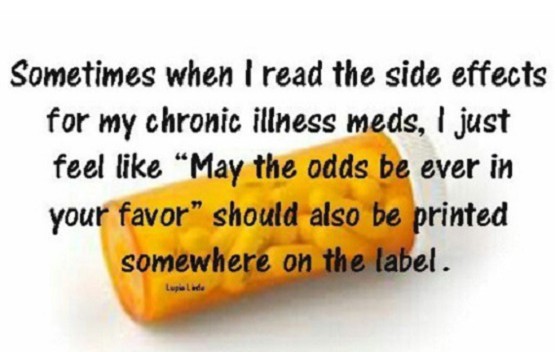
Researchers at the University of California, San Diego have developed a model that could be used to predict a drug’s side effects on different patients. The proof of concept study is aimed at determining how different individuals will respond to a drug treatment and could help assess whether a drug is suitable for a particular patient based on measurements taken from the patient’s blood.
Kids meals, toys, and TV advertising: A triple threat to child health

Image credit goes to the one and only: Laura Zombie
Fast food companies advertise children’s meals on TV with ads that feature toy premiums, and it has been suggested that the use of these toy premiums may prompt children to request eating at fast food restaurants. In a new study, researchers found that the more children watched television channels that aired ads for children’s fast food meals, the more frequently their families visited those fast food restaurants.
Lack of ZZZZs may zap cell growth, brain activity

Lack of adequate sleep can do more than just make you tired. It can short-circuit your system and interfere with a fundamental cellular process that drives physical growth, physiological adaptation and even brain activity, according to a new study. Albrecht von Arnim, a molecular biologist based in the Department of Biochemistry and Cellular and Molecular Biology, studied plants but said the concepts may well translate to humans.
What blocks pro-vaccine beliefs?

Despite rhetoric that pits “anti-vaxxers” versus “pro-vaxxers,” most new parents probably qualify as vaccine-neutral–that is, they passively accept rather than actively demand vaccination. Unless there is an active threat of polio or whooping cough, they have to remind themselves that injecting their crying infant with disease antigens is a good thing.
Decontaminating infant formula with the bacteriophage
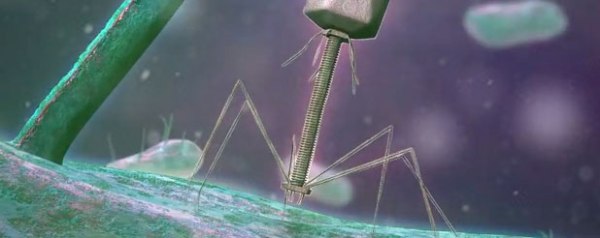
When dealing with bacteria, antibiotics are usually the frontrunner, but there are cases where antibiotics are a big no. Take baby formula for instance, we cannot use antibiotics to keep bacteria at bay. This has posed a safety problem in recent years, but researchers have shown that we can use a natural enemy of bacteria to fight back without risk to infants’ health.
Depression too often reduced to a checklist of symptoms

How can you tell if someone is depressed? The Diagnostic and Statistical Manual of Mental Disorders (DSM) – the ‘bible’ of psychiatry – diagnoses depression when patients tick off a certain number of symptoms on the DSM checklist. A large-scale quantitative study coordinated at KU Leuven, Belgium, now shows that some symptoms play a much bigger role than others in driving depression, and that the symptoms listed in DSM may not be the most useful ones.
Gene therapy treats all muscles in the body in muscular dystrophy dogs
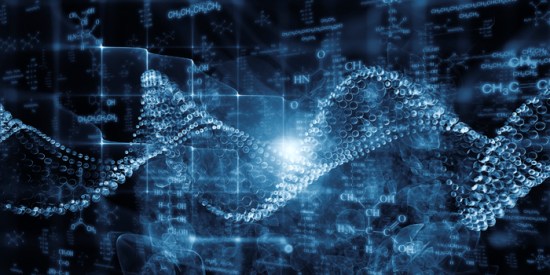
Muscular dystrophy, which affects approximately 250,000 people in the U.S., occurs when damaged muscle tissue is replaced with fibrous, fatty or bony tissue and loses function. For years, scientists have searched for a way to successfully treat the most common form of the disease, Duchenne Muscular Dystrophy (DMD), which primarily affects boys. Now, a team of University of Missouri researchers have successfully treated dogs with DMD and say that human clinical trials are being planned in the next few years.
Bacteria communicate like neurons in the brain
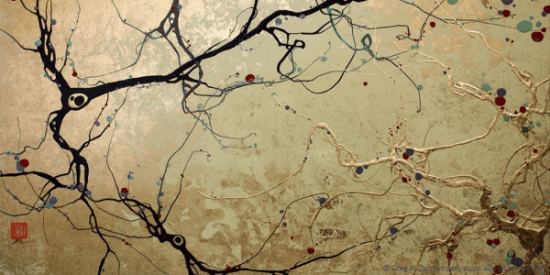
Biologists discovered that bacteria–often viewed as lowly, solitary creatures–are actually quite sophisticated in their social interactions and communicate with one another through similar electrical signaling mechanisms as neurons in the human brain. In the study, scientists detail the manner by which bacteria living in communities communicate with one another electrically through proteins called “ion channels.”
How reward and daytime sleep boost learning

A new study suggests that receiving rewards as you learn can help cement new facts and skills in your memory, particularly when combined with a daytime nap. The findings from the University of Geneva reveal that memories associated with a reward are preferentially reinforced by sleep. Even a short nap after a period of learning is beneficial.
‘Paleo’ style sleep? Think again…
It’s tempting to believe that people these days aren’t getting enough sleep, living as we do in our well-lit houses with TVs blaring, cell phones buzzing, and a well-used coffee maker in every kitchen. But new evidence reported in the Cell Press journal Current Biology on October 15 shows that three ancient groups of hunter-gatherers–living in different parts of the world without any of those trappings of modern life–don’t get any more sleep than we do.
What metabolism could reveal about aging and mortality

Why some people live much longer than others is an enduring mystery. Now, based on a study of a worm, scientists are getting one step closer to understanding longevity. They report that the metabolic profiles of the worms could accurately predict how long they would live and that middle age could be a key turning point.
Schizophrenia symptoms linked to features of brain’s anatomy?

Using advanced brain imaging, researchers have matched certain behavioral symptoms of schizophrenia to features of the brain’s anatomy. The findings, at Washington University School of Medicine in St. Louis, could be a step toward improving diagnosis and treatment of schizophrenia.
Immune gene prevents Parkinson’s disease and dementia

An estimated seven to ten million people worldwide are living with Parkinson’s disease (PD), which is an incurable and progressive disease of the nervous system affecting movement and cognitive function. More than half of PD patients develop progressive disease showing signs of dementia similar to Alzheimer’s disease.
Blood clotting protein triggers immune attack on the brain
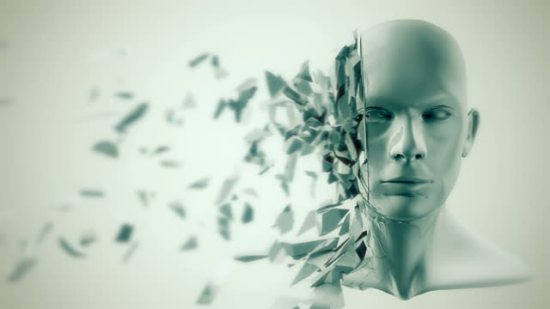
A new study from the Gladstone Institutes shows that a single drop of blood in the brain is sufficient to activate an autoimmune response akin to multiple sclerosis (MS). This is the first demonstration that introduction of blood in the healthy brain is sufficient to cause peripheral immune cells to enter the brain, which then go on to cause brain damage.
Sex change hormonal treatments alter brain chemistry

Hormonal treatments administered as part of the procedures for sex reassignment have well-known and well-documented effects on the secondary sexual characteristics of the adult body, shifting a recipient’s physical appearance to that of the opposite sex. New research indicates that these hormonal treatments also alter brain chemistry.
Parents influence children’s play of violent video games

Parents who are more anxious and emotional can impact the amount of violent video games their children play, according to new consumer research from Iowa State University. Russell Laczniak, a professor of marketing and the John and Connie Stafford Professor in Business, says given the harmful effects of violent video games, he and his colleagues wanted to better understand how parents influence children’s behavior.
Gut bacteria population, diversity linked to anorexia nervosa

Researchers at the UNC School of Medicine found that people with anorexia nervosa have very different microbial communities residing inside their guts compared to healthy individuals and that this bacterial imbalance is associated with some of the psychological symptoms related to the eating disorder.
Brain networking: behind the cognitive control of thoughts
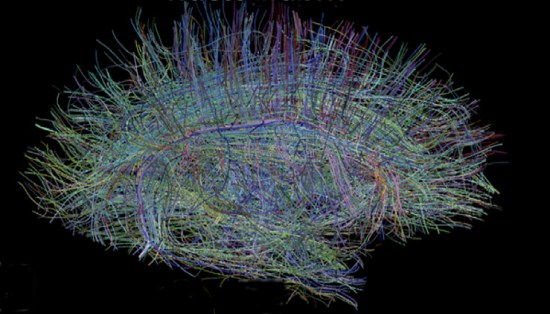
The human brain does not come with an operating manual. However, a group of scientists have developed a way to convert structural brain imaging techniques into “wiring diagrams” of connections between brain regions. Three researchers from UCSB’s Department of Psychological & Brain Sciences — Michael Miller, Scott Grafton and Matt Cieslak — used the structure of neural networks to reveal the fundamental rules that govern which parts of the brain are most able to exert cognitive control over thoughts and actions.
Can exercise be replaced with a pill?
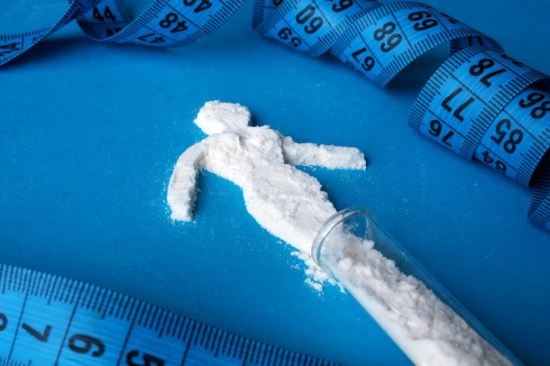
Everyone knows that exercise improves health, and ongoing research continues to uncover increasingly detailed information on its benefits for metabolism, circulation, and improved functioning of organs such as the heart, brain, and liver. With this knowledge in hand, scientists may be better equipped to develop “exercise pills” that could mimic at least some of the beneficial effects of physical exercise on the body. But a review of current development efforts ponders whether such pills will achieve their potential therapeutic impact, at least in the near future.
Coincidence or conspiracy? Studies investigate conspiracist thinking

In pop culture, conspiracy believers — like FBI agent Fox Mulder on The X Files or professor Robert Langdon in The Da Vinci Code — tend to reject the notion of coincidence or chance; even the most random-seeming events are thought to result from some sort of intention or design. And researchers have suggested that such a bias against randomness may explain real-world conspiracy beliefs. But new research from psychological scientists shows no evidence for a link between conspiracist thinking and perceptions of order, design, or intent.
Scientists identify key receptor as potential target for treatment of autism
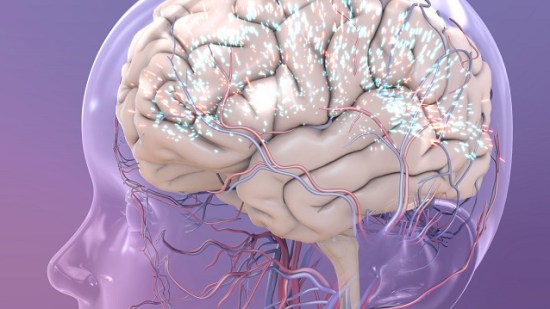
Scientists from the Florida campus of The Scripps Research Institute (TSRI) have uncovered a significant–and potentially treatable–relationship between a chemical that helps transmit signals in the brain and genetic mutations present in a subset of individuals with autism spectrum disorder. The new research findings focus on the role that the neurotransmitter serotonin plays in the development of social behavior.
Scientists to bypass brain damage by re-encoding memories
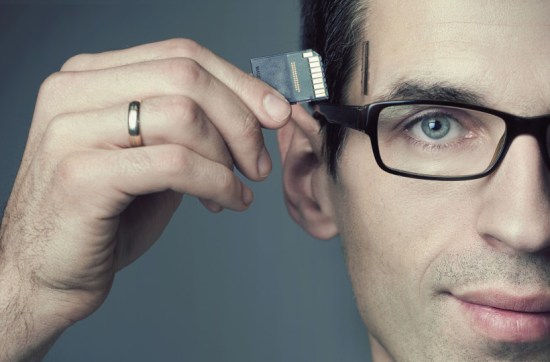
Researchers at USC and Wake Forest Baptist Medical Center have developed a brain prosthesis that is designed to help individuals suffering from memory loss. The prosthesis, which includes a small array of electrodes implanted into the brain, has performed well in laboratory testing in animals and is currently being evaluated in human patients.
Connecting Alzheimer’s disease and the immune system

The role of the immune system in Alzheimer’s disease is a hot topic, but exactly how the two are connected and what interventions could help lower risk remain a mystery. In a new study, researchers in the Ann Romney Center for Neurologic Diseases at Brigham and Women’s Hospital (BWH) investigate how genetic risk factors for Alzheimer’s disease may influence a key type of immune cell. Their results lay the groundwork for designing better therapeutic strategies and better prediction tools for risk of developing Alzheimer’s disease.


 Lunatic Laboratories