
Dopamine measurements reveal insights into how we learn


Virginia Tech Carilion Research Institute scientists have reported measurements of dopamine release with unprecedented temporal precision in the brains of people with Parkinson’s disease. The measurements, collected during brain surgery as the conscious patients played an investment game, demonstrate how rapid dopamine release encodes information crucial for human choice.
The mysterious fungus that has major health consequences

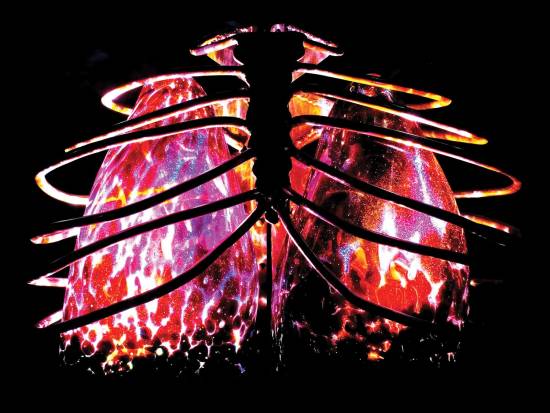
Researchers at the University of Toronto examined fungi in the mucus of patients with cystic fibrosis and discovered how one particularly cunning fungal species has evolved to defend itself against neighbouring bacteria. A regular resident of our microbiome – and especially ubiquitous in the lungs of cystic fibrosis patients -the Candida albicans fungus is an “opportunistic pathogen.”
Yin and yang of serotonin neurons in mood regulation

Low levels of serotonin in the brain are known to play a role in depression and anxiety, and it is customary to treat these disorders with medications that increase the amount of this neurotransmitter. However, a new study carried out by researchers suggests that this approach may be too simple. It appears that neighboring serotonin-producing brainstem regions exert different and sometimes opposing effects on behavior.
Master switch for brain development
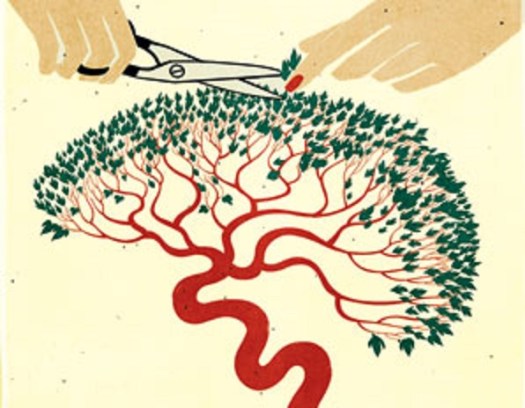
Scientists at the Institute of Molecular Biology (IMB) in Mainz have unraveled a complex regulatory mechanism that explains how a single gene can drive the formation of brain cells. The research is an important step towards a better understanding of how the brain develops. It also harbors potential for regenerative medicine.
The rise of do-it-yourself biology
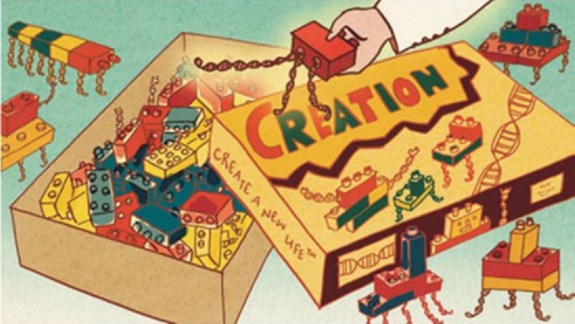
The Wilson Center’s Synthetic Biology Project has released a short documentary on the growth of the do-it-yourself biology (DIYbio) movement as seen through a community DIYbio lab in Baltimore, Maryland.
3-D printing aids in understanding food enjoyment

Tasting food relies on food volatiles moving from the back of the mouth to the nasal cavity, but researchers have wondered why airflow doesn’t carry them in the other direction, into the lungs. Now a team of engineers, using a 3D printed model of the human airway from nostril to trachea, has determined that the shape of the airway preferentially transfers volatiles to the nasal cavity and allows humans to enjoy the smell of good food.
A protein-RNA structure hints at how viruses commandeer human proteins

Researchers at Case Western Reserve University and the University of Michigan have produced the first image of an important human protein as it binds with ribonucleic acid (RNA), a discovery that could offer clues to how some viruses, including HIV, control expression of their genetic material. That information could lead to new strategies to block viruses from replicating, thereby limiting or halting infection.
New vaccine could prevent high cholesterol


Time to pug out…
Image credit goes to: (Once again) the talented and creative Lora Zombie
A new cholesterol-lowering vaccine leads to reductions in ‘bad’ LDL cholesterol in mice and macaques, according to research. The authors of the study, from the University of New Mexico and the National Institutes of health in the United States, say the vaccine has the potential to be a more powerful treatment than statins alone.
One energy drink may increase heart disease risk in young adults
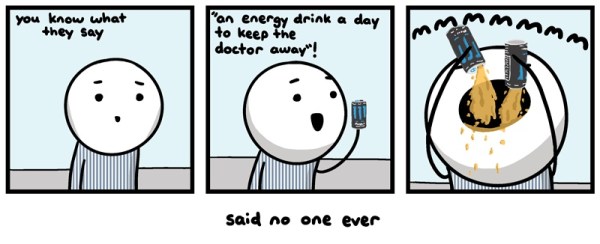
New research shows that drinking one 16-ounce energy drink can increase blood pressure and stress hormone responses significantly. This raises the concern that these response changes could increase the risk of cardiovascular events.
The first line of defense? Think Mucus

By licking a wound it heals faster — this is not simply popular belief, but scientifically proven. Our saliva consists of water and mucus, among other things, and the mucus plays an important role. It stimulates white blood cells to build a good defense against invaders, according to a group of researchers at Lund University in Sweden together with colleagues from Copenhagen and Odense in Denmark.
Brain’s immune system could be harnessed to fight Alzheimer’s

A new study suggests that the brain’s immune system could potentially be harnessed to help clear the amyloid plaques that are a hallmark of Alzheimer’s disease.
Lipid helps keep algae and brain fluid moving
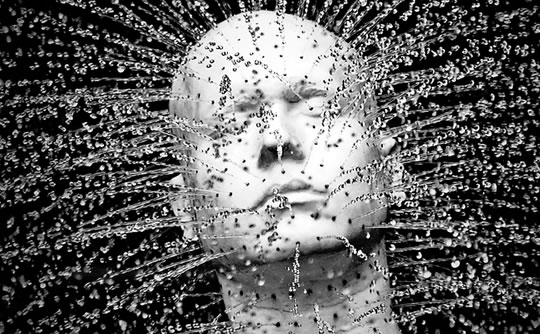
The same lipid that helps algae swim toward the light also appears to enable one type of brain cell to keep cerebrospinal fluid moving, researchers report.
Predicting what side effects you’ll experience from a drug

Researchers at the University of California, San Diego have developed a model that could be used to predict a drug’s side effects on different patients. The proof of concept study is aimed at determining how different individuals will respond to a drug treatment and could help assess whether a drug is suitable for a particular patient based on measurements taken from the patient’s blood.
Intestinal worms ‘talk’ to gut bacteria to boost immune system
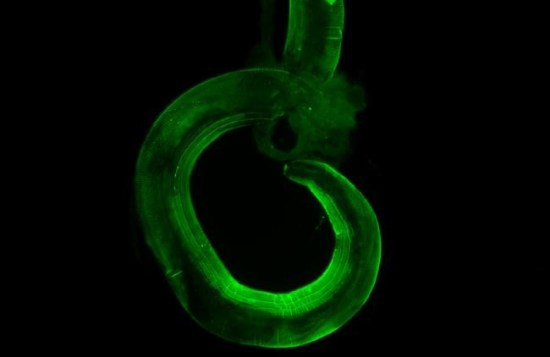
This is the helminth Heligmosomoides polygyrus bakeri (Hpb), which infects rodents. Here seen under fluorescent staining. Hpb was used in the mouse part of this study.
Image credit goes to: Nicola Harris/EPFL
When you think parasites you probably don’t think of anything helpful. However, this isn’t the case and certain parasites inadvertently help the host by helping themselves. In fact, researchers have discovered how intestinal worm infections cross-talk with gut bacteria to help the immune system.
Decontaminating infant formula with the bacteriophage
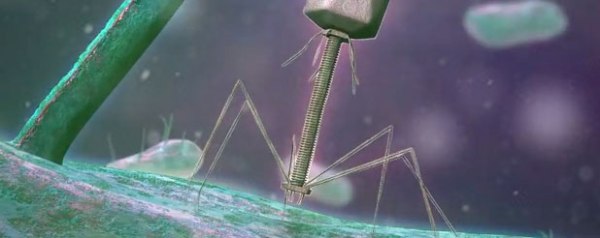
When dealing with bacteria, antibiotics are usually the frontrunner, but there are cases where antibiotics are a big no. Take baby formula for instance, we cannot use antibiotics to keep bacteria at bay. This has posed a safety problem in recent years, but researchers have shown that we can use a natural enemy of bacteria to fight back without risk to infants’ health.
The science behind real life zombies


In the spirit of Halloween we bring you the science fact and fiction behind the undead. Zombies, those brain loving little guys, (and girls) are everywhere. We are all familiar (if you are horror fans, or at least not living on an Amish compound) with the classic zombie. But did you know that we aren’t the only zombie lovers out there? It turns out that nature has its own special types of zombies, but this isn’t a science fiction movie, this is science fact!
Bacteria communicate like neurons in the brain
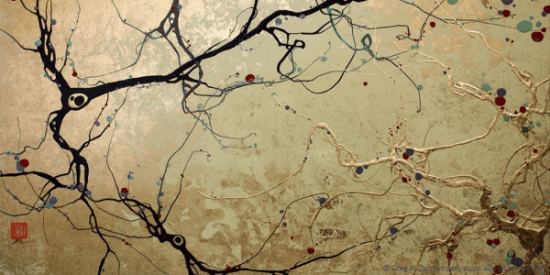
Biologists discovered that bacteria–often viewed as lowly, solitary creatures–are actually quite sophisticated in their social interactions and communicate with one another through similar electrical signaling mechanisms as neurons in the human brain. In the study, scientists detail the manner by which bacteria living in communities communicate with one another electrically through proteins called “ion channels.”
Premature birth appears to weaken brain connections

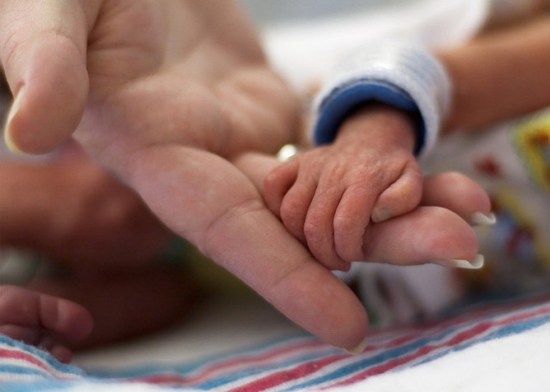
Babies born prematurely face an increased risk of neurological and psychiatric problems that may be due to weakened connections in brain networks linked to attention, communication and the processing of emotions, new research shows. Studying brain scans from premature and full-term babies, researchers zeroed in on differences in the brain that may underlie such problems.
How reward and daytime sleep boost learning

A new study suggests that receiving rewards as you learn can help cement new facts and skills in your memory, particularly when combined with a daytime nap. The findings from the University of Geneva reveal that memories associated with a reward are preferentially reinforced by sleep. Even a short nap after a period of learning is beneficial.
How plants turn into zombies

It begins as a fairy tale which later turns into a horror story: Lusciously flowering plants, surrounded by a large number of insects. Usually, both sides profit from the encounter: Feasting on the plant juice and pollen, the insects pollinate the flowers and thus secure the survival of the plants. However, sometimes the insects – in this case a certain species of leafhoppers – can bring disaster to the plants, which they are not able to overcome.
‘Paleo’ style sleep? Think again…
It’s tempting to believe that people these days aren’t getting enough sleep, living as we do in our well-lit houses with TVs blaring, cell phones buzzing, and a well-used coffee maker in every kitchen. But new evidence reported in the Cell Press journal Current Biology on October 15 shows that three ancient groups of hunter-gatherers–living in different parts of the world without any of those trappings of modern life–don’t get any more sleep than we do.
What metabolism could reveal about aging and mortality

Why some people live much longer than others is an enduring mystery. Now, based on a study of a worm, scientists are getting one step closer to understanding longevity. They report that the metabolic profiles of the worms could accurately predict how long they would live and that middle age could be a key turning point.
Blood clotting protein triggers immune attack on the brain
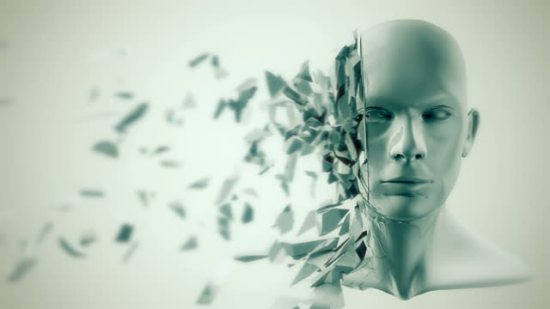
A new study from the Gladstone Institutes shows that a single drop of blood in the brain is sufficient to activate an autoimmune response akin to multiple sclerosis (MS). This is the first demonstration that introduction of blood in the healthy brain is sufficient to cause peripheral immune cells to enter the brain, which then go on to cause brain damage.
Sex change hormonal treatments alter brain chemistry

Hormonal treatments administered as part of the procedures for sex reassignment have well-known and well-documented effects on the secondary sexual characteristics of the adult body, shifting a recipient’s physical appearance to that of the opposite sex. New research indicates that these hormonal treatments also alter brain chemistry.
Brain networking: behind the cognitive control of thoughts
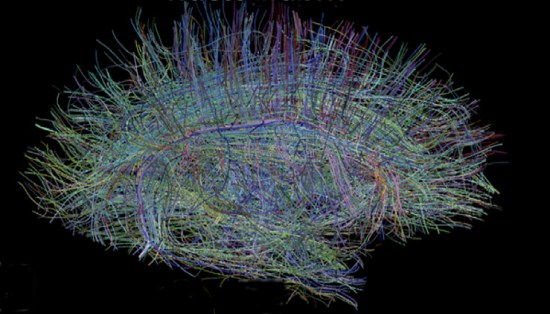
The human brain does not come with an operating manual. However, a group of scientists have developed a way to convert structural brain imaging techniques into “wiring diagrams” of connections between brain regions. Three researchers from UCSB’s Department of Psychological & Brain Sciences — Michael Miller, Scott Grafton and Matt Cieslak — used the structure of neural networks to reveal the fundamental rules that govern which parts of the brain are most able to exert cognitive control over thoughts and actions.
High-fructose diet slows recovery from brain injury

Well bad news for those of us who have a sweet tooth, a diet high in processed fructose sabotages rat brains’ ability to heal after head trauma, UCLA neuroscientists report. While this doesn’t necessarily translate to humans quite yet, it should still raise a few eyebrows given the results from the study.
Connecting Alzheimer’s disease and the immune system

The role of the immune system in Alzheimer’s disease is a hot topic, but exactly how the two are connected and what interventions could help lower risk remain a mystery. In a new study, researchers in the Ann Romney Center for Neurologic Diseases at Brigham and Women’s Hospital (BWH) investigate how genetic risk factors for Alzheimer’s disease may influence a key type of immune cell. Their results lay the groundwork for designing better therapeutic strategies and better prediction tools for risk of developing Alzheimer’s disease.
It’s alive!! Study adds to evidence that viruses are alive
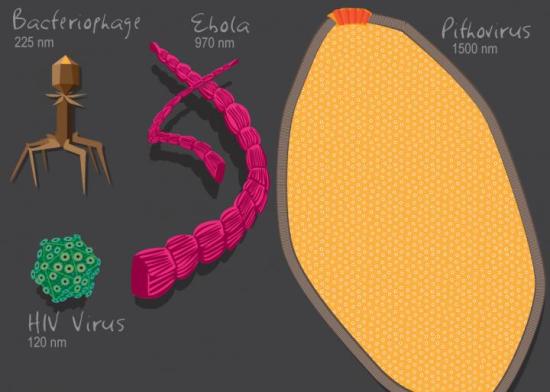
The diverse physical attributes, genome sizes and lifestyles of viruses make them difficult to classify. A new study uses protein folds as evidence that viruses are living entities that belong on their own branch of the tree of life.
Image credit goes to: Julie McMahon
Classifying something as living isn’t as easy as it sounds, after all we are all atoms, so when do atoms go from nonliving to living? Despite the complexities of viruses, we have historically deemed them nonliving. However, a new analysis supports the hypothesis that viruses are living entities that share a long evolutionary history with cells. The study offers the first reliable method for tracing viral evolution back to a time when neither viruses nor cells existed in the forms recognized today.
A barrier against brain stem cell aging
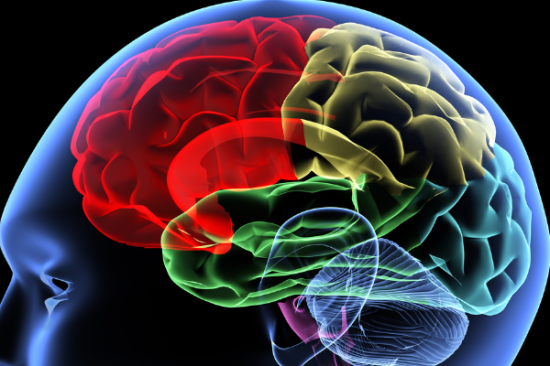
Neural stem cells generate new neurons throughout life in the mammalian brain. However, with advancing age the potential for regeneration in the brain dramatically declines. Scientists now identified a novel mechanism of how neural stem cells stay relatively free of aging-induced damage. A diffusion barrier regulates the sorting of damaged proteins during cell division.
Vaccine clears some precancerous cervical lesions in clinical trial

Scientists have used a genetically engineered vaccine to successfully eradicate high-grade precancerous cervical lesions in nearly one-half of women who received the vaccine in a clinical trial. The goal, say the scientists, was to find nonsurgical ways to treat precancerous lesions caused by HPV.
Immune system may be pathway between nature and good health

Research has found evidence that spending time in nature provides protections against a startling range of diseases, including depression, diabetes, obesity, ADHD, cardiovascular disease, cancer, and many more. How this exposure to green space leads to better health has remained a mystery. After reviewing hundreds of studies examining nature’s effects on health, researchers believe the answer lies in nature’s ability to enhance the functioning of the body’s immune system.
Viruses flourish in guts of healthy babies

Bacteria aren’t the only nonhuman invaders to colonize the gut shortly after a baby’s birth. Viruses also set up house there, according to new research at Washington University School of Medicine in St. Louis. All together, these invisible residents are thought to play important roles in human health.
Female mice sing for sex

Using a sophisticated array of microphones and a sound chamber he developed, a University of Delaware researcher discovered the world is full of tiny furry Beyoncés. Studying all the Single Ladies’ communication provides insight into brain mechanics.
Image credit goes to: Jeff Chase, University of Delaware
They don’t use gondolas or croon like Sinatra. But scientists have known for a long time that male mice belt out something like love songs to females when the time seems right to them. What they didn’t know – until a University of Delaware researcher developed a sophisticated array of microphones and a sound analysis chamber – was that female mice were singing back.
Smart cells teach neurons damaged by Parkinson’s to heal themselves
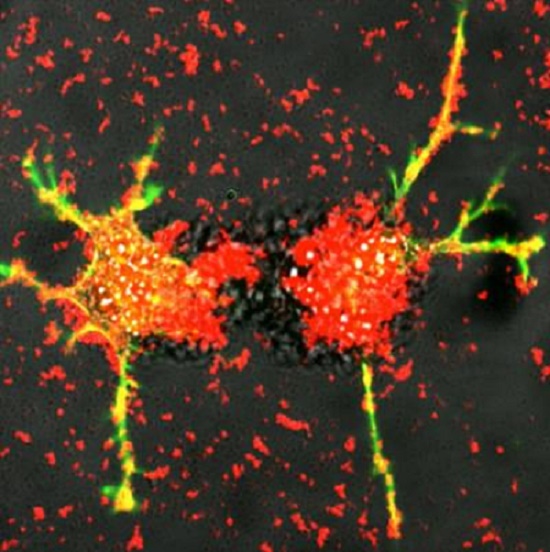
These are white blood cells reengineered by scientists at UNC-Chapel Hill deliver exosomes (red) loaded proteins that stimulate the growth of damaged nerve fibers (green and yellow). Researchers at the UNC Eshelman School of Pharmacy this technique can be developing into a potential treatment for Parkinson’s disease.
Image credit goes to: Elena Batrakova/UNC Eshelman School Of Pharmacy
As a potential treatment for Parkinson’s disease, scientists at the University of North Carolina at Chapel Hill have created smarter immune cells that produce and deliver a healing protein to the brain while also teaching neurons to begin making the protein for themselves.
An antibody that can attack HIV in new ways
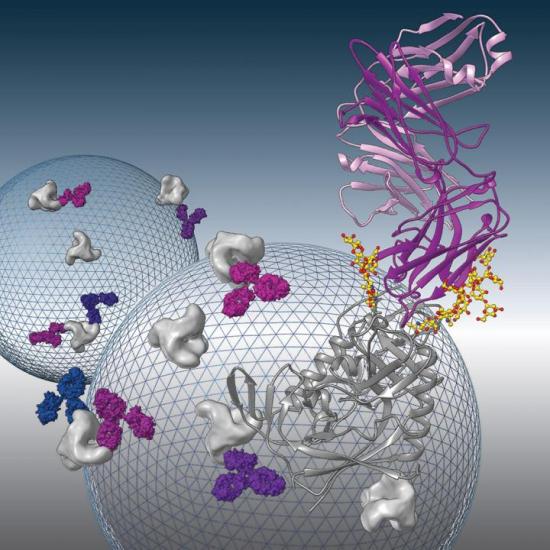
Broadly neutralizing antibodies to HIV-1 envelope glycoprotein are being evaluated as therapeutics to prevent or treat HIV-1 infection. Structural analysis of one such antibody, 8ANC195, revealed a new conformation of the envelope protein. The image shows the X-ray crystal structure of 8ANC195 in complex with the gp120 subunit of the envelope protein. The background shows schematic representations of HIV-1 virus particles studded with envelope proteins being recognized by 8ANC195 antibodies.
Image credit goes to: Louise Scharf/Caltech
Proteins called broadly neutralizing antibodies (bNAbs) are a promising key to the prevention of infection by HIV, the virus that causes AIDS. bNAbs have been found in blood samples from some HIV patients whose immune systems can naturally control the infection. These antibodies may protect a patient’s healthy cells by recognizing a protein called the envelope spike, present on the surface of all HIV strains and inhibiting, or neutralizing, the effects of the virus. Now Caltech researchers have discovered that one particular bNAb may be able to recognize this signature protein, even as it takes on different conformations during infection–making it easier to detect and neutralize the viruses in an infected patient.
Cells from human umbilical cord blood improve cognition in Alzheimer’s disease model mice
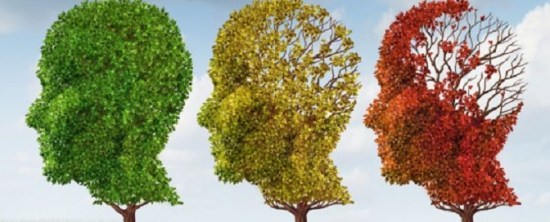
Alzheimer’s disease (AD), which affects an estimated 26 million people worldwide, is the fourth leading cause of death among the elderly and the leading cause of dementia. Predictions are that the number of AD cases will quadruple by 2050. Although pharmacological methods for treating AD have been discovered, none significantly delay the progression of the disease.
Tree of life study unveils inner workings of a cell
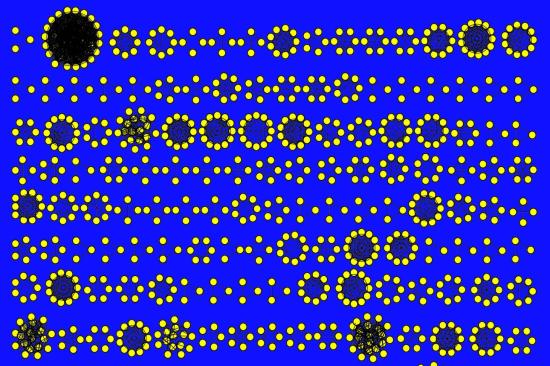
Scientists have uncovered tens of thousands of new protein interactions, accounting for about a quarter of all estimated protein contacts in a cell.
Image credit goes to: Jovana Drinkjakovic
A multinational team of scientists have sifted through cells of vastly different organisms, from amoebae to worms to mice to humans, to reveal how proteins fit together to build different cells and bodies. This tour de force of protein science, a result of a collaboration between seven research groups from three countries, led by Professor Andrew Emili from the University of Toronto’s Donnelly Centre, uncovered tens of thousands of new protein interactions, accounting for about a quarter of all estimated protein contacts in a cell.
Common antidepressant may change brain
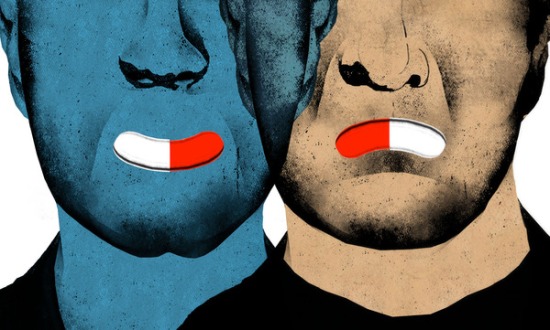
A commonly prescribed antidepressant may alter brain structures in depressed and non-depressed individuals in very different ways, according to new research. The study – conducted in nonhuman primates with brain structures and functions similar to those of humans – found that the antidepressant sertraline, a selective serotonin reuptake inhibitor (SSRI) marketed as Zoloft, significantly increased the volume of one brain region in depressed subjects but decreased the volume of two brain areas in non-depressed subjects.
Do antipsychotic medications affect cortical thinning?
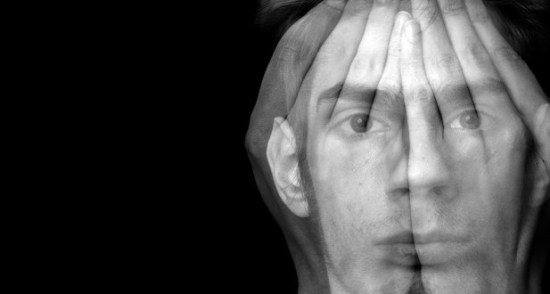
People diagnosed with schizophrenia critically rely upon treatment with antipsychotic medications to manage their symptoms and help them function at home and in the workplace. But despite their benefits, antipsychotic medications might also have some negative effects on brain structure or function when taken for long periods of time.
The alien within: Fetal cells influence maternal health during pregnancy (and long after)

Parents go to great lengths to ensure the health and well-being of their developing offspring. The favor, however, may not always be returned. Dramatic research has shown that during pregnancy, cells of the fetus often migrate through the placenta, taking up residence in many areas of the mother’s body, where their influence may benefit or undermine maternal health.
Fish oil-diet benefits may be mediated by gut microbes
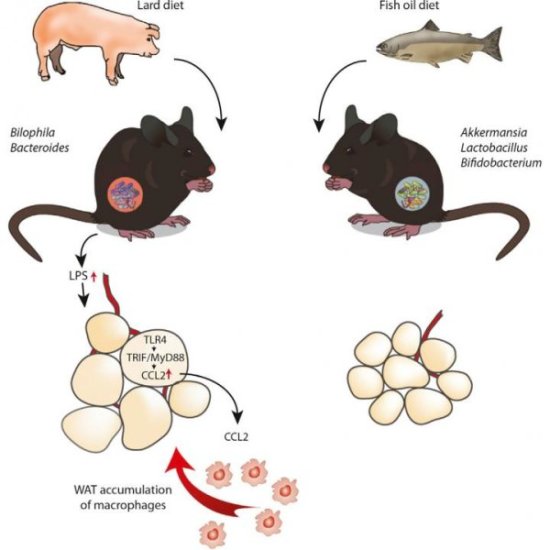
Diets rich in fish oil versus diets rich in lard produce very different bacteria in the guts of mice, reports a study from Sahlgrenska Academy published in Cell Metabolism. The researchers transferred these microbes into other mice to see how they affected health. The results suggest that gut bacteria share some of the responsibility for the beneficial effects of fish oil and the harmful effects of lard. Image credit goes to: University of Gothenburg
Diets rich in fish oil versus diets rich in lard produce very different bacteria in the guts of mice, reports a new study. The researchers transferred these microbes into other mice to see how they affected health. The results suggest that gut bacteria share some of the responsibility for the beneficial effects of fish oil and the harmful effects of lard.
HIV particles do not cause AIDS, our own immune cells do

Researchers have revealed that HIV does not cause AIDS by the virus’s direct effect on the host’s immune cells, but rather through the cells’ lethal influence on one another. HIV can either be spread through free-floating virus that directly infect the host immune cells or an infected cell can pass the virus to an uninfected cell.
Fertilization discovery: Do sperm wield tiny harpoons?

Could the sperm harpoon the egg to facilitate fertilization? That’s the intriguing possibility raised by the University of Virginia School of Medicine’s discovery that a protein within the head of the sperm forms spiky filaments, suggesting that these tiny filaments may lash together the sperm and its target.
Anti-aging tricks from dietary supplement seen in mice
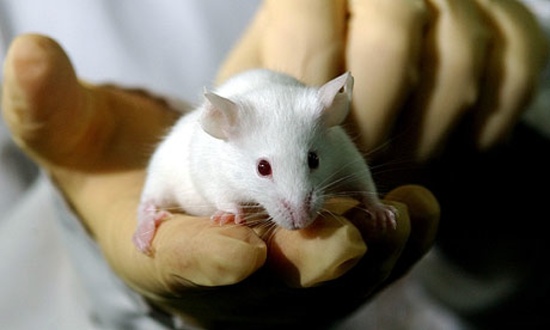
In human cells, shortened telomeres, the protective caps at the ends of chromosomes, are both a sign of aging and contribute to it. Scientists have found that the dietary supplement alpha lipoic acid (ALA) can stimulate telomerase, the enzyme that lengthens telomeres, with positive effects in a mouse model of atherosclerosis.
How long have primates been infected with viruses related to HIV?

Disease-causing viruses engage their hosts in ongoing arms races: positive selection for antiviral genes increases host fitness and survival, and viruses in turn select for mutations that counteract the antiviral host factors. Studying such adaptive mutations can provide insights into the distant history of host-virus interactions. A study of antiviral gene sequences in African monkeys suggests that lentiviruses closely related to HIV have infected primates in Africa as far back as 16 million years.
Don’t I know that guy? Neuroscientists pinpoint part of the brain that deciphers memory from new experience

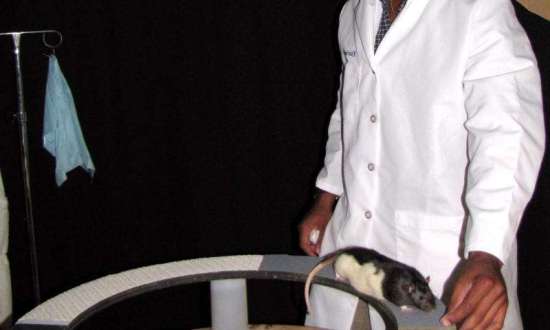
Research assistant Jeremy Johnson feeds a rat on the behavioral track used to determine where the brain decides what is new and what is familiar.
Image credit goes to: Johns Hopkins University
You see a man at the grocery store. Is that the fellow you went to college with or just a guy who looks like him? One tiny spot in the brain has the answer. Neuroscientists have identified the part of the hippocampus that creates and processes this type of memory, furthering our understanding of how the mind works, and what’s going wrong when it doesn’t.
Nicotine changes marijuana’s effect on the brain
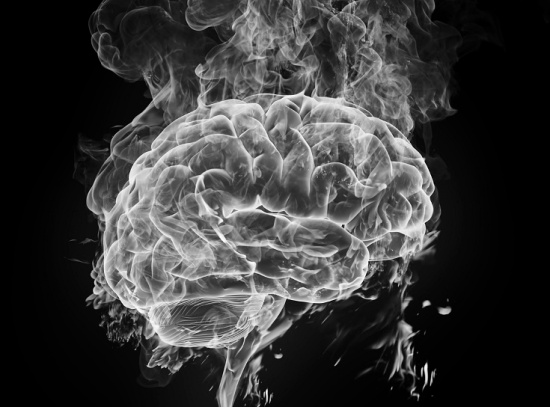
How scientists study the effects of marijuana on the brain is changing. Until recently marijuana research largely excluded tobacco users from its participant pool, but scientists have found reason to abandon this practice, uncovering significant differences in the brains of individuals who use both tobacco and marijuana and the brains of those who only use marijuana.
The stomach is the way to a woman’s heart, too

You’ve heard that romance starts in the kitchen and not in the bedroom. Well, researchers at Drexel University finally have the science to support that saying – but not the way you might think. Researchers found that women’s brains respond more to romantic cues on a full stomach than an empty one. The study explored brain circuitry in hungry versus satiated states among women who were past-dieters and those who had never dieted.
Can your brain control how it loses control?
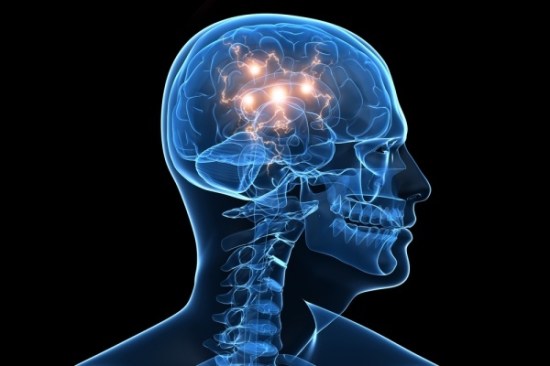
A new study may have unlocked understanding of a mysterious part of the brain — with implications for neurodegenerative conditions such as Alzheimer’s. The results open up new areas of research in the pursuit of neuroprotective therapies.
Study details ‘rotten egg’ gas’ role in autoimmune disease
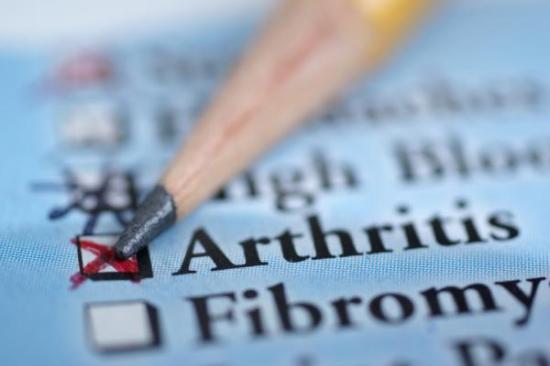
The immune system not only responds to infections and other potentially problematic abnormalities in the body, it also contains a built-in brake in the form of regulatory T cells, or Tregs. Tregs ensure that inflammatory responses don’t get out of hand and do damage. In autoimmune diseases, sometimes these Treg cells don’t act as they should.


 Lunatic Laboratories