
Overriding muscles’ energy efficiency to burn more fat
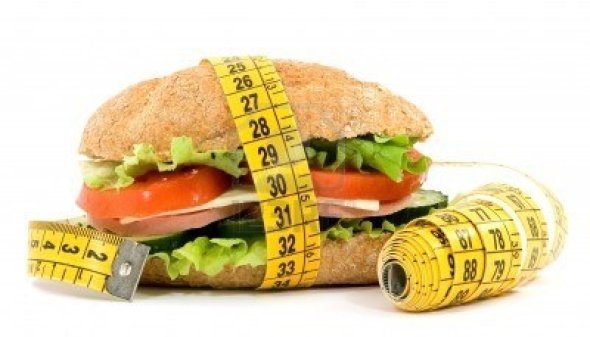
What started as an evolutionary protection against starvation has become a biological “bad joke” for people who need to lose weight. The human body doesn’t distinguish between dieting and possible starvation, so when there is a decrease in calories consumed, human metabolism increases its energy efficiency and weight loss is resisted.
Predicting the effectiveness of cancer vaccines
Cancer vaccines, once they were science fiction and now they are designed to turn the body’s own immune system specifically against tumor cells. Particularly promising are vaccines that are directed against so-called neoantigens — which are proteins that have undergone a genetic mutation in tumor cells and, therefore, differ from their counterparts in healthy cells.
Scientists find anti-HIV agent and possible start for a vaccine

We may just have found a missing link in the fight towards an HIV vaccine. No, this is not an over-hyped headline, in a remarkable new advance against the virus that causes AIDS, scientists have announced the creation of a novel drug candidate that is so potent and universally effective, it might work as part of an unconventional vaccine.
Why low-carb or fasting diets are good for your health

While most research regarding fat loss focuses on the risks of being overweight, a new study shows that fasting, low-carb diets, or high-intensity exercise have specific health benefits. Specifically, researchers have found that a compound produced by the body when dieting or fasting can block a part of the immune system involved in several inflammatory disorders such as type 2 diabetes, atherosclerosis, and Alzheimer’s disease.
The “successful aging” debate

We see it everyday in advertising, turn back the clock, reverse aging — look, feel, and be younger. With all these standards, how do you define aging, or more importantly successful aging. Scholars have long debated what successful aging is, how to measure it, and how to promote it. But researchers are now laying the groundwork for building consensus on the topic — while pointing out that the answer may differ among academics and the general public, as well as across populations and demographic groups.
Seafood associated with autoimmune disease

Autoimmunity is one of those great mysteries of the human body. We still aren’t sure what causes it and treating it can be painfully ineffective. Unfortunately my sister knows that one first hand, so here at the labs autoimmunity is a problem close to our heart. While we may not know what causes autoimmunity, a new study suggests one of the greatest risk factors for autoimmunity among women of childbearing age may be associated with exposure to mercury such as through seafood.
‘Virtual virus’ unfolds the flu on a CPU
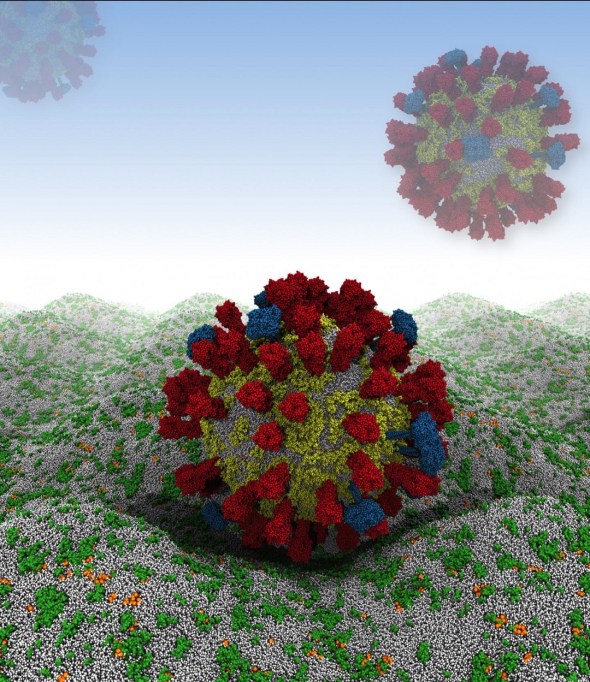
The flu virus can be pretty nasty — it’s quick to evolve — which means yearly flu shots are needed and then it’s only a guess to which strain will be the most prevalent. Well new research aims to change all that, by combining experimental data from X-ray crystallography, NMR spectroscopy, cryoelectron microscopy and lipidomics (the study of cellular lipid networks), researchers have built a complete model of the outer envelope of an influenza A virion for the first time. So would that make it a computer virus, virus?
Scientists find a way to treat hormone deficiency from an unlikely source


Science has helped us to live longer and in some cases much fuller lives. Unfortunately for some with serious medical conditions, they may lead a long life, but a life of what? To that end a group of researchers set out to help people with hormone deficiencies and the team has developed a potential new therapy based on an unlikely model: immune molecules from cows.
Researchers discover viral ‘Enigma machine’

Antibiotics are for infections, vaccines are for viruses, and unfortunately both bacteria AND viruses mutate. So when someone has AIDS for example it is hard to fight since a vaccine would be hard to produce given how rapidly it evolves. Well now researchers may be one step closer to solving the problem since they have cracked a code that governs infections by a major group of viruses which includes the common cold and polio.
Scientists find the genetic trigger for immune system response
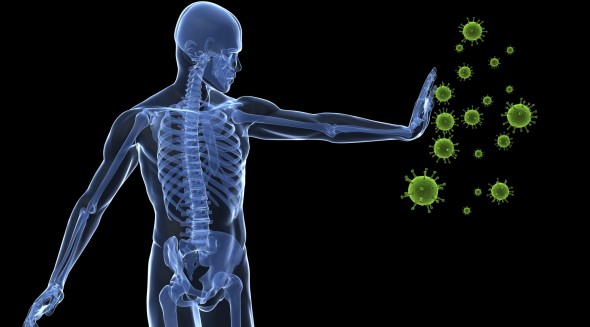
Mitochondria are the “powerhouse of the cell.” We all learn in biology that they have seemingly one function in the body, converting food and oxygen into energy. Well that might not be the case anymore; the thousands of mitochondrial DNA (mtDNA) molecules present in each cell have been identified in an unexpected relationship with the innate immune response.
Alternatives to antibiotics in an antibiotic resistant world
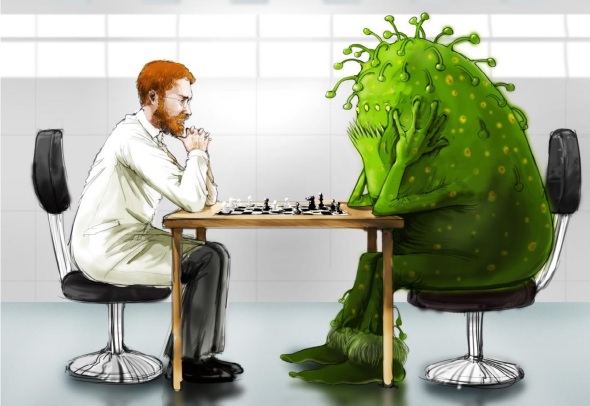
Let’s be honest, we’ve been getting a little fancy with the antibiotics, creating new and more relevant versions of old favorites like penicillin. Truthfully, we are the problem, how many times do we have to drive home the idea that antibiotics are for bacteria, not viruses. It is not all the consumers fault, the Doctors used to hand out antibiotics to placate angry parents of sick children.
Same sex relationships and stress: A new perspective

Studies of stress and its effects on health have typically focused on the worries of an individual: money, love, health, work. When we turn our attention on relationship stress, the focus is generally on your typical couple. However, new research studies how minority stress — which results from being stigmatized and disadvantaged in society — affects same-sex couples’ stress levels and overall health.
You can’t unboil an egg? Well… now you can.

There is a saying, “you can’t unboil an egg.” Usually this is just illustrating cause and effect; you can’t turn back time, or what’s done is done. Well now scientists have successfully unboiled an egg, so suck it thermodynamics. An international team of chemists have accomplished this feat – an innovation that could dramatically reduce costs for cancer treatments, food production and other segments of the $160 billion global biotechnology industry, according to the findings.
Belief’s effect on biochemistry in cases of addiction

Ever wonder what makes people susceptible to addiction? Think about it, some people can stop addictive painkillers without a problem and others, well others are not so lucky. So the big question is are there more than biophysical factors at play in addiction? A new study shows that cognitive beliefs play a significant role in a person’s neurological response to an addictive substance and that belief can diminish the neurological effects of an addictive drug.
You can live longer, but not healthier

We all want to live longer and thanks to medical technologies our life expectancies have dramatically increased. Which would be handy if we could actually enjoy the extra years. Unfortunately a study of long-lived mutant C. elegans by scientists shows that the genetically altered worms spend a greater portion of their life in a frail state and exhibit less activity as they age than typical nematodes. These findings suggest that genes that increase longevity may not significantly increase healthy lifespan and point to the need to measure health as part of aging studies going forward.
Stem cells derived from amniotic tissues have immunosuppressive properties

Stem cells derived from human amnion have for some time been considered promising for cell therapies because of their ease of access, ability to differentiate, and absence of ethical issues. Now, a research team has found that stem cells derived from human female amnion also have immunosuppressive activity and that the addition of antibodies to specific factors can enhance their immunosuppressive potential.
Pythagoras theorem could improve patient care

Triangles, few of us have ever thought of a relationship between healthcare and triangles. Most of us will remember Pythagoras theorem from our school days, but rarely have a reason to use it in day-to-day life. Well for Doctors that might change, a team of medical researchers has found the 2,500-year-old Pythagoras theorem could be the most effective way to identify the point at which a patient’s health begins to improve.
Being angry might be good for your health

In the US and many Western countries, people are urged to manage feelings of anger or suffer its ill effects. We are raised to, for a large part, stifle our emotions and to “not be so angry.” However, new research with participants from the US and Japan suggests that anger may actually be linked with better, not worse, health at least in certain cultures.
Music takes the pain away post surgery

In today’s society, when it is so easy to over medicate children and adults alike it is nice to finally read something that looks for an alternative option. This particular case deals with pain management in children post surgery and the study shows that pediatric patients who listened to 30 minutes of songs by Rihanna, Taylor Swift and other singers of their choosing — or audio books — had a significant reduction in pain after major surgery.
New antibiotic may help slow drug resistance
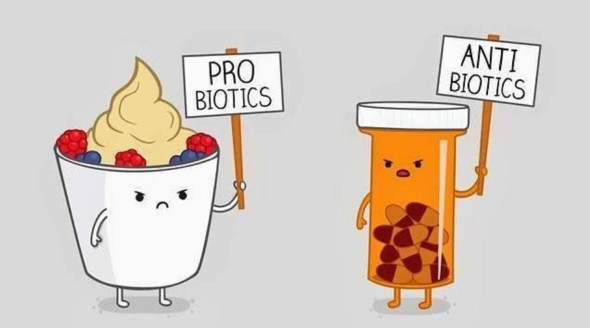
Antibiotic resistance, a hot topic lately here at the labs, as evidence by this recent post. So it is fortuitous that I stumbled upon this little bit of research that suggests scientists (using a “revolutionary” approach) have devised an antibiotic that may offset the mounting problem of drug resistance for decades… hopefully.
Outsmarting superbugs’ countermoves to antibiotics
With drug-resistant bacteria on the rise, even common infections that were easily controlled for decades — such as pneumonia or urinary tract infections — are proving trickier to treat with standard antibiotics. New drugs are desperately needed, but so are ways to maximize the effective lifespan of these drugs.
Not everyone sees health decline from obesity, but why is that?

The news isn’t shy in reporting the effects of being obese, high blood pressure, and diabetes (just to name a few). However, new research demonstrates that obesity does not always go hand in hand with metabolic changes in the body that can lead to diabetes, heart disease and stroke. Determining how and why may help reduce or eliminate the health risks in other people dealing with obesity.
HIV vaccines may make things worse
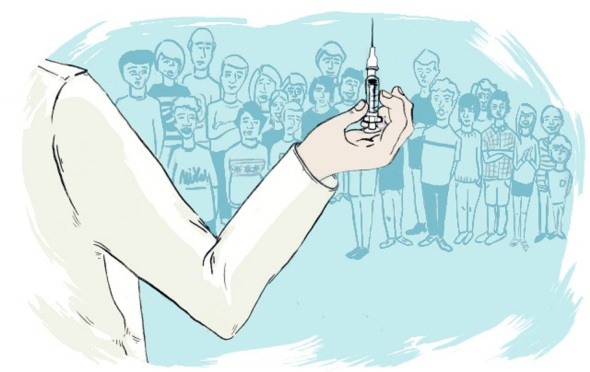
Despite what conspiracy theorists say, there is no cure for HIV. Not that people aren’t feverously working hard to find one, it is just really hard to do. To illustrate that point researchers have found that vaccines designed to protect against HIV can backfire and lead to increased rates of infection. This unfortunate effect has been seen in more than one vaccine clinical trial.
New cancer treatment targets telomeres

Cancer, right now we don’t have much to fight it besides the standard surgery or chemo, neither of which is a great option. Well now scientists have targeted telomeres with a small molecule called 6-thiodG that takes advantage of the cell’s ‘biological clock’ to kill cancer cells and shrink tumor growth. Ideally this new technique will help eliminate the need for nasty drugs like those used in chemotherapy.
A surprising discovery about fast food portion sizes

Since the noticeable expansion of most of the worlds waistlines, people have come to lay the blame (amongst other things) almost squarely on fast food and ever increasing portion sizes. While the world and it’s leaders are dealing with this mysterious problem by trying to help push fast food chains in the direction of change, it might be surprising to know that according to new research, fast food portion sizes have changed little since 1996.
Steak raises cancer risk and now we know why

Some of you may remember a recent study showing why red meat is bad for the heart, while now there is a study showing why steak — or in particular red meats — raise the risk of cancer. To be clear, I am still very much a red meat eater and this is no way intended to change anyones opinions on steak consumption, but it is nice to understand the science behind what we put in our mouths.
Estrogen worsens allergic reactions


Are you a woman? Do you find yourself allergic to everything, but water (and sometimes that is up for debate)? Worse, does your husband, boyfriend, or male friend seem to be impervious to any sort of allergy? Well I have good news and bad news, the good news is it isn’t you — or him. The bad news, is it’s your hormones…
Evolution of whooping cough and the anti-vaccination movement


When I was your age, whooping cough wasn’t what it is today. I’m sure we all know the stereotypical grandfather telling stories like that, but — at least in this case — if he started his story off like that then he is actually right. Over the last few years, this once-common childhood illness, has evolved in response to its own vaccine, in other words this isn’t your parents’ pertussis.
Nanoparticles could deliver drugs to the brain
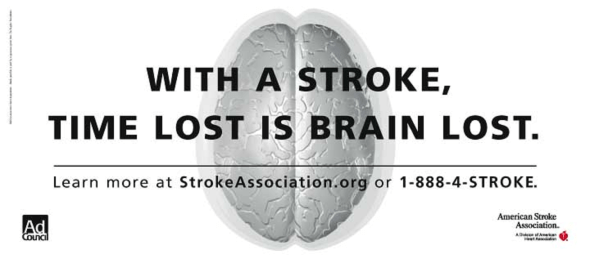
Science has already shown that when it comes to strokes, the sooner you treat it the better your outcome. Well now, stroke victims could have more time to seek treatment that could reduce harmful effects on the brain, thanks to tiny blobs of gelatin that could deliver the medication to the brain. The best part, this would be done noninvasively.
mTOR and the fountain of youth

The fountain of youth might be just right around the corner, I know here at the labs we’ve reported several different ways to get to that fabled place, but now we have one more. New research shows that seniors received a significant boost to their immune systems when given a drug that targets a genetic signaling pathway linked to aging and immune function.
The science of dietary restriction and it’s benefits (or what to do after the holidays)

In a new study, researchers have identified a key molecular mechanism behind the health benefits of dietary restriction — or reduced food intake without malnutrition. Also known as calorie restriction or simply a diet, dietary restriction is best known for its ability to slow aging in laboratory animals. The findings here show that restricting two amino acids, methionine and cysteine, results in increased hydrogen sulfide (H2S) production and protection against ischemia reperfusion injury, or damage to tissue that occurs following the interruption of blood flow as during organ transplantation and stroke. Increased H2S production upon dietary restriction was also associated with lifespan extension in worms, flies, and yeast.
Vaccine against prion disease, not for humans… yet
Prions, misfolded proteins that wreak havoc on the brain, may have finally met their match. Best known for things like mad cow disease (and possibly alzheimer’s disease) scientists have had no luck stopping prions, until now. Researchers say that a vaccination they have developed to fight a brain-based, wasting syndrome among deer and other animals may hold promise on two additional fronts: Protecting U.S. livestock from contracting the disease, and preventing similar brain infections in humans.
Methamphetamine use and the onset of parkinson’s


We’ve all seen the PSA’s trying to show the effects of meth use and in particular, what it does to your teeth. Typically, when it comes to drug use, people will not look at the long term side effects from their addiction instead thinking in the short term. This is unfortunate because as it turns out, methamphetamine users are three times more at risk for getting Parkinson’s disease than non-illicit drug users with even worse news for women, new research shows.
Scientists find a drug (currently used) to turn white fat to brown

It seems like we’ve been on a weight loss campaign here at the labs, but there just has been so much new and interesting research on the subject to report on; this is no exception. Researchers have uncovered the mechanism by which white fat cells from humans (an important distinction) gets reprogrammed to become browner.
High fat diet leads to brain inflammation and obesity

The stomach strikes again, or so it seems. We’ve already covered how your stomach seemingly controls your brain and your blood-brain barrier, but now it seems that what you eat –not too indirectly related to your stomach– might make you fatter, but not in the way you might be thinking thinking. What you are eating may be causing inflammation in the brain.
What makes us fat, OR food vs. physiology
There is a heir of mystery surrounding weight loss and fat in general. Have you ever heard you have all the fat cells you’ll ever have — that’s false by the way. Then there is fad diets like gluten free — proven to do nothing unless you actually have a diagnosed gluten allergy — or adkins, but now researchers believe they’re on track to solve the mystery of weight gain – and it has nothing to do with indulging in holiday eggnog.
Worms’ “mental GPS” could help improve mental health

Imagine this, you’ve misplaced your cell phone. You start by scanning where you remember leaving it: on your bureau. You check and double-check the bureau before expanding your search around and below the bureau. Eventually, you switch from this local area to a more global one, widening your search to the rest of your room and beyond.
Depressed? Laughing gas might help
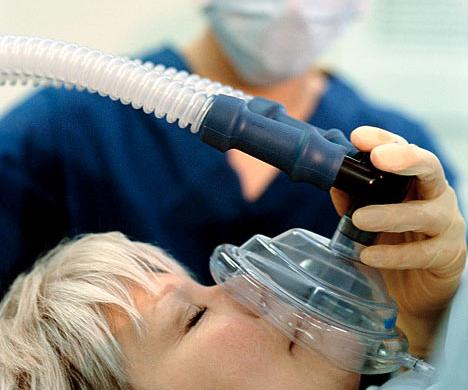
Nitrous oxide, or laughing gas, has shown early promise as a potential treatment for severe depression in patients whose symptoms don’t respond to standard therapies. In other words, it might actually live up to it’s name and as they say laughter is the best medicine. The pilot study is believed to be the first research in which patients with depression were given laughing gas.
Scientists find a hormone that makes you fatter
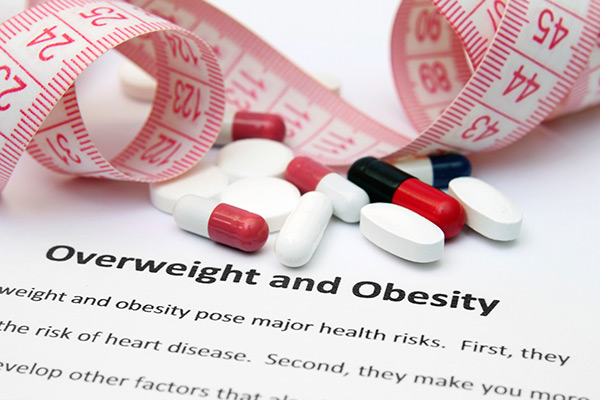
Our waistlines are expanding, it’s no secret that around the world despite rampant hunger people are also getting fatter. While there are many things that are contributing to this — our increased food security, the cost of food, fast food, the increasing sugar supplied in food, etc — there are other theories as to why we are getting so heavy. Scientists have pointed towards bacteria, gut microbiota, and many other causes for our increased weight, now add to that list a common hormone that we all produce.
Vegetable oil in the fight against gastric disease
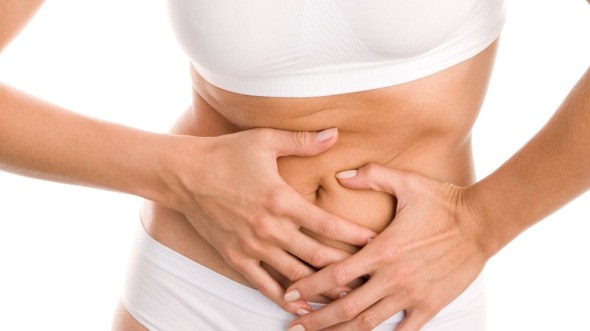
The bacterium Helicobacter pylori is strongly associated with gastric ulcers and cancer. Unfortunately, treating the bacteria with antibiotics is difficult and with the increase in antibiotic resistance it can be a dangerous fight to take on. Given the high rate of ulcers and stomach cancers, the need for a better treatment is becoming more apparent. New research may bring hope (and of all things) in the form of vegetable oil.
Fragile X and a new autism treatment

There are many roads to autism, none of them involve vaccination. I get tired of saying that, but it’s simple science, vaccines do not cause autism. Thankfully science knows this and is looking at not only what actually causes autism (Since again there are many different ways to develop on the spectrum). Well they may have found a new treatment for people affected by a common inherited form of autism by using a drug that is being tested as a treatment for cancer.
Need to turn off the pain? Well now we can!
 My sister suffers from chronic pain issues. I’ve written several posts about how her autoimmune disease is a special brand of pain that you will thankfully (almost certainly) never have to feel. While great strides have been made in pain management, there are still relatively few options that do not carry the risk of being extremely addictive. Well thankfully there is some new research and it offers hope, not just for my sister, but for the millions of people suffering from chronic pain that has been poorly managed.
Hiding cells to prevent HIV transmission
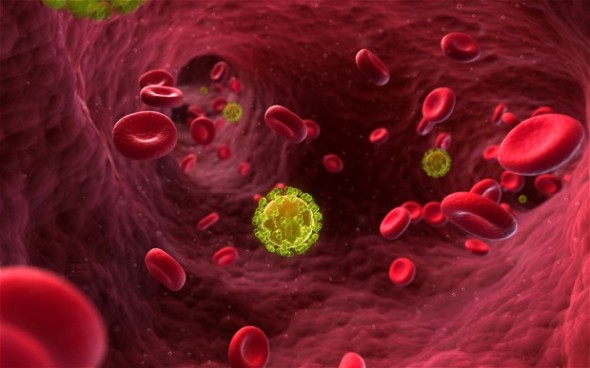
The fight against HIV is ongoing and despite our rapid progression against the disease we still lack a cure or even adequate treatment for people infected. However, new research suggests that cloaking immune cells with antibodies that block T cell trafficking to the gut can substantially reduce the risk of viral transmission, at least in a non-human primate model of HIV infection. If it works out, this could help slow down the spread of HIV and give people a better shot at a normal life.
Mental Health- The invisible barrier for women’s care

A while back I wrote a post about mental health and jail sentences, it seems like no one takes mental health seriously and that leads to lack of care for the individual. Well a new study offers even more bad news on the mental health front. Women with symptoms of serious mental illness are significantly less likely to receive three routine cancer screenings – Pap tests, mammograms and clinical breast exams – than women in the general population, despite being at elevated risk for medical comorbidities and early death, a new study indicates.
Designing a better flu vaccine

We all hate getting sick and the seasonal flu vaccine can help prevent a time of serious illness. Unfortunately the vaccine is usually an educated guess as to which strains of the flu are going to be most prevalent that year. Well now an international team of researchers has shown that it may be possible to improve the effectiveness of the seasonal flu vaccine by ‘pre-empting’ the evolution of the influenza virus.
Telomeres, Epigenetics, and Aging: the new found complexities in your genes

Telomere length is associated with aging, this isn’t a new statement, but interestingly enough there is more to this story than just the size of your telomeres. Telomere lengths have now been shown to cause epigenetic changes, this new discovery may help explain the aging of cells and how they initiate and transmit disease.
Chlamydia and Cancer: A new connection

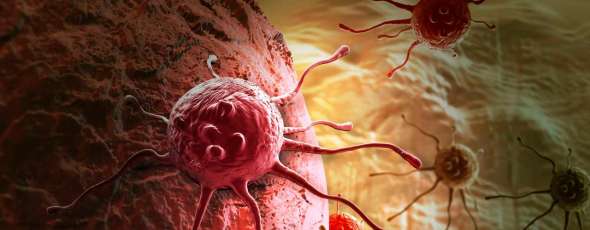
Infections due to the sexually transmitted bacterium Chlamydia trachomatis often remain unnoticed. The pathogen is not only a common cause of female infertility; it is also suspected of increasing the risk of abdominal cancer. A new study has now observed the breakdown of an important endogenous protective factor in the course of chlamydial infection. In other words, the pathogen can cause an increased risk of certain cancers.
If being sad is “bad”, then why is there sad music?

We tell children not to look so sad. We tell adults to wipe that sad look off their face and smile. We even worry that if you are sad too long, you might need medical attention. Yet, for most of us, when life gets you down, you put on some sad music. So if sadness is such a negative, why do we spend our money and time wallowing in these sad tunes?
When it comes to sleep recommendations, what about the children?

Sleep is a hot topic lately, are we getting too much, too little, how much is enough? However, most of these questions are for adults, so what about children? Well as it turns out a new study used activity monitors to track how sleep habits changed in younger and older teens as they grew during a two-year period. Key findings from this study has also lent t0 new support to recent recommendations by the American Academy of Pediatrics that middle and high schools avoid starting earlier than 8:30 a.m.
A Possible Genetic “Cure” for HIV… Maybe
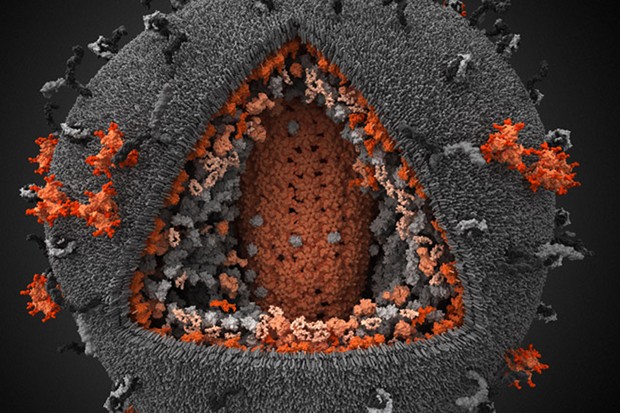
Let’s face it, a cure for HIV probably won’t be coming around for awhile. That slippery little virus manages to avoid everything we throw at it. Well researchers at Massachusetts General (MGH) and Boston Children’s hospitals (BCH) tried to take another crack at the problem. For the first time they have used a relatively new gene-editing technique to create what could prove to be an effective technique for blocking HIV from invading and destroying patients’ immune systems.


 Lunatic Laboratories