
Depressed or inflamed? Inflammation attacks brain’s reward center


Inflammation is a good thing, it helps the body fight disease, and without it we wouldn’t survive. Unfortunately, when inflammation isn’t kept under control it can wreak havoc on the body. From potentially causing alzheimer’s to arthritis it seems that unchecked inflammation can cause all sorts of issues. In fact, a new study adds to the list of issues out of control inflammation causes in the body.
Blood pressure medicine may improve conversational skills of individuals with autism


An estimated 1 in 68 children in the United States has autism. The neurodevelopmental disorder, which impairs communication and social interaction skills, can be treated with medications and behavioral therapies, though there is no cure. Now, University of Missouri researchers have found that a medication commonly used to treat high blood pressure and irregular heartbeats may have the potential to improve some social functions of individuals with autism.
The brains of patients with schizophrenia vary depending on the type of schizophrenia

I have a friend who lost an eye to his brother. Yes, you read that correctly, his brother tried to kill him and in the process he lost his eye. I’ve told this story before, but whenever new schizophrenia research comes out I feel the need to tell it again. While he has forgiven his brother (partly because not long after, he was diagnosed as schizophrenic), he will not be able to see him again until he is released from prison. A tragedy that could’ve been avoided had he been diagnosed sooner. Sadly now that he is treated, most days, you wouldn’t know he’s schizophrenic.
Why you should never use the term ‘the mentally ill’


Yes, it’s real… you can find more information here
Image credit goes to: Jenn Ackerman
Even subtle differences in how you refer to people with mental illness can affect levels of tolerance, a new study has found. In a first-of-its-kind study, researchers found that participants showed less tolerance toward people who were referred to as “the mentally ill” when compared to those referred to as “people with mental illness.”
Anxious? Chronic stress and anxiety can damage the brain
Yeah, let me just get over that anxiety since it’s a choice…
A scientific review paper warns that people need to find ways to reduce chronic stress and anxiety in their lives or they may be at increased risk for developing depression and even dementia. Led by the Rotman Research Institute at Baycrest Health Sciences, the review examined brain areas impacted by chronic anxiety, fear and stress in animal and human studies that are already published.
Overwhelmed and depressed? Well, there may be a connection


Ever feel overwhelmed when you are depressed, well the good news is it isn’t just you, the bad news is it’s probably your brain. Regions of the brain that normally work together to process emotion become decoupled in people who experience multiple episodes of depression, neuroscientists report. The findings may help identify which patients will benefit from long term antidepressant treatment to prevent the recurrence of depressive episodes.
Can you trust your gut when public speaking?


There is good news for frequent public speakers. New research shows that individuals have the ability to quickly and accurately identify a crowd’s general emotion as focused or distracted, suggesting that we can trust our first impression of a crowd’s mood.
Autism-linked protein lays groundwork for healthy brain


A gene linked to mental disorders helps lays the foundation for a crucial brain structure during prenatal development, according to Salk Institute research. The findings reveal new mechanistic insights into the gene, known as MDGA1, which may bring a better understanding of neurodevelopmental disorders in people.
Pay attention! Attention neuron type identified


Researchers have identified for the first time a cell type in the brain of mice that is integral to attention. Moreover, by manipulating the activity of this cell type, the scientists were able to enhance attention in mice. The results add to the understanding of how the brain’s frontal lobes work and control behaviour.
Stereotype means girls should expect poorer physics grades


Imagine that you are a female student and give the exact same answer to a physics exam question as one of your male classmates, but you receive a significantly poorer grade. This is precisely what happens on a regular basis, as concluded in a study by Sarah Hofer, a researcher in the group led by ETH professor Elsbeth Stern.
Put the cellphone away! Fragmented baby care can affect brain development


Mothers, put down your smartphones when caring for your babies! That’s the message from University of California, Irvine researchers, who have found that fragmented and chaotic maternal care can disrupt proper brain development, which can lead to emotional disorders later in life.
Schizophrenia linked to loss of cells in the brain’s memory center


Art by the one and only Lora Zombie
Scientists at Columbia University’s Mortimer B. Zuckerman Mind Brain Behavior Institute, Columbia University Medical Center (CUMC), and the Université Paris Descartes have found that deficits in social memory–a crucial yet poorly understood feature of psychiatric disorders such as schizophrenia–may be due to a decrease in the number of a particular class of brain cells, called inhibitory neurons, in a little-explored region within the brain’s memory center.
Want to keep your new year’s resolution? Ask, don’t tell.

Results may vary…
“Will you exercise this year?” That simple question can be a game-changing technique for people who want to influence their own or others’ behavior, according to a recent study spanning 40 years of research. The research is the first comprehensive look at more than 100 studies examining the ‘question-behavior effect,’ a phenomenon in which asking people about performing a certain behavior influences whether they do it in the future. The effect has been shown to last more than six months after questioning.
Are you a ‘harbinger of failure’?


Has a point, he does.
Diet Crystal Pepsi. Frito Lay Lemonade. Watermelon-flavored Oreos. Through the years, the shelves of stores have been filled with products that turned out to be flops, failures, duds, and losers. But only briefly filled with them, of course, because products like these tend to get yanked from stores quickly, leaving most consumers to wonder: Who exactly buys these things, anyway?
Intelligence, it’s in your genes… and we can change that.


Ever feel like everyone around you has their brain running much faster than your own? Well, the good news is that it may not be you, it may be your genes. The other good news, we might be able to change that. Scientists from Imperial College London have identified for the first time two clusters of genes linked to human intelligence. Called M1 and M3, these so-called gene networks appear to influence cognitive function – which includes memory, attention, processing speed and reasoning.
You too can increase your risk for dementia by up to 48% with, anxiety!


People who experienced high anxiety any time in their lives had a 48 percent higher risk of developing dementia compared to those who had not, according to a new study led by USC researchers. The findings were based on an examination of 28 years of data from the Swedish Adoption Twin Study of Aging, overseen by the Karolinska Institutet of Sweden.
Depression is more than a “mental health” problem and we can now measure its risk

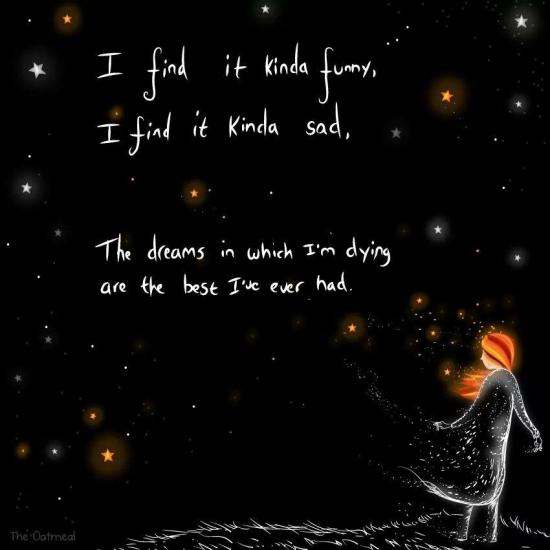
These feels drawn by the one, the only, and the oatmeal, or is it just one of those?
A network of interacting brain regions known as the default mode network (DMN) was found to have stronger connections in adults and children with a high risk of depression compared to those with a low risk. These findings suggest that increased DMN connectivity is a potential precursor, or biomarker, indicating a risk of developing major depressive disorder (MDD).
Scientists manipulate consciousness in rats
Scientists showed that they could alter brain activity of rats and either wake them up or put them in an unconscious state by changing the firing rates of neurons in the central thalamus, a region known to regulate arousal. The study was partially funded by the National Institutes of Health.
Emotion processing in the brain changes with tinnitus severity


Tinnitus, otherwise known as ringing in the ears, affects nearly one-third of adults over age 65. The condition can develop as part of age-related hearing loss or from a traumatic injury. In either case, the resulting persistent noise causes varying amounts of disruption to everyday life. While some tinnitus patients adapt to the condition, many others are forced to limit daily activities as a direct result of their symptoms. A new study reveals that people who are less bothered by their tinnitus use different brain regions when processing emotional information.
LSD changes consciousness by reorganizing human brain networks
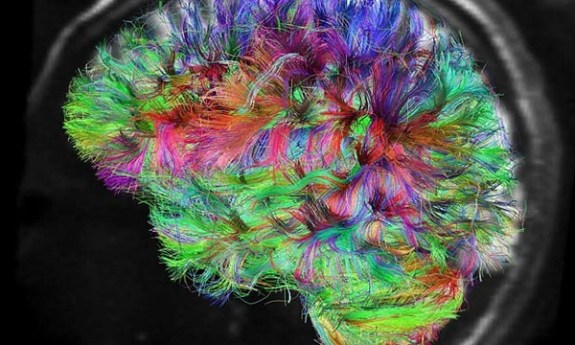
LSD is known to cause changes in consciousness, including “ego-dissolution”, or a loss of the sense of self. Despite a detailed knowledge of the action of LSD at specific serotonin receptors, it has not been understood how this these pharmacological effects can translate into such a profound effect on consciousness.
Certain herpes viruses can infect human neurons
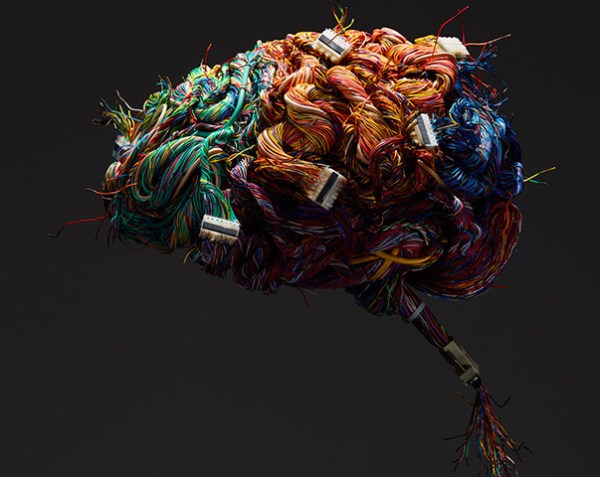
For years, researchers have noted a tantalizing link between some neurologic conditions and certain species of the herpes virus. In patients with Alzheimer’s disease, multiple sclerosis, and cerebellar ataxia, among other neuropathies, the cerebrospinal fluid teems with Epstein-Barr virus (EBV). Yet, the nature of that link has remained unclear, as it has been assumed that EBV, as well as other viruses in the same sub-family, called gammaherpesviruses, cannot infect neurons.
No two faces are the same


For the very first time, researchers have been able to show that the causes of congenital face blindness can be traced back to an early stage in the perceptual process. These findings are crucial, not just for our understanding of face recognition, but also because they allow us to understand the processes behind the recognition of any visually presented object.
Exposure to violence makes you more likely to lie, cheat


Maybe it’s not what it looks like…
Can watching a violent movie make you more likely to lie, cheat or steal? What about reading a violent book? While that may seem like a stretch, a new research study shows it may be the case. The study finds that exposure to human violence is strongly linked to an increase in cheating for monetary gain. In other words, violence may be making us less ethical.
Our pale blue dot in the wake of destruction


This is our home, that pale blue dot, dwarfed by an arrow that takes up less space on your screen than this sentence. For all our “overwhelming” intelligence, if we flexed our mental might and developed a weapon to destroy this pale blue dot, it would almost certainly go unnoticed in the universe.
Mental health risk for new dads
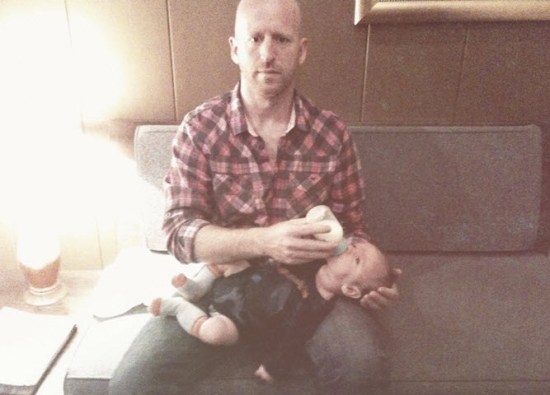
Researchers have found anxiety around the arrival of a new baby is just as common as postnatal depression, and the risks for men are nearly as high as for women. Mental health researcher Dr Liana Leach reviewed 43 separate studies and found anxiety before and after a child arrives is just as prevalent as depression, affecting around one in ten men, around half the rate for women.
Synapse discovery could lead to new treatments for Alzheimer’s disease
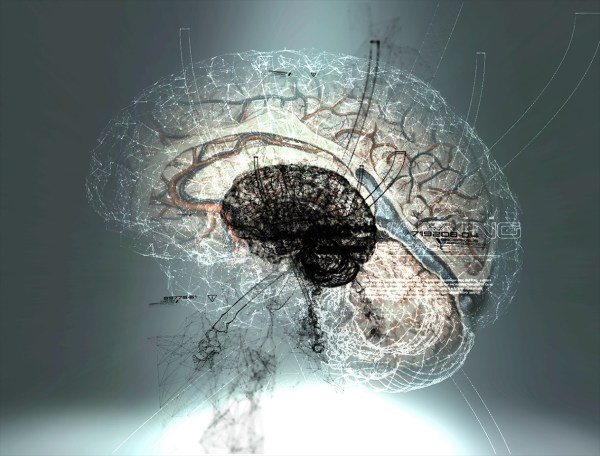
A team of researchers led by UNSW Australia scientists has discovered how connections between brain cells are destroyed in the early stages of Alzheimer’s disease – work that opens up a new avenue for research on possible treatments for the degenerative brain condition.
Dopamine measurements reveal insights into how we learn


Virginia Tech Carilion Research Institute scientists have reported measurements of dopamine release with unprecedented temporal precision in the brains of people with Parkinson’s disease. The measurements, collected during brain surgery as the conscious patients played an investment game, demonstrate how rapid dopamine release encodes information crucial for human choice.
Neuroscience and the search for happiness

Exercising, meditating, scouring self-help books… we go out of our way to be happy, but do we really know what happiness is? Wataru Sato and his team at Kyoto University have found an answer from a neurological perspective.
Inflammation linked to weakened reward circuits in depression


About one third of people with depression have high levels of inflammation markers in their blood. New research indicates that persistent inflammation affects the brain in ways that are connected with stubborn symptoms of depression, such as anhedonia, the inability to experience pleasure.
Yin and yang of serotonin neurons in mood regulation

Low levels of serotonin in the brain are known to play a role in depression and anxiety, and it is customary to treat these disorders with medications that increase the amount of this neurotransmitter. However, a new study carried out by researchers suggests that this approach may be too simple. It appears that neighboring serotonin-producing brainstem regions exert different and sometimes opposing effects on behavior.
What’s in a name? More than you think…

What’s in a name? In the case of the usernames of video gamers, a remarkable amount of information about their real world personalities, according to research. Analysis of anonymised data from one of the world’s most popular computer games by scientists in the Department of Psychology at York also revealed information about their ages.
Strongest evidence yet of a link between breakfast and educational outcomes

A direct and positive link between pupils’ breakfast quality and consumption, and their educational attainment, has for the first time been demonstrated in a ground-breaking new study carried out by public health experts at Cardiff University. The study of 5000 9-11 year-olds from more than 100 primary schools sought to examine the link between breakfast consumption and quality and subsequent attainment in Key Stage 2 Teacher Assessments* 6-18 months later.
Not so happy old age?


The notion that older people are happier than younger people is being challenged following a recent study led by a University of Bradford lecturer. In fact it suggests that people get more depressed from age 65 onwards. The study, led by psychology lecturer Dr Helena Chui, builds on a 15-year project observing over 2,000 older Australians living in the Adelaide area.
It’s music to my eyes

Swan lake
Image credit goes to: The one and only Lora Zombie (Yes again).
When people are listening to music, their emotional reactions to the music are reflected in changes in their pupil size. Researchers from the University of Vienna and the University of Innsbruck, Austria, are the first to show that both the emotional content of the music and the listeners’ personal involvement with music influence pupil dilation. This study demonstrates that pupil size measurement can be effectively used to probe listeners’ reactions to music.
The connection between masculinity, energy drink use, and sleep problems

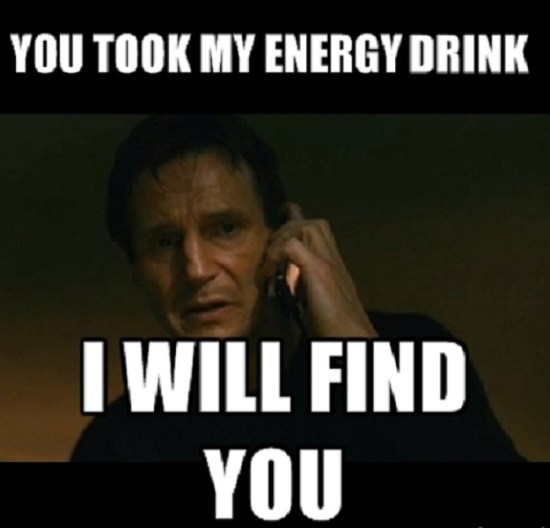
Energy drinks have grown in popularity for many Americans, but there is growing concern about the health risks of consuming them in large quantities. Because men are the main consumers of energy drinks, a research team lead by Dr. Ronald F. Levant, a professor of psychology at The University of Akron, set out to study a possible link between masculinity, expectations about the benefits of consuming energy drinks, how those expectations affect energy drink use, and the impact on sleep.
Cancer survivors less likely to receive callbacks from potential employers


Job applicants who are cancer survivors are less likely to receive callbacks from potential retail employers than those who did not disclose their health history, according to a recent study by Rice University and Penn State University researchers.
Adults’ happiness on the decline

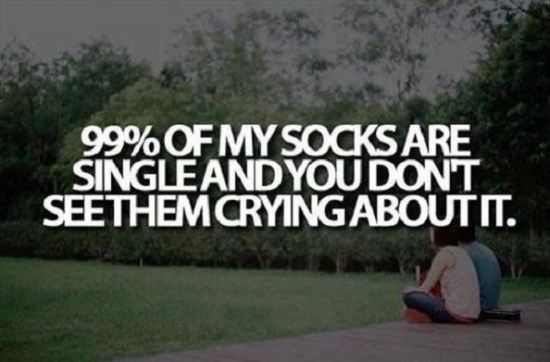
Are you less happy than your parents were at the same age? It may not be all in your head. Researchers led by San Diego State University professor Jean M. Twenge found adults over age 30 are not as happy as they used to be, but teens and young adults are happier than ever. Researchers analyzed data from four nationally representative samples of 1.3 million Americans ages 13 to 96 taken from 1972 to 2014.
Lipid helps keep algae and brain fluid moving
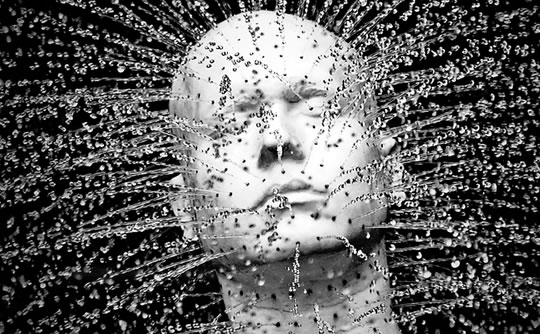
The same lipid that helps algae swim toward the light also appears to enable one type of brain cell to keep cerebrospinal fluid moving, researchers report.
Lack of ZZZZs may zap cell growth, brain activity

Lack of adequate sleep can do more than just make you tired. It can short-circuit your system and interfere with a fundamental cellular process that drives physical growth, physiological adaptation and even brain activity, according to a new study. Albrecht von Arnim, a molecular biologist based in the Department of Biochemistry and Cellular and Molecular Biology, studied plants but said the concepts may well translate to humans.
How common is sexting among married couples?

Earlier this year, we looked at a study that suggested sexting can be healthy in a relationship, but that study primarily looked at non-married couples and the average age for the behavior was, as you may expect, young adult. Which may lead you to think that married couples don’t sext. In fact, married couples do report sexting, but it is much less common than in young adult relationships and consists more of intimate talk with their partners than sending nude or nearly nude photos via mobile phones, according to a new study.
The science behind real life zombies


In the spirit of Halloween we bring you the science fact and fiction behind the undead. Zombies, those brain loving little guys, (and girls) are everywhere. We are all familiar (if you are horror fans, or at least not living on an Amish compound) with the classic zombie. But did you know that we aren’t the only zombie lovers out there? It turns out that nature has its own special types of zombies, but this isn’t a science fiction movie, this is science fact!
Depression too often reduced to a checklist of symptoms

How can you tell if someone is depressed? The Diagnostic and Statistical Manual of Mental Disorders (DSM) – the ‘bible’ of psychiatry – diagnoses depression when patients tick off a certain number of symptoms on the DSM checklist. A large-scale quantitative study coordinated at KU Leuven, Belgium, now shows that some symptoms play a much bigger role than others in driving depression, and that the symptoms listed in DSM may not be the most useful ones.
Finding the brain circuitry for gratitude with help from Holocaust survivors’ memories

Neuroscientists have mapped how the human brain experiences gratitude with help from an unexpected resource: Holocaust survivors’ testimonies.
Premature birth appears to weaken brain connections

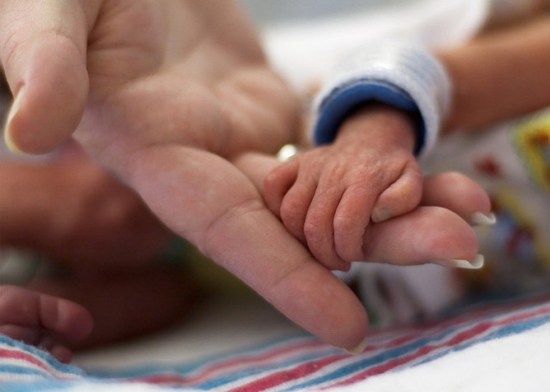
Babies born prematurely face an increased risk of neurological and psychiatric problems that may be due to weakened connections in brain networks linked to attention, communication and the processing of emotions, new research shows. Studying brain scans from premature and full-term babies, researchers zeroed in on differences in the brain that may underlie such problems.
Blood clotting protein triggers immune attack on the brain

A new study from the Gladstone Institutes shows that a single drop of blood in the brain is sufficient to activate an autoimmune response akin to multiple sclerosis (MS). This is the first demonstration that introduction of blood in the healthy brain is sufficient to cause peripheral immune cells to enter the brain, which then go on to cause brain damage.
Sex change hormonal treatments alter brain chemistry

Hormonal treatments administered as part of the procedures for sex reassignment have well-known and well-documented effects on the secondary sexual characteristics of the adult body, shifting a recipient’s physical appearance to that of the opposite sex. New research indicates that these hormonal treatments also alter brain chemistry.
Parents influence children’s play of violent video games

Parents who are more anxious and emotional can impact the amount of violent video games their children play, according to new consumer research from Iowa State University. Russell Laczniak, a professor of marketing and the John and Connie Stafford Professor in Business, says given the harmful effects of violent video games, he and his colleagues wanted to better understand how parents influence children’s behavior.
American placebo – An increase in the placebo response, but only in America?
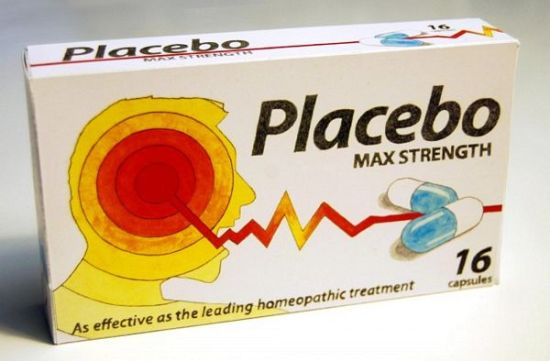
A new study finds that rising placebo responses may play a part in the increasingly high failure rate for clinical trials of drugs designed to control chronic pain caused by nerve damage. Surprisingly, however, the analysis of clinical trials conducted since 1990 found that the increase in placebo responses occurred only in trials conducted wholly in the U.S.; trials conducted in Europe or Asia showed no changes in placebo responses over that period.
Gut bacteria population, diversity linked to anorexia nervosa

Researchers at the UNC School of Medicine found that people with anorexia nervosa have very different microbial communities residing inside their guts compared to healthy individuals and that this bacterial imbalance is associated with some of the psychological symptoms related to the eating disorder.
Brain networking: behind the cognitive control of thoughts
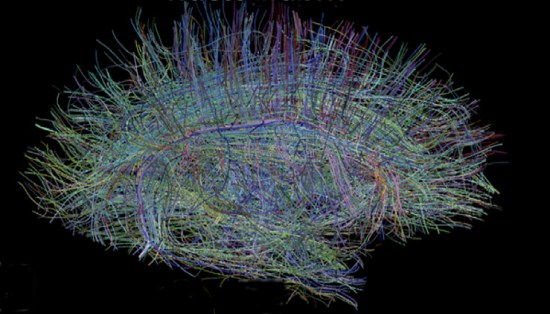
The human brain does not come with an operating manual. However, a group of scientists have developed a way to convert structural brain imaging techniques into “wiring diagrams” of connections between brain regions. Three researchers from UCSB’s Department of Psychological & Brain Sciences — Michael Miller, Scott Grafton and Matt Cieslak — used the structure of neural networks to reveal the fundamental rules that govern which parts of the brain are most able to exert cognitive control over thoughts and actions.


 Lunatic Laboratories