
Nanodevice, build thyself
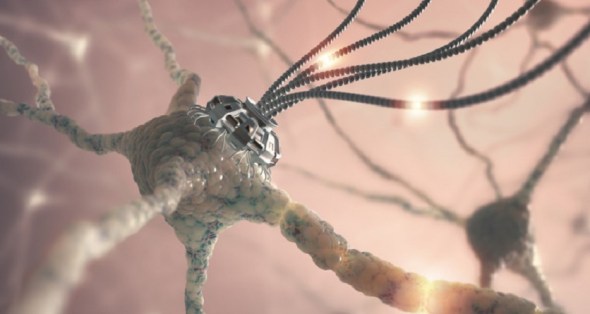
As we continue to shrink electronic components, top-down manufacturing methods begin to approach a physical limit at the nanoscale. Rather than continue to chip away at this limit, one solution of interest involves using the bottom-up self-assembly of molecular building blocks to build nanoscale devices.
‘Space Warps’ and other citizen science projects reap major dividends for astrophysics


Thanks to the Internet, amateur volunteers known as “citizen scientists” can readily donate their time and effort to science–in fields ranging from medicine to zoology to astrophysics. The astrophysics project Space Warps offers a compelling example of why citizen science has become such a popular tool and how valuable it can be.
Autism-linked protein lays groundwork for healthy brain


A gene linked to mental disorders helps lays the foundation for a crucial brain structure during prenatal development, according to Salk Institute research. The findings reveal new mechanistic insights into the gene, known as MDGA1, which may bring a better understanding of neurodevelopmental disorders in people.
Pay attention! Attention neuron type identified


Researchers have identified for the first time a cell type in the brain of mice that is integral to attention. Moreover, by manipulating the activity of this cell type, the scientists were able to enhance attention in mice. The results add to the understanding of how the brain’s frontal lobes work and control behaviour.
Beam me up! Teleporting the memory of an organism


LLAP, Leonard Nimoy
In “Star Trek”, a transporter can teleport a person from one location to a remote location without actually making the journey along the way. Such a transporter has fascinated many people. Quantum teleportation shares several features of the transporter and is one of the most important protocols in quantum information.
Improving your toddler’s memory skills has long-term benefits


If your toddler is a Forgetful Jones, you might want to help boost his or her brainpower sooner rather than later. New research shows that preschoolers who score lower on a memory task are likely to score higher on a dropout risk scale at the age of 12.
Stereotype means girls should expect poorer physics grades


Imagine that you are a female student and give the exact same answer to a physics exam question as one of your male classmates, but you receive a significantly poorer grade. This is precisely what happens on a regular basis, as concluded in a study by Sarah Hofer, a researcher in the group led by ETH professor Elsbeth Stern.
Put the cellphone away! Fragmented baby care can affect brain development


Mothers, put down your smartphones when caring for your babies! That’s the message from University of California, Irvine researchers, who have found that fragmented and chaotic maternal care can disrupt proper brain development, which can lead to emotional disorders later in life.
Feeling sick? It’s evolution’s way of telling you to stay home


When you have a fever, your nose is stuffed and your headache is spreading to your toes, your body is telling you to stay home in bed. Feeling sick is an evolutionary adaptation according to a hypothesis put forward by Prof. Guy Shakhar of the Weizmann Institute’s Immunology Department and Dr. Keren Shakhar of the Psychology Department of the College of Management Academic Studies.
Stem cells regulate their own proliferation and their microenvironment


A study by researchers at the Centro Nacional de Investigaciones Cardiovasculares Carlos III (CNIC) has identified a new mechanism through which hematopoietic stem cells (HSCs) control both their own proliferation and the characteristics of the niche that houses them. This control is exercised by the protein E-Selectin Ligand-1 (ESL-1).
Are you multicellular? Thank a random mutation that created a new protein
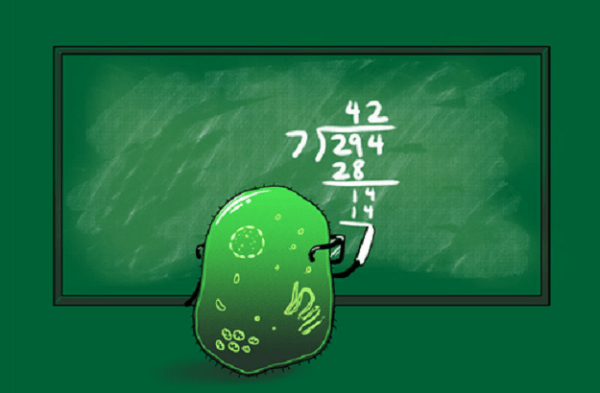
Get it? Cell division, well long division anyway…
All it took was one mutation more than 600 million years ago. With that random act, a new protein function was born that helped our single-celled ancestor transition into an organized multicellular organism. That’s the scenario — done with some molecular time travel — that emerged from basic research in the lab of University of Oregon biochemist Ken Prehoda.
Schizophrenia linked to loss of cells in the brain’s memory center


Art by the one and only Lora Zombie
Scientists at Columbia University’s Mortimer B. Zuckerman Mind Brain Behavior Institute, Columbia University Medical Center (CUMC), and the Université Paris Descartes have found that deficits in social memory–a crucial yet poorly understood feature of psychiatric disorders such as schizophrenia–may be due to a decrease in the number of a particular class of brain cells, called inhibitory neurons, in a little-explored region within the brain’s memory center.
Why daring to compare online prices pays off offline


The constant barrage of post-holiday sales touted by web-based retailers may make it seem like online shopping is killing real-world stores. But shoppers are actually engaging in “web-to-store” shopping — buying offline after comparing prices online.
If our brain is a computer, do we really have free will?

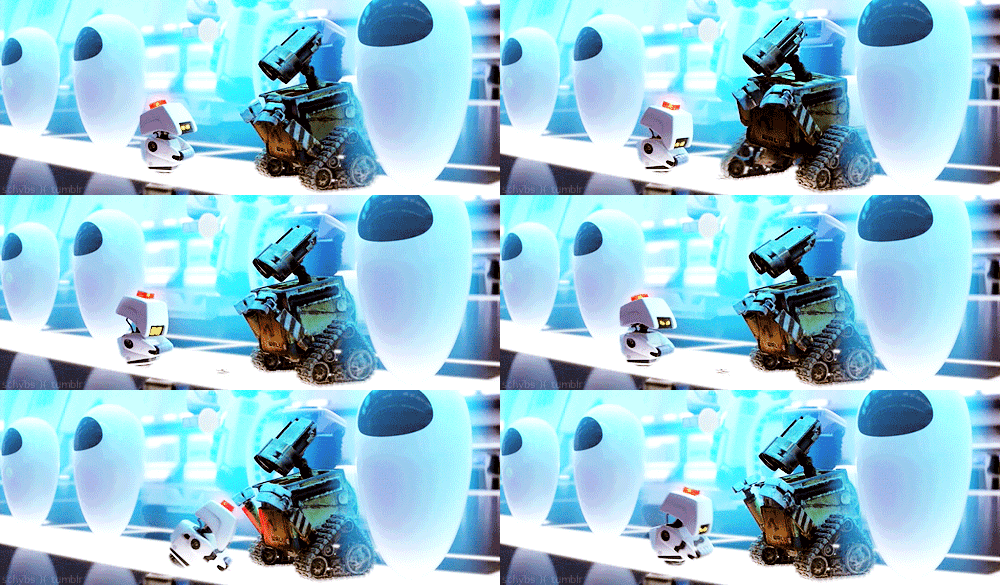
The background to this new set of experiments lies in the debate regarding conscious will and determinism in human decision-making, which has attracted researchers, psychologists, philosophers and the general public, and which has been ongoing since at least the 1980s. Back then, the American researcher Benjamin Libet studied the nature of cerebral processes of study participants during conscious decision-making.
New genes born by accident lead to evolutionary innovation
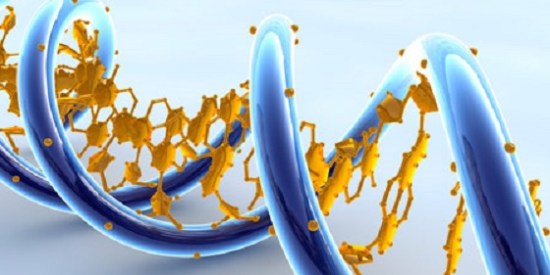
Novel genes are continuously emerging during evolution, but what drives this process? A new study has found that the fortuitous appearance of certain combinations of elements in the genome can lead to the generation of new genes.
A faster way to evaluate synthetic metabolic pathways

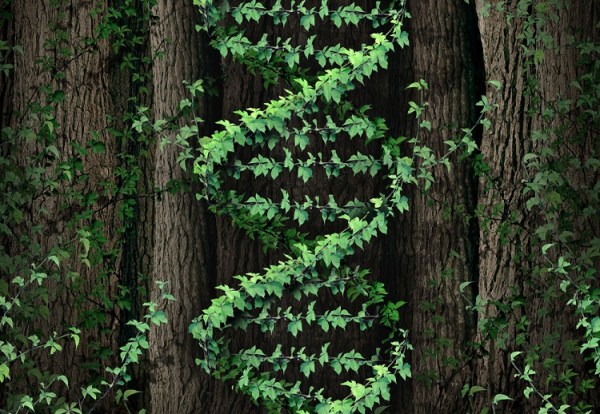
A central challenge in the field of metabolic engineering is the efficient identification of a metabolic pathway genotype that maximizes specific productivity over a robust range of process conditions. A review from researchers at Michigan State University in East Lansing, MI covers the challenges of optimizing specific productivity of metabolic pathways in cells and new advances in pathway creation and screening.
3-D footage of nematode brains links neurons with motion and behavior
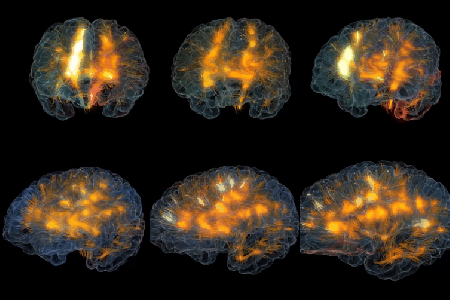
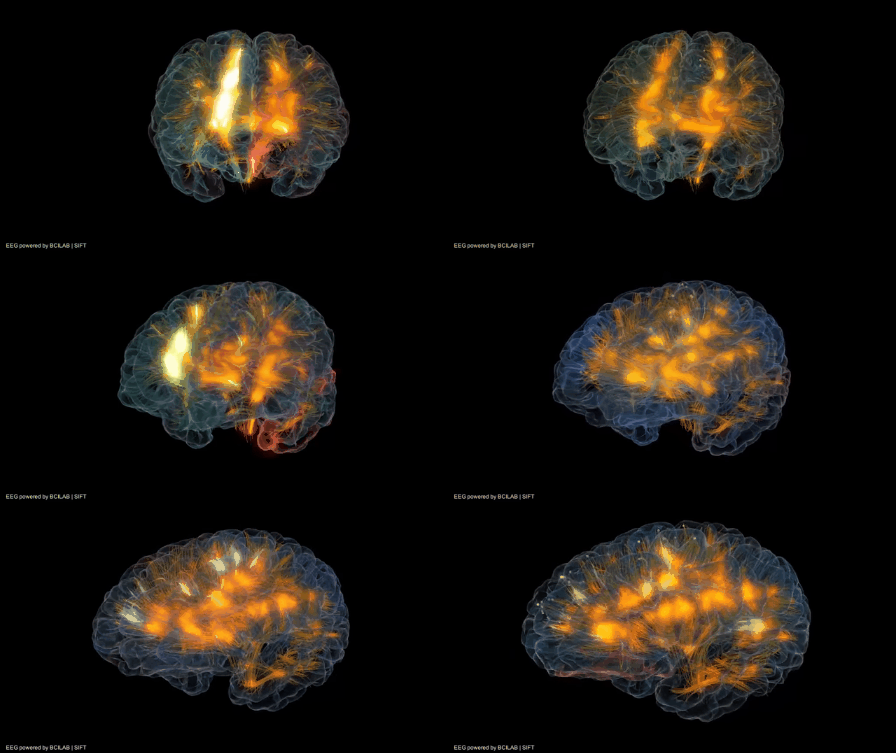
Animation from glass brain. Yea it isn’t what this post is about exactly, but it is still cool
Princeton University researchers have captured among the first recordings of neural activity in nearly the entire brain of a free-moving animal. The three-dimensional recordings could provide scientists with a better understanding of how neurons coordinate action and perception in animals. The researchers reported a technique that allowed them to record 3-D footage of neural activity in the nematode Caenorhabditis elegans, a worm species 1 millimeter long with a nervous system containing a mere 302 neurons.
Being anxious could be good for you! If you’re in a crisis…


Well maybe not that anxious…
New findings by French researchers show that the brain devotes more processing resources to social situations that signal threat than those that are benign. The results may help explain the apparent “sixth sense” we have for danger. This is the first time that specific regions of the brain have been identified to be involved in the phenomenon. The human brain is able to detect social threats in these regions in a fast, automatic fashion, within just 200 milliseconds.
The development of the cerebellar circuitry is driven by epigenetic “music”
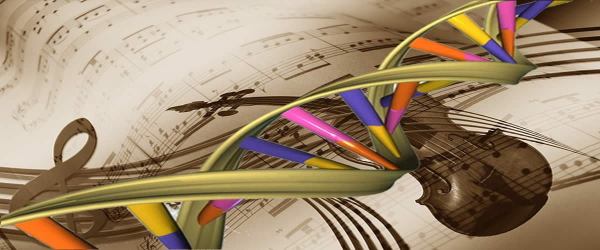
From before birth through childhood, connections form between neurons in the brain, ultimately making us who we are. So far, scientists have gained a relatively good understanding of how neural circuits become established, but they know less about the genetic control at play during this crucial developmental process. Now, a team of researchers has described for the first time the so-called epigenetic mechanisms underlying the development of the cerebellum, the portion of the brain that allows us to learn and execute complex movements.
Have a sweet tooth? It may be your livers fault

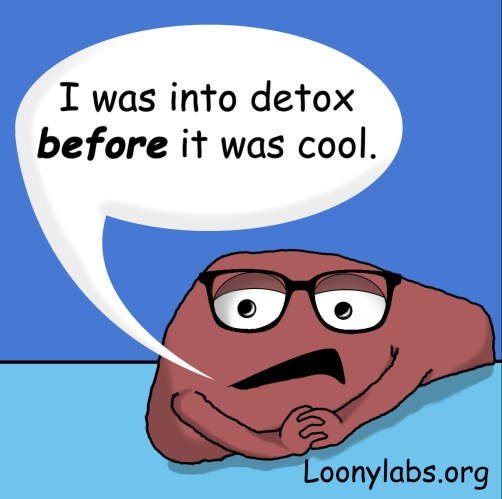
Psh, what did the liver ever do for you?
We all love our sugar, especially during the holidays. Cookies, cake, and candy are simply irresistible. While sugar cravings are common, the physiological mechanisms that trigger our “sweet tooth” are not well defined.
It came from planet X: ‘Forbidden’ substances on super-Earths


Using mathematical models, scientists have ‘looked’ into the interior of super-Earths and discovered that they may contain compounds that are forbidden by the classical rules of chemistry — these substances may increase the heat transfer rate and strengthen the magnetic field on these planets.
Lack of serotonin alters development and function in the brain
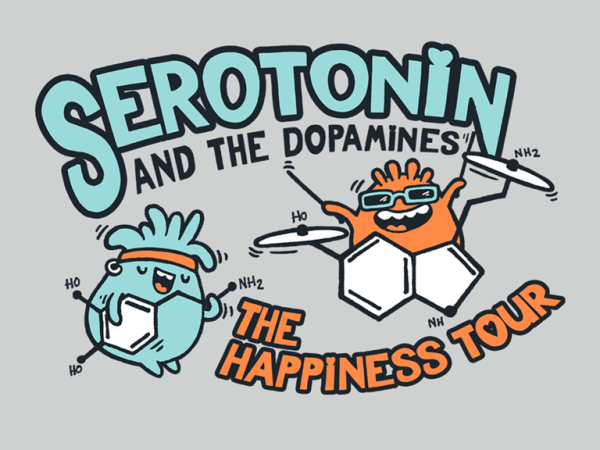
Come on get happy!
Researchers at Case Western Reserve University School of Medicine have created the first complete model to describe the role that serotonin plays in brain development and structure. Serotonin, also called 5-hydroxytryptamine [5-HT], is an important neuromodulator of brain development and the structure and function of neuronal (nerve cell) circuits.
Are you a ‘harbinger of failure’?


Has a point, he does.
Diet Crystal Pepsi. Frito Lay Lemonade. Watermelon-flavored Oreos. Through the years, the shelves of stores have been filled with products that turned out to be flops, failures, duds, and losers. But only briefly filled with them, of course, because products like these tend to get yanked from stores quickly, leaving most consumers to wonder: Who exactly buys these things, anyway?
Intelligence, it’s in your genes… and we can change that.


Ever feel like everyone around you has their brain running much faster than your own? Well, the good news is that it may not be you, it may be your genes. The other good news, we might be able to change that. Scientists from Imperial College London have identified for the first time two clusters of genes linked to human intelligence. Called M1 and M3, these so-called gene networks appear to influence cognitive function – which includes memory, attention, processing speed and reasoning.
Women, do you want to be a leader at a teaching hospital? Grow a mustache!


Thirteen percent of department leader positions at top academic medical institutions in the United States are held by women, while nearly 20 percent are held by men with mustaches. The findings of the tongue-in-cheek study, an analysis of more than 1,000 headshots of department leaders at top National Institutes of Health-funded academic medical institutions, provide a new context for examining gender disparities in the field.
You too can increase your risk for dementia by up to 48% with, anxiety!


People who experienced high anxiety any time in their lives had a 48 percent higher risk of developing dementia compared to those who had not, according to a new study led by USC researchers. The findings were based on an examination of 28 years of data from the Swedish Adoption Twin Study of Aging, overseen by the Karolinska Institutet of Sweden.
Scientists manipulate consciousness in rats
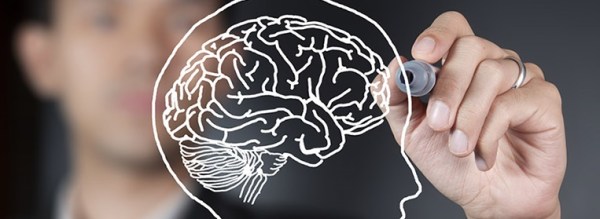
Scientists showed that they could alter brain activity of rats and either wake them up or put them in an unconscious state by changing the firing rates of neurons in the central thalamus, a region known to regulate arousal. The study was partially funded by the National Institutes of Health.
‘Hydricity’ concept uses solar energy to produce power round-the-clock… really?


Researchers are proposing a new “hydricity” concept aimed at creating a sustainable economy by not only generating electricity with solar energy but also producing and storing hydrogen from superheated water for round-the-clock power production.
Emotion processing in the brain changes with tinnitus severity
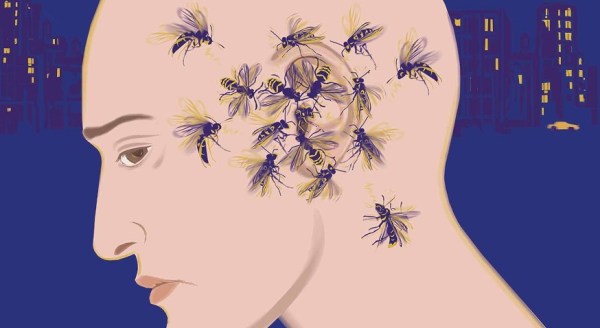
Tinnitus, otherwise known as ringing in the ears, affects nearly one-third of adults over age 65. The condition can develop as part of age-related hearing loss or from a traumatic injury. In either case, the resulting persistent noise causes varying amounts of disruption to everyday life. While some tinnitus patients adapt to the condition, many others are forced to limit daily activities as a direct result of their symptoms. A new study reveals that people who are less bothered by their tinnitus use different brain regions when processing emotional information.
The world’s smallest terrorist: Virus hijacks protein machine and then kills the host
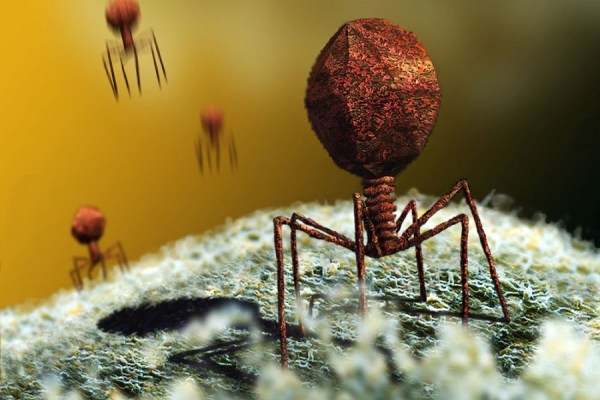
Bacteriophages are viruses that infect and kill bacteria. The name originates from the Greek ‘phagos’ which means ‘to devour’. Bacteriophages were discovered 100 years ago because of their ability to replicate in a pathogenic bacterium, kill it and thereby cure the patient. As a small spaceship landing on the moon, the microscopic particles land on the surface of the bacteria where they inject their deadly genetic material.
Discovery puts designer dopamine neurons within reach
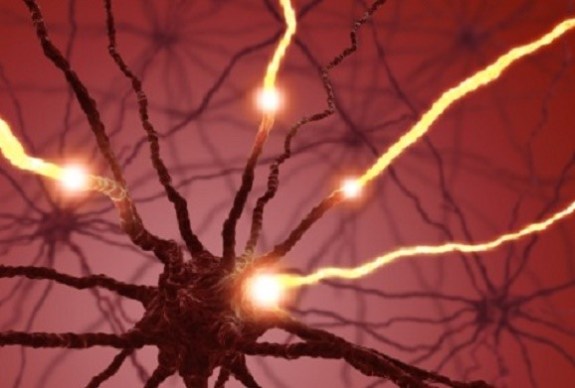
For decades, the elusive holy grail in Parkinson’s disease research has been finding a way to repair faulty dopamine neurons and put them back into patients, where they will start producing dopamine again. Researchers have used fetal material, which is difficult to obtain and of variable quality. Embryonic stem cells represented a tremendous innovation, but making dopamine neurons from stem cells is a long process with a low yield.
Healthy or sick? Tiny cell bubbles may hold the answer
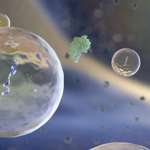
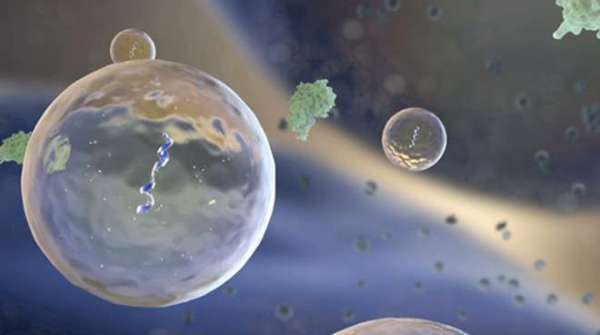
Rutgers scientists have uncovered biological pathways in the roundworm that provide insight into how tiny bubbles released by cells can have beneficial health effects, like promoting tissue repair, or may play a diabolical role and carry disease signals for cancer or neurodegenerative diseases like Alzheimer’s.
LSD changes consciousness by reorganizing human brain networks
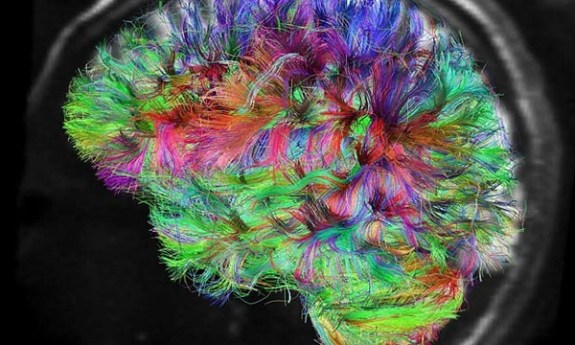
LSD is known to cause changes in consciousness, including “ego-dissolution”, or a loss of the sense of self. Despite a detailed knowledge of the action of LSD at specific serotonin receptors, it has not been understood how this these pharmacological effects can translate into such a profound effect on consciousness.
Computing with time travel

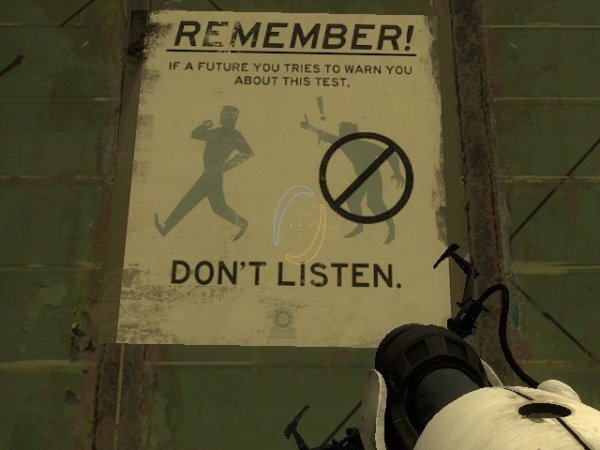
Why send a message back in time, but lock it so that no one can ever read the contents? Because it may be the key to solving currently intractable problems. It turns out that an unopened message can be exceedingly useful. This is true if the experimenter entangles the message with some other system in the laboratory before sending it.
Seeing viruses in a new light


Want to make a virus? It’s easy: combine one molecule of genomic nucleic acid, either DNA or RNA, and a handful of proteins, shake, and in a fraction of a second you’ll have a fully-formed virus. While that may sound like the worst infomercial ever, in many cases making a virus really is that simple. Viruses such as influenza spread so effectively, and as a result can be so deadly to their hosts, because of their ability to spontaneously self-assemble in large numbers.
Certain herpes viruses can infect human neurons
For years, researchers have noted a tantalizing link between some neurologic conditions and certain species of the herpes virus. In patients with Alzheimer’s disease, multiple sclerosis, and cerebellar ataxia, among other neuropathies, the cerebrospinal fluid teems with Epstein-Barr virus (EBV). Yet, the nature of that link has remained unclear, as it has been assumed that EBV, as well as other viruses in the same sub-family, called gammaherpesviruses, cannot infect neurons.
No two faces are the same


For the very first time, researchers have been able to show that the causes of congenital face blindness can be traced back to an early stage in the perceptual process. These findings are crucial, not just for our understanding of face recognition, but also because they allow us to understand the processes behind the recognition of any visually presented object.
How is a developing brain assembled?
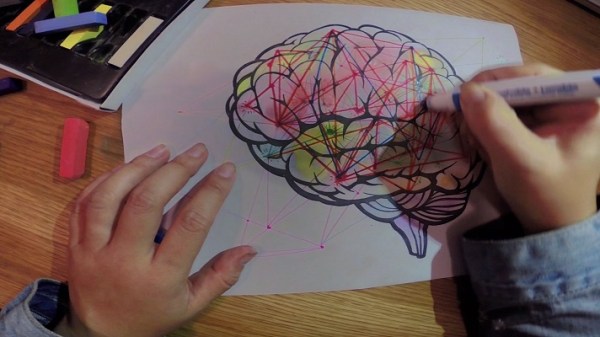
A new, open-source software that can help track the embryonic development and movement of neuronal cells throughout the body of the worm, is now available to scientists.
Exposure to violence makes you more likely to lie, cheat


Maybe it’s not what it looks like…
Can watching a violent movie make you more likely to lie, cheat or steal? What about reading a violent book? While that may seem like a stretch, a new research study shows it may be the case. The study finds that exposure to human violence is strongly linked to an increase in cheating for monetary gain. In other words, violence may be making us less ethical.
Antidepressant medication protects against compounds linked to dementia
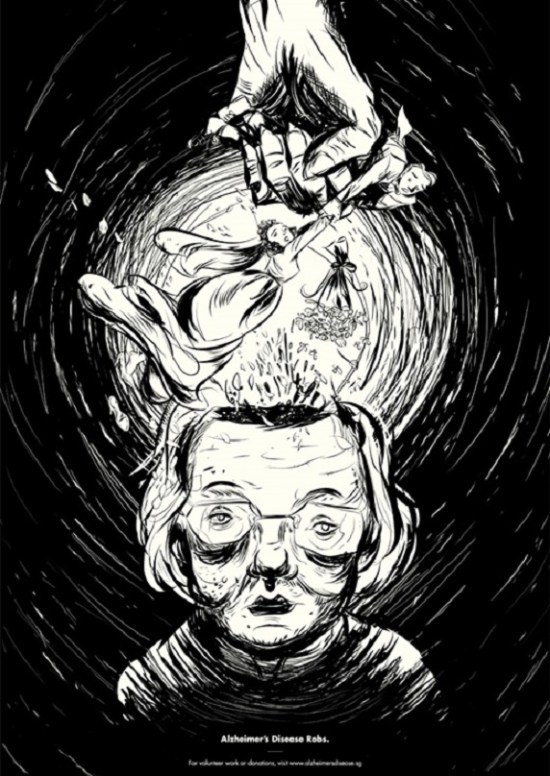
In addition to treating depression, a commonly used antidepressant medication also protects against compounds that can cause memory loss and dementia, a Loyola University Medical Center study has found. The study found that blood levels of two neurotoxic compounds dropped significantly in depressed patients after they were treated with the antidepressant escitalopram (Lexapro).
Mental health risk for new dads
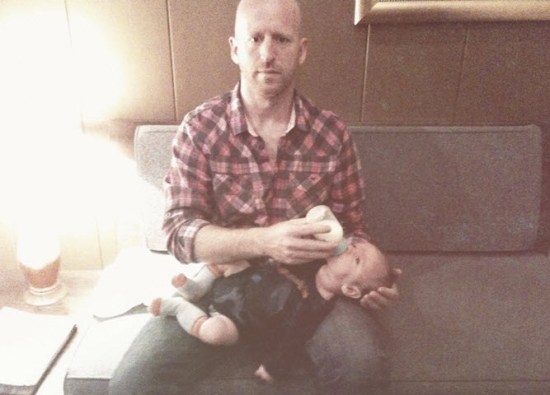
Researchers have found anxiety around the arrival of a new baby is just as common as postnatal depression, and the risks for men are nearly as high as for women. Mental health researcher Dr Liana Leach reviewed 43 separate studies and found anxiety before and after a child arrives is just as prevalent as depression, affecting around one in ten men, around half the rate for women.
The silence of the genes, an epigenetic tale
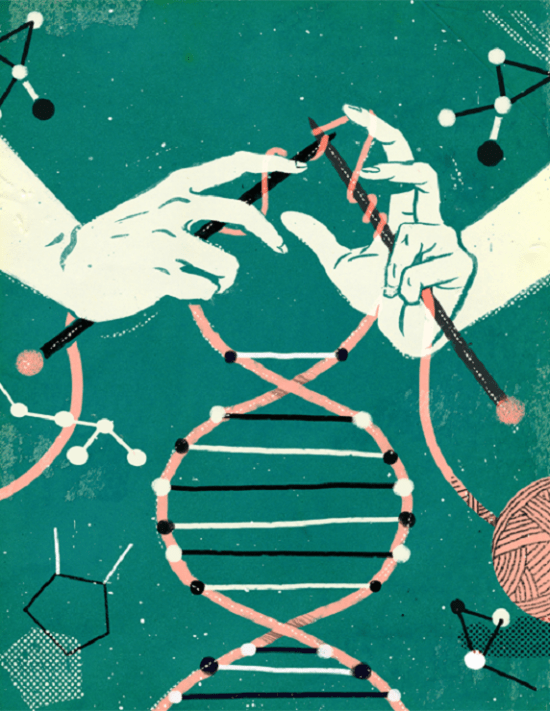
Research led by Dr. Keiji Tanimoto from the University of Tsukuba, Japan, has brought us closer to understanding the mechanisms underlying the phenomenon of genomic imprinting. In this intriguing event, one copy of a gene is ‘turned off’, or silenced, depending on whether it was derived from the mother or the father.
Synapse discovery could lead to new treatments for Alzheimer’s disease
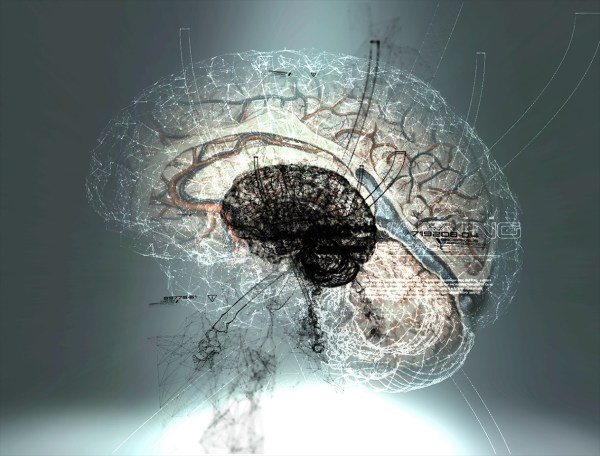
A team of researchers led by UNSW Australia scientists has discovered how connections between brain cells are destroyed in the early stages of Alzheimer’s disease – work that opens up a new avenue for research on possible treatments for the degenerative brain condition.
Stem cell study paves the way for patient therapies

Stem cells that have been specifically developed for use as clinical therapies are fit for use in patients, an independent study of their genetic make-up suggests. The research – which focused on human embryonic stem cells – paves the way for clinical trials of cell therapies to treat conditions such as Parkinson’s disease, age-related degeneration of the eyes and spinal cord injury.
Insights into protein structure could change the future of biomedicine
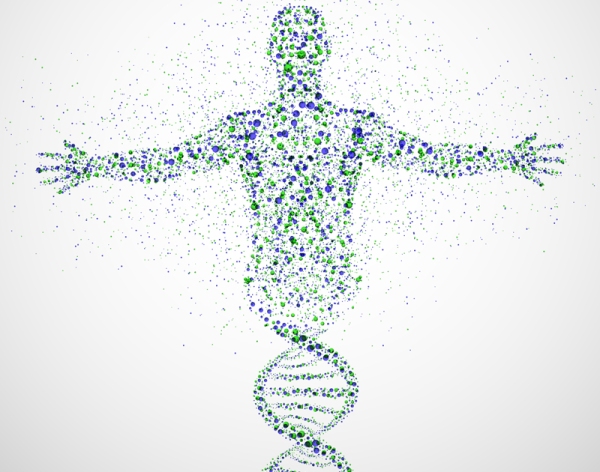
Researchers at the University of Waterloo have discovered a new way to create designer proteins that have the potential to transform biotechnology and personalized medicines.
Dopamine measurements reveal insights into how we learn


Virginia Tech Carilion Research Institute scientists have reported measurements of dopamine release with unprecedented temporal precision in the brains of people with Parkinson’s disease. The measurements, collected during brain surgery as the conscious patients played an investment game, demonstrate how rapid dopamine release encodes information crucial for human choice.
Neuroscience and the search for happiness

Exercising, meditating, scouring self-help books… we go out of our way to be happy, but do we really know what happiness is? Wataru Sato and his team at Kyoto University have found an answer from a neurological perspective.
Inflammation linked to weakened reward circuits in depression


About one third of people with depression have high levels of inflammation markers in their blood. New research indicates that persistent inflammation affects the brain in ways that are connected with stubborn symptoms of depression, such as anhedonia, the inability to experience pleasure.
Yin and yang of serotonin neurons in mood regulation

Low levels of serotonin in the brain are known to play a role in depression and anxiety, and it is customary to treat these disorders with medications that increase the amount of this neurotransmitter. However, a new study carried out by researchers suggests that this approach may be too simple. It appears that neighboring serotonin-producing brainstem regions exert different and sometimes opposing effects on behavior.
Master switch for brain development

Scientists at the Institute of Molecular Biology (IMB) in Mainz have unraveled a complex regulatory mechanism that explains how a single gene can drive the formation of brain cells. The research is an important step towards a better understanding of how the brain develops. It also harbors potential for regenerative medicine.


 Lunatic Laboratories