
How gene expression is kept in check and the implications for cancer
Cancers are alive in a sense, they are similar to a parasite and they fight to stay alive when we just want them gone. Cancers have access to complex ways of avoiding elimination and because we cannot easily do anything to treat it short of surgery or chemotherapy, we regularly lose to some of the more cunning types. Now researchers have learned how living beings can keep gene expression in check — this might partly explain the uncontrolled gene expression found in many forms of cancer.
The cerebral cortex: we can rebuild it, we have the technology
While the first actual bionic man (or woman) might still be a ways off, the writers of the show might be impressed at this. A international team of researchers, have just taken an important step in the area of cell therapy: repairing the cerebral cortex of the adult mouse using a graft of cortical neurons derived from embryonic stem cells.
Part of the diabetes puzzle solved… with breast milk

There is a long-standing puzzle in the diabetes field, only a small subset of insulin-producing beta cells in the pancreas of adult organisms can replicate (and hence contribute to beta cell regeneration in diabetes). Furthermore, this subset of replicating cells continues to decline with advancing age. This means that the typical risk for diabetes gets higher as you age, well now researchers have discovered an important piece of the puzzle.
Science shows intermittent fasting diet could extend life

Think of it as interval training for the dinner table. Proponents of fasting style diets will be first to tell you there are health benefits, heck we’ve even covered some of the science here at the labs. Well new research shows that putting people on a intermittent fasting (or IF) diet may mimic some of the benefits of actual fasting, and that (ironically enough given their popularity) adding antioxidant supplements counteracts those benefits.
Life, NOT as we know it

Life as we know it, when we peer deep into the vastness of space we look for someone — or something — that resembles ourselves. Carbon based, needs water lifeforms, but what if we’re being narrow-minded? A new type of methane-based, oxygen-free life form that can metabolize and reproduce similar to life on Earth has been modeled by a team of researchers suggests we are being too closed minded about life.
Anorexia, it’s in your genes

No one likes to talk about eating disorders — specifically anorexia nervosa — despite the increased prevalence in both men and women. Like depression people tend to think that you can “just get over it” or some other nonsense. However new research is shedding light on the truth behind anorexia, much like with depression, there is a biological component involved. Simply put, it gets written into your genes.
Scientists find a way to treat hormone deficiency from an unlikely source

Science has helped us to live longer and in some cases much fuller lives. Unfortunately for some with serious medical conditions, they may lead a long life, but a life of what? To that end a group of researchers set out to help people with hormone deficiencies and the team has developed a potential new therapy based on an unlikely model: immune molecules from cows.
Study shows children and birds learn alike
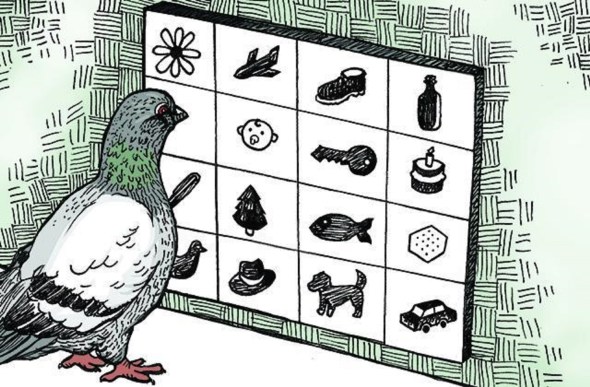
Image credit goes to: John Petsel
Your child is your pride and joy — and why not, every parent should be a proud one, even if your child might be bird brained. Or maybe birds are baby brained? In any case, a new study has found that pigeons can categorize and name both natural and manmade objects–and not just a few objects. These birds categorized 128 photographs into 16 categories, and they did so simultaneously.
Researchers discover viral ‘Enigma machine’

Antibiotics are for infections, vaccines are for viruses, and unfortunately both bacteria AND viruses mutate. So when someone has AIDS for example it is hard to fight since a vaccine would be hard to produce given how rapidly it evolves. Well now researchers may be one step closer to solving the problem since they have cracked a code that governs infections by a major group of viruses which includes the common cold and polio.
Scientists find the genetic trigger for immune system response
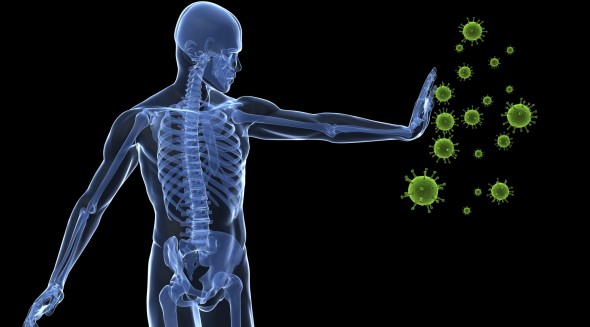
Mitochondria are the “powerhouse of the cell.” We all learn in biology that they have seemingly one function in the body, converting food and oxygen into energy. Well that might not be the case anymore; the thousands of mitochondrial DNA (mtDNA) molecules present in each cell have been identified in an unexpected relationship with the innate immune response.
Alternatives to antibiotics in an antibiotic resistant world
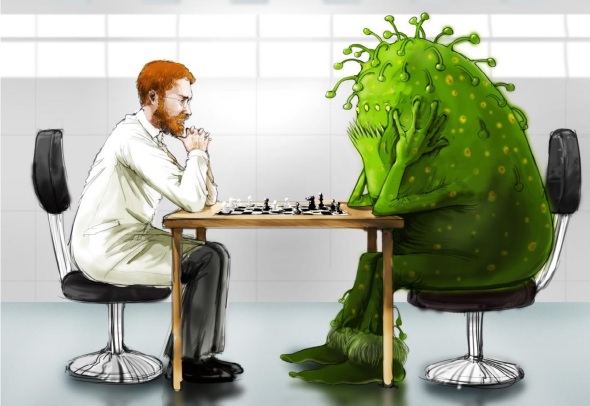
Let’s be honest, we’ve been getting a little fancy with the antibiotics, creating new and more relevant versions of old favorites like penicillin. Truthfully, we are the problem, how many times do we have to drive home the idea that antibiotics are for bacteria, not viruses. It is not all the consumers fault, the Doctors used to hand out antibiotics to placate angry parents of sick children.
Everyday chemical exposure leads to early menopause

Because nothing says menopause like sitting in front of a fan…
Seems like everything is killing us these days. Well ladies, you have one more thing that is causing you problems. New research has shown that women whose bodies have high levels of chemicals found in plastics, personal-care products, common household items and the environment experience menopause two to four years earlier than women with lower levels of these chemicals.
Fish, mercury, and pregnancy: Good news for seafood lovers

People freak out when they hear mercury is in something and sometimes for good reasons. In vaccinations for example a very small amount of ethyl-mercury WAS used as a preservative in vaccines, people got scared so now it is not used in most vaccines. Methylmercury* however is found in seafood and larger fish in particular (in much, much higher concentrations than in vaccines mind you). They may sound the same, but the methylmercury in fish is far more toxic. That said, it turns out that fish isn’t as toxic as we thought, so all you pregnant women who love fish will be happy to hear this.
You can live longer, but not healthier

We all want to live longer and thanks to medical technologies our life expectancies have dramatically increased. Which would be handy if we could actually enjoy the extra years. Unfortunately a study of long-lived mutant C. elegans by scientists shows that the genetically altered worms spend a greater portion of their life in a frail state and exhibit less activity as they age than typical nematodes. These findings suggest that genes that increase longevity may not significantly increase healthy lifespan and point to the need to measure health as part of aging studies going forward.
Stem cells derived from amniotic tissues have immunosuppressive properties

Stem cells derived from human amnion have for some time been considered promising for cell therapies because of their ease of access, ability to differentiate, and absence of ethical issues. Now, a research team has found that stem cells derived from human female amnion also have immunosuppressive activity and that the addition of antibodies to specific factors can enhance their immunosuppressive potential.
Genetic brain disorders start at the synapse
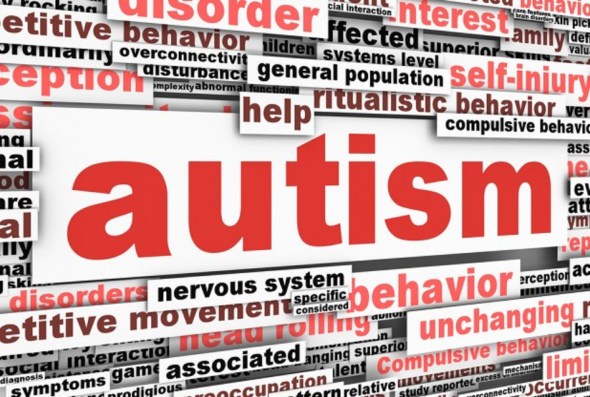
As we’ve seen from research featured here at the lab, there are many genetic disorders that cause intellectual disability and autism. Historically, these were viewed as untreatable. However, in recent years we have shown via animal models that it is possible to reverse the effects of these gene mutations. But the question remained whether different gene mutations disrupt common physiological processes. If this were the case, a treatment developed for one genetic cause of autism and intellectual disability might be useful for many others.
New antibiotic may help slow drug resistance
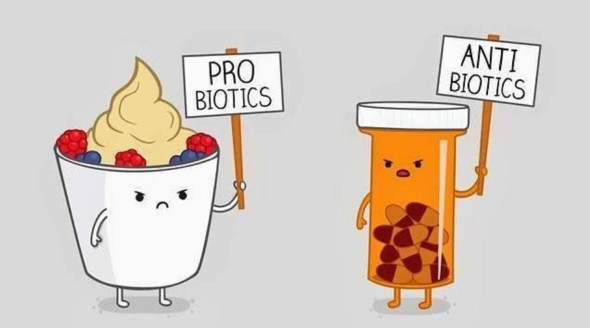
Antibiotic resistance, a hot topic lately here at the labs, as evidence by this recent post. So it is fortuitous that I stumbled upon this little bit of research that suggests scientists (using a “revolutionary” approach) have devised an antibiotic that may offset the mounting problem of drug resistance for decades… hopefully.
Creating a better diet pill: The new drug that is making big promises

Losing the weight, some of us never seem to be able to do it. Whether it is poor choice in diet, a medical condition, or just a sedentary lifestyle, people everywhere are finding they can’t shed the pounds. Now there is a new drug that promises help in the weight loss department and works like nothing we’ve seen used for weight loss yet. The compound effectively stopped weight gain, lowered cholesterol, controlled blood sugar and minimized inflammation in mice, making it an excellent candidate for a rapid transition into human clinical trials.
Outsmarting superbugs’ countermoves to antibiotics
With drug-resistant bacteria on the rise, even common infections that were easily controlled for decades — such as pneumonia or urinary tract infections — are proving trickier to treat with standard antibiotics. New drugs are desperately needed, but so are ways to maximize the effective lifespan of these drugs.
HIV vaccines may make things worse
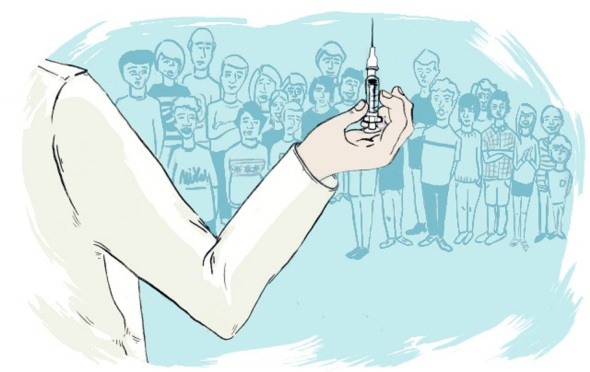
Despite what conspiracy theorists say, there is no cure for HIV. Not that people aren’t feverously working hard to find one, it is just really hard to do. To illustrate that point researchers have found that vaccines designed to protect against HIV can backfire and lead to increased rates of infection. This unfortunate effect has been seen in more than one vaccine clinical trial.
Synthetic biology breakthrough: The world’s first artificial enzymes
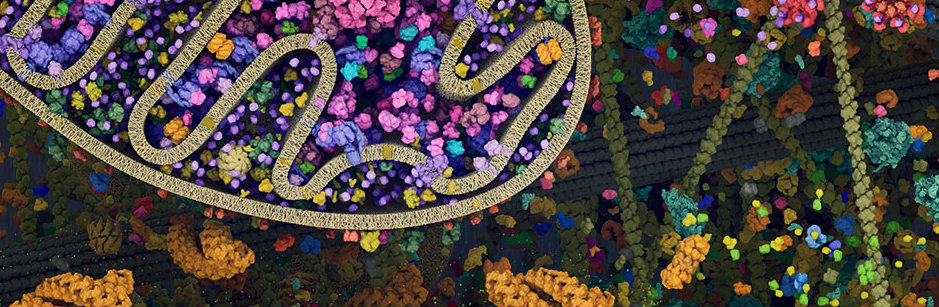
Like mad scientists working away in some secret location we have created life… well sort of. It may sound like something out of a Sci fi movie, but scientists have created the world’s first enzymes made from artificial genetic material. Their synthetic enzymes (which are made from molecules that do not occur anywhere in nature) are capable of triggering chemical reactions in the lab and are the building blocks for life.
Some Plants can regenerate by DNA duplication

Some cultivars of the plants Arabidopsis thaliana (used in the study) and Ipomopsis aggregata (pictured here) can duplicate their genomes multiple times without undergoing cell division. Photo credit goes to: L. Brian Stauffer
When munched by grazing animals (or mauled by scientists in the lab), some herbaceous plants overcompensate – producing more plant matter and becoming more fertile than they otherwise would. Scientists say they now know how these plants accomplish this feat of regeneration.
A Big Break for Bio-Gasoline
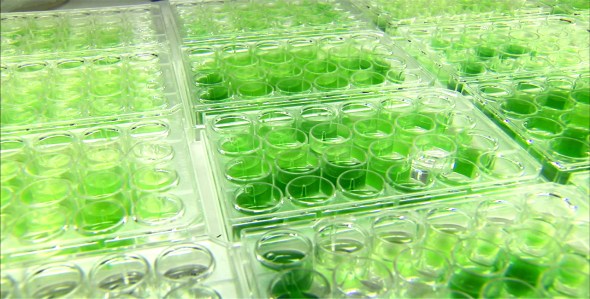
While the world waits for a better battery (and a energy grid system that doesn’t require constant power making), scientists are hard at work trying to teach old fuels a new trick. Thankfully an international team of bioengineers has boosted the ability of bacteria to produce isopentenol, a compound with desirable gasoline properties. The finding, if it is not obvious, is a significant step toward developing a bacterial strain that can yield industrial quantities of renewable bio-gasoline.
Reshaping the Limits of Synthetic Biology
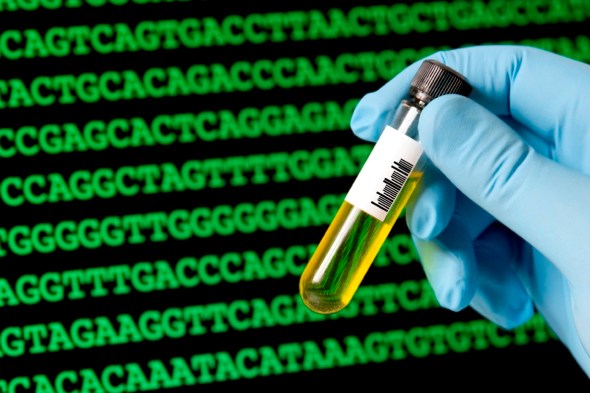
Ever think you could have built something better if you had a hand in the design? Sometimes people just have a desire to make, after all the maker movement is huge for a reason. Well geneticists have a new toy tool to play with —dubbed “the telomerator”—that could redefine the limits of synthetic biology and advance how successfully living things can be engineered or constructed in the laboratory based on an organism’s genetic, chemical base-pair structure. How cool is that?!
Where HIV hides
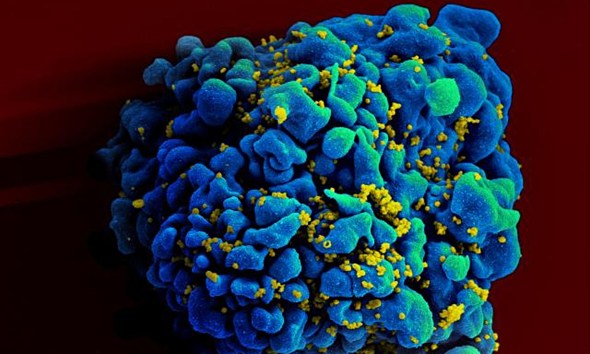
HIV is hard to get rid of,not because it primarily resides in the blood, but because of where it hides when antiretrovirals drop HIV levels. So the real question is where does HIV hide? Unfortunately those antiretroviral drugs can usually control the virus, but can’t completely eliminate it. So any strategy to eradicate HIV from the body has to take into account not only the main group of immune cells the virus targets, called CD4 or helper T cells, but other infected cells as well.
Scientists resurrect 700-year-old viruses, Just in time for Halloween!


You know how some zombie movies start with a discovery of a virus, it gets loose, and things quickly spiral out of control from that? Well in breaking news a team of researchers have found two 700-year-old viral sequences in frozen caribou dung in an arctic ice patch. The group isolated part of a viral RNA genome and the complete genome of a DNA virus. Then they infected living plants with the DNA virus, what could go wrong?
DNA Nanotech: The First Large DNA Crystals
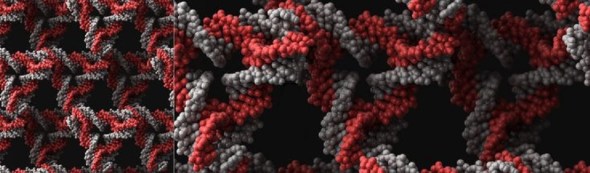
DNA is the stuff of life as we know it, but it is the potential as a programmable material platform that could spawn entire new and revolutionary nanodevices in computer science, microscopy, biology, and more. Researchers have been working to master the ability to coax DNA molecules to self assemble into the precise shapes and sizes needed in order to fully realize these nanotechnology dreams. A dream that been going on for 20 years now and was just realized.
Free Radicals and Wound Healing
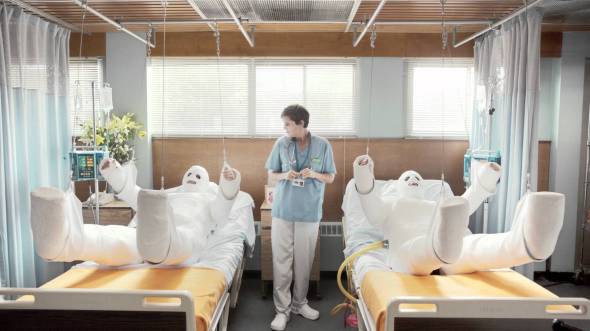
Free radicals, said in the right crowd and you might hear someone scream for their life. Of course, to be perfectly transparent antioxidants have already shown to be bad in plenty of cases, so maybe it’s just bad PR. Still they were long assumed to be destructive to tissues and cells causing a host of age related problems with them. Well new research is showing that “free radicals” generated by the cell’s mitochondria—the energy producing “powerhouse” structures in the cell—are actually beneficial to healing wounds.
tRNA lookalikes in the Human Genome
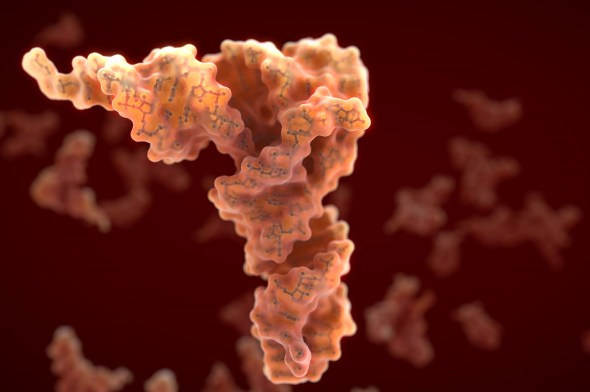
There was a time not long ago when we knew we had the longest genome. It was an obvious assumption because we are “in fact” the most intelligent and complex species on the planet. Boy were we wrong, as genetics progressed we came to realize that we weren’t as genetically special as we thought we were. We found that we had tons of “junk” DNA. Of course we continue to be wrong and we now know that we may not be the biggest genome on the planet, but we are still very complex and new research is proving that once again.
Using “Programmable” Antibiotics to Attack Drug-Resistant Microbes
The body is pretty great at self regulation, that is up until it isn’t. The antibiotic era was one that improved human health hundreds of times over. Unfortunately health is a joint effort, a multitude of microbes scientists have found populating the human body have good, bad and mostly mysterious implications for our health. But when something goes wrong, we defend ourselves with the undiscriminating brute force of traditional antibiotics, which wipe out everything at once like a wild fire, regardless of the consequences.
The Path of Antibiotic Resistance
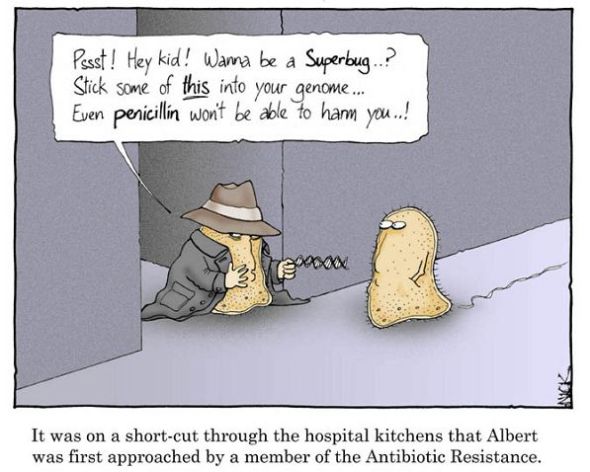
MRSA, not that long ago we had no idea what MRSA was… mostly because it hadn’t come into prevalence. With an increase in the use and abuse of antibiotics there has been an ever growing pressure for the pathogens we treat to mutate in order to survive, this pressure is called selective pressure and helped cause drug-resistance in pathogens. In response to the rise of these drug-resistant pathogens, doctors are routinely cautioned against over prescribing antimicrobials. But when a patient has a confirmed bacterial infection, the advice is to treat aggressively to quash the infection before the bacteria can develop resistance.
The Neurobiological Basis of a Human-Pet Relationship

My wife adores our cats. Now, I’m not a cat person, but my wife loves them. In fact if we had children and someone held a gun to her head and said choose between the kid or the cats, there would likely be an uncomfortable amount of time before a response. The big question is, why do we love animals like we do our own children? Well a small study helps try to answer this complex question by investigating differences in how important brain structures are activated when women view images of their children compared to images of their own dogs.
The Mysterious Origins of HIV Discovered

There have been a lot of theories on where HIV came from, anywhere from the mundane, it spread from other animals. To the down right crazy, the government created it to wipe out homosexuals. Well bad news for conspiracy theorists, a new study suggests that the HIV pandemic with us today is almost certain to have begun its global spread from Kinshasa, the capital of the Democratic Republic of the Congo (DRC).
The Ever Plastic Brain and Intellectual Disabilities
The plasticity of the brain is always somewhat of a shock. It’s near incredible what the brain can achieve, look at people who have strokes, or any other sort of brain injury and yet still somehow manage to get up and move, or perform tasks. So I guess it should be no surprise, but still amazing that studying mice with a genetic change similar to what is found in Kabuki syndrome (an inherited disease of humans) researchers report they have used an anticancer drug to improve mental function.
New Immune System Discovery
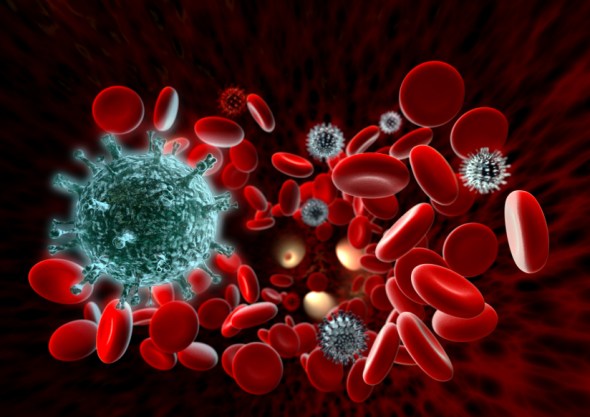
The immune system is sort of this big enigma, we know how pieces of it work, but we don’t know it as well as we would like or we wouldn’t have autoimmunity to contend with. Well new research reveals new information about how our immune system functions, shedding light on a vital process that determines how the body’s ability to fight infection develops. Which brings us one step closer to the big picture of the immune system.
The Genetic Evolutionary Arms Race
Genes are tricky little buggers, the stuff that makes us up has fought the test of time to make it to where we are today. It is thought that our genes changed in an attempt to outpace other life, albeit random changes.That might only be half right however, new findings suggest that there is an evolutionary arms race going on within the genome against, of all things, itself. This inherent competition of primates drove the evolution of complex regulatory networks that orchestrate the activity of genes in every cell of our bodies
“GMO” Foods (Once Again) Proven Safe


GMO, I shudder every time I hear someone talk about the “dangers”. It’s one of the new buzzwords that doesn’t actually mean anything, but still manages to scare people. Well a new scientific review reports that the performance and health of food-producing animals consuming genetically engineered feed, first introduced 18 years ago, has been comparable to that of animals consuming non-GE feed. Not that this will stop people from spreading fear, but it’s a start.
A new Medicine may help Lupus Sufferers

It’s never Lupus, until it is… that’s because it’s more common than you might think.
Lupus, a particularly bad hell on earth for people suffering from it. Lupus is caused by autoimmunity, in where the body attacks itself. I have a special place in my heart for people suffering from the disease because my Uncle suffered from it. There is no cure and only moderately effective treatments for the disorder, which causes, in some cases, the most excruciating pain you will ever feel. Thankfully new findings by a biomedical engineering team raise hope for a new class of drugs to treat lupus that may not include the long list of adverse risks and side effects often associated with current treatments.
Nanosponges Clean up Antibody-mediated Autoimmune Disease
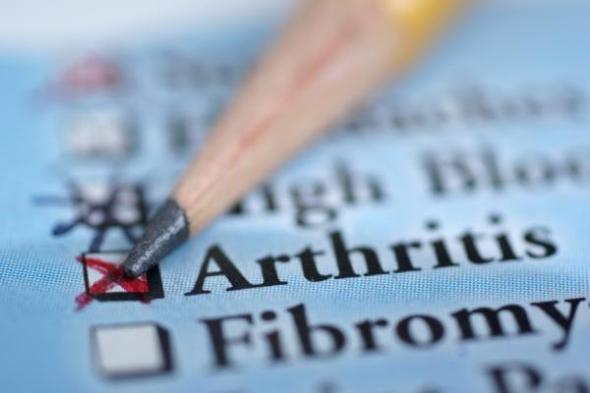
What does lupus, rheumatoid arthritis, type I diabetes, multiple sclerosis, and rheumatic heart disease have in common? All of these (and many other) apparently unrelated disorders are caused by autoimmunity, in which the immune system produces antibodies that attack normal, healthy cells and tissues. Currently considered incurable, these autoimmune diseases can be managed, but to varying degrees and not without serious side effects. Moreover, autoimmune diseases include a wide range of dysfunctional immune responses known as type II, type III, and type IV immune hypersensitivity reactions.
Biofilms: Using Bacteria for new Designer Nanomaterials

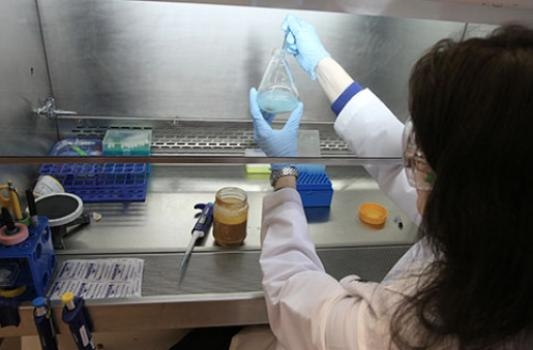
For most people biofilms conjure up images of slippery stones in a streambed and dirty drains. While there are plenty of “bad” biofilms around – they are even the same stuff that causes pesky dental plaque and a host of other more serious medical problems – a team of researchers sees biofilms as a robust new platform for designer nanomaterials that could clean up polluted rivers, manufacture pharmaceutical products, fabricate new textiles, and more.
Need a Kidney? Lab Grown Kidneys Coming Soon!
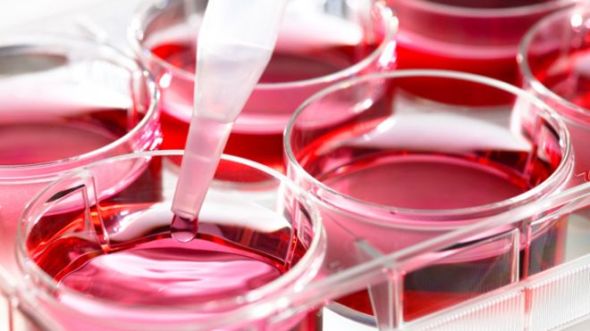
Stem cells offered the promise of having a patents own organ grown to replace a failing or damaged one. Unfortunately the road to that future has been paved with seemingly insurmountable challenges. Thankfully now we are one step closer, researchers have addressed a major challenge in the quest to build replacement kidneys in the lab. Working with human-sized pig kidneys, the scientists developed the most successful method to date to keep blood vessels in the new organs open and flowing with blood.
Genes Smash! An Oxytricha trifallax story

In DNA mutation is often a bad thing. It’s sort of like building a car, there are far more wrong ways to one together than there are right ways. Still, mutation happens often which brings with it good (and more often bad) things. Usually mutation is spontaneous, it has no real rhyme or reason (in a broad sense) and while it brings things like cancers, it also can bring amazingly beneficial traits too. Maybe this is why a pond-dwelling, single-celled organism called Oxytricha trifallax is so keen on mixing things up. By that I mean it has the remarkable ability to break its own DNA into nearly a quarter-million pieces and rapidly reassemble those pieces when it’s time to mate.
A new Hope for Muscle Wasting Diseases

Muscle wasting diseases can be difficult to watch. They are typically slow and have a very painful progression, some to the point of not even being able to breath on ones own. But new research might change all that. Scientists have developed a novel technique to promote tissue repair in damaged muscles. The technique also creates a sustainable pool of muscle stem cells needed to support multiple rounds of muscle repair.
Artificial Cells: They’re alive!!


Frankenstein’s monster was (in the story) a scientific marvel that could not be matched. Growing up with the story, the idea of creating life where there was none was a feat that I had once thought was going to always be science fiction. Maybe this is why I was so surprised when I found out that scientists, using only a few ingredients, have successfully implemented a minimalistic model of the cell that can change its shape and move on its own.
HIV and Dementia
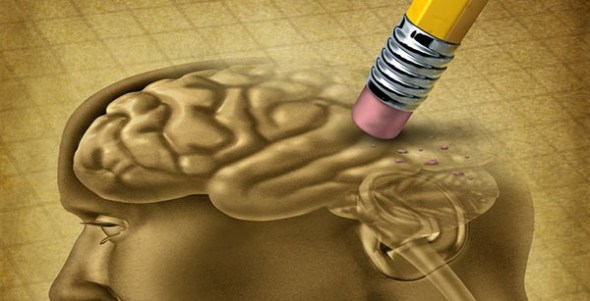
With the introduction of combination antiretroviral therapy (or cART) during the mid-90s, the life expectancy of HIV patients has significantly improved. An unfortunate side effect of this is that long-term complications are becoming more relevant: almost every second HIV patient is affected by neurocognitive disorders, which can lead to dementia. It has not as yet been fully understood how these disorders occur, but new research is shining a light on the culprit.
Assemblages: 50 Years Later, We Know Nothing About Them
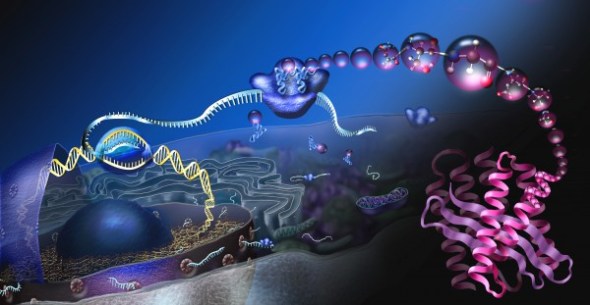
You would think we learn about every part of a cell in biology, but we really don’t. Case in point, about 50 years ago, electron microscopy revealed the presence of tiny blob-like structures that form inside cells, move around and disappear. The reason you probably haven’t heard of these structures is because scientists really don’t know what they do even 50 years later. Although they do have an idea about them, these shifting cloud-like collections of proteins are believed to be crucial to the life of a cell, and will ideally offer a new approach to disease treatment.
New Synthetic Amino Acid for a New Class of Drugs
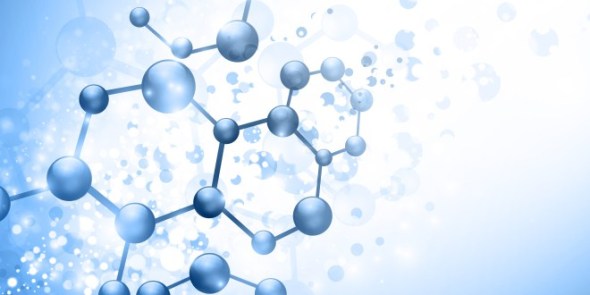
Creating new drug molecules is challenging, developing drugs that are highly effective against a target, but with minimal (or no) toxicity and side-effects to the patient can be an exercise in futility. These drug properties are directly conferred by the 3D structure of the drug molecule. So ideally, the drug should have a shape that is perfectly complementary to a disease-causing target, so that it binds it with high specificity.With that, scientists have developed a synthetic amino acid that can impact the 3D structure of bioactive peptides and enhance their potency.
Zombie Ant Fungi knows it’s Prey
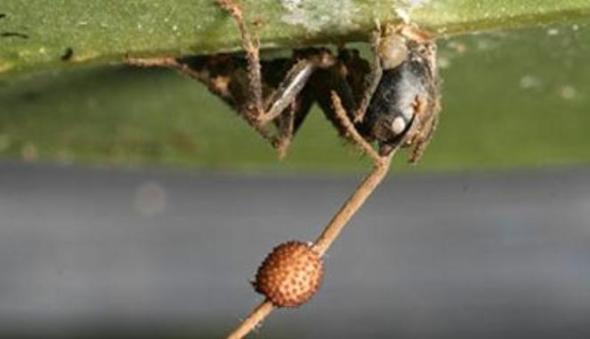
So awhile back I was bored and to kill some time wisely I wrote this little bit on real life (sometime potential) zombies. It featured a special section on a particular group of fungi that created some really crazy zombie ants. Ants, which would do the bidding of the fungus, would eventually latch itself in a “death bite” and sprout the parasite from its head. Yeah I know, not a pleasant death. In any case new research is showing just how cool — and evidently smart — these fungi really are.
Jonas Salk and the Polio Comeback
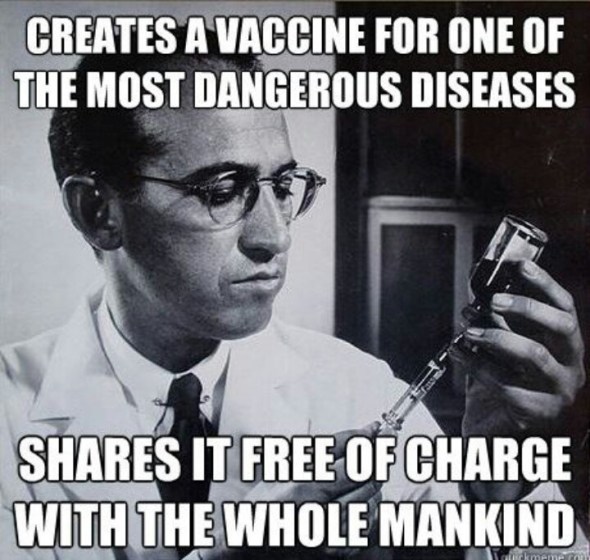
Jonas Salk, you should know this name, but chances are you don’t. He was the inventor of the polio vaccine, a disease that was feared more than the atomic bomb. Today we don’t think about it, no one “gets” polio anymore. Scientists get a bad rap today with the whole “autism-vaccine” BS. But they don’t know Salk, instead of making a small [see: huge] fortune from the drug, he refused to patent it and gave it to the people for essentially free. You think this story would have a happy ending, I mean we don’t have polio anymore… right? Well the devils in the details and it’s not good.
We can Build it Better: The First Artificial Cell Network
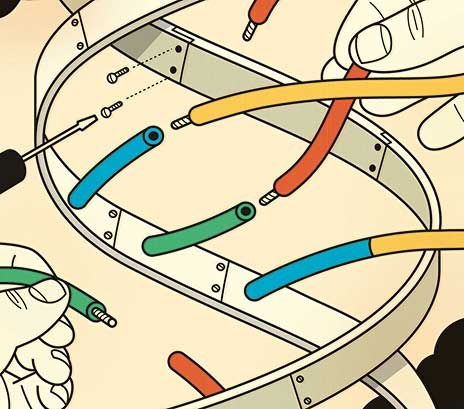
How does the old saying go? Imitation, is the sincerest form of flattery? Well that is what we’ve been trying to do for a very long time, but mimicking the intricate networks and dynamic interactions that are inherent to living cells is difficult to achieve outside the cell. Unfortunately despite all our intelligence nature has had the upper hand on us for a long time. That has not changed… until now that is.


 Lunatic Laboratories