
A protein-RNA structure hints at how viruses commandeer human proteins

Researchers at Case Western Reserve University and the University of Michigan have produced the first image of an important human protein as it binds with ribonucleic acid (RNA), a discovery that could offer clues to how some viruses, including HIV, control expression of their genetic material. That information could lead to new strategies to block viruses from replicating, thereby limiting or halting infection.
Gene therapy treats all muscles in the body in muscular dystrophy dogs
Muscular dystrophy, which affects approximately 250,000 people in the U.S., occurs when damaged muscle tissue is replaced with fibrous, fatty or bony tissue and loses function. For years, scientists have searched for a way to successfully treat the most common form of the disease, Duchenne Muscular Dystrophy (DMD), which primarily affects boys. Now, a team of University of Missouri researchers have successfully treated dogs with DMD and say that human clinical trials are being planned in the next few years.
How plants turn into zombies

It begins as a fairy tale which later turns into a horror story: Lusciously flowering plants, surrounded by a large number of insects. Usually, both sides profit from the encounter: Feasting on the plant juice and pollen, the insects pollinate the flowers and thus secure the survival of the plants. However, sometimes the insects – in this case a certain species of leafhoppers – can bring disaster to the plants, which they are not able to overcome.
Supercoiled DNA is far more dynamic than the ‘Watson-Crick’ double helix
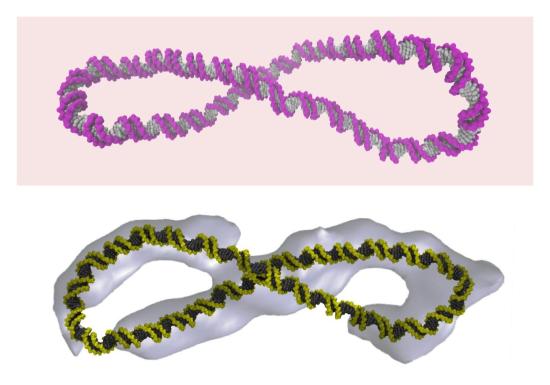
The image shows the structure of the DNA calculated with the supercomputer simulations (in colour) superimposed upon the cryo-electron tomography data (in white or yellow). (There is no superimposition onto cryo-electron tomography data for the purple figure-8 shape.) You can see that the familiar double helix has been either simply bent into a circle or twisted into a figure-8. Image credit goes to: Thana Sutthlbutpong
Researchers have imaged in unprecedented detail the three-dimensional structure of supercoiled DNA, revealing that its shape is much more dynamic than the well-known double helix.
Immune gene prevents Parkinson’s disease and dementia

An estimated seven to ten million people worldwide are living with Parkinson’s disease (PD), which is an incurable and progressive disease of the nervous system affecting movement and cognitive function. More than half of PD patients develop progressive disease showing signs of dementia similar to Alzheimer’s disease.
Scientists discover new system for human genome editing
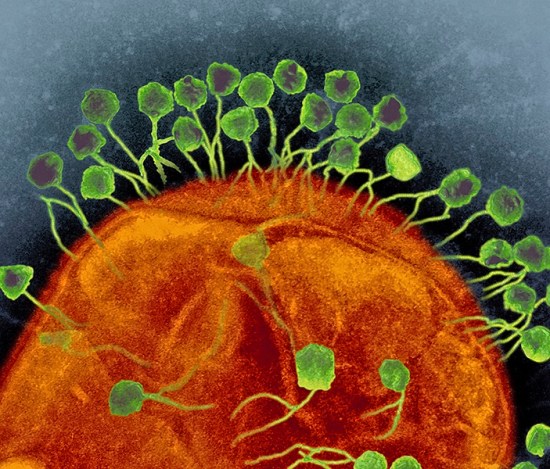
CRISPR systems help bacteria defend against viral attack (shown here).
These systems have been adapted for use as genome editing tools in
human cells.
Image credit goes to: Ami Images/Science Photo Library.
A team including the scientist who first harnessed the revolutionary CRISPR-Cas9 system for mammalian genome editing has now identified a different CRISPR system with the potential for even simpler and more precise genome engineering. In the study researchers describe the unexpected biological features of this new system and demonstrate that it can be engineered to edit the genomes of human cells.
It’s alive!! Study adds to evidence that viruses are alive
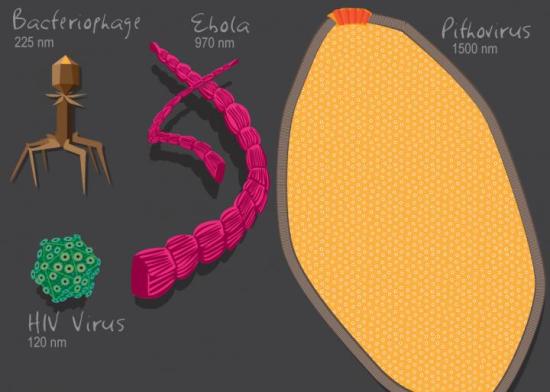
The diverse physical attributes, genome sizes and lifestyles of viruses make them difficult to classify. A new study uses protein folds as evidence that viruses are living entities that belong on their own branch of the tree of life.
Image credit goes to: Julie McMahon
Classifying something as living isn’t as easy as it sounds, after all we are all atoms, so when do atoms go from nonliving to living? Despite the complexities of viruses, we have historically deemed them nonliving. However, a new analysis supports the hypothesis that viruses are living entities that share a long evolutionary history with cells. The study offers the first reliable method for tracing viral evolution back to a time when neither viruses nor cells existed in the forms recognized today.
Genetic analysis supports prediction that spontaneous rare mutations cause half of autism
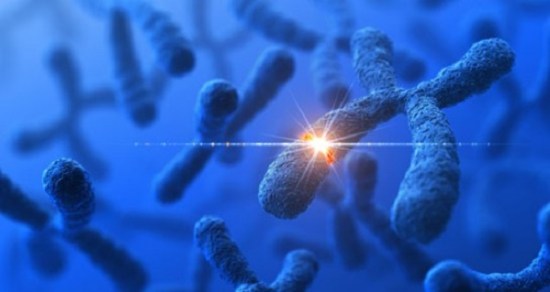
A team led by researchers at Cold Spring Harbor Laboratory (CSHL) has published a new analysis of data on the genetics of autism spectrum disorder (ASD). One commonly held theory is that autism results from the chance combinations of commonly occurring gene mutations, which are otherwise harmless. But the authors’ work provides support for a different theory.
Genetic overlaps in autoimmune diseases may suggest common therapies
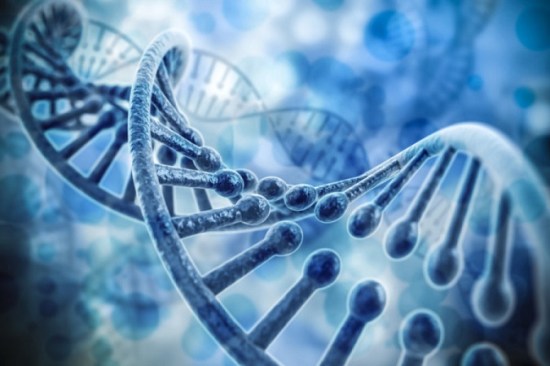
Scientists who analyzed the genes involved in 10 autoimmune diseases that begin in childhood have discovered 22 genome-wide signals shared by two or more diseases. These shared gene sites may reveal potential new targets for treating many of these diseases, in some cases with existing drugs already available for non-autoimmune disorders.
How long have primates been infected with viruses related to HIV?

Disease-causing viruses engage their hosts in ongoing arms races: positive selection for antiviral genes increases host fitness and survival, and viruses in turn select for mutations that counteract the antiviral host factors. Studying such adaptive mutations can provide insights into the distant history of host-virus interactions. A study of antiviral gene sequences in African monkeys suggests that lentiviruses closely related to HIV have infected primates in Africa as far back as 16 million years.
Researchers resurrect ancient viruses in hopes of improving gene therapy
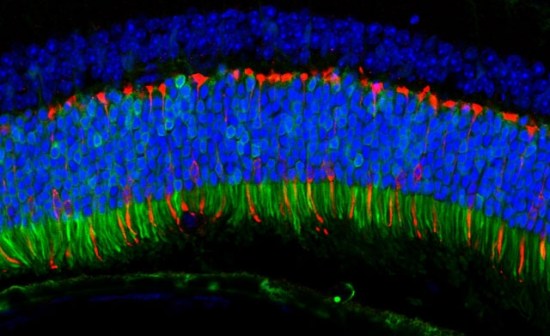
The Anc80 virus delivered genes to the mouse retina that fluoresce green when expressed. Pictured here, the delivered genes are active in the retina’s color-detecting cells.
Image credit goes to: Livia Carvalho
It sounds like the start of a horror movie, but Harvard Stem Cell Institute (HSCI) researchers at Massachusetts Eye and Ear (MEE) have reconstructed an ancient virus that is highly effective at delivering gene therapies to the liver, muscle, and retina. This discovery could potentially be used to design gene therapies that are not only safer and more potent than therapies currently available, but may also help a greater number of patients.
Switching mouse neural stem cells to a primate-like behavior
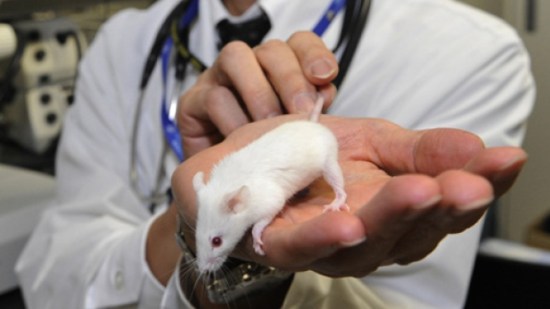
When the right gene is expressed in the right manner in the right population of stem cells, the developing mouse brain can exhibit primate-like features. Researchers at the Max Planck Institute of Molecular Cell Biology and Genetics (MPI-CBG) succeeded in mimicking the sustained expression of the transcription factor Pax6 as seen in the developing human brain, in mouse cortical progenitor cells. This altered the behavior of these cells to one that is akin to that of progenitors in the developing primate neocortex. Consequently, the mouse progenitors generated more neurons – a prerequisite for a bigger brain.
Cellular zombies: Mutant cells that can’t copy DNA keep dividing when they shouldn’t
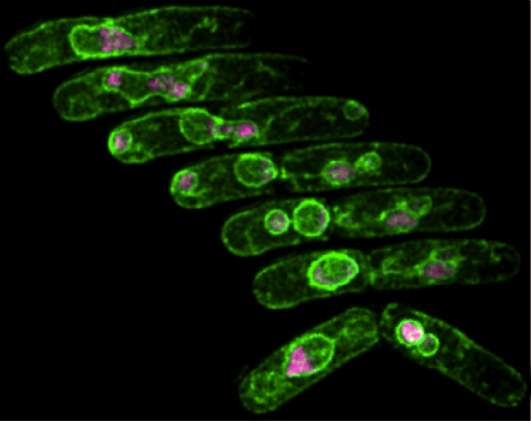
Sequential images of abnormal divisions in a mutant cell leading to abnormal nuclei and chromosome rearrangement. Chromosomes are displayed in pink, cell membranes in green. The cell undergoes two aberrant divisions.
Image credit goes to: Susan Forsburg
Researchers at USC have developed a yeast model to study a gene mutation that disrupts the duplication of DNA, causing massive damage to a cell’s chromosomes, while somehow allowing the cell to continue dividing.
Using low-dose irradiation, researchers can now edit human genes
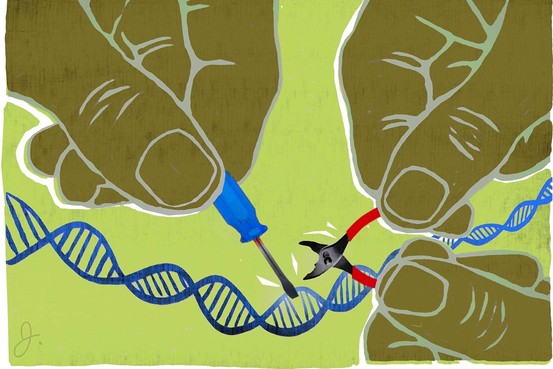
For the first time, researchers have employed a gene-editing technique involving low-dose irradiation to repair patient cells. This method, developed by researchers in the Cedars-Sinai Board of Governors Regenerative Medicine Institute, is 10 times more effective than techniques currently in use.
Novel DNA repair mechanism brings new horizons
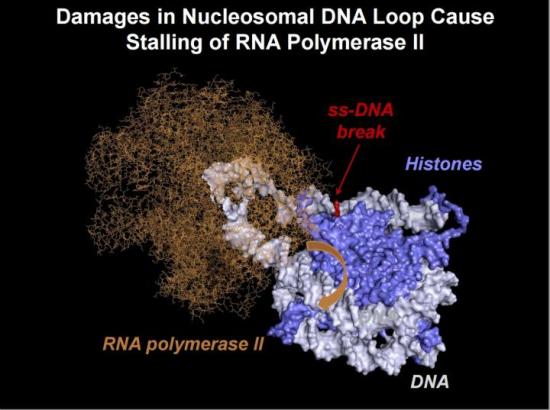
Estimated structure of the nucleosomal DNA loops, which are temporarily formed during transcription of chromatin containing intact DNA by RNA polymerase II (Pol II). In the presence of a single-strand DNA break, the loop structure likely changes, preventing rotation of the RNA polymerase along the DNA helix (orange arrow).
Image credit goes to: Nadezhda S. Gerasimova et al
The DNA molecule is chemically unstable giving rise to DNA lesions of different nature. That is why DNA damage detection, signaling and repair, collectively known as the DNA damage response, are needed. A group of researchers discovered a new mechanism of DNA repair, which opens up new perspectives for the treatment and prevention of neurodegenerative diseases.
New epigenetic mechanism revealed in brain cells
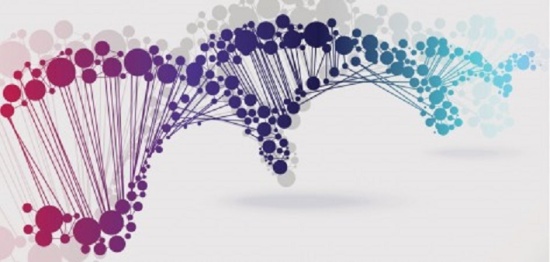
For decades, researchers in the genetics field have theorized that the protein spools around which DNA is wound, histones, remain constant in the brain, never changing after development in the womb. Now, researchers from the Icahn School of Medicine at Mount Sinai have discovered that histones are steadily replaced in brain cells throughout life – a process which helps to switch genes on and off.
Expanding the code of life with new ‘letters’
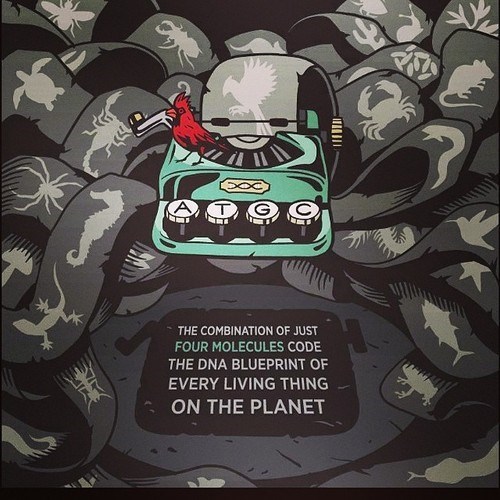
Not anymore…
The DNA encoding all life on Earth is made of four building blocks called nucleotides, commonly known as “letters,” that line up in pairs and twist into a double helix. Now, two groups of scientists are reporting for the first time that two new nucleotides can do the same thing — raising the possibility that entirely new proteins could be created for medical uses.
GMO beef with the heart benefits of fish, why not?

Sometimes you just want beef, but beef is high in omega-6 fatty acids and low in the omega-3 type. Conversely, different types of fish are high in omega-3, but we all know they don’t compare to that tasty burger flavor. So what’s a beef lover to do, well if you’re in China you might have some options! Chinese scientists have reared beef rich in the beneficial fatty acids associated with fish oils.
Fatal attraction: the intuitive appeal of GMO opposition

A team of Belgian philosophers and plant biotechnologists have turned to cognitive science to explain why opposition to genetically modified organisms (GMOs) has become so widespread, despite positive contributions GM crops have made to sustainable agriculture. They argue that the human mind is highly susceptible to the negative and often emotional representations put out by certain environmental groups and other opponents of GMOs. The researchers urge the general public to form opinions on GMOs on a case-by-case basis, thereby not focusing on the technology but on the resulting product.
Scientists create worlds first genetically modified human embryos

A funny thing happened on the way to the publisher. In a world first, China has successfully created genetically modified human embryos. It was certainly an amazing piece of science, but the paper was rejected by both Nature and Science. Not because the study was flawed, or because the data was falsified, the paper was rejected for ethical reasons.
Researchers find genetic link between overactive and underactive immune systems

In the largest genetic study to date of a challenging immunodeficiency disorder, scientists have identified a gene that may be a “missing link” between overactive and underactive immune activity. The gene candidate also plays a key role in autoimmune diseases such as type 1 diabetes, rheumatoid arthritis and even allergies.
The placebome: Where genetics and the placebo effect meet
Placebos have helped to ease symptoms of illness for centuries and have been a fundamental component of clinical research to test new drug therapies for more than 70 years. But why some people respond to placebos and others do not remains under debate.
With the advent of genomics, researchers are learning that placebo responses are modified by a person’s genetics, a discovery that raises important new questions regarding the role of the placebo in patient care and in drug development: How many genetic biomarkers exist? Can the medical field harness the placebo response to enhance personalized medical treatment? What might be the impact of placebo-drug interactions? And what will this new information mean for randomized clinical trials, which depend on placebo controls to test the efficacy of new drug candidates? Should a “no-treatment” control be added to future trials?
Do you have the genes of a rapist?

Rape, it’s so taboo that victims are sometimes shamed for “letting” it happening. It’s a dirty word, no one likes the word rape so we come up with other names for it — sexual assault for example. Well new research shows that close relatives of men convicted of sexual offences commit similar offences themselves more frequently than comparison subjects. The study suggests that this is due to genetic factors rather than shared family environment. The study includes all men convicted of sex crime in Sweden during 37 years.
Underage drinking has lasting effects on the brain and epigenetics

The rise of underage drinking has almost left a sense that it is acceptable or even free of long-term consequences. Unfortunately because the brain continues forming long into the early twenties, environmental factors can have a large impact on the development. In fact, research shows that binge-drinking during adolescence may perturb brain development at a critical time and leave lasting effects on genes and behavior that persist into adulthood.
Squid prolifically edit RNA to enrich their DNA

DNA, it’s what makes us, well us! Not that long ago, before we sequenced human DNA we assumed we had one of the largest genomes around. Frankly it wasn’t a bad assumption, but of course we found out this was far from the case and to make ourselves feel better we said size doesn’t matter. But one of the surprising discoveries to emerge from comparative genomics is that drastically different organisms–humans, sea urchins, worms, flies –are endowed with a more or less common set of genes. So given a similar DNA blueprint, how do species develop such vast differences in physical shape, size, and complexity?
How gene expression is kept in check and the implications for cancer
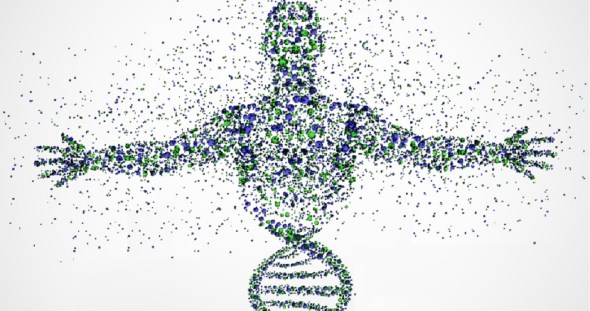
Cancers are alive in a sense, they are similar to a parasite and they fight to stay alive when we just want them gone. Cancers have access to complex ways of avoiding elimination and because we cannot easily do anything to treat it short of surgery or chemotherapy, we regularly lose to some of the more cunning types. Now researchers have learned how living beings can keep gene expression in check — this might partly explain the uncontrolled gene expression found in many forms of cancer.
Classical Music modulates genes responsible for brain functions

Although listening to music is common in all societies, the biological determinants of listening to music are largely unknown. According to a latest study, listening to classical music enhanced the activity of genes involved in dopamine secretion and transport, synaptic neurotransmission, learning and memory, and down-regulated the genes mediating neurodegeneration. Several of the up-regulated genes were known to be responsible for song learning and singing in songbirds, suggesting a common evolutionary background of sound perception across species.
New understanding of genetics behind the autism spectrum

Autism is a spectrum, because it isn’t a clear-cut diagnosis — and because the brain is so complex — it has been hard to figure out what causes autism. This uncertainty has led rise to the anti-vaccination movement along with other groups who are at best misinformed and at worst trying to make a quick dollar. However, a new study reveals an important connection between dozens of genes that may contribute to autism, a major step toward understanding how brain development goes awry in some individuals with the disorder.
Team accidentally finds key to DNA vaccination and genetic engineering
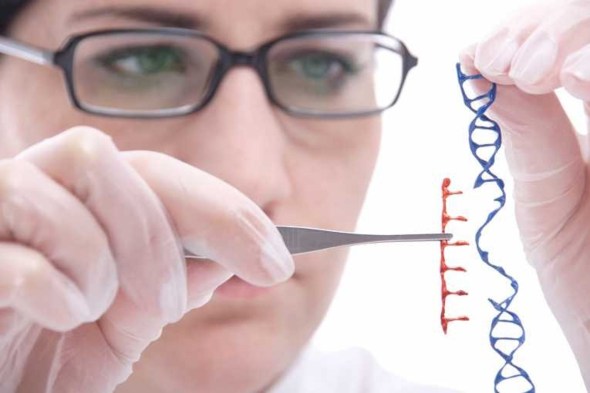
It might have been an accident, but for some lucky researchers accidents are a good thing. In this particular case, scientists have discovered a new way to manipulate how cells function, a finding that might help advance an experimental approach to improving public health: DNA vaccines, which could be more efficient, less expensive and easier to store than traditional vaccines.
A study of twins shows that autism is largely genetic

In the fight against misinformation about autism it seems science is starting to come out on top, finally. A new study hopes to add to the recent advancements made in the understanding of autism, which finds that a substantial genetic and moderate environmental influences were associated with risk of autism spectrum disorder (ASD) and broader autism traits in a study of twins.
Anorexia, it’s in your genes

No one likes to talk about eating disorders — specifically anorexia nervosa — despite the increased prevalence in both men and women. Like depression people tend to think that you can “just get over it” or some other nonsense. However new research is shedding light on the truth behind anorexia, much like with depression, there is a biological component involved. Simply put, it gets written into your genes.
New genetic clues in fragile x syndrome

Scientists have gained new insight into fragile X syndrome — the most common cause of inherited intellectual disability — by studying the case of a person without the disorder, but with two of its classic symptoms.
Not everyone sees health decline from obesity, but why is that?

The news isn’t shy in reporting the effects of being obese, high blood pressure, and diabetes (just to name a few). However, new research demonstrates that obesity does not always go hand in hand with metabolic changes in the body that can lead to diabetes, heart disease and stroke. Determining how and why may help reduce or eliminate the health risks in other people dealing with obesity.
Autism presentation and genetic variance

People with autism have a wide range of symptoms, with no two people sharing the exact type and severity of behaviors. This has made finding a cause (or causes) difficult, leaving pseudoscientists to claim vaccines are the cause as if it were that simple (hint: vaccines do not cause autism). Now a large-scale analysis of hundreds of patients and nearly 1000 genes has started to uncover how diversity among traits can be traced to differences in patients’ genetic mutations.
Epigenetic changes and autism
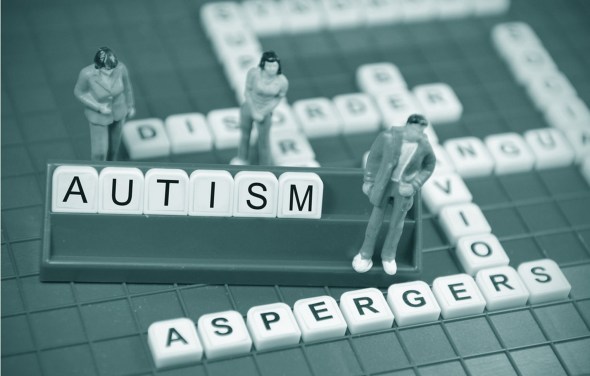
Despite what you may think, the supposed “explosion” of children diagnosed with autism can directly attributed to better diagnosing techniques and — more importantly — the change of definition to make Autism spectrum disorders more broad. Thankfully more causes of autism have been found, none of them remotely related to vaccines and now scientists have found that chemical modifications to DNA’s packaging—known as epigenetic changes—can activate or repress genes involved in autism spectrum disorders (ASDs) and early brain development.
Love, it’s in your genes

Most kids worry about passing tests, winning games, lost phones, fractured bones—and whether or not they will ever really fall in love. While the first few things are of relatively low value in the scientific pursuit, three Chinese researchers have focused on that last question. All in a bid to find out some of the more interesting questions about our genes: Why do some students stay single? What factors determine if a young adult falls in love?
Telomeres, Epigenetics, and Aging: the new found complexities in your genes
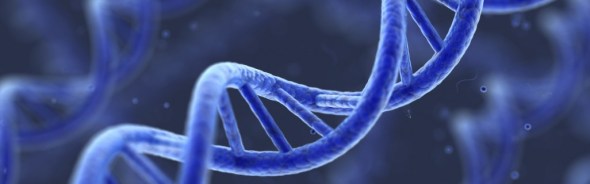
Telomere length is associated with aging, this isn’t a new statement, but interestingly enough there is more to this story than just the size of your telomeres. Telomere lengths have now been shown to cause epigenetic changes, this new discovery may help explain the aging of cells and how they initiate and transmit disease.
A Possible Genetic “Cure” for HIV… Maybe
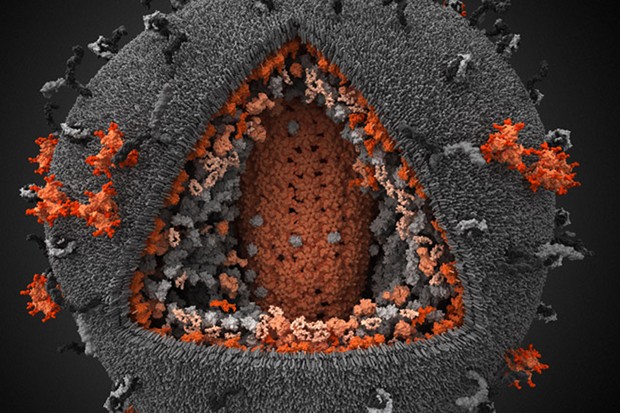
Let’s face it, a cure for HIV probably won’t be coming around for awhile. That slippery little virus manages to avoid everything we throw at it. Well researchers at Massachusetts General (MGH) and Boston Children’s hospitals (BCH) tried to take another crack at the problem. For the first time they have used a relatively new gene-editing technique to create what could prove to be an effective technique for blocking HIV from invading and destroying patients’ immune systems.
Reshaping the Limits of Synthetic Biology
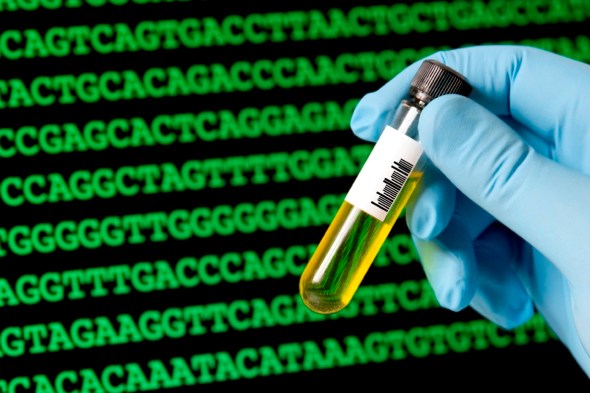
Ever think you could have built something better if you had a hand in the design? Sometimes people just have a desire to make, after all the maker movement is huge for a reason. Well geneticists have a new toy tool to play with —dubbed “the telomerator”—that could redefine the limits of synthetic biology and advance how successfully living things can be engineered or constructed in the laboratory based on an organism’s genetic, chemical base-pair structure. How cool is that?!
Boosting Crop Yields via Genetics

CSHL scientists have identified a set of genetic variants that can dramatically increase tomato production. On the far left is the average yield from a plant that grows standard canning tomatoes. The next three piles were produced by plants with mutations found in the toolkit. The combination of genetic mutations on the far right produces twice as many tomatoes as the standard variety.
Photo credit goes to: Zachary Lippman/ Cold Spring Harbor Laboratory
Genetic engineering techniques offers many different promises, some of which will obviously come sooner than others. One of those promises was a possible end to famine, while most famine in the world today is in developing countries, that could spread as population increases. To that end scientists have announced a new way to dramatically increase crop yields by improving upon Mother Nature’s offerings. The team has discovered a set of gene variations that can boost fruit production in the tomato plant by as much as 100%.
New Genetic Editing Technique Offers Novel Treatment of Defects
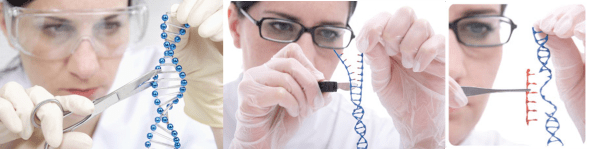
The promises of genetic modifications are endless, longer life, better health, cures for genetic based diseases that would otherwise cause an unimaginable amount of suffering all wiped out. We’ve come a long way in genetic alteration thanks, in part, to the ever faster moving pace of science. While genetic modification is the thing of horror movies, it also can change the world in ways we cannot even imagine — unfortunately getting genome-editing proteins into cells, where they need to be to access the genome, is a major challenge, especially in live animals or human patients.
More Genetic Links Behind Autism

Vaccines do NOT cause autism. One more time, vaccines DO NOT cause autism. So what does cause autism, that problem has been plaguing scientists for awhile now. Thankfully two major genetic studies of autism and involving more than 50 laboratories worldwide, have newly implicated dozens of genes in the disorder. The research shows that rare mutations in these genes affect communication networks in the brain and compromise fundamental biological mechanisms that govern whether, when, and how genes are activated overall.
Scientists resurrect 700-year-old viruses, Just in time for Halloween!


You know how some zombie movies start with a discovery of a virus, it gets loose, and things quickly spiral out of control from that? Well in breaking news a team of researchers have found two 700-year-old viral sequences in frozen caribou dung in an arctic ice patch. The group isolated part of a viral RNA genome and the complete genome of a DNA virus. Then they infected living plants with the DNA virus, what could go wrong?
The Genetics of Congenital Heart Defects Slowly Emerge from Down Syndrome Study

Down syndrome, of all the genetic defects people are born with, is the most common (as far as chromosomal abnormalities go). Down syndrome involves having a third copy of all or part of chromosome 21 (for those who do not recall we are typically born with 23 pairs of chromosomes). In addition to intellectual disability, individuals with Down syndrome have a high risk of congenital heart defects. However, not all people with Down syndrome have them – about half have structurally normal hearts.
The Genes Responsible for Immune System Reset after Infection

We’ve all been sick before, the aches and pains that come with it– most of the time including a fever — are all responses to our immune system kicking into high gear. But what if your body didn’t reverse course and go back to a, let’s call it” relaxed state.” Once the battle is won, the body’s efforts would be wasted on energy costing defense. A bad thing when the body really should be focusing on repairing the damage done by the foreign invaders.
Converting Skin Cells to Neurons: A Fight Against Huntington’s


A sad thought indeed.
Photo credit goes to: Huntington Society of Canada PSA
Neurological diseases are some of the hardest to fight against (in my opinion). The big reason is the brain, we still know so little about it and treatment for anything effecting it can be difficult to say the least. Take Huntington’s disease, an ultimately fatal neurodegenerative disorder. There is no cure and no real treatment, but that might change relatively soon thanks to a new discovery.
New Genetic Test to help Solve Rare Disease Diagnosis

Photo credit goes to the Lapidus family
My sister suffers from a rare disease which causes small fiber polyneuropathy, or the killing of nerves in her hands and feet. As it progresses she has trouble standing or using her hands. If that was the worst of it, then it might be liveable given the time between severe attacks is years or more. Unfortunately, it also causes intense and mostly constant pain and burning sensations, pain so bad that conventional narcotic painkillers have trouble controlling it. After some time working with the hospital I narrowed it down to autoimmune mediated. Her Doctors finally agreed, but only after first dismissing it as anything from she was faking it, all the way to lupus.
The “New” Roots of our Friends the Mitochondria
![Image credit goes to biovisions, by Harvard University [see video below]](https://loonylabs.org/wp-content/uploads/2014/10/biovisions-mitochondria.jpg?w=590)
Image credit goes to biovisions, by Harvard University [see video below]
tRNA lookalikes in the Human Genome
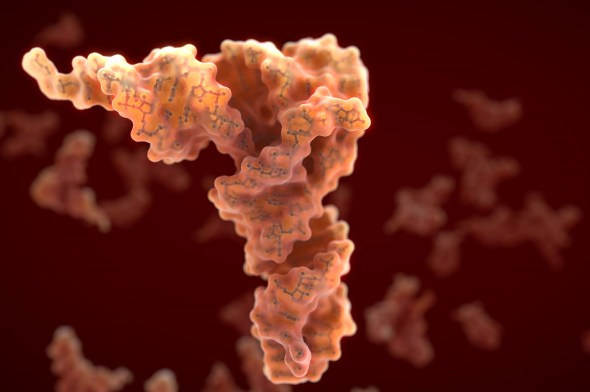
There was a time not long ago when we knew we had the longest genome. It was an obvious assumption because we are “in fact” the most intelligent and complex species on the planet. Boy were we wrong, as genetics progressed we came to realize that we weren’t as genetically special as we thought we were. We found that we had tons of “junk” DNA. Of course we continue to be wrong and we now know that we may not be the biggest genome on the planet, but we are still very complex and new research is proving that once again.
Orange Corn Aims to Fight Vitamin A Deficiency


Corneal blindness often affects people at a young age, such as this twelve year old girl who is blind from vitamin A deficiency. She has had a penetrating corneal graft in her left eye; this has unfortunately failed. Image credit goes to: Lance Bellers
GMO food is still a hot button topic, honestly for no other reason than fear. Sure Monsanto is a big evil corporation, but the science is only as bad as what you do with it. In the modern fortified world we don’t think about vitamin deficiency or the horrible things that come with it, however vitamin A deficiency is a huge problem in developing countries. To combat this researchers have identified a set of genes that can be used to naturally boost the provitamin A content of corn kernels, a finding that could help combat vitamin A deficiency and macular degeneration in the elderly.


 Lunatic Laboratories