We're a little crazy, about science!

Latest

You can live longer, but not healthier

anti aging

We all want to live longer and thanks to medical technologies our life expectancies have dramatically increased. Which would be handy if we could actually enjoy the extra years. Unfortunately a study of long-lived mutant C. elegans by scientists shows that the genetically altered worms spend a greater portion of their life in a frail state and exhibit less activity as they age than typical nematodes. These findings suggest that genes that increase longevity may not significantly increase healthy lifespan and point to the need to measure health as part of aging studies going forward.


Read the rest of this page »

Fear, PTSD, and newly found neural circuits in the brain

anxiety disorder

People with anxiety disorders, such as post traumatic stress disorder (PTSD), often experience prolonged and exaggerated fearfulness. Now, an animal study suggests that this might involve disruption of a gradual shifting of brain circuitry for retrieving fear memories. Researchers have discovered in rats that an old fear memory is recalled by a separate brain pathway from the one originally used to recall it when it was fresh.

Read the rest of this page »

Stem cells derived from amniotic tissues have immunosuppressive properties

pregnant women

Stem cells derived from human amnion have for some time been considered promising for cell therapies because of their ease of access, ability to differentiate, and absence of ethical issues. Now, a research team has found that stem cells derived from human female amnion also have immunosuppressive activity and that the addition of antibodies to specific factors can enhance their immunosuppressive potential.

Read the rest of this page »

Pythagoras theorem could improve patient care

patient care

Triangles, few of us have ever thought of a relationship between healthcare and triangles. Most of us will remember Pythagoras theorem from our school days, but rarely have a reason to use it in day-to-day life. Well for Doctors that might change, a team of medical researchers has found the 2,500-year-old Pythagoras theorem could be the most effective way to identify the point at which a patient’s health begins to improve.

Read the rest of this page »

Scientists use the brain to direct fat burning

Weight-Loss-Fitness

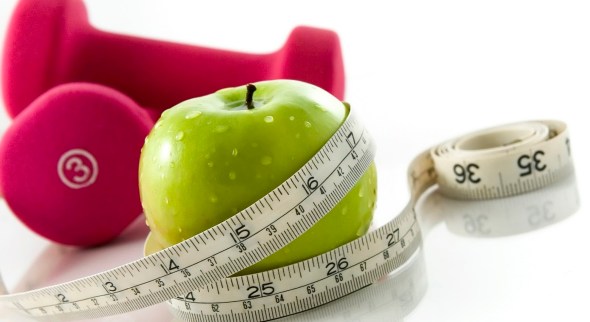
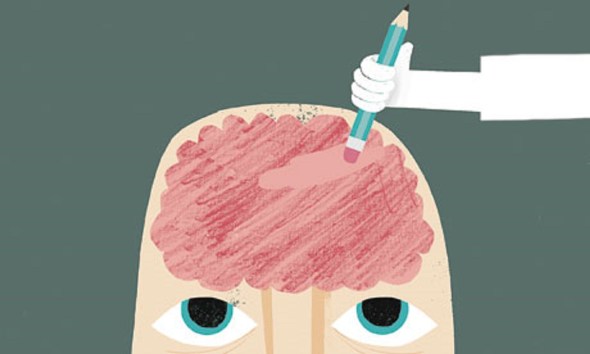
Does it seem like no matter what you do, you still can’t shed the pounds? You know what to eat, how to eat and workout regularly, but the weight just won’t go away, well you may not be alone. There are many different medical conditions that limit your ability to lose weight, but thankfully science has now found how to use your brain to shed the weight.

Read the rest of this page »

The hidden neurological impact of explosions on military members

ied blast

More bad news for war Veterans, the brains of some Iraq and Afghanistan combat veterans who survived blasts from improvised explosive devices (IEDs) and died later of other causes show a distinctive honeycomb pattern of broken and swollen nerve fibers throughout critical brain regions, including those that control executive function. The pattern is different from brain damage caused by car crashes, drug overdoses or collision sports, and may be the never-before-reported signature of blast injuries suffered by soldiers as far back as World War I.

Read the rest of this page »

Genetic brain disorders start at the synapse

autism fragile x

As we’ve seen from research featured here at the lab, there are many genetic disorders that cause intellectual disability and autism. Historically, these were viewed as untreatable. However, in recent years we have shown via animal models that it is possible to reverse the effects of these gene mutations. But the question remained whether different gene mutations disrupt common physiological processes. If this were the case, a treatment developed for one genetic cause of autism and intellectual disability might be useful for many others.

Read the rest of this page »

Study shows rise in mass die-offs

fish die off

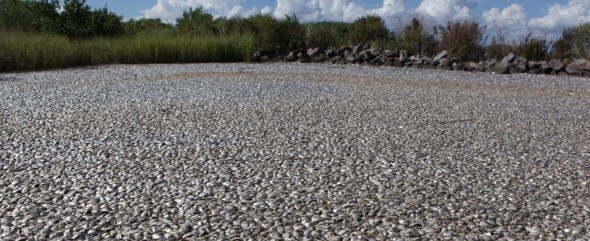
You really don’t hear much about mass die-offs from mainstream news outlets; this might make you think they don’t happen that often. However, an analysis of 727 mass die-offs of nearly 2,500 animal species from the past 70 years has found that such events are increasing among birds, fish, and marine invertebrates. At the same time, the number of individuals killed appears to be decreasing for reptiles and amphibians, and is unchanged for mammals.

Read the rest of this page »

Being angry might be good for your health

angry boy

In the US and many Western countries, people are urged to manage feelings of anger or suffer its ill effects. We are raised to, for a large part, stifle our emotions and to “not be so angry.” However, new research with participants from the US and Japan suggests that anger may actually be linked with better, not worse, health at least in certain cultures.

Read the rest of this page »

Humans keep the memories accurate by forgetting

forget memory

Your brain is a memory powerhouse, constantly recording experiences in long-term memory. Those memories help you find your way through the world: Who works the counter each morning at your favorite coffee shop? How do you turn on the headlights of your car? What color is your best friend’s house? But then your barista leaves for law school, you finally buy a new car and your buddy spends the summer with a paint brush in hand. Suddenly, your memories are out of date. So what do you do, forget about it.

Read the rest of this page »

Music takes the pain away post surgery

music children

In today’s society, when it is so easy to over medicate children and adults alike it is nice to finally read something that looks for an alternative option. This particular case deals with pain management in children post surgery and the study shows that pediatric patients who listened to 30 minutes of songs by Rihanna, Taylor Swift and other singers of their choosing — or audio books — had a significant reduction in pain after major surgery.

Read the rest of this page »

Lots of selfies may suggest you’re a narcissist

This awesomeness is from The Oatmeal, check out his website for the rest of the comic!

This awesomeness is from The Oatmeal, check out his website for the rest of the comic!

Well I’ve got some bad news to all you selfie fanatics out there, a new study showed that men who posted more online photos of themselves than others scored higher on measures of narcissism and psychopathy. The study looked exclusively at men, however the men out there should have no fear, there is a follow up study being done with women as well.

Read the rest of this page »

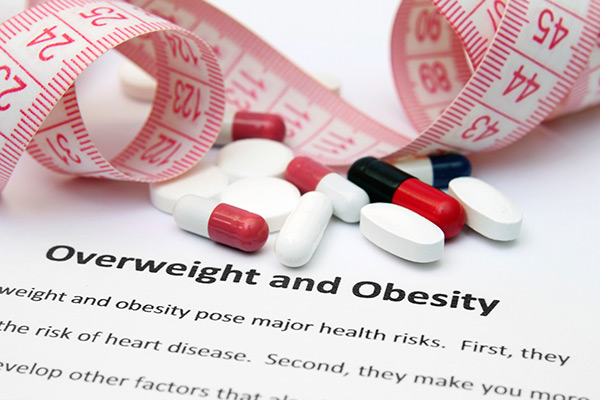
Creating a better diet pill: The new drug that is making big promises

donut diet

Losing the weight, some of us never seem to be able to do it. Whether it is poor choice in diet, a medical condition, or just a sedentary lifestyle, people everywhere are finding they can’t shed the pounds. Now there is a new drug that promises help in the weight loss department and works like nothing we’ve seen used for weight loss yet. The compound effectively stopped weight gain, lowered cholesterol, controlled blood sugar and minimized inflammation in mice, making it an excellent candidate for a rapid transition into human clinical trials.

Read the rest of this page »

Not everyone sees health decline from obesity, but why is that?

obese health risk

The news isn’t shy in reporting the effects of being obese, high blood pressure, and diabetes (just to name a few). However, new research demonstrates that obesity does not always go hand in hand with metabolic changes in the body that can lead to diabetes, heart disease and stroke. Determining how and why may help reduce or eliminate the health risks in other people dealing with obesity.

Read the rest of this page »

HIV vaccines may make things worse

HIV Vaccine

Despite what conspiracy theorists say, there is no cure for HIV. Not that people aren’t feverously working hard to find one, it is just really hard to do. To illustrate that point researchers have found that vaccines designed to protect against HIV can backfire and lead to increased rates of infection. This unfortunate effect has been seen in more than one vaccine clinical trial.

Read the rest of this page »

New cancer treatment targets telomeres

cancer

Cancer, right now we don’t have much to fight it besides the standard surgery or chemo, neither of which is a great option. Well now scientists have targeted telomeres with a small molecule called 6-thiodG that takes advantage of the cell’s ‘biological clock’ to kill cancer cells and shrink tumor growth. Ideally this new technique will help eliminate the need for nasty drugs like those used in chemotherapy.

Read the rest of this page »

A surprising discovery about fast food portion sizes

fast food size

Since the noticeable expansion of most of the worlds waistlines, people have come to lay the blame (amongst other things) almost squarely on fast food and ever increasing portion sizes. While the world and it’s leaders are dealing with this mysterious problem by trying to help push fast food chains in the direction of change, it might be surprising to know that according to new research, fast food portion sizes have changed little since 1996.

Read the rest of this page »

Steak raises cancer risk and now we know why

steak

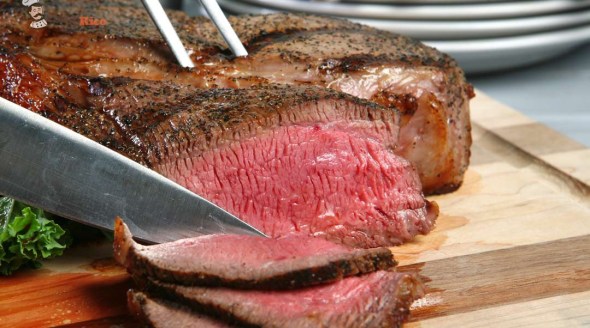
Some of you may remember a recent study showing why red meat is bad for the heart, while now there is a study showing why steak — or in particular red meats — raise the risk of cancer. To be clear, I am still very much a red meat eater and this is no way intended to change anyones opinions on steak consumption, but it is nice to understand the science behind what we put in our mouths.

Read the rest of this page »

Estrogen worsens allergic reactions

allergies

Are you a woman? Do you find yourself allergic to everything, but water (and sometimes that is up for debate)? Worse, does your husband, boyfriend, or male friend seem to be impervious to any sort of allergy? Well I have good news and bad news, the good news is it isn’t you — or him. The bad news, is it’s your hormones…

Read the rest of this page »

Insights into the scientific gatekeepers: A fight for the status quo?

peer review

A new study has found that well respected peer reviewed journals have rejected manuscripts that could discuss outstanding or breakthrough work. The researchers found that some manuscripts rejected by three leading medical journals went on to receive a large number of citations after publication in other journals. The study, which if course was peer reviewed itself, offered insight into the process that the typical researcher might not see.

Read the rest of this page »

Evolution of whooping cough and the anti-vaccination movement

whooping cough

When I was your age, whooping cough wasn’t what it is today. I’m sure we all know the stereotypical grandfather telling stories like that, but — at least in this case — if he started his story off like that then he is actually right. Over the last few years, this once-common childhood illness, has evolved in response to its own vaccine, in other words this isn’t your parents’ pertussis.

Read the rest of this page »

Nanoparticles could deliver drugs to the brain

stroke fast

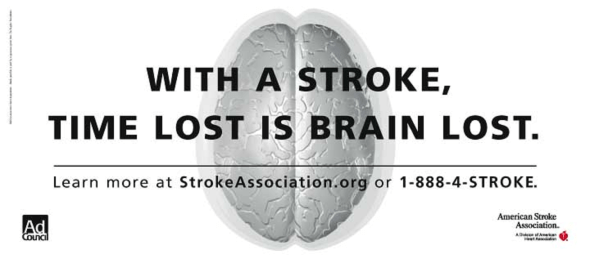
Science has already shown that when it comes to strokes, the sooner you treat it the better your outcome. Well now, stroke victims could have more time to seek treatment that could reduce harmful effects on the brain, thanks to tiny blobs of gelatin that could deliver the medication to the brain. The best part, this would be done noninvasively.

Read the rest of this page »

mTOR and the fountain of youth

anti aging

The fountain of youth might be just right around the corner, I know here at the labs we’ve reported several different ways to get to that fabled place, but now we have one more. New research shows that seniors received a significant boost to their immune systems when given a drug that targets a genetic signaling pathway linked to aging and immune function.

Read the rest of this page »

Obesity and a high-fat diet might be hurting your baby

fetus

We’ve seen it on the news, we’ve probably even read some articles about it, the “western” diet is awful. Yet, despite the warnings, Americans as a whole still eat awfully. Unfortunately, the health effects are very real and a new study shows that it may not just be effecting an expected mothers health, it may be harming the unborn child as well.

Read the rest of this page »

The science of dietary restriction and it’s benefits (or what to do after the holidays)

diet

In a new study, researchers have identified a key molecular mechanism behind the health benefits of dietary restriction — or reduced food intake without malnutrition. Also known as calorie restriction or simply a diet, dietary restriction is best known for its ability to slow aging in laboratory animals. The findings here show that restricting two amino acids, methionine and cysteine, results in increased hydrogen sulfide (H2S) production and protection against ischemia reperfusion injury, or damage to tissue that occurs following the interruption of blood flow as during organ transplantation and stroke. Increased H2S production upon dietary restriction was also associated with lifespan extension in worms, flies, and yeast.

Read the rest of this page »

Autism presentation and genetic variance

autism

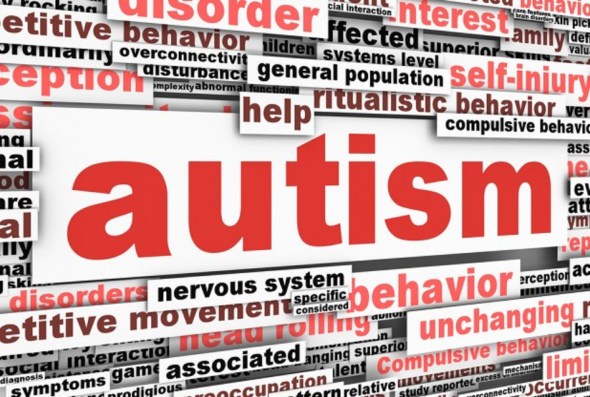
People with autism have a wide range of symptoms, with no two people sharing the exact type and severity of behaviors. This has made finding a cause (or causes) difficult, leaving pseudoscientists to claim vaccines are the cause as if it were that simple (hint: vaccines do not cause autism). Now a large-scale analysis of hundreds of patients and nearly 1000 genes has started to uncover how diversity among traits can be traced to differences in patients’ genetic mutations.

Read the rest of this page »

Vaccine against prion disease, not for humans… yet

mad cow

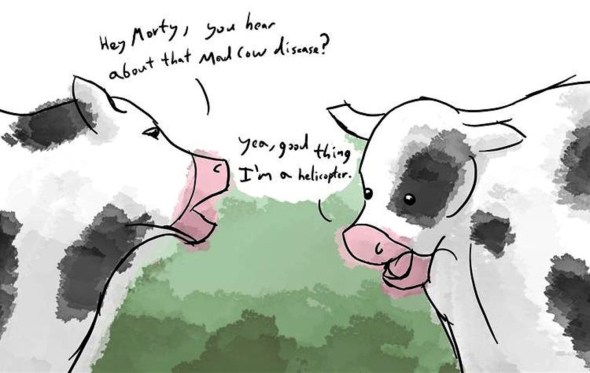
Prions, misfolded proteins that wreak havoc on the brain, may have finally met their match. Best known for things like mad cow disease (and possibly alzheimer’s disease) scientists have had no luck stopping prions, until now. Researchers say that a vaccination they have developed to fight a brain-based, wasting syndrome among deer and other animals may hold promise on two additional fronts: Protecting U.S. livestock from contracting the disease, and preventing similar brain infections in humans.

Read the rest of this page »

Antidepressants and the effects on your unborn child

Are-Antidepressants-Safe-During-Pregnancy

Think you know what causes depression? Well unfortunately scientists don’t have the exact answer, surprised? That’s not the only problem, there is an ever growing concern that we live in an over medicated society and a newly released study doesn’t paint a better picture. About 15 percent of women in the United States suffer from anxiety disorders and depression during their pregnancies, and many are prescribed antidepressants. However little is known about how early exposure to these medications might affect their offspring as they mature into adults.

Read the rest of this page »

Why “fat shaming” makes things worse

eating disorder mirror

Thanks to the internet age we have lost touch with the fact that there is a human out there reading these words. Because of this, the golden rule –treat others the way you want to be treated — went out the window. Making fun of “fat” people now seems to be a internet hobby and that insensitivity can (and does) bleed over into “normal” non-internet life. Now a new study shows that women whose loved ones are critical of their weight tend to put on even more pounds, which is probably no surprise to people who have experienced this behavior.

Read the rest of this page »

Gene fragments linked to brain development and autism

autism genetics

While the anti-vaccine movement enjoys the simple (and very wrong) answer to the cause of autism, there are people who want the actual truth. This drive had lead to a slew of causes (and risk factors) for autism in recent times. Now scientists have found that very small segments of genes called “microexons” influence how proteins interact with each other in the nervous system. In turn, this opens up a new line of research into the cause of autism.

Read the rest of this page »

Epigenetic changes and autism

autism

Despite what you may think, the supposed “explosion” of children diagnosed with autism can directly attributed to better diagnosing techniques and — more importantly — the change of definition to make Autism spectrum disorders more broad. Thankfully more causes of autism have been found, none of them remotely related to vaccines and now scientists have found that chemical modifications to DNA’s packaging—known as epigenetic changes—can activate or repress genes involved in autism spectrum disorders (ASDs) and early brain development.

Read the rest of this page »

Methamphetamine use and the onset of parkinson’s

Meth advertisement

We’ve all seen the PSA’s trying to show the effects of meth use and in particular, what it does to your teeth. Typically, when it comes to drug use, people will not look at the long term side effects from their addiction instead thinking in the short term. This is unfortunate because as it turns out, methamphetamine users are three times more at risk for getting Parkinson’s disease than non-illicit drug users with even worse news for women, new research shows.

Read the rest of this page »

Finding the neurons that deal with distraction

infooverload

What’s that over there!? The next time you are around people, count how many people are on their phone? Distractions invade every aspect of our lives. Status updates, text messages, popup notifications, all threaten to steal our attention away from the moment. While we fight the urge to check the phone, our brains are making constant judgment calls about where to focus attention. The brain must continually filter important information from irrelevant interference.

Read the rest of this page »

A new type of memory storage on the horizon

memory storage

For those of us old enough to remember the days of the Apple II, you know that storage has exponentially increased. Even just 10 years ago 20+ gigs of data seemed huge, now my cellphone has 64 gigs. Yet we still need more data storage and we are looking for new ways to get it. Now a way to use weak molecular bonding interactions to create well-ordered and stable metal–organic monolayers with optoelectronic properties has been found. The development could form the basis for the scalable fabrication of molecular optoelectronic devices.

Read the rest of this page »

What makes us fat, OR food vs. physiology

weight-gain

There is a heir of mystery surrounding weight loss and fat in general. Have you ever heard you have all the fat cells you’ll ever have — that’s false by the way. Then there is fad diets like gluten free — proven to do nothing unless you actually have a diagnosed gluten allergy — or adkins, but now researchers believe they’re on track to solve the mystery of weight gain – and it has nothing to do with indulging in holiday eggnog.

Read the rest of this page »

Worms’ “mental GPS” could help improve mental health

gps

Imagine this, you’ve misplaced your cell phone. You start by scanning where you remember leaving it: on your bureau. You check and double-check the bureau before expanding your search around and below the bureau. Eventually, you switch from this local area to a more global one, widening your search to the rest of your room and beyond.

Read the rest of this page »

Depressed? Laughing gas might help

laughing gas

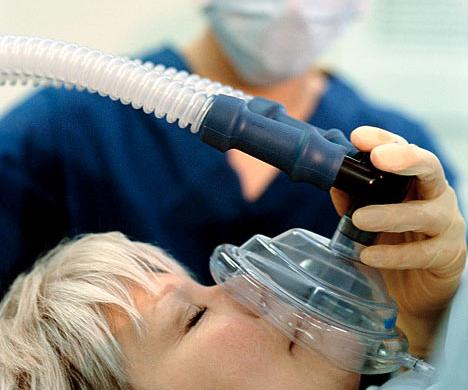
Nitrous oxide, or laughing gas, has shown early promise as a potential treatment for severe depression in patients whose symptoms don’t respond to standard therapies. In other words, it might actually live up to it’s name and as they say laughter is the best medicine. The pilot study is believed to be the first research in which patients with depression were given laughing gas.

Read the rest of this page »

Scientists find a hormone that makes you fatter

obesity

Our waistlines are expanding, it’s no secret that around the world despite rampant hunger people are also getting fatter. While there are many things that are contributing to this — our increased food security, the cost of food, fast food, the increasing sugar supplied in food, etc — there are other theories as to why we are getting so heavy. Scientists have pointed towards bacteria, gut microbiota, and many other causes for our increased weight, now add to that list a common hormone that we all produce.

Read the rest of this page »

Study suggests lefties actually earn less

left handed

Much has been thrown at left-handed people—they are quick to anger, quickly scared and, with the exception of heads of state, are more or less life’s losers. There was even a time where left handedness was “beaten out” of children in school. Conversely, there have been much bestowed upon left-handed people—they are creative and score highly on certain tests. Obviously, scientists need to rely on more than popular notions to make connections, if any, between left-handed people and success.

Read the rest of this page »

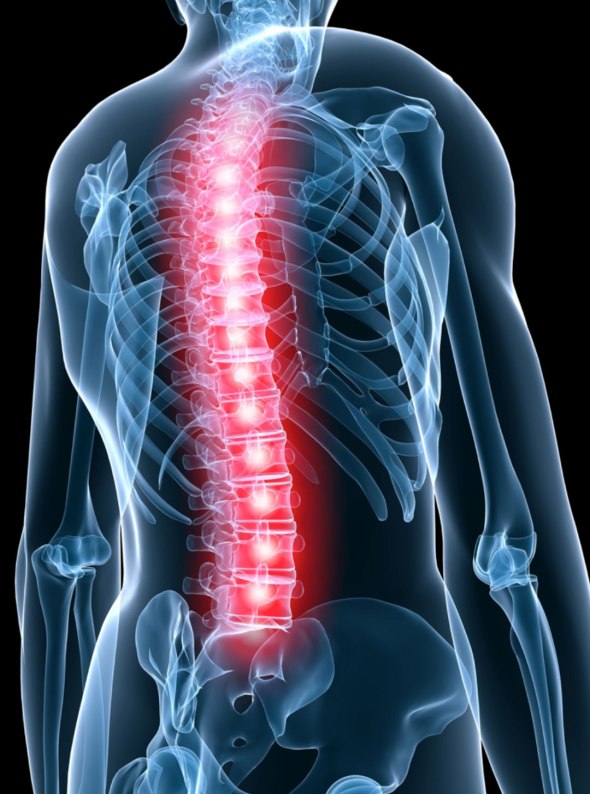
Mapping the spinal circuitry to fight phantom pain

spine pain

Pain typically has a clear cause–but not always. When a person touches something hot or bumps into a sharp object, it’s no surprise that it hurts. But for people with certain chronic pain disorders, including fibromyalgia and phantom limb pain, even a gentle caress can result in agony and for some — like my sister — the pain can be almost never ending.

Read the rest of this page »

Move over solar pannels, introducing spray-on solar cells

spray paint solar cell

Solar panels, they are big, heavy, cannot flex, and are still very inefficient. While efficiency isn’t the big issue, flexibility has relegated solar panels to rooftops and solar farms. Well that is until now, researchers have just invented a new way to spray solar cells onto flexible surfaces using miniscule light-sensitive materials known as colloidal quantum dots (CQDs)—a major step toward making spray-on solar cells easy and cheap to manufacture.

Read the rest of this page »

Finding the real cost of climate change


climate change

How much does global warming really cost the world? Determining the Social Cost of Carbon helps put a actual dollar value on the climate damages per ton of CO2 released, and is used by — among others — policymakers to help determine the costs and benefits of climate policies. Remember, even on a global scale, the bottom line will always be profit. But now a group of economists and lawyers urge several improvements to the government’s Social Cost of Carbon figure that would impose a regular, transparent and peer-reviewed process to ensure the figure is reliable and well-supported by the latest facts.

Read the rest of this page »

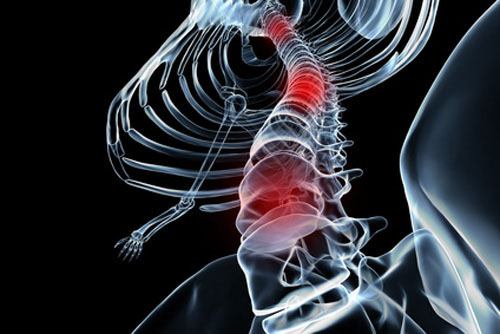
New peptide might treat spinal cord injury

nerve regeneration

In nature there are plenty of animals that can regenerate nerves, even some mammals have the ability to regenerate them, but unfortunately we do not. However, there is some great news on the horizon, scientists have developed a new chemical compound that shows extraordinary promise in restoring function lost to spinal cord injury. The compound, which the researchers dubbed intracellular sigma peptide (ISP), allowed paralyzed muscles to activate in more than 80 percent of the animals tested.

Read the rest of this page »

Synthetic biology breakthrough: The world’s first artificial enzymes

synthetic biology

Like mad scientists working away in some secret location we have created life… well sort of. It may sound like something out of a Sci fi movie, but scientists have created the world’s first enzymes made from artificial genetic material. Their synthetic enzymes (which are made from molecules that do not occur anywhere in nature) are capable of triggering chemical reactions in the lab and are the building blocks for life.

Read the rest of this page »