
A new wrinkle: Geometry of brain’s outer surface correlates with genetic heritage
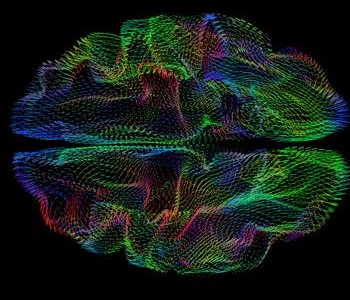
In the study, the researchers found that the shape of the cerebral cortex correlates with genetic ancestry. Image credit goes to: UC San Diego
Researchers at the University of California, San Diego and the School of Medicine have found that the three-dimensional shape of the cerebral cortex – the wrinkled outer layer of the brain controlling many functions of thinking and sensation – strongly correlates with ancestral background. The study opens the door to more precise studies of brain anatomy going forward and could eventually lead to more personalized medicine approaches for diagnosing and treating brain diseases.
Study finds violent video games provide quick stress relief, but at a price

A study authored by two University of Wisconsin-Madison graduate students indicates that while playing video games can improve mood, violent games may increase aggressive outcomes. The researchers looked at how video games may be used to manage emotions — specifically, whether playing the games can improve mood.
Study shows long-term effects of type 2 diabetes on the brain, thinking

In just two years, people with type 2 diabetes experienced negative changes in their ability to regulate blood flow in the brain, which was associated with lower scores on tests of cognition skills and their ability to perform their daily activities, according to a new study.
Restraint and confinement still an everyday practice in mental health settings
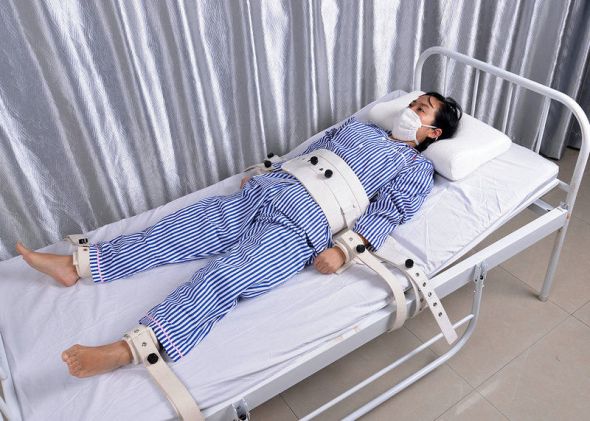
Providers of mental-health services still rely on intervention techniques such as physical restraint and confinement to control some psychiatric hospital patients, a practice which can cause harm to both patients and care facilities, according to a new study from the University of Waterloo. The study found that almost one in four psychiatric patients in Ontario hospitals are restrained using control interventions, such as chairs that prevent rising, wrist restraints, seclusion rooms or acute control medications.
REM sleep critical for young brain development; medication interferes

Rapid eye movement or REM sleep actively converts waking experiences into lasting memories and abilities in young brains reports a new study. The finding broadens the understanding of children’s sleep needs and calls into question the increasing use of REM-disrupting medications such as stimulants and antidepressants.
Omega-3 supplements and antioxidants may help with preclinical Alzheimer’s disease
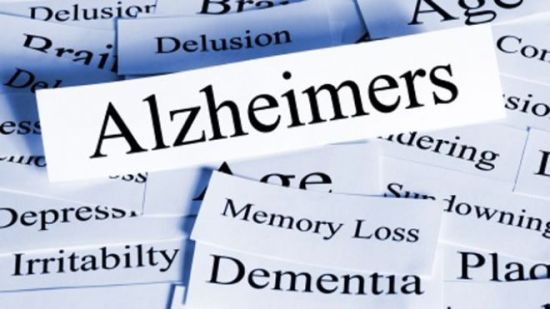
Here’s more evidence that fish oil supplementation and antioxidants might be beneficial for at least some people facing Alzheimer’s disease. A new report describes the findings of a very small study in which people with mild clinical impairment, such as those in the very early stages of the disease, saw clearance of the hallmark amyloid-beta protein and reduced inflammation in neurological tissues. Although the findings involved just 12 patients over the course of 4 to 17 months, the findings suggest further clinical study of this relatively inexpensive and plentiful supplement should be conducted.
The fear you experience playing video games is real, and you enjoy it

With the advent of video games, a frequently asked question has been whether we get as engrossed in them emotionally as we do when we see a scary movie. The answer is yes and many game players enjoy the fear caused by the zombies, disfigured humans and darkness they often encounter, the researchers found.
Brain scan can predict who responds best to certain treatment for OCD
Tens of millions of Americans — an estimated 1 to 2 percent of the population — will suffer at some point in their lifetimes from obsessive-compulsive disorder, a disorder characterized by recurrent, intrusive, and disturbing thoughts (obsessions), and/or stereotyped recurrent behaviors (compulsions). Left untreated, OCD can be profoundly distressing to the patient and can adversely affect their ability to succeed in school, hold a job or function in society.
Natural wilderness areas need buffer zones to protect from human development

Despite heavy development, the U.S. still has millions of acres of pristine wild lands. Coveted for their beauty, these wilderness areas draw innumerable outdoor enthusiasts eager for a taste of primitive nature. But University of Georgia researchers say these federally protected nature areas have a problem: Their boundaries have become prime real estate.
Study finds pet owners reluctant to face up to their cats’ kill count
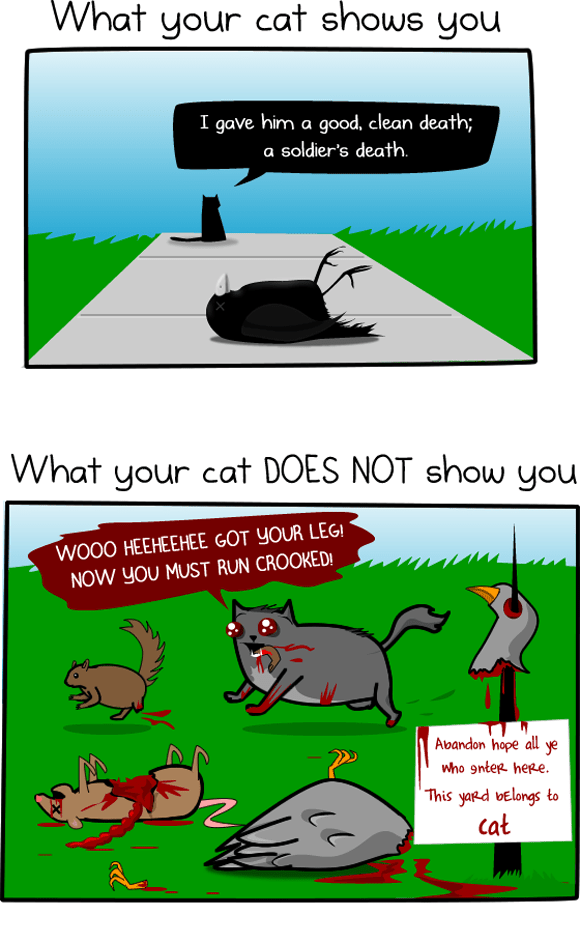
More awesomeness like this can be found at theoatmeal.com
Cats are increasingly earning themselves a reputation as wildlife killers with estimates of animals killed every year by domestic cats in the UK numbering into the millions. This new study on the attitudes of cat owners suggests that proposals to keep cats indoors in order to preserve wildlife would not be well received.
Commenters exposed to prejudiced comments more likely to display prejudice themselves

Comment sections on websites continue to be an environment for trolls to spew racist opinions. The impact of these hateful words shouldn’t have an impact on how one views the news or others, but that may not be the case. A recent study found exposure to prejudiced online comments can increase people’s own prejudice, and increase the likelihood that they leave prejudiced comments themselves.
Consciousness has less control than believed, according to new theory
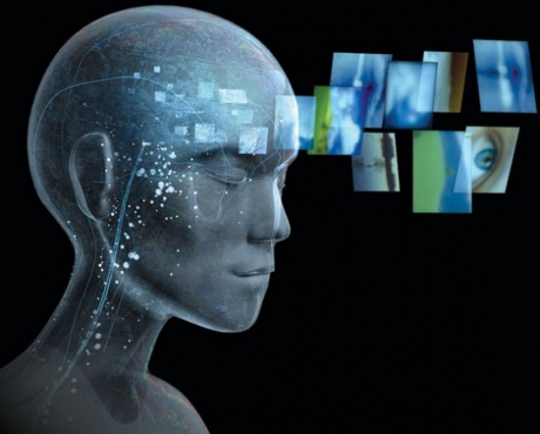
Consciousness — the internal dialogue that seems to govern one’s thoughts and actions — is far less powerful than people believe, serving as a passive conduit rather than an active force that exerts control, according to a new theory proposed by an SF State researcher.
Justice system chips away at women’s rights
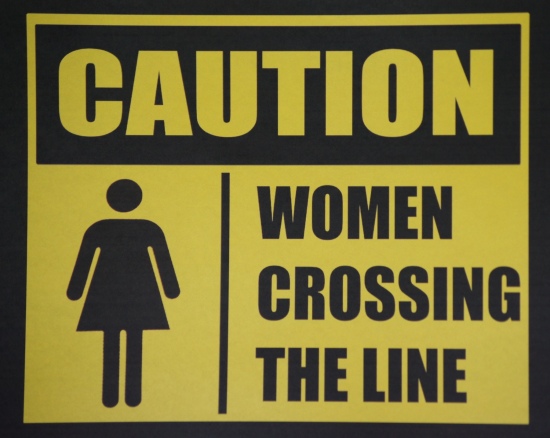
Arrests of women increased dramatically in the past two decades, while domestic abuse laws meant to protect female victims have put many behind bars for defending themselves, a new paper argues. These trends suggest evidence, at least in the justice system, of a “war on women” — a term coined during the 2012 election that refers to attempts to limit women’s rights.
Manning up: men may overcompensate when their masculinity is threatened

From the old Charles Atlas ads showing a scrawny male having sand kicked in his face to sitcom clichés of henpecked husbands, men have long faced pressure to live up to ideals of masculinity. Societal norms dictating that men should be masculine are powerful. And new research finds that men who believe they fall short of those ideals might be prompted to reassert their masculinity in small but significant ways.
Liar, Liar: Children with good memories are better liars

Children who benefit from a good memory are much better at covering up lies, researchers from the University of Sheffield have discovered. Experts found a link between verbal memory and covering up lies following a study which investigated the role of working memory in verbal deception amongst children.
Musicians don’t just hear in tune, they also see in tune

Musicians don’t just hear in tune, they also see in tune. That is the conclusion of the latest scientific experiment designed to puzzle out how the brain creates an apparently seamless view of the external world based on the information it receives from the eyes.
How ‘science popularizers’ influence public opinion on religion

Two prominent scientists with drastically different views on the relationship of science and religion – Richard Dawkins and Francis Collins – have an equally different influence on these views among people who are unfamiliar with their work, according to new research from Rice University and West Virginia University.
Not-so-guilty pleasure: Viewing cat videos boosts energy and positive emotions

If you get a warm, fuzzy feeling after watching cute cat videos online, the effect may be more profound than you think. The Internet phenomenon of watching cat videos, from Lil Bub to Grumpy Cat, does more than simply entertain; it boosts viewers’ energy and positive emotions and decreases negative feelings, according to a new study by an Indiana University Media School researcher.
Largest-ever study of parental age and autism finds increased risk with teen moms
The largest-ever multinational study of parental age and autism risk, funded by Autism Speaks, found increased autism rates among the children of teen moms and among children whose parents have relatively large gaps between their ages. The study also confirmed that older parents are at higher risk of having children with autism. The analysis included more than 5.7 million children in five countries.
Why good people do bad things

Honest behavior is much like sticking to a diet. When facing an ethical dilemma, being aware of the temptation before it happens and thinking about the long-term consequences of misbehaving could help more people do the right thing, according to a new study. This is the first study to test how the two separate factors of identifying an ethical conflict and preemptively exercising self-control interact in shaping ethical decision-making.
DNA breakage underlies both learning, age-related damage
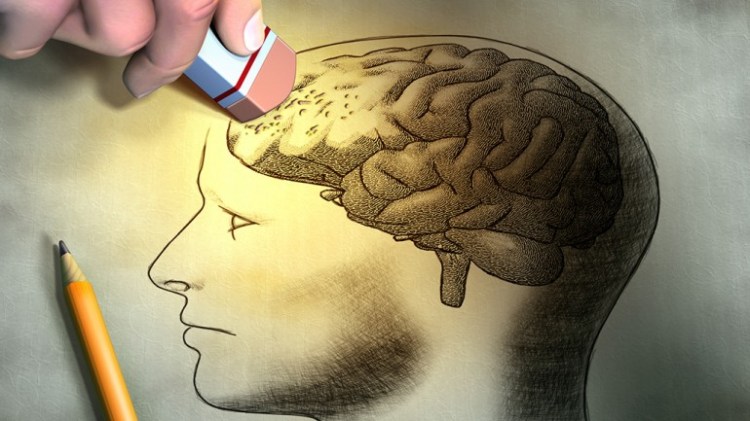
The process that allows our brains to learn and generate new memories also leads to degeneration as we age, according to a new study. The finding could ultimately help researchers develop new approaches to preventing cognitive decline in disorders such as Alzheimer’s disease. Each time we learn something new, our brain cells break their DNA, creating damage that the neurons must immediately repair.
What musical taste tells us about social class

Photo credit goes to: Hiroyuki Ito/Getty Images
Love the opera? Hungry for hip hop? It turns out that your musical likes and dislikes may say more about you than you think, according to UBC research. Even in 2015, social class continues to inform our cultural attitudes and the way we listen to music, according to the study.
How racial stereotypes impact the way we communicate

Racial stereotypes and expectations can impact the way we communicate and understand others, according to new research. The new study highlights how non-verbal “social cues” – such as photographs of Chinese Canadians – can affect how we comprehend speech.
The new normal? Addressing gun violence in America

Mass shootings have a significant impact on our individual and collective psyche, especially when they happen at schools. Despite the fact that children die every day from gun violence, school shootings upset us in ways that are difficult to comprehend. In our minds, schools serve as safe havens for children. When that image is shattered, the unpredictability and randomness of such heinous acts leave us wondering if anywhere is safe anymore. Thus, the shock and horror expressed following these events is not surprising.
This is your brain, on video games
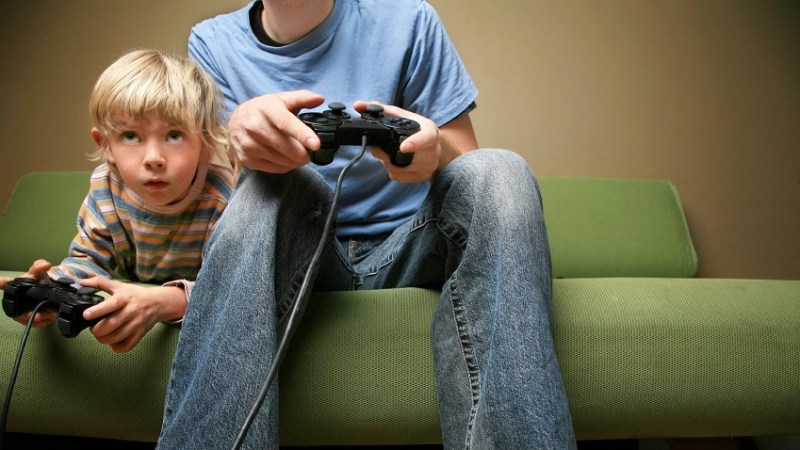
A new study shows that while video game players (VGPs) exhibit more efficient visual attention abilities, they are also much more likely to use navigation strategies that rely on the brain’s reward system (the caudate nucleus) and not the brain’s spatial memory system (the hippocampus). Past research has shown that people who use caudate nucleus-dependent navigation strategies have decreased grey matter and lower functional brain activity in the hippocampus.
Omega-3 as an intervention for childhood behavioral problems

We don’t usually think of a child’s behavior as a diet issue, but if new findings hold true, then that might be the very case. In a new study, researchers suggest that omega-3, a fatty acid commonly found in fish oil, may have long-term neurodevelopmental effects that ultimately reduce antisocial and aggressive behavior problems in children.
Air pollution is causing your baby problems, but breastfeeding can help

Aitana Lertxundi has conducted her research work within the framework of the INma (Childhood and Environment) programme led by Jesús Ibarluzea of the Department of Health of the Government of the Basque Autonomous Community (region). The aim is to assess how exposure to environmental pollution during pregnancy affects health and also to examine the role of diet in physical and neurobehavioural development in infancy. The study focusses on the repercussions on motor and mental development during the first years of life caused by exposure to the PM2.5 and NO2 atmospheric pollutants.
Girls suck at science, and other depressing stereotypes

Image credit goes to: xkcd.com
The Netherlands had the strongest stereotypes associating science with men more than women, according to a new Northwestern University study that included data from nearly 350,000 people in 66 nations. These stereotypes are prevalent across the world — even in nations such as Argentina and Bulgaria where women are roughly half of science majors in colleges and universities and employed researchers, according to the study, the largest ever of its kind.
The relationship between CEO greed and company performance

That gut feeling many workers, laborers and other underlings have about their CEOs is spot on, according to three recent studies which all suggest that CEO greed is bad for business.But how do you define greed? Are compassionate CEOs better for business? How do you know if the leader is doing more harm than good? And can anybody rein in the I-Me-Mine type leader anyway?
Rethinking the rebound: The unexpected effects of rejection
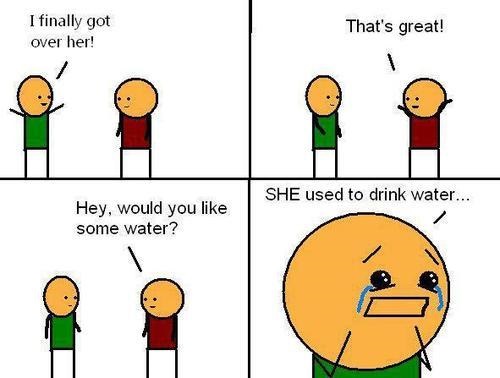
Image credit goes to: Cyanide and happiness … I think?
It’s portrayed in movies again and again – a character gets rejected by someone attractive and then falls willingly into the arms of someone perhaps less attractive. According to a new study, it’s not so simple: Rejection by an attractive man actually led women to socially distance themselves from an unattractive man, even when he offered acceptance.
Research shows more sex does not mean more happiness

Countless research and self-help books claim that having more sex will lead to increased happiness, based on the common finding that those having more sex are also happier. However, there are many reasons why one might observe this positive relationship between sex and happiness. Being happy in the first place, for example, might lead someone to have more sex (what researchers call ‘reverse causality’), or being healthy might result in being both happier and having more sex.
What would Optimus Prime do? A business leadership model

According to new research, there is more than meets the eye when it comes to the impact of Saturday morning cartoons. The researchers examine how fantasy-based stories, in particular the popular 1980s cartoon series The Transformers, can shape children’s perceptions of what behaviors are associated with effective leadership. It also could provide a basis for workplace-training programs.
Procrastinate much? Science offers a way to stop
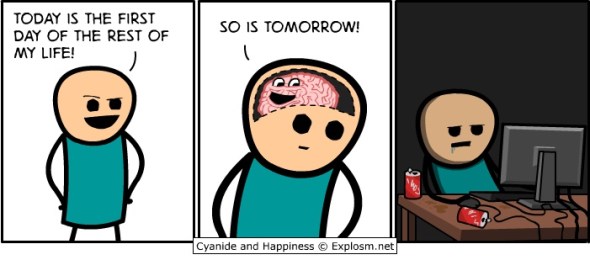
See more comics at explosm.net
Procrastination is the thief of time that derails New Year’s resolutions and delays saving for college or retirement, but researchers have found a way to collar it.
The trick? Think of the future as now.
Psychologists share the three secrets to healthier eating
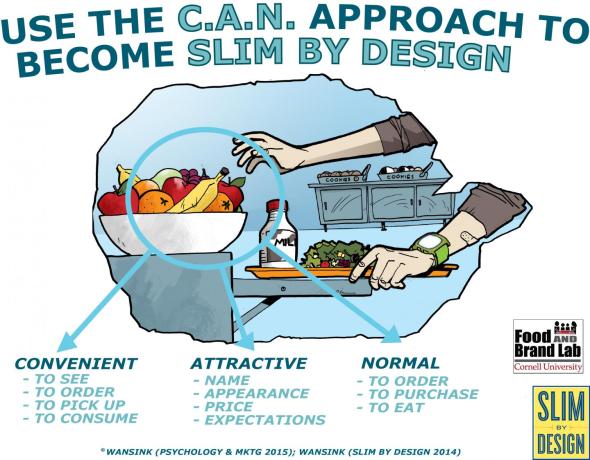
You don’t need a crazy diet to lose weight. In fact, your typical fad diet won’t help you keep weight off long term and could be harming your health. If you want to know the secrets of healthier eating, think of the kitchen fruit bowl. A fruit bowl makes fruit more convenient, attractive, and normal to eat than if the same fruit were in the bottom of the refrigerator.
Fatal attraction: the intuitive appeal of GMO opposition

A team of Belgian philosophers and plant biotechnologists have turned to cognitive science to explain why opposition to genetically modified organisms (GMOs) has become so widespread, despite positive contributions GM crops have made to sustainable agriculture. They argue that the human mind is highly susceptible to the negative and often emotional representations put out by certain environmental groups and other opponents of GMOs. The researchers urge the general public to form opinions on GMOs on a case-by-case basis, thereby not focusing on the technology but on the resulting product.
Mental disorders do not predict violence, so please stop

When Sandy Hook happened, it was so shocking that to this day, some don’t actually believe it happened. Shortly after, something frustrating happened, the shooter was labeled with aspergers. This helped drive the mental health and violence connection to the point that Time came out with an article dispelling that myth. Even now according to new longitudinal study of delinquent youth, most psychiatric disorders – including depression — do not predict future violent behavior. The only exception is substance abuse and dependence.
Gender differences in moral judgements linked to emotion
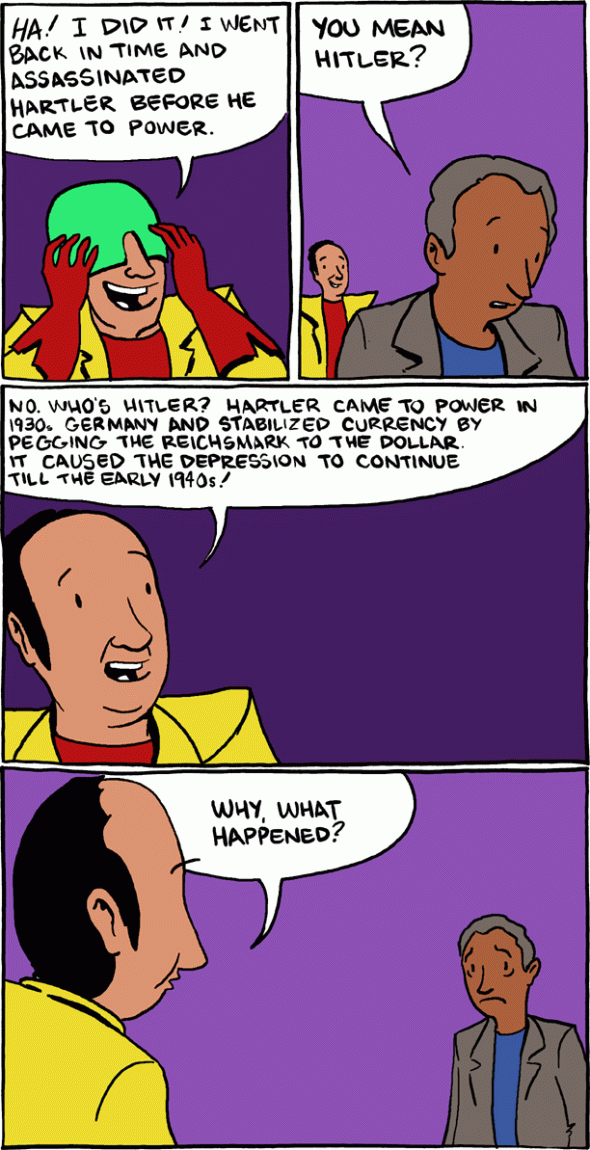
You can see more funny stuff like this over at SMBC
If a time machine was available, would it be right to kill Adolf Hitler when he was still a young Austrian artist to prevent World War II and save millions of lives? Should a police officer torture an alleged bomber to find hidden explosives that could kill many people at a local cafe? When faced with such dilemmas, men are typically more willing to accept harmful actions for the sake of the greater good than women. For example, women would be less likely to support the killing of a young Hitler or torturing a bombing suspect, even if doing so would ultimately save more lives.
Depressed parents cause anxiety and bad behavior in toddlers

Credit for this all too true look at parenting goes to the one and only The Oatmeal, you can find more minor differences here.
Being a new parent can be stressful, new mothers can suffer from postpartum depression and even new fathers can find the changes stressful enough to cause depression. Unfortunately– and if that wasn’t bad enough– a new study shows that a father’s depression during the first years of parenting – as well as a mother’s – can put their toddler at risk of developing troubling behaviors such as hitting, lying, anxiety and sadness during a critical time of development.


 Lunatic Laboratories