
A single mutation helped last year’s flu virus gain an advantage over the vaccine
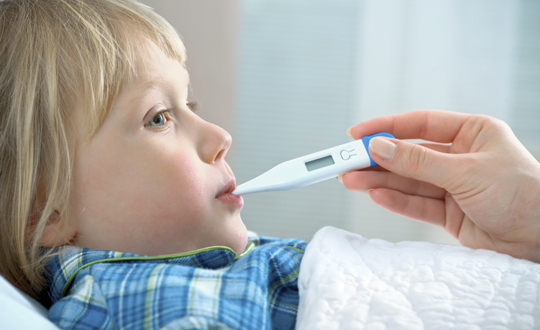
The 2014-2015 flu vaccine didn’t work as well compared to previous years because the H3N2 virus recently acquired a mutation that concealed the infection from the immune system. A new study reveals the major viral mutation responsible for the mismatch between the vaccine strain and circulating strains. The research will help guide the selection of viral strains for future seasonal flu vaccines.
Researchers find mechanisms that initiate labor
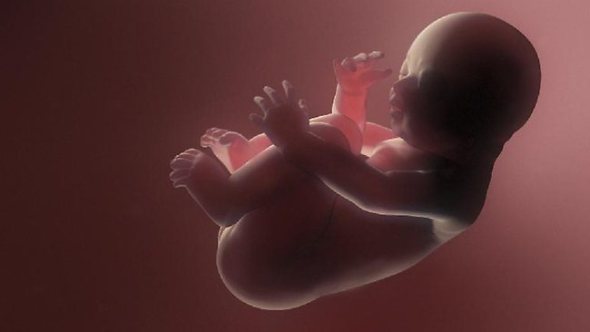
Researchers at UT Southwestern Medical Center have identified two proteins in a fetus’ lungs responsible for initiating the labor process, providing potential new targets for preventing preterm birth. Previous studies have suggested that signals from the fetus initiate the birth process, but the precise molecular mechanisms that lead to labor remained unclear.
Autism: The value of an integrated approach to diagnosis
Researchers at Inserm (Inserm Unit 930 “Imaging and Brain”) attached to François-Rabelais University and Tours Regional University Hospital have combined three clinical, neurophysiological and genetic approaches in order to better understand the brain mechanisms that cause autism. When tested on two families, this strategy enabled the researchers to identify specific gene combinations in autistic patients that distinguished them from patients with intellectual disabilities.
Autoimmunity: New immunoregulation and biomarker
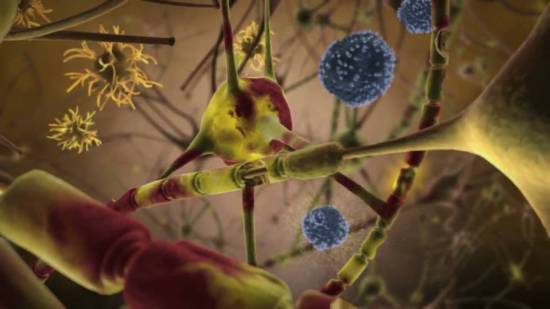
Clinicians at Ludwig-Maximilians-Universitaet (LMU) in Munich have elucidated a mechanism involved in determining the lifespan of antibody-producing cells, and identified a promising new biomarker for monitoring autoimmune diseases like multiple sclerosis and lupus erythematosus.
Largest-ever study of parental age and autism finds increased risk with teen moms
The largest-ever multinational study of parental age and autism risk, funded by Autism Speaks, found increased autism rates among the children of teen moms and among children whose parents have relatively large gaps between their ages. The study also confirmed that older parents are at higher risk of having children with autism. The analysis included more than 5.7 million children in five countries.
A patient’s budding cortex — in a dish?

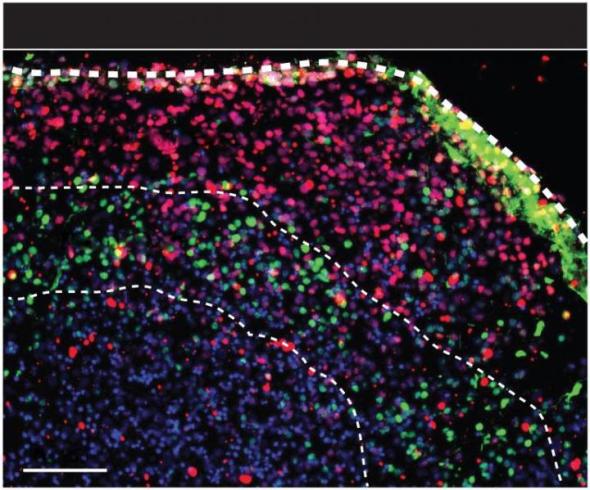
Neurons and supporting cells in the spheroids form layers and organize themselves according to the architecture of the developing human brain and network with each other.
Image credit goes to: Sergiu Pasca, M.D., Stanford University
A patient tormented by suicidal thoughts gives his psychiatrist a few strands of his hair. She derives stem cells from them to grow budding brain tissue harboring the secrets of his unique illness in a petri dish. She uses the information to genetically engineer a personalized treatment to correct his brain circuit functioning. Just Sci-fi? Yes, but…
Expanding the code of life with new ‘letters’
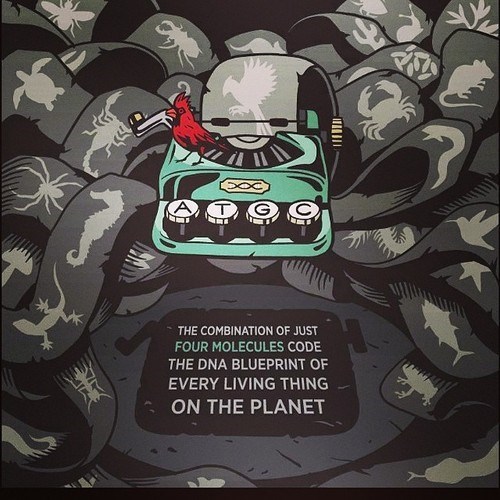
Not anymore…
The DNA encoding all life on Earth is made of four building blocks called nucleotides, commonly known as “letters,” that line up in pairs and twist into a double helix. Now, two groups of scientists are reporting for the first time that two new nucleotides can do the same thing — raising the possibility that entirely new proteins could be created for medical uses.
Researchers find essential fats for brain growth
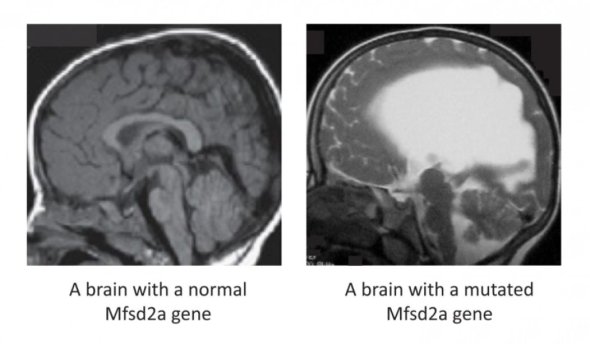
The difference between a brain with a normal Mfsd2a gene and a brain with a mutated Mfsd2a gene.
Image credit goes to: Guemez-Gamboa et al./ Nature Genetics
New research has proved that certain special fats found in blood are essential for human brain growth and function. The two studies showed that mutations in the protein Mfsd2a causes impaired brain development in humans. Mfsd2a is the transporter in the brain for a special type of fat called lysophosphatidylcholines (LPCs) — composed of essential fatty acids like omega-3. These studies show, for the first time, the crucial role of these fats in human brain growth and function.
Can drinking alcohol harm the child before the mother knows she is pregnant?

Photo credit goes to: Cute moments photography
These days pregnant “moms to be” have lots of things to worry about, from second hand smoke to the chemicals in their make-up. Well they can unfortunately add one more thing to that list, a new study finds that alcohol drunk by a mouse in early pregnancy changes the way genes function in the brains of the offspring. The early exposure was also later apparent in the brain structure of the adult offspring. The timing of the exposure corresponds to the human gestational weeks 3-6 in terms of fetal development.
Fatal attraction: the intuitive appeal of GMO opposition

A team of Belgian philosophers and plant biotechnologists have turned to cognitive science to explain why opposition to genetically modified organisms (GMOs) has become so widespread, despite positive contributions GM crops have made to sustainable agriculture. They argue that the human mind is highly susceptible to the negative and often emotional representations put out by certain environmental groups and other opponents of GMOs. The researchers urge the general public to form opinions on GMOs on a case-by-case basis, thereby not focusing on the technology but on the resulting product.
Scientists create worlds first genetically modified human embryos

A funny thing happened on the way to the publisher. In a world first, China has successfully created genetically modified human embryos. It was certainly an amazing piece of science, but the paper was rejected by both Nature and Science. Not because the study was flawed, or because the data was falsified, the paper was rejected for ethical reasons.
Researchers find genetic link between overactive and underactive immune systems
In the largest genetic study to date of a challenging immunodeficiency disorder, scientists have identified a gene that may be a “missing link” between overactive and underactive immune activity. The gene candidate also plays a key role in autoimmune diseases such as type 1 diabetes, rheumatoid arthritis and even allergies.
Type 1 diabetes: On the way to an insulin vaccine
Pseudoscience claims about vaccines are seemingly hitting a fever pitch. Despite that, a new vaccine may be on the horizon for children at risk for diabetes, and that is a good thing. Researchers have found that children at risk for type 1 diabetes, who were given daily doses of oral insulin, developed a protective immune response to the disease that could lay the groundwork for a vaccine against the chronic illness.
Could maple syrup help cut use of antibiotics?

Another reason to have those waffles… well maybe. Researchers have found that a concentrated extract of maple syrup makes disease-causing bacteria more susceptible to antibiotics. In an ever increasing antibiotic resistant world, this news is almost as sweet as the syrup (okay no more bad puns). The findings suggest that combining maple syrup extract with common antibiotics could increase the microbes’ susceptibility, leading to lower antibiotic usage.
The placebome: Where genetics and the placebo effect meet
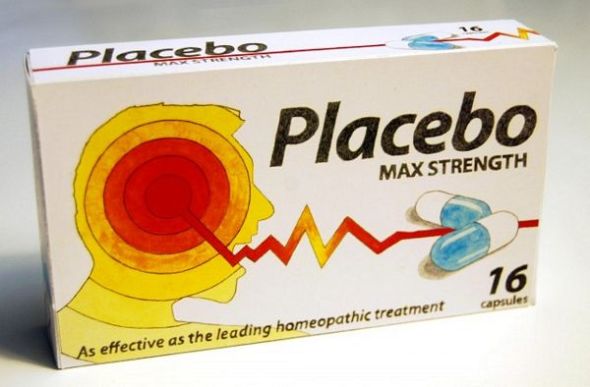
Placebos have helped to ease symptoms of illness for centuries and have been a fundamental component of clinical research to test new drug therapies for more than 70 years. But why some people respond to placebos and others do not remains under debate.
With the advent of genomics, researchers are learning that placebo responses are modified by a person’s genetics, a discovery that raises important new questions regarding the role of the placebo in patient care and in drug development: How many genetic biomarkers exist? Can the medical field harness the placebo response to enhance personalized medical treatment? What might be the impact of placebo-drug interactions? And what will this new information mean for randomized clinical trials, which depend on placebo controls to test the efficacy of new drug candidates? Should a “no-treatment” control be added to future trials?
Music played by professionals activates genes for learning and memory

Music performance is known to induce structural and functional changes to the human brain and enhance cognition. However, the molecular mechanisms underlying music performance have been so far unexplored. A Finnish research group has now investigated the effect of music performance (in a 2 hr concert) on the gene expression profiles of professional musicians from Tapiola Sinfonietta (a professional orchestra) and Sibelius-Academy (a music university).
Squid prolifically edit RNA to enrich their DNA
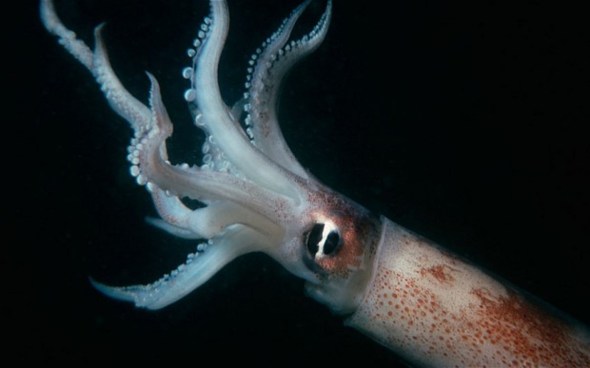
DNA, it’s what makes us, well us! Not that long ago, before we sequenced human DNA we assumed we had one of the largest genomes around. Frankly it wasn’t a bad assumption, but of course we found out this was far from the case and to make ourselves feel better we said size doesn’t matter. But one of the surprising discoveries to emerge from comparative genomics is that drastically different organisms–humans, sea urchins, worms, flies –are endowed with a more or less common set of genes. So given a similar DNA blueprint, how do species develop such vast differences in physical shape, size, and complexity?
How gene expression is kept in check and the implications for cancer
Cancers are alive in a sense, they are similar to a parasite and they fight to stay alive when we just want them gone. Cancers have access to complex ways of avoiding elimination and because we cannot easily do anything to treat it short of surgery or chemotherapy, we regularly lose to some of the more cunning types. Now researchers have learned how living beings can keep gene expression in check — this might partly explain the uncontrolled gene expression found in many forms of cancer.
Classical Music modulates genes responsible for brain functions

Although listening to music is common in all societies, the biological determinants of listening to music are largely unknown. According to a latest study, listening to classical music enhanced the activity of genes involved in dopamine secretion and transport, synaptic neurotransmission, learning and memory, and down-regulated the genes mediating neurodegeneration. Several of the up-regulated genes were known to be responsible for song learning and singing in songbirds, suggesting a common evolutionary background of sound perception across species.
New understanding of genetics behind the autism spectrum

Autism is a spectrum, because it isn’t a clear-cut diagnosis — and because the brain is so complex — it has been hard to figure out what causes autism. This uncertainty has led rise to the anti-vaccination movement along with other groups who are at best misinformed and at worst trying to make a quick dollar. However, a new study reveals an important connection between dozens of genes that may contribute to autism, a major step toward understanding how brain development goes awry in some individuals with the disorder.
New approach to herpes vaccine succeeds where others failed
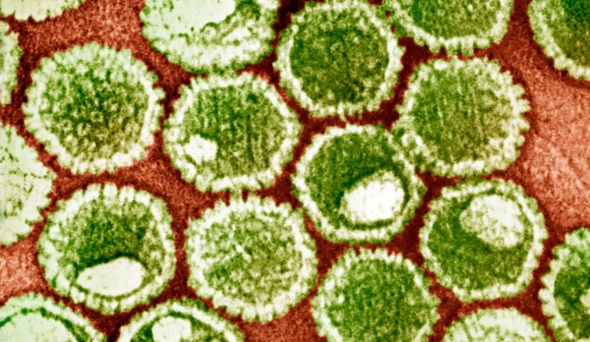
Herpes simplex virus infections are an enormous global health problem and there is currently no viable vaccine. For nearly three decades, immunologists’ efforts to develop a herpes vaccine have centered on exploiting a single protein found on the virus’s outer surface that is known to elicit robust production of antibodies. Breaking from this approach, Howard Hughes Medical Institute (HHMI) scientists at Albert Einstein College of Medicine have created a genetic mutant lacking that protein. The result is a powerfully effective vaccine against herpes viruses.
Team accidentally finds key to DNA vaccination and genetic engineering
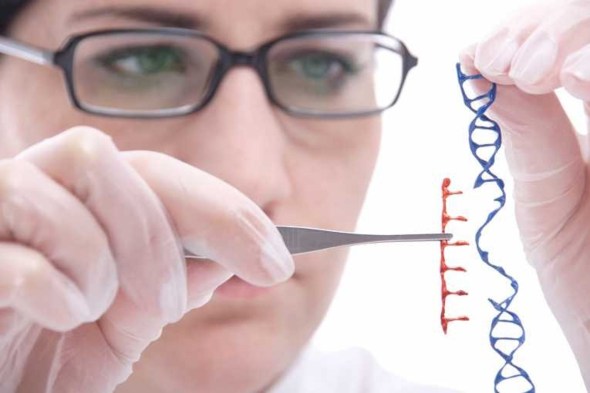
It might have been an accident, but for some lucky researchers accidents are a good thing. In this particular case, scientists have discovered a new way to manipulate how cells function, a finding that might help advance an experimental approach to improving public health: DNA vaccines, which could be more efficient, less expensive and easier to store than traditional vaccines.
A study of twins shows that autism is largely genetic
In the fight against misinformation about autism it seems science is starting to come out on top, finally. A new study hopes to add to the recent advancements made in the understanding of autism, which finds that a substantial genetic and moderate environmental influences were associated with risk of autism spectrum disorder (ASD) and broader autism traits in a study of twins.
Overriding muscles’ energy efficiency to burn more fat
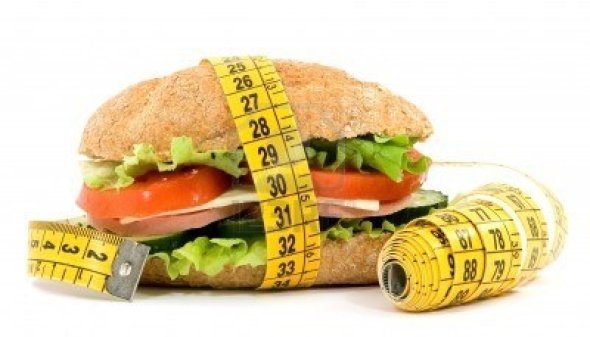
What started as an evolutionary protection against starvation has become a biological “bad joke” for people who need to lose weight. The human body doesn’t distinguish between dieting and possible starvation, so when there is a decrease in calories consumed, human metabolism increases its energy efficiency and weight loss is resisted.
Anorexia, it’s in your genes

No one likes to talk about eating disorders — specifically anorexia nervosa — despite the increased prevalence in both men and women. Like depression people tend to think that you can “just get over it” or some other nonsense. However new research is shedding light on the truth behind anorexia, much like with depression, there is a biological component involved. Simply put, it gets written into your genes.
Alternatives to antibiotics in an antibiotic resistant world
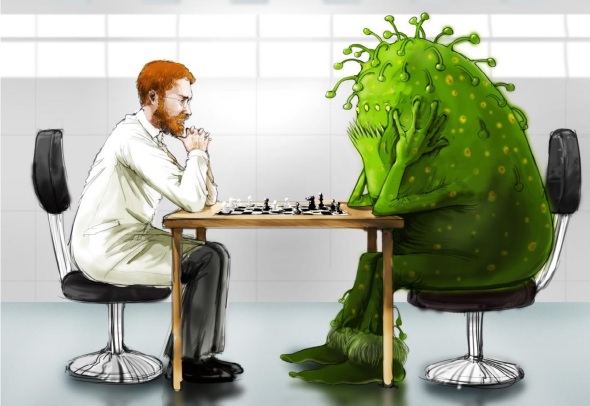
Let’s be honest, we’ve been getting a little fancy with the antibiotics, creating new and more relevant versions of old favorites like penicillin. Truthfully, we are the problem, how many times do we have to drive home the idea that antibiotics are for bacteria, not viruses. It is not all the consumers fault, the Doctors used to hand out antibiotics to placate angry parents of sick children.
You can live longer, but not healthier
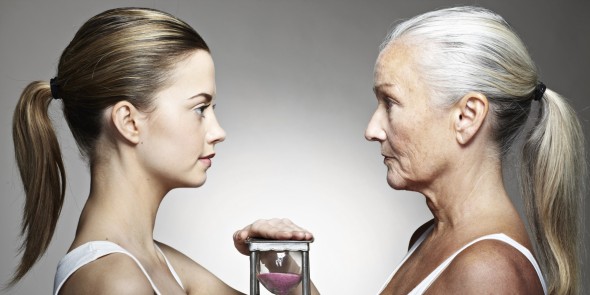
We all want to live longer and thanks to medical technologies our life expectancies have dramatically increased. Which would be handy if we could actually enjoy the extra years. Unfortunately a study of long-lived mutant C. elegans by scientists shows that the genetically altered worms spend a greater portion of their life in a frail state and exhibit less activity as they age than typical nematodes. These findings suggest that genes that increase longevity may not significantly increase healthy lifespan and point to the need to measure health as part of aging studies going forward.
New genetic clues in fragile x syndrome

Scientists have gained new insight into fragile X syndrome — the most common cause of inherited intellectual disability — by studying the case of a person without the disorder, but with two of its classic symptoms.
Genetic brain disorders start at the synapse
As we’ve seen from research featured here at the lab, there are many genetic disorders that cause intellectual disability and autism. Historically, these were viewed as untreatable. However, in recent years we have shown via animal models that it is possible to reverse the effects of these gene mutations. But the question remained whether different gene mutations disrupt common physiological processes. If this were the case, a treatment developed for one genetic cause of autism and intellectual disability might be useful for many others.
Not everyone sees health decline from obesity, but why is that?

The news isn’t shy in reporting the effects of being obese, high blood pressure, and diabetes (just to name a few). However, new research demonstrates that obesity does not always go hand in hand with metabolic changes in the body that can lead to diabetes, heart disease and stroke. Determining how and why may help reduce or eliminate the health risks in other people dealing with obesity.
New cancer treatment targets telomeres

Cancer, right now we don’t have much to fight it besides the standard surgery or chemo, neither of which is a great option. Well now scientists have targeted telomeres with a small molecule called 6-thiodG that takes advantage of the cell’s ‘biological clock’ to kill cancer cells and shrink tumor growth. Ideally this new technique will help eliminate the need for nasty drugs like those used in chemotherapy.
Autism presentation and genetic variance

People with autism have a wide range of symptoms, with no two people sharing the exact type and severity of behaviors. This has made finding a cause (or causes) difficult, leaving pseudoscientists to claim vaccines are the cause as if it were that simple (hint: vaccines do not cause autism). Now a large-scale analysis of hundreds of patients and nearly 1000 genes has started to uncover how diversity among traits can be traced to differences in patients’ genetic mutations.
Gene fragments linked to brain development and autism
While the anti-vaccine movement enjoys the simple (and very wrong) answer to the cause of autism, there are people who want the actual truth. This drive had lead to a slew of causes (and risk factors) for autism in recent times. Now scientists have found that very small segments of genes called “microexons” influence how proteins interact with each other in the nervous system. In turn, this opens up a new line of research into the cause of autism.
Epigenetic changes and autism
Despite what you may think, the supposed “explosion” of children diagnosed with autism can directly attributed to better diagnosing techniques and — more importantly — the change of definition to make Autism spectrum disorders more broad. Thankfully more causes of autism have been found, none of them remotely related to vaccines and now scientists have found that chemical modifications to DNA’s packaging—known as epigenetic changes—can activate or repress genes involved in autism spectrum disorders (ASDs) and early brain development.
Synthetic biology breakthrough: The world’s first artificial enzymes
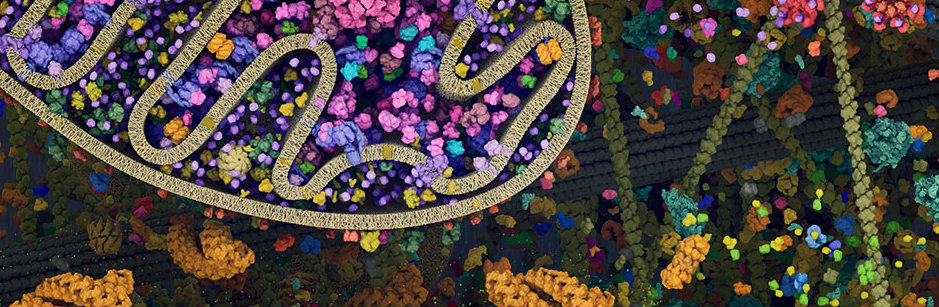
Like mad scientists working away in some secret location we have created life… well sort of. It may sound like something out of a Sci fi movie, but scientists have created the world’s first enzymes made from artificial genetic material. Their synthetic enzymes (which are made from molecules that do not occur anywhere in nature) are capable of triggering chemical reactions in the lab and are the building blocks for life.
New discovery sheds light on the forming brain
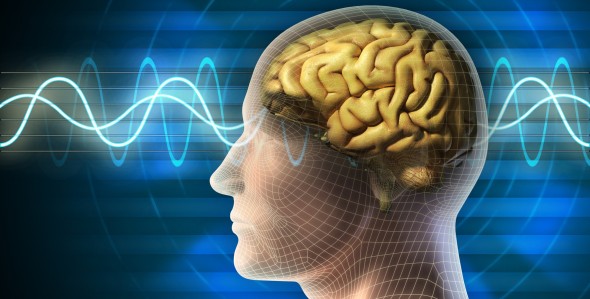
The cerebral cortex, which controls higher processes such as perception, thought and cognition, is the most complex structure in the mammalian central nervous system. Although much is known about the intricate structure of this brain region, the processes governing its formation remain uncertain. Research has now uncovered how feedback between cells, as well as molecular factors, helps shape cortical development during mouse embryogenesis.
Fragile X and a new autism treatment
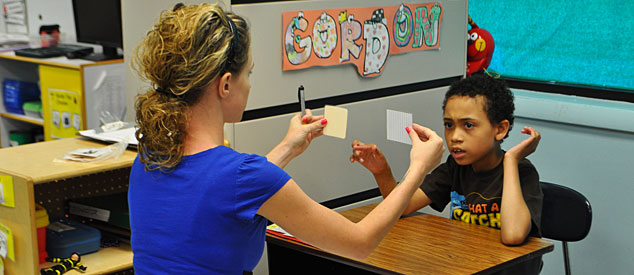
There are many roads to autism, none of them involve vaccination. I get tired of saying that, but it’s simple science, vaccines do not cause autism. Thankfully science knows this and is looking at not only what actually causes autism (Since again there are many different ways to develop on the spectrum). Well they may have found a new treatment for people affected by a common inherited form of autism by using a drug that is being tested as a treatment for cancer.
Love, it’s in your genes

Most kids worry about passing tests, winning games, lost phones, fractured bones—and whether or not they will ever really fall in love. While the first few things are of relatively low value in the scientific pursuit, three Chinese researchers have focused on that last question. All in a bid to find out some of the more interesting questions about our genes: Why do some students stay single? What factors determine if a young adult falls in love?
Designing a better flu vaccine

We all hate getting sick and the seasonal flu vaccine can help prevent a time of serious illness. Unfortunately the vaccine is usually an educated guess as to which strains of the flu are going to be most prevalent that year. Well now an international team of researchers has shown that it may be possible to improve the effectiveness of the seasonal flu vaccine by ‘pre-empting’ the evolution of the influenza virus.
How gut microbiota changes the blood-brain barrier
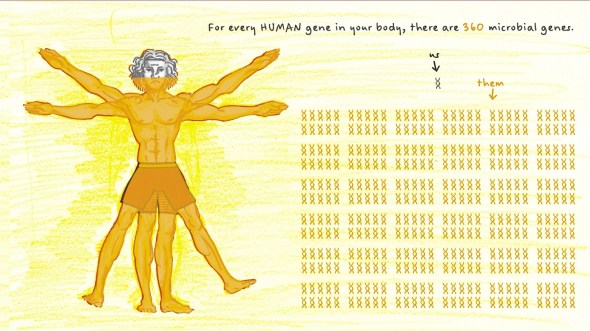
Photo credit goes to: NPR
Don’t be alarmed, but we are outnumbered. When figuring out what makes us, “us” we need to remember that there are far more bacteria genes in us than human genes, by recent counts it’s something like 360 to 1. We also know that your stomach can change your cravings, but now we know that your stomach affects more than just your thoughts. Your stomach can control what can get to your brain.
Telomeres, Epigenetics, and Aging: the new found complexities in your genes
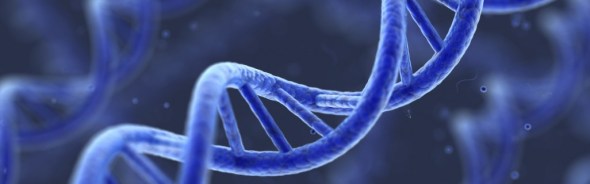
Telomere length is associated with aging, this isn’t a new statement, but interestingly enough there is more to this story than just the size of your telomeres. Telomere lengths have now been shown to cause epigenetic changes, this new discovery may help explain the aging of cells and how they initiate and transmit disease.
Chlamydia and Cancer: A new connection

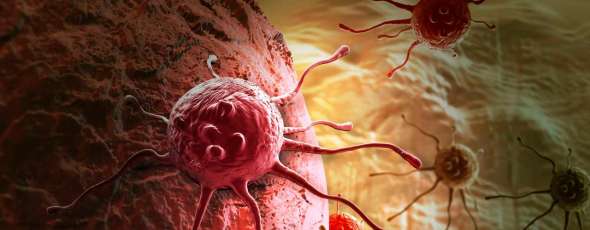
Infections due to the sexually transmitted bacterium Chlamydia trachomatis often remain unnoticed. The pathogen is not only a common cause of female infertility; it is also suspected of increasing the risk of abdominal cancer. A new study has now observed the breakdown of an important endogenous protective factor in the course of chlamydial infection. In other words, the pathogen can cause an increased risk of certain cancers.
A Possible Genetic “Cure” for HIV… Maybe
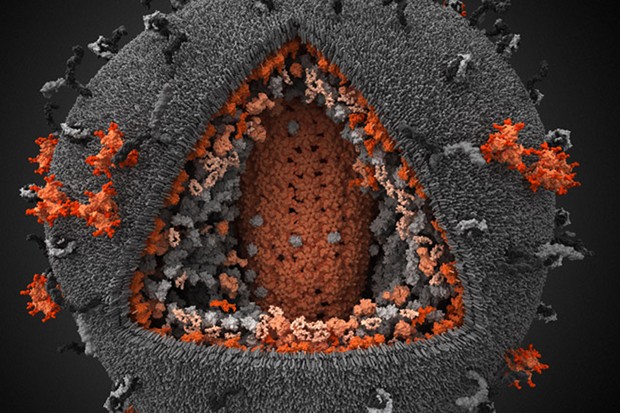
Let’s face it, a cure for HIV probably won’t be coming around for awhile. That slippery little virus manages to avoid everything we throw at it. Well researchers at Massachusetts General (MGH) and Boston Children’s hospitals (BCH) tried to take another crack at the problem. For the first time they have used a relatively new gene-editing technique to create what could prove to be an effective technique for blocking HIV from invading and destroying patients’ immune systems.
A Big Break for Bio-Gasoline
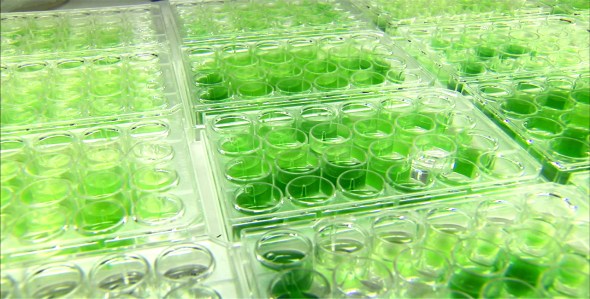
While the world waits for a better battery (and a energy grid system that doesn’t require constant power making), scientists are hard at work trying to teach old fuels a new trick. Thankfully an international team of bioengineers has boosted the ability of bacteria to produce isopentenol, a compound with desirable gasoline properties. The finding, if it is not obvious, is a significant step toward developing a bacterial strain that can yield industrial quantities of renewable bio-gasoline.
Reshaping the Limits of Synthetic Biology
Ever think you could have built something better if you had a hand in the design? Sometimes people just have a desire to make, after all the maker movement is huge for a reason. Well geneticists have a new toy tool to play with —dubbed “the telomerator”—that could redefine the limits of synthetic biology and advance how successfully living things can be engineered or constructed in the laboratory based on an organism’s genetic, chemical base-pair structure. How cool is that?!
Boosting Crop Yields via Genetics
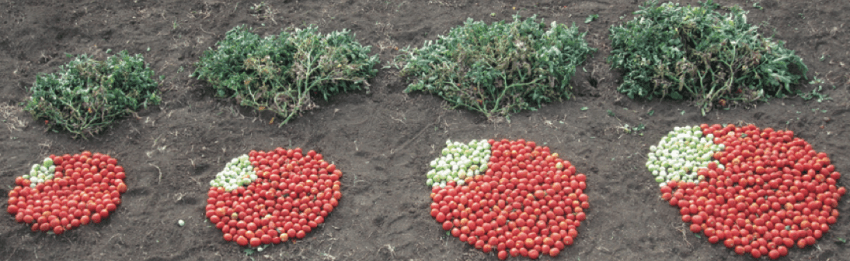
CSHL scientists have identified a set of genetic variants that can dramatically increase tomato production. On the far left is the average yield from a plant that grows standard canning tomatoes. The next three piles were produced by plants with mutations found in the toolkit. The combination of genetic mutations on the far right produces twice as many tomatoes as the standard variety.
Photo credit goes to: Zachary Lippman/ Cold Spring Harbor Laboratory
Genetic engineering techniques offers many different promises, some of which will obviously come sooner than others. One of those promises was a possible end to famine, while most famine in the world today is in developing countries, that could spread as population increases. To that end scientists have announced a new way to dramatically increase crop yields by improving upon Mother Nature’s offerings. The team has discovered a set of gene variations that can boost fruit production in the tomato plant by as much as 100%.
New Genetic Editing Technique Offers Novel Treatment of Defects
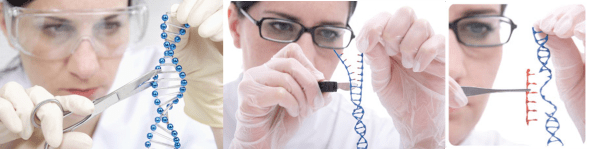
The promises of genetic modifications are endless, longer life, better health, cures for genetic based diseases that would otherwise cause an unimaginable amount of suffering all wiped out. We’ve come a long way in genetic alteration thanks, in part, to the ever faster moving pace of science. While genetic modification is the thing of horror movies, it also can change the world in ways we cannot even imagine — unfortunately getting genome-editing proteins into cells, where they need to be to access the genome, is a major challenge, especially in live animals or human patients.
Zombies: Science Fiction vs. Fact


Well in the spirit of Halloween I thought I would make a nice little zombie post. Zombies, those brain loving little guys, [and girls] are everywhere. From shows like The Walking Dead — a zombie show where they call them anything but zombies– to video games, music videos, and weird romance stuff. Even the zombie itself takes on a different life depending on the person and film.
More Genetic Links Behind Autism

Vaccines do NOT cause autism. One more time, vaccines DO NOT cause autism. So what does cause autism, that problem has been plaguing scientists for awhile now. Thankfully two major genetic studies of autism and involving more than 50 laboratories worldwide, have newly implicated dozens of genes in the disorder. The research shows that rare mutations in these genes affect communication networks in the brain and compromise fundamental biological mechanisms that govern whether, when, and how genes are activated overall.
Scientists resurrect 700-year-old viruses, Just in time for Halloween!


You know how some zombie movies start with a discovery of a virus, it gets loose, and things quickly spiral out of control from that? Well in breaking news a team of researchers have found two 700-year-old viral sequences in frozen caribou dung in an arctic ice patch. The group isolated part of a viral RNA genome and the complete genome of a DNA virus. Then they infected living plants with the DNA virus, what could go wrong?


 Lunatic Laboratories