
A new wrinkle: Geometry of brain’s outer surface correlates with genetic heritage
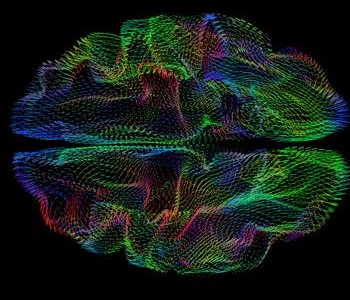
In the study, the researchers found that the shape of the cerebral cortex correlates with genetic ancestry. Image credit goes to: UC San Diego
Researchers at the University of California, San Diego and the School of Medicine have found that the three-dimensional shape of the cerebral cortex – the wrinkled outer layer of the brain controlling many functions of thinking and sensation – strongly correlates with ancestral background. The study opens the door to more precise studies of brain anatomy going forward and could eventually lead to more personalized medicine approaches for diagnosing and treating brain diseases.
Novel DNA repair mechanism brings new horizons
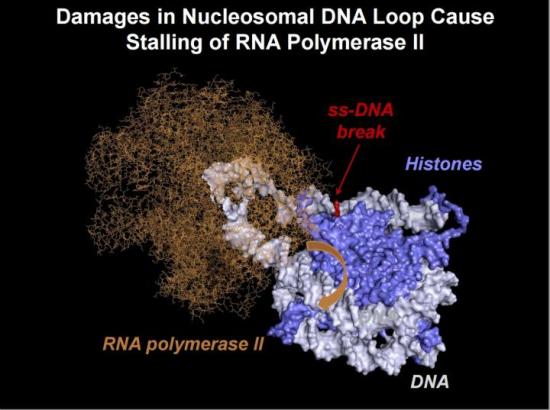
Estimated structure of the nucleosomal DNA loops, which are temporarily formed during transcription of chromatin containing intact DNA by RNA polymerase II (Pol II). In the presence of a single-strand DNA break, the loop structure likely changes, preventing rotation of the RNA polymerase along the DNA helix (orange arrow).
Image credit goes to: Nadezhda S. Gerasimova et al
The DNA molecule is chemically unstable giving rise to DNA lesions of different nature. That is why DNA damage detection, signaling and repair, collectively known as the DNA damage response, are needed. A group of researchers discovered a new mechanism of DNA repair, which opens up new perspectives for the treatment and prevention of neurodegenerative diseases.
How your brain knows it’s summer

Researchers led by Toru Takumi at the RIKEN Brain Science Institute in Japan have discovered a key mechanism underlying how animals keep track of the seasons. The study shows how circadian clock machinery in the brain encodes seasonal changes in daylight duration through GABA activity along with changes in the amount of chloride located inside certain neurons.
A single mutation helped last year’s flu virus gain an advantage over the vaccine

The 2014-2015 flu vaccine didn’t work as well compared to previous years because the H3N2 virus recently acquired a mutation that concealed the infection from the immune system. A new study reveals the major viral mutation responsible for the mismatch between the vaccine strain and circulating strains. The research will help guide the selection of viral strains for future seasonal flu vaccines.
Expanding the code of life with new ‘letters’
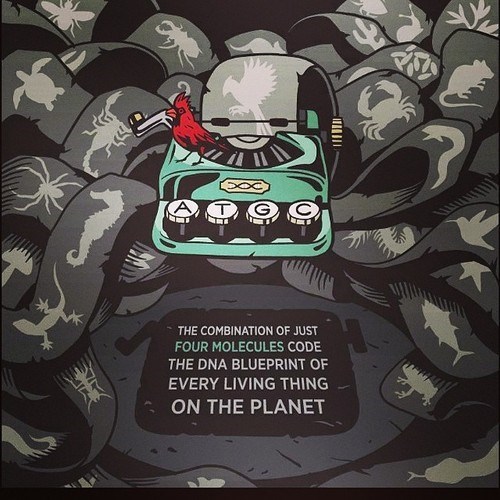
Not anymore…
The DNA encoding all life on Earth is made of four building blocks called nucleotides, commonly known as “letters,” that line up in pairs and twist into a double helix. Now, two groups of scientists are reporting for the first time that two new nucleotides can do the same thing — raising the possibility that entirely new proteins could be created for medical uses.
GMO beef with the heart benefits of fish, why not?

Sometimes you just want beef, but beef is high in omega-6 fatty acids and low in the omega-3 type. Conversely, different types of fish are high in omega-3, but we all know they don’t compare to that tasty burger flavor. So what’s a beef lover to do, well if you’re in China you might have some options! Chinese scientists have reared beef rich in the beneficial fatty acids associated with fish oils.
Scientists create worlds first genetically modified human embryos

A funny thing happened on the way to the publisher. In a world first, China has successfully created genetically modified human embryos. It was certainly an amazing piece of science, but the paper was rejected by both Nature and Science. Not because the study was flawed, or because the data was falsified, the paper was rejected for ethical reasons.
Do you have the genes of a rapist?

Rape, it’s so taboo that victims are sometimes shamed for “letting” it happening. It’s a dirty word, no one likes the word rape so we come up with other names for it — sexual assault for example. Well new research shows that close relatives of men convicted of sexual offences commit similar offences themselves more frequently than comparison subjects. The study suggests that this is due to genetic factors rather than shared family environment. The study includes all men convicted of sex crime in Sweden during 37 years.
Underage drinking has lasting effects on the brain and epigenetics

The rise of underage drinking has almost left a sense that it is acceptable or even free of long-term consequences. Unfortunately because the brain continues forming long into the early twenties, environmental factors can have a large impact on the development. In fact, research shows that binge-drinking during adolescence may perturb brain development at a critical time and leave lasting effects on genes and behavior that persist into adulthood.
Squid prolifically edit RNA to enrich their DNA
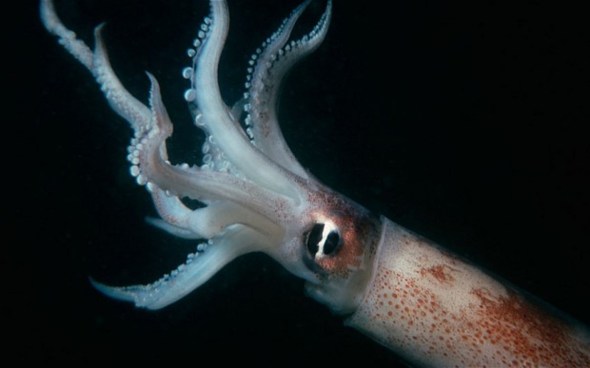
DNA, it’s what makes us, well us! Not that long ago, before we sequenced human DNA we assumed we had one of the largest genomes around. Frankly it wasn’t a bad assumption, but of course we found out this was far from the case and to make ourselves feel better we said size doesn’t matter. But one of the surprising discoveries to emerge from comparative genomics is that drastically different organisms–humans, sea urchins, worms, flies –are endowed with a more or less common set of genes. So given a similar DNA blueprint, how do species develop such vast differences in physical shape, size, and complexity?
How gene expression is kept in check and the implications for cancer
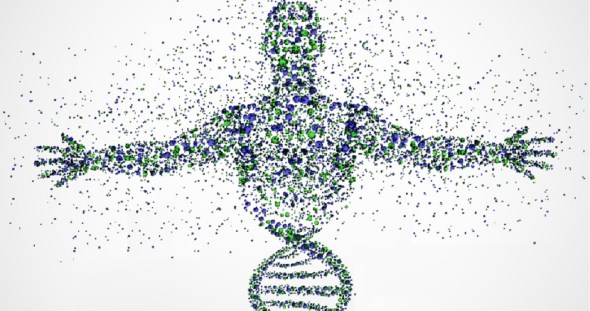
Cancers are alive in a sense, they are similar to a parasite and they fight to stay alive when we just want them gone. Cancers have access to complex ways of avoiding elimination and because we cannot easily do anything to treat it short of surgery or chemotherapy, we regularly lose to some of the more cunning types. Now researchers have learned how living beings can keep gene expression in check — this might partly explain the uncontrolled gene expression found in many forms of cancer.
Team accidentally finds key to DNA vaccination and genetic engineering
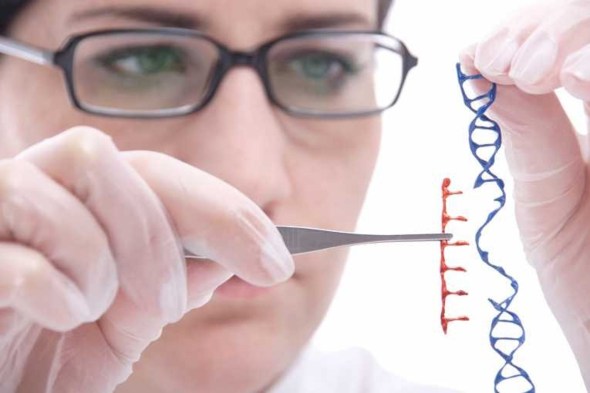
It might have been an accident, but for some lucky researchers accidents are a good thing. In this particular case, scientists have discovered a new way to manipulate how cells function, a finding that might help advance an experimental approach to improving public health: DNA vaccines, which could be more efficient, less expensive and easier to store than traditional vaccines.
Synthetic biology breakthrough: The world’s first artificial enzymes
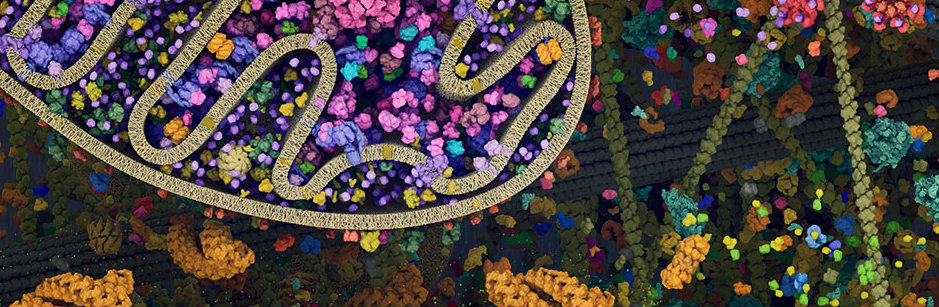
Like mad scientists working away in some secret location we have created life… well sort of. It may sound like something out of a Sci fi movie, but scientists have created the world’s first enzymes made from artificial genetic material. Their synthetic enzymes (which are made from molecules that do not occur anywhere in nature) are capable of triggering chemical reactions in the lab and are the building blocks for life.
Love, it’s in your genes

Most kids worry about passing tests, winning games, lost phones, fractured bones—and whether or not they will ever really fall in love. While the first few things are of relatively low value in the scientific pursuit, three Chinese researchers have focused on that last question. All in a bid to find out some of the more interesting questions about our genes: Why do some students stay single? What factors determine if a young adult falls in love?
Telomeres, Epigenetics, and Aging: the new found complexities in your genes
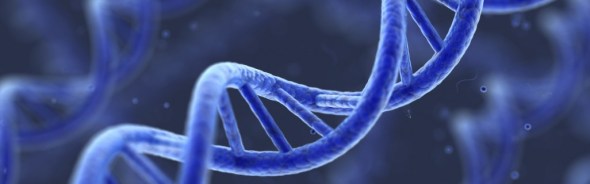
Telomere length is associated with aging, this isn’t a new statement, but interestingly enough there is more to this story than just the size of your telomeres. Telomere lengths have now been shown to cause epigenetic changes, this new discovery may help explain the aging of cells and how they initiate and transmit disease.
A Possible Genetic “Cure” for HIV… Maybe
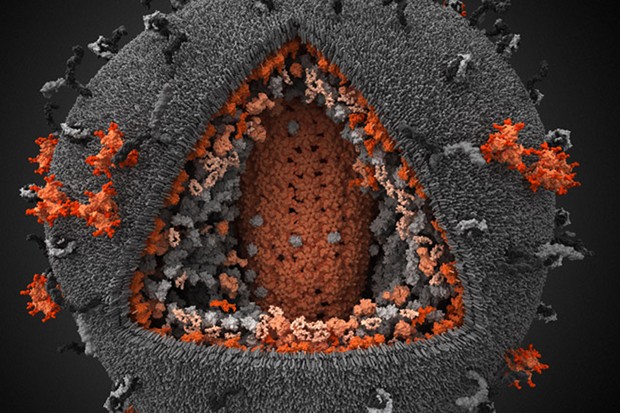
Let’s face it, a cure for HIV probably won’t be coming around for awhile. That slippery little virus manages to avoid everything we throw at it. Well researchers at Massachusetts General (MGH) and Boston Children’s hospitals (BCH) tried to take another crack at the problem. For the first time they have used a relatively new gene-editing technique to create what could prove to be an effective technique for blocking HIV from invading and destroying patients’ immune systems.
Reshaping the Limits of Synthetic Biology
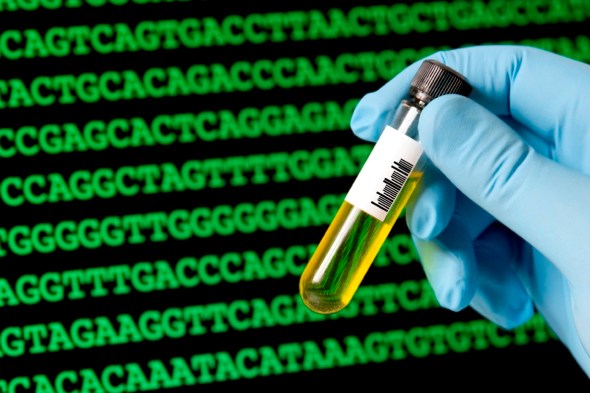
Ever think you could have built something better if you had a hand in the design? Sometimes people just have a desire to make, after all the maker movement is huge for a reason. Well geneticists have a new toy tool to play with —dubbed “the telomerator”—that could redefine the limits of synthetic biology and advance how successfully living things can be engineered or constructed in the laboratory based on an organism’s genetic, chemical base-pair structure. How cool is that?!
New Genetic Editing Technique Offers Novel Treatment of Defects
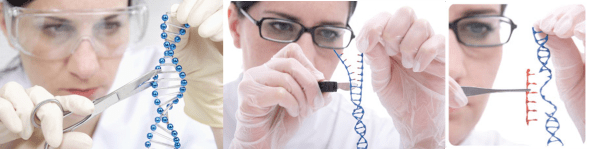
The promises of genetic modifications are endless, longer life, better health, cures for genetic based diseases that would otherwise cause an unimaginable amount of suffering all wiped out. We’ve come a long way in genetic alteration thanks, in part, to the ever faster moving pace of science. While genetic modification is the thing of horror movies, it also can change the world in ways we cannot even imagine — unfortunately getting genome-editing proteins into cells, where they need to be to access the genome, is a major challenge, especially in live animals or human patients.
More Genetic Links Behind Autism

Vaccines do NOT cause autism. One more time, vaccines DO NOT cause autism. So what does cause autism, that problem has been plaguing scientists for awhile now. Thankfully two major genetic studies of autism and involving more than 50 laboratories worldwide, have newly implicated dozens of genes in the disorder. The research shows that rare mutations in these genes affect communication networks in the brain and compromise fundamental biological mechanisms that govern whether, when, and how genes are activated overall.
DNA Nanotech: The First Large DNA Crystals
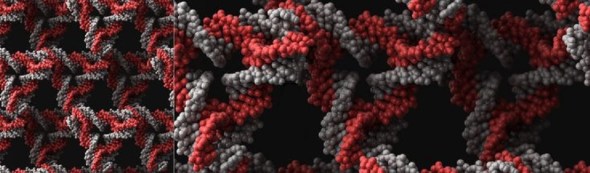
DNA is the stuff of life as we know it, but it is the potential as a programmable material platform that could spawn entire new and revolutionary nanodevices in computer science, microscopy, biology, and more. Researchers have been working to master the ability to coax DNA molecules to self assemble into the precise shapes and sizes needed in order to fully realize these nanotechnology dreams. A dream that been going on for 20 years now and was just realized.
tRNA lookalikes in the Human Genome
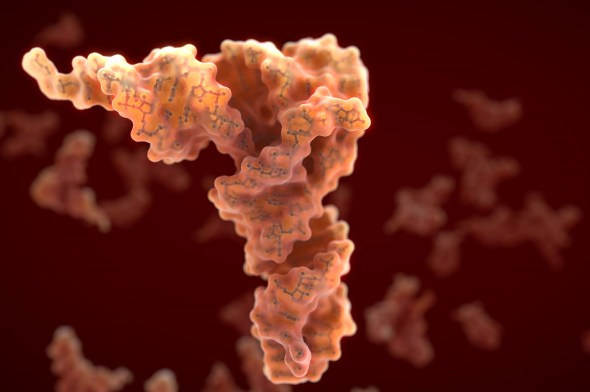
There was a time not long ago when we knew we had the longest genome. It was an obvious assumption because we are “in fact” the most intelligent and complex species on the planet. Boy were we wrong, as genetics progressed we came to realize that we weren’t as genetically special as we thought we were. We found that we had tons of “junk” DNA. Of course we continue to be wrong and we now know that we may not be the biggest genome on the planet, but we are still very complex and new research is proving that once again.
Lengthen Telomeres and Turn Back Aging
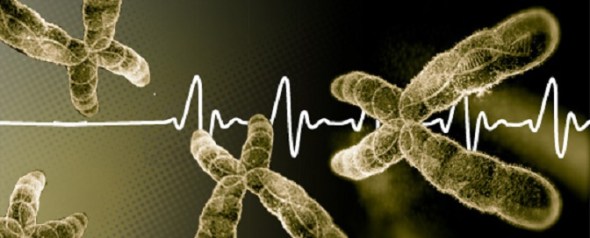
Want to live longer and healthier? Of course you do, well science may just have the answer! Scientists have discovered an on-and-off “switch” in cells that may hold the key to healthy aging. This switch points to a way to encourage healthy cells to keep dividing and generating, for example, new lung or liver tissue, even in old age. Getting cells to divide might not be that hard (or even very useful), but that isn’t all, it gets better!
New Cocktail Turns Adult Cells into Stem Cells
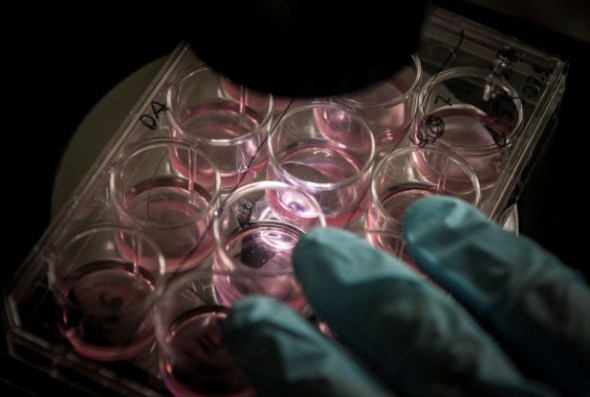
For those of us who were following stem cell news, recently the field had a huge setback when a paper, that offered a cheap and novel way to create stem cells, was retracted from publication. Regenerative medicine aims to replace lost or damaged cells, tissues or organs through cellular transplantation, but the promise to a better life has been hampered. Because stem cells derived from human embryos can trigger ethical concerns, a good solution is reprogramming adult cells back to an embryo-like state using a combination of reprogramming factors. Unfortunately that has been easier said than done.
Epigenetics: Taking Control of the Music
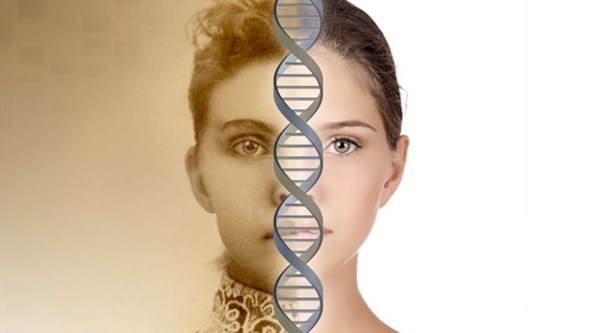
When I try to explain epigenetics to someone, I like to use the musician metaphor. Your genes are the sheet music and how your body reads those genes, that is your body acting like a musician, making those notes it’s own. This is even more evident when you realize that all human cells contain essentially the same DNA sequence. Up until now we’ve had to be the audience to this genetic symphony, but new research is helping scientists take control of the music.
Mitochondria and Anti Aging

I’m sure you can all relate, you go to fix the sink and in the process you build a new kitchen on accident. Anyone… no? Well that is sort of what happened to researchers recently, while developing a new cancer drug, they discovered that mice lacking a specific protein live longer lives with fewer age-related illnesses. The mice, which were bred to lack the TRAP-1 protein, demonstrated less age related tissue degeneration, obesity, and spontaneous tumor formation when compared to normal mice. Pretty awesome if you think about the fact that the findings could change how scientists view the metabolic networks within cells.
A New way to Fight HIV, Using your Genome!
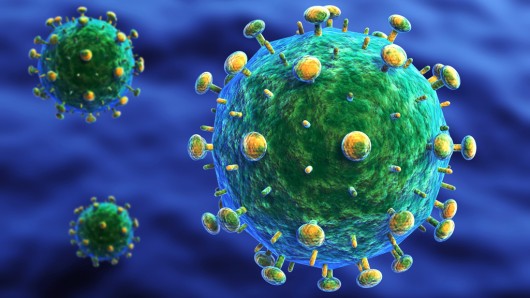
Outsmarting something as “simple” as a virus doesn’t seem like much of a challenge. If only you could set it down to take the SAT’s or something. Unfortunately, in the body fighting HIV is more like guerrilla warfare, you take the big losses for a small win. This is no way to wage a war, but HIV is smart. It mutates and sidesteps anything we’ve been able to throw at it. We don’t have a cure, or a vaccine, but we do have scientists trying. However, new research has made a crucial jump to throwing a curveball at HIV and with it, a possible cure.
New and Exciting discoveries about Autism

Vaccines don’t cause autism. One more time, all together now, vaccines do not cause autism. Thankfully science understands that and is moving in on the actual cause for it. A combination of new studies not only shows a link between a particular gene and autistic disabilities [since it’s an autistic spectrum], but the second study offers a potential new pathway for treatment of the disorders.
Autistic-like behaviors and decreased cognitive ability may be associated with the disruption of a particular gene, in this case the APC gene [Adenomatous Polyposis Coli]. The connection was made when Tufts researchers deleted the gene from select neurons in the developing mouse brain. The mice developed all the autistic characteristics, such as reduced social behavior, increased repetitive behavior, and impaired learning and memory formation. This study is the first to look at how the loss of APC from nerve cells in the forebrain affects brain development, learning, and behavior.
Lab Made Flu Coming to a Outbreak Near You!
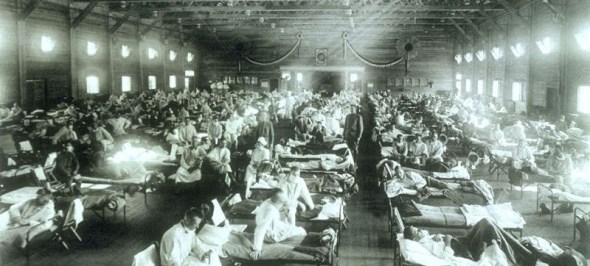
Spanish Flu outbreak of 1918
Forgive the alarmist title, I had to do it. Researchers have created a genetically engineered version of the flu, similar to the spanish flu that killed roughly 50 million people in 1918. Don’t worry, it’s not as bad as it sounds, that is until someone sneezes and drops the vial… but what are the odds that would… umm… happen.
Truthfully there is already a war coming. If anyone remembers the swine flu outbreak a few years back, you know what I am talking about — for those of you who had it, including yours truly, you know how horrible it can be. Swine flu or H1N1 was a supercharged flu that was 95% or so genetically different from the flu we have typically seen. This lead to all sorts of fun and horrid complications from the outbreak due to the fact it was something the body had never really seen before.
[Creepy] Plasmids and Antibiotic Resistance
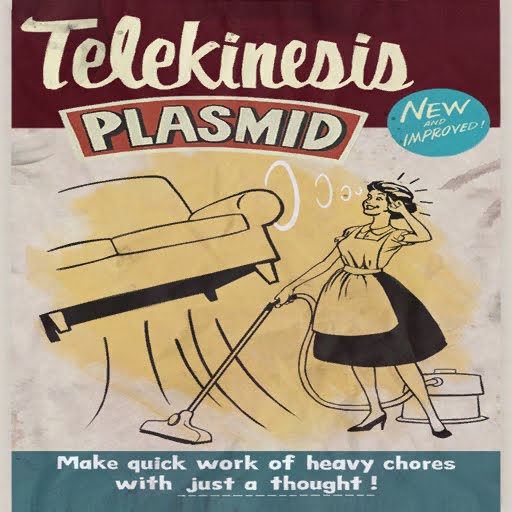
If the title didn’t give it away, plasmids are creepy. For those of you who are confused by that statement let’s cover what a plasmid is exactly. Plasmids are very short circular pieces of DNA that are like little virus’. What makes the little buggers creepy is that they aren’t technically living, but possess all the qualities that would make you think otherwise.
Using Genes to Boost Brain Power: Live Longer, Think Better


Does your family have a history of living to a ripe old age? That may bode well for you! Not only does a gene linked to longevity seem to help you live longer, it also makes you smarter. The study I am referring to was partly funded by the National Institutes of Health and offers a new way to boost brain power.
So what genes are we talking about– well right now it seems that people with the gene KLOTHO have improved brain skills such as thinking, learning and memory regardless of their age, sex, or whether they have a genetic risk factor for Alzheimer’s disease. Here is where it gets even more interesting though, increasing KLOTHO gene levels in mice made them smarter, possibly by increasing the strength of connections between nerve cells in the brain.
We can build it better: The First Semi-Synthetic Organism
Not anymore…
Normally I do one post a day, but I could NOT wait to share this. Scientists at The Scripps Research Institute (TSRI) have engineered a bacterium whose genetic material includes an added pair of DNA “letters,” not found in nature. The cells of this new bacterium can even replicate the unnatural DNA bases more or less normally, for as long as the molecular building blocks are supplied to the bacterium.
I don’t even really know where to start with this, so let’s start with the basics, normally in nature, everything, everywhere [that we know of] has four different letters in it’s DNA, A-T, G-C, that is is and they only go together in that order A with T and G with C, never will you see a T with a G for example.
Another Road to the Fountain of Youth
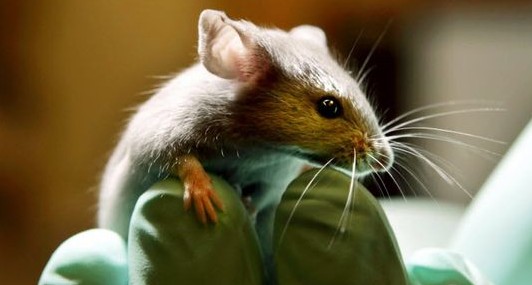
Photo credit goes to: Robert F. Bukaty, AP
Recently on Lunatic Laboratories we reported on a new path to the fountain of youth that had been found [at least for mice]. Well today, we are happy to announce that another road to the fountain of youth has been potentially discovered. This time the discovery was made by Harvard Stem Cell Institute [HSCI] and Stanford researchers.
Being the over achievers they are, they released not one, not two, but three studies showing that substances in the blood of young mice rejuvenate the brain and muscles of aging mice. Two of those three studies, by Harvard researchers were released early online just yesterday, but won’t be published until later this week in the journal Science. The two are similar to the third [albeit not connected], Stanford study that suggests the same reversal of aging also happens to their hearts.
How a Mother’s Diet Shapes a Child

Peanut butter and pickles, yummy… well maybe if you are pregnant, speaking of which, [see how that works?] researchers from the MRC International Nutrition Group, based at the London School of Hygiene & Tropical Medicine have shown a link between a mother’s diet before conception and the effect it has on a babies genes.
The study, which was done in rural Gambia, where the population’s dependence on locally grown foods and a very different seasonal climate impose a large difference in the eating habits between rainy and dry seasons, gave researchers the ability to look specifically at the how diet would affect the genes in an unborn child.
Could a Vaccine for Cancer be a Reality?

How do you take out an unstoppable enemy? You don’t take the enemy head on, you take out the supply lines and the rest will take care of itself. This is not a new idea, but this not so new approach to war is being taken to an enemy on a new battlefield, your body.
Cancer in most cases can be an unstoppable force, collateral damage from chemotherapy can be, and in most cases is unacceptable. That was the thinking from a group of researchers from the Abramson Cancer Center and the Perelman School of Medicine at the University of Pennsylvania. Their idea, to attack the supply lines instead of the enemy directly.
DNA nanobots perform in living cockroach

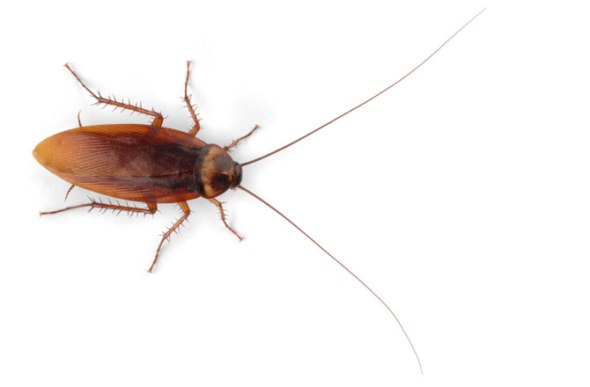
Cockroaches, not the cutest thing on the planet.
The six million dollar man has nothing on these cockroaches. We can rebuild them, better than they were before. We have the technology, and as it turns out, we do! While DNA robots may not, in itself be a new thing,a study published in Nature Nanotechnology is definitely not only new, but it’s something to talk about.
Grew up disadvantaged? Your genes show it.

Are you constantly stressed? Did you grow up disadvantaged [no judgement here, I did], or maybe you had a nurturing household as a child? As it turns out, we can see it in your genes.
A new study out published in the Proceedings of the National Academy of Sciences, shows a strong link between the way you are raised and your genes. The study used telomere length as a marker of stress, then compared it to genetic and environmental cues.
Gene Editing in Live Mice Cures Rare Liver Disease
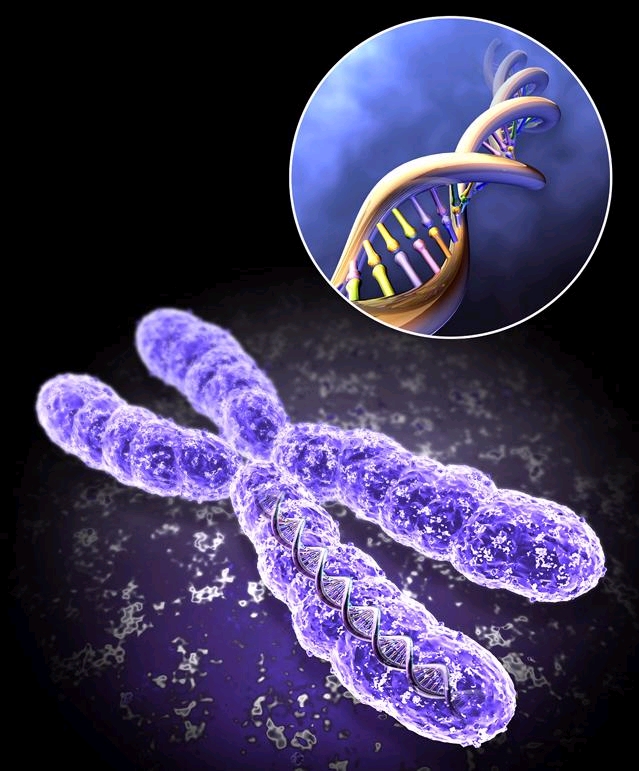
A chromosome [the “x”] with a DNA strand ‘close up’ in the circle.


 Lunatic Laboratories