
Babies chew on subtle social, cultural cues at mealtime

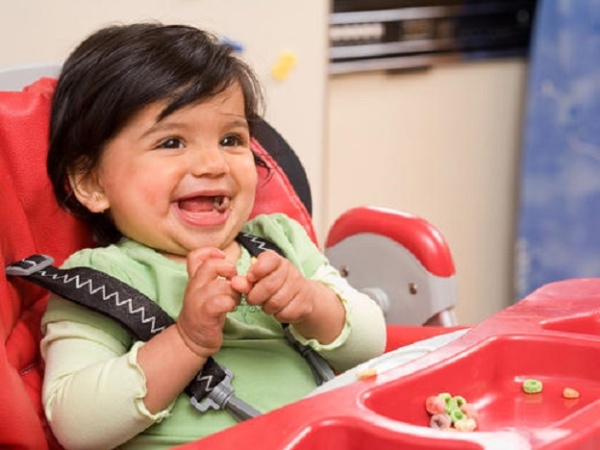
At the dinner table, babies do a lot more than play with their sippy cups, new research suggests. Babies pay close attention to what food is being eaten around them – and especially who is eating it. The study adds evidence to a growing body of research suggesting even very young children think in sophisticated ways about subtle social cues.
Caffeine reverts memory deficits by normalizing stress responses in the brain
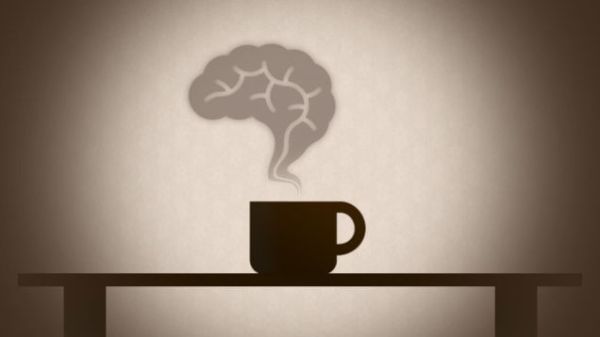
A new study describes the mechanism by which caffeine counteracts age-related cognitive deficits in animals. The international teams showed that the abnormal expression of a particular receptor – the adenosine A2A, target for caffeine – in the brain of rats induces an aging-like profile namely memory impairments linked to the loss of stress controlling mechanisms.
Use it or lose it: Stopping exercise decreases brain blood flow

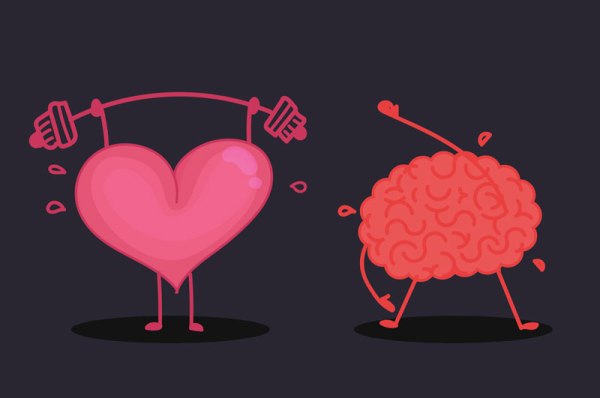
We all know that we can quickly lose cardiovascular endurance if we stop exercising for a few weeks, but what impact does the cessation of exercise have on our brains? New research examined cerebral blood flow in healthy, physically fit older adults (ages 50-80 years) before and after a 10-day period during which they stopped all exercise.
A visual nudge can disrupt recall of what things look like


Interfering with your vision makes it harder to describe what you know about the appearance of even common objects, according to researchers. This connection between visual knowledge and visual perception challenges widely held theories that visual information about the world — that alligators are green and have long tails, for example — is stored abstractly, as a list of facts, divorced from the visual experience of seeing an alligator.
Researchers report new Zika complication

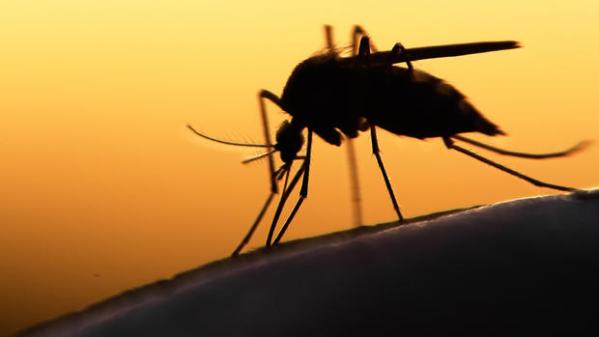
If zika didn’t seem scary enough in the media, there is new data showing that there could be a new neurological complication of infection with the Zika virus.
Next steps in understanding brain function

The most complex piece of matter in the known universe is the brain. Neuroscientists have recently taken on the challenge to understand brain function from its intricate anatomy and structure. There is no sure way to go about it, and researchers in Madrid proposed a solution to the problem.
Too much activity in certain areas of the brain is bad for memory and attention


Neurons in the brain interact by sending each other chemical messages, so-called neurotransmitters. Gamma-aminobutyric acid (GABA) is the most common inhibitory neurotransmitter, which is important to restrain neural activity, preventing neurons from getting too trigger-happy and from firing too much or responding to irrelevant stimuli.
Stroke-like brain damage is reduced in mice injected with omega-3s
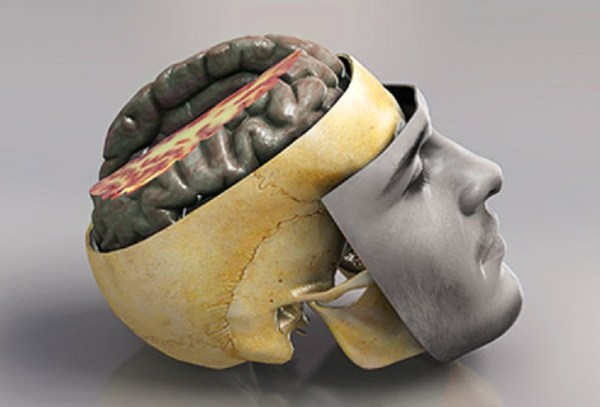
A stroke can happen at any age, and as with anything that involves the brain, a few seconds can be life altering. Usually the rule is time lost is brain lost, but there might be some good news regarding that, researchers found that omega-3 fatty acids reduced brain damage in a neonatal mouse model of stroke.
Neural stem cells control their own fate
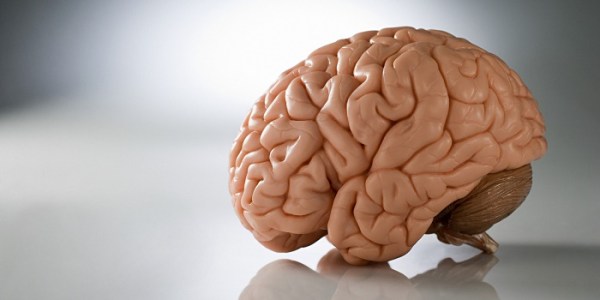
To date, it has been assumed that the differentiation of stem cells depends on the environment they are embedded in. A research group now describes for the first time a mechanism by which hippocampal neural stem cells regulate their own cell fate via the protein Drosha.
A dog’s dilemma: Do canines prefer praise or food?


A new study suggests that given the choice, many dogs prefer praise from their owners over food. The study is one of the first to combine brain-imaging data with behavioral experiments to explore canine reward preferences.
Sugar addiction: Discovery of a brain sugar switch


Researchers have discovered that our brain actively takes sugar from the blood. Prior to this, researchers around the world had assumed that this was a purely passive process. An international team reports that transportation of sugar into the brain is regulated by so-called glial cells that react to hormones such as insulin or leptin; previously it was thought that this was only possible for neurons.
Want a better memory? Try eating a Mediterranean diet


It’s not a fad diet, it is an actual diet — as in the way a person eats normally — and it may do more than just help your waistline. The Mediterranean diet can improve your mind, as well your heart.
Microcephaly discoveries in non-Zika cases explain abnormal brain growth
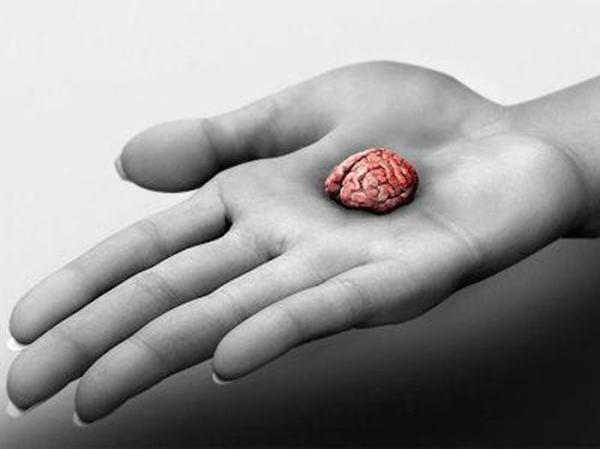
Long before Zika virus made it a household word, the birth defect called microcephaly puzzled scientists and doctors — even as it changed the lives of the babies born with it during the pre-Zika era. But new discoveries reported by an international team of scientists may help explain what happens in the developing brains of babies still in the womb, causing them to be born with small brains and heads.
From Sci Fi to reality: Unlocking the secret to growing new limbs

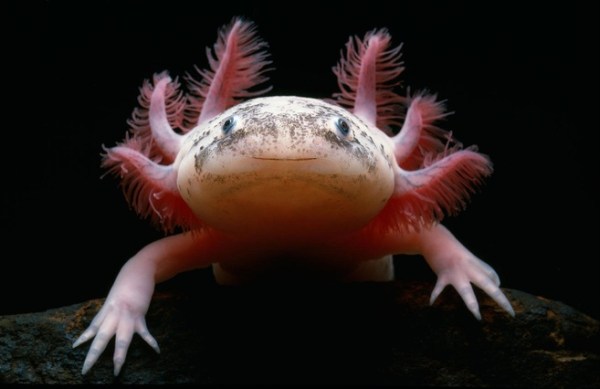
Many lower organisms retain the miraculous ability to regenerate form and function of almost any tissue after injury. Humans share many of our genes with these organisms, but our capacity for regeneration is limited. So scientists are studying the genetics of these organisms to find out how regenerative mechanisms might be activated in humans.
Fish oil vs. lard — why some fat can help or hinder your diet

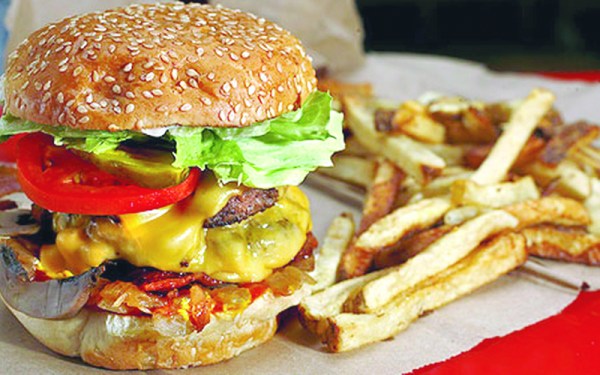
A diet high in saturated fat can make your brain struggle to control what you eat. If people are looking to lose weight, stay clear of saturated fat. Consuming these types of fatty food affects a part of the brain called the hypothalamus, which helps regulate hunger.
Breastfeeding associated with better brain development and neurocognitive outcomes


A new study, which followed 180 preterm infants from birth to age seven, found that babies who were fed more breast milk within the first 28 days of life had had larger volumes of certain regions of the brain at term equivalent and had better IQs, academic achievement, working memory, and motor function.
Why do antidepressants take so long to work?


Medication roulette, if you have ever had to deal with depression or other types of mental illness you know what I’m talking about. You take a pill that could help or could cause all sorts of horrid side effects. You cross your fingers as you take that first pill and in the 4-6 weeks it takes to start working you cross your fingers, hope, wish and probably even dread the outcome. But why does it take so long for antidepressants to start working in the first place and what could be done to change that?
Common brain changes found in children with autism, ADHD and OCD
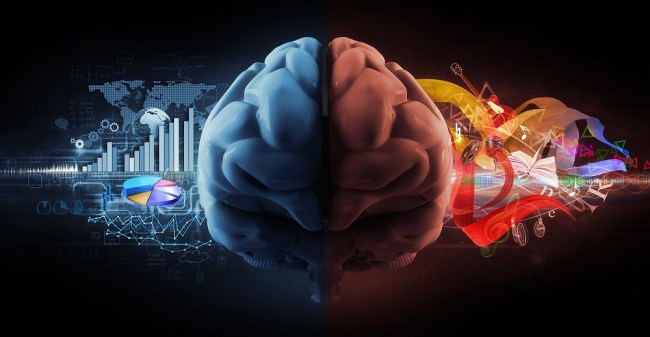
A team of Toronto scientists has found similarities in brain impairments in children with autism spectrum disorder (ASD), attention deficit hyperactivity disorder (ADHD) and obsessive compulsive disorder (OCD). The study involved brain imaging of white matter in 200 children with autism, ADHD, OCD or no diagnosis.
The mysterious fart


Everyone does it …no, not poop, but fart. Passing gas, fuming, crop dusting, cracking a rat — no matter what you call it — everyone fart, but why? Researchers have published an article devoted to the review of gaseous neurotransmitters of microbial origin and their role in the human body.
Researchers temporarily turn off brain area to better understand function

Capitalizing on experimental genetic techniques, researchers have demonstrated that temporarily turning off an area of the brain changes patterns of activity across much of the remaining brain. The research suggests that alterations in the functional connectivity of the brain in humans may be used to determine the sites of pathology in complex disorders such as schizophrenia and autism.
Brain activity and response to food cues differ in severely obese women


The brain’s reward centers in severely obese women continue to respond to food cues even after they’ve eaten and are no longer hungry, in contrast to their lean counterparts. The study compared attitudes and the brain activity of 15 severely obese women (those with a body mass index greater than 35) and 15 lean women (those with a BMI under 25).
How our brain puts the world in order


The world around is complex and changing constantly. To put it in order, we devise categories into which we sort new concepts. To do this we apply different strategies. A team of researchers wanted to find out which areas of the brain regulate these strategies. The results of their study using magnetic resonance imaging (MRI) show that there are indeed particular brain areas, which become active when a certain strategy of categorisation is applied.
Protein found to bolster growth of damaged muscle tissue


Read more about the story behind this image and see others here.
Biologists have found that a protein that plays a key role in the lives of stem cells can bolster the growth of damaged muscle tissue, a step that could potentially contribute to treatments for muscle degeneration caused by old age and diseases such as muscular dystrophy. The results show that a particular type of protein called integrin is present on the stem cell surface and used by stem cells to interact with, or “sense” their surroundings.
Secrets of the human brain unlocked… sort of
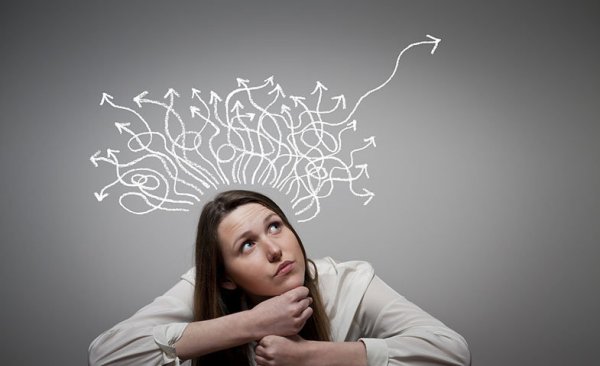
Human intelligence is being defined and measured for the first time ever. Researchers have been recently undertaken to quantify the brain’s dynamic functions, and identify how different parts of the brain interact with each other at different times – namely, to discover how intellect works.
Specialized neurons in emotional memory play important role in fear


Image credit goes to: The incredibly talented Lora Zombie.
Fear memory encoding, the process responsible for persistent reactions to trauma-associated cues, is influenced by a sparse but potent population of inhibitory cells called parvalbumin-interneurons (PV-INs) in the amygdala, according to a new study.
Reopening avenues for attacking ALS

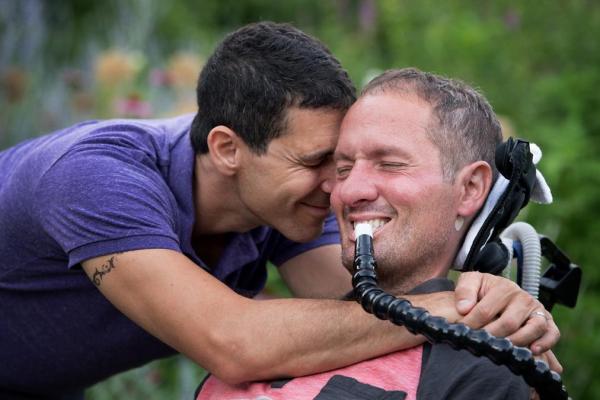
Researchers have found evidence that bone marrow transplantation may one day be beneficial to a subset of patients suffering from amyotrophic lateral sclerosis (ALS), a fatal neurodegenerative disorder more commonly known as Lou Gehrig’s disease.
Repeated stimulation treatment can restore movement to paralyzed muscles
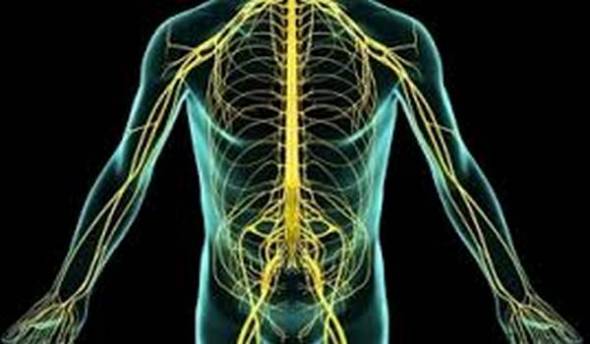
Conducted at the BioMag laboratory at the Helsinki University Hospital, a new patient study could open a new opportunity to rehabilitate patients with spinal cord damage. In a new study which two patients with spinal cord injuries received a form of treatment that combined transcranial magnetic stimulation with simultaneous peripheral nerve stimulation given repeatedly for nearly six months.
“Shocking” new role of the immune system: Controlling social interaction
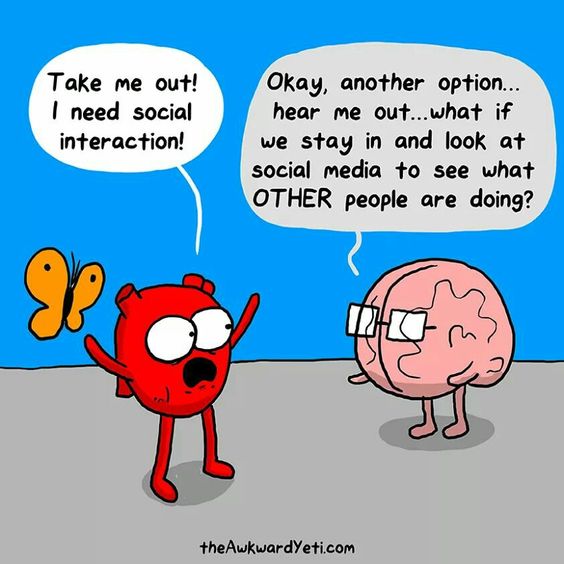
Image credit goes to: The awkward Yeti
In a startling discovery that raises fundamental questions about human behavior, researchers have determined that the immune system directly affects – and even controls – creatures’ social behavior, such as their desire to interact with others. So could immune system problems contribute to an inability to have normal social interactions?
It’s in the eyes: Alzheimer’s detected before symptoms


Scientists may have overcome a major roadblock in the development of Alzheimer’s therapies by creating a new technology to observe — in the back of the eye — progression of the disease before the onset of symptoms. Clinical trials are to start in July to test the technology in humans.
New supplement may switch off cravings for high-calorie foods


Eating a type of powdered food supplement, based on a molecule produced by bacteria in the gut, reduces cravings for high-calorie foods such as chocolate, cake and pizza, a new study suggests. Scientists asked 20 volunteers to consume a milkshake that either contained an ingredient called inulin-propionate ester, or a type of fibre called inulin.
Erasing unpleasant memories with a genetic switch

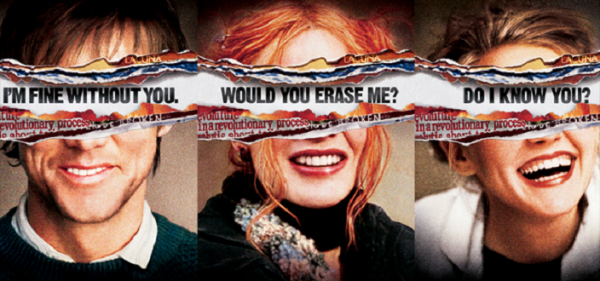
Researchers have managed to erase unpleasant memories in mice using a ‘genetic switch’. Dementia, accidents, or traumatic events can make us lose the memories formed before the injury or the onset of the disease. Researchers have now shown that some memories can also be erased when one particular gene is switched off.
Unlocking the secrets of nerve regeneration
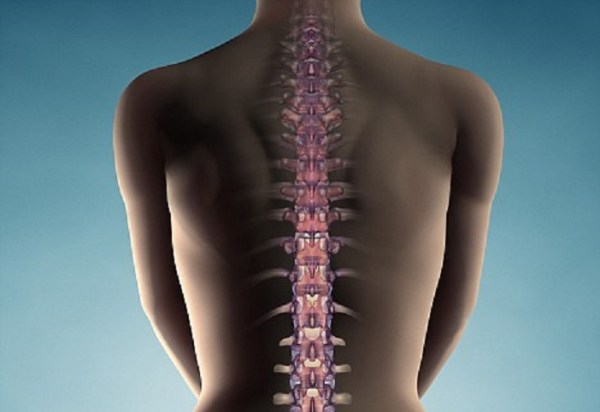
Nerves in the central nervous system of adult mammals do not usually regenerate when injured. The granule cell, a nerve cell located in the cerebellum, is different. When its fibres, called parallel fibres, are cut, rapid regeneration ensues and junctions with other neurons called “synapses” are rebuilt. The precise mechanism for this was unclear.
Alzheimer’s genetics point to new research direction
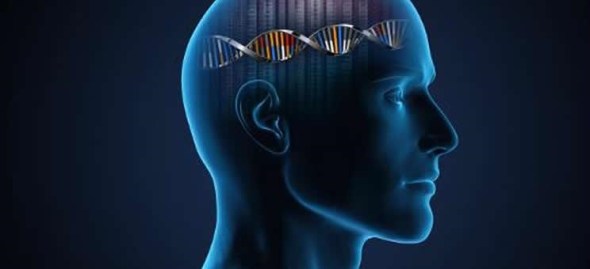
A analysis of genetic mutations which cause early-onset Alzheimer’s disease suggests a new focus for research into the causes of the disease. Previous research has revolved around the idea that accumulation in the brain of a small, sticky protein fragment — amyloid beta — causes Alzheimer’s disease.
Genetic repeats suggest role for DNA instability in schizophrenia


My friend has a glass eye and unless you knew the story you might not think anything of it. His older brother did it. You read that correctly, in a schizophrenic induced confusion he tried to killed him. He never held what happened against his older brother, he was sick, how could he? The courts say, he cannot visit his brother while he’s in prison. This could’ve been avoided with early detection and now international researchers have used a new technique to identify significantly more DNA sequence repeats in patients with schizophrenia than in control individuals.
Chemical changes in the brain affect Alzheimer’s disease
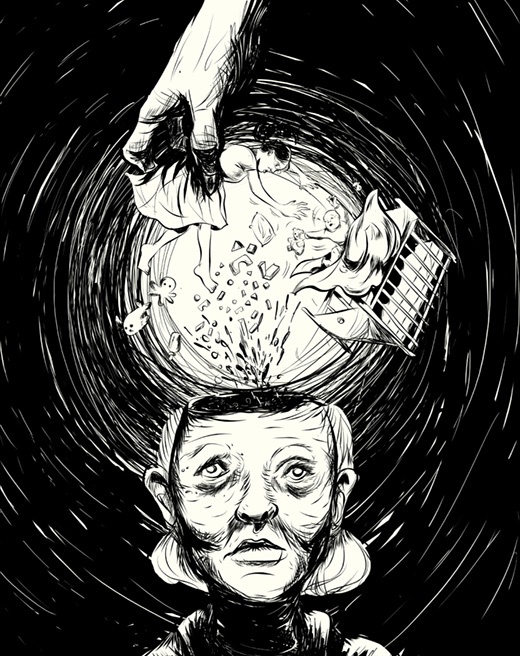
A new study is helping to explain why the long-term use of common anticholinergic drugs used to treat conditions like allergies and overactive bladder lead to an increased risk of developing dementia later in life. The findings show that long-term suppression of the neurotransmitter acetylcholine – a target for anticholinergic drugs – results in dementia-like changes in the brain.
Mothers with diabetes more likely to have anti-fetal brain autoantibodies

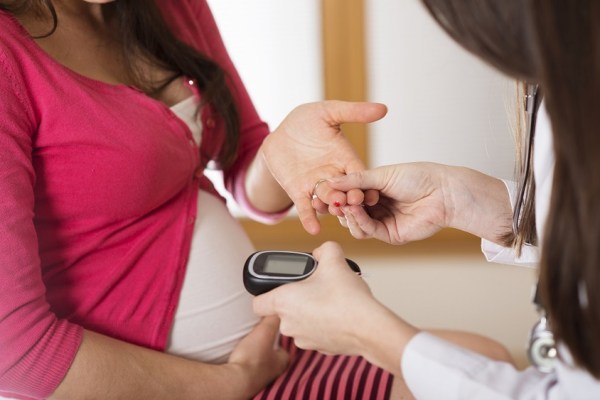
Mothers of children with autism and were diagnosed with metabolic conditions during pregnancy, particularly gestational and type 2 diabetes, were more likely to have anti-fetal brain autoantibodies in their blood compared to healthy women of children with autism. The presence of these anti-fetal brain autoantibodies has been previously found to be specific to some mothers of children with autism and rare among mothers of children without autism.
Mobilizing mitochondria may be key to regenerating damaged neurons
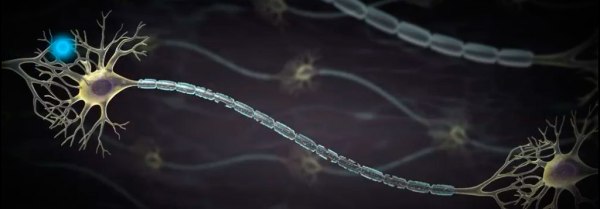
Mitochondria, sure it’s the powerhouse of the cell, but maybe it can be much more that. At least that’s what it looks like thanks to researchers at the National Institute of Neurological Disorders and Stroke who have discovered that boosting the transport of mitochondria along neuronal axons enhances the ability of mouse nerve cells to repair themselves after injury.
Schizophrenia: The brain has the ability to rescue itself


A team of scientists have shown that the brains of patients with schizophrenia have the capacity to reorganize and fight the illness. This is the first time that imaging data has been used to show that our brains may have the ability to reverse the effects of schizophrenia.
How depression and antidepressant drugs work


Treating depression is kind of a guessing game. Trying to find a medication that works without causing side effects can take months, or more likely, years. However, new research demonstrates the effectiveness of ketamine to treat depression in a mouse model of the disease and brings together two hypotheses for the cause of depression.
Brain cells that aid appetite control identified


It’s rare for scientists to get what they describe as “clean” results without spending a lot of time repeating the same experiment over and over again. But when researchers saw the mice they were working with doubling their weight within a month or two, they knew they were on to something.
Neuroscientists discover new learning rule for pattern completion
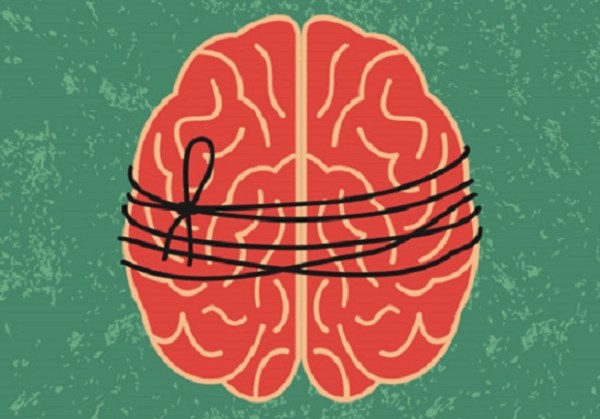
Recently, scientists discovered a new learning rule for a specific type of excitatory synaptic connection in the hippocampus. These synapses are located in the so-called CA3 region of the hippocampus, which plays a critical role for storage and recall of spatial information in the brain. One of its hallmark properties is that memory recall can even be triggered by incomplete cues. This enables the network to complete neuronal activity patterns, a phenomenon termed pattern completion.
Could flies help us understand brain injuries?
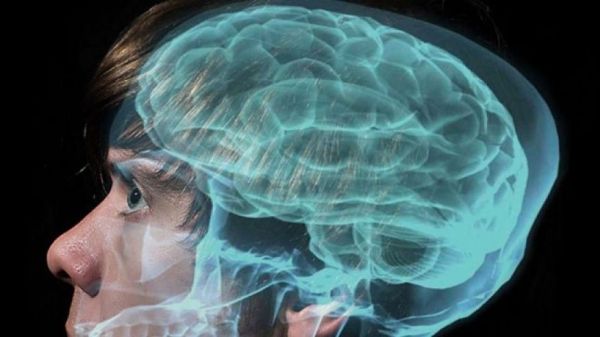
Each year, an estimated 1.7 million people in the United States sustain traumatic brain injuries (TBIs), according to the U.S. Centers for Disease Control and Prevention. These injuries occur most frequently from falling, but can also result from military combat, car accidents, contact sports or domestic abuse. Recently, physicians and researchers have become increasingly concerned that even mild cases of repetitive brain trauma could have long-term, unanticipated consequences.
Research shows body image linked to overall life satisfaction

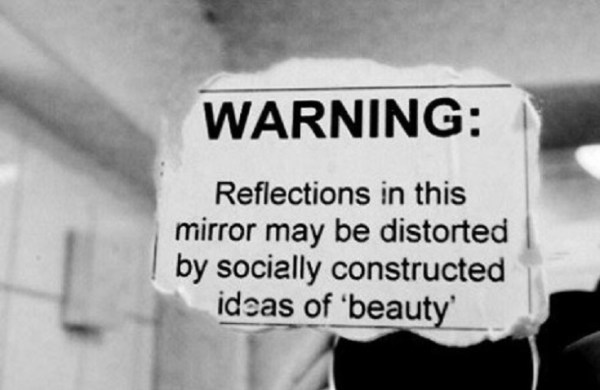
We’re constantly bombarded by advertisements telling us we are too fat, too thin, not curvy enough, not flat enough — or more often than not — simply not enough. It shouldn’t be a surprise to see that effect our day to day life, like it or not — and it has. Researchers have just published results from a national study on the factors linked to satisfaction with appearance and weight.
Digital media may be changing how you think


Tablet and laptop users beware. Using digital platforms such as tablets and laptops for reading may make you more inclined to focus on concrete details rather than interpreting information more abstractly, according to a new study. The findings serve as another wake-up call to how digital media may be affecting our likelihood of using abstract thought.
Smartphones uncover how the world sleeps


A pioneering study of worldwide sleep patterns combines math modeling, mobile apps and big data to parse the roles society and biology each play in setting sleep schedules. The study used a free smartphone app that reduces jetlag to gather robust sleep data from thousands of people in 100 nations. The researchers examined how age, gender, amount of light and home country affect the amount of shut-eye people around the globe get, when they go to bed, and when they wake up.
Origin of synaptic pruning process linked to learning, autism and schizophrenia identified

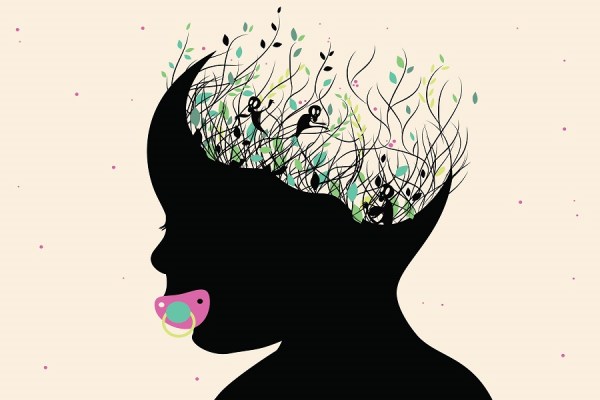
Vaccines don’t cause autism, but because the brain is so complex, we still don’t know how much of it works so figuring out the real causes (as in more than one) of autism has been slow going. Well, researchers have identified a brain receptor that appears to initiate adolescent synaptic pruning, a process believed necessary for learning, but in this case it is one that appears to go awry in both autism and schizophrenia.
Salts in the brain control our sleep-wake cycle
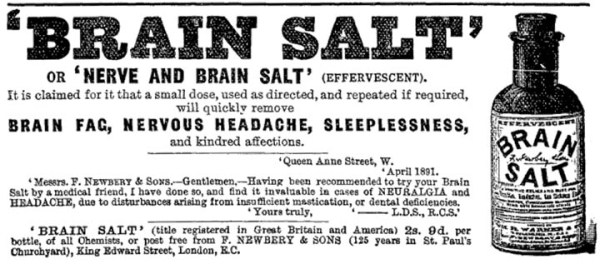
Insomnia, fun fact those of us who have served or are serving in the military have a much higher incidence of sleep problems. So if you are like me and have ever been prescribed something to help you sleep, you know that there are some unwanted side effects. For instance the time I lost memory of a whole day of interacting with people to the ambien I had taken the night before, not fun. Thankfully Danish researchers found that the level of salts in the brain plays a critical role in whether we are asleep or awake.
Don’t retweet if you want to remember


The whole of human intelligence, right at your fingertips. Sure it might not make the layman an engineer or physicist, but if we want to learn about a particular topic the internet can give us that information. But you better hold on tight before you lose it. New research finds retweeting or otherwise sharing information creates a “cognitive overload” that interferes with learning and retaining what you’ve just seen.
Addiction, it’s in your genes… maybe

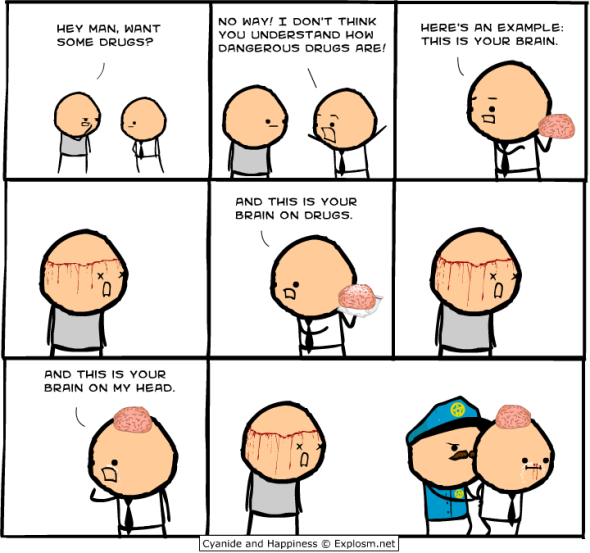
Image credit goes to: Cyanide and Happiness
Why does one person who tries cocaine get addicted, while another might use it and then leave it alone? Why do some people who kick a drug habit manage to stay clean, while others relapse? And why do some families seem more prone to addiction than others? According to a new study, the road to answering these questions may have a lot to do with specific genetic factors that vary from individual to individual.
Sleep loss detrimental to blood vessels


We all know lack of sleep is bad for the brain, but lack of sleep has even been found to impact the activation of the immune system, inflammation, carbohydrate metabolism and the hormones that regulate appetite. Worse still, researchers in a new study have found that sleep loss also influences cholesterol metabolism.


 Lunatic Laboratories