
Scientists discover the way to a new generation of antibiotics
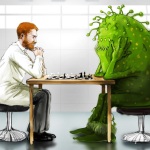

Antibiotic resistance is becoming a common occurrence. Once isolated, more and more we are turning away from the traditional antibiotics to our so called “last line of defense” antibiotics to fight infections. Sadly, in a growing number of cases these antibiotics are having less of an effect. However, new research reveals the mechanism by which drug-resistant bacterial cells maintain a defensive barrier.
‘Jaws’ may help humans grow new teeth, shark study suggests


A new insight into how sharks regenerate their teeth, which may pave the way for the development of therapies to help humans with tooth loss, has been discovered by scientists. The study has identified a network of genes that enables sharks to develop and regenerate their teeth throughout their lifetime. The genes also allow sharks to replace rows of their teeth using a conveyer belt-like system.
Taser shock disrupts brain function, has implications for police interrogations


More than two million citizens have been Tased by police as Taser stun guns have become one of the preferred less-lethal weapons by police departments across the United States during the past decade. But what does that 50,000-volt shock do to a person’s brain?
Neurological adaptations to the presence of toxic HIV protein
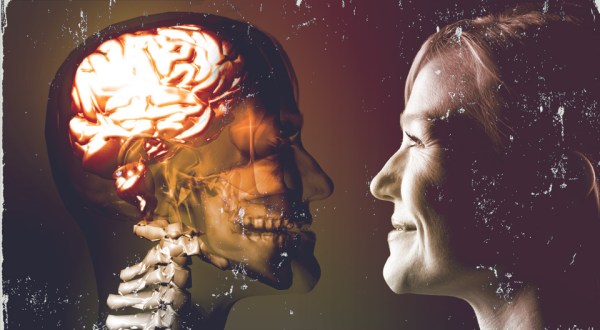
Nearly half of HIV infected patients suffer from impaired neurocognitive function. The HIV protein transactivator of transcription (Tat) is an important contributor to HIV neuropathogenesis because it is a potent neurotoxin that continues to be produced despite treatment with antiretroviral therapy.
It’s complicated: Benefits and toxicity of anti-prion antibodies in the brain
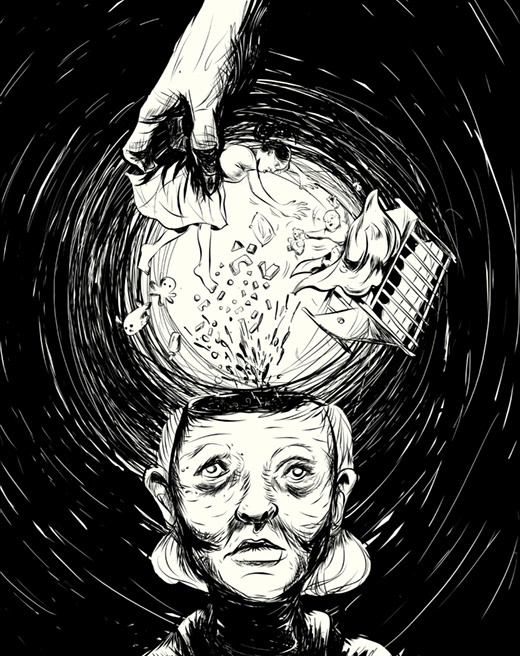
Immunotherapy to ameliorate neurodegeneration by targeting brain protein aggregates with antibodies is an area of intense investigation. A new study examines seemingly contradictory earlier results of targeting the prion protein and proposes a cautionary way forward to further test related therapeutic approaches.
Why you should never use the term ‘the mentally ill’


Yes, it’s real… you can find more information here
Image credit goes to: Jenn Ackerman
Even subtle differences in how you refer to people with mental illness can affect levels of tolerance, a new study has found. In a first-of-its-kind study, researchers found that participants showed less tolerance toward people who were referred to as “the mentally ill” when compared to those referred to as “people with mental illness.”
When the music stops: Intensive instrument playing can lead to movement disorders


A musician takes up his/her violin and starts to play, but rather than gripping the strings, the fingers seize up–and this happens every time he/she takes up the instrument. Such a movement disorder–the so-called focal dystonia— is a dramatic disease for those affected, which has thus far barely been studied.
Thwarting abnormal neural development with a new mutation


*Cue music* You can tell by the way I walk, I’m a motor protein, no time to talk…
Researchers at the RIKEN Brain Science Institute in Japan have discovered how to reverse the abnormal axonal development characteristic of CFEOM3, a congenital disease that affects the muscles that control eye movements. The work shows how creating a specific mutation rescued abnormal axonal growth in the developing mouse brain.
Improving your toddler’s memory skills has long-term benefits


If your toddler is a Forgetful Jones, you might want to help boost his or her brainpower sooner rather than later. New research shows that preschoolers who score lower on a memory task are likely to score higher on a dropout risk scale at the age of 12.
Stereotype means girls should expect poorer physics grades


Imagine that you are a female student and give the exact same answer to a physics exam question as one of your male classmates, but you receive a significantly poorer grade. This is precisely what happens on a regular basis, as concluded in a study by Sarah Hofer, a researcher in the group led by ETH professor Elsbeth Stern.
A faster way to evaluate synthetic metabolic pathways


A central challenge in the field of metabolic engineering is the efficient identification of a metabolic pathway genotype that maximizes specific productivity over a robust range of process conditions. A review from researchers at Michigan State University in East Lansing, MI covers the challenges of optimizing specific productivity of metabolic pathways in cells and new advances in pathway creation and screening.
Want to keep your new year’s resolution? Ask, don’t tell.

Results may vary…
“Will you exercise this year?” That simple question can be a game-changing technique for people who want to influence their own or others’ behavior, according to a recent study spanning 40 years of research. The research is the first comprehensive look at more than 100 studies examining the ‘question-behavior effect,’ a phenomenon in which asking people about performing a certain behavior influences whether they do it in the future. The effect has been shown to last more than six months after questioning.
Lack of serotonin alters development and function in the brain
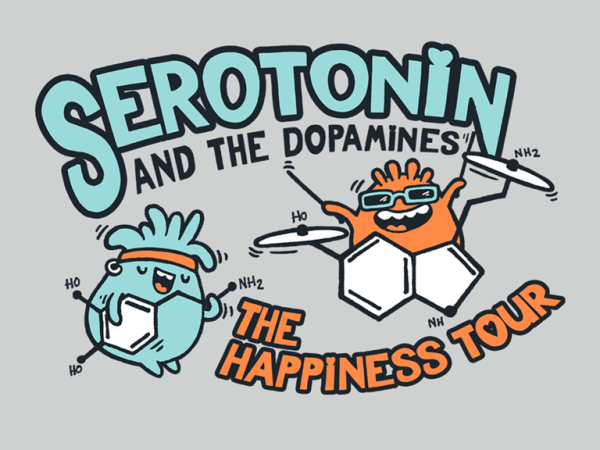
Come on get happy!
Researchers at Case Western Reserve University School of Medicine have created the first complete model to describe the role that serotonin plays in brain development and structure. Serotonin, also called 5-hydroxytryptamine [5-HT], is an important neuromodulator of brain development and the structure and function of neuronal (nerve cell) circuits.
Women, do you want to be a leader at a teaching hospital? Grow a mustache!


Thirteen percent of department leader positions at top academic medical institutions in the United States are held by women, while nearly 20 percent are held by men with mustaches. The findings of the tongue-in-cheek study, an analysis of more than 1,000 headshots of department leaders at top National Institutes of Health-funded academic medical institutions, provide a new context for examining gender disparities in the field.
You too can increase your risk for dementia by up to 48% with, anxiety!

People who experienced high anxiety any time in their lives had a 48 percent higher risk of developing dementia compared to those who had not, according to a new study led by USC researchers. The findings were based on an examination of 28 years of data from the Swedish Adoption Twin Study of Aging, overseen by the Karolinska Institutet of Sweden.
Depression is more than a “mental health” problem and we can now measure its risk
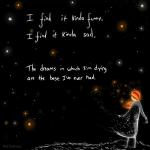
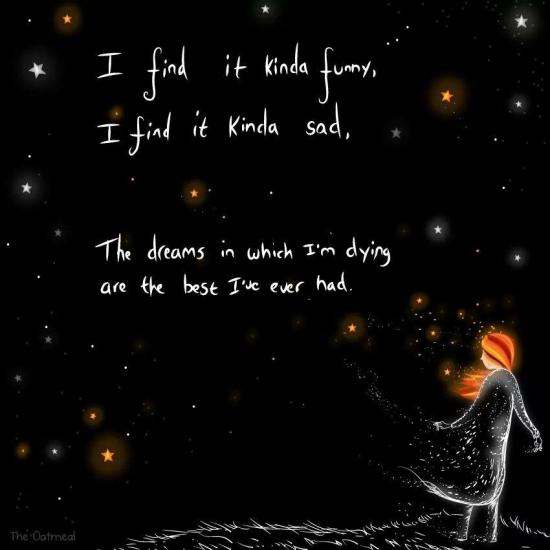
These feels drawn by the one, the only, and the oatmeal, or is it just one of those?
A network of interacting brain regions known as the default mode network (DMN) was found to have stronger connections in adults and children with a high risk of depression compared to those with a low risk. These findings suggest that increased DMN connectivity is a potential precursor, or biomarker, indicating a risk of developing major depressive disorder (MDD).
Seeing viruses in a new light


Want to make a virus? It’s easy: combine one molecule of genomic nucleic acid, either DNA or RNA, and a handful of proteins, shake, and in a fraction of a second you’ll have a fully-formed virus. While that may sound like the worst infomercial ever, in many cases making a virus really is that simple. Viruses such as influenza spread so effectively, and as a result can be so deadly to their hosts, because of their ability to spontaneously self-assemble in large numbers.
Our pale blue dot in the wake of destruction


This is our home, that pale blue dot, dwarfed by an arrow that takes up less space on your screen than this sentence. For all our “overwhelming” intelligence, if we flexed our mental might and developed a weapon to destroy this pale blue dot, it would almost certainly go unnoticed in the universe.
Antidepressant medication protects against compounds linked to dementia
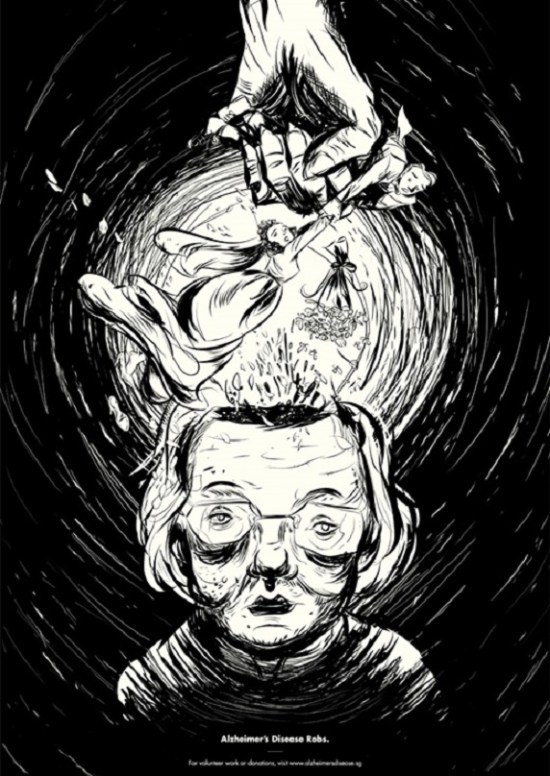
In addition to treating depression, a commonly used antidepressant medication also protects against compounds that can cause memory loss and dementia, a Loyola University Medical Center study has found. The study found that blood levels of two neurotoxic compounds dropped significantly in depressed patients after they were treated with the antidepressant escitalopram (Lexapro).
Stem cell study paves the way for patient therapies

Stem cells that have been specifically developed for use as clinical therapies are fit for use in patients, an independent study of their genetic make-up suggests. The research – which focused on human embryonic stem cells – paves the way for clinical trials of cell therapies to treat conditions such as Parkinson’s disease, age-related degeneration of the eyes and spinal cord injury.
Closing the loop on an HIV escape mechanism
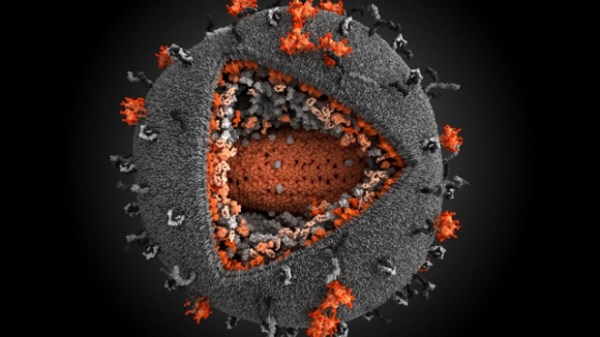
Nearly 37 million people worldwide are living with HIV. When the virus destroys so many immune cells that the body can’t fight off infection, AIDS will develop. The disease took the lives of more than a million people last year.
Dopamine measurements reveal insights into how we learn


Virginia Tech Carilion Research Institute scientists have reported measurements of dopamine release with unprecedented temporal precision in the brains of people with Parkinson’s disease. The measurements, collected during brain surgery as the conscious patients played an investment game, demonstrate how rapid dopamine release encodes information crucial for human choice.
The mysterious fungus that has major health consequences


Researchers at the University of Toronto examined fungi in the mucus of patients with cystic fibrosis and discovered how one particularly cunning fungal species has evolved to defend itself against neighbouring bacteria. A regular resident of our microbiome – and especially ubiquitous in the lungs of cystic fibrosis patients -the Candida albicans fungus is an “opportunistic pathogen.”
Inflammation linked to weakened reward circuits in depression


About one third of people with depression have high levels of inflammation markers in their blood. New research indicates that persistent inflammation affects the brain in ways that are connected with stubborn symptoms of depression, such as anhedonia, the inability to experience pleasure.
Master switch for brain development

Scientists at the Institute of Molecular Biology (IMB) in Mainz have unraveled a complex regulatory mechanism that explains how a single gene can drive the formation of brain cells. The research is an important step towards a better understanding of how the brain develops. It also harbors potential for regenerative medicine.
Not so happy old age?


The notion that older people are happier than younger people is being challenged following a recent study led by a University of Bradford lecturer. In fact it suggests that people get more depressed from age 65 onwards. The study, led by psychology lecturer Dr Helena Chui, builds on a 15-year project observing over 2,000 older Australians living in the Adelaide area.
A protein-RNA structure hints at how viruses commandeer human proteins

Researchers at Case Western Reserve University and the University of Michigan have produced the first image of an important human protein as it binds with ribonucleic acid (RNA), a discovery that could offer clues to how some viruses, including HIV, control expression of their genetic material. That information could lead to new strategies to block viruses from replicating, thereby limiting or halting infection.
New vaccine could prevent high cholesterol


Time to pug out…
Image credit goes to: (Once again) the talented and creative Lora Zombie
A new cholesterol-lowering vaccine leads to reductions in ‘bad’ LDL cholesterol in mice and macaques, according to research. The authors of the study, from the University of New Mexico and the National Institutes of health in the United States, say the vaccine has the potential to be a more powerful treatment than statins alone.
One energy drink may increase heart disease risk in young adults
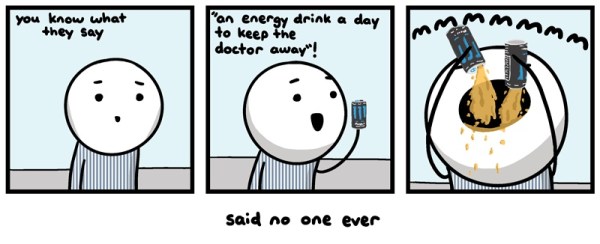
New research shows that drinking one 16-ounce energy drink can increase blood pressure and stress hormone responses significantly. This raises the concern that these response changes could increase the risk of cardiovascular events.
The first line of defense? Think Mucus

By licking a wound it heals faster — this is not simply popular belief, but scientifically proven. Our saliva consists of water and mucus, among other things, and the mucus plays an important role. It stimulates white blood cells to build a good defense against invaders, according to a group of researchers at Lund University in Sweden together with colleagues from Copenhagen and Odense in Denmark.
Cancer survivors less likely to receive callbacks from potential employers


Job applicants who are cancer survivors are less likely to receive callbacks from potential retail employers than those who did not disclose their health history, according to a recent study by Rice University and Penn State University researchers.
Adults’ happiness on the decline

Are you less happy than your parents were at the same age? It may not be all in your head. Researchers led by San Diego State University professor Jean M. Twenge found adults over age 30 are not as happy as they used to be, but teens and young adults are happier than ever. Researchers analyzed data from four nationally representative samples of 1.3 million Americans ages 13 to 96 taken from 1972 to 2014.
Predicting what side effects you’ll experience from a drug
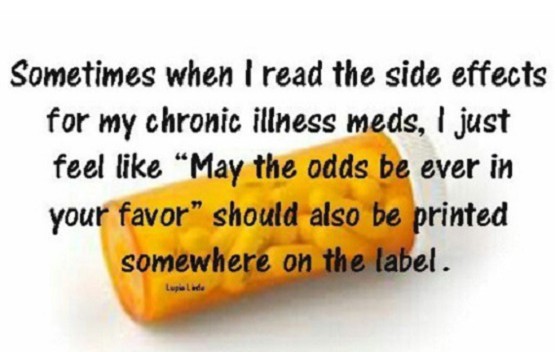
Researchers at the University of California, San Diego have developed a model that could be used to predict a drug’s side effects on different patients. The proof of concept study is aimed at determining how different individuals will respond to a drug treatment and could help assess whether a drug is suitable for a particular patient based on measurements taken from the patient’s blood.
Kids meals, toys, and TV advertising: A triple threat to child health

Image credit goes to the one and only: Laura Zombie
Fast food companies advertise children’s meals on TV with ads that feature toy premiums, and it has been suggested that the use of these toy premiums may prompt children to request eating at fast food restaurants. In a new study, researchers found that the more children watched television channels that aired ads for children’s fast food meals, the more frequently their families visited those fast food restaurants.
What blocks pro-vaccine beliefs?

Despite rhetoric that pits “anti-vaxxers” versus “pro-vaxxers,” most new parents probably qualify as vaccine-neutral–that is, they passively accept rather than actively demand vaccination. Unless there is an active threat of polio or whooping cough, they have to remind themselves that injecting their crying infant with disease antigens is a good thing.
Intestinal worms ‘talk’ to gut bacteria to boost immune system

This is the helminth Heligmosomoides polygyrus bakeri (Hpb), which infects rodents. Here seen under fluorescent staining. Hpb was used in the mouse part of this study.
Image credit goes to: Nicola Harris/EPFL
When you think parasites you probably don’t think of anything helpful. However, this isn’t the case and certain parasites inadvertently help the host by helping themselves. In fact, researchers have discovered how intestinal worm infections cross-talk with gut bacteria to help the immune system.
Depression too often reduced to a checklist of symptoms

How can you tell if someone is depressed? The Diagnostic and Statistical Manual of Mental Disorders (DSM) – the ‘bible’ of psychiatry – diagnoses depression when patients tick off a certain number of symptoms on the DSM checklist. A large-scale quantitative study coordinated at KU Leuven, Belgium, now shows that some symptoms play a much bigger role than others in driving depression, and that the symptoms listed in DSM may not be the most useful ones.
American placebo – An increase in the placebo response, but only in America?
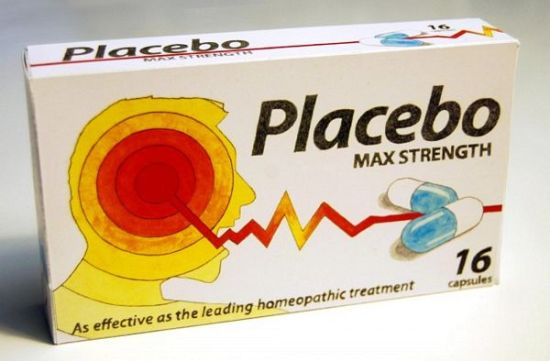
A new study finds that rising placebo responses may play a part in the increasingly high failure rate for clinical trials of drugs designed to control chronic pain caused by nerve damage. Surprisingly, however, the analysis of clinical trials conducted since 1990 found that the increase in placebo responses occurred only in trials conducted wholly in the U.S.; trials conducted in Europe or Asia showed no changes in placebo responses over that period.
Can exercise be replaced with a pill?
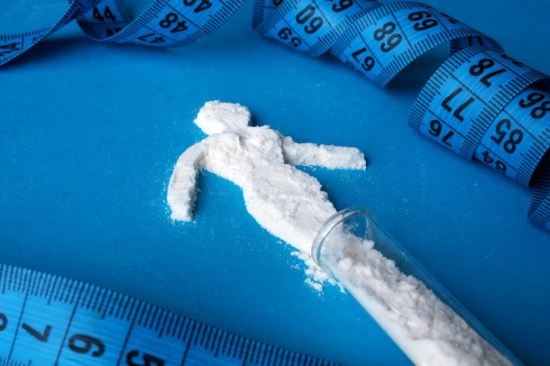
Everyone knows that exercise improves health, and ongoing research continues to uncover increasingly detailed information on its benefits for metabolism, circulation, and improved functioning of organs such as the heart, brain, and liver. With this knowledge in hand, scientists may be better equipped to develop “exercise pills” that could mimic at least some of the beneficial effects of physical exercise on the body. But a review of current development efforts ponders whether such pills will achieve their potential therapeutic impact, at least in the near future.
Coincidence or conspiracy? Studies investigate conspiracist thinking

In pop culture, conspiracy believers — like FBI agent Fox Mulder on The X Files or professor Robert Langdon in The Da Vinci Code — tend to reject the notion of coincidence or chance; even the most random-seeming events are thought to result from some sort of intention or design. And researchers have suggested that such a bias against randomness may explain real-world conspiracy beliefs. But new research from psychological scientists shows no evidence for a link between conspiracist thinking and perceptions of order, design, or intent.
Connecting Alzheimer’s disease and the immune system

The role of the immune system in Alzheimer’s disease is a hot topic, but exactly how the two are connected and what interventions could help lower risk remain a mystery. In a new study, researchers in the Ann Romney Center for Neurologic Diseases at Brigham and Women’s Hospital (BWH) investigate how genetic risk factors for Alzheimer’s disease may influence a key type of immune cell. Their results lay the groundwork for designing better therapeutic strategies and better prediction tools for risk of developing Alzheimer’s disease.
Scientists discover new system for human genome editing

CRISPR systems help bacteria defend against viral attack (shown here).
These systems have been adapted for use as genome editing tools in
human cells.
Image credit goes to: Ami Images/Science Photo Library.
A team including the scientist who first harnessed the revolutionary CRISPR-Cas9 system for mammalian genome editing has now identified a different CRISPR system with the potential for even simpler and more precise genome engineering. In the study researchers describe the unexpected biological features of this new system and demonstrate that it can be engineered to edit the genomes of human cells.
Mexico City’s air pollution has detrimental impact on Alzheimer’s disease gene

A new study by researchers heightens concerns over the detrimental impact of air pollution on hippocampal metabolites as early markers of neurodegeneration in young urbanites carrying an allele 4 of the apolipoprotein E gene (APOE). This is associated with the risk for Alzheimer disease (AD) and a susceptibility marker for poor outcome in traumatic brain injury (TBI) recovery.
Genetic analysis supports prediction that spontaneous rare mutations cause half of autism
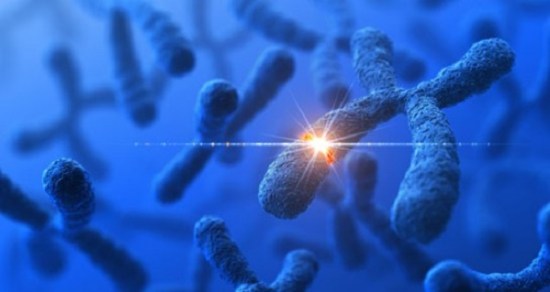
A team led by researchers at Cold Spring Harbor Laboratory (CSHL) has published a new analysis of data on the genetics of autism spectrum disorder (ASD). One commonly held theory is that autism results from the chance combinations of commonly occurring gene mutations, which are otherwise harmless. But the authors’ work provides support for a different theory.
Vaccine clears some precancerous cervical lesions in clinical trial

Scientists have used a genetically engineered vaccine to successfully eradicate high-grade precancerous cervical lesions in nearly one-half of women who received the vaccine in a clinical trial. The goal, say the scientists, was to find nonsurgical ways to treat precancerous lesions caused by HPV.
Immune system may be pathway between nature and good health

Research has found evidence that spending time in nature provides protections against a startling range of diseases, including depression, diabetes, obesity, ADHD, cardiovascular disease, cancer, and many more. How this exposure to green space leads to better health has remained a mystery. After reviewing hundreds of studies examining nature’s effects on health, researchers believe the answer lies in nature’s ability to enhance the functioning of the body’s immune system.
Diet beverage drinkers compensate by eating unhealthy food
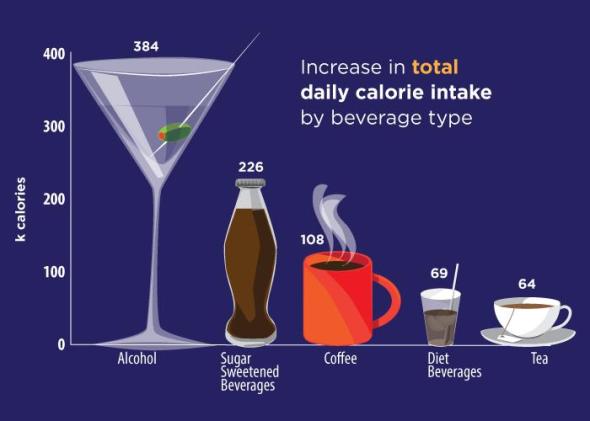
Alcoholic drinks and sugar-sweetened beverages are associated with higher overall daily intakes, although people who drink diet beverages consume a greater percentage of non-nutritious food.
Image credit goes to: Julie McMahon
Want fries with that diet soda? You aren’t alone, and you may not be “saving” as many calories as you think by consuming diet drinks. A new study that examined the dietary habits of more than 22,000 U.S. adults found that diet-beverage consumers may compensate for the absence of calories in their drinks by noshing on extra food that is loaded with sugar, sodium, fat and cholesterol.
Guilting teens into exercise won’t increase activity

Just like attempts at influencing hairstyles or clothing can backfire, adults who try to guilt middle-schoolers into exercising won’t get them to be any more active. The study found students who don’t feel in control of their exercise choices or who feel pressured by adults to be more active typically aren’t.
The science of stereotyping: Challenging the validity of ‘gaydar’

“Gaydar” — the purported ability to infer whether people are gay or straight based on their appearance — seemed to get a scientific boost from a 2008 study that concluded people could accurately guess someone’s sexual orientation based on photographs of their faces. In a new paper researchers at the University of Wisconsin-Madison challenge what they call “the gaydar myth.” William Cox, an assistant scientist in the Department of Psychology and the lead author, says gaydar isn’t accurate and is actually a harmful form of stereotyping.
Confidence in parenting could help break cycle of abuse

To understand how confidence in parenting may predict parenting behaviors in women who were abused as children, psychologists have found that mothers who experienced more types of maltreatment as children are more critical of their ability to parent successfully. Intervention programs for moms at-risk, therefore, should focus on bolstering mothers’ self-confidence–not just teach parenting skills, the researchers said.


 Lunatic Laboratories