
Don’t touch that dial: TV’s subliminal influence on women’s perception of pregnancy and birth

In an era where popular culture is increasingly recognized for its impact on lay understanding of health and medicine, few scholars have looked at television’s powerful role in the creation of patient expectations, especially regarding pregnancy and birth.
Anti-aging tricks from dietary supplement seen in mice
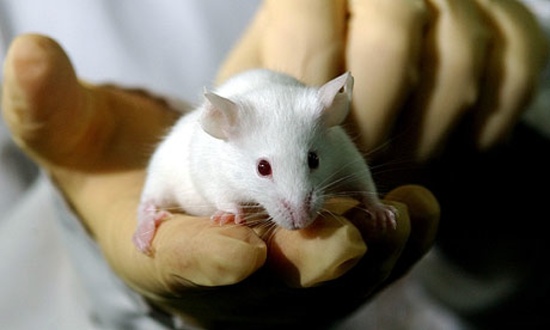
In human cells, shortened telomeres, the protective caps at the ends of chromosomes, are both a sign of aging and contribute to it. Scientists have found that the dietary supplement alpha lipoic acid (ALA) can stimulate telomerase, the enzyme that lengthens telomeres, with positive effects in a mouse model of atherosclerosis.
Don’t I know that guy? Neuroscientists pinpoint part of the brain that deciphers memory from new experience

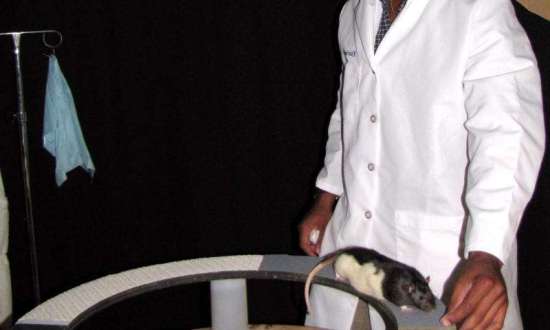
Research assistant Jeremy Johnson feeds a rat on the behavioral track used to determine where the brain decides what is new and what is familiar.
Image credit goes to: Johns Hopkins University
You see a man at the grocery store. Is that the fellow you went to college with or just a guy who looks like him? One tiny spot in the brain has the answer. Neuroscientists have identified the part of the hippocampus that creates and processes this type of memory, furthering our understanding of how the mind works, and what’s going wrong when it doesn’t.
Study shows poor sleep contributes to MS-related fatigue

New research confirmed that sleep disturbances significantly contribute to MS-related fatigue, a common and often disabling symptom among individuals with MS. Review of the pertinent literature showed that sleep may be the dominant factor in fatigue in MS. This was also the finding in Dr. Strober’s study of 107 employed individuals with MS of whom 61% reported poor sleep.
Can your brain control how it loses control?
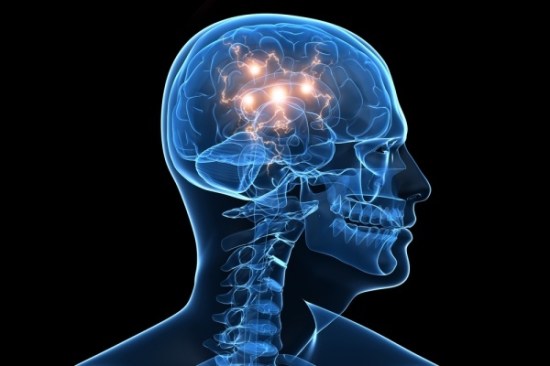
A new study may have unlocked understanding of a mysterious part of the brain — with implications for neurodegenerative conditions such as Alzheimer’s. The results open up new areas of research in the pursuit of neuroprotective therapies.
Scientists discover what controls waking up and going to sleep

Fifteen years ago, an odd mutant fruit fly caught the attention and curiosity of Dr. Ravi Allada, a circadian rhythms expert at Northwestern University, leading the neuroscientist to recently discover how an animal’s biological clock wakes it up in the morning and puts it to sleep at night. The clock’s mechanism, it turns out, is much like a light switch.
Study details ‘rotten egg’ gas’ role in autoimmune disease
The immune system not only responds to infections and other potentially problematic abnormalities in the body, it also contains a built-in brake in the form of regulatory T cells, or Tregs. Tregs ensure that inflammatory responses don’t get out of hand and do damage. In autoimmune diseases, sometimes these Treg cells don’t act as they should.
Research advances potential for test and vaccine for genital and oral herpes
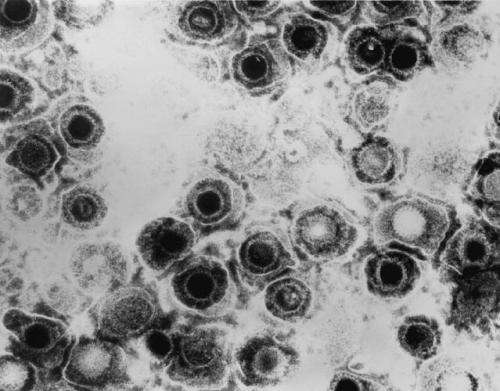
Findings from a pair of new studies could speed up the development of a universally accurate diagnostic test for human herpes simplex viruses (HSV), according to researchers at Johns Hopkins and Harvard universities and the National Institutes of Health (NIH). The work may also lead to the development of a vaccine that protects against the virus.
Researchers resurrect ancient viruses in hopes of improving gene therapy
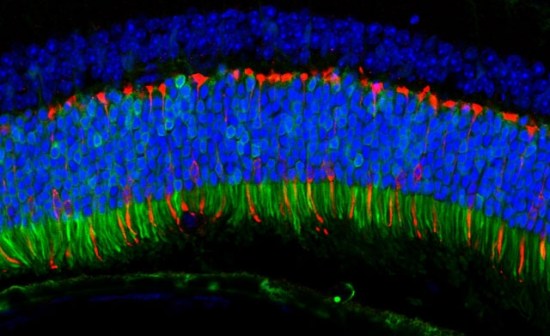
The Anc80 virus delivered genes to the mouse retina that fluoresce green when expressed. Pictured here, the delivered genes are active in the retina’s color-detecting cells.
Image credit goes to: Livia Carvalho
It sounds like the start of a horror movie, but Harvard Stem Cell Institute (HSCI) researchers at Massachusetts Eye and Ear (MEE) have reconstructed an ancient virus that is highly effective at delivering gene therapies to the liver, muscle, and retina. This discovery could potentially be used to design gene therapies that are not only safer and more potent than therapies currently available, but may also help a greater number of patients.
Study of 83,000 veterans finds cardiovascular benefits to testosterone replacement
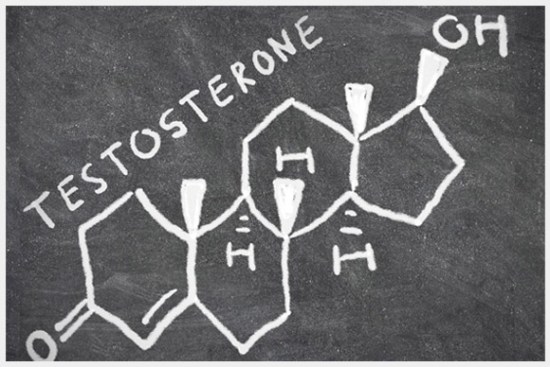
A Veterans Affairs database study of more than 83,000 patients found that men whose low testosterone was restored to normal through gels, patches, or injections had a lower risk of heart attack, stroke, or death from any cause, versus similar men who were not treated. The study also found that men who were treated but did not attain normal levels did not see the same benefits as those whose levels did reach normal.
Music and the mind: Can music help people with epilepsy?

The brains of people with epilepsy appear to react to music differently from the brains of those who do not have the disorder, a finding that could lead to new therapies to prevent seizures, according to research.
Excessive workout supplement use: An emerging eating disorder in men?

In an effort to build better bodies, more men are turning not to illegal anabolic steroids, but to legal over-the-counter bodybuilding supplements to the point where it may qualify as an emerging eating disorder, according to research presented at the American Psychological Association’s annual convention.
Cellular zombies: Mutant cells that can’t copy DNA keep dividing when they shouldn’t
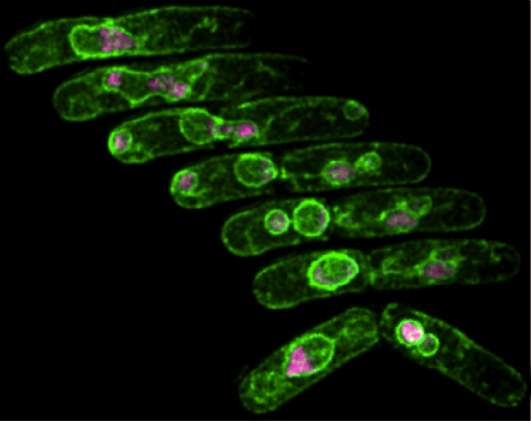
Sequential images of abnormal divisions in a mutant cell leading to abnormal nuclei and chromosome rearrangement. Chromosomes are displayed in pink, cell membranes in green. The cell undergoes two aberrant divisions.
Image credit goes to: Susan Forsburg
Researchers at USC have developed a yeast model to study a gene mutation that disrupts the duplication of DNA, causing massive damage to a cell’s chromosomes, while somehow allowing the cell to continue dividing.
How to tell the difference between bipolar disorder and depression

Many patients with bipolar disorder, a debilitating mental condition that can take a person from the sluggishness of severe depression to super-human energy levels, are often misdiagnosed as having major depressive disorder, or MDD. But now as an alternative to reliance on patient interviews, scientists are closing in on an objective test that could help clinicians distinguish between the two — and provide better treatment.
Stem cells: From pluripotency to totipotency
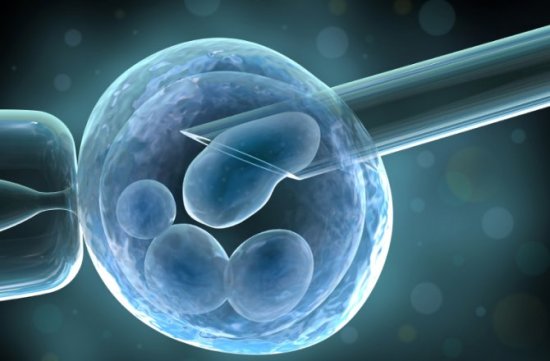
While it is already possible to obtain in vitro pluripotent cells (ie, cells capable of generating all tissues of an embryo) from any cell type, researchers from Maria-Elena Torres-Padilla’s team have pushed the limits of science even further. They managed to obtain totipotent cells with the same characteristics as those of the earliest embryonic stages and with even more interesting properties. (more…)
New approach for making vaccines for deadly diseases
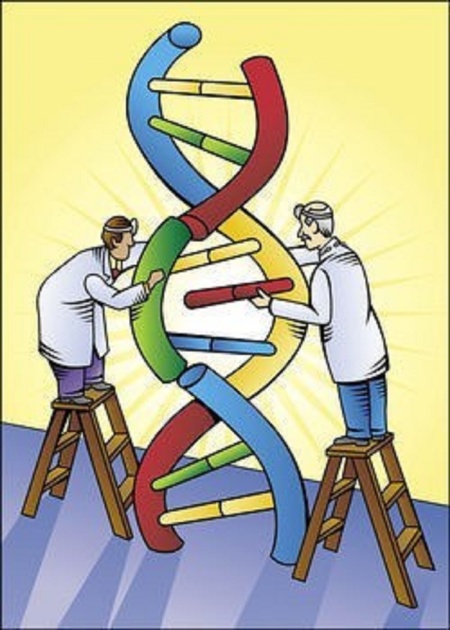
Researchers have devised an entirely new approach to vaccines – creating immunity without vaccination. The team has demonstrated that animals injected with synthetic DNA engineered to encode a specific neutralizing antibody against the dengue virus were capable of producing the exact antibodies necessary to protect against disease, without the need for standard antigen-based vaccination. Importantly, this approach, termed DMAb, was rapid, protecting animals within a week of administration.
Childhood cancer cells drain immune system’s batteries

Cancer cells in neuroblastoma contain a molecule that breaks down a key energy source for the body’s immune cells, leaving them too physically drained to fight the disease, according to new research. Cancer Research UK-funded scientists have discovered that the cells in neuroblastoma – a rare type of childhood cancer that affects nerve cells – produce a molecule that breaks down arginine, one of the building blocks of proteins and an essential energy source for immune cells.
Crystal clear images uncover secrets of hormone receptors
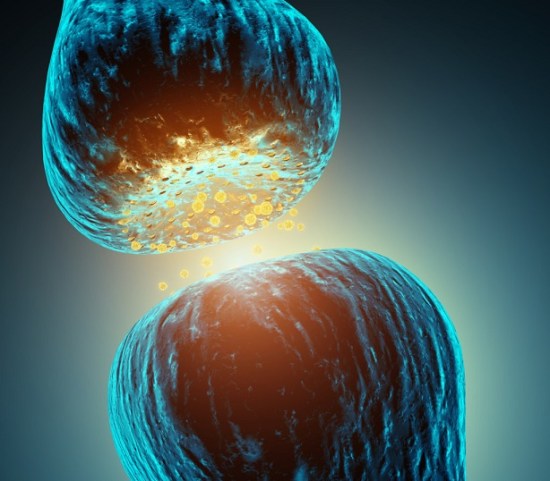
Many hormones and neurotransmitters work by binding to receptors on a cell’s exterior surface. This activates receptors causing them to twist, turn and spark chemical reactions inside cells. NIH scientists used atomic level images to show how the neuropeptide hormone neurotensin might activate its receptors. Their description is the first of its kind for a neuropeptide-binding G protein-coupled receptor (GPCR), a class of receptors involved in a wide range of disorders and the target of many drugs.
Paralyzed men move legs with new non-invasive spinal cord stimulation
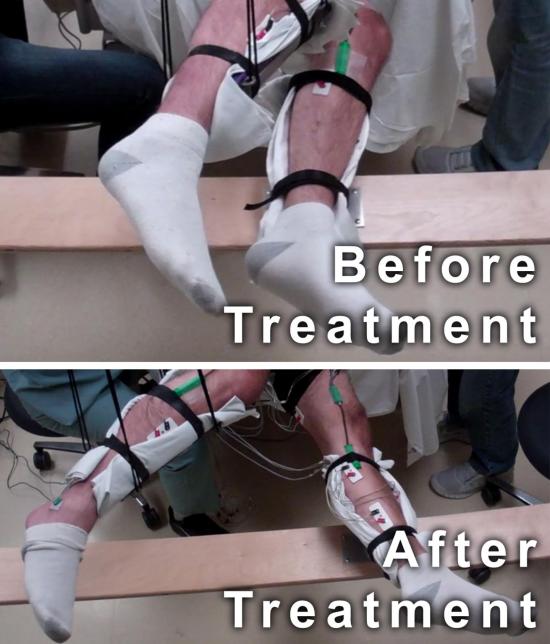
This image shows the range of voluntary movement prior to receiving stimulation compared to movement after receiving stimulation, physical conditioning, and buspirone. The subject’s legs are supported so that they can move without resistance from gravity. The electrodes on the legs are used for recording muscle activity.
Image credit goes to: Edgerton lab/UCLA
Five men with complete motor paralysis were able to voluntarily generate step-like movements thanks to a new strategy that non-invasively delivers electrical stimulation to their spinal cords. The strategy, called transcutaneous stimulation, delivers electrical current to the spinal cord by way of electrodes strategically placed on the skin of the lower back.
Prostate cancer is 5 different diseases

Cancer Research UK scientists have for the first time identified that there are five distinct types of prostate cancer and found a way to distinguish between them, according to a landmark study. The findings could have important implications for how doctors treat prostate cancer in the future, by identifying tumours that are more likely to grow and spread aggressively through the body.
Some vaccines support evolution of more-virulent viruses

This image shows chickens in agricultural production. Image credit goes to: Andrew Read, Penn State University
Scientific experiments with the herpes virus such as the one that causes Marek’s disease in poultry have confirmed, for the first time, the highly controversial theory that some vaccines could allow more-virulent versions of a virus to survive, putting unvaccinated individuals at greater risk of severe illness. The research has important implications for food-chain security and food-chain economics, as well as for other diseases that affect humans and agricultural animals.
Spines of boys and girls differ at birth

Looking at measurements of the vertebrae – the series of small bones that make up the spinal column – in newborn children, investigators at Children’s Hospital Los Angeles found that differences between the sexes are present at birth. Results of the study suggest that this difference is evolutionary, allowing the female spine to adapt to the fetal load during pregnancy.
Using low-dose irradiation, researchers can now edit human genes
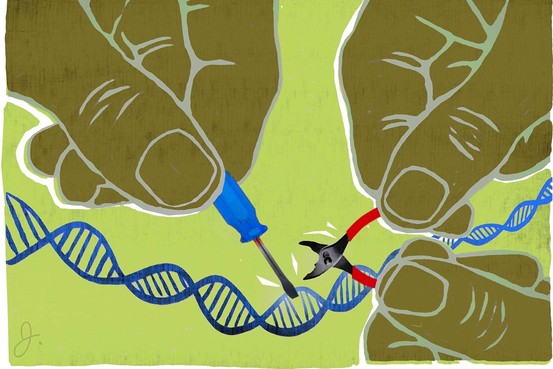
For the first time, researchers have employed a gene-editing technique involving low-dose irradiation to repair patient cells. This method, developed by researchers in the Cedars-Sinai Board of Governors Regenerative Medicine Institute, is 10 times more effective than techniques currently in use.
Cholesterol metabolism in immune cells linked to HIV progression, may lead to new therapy
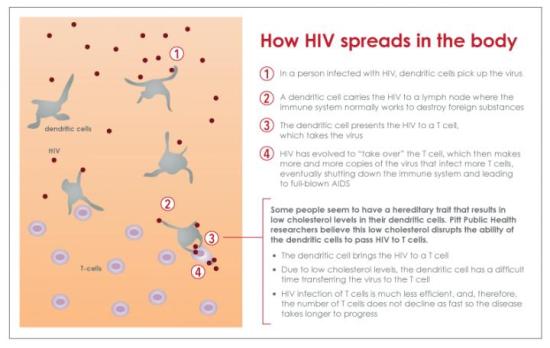
This infographic shows how HIV spreads in the body. Image credit goes to: 2014 UPMC
Enhanced cholesterol metabolism in certain immune cells may help some people infected with HIV naturally control disease progression, according to new research. The findings provide a basis for potential development of new approaches to control HIV infection by regulating cellular cholesterol metabolism.
Intellectual pursuits may buffer the brain against addiction

New study of mice finds that intellectual pursuits can make us more resistant to the lure of drugs Image credit goes to: Emily Strange)
Challenging the idea that addiction is hardwired in the brain, a new study suggests that even a short time spent in a stimulating learning environment can rewire the brain’s reward system and buffer it against drug dependence. Scientists tracked cocaine cravings in more than 70 adult male mice and found that those rodents whose daily drill included exploration, learning and finding hidden tasty morsels were less likely than their enrichment-deprived counterparts to seek solace in a chamber where they had been given cocaine.
Less intensive chemo avoids irreversible side effects in children’s cancer

Children with a rare type of cancer called Wilms’ tumour who are at low risk of relapsing can now be given less intensive treatment, avoiding a type of chemotherapy that can cause irreversible heart problems in later life. The move follows the results of a Cancer Research UK trial showing that the drug doxorubicin can be safely omitted from treatment without affecting patients’ chances of survival.
Spinal cord injury and the bodies response: Modulating the macrophage
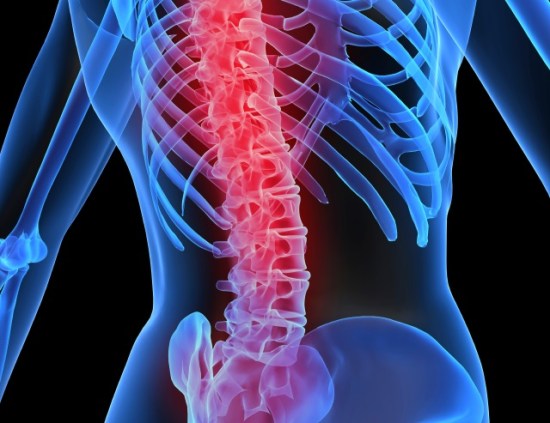
Macrophages are cellular sentinels in the body, assigned to identify “attacks” from viruses, bacteria, or fungi and sound the alarm when they are present. However, these cells are a “double edged sword” in spinal cord injury, providing both neural repair-promoting properties and pathological functions that destroy neuronal tissue.
Study shows long-term effects of type 2 diabetes on the brain, thinking

In just two years, people with type 2 diabetes experienced negative changes in their ability to regulate blood flow in the brain, which was associated with lower scores on tests of cognition skills and their ability to perform their daily activities, according to a new study.
How the tumor escapes the immune response

Natural killer cells of the immune system can fend off malignant lymphoma cells and thus are considered a promising therapeutic approach. However, in the direct vicinity of the tumor they lose their effect. Scientists have now elucidated which mechanisms block the natural killer cells and how this blockade could be lifted.
Pupil response predicts depression risk in kids
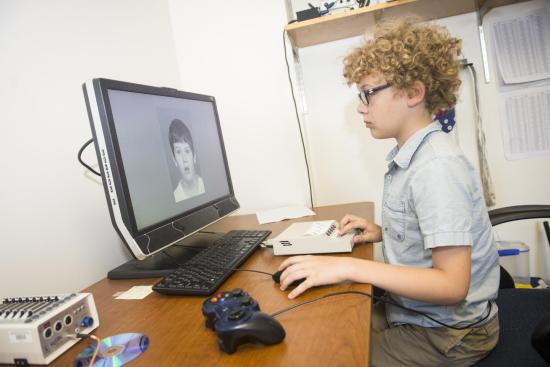
Findings suggest that physiological reactivity to sad stimuli, assessed using pupillometry, serves as one potential biomarker of depression risk among children of depressed mothers. Image credit goes to: Jonathan Cohen, Binghamton University Photographer
Most parents don’t want to think about their children as depressed, but that can be a deadly mistake. Short of clinical diagnosis through cost prohibitive therapy, there is no real way to tell if a child is at risk for depression. However, according to new research from Binghamton University , how much a child’s pupil dilates in response to seeing an emotional image can predict his or her risk of depression over the next two years.
Link between autoimmune diseases, medications, and a dangerous heart condition
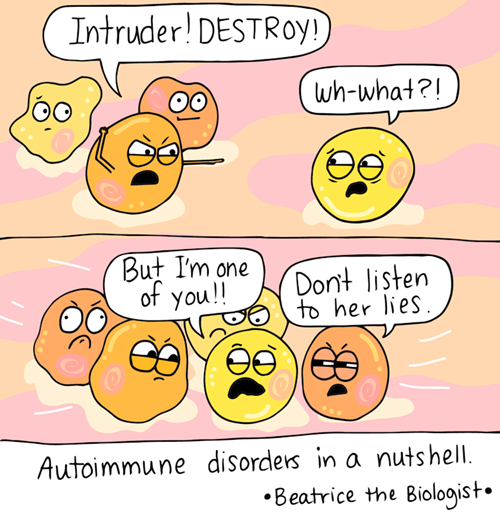
Image credit goes to: The one and only Beatrice the biologist
Mohamed Boutjdir, PhD, professor of medicine, cell biology, and physiology and pharmacology at SUNY Downstate Medical Center, has led a study with international collaborators identifying the mechanism by which patients with various autoimmune and connective tissue disorders may be at risk for life-threatening cardiac events if they take certain anti-histamine or anti-depressant medications. Dr. Boutjdir is also director of the Cardiac Research Program at VA New York Harbor Healthcare System.
Restraint and confinement still an everyday practice in mental health settings

Providers of mental-health services still rely on intervention techniques such as physical restraint and confinement to control some psychiatric hospital patients, a practice which can cause harm to both patients and care facilities, according to a new study from the University of Waterloo. The study found that almost one in four psychiatric patients in Ontario hospitals are restrained using control interventions, such as chairs that prevent rising, wrist restraints, seclusion rooms or acute control medications.
Discovery points to a new path toward a universal flu vaccine

Flu vaccines can be something of a shot in the dark. Not only must they be given yearly, there’s no guarantee the strains against which they protect will be the ones circulating once the season arrives. New research by Rockefeller University scientists suggests it may be possible to harness a previously unknown mechanism within the immune system to create more effective and efficient vaccines against this ever-mutating virus.
Long-term memories are maintained by prion-like proteins

Research from Columbia University Medical Center (CUMC) has uncovered further evidence of a system in the brain that persistently maintains memories for long periods of time. And paradoxically, it works in the same way as mechanisms that cause mad cow disease, kuru, and other degenerative brain diseases.
REM sleep critical for young brain development; medication interferes

Rapid eye movement or REM sleep actively converts waking experiences into lasting memories and abilities in young brains reports a new study. The finding broadens the understanding of children’s sleep needs and calls into question the increasing use of REM-disrupting medications such as stimulants and antidepressants.
Digesting bread and pasta can release biologically active molecules

Biologically active molecules released by digesting bread and pasta can survive digestion and potentially pass through the gut lining, suggests new research. The study reveals the molecules released when real samples of bread and pasta are digested, providing new information for research into gluten sensitivity.
Omega-3 supplements and antioxidants may help with preclinical Alzheimer’s disease
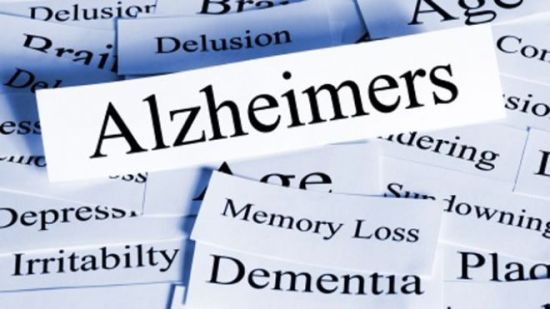
Here’s more evidence that fish oil supplementation and antioxidants might be beneficial for at least some people facing Alzheimer’s disease. A new report describes the findings of a very small study in which people with mild clinical impairment, such as those in the very early stages of the disease, saw clearance of the hallmark amyloid-beta protein and reduced inflammation in neurological tissues. Although the findings involved just 12 patients over the course of 4 to 17 months, the findings suggest further clinical study of this relatively inexpensive and plentiful supplement should be conducted.
How your brain knows it’s summer
Researchers led by Toru Takumi at the RIKEN Brain Science Institute in Japan have discovered a key mechanism underlying how animals keep track of the seasons. The study shows how circadian clock machinery in the brain encodes seasonal changes in daylight duration through GABA activity along with changes in the amount of chloride located inside certain neurons.
Rare neurons enable mental flexibility
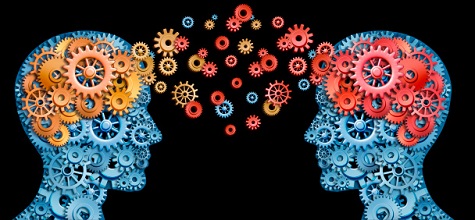
Behavioral flexibility — the ability to change strategy when the rules change — is controlled by specific neurons in the brain, Researchers have confirmed. Cholinergic interneurons are rare — they make up just one to two percent of the neurons in the striatum, a key part of the brain involved with higher-level decision-making. Scientists have suspected they play a role in changing strategies, and researchers at OIST recently confirmed this with experiments.
Brain scan can predict who responds best to certain treatment for OCD

Tens of millions of Americans — an estimated 1 to 2 percent of the population — will suffer at some point in their lifetimes from obsessive-compulsive disorder, a disorder characterized by recurrent, intrusive, and disturbing thoughts (obsessions), and/or stereotyped recurrent behaviors (compulsions). Left untreated, OCD can be profoundly distressing to the patient and can adversely affect their ability to succeed in school, hold a job or function in society.
A single mutation helped last year’s flu virus gain an advantage over the vaccine
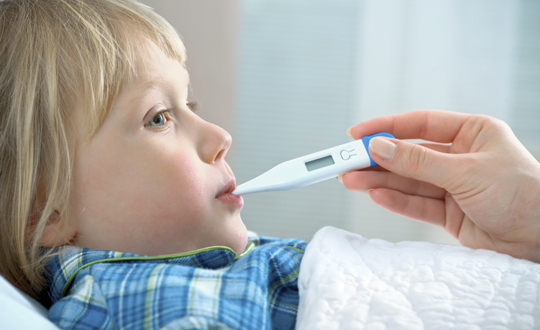
The 2014-2015 flu vaccine didn’t work as well compared to previous years because the H3N2 virus recently acquired a mutation that concealed the infection from the immune system. A new study reveals the major viral mutation responsible for the mismatch between the vaccine strain and circulating strains. The research will help guide the selection of viral strains for future seasonal flu vaccines.
Synthetic biology used to engineer new route to biochemicals

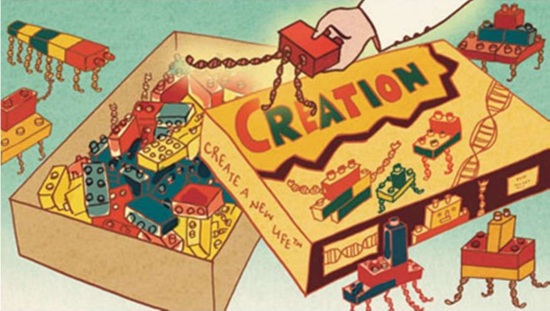
Living cells can make a vast range of products for us, but they don’t always do it in the most straightforward or efficient way. Shota Atsumi, a chemistry professor at UC Davis, aims to address that through “synthetic biology:” designing and building new biochemical pathways within living cells, based on existing pathways from other living things.
Oh, to have Dr. Facebook on call!
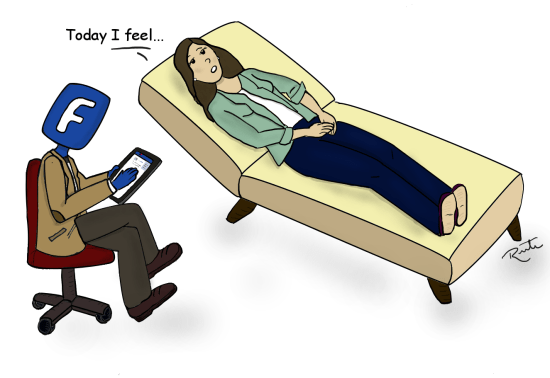
If it were up to Internet-savvy Americans, more of them would be emailing or sending Facebook messages to their doctors to chat about their health. That’s the result of a national survey led by Joy Lee of Johns Hopkins Bloomberg School of Public Health in the US.
Researchers find mechanisms that initiate labor

Researchers at UT Southwestern Medical Center have identified two proteins in a fetus’ lungs responsible for initiating the labor process, providing potential new targets for preventing preterm birth. Previous studies have suggested that signals from the fetus initiate the birth process, but the precise molecular mechanisms that lead to labor remained unclear.
Autism: The value of an integrated approach to diagnosis
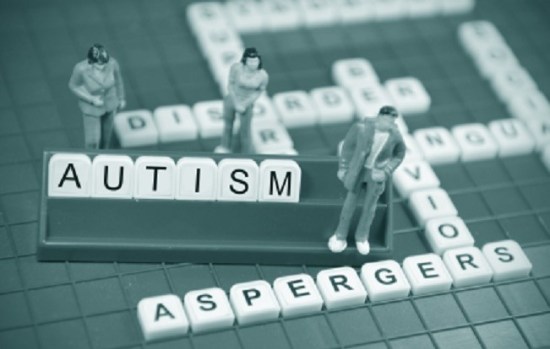
Researchers at Inserm (Inserm Unit 930 “Imaging and Brain”) attached to François-Rabelais University and Tours Regional University Hospital have combined three clinical, neurophysiological and genetic approaches in order to better understand the brain mechanisms that cause autism. When tested on two families, this strategy enabled the researchers to identify specific gene combinations in autistic patients that distinguished them from patients with intellectual disabilities.
Study links heartbeat to female libido

Sexual dysfunction in women can be linked to low resting heart rate variability, a finding that could help clinicians treat the condition, according to a study by psychologists from The University of Texas at Austin.
Avocados may hold the answer to beating leukemia
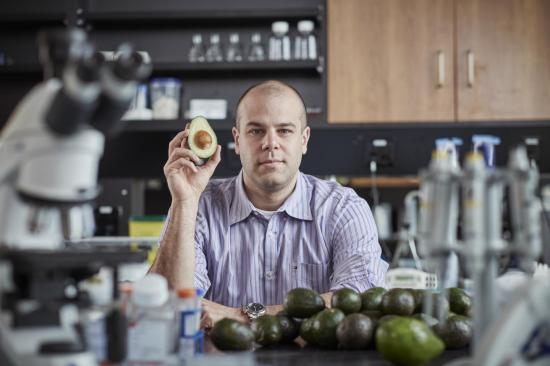
Professor Paul Spagnuolo from the University of Waterloo has discovered a lipid in avocados that combats acute myeloid leukemia by targeting the root of the disease — leukemia stem cells. Worldwide, there are few drug treatments available to patients that target leukemia stem cells. Image credit goes to: University of Waterloo
Rich, creamy, nutritious and now cancer fighting. New research reveals that molecules derived from avocados could be effective in treating a form of cancer. Professor Paul Spagnuolo from the University of Waterloo has discovered a lipid in avocados that combats acute myeloid leukemia (AML) by targeting the root of the disease – leukemia stem cells. Worldwide, there are few drug treatments available to patients that target leukemia stem cells.
Power of the media’s impact on medicine use revealed
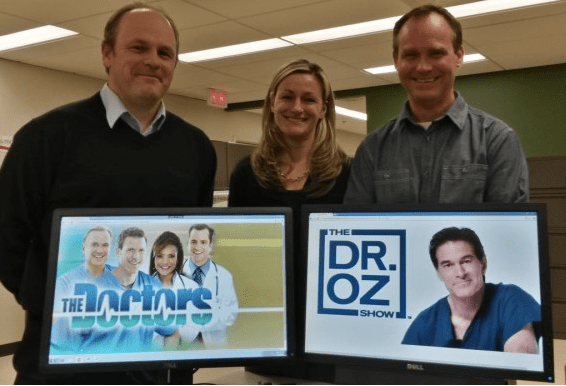
More than 60,000 Australians are estimated to have reduced or discontinued their use of prescribed cholesterol-lowering statin medications following the airing of a two-part series critical of statins by ABC TV’s science program, Catalyst, a University of Sydney study reveals. The analysis of the Pharmaceutical Benefits Scheme medication records of 191,000 people revealed that there was an immediate impact after Catalyst was aired in October 2013, with 14,000 fewer people dispensed statins per week than expected.
Hormone that differentiates sugar, diet sweeteners could exist in humans

We’ve all been there: We eat an entire sleeve of fat-free, low-calorie cookies and we’re stuffing ourselves with more food 15 minutes later. One theory to explain this phenomenon is that artificial sweeteners don’t contain the calories or energy that evolution has trained the brain to expect from sweet-tasting foods, so they don’t fool the brain into satisfying hunger. However, until now, nobody understood how organisms distinguish between real sugar and artificial sweetener.
Autoimmunity: New immunoregulation and biomarker
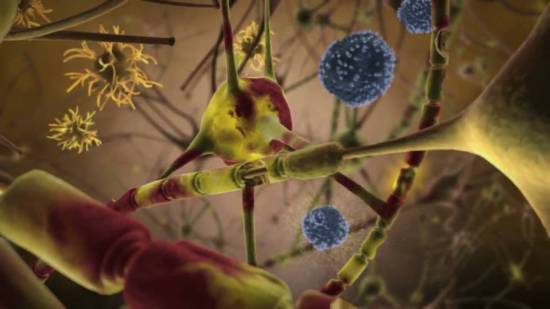
Clinicians at Ludwig-Maximilians-Universitaet (LMU) in Munich have elucidated a mechanism involved in determining the lifespan of antibody-producing cells, and identified a promising new biomarker for monitoring autoimmune diseases like multiple sclerosis and lupus erythematosus.


 Lunatic Laboratories