
Pain is in the brain

Chronic pain results from disease or trauma to the nervous system. Damaged nerve fibres with heightened responses to normal stimuli send incorrect messages to pain centres in the brain. This phenomenon, called “peripheral and central sensitization” is one of the key mechanisms involved in the condition which touches people with diabetes, cancer, and those suffering from multiple sclerosis, among others.
Sex change hormonal treatments alter brain chemistry

Hormonal treatments administered as part of the procedures for sex reassignment have well-known and well-documented effects on the secondary sexual characteristics of the adult body, shifting a recipient’s physical appearance to that of the opposite sex. New research indicates that these hormonal treatments also alter brain chemistry.
Parents influence children’s play of violent video games

Parents who are more anxious and emotional can impact the amount of violent video games their children play, according to new consumer research from Iowa State University. Russell Laczniak, a professor of marketing and the John and Connie Stafford Professor in Business, says given the harmful effects of violent video games, he and his colleagues wanted to better understand how parents influence children’s behavior.
American placebo – An increase in the placebo response, but only in America?
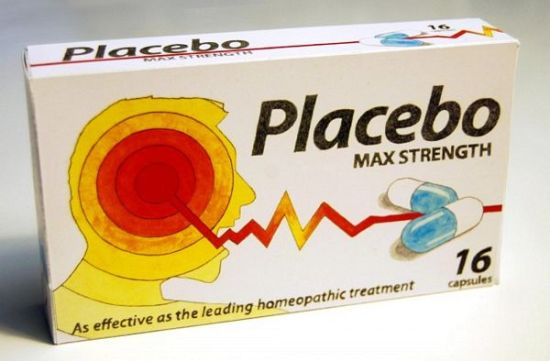
A new study finds that rising placebo responses may play a part in the increasingly high failure rate for clinical trials of drugs designed to control chronic pain caused by nerve damage. Surprisingly, however, the analysis of clinical trials conducted since 1990 found that the increase in placebo responses occurred only in trials conducted wholly in the U.S.; trials conducted in Europe or Asia showed no changes in placebo responses over that period.
Gut bacteria population, diversity linked to anorexia nervosa

Researchers at the UNC School of Medicine found that people with anorexia nervosa have very different microbial communities residing inside their guts compared to healthy individuals and that this bacterial imbalance is associated with some of the psychological symptoms related to the eating disorder.
Brain networking: behind the cognitive control of thoughts
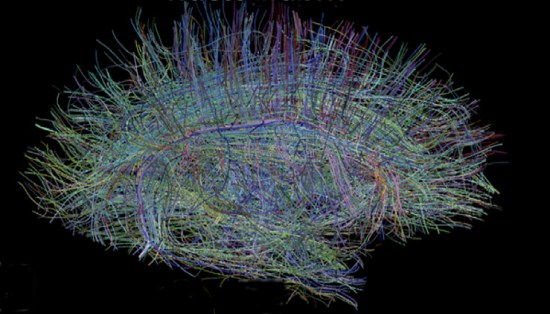
The human brain does not come with an operating manual. However, a group of scientists have developed a way to convert structural brain imaging techniques into “wiring diagrams” of connections between brain regions. Three researchers from UCSB’s Department of Psychological & Brain Sciences — Michael Miller, Scott Grafton and Matt Cieslak — used the structure of neural networks to reveal the fundamental rules that govern which parts of the brain are most able to exert cognitive control over thoughts and actions.
High-fructose diet slows recovery from brain injury

Well bad news for those of us who have a sweet tooth, a diet high in processed fructose sabotages rat brains’ ability to heal after head trauma, UCLA neuroscientists report. While this doesn’t necessarily translate to humans quite yet, it should still raise a few eyebrows given the results from the study.
Coincidence or conspiracy? Studies investigate conspiracist thinking

In pop culture, conspiracy believers — like FBI agent Fox Mulder on The X Files or professor Robert Langdon in The Da Vinci Code — tend to reject the notion of coincidence or chance; even the most random-seeming events are thought to result from some sort of intention or design. And researchers have suggested that such a bias against randomness may explain real-world conspiracy beliefs. But new research from psychological scientists shows no evidence for a link between conspiracist thinking and perceptions of order, design, or intent.
Scientists identify key receptor as potential target for treatment of autism
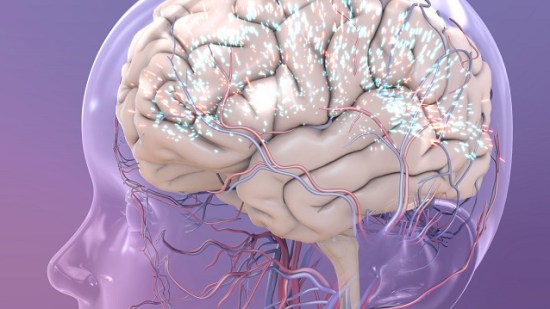
Scientists from the Florida campus of The Scripps Research Institute (TSRI) have uncovered a significant–and potentially treatable–relationship between a chemical that helps transmit signals in the brain and genetic mutations present in a subset of individuals with autism spectrum disorder. The new research findings focus on the role that the neurotransmitter serotonin plays in the development of social behavior.
Breaking the anxiety cycle

A woman who won’t drive long distances because she has panic attacks in the car. A man who has contamination fears so intense he cannot bring himself to use public bathrooms. A woman who can’t go to church because she fears enclosed spaces. All of these people have two things in common: they have an anxiety disorder. They’re also parents.
What motivates ‘Facebook stalking’ after a romantic breakup?

Social networking makes it easy to monitor the status and activities of a former romantic partner, an often unhealthy use of social media known as interpersonal electronic surveillance (IES) or, more commonly, “Facebook stalking.” Psychological and relationship factors and how individuals cope with the termination of a romantic relationship can help predict their use of online surveillance, according to a new study.
Genetic analysis supports prediction that spontaneous rare mutations cause half of autism

A team led by researchers at Cold Spring Harbor Laboratory (CSHL) has published a new analysis of data on the genetics of autism spectrum disorder (ASD). One commonly held theory is that autism results from the chance combinations of commonly occurring gene mutations, which are otherwise harmless. But the authors’ work provides support for a different theory.
‘Delayed remembering’: Kids can remember tomorrow what they forgot today

For adults, memories tend to fade with time. But a new study has shown that there are circumstances under which the opposite is true for small children: they can remember a piece of information better days later than they can on the day they first learned it. While playing a video game that asked them to remember associations between objects, 4- and 5-year-olds who re-played the game after a two-day delay scored more than 20 percent higher than kids who re-played it later the same day.
Schizophrenia: Repairing the brain

Research led by scientists from Duke-NUS Graduate Medical School Singapore (Duke-NUS) has linked the abnormal behaviour of two genes (BDNF and DTNBP1) to the underlying cause of schizophrenia. These findings have provided a new target for schizophrenia treatment.
Immune system may be pathway between nature and good health

Research has found evidence that spending time in nature provides protections against a startling range of diseases, including depression, diabetes, obesity, ADHD, cardiovascular disease, cancer, and many more. How this exposure to green space leads to better health has remained a mystery. After reviewing hundreds of studies examining nature’s effects on health, researchers believe the answer lies in nature’s ability to enhance the functioning of the body’s immune system.
Students in credit crisis

New research from the USA suggests that college students are well aware that they should be personally responsible for their finances, including their card obligations, but this awareness rarely correlates with limiting the debts they accrue during their time in higher education.
Female mice sing for sex

Using a sophisticated array of microphones and a sound chamber he developed, a University of Delaware researcher discovered the world is full of tiny furry Beyoncés. Studying all the Single Ladies’ communication provides insight into brain mechanics.
Image credit goes to: Jeff Chase, University of Delaware
They don’t use gondolas or croon like Sinatra. But scientists have known for a long time that male mice belt out something like love songs to females when the time seems right to them. What they didn’t know – until a University of Delaware researcher developed a sophisticated array of microphones and a sound analysis chamber – was that female mice were singing back.
Guilting teens into exercise won’t increase activity

Just like attempts at influencing hairstyles or clothing can backfire, adults who try to guilt middle-schoolers into exercising won’t get them to be any more active. The study found students who don’t feel in control of their exercise choices or who feel pressured by adults to be more active typically aren’t.
The science of stereotyping: Challenging the validity of ‘gaydar’

“Gaydar” — the purported ability to infer whether people are gay or straight based on their appearance — seemed to get a scientific boost from a 2008 study that concluded people could accurately guess someone’s sexual orientation based on photographs of their faces. In a new paper researchers at the University of Wisconsin-Madison challenge what they call “the gaydar myth.” William Cox, an assistant scientist in the Department of Psychology and the lead author, says gaydar isn’t accurate and is actually a harmful form of stereotyping.
Common antidepressant may change brain

A commonly prescribed antidepressant may alter brain structures in depressed and non-depressed individuals in very different ways, according to new research. The study – conducted in nonhuman primates with brain structures and functions similar to those of humans – found that the antidepressant sertraline, a selective serotonin reuptake inhibitor (SSRI) marketed as Zoloft, significantly increased the volume of one brain region in depressed subjects but decreased the volume of two brain areas in non-depressed subjects.
Do antipsychotic medications affect cortical thinning?

People diagnosed with schizophrenia critically rely upon treatment with antipsychotic medications to manage their symptoms and help them function at home and in the workplace. But despite their benefits, antipsychotic medications might also have some negative effects on brain structure or function when taken for long periods of time.
Researchers help identify neural basis of multitasking

What makes someone better at switching between different tasks? Looking for the mechanisms behind cognitive flexibility, researchers have used brain scans to shed new light on this question. By studying networks of activity in the brain’s frontal cortex, a region associated with control over thoughts and actions, the researchers have shown that the degree to which these networks reconfigure themselves while switching from task to task predicts people’s cognitive flexibility.
Television viewing linked to higher injury risk in hostile people

People with hostile personality traits who watch more television than their peers may be at a greater risk for injury, potentially because they are more susceptible to the influence of television on violence and risk-taking behaviors, a University of Pittsburgh Graduate School of Public Health analysis discovered.
Confidence in parenting could help break cycle of abuse

To understand how confidence in parenting may predict parenting behaviors in women who were abused as children, psychologists have found that mothers who experienced more types of maltreatment as children are more critical of their ability to parent successfully. Intervention programs for moms at-risk, therefore, should focus on bolstering mothers’ self-confidence–not just teach parenting skills, the researchers said.
Predicting who will murder his wife or his family

Murderers who kill intimate partners and family members have a significantly different psychological and forensic profile from murderers who kill people they don’t know, reports a new Northwestern Medicine study that examined the demographics, psychiatric history and neuropsychology of these individuals.
Want a better relationship and a better sex life?

If men take up more of the child-care duties, splitting them equally with their female partners, heterosexual couples have more satisfaction with their relationships and their sex lives, according to new research by sociologists. The group used data from more than 900 heterosexual couples’ responses in the 2006 Marital Relationship Study (MARS).
Don’t touch that dial: TV’s subliminal influence on women’s perception of pregnancy and birth

In an era where popular culture is increasingly recognized for its impact on lay understanding of health and medicine, few scholars have looked at television’s powerful role in the creation of patient expectations, especially regarding pregnancy and birth.
‘Memory region’ of the brain also involved in conflict resolution
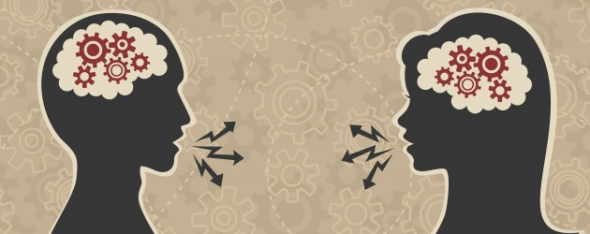
The hippocampus in the brain’s temporal lobe is responsible for more than just long-term memory. Researchers have for the first time demonstrated that it is also involved in quick and successful conflict resolution.
Happiness spreads, but depression isn’t contagious

Having friends who suffer from depression doesn’t affect the mental health of others, according to research. The team found that having friends can help teenagers recover from depression or even avoid becoming depressed in the first instance. The findings are the result of a study of the way teenagers in a group of US high schools influenced each others’ mood. The academics used a mathematical model to establish if depression spreads from friend to friend.
Don’t I know that guy? Neuroscientists pinpoint part of the brain that deciphers memory from new experience

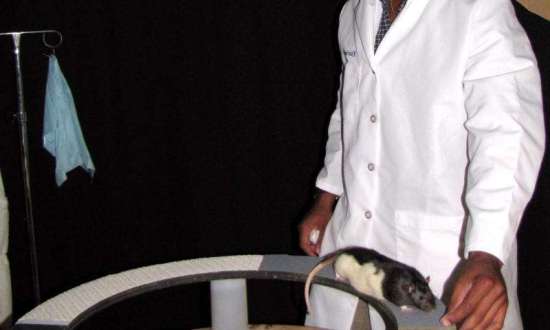
Research assistant Jeremy Johnson feeds a rat on the behavioral track used to determine where the brain decides what is new and what is familiar.
Image credit goes to: Johns Hopkins University
You see a man at the grocery store. Is that the fellow you went to college with or just a guy who looks like him? One tiny spot in the brain has the answer. Neuroscientists have identified the part of the hippocampus that creates and processes this type of memory, furthering our understanding of how the mind works, and what’s going wrong when it doesn’t.
Nicotine changes marijuana’s effect on the brain
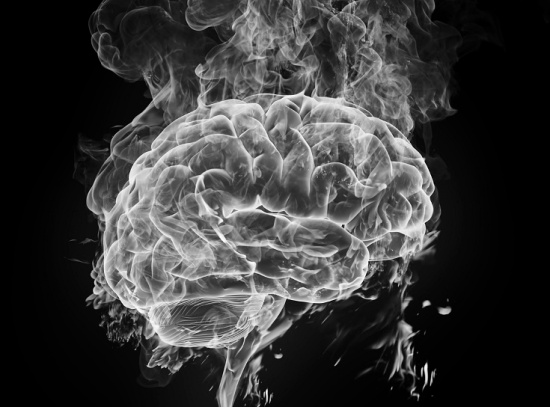
How scientists study the effects of marijuana on the brain is changing. Until recently marijuana research largely excluded tobacco users from its participant pool, but scientists have found reason to abandon this practice, uncovering significant differences in the brains of individuals who use both tobacco and marijuana and the brains of those who only use marijuana.
How influential are peer reactions to posts on Facebook news channels?

An experiment to determine the effects of positive and negative user comments to items posted by media organizations on Facebook news channels showed, surprisingly, that the influence of user comments varied depending on the type and number of user comments. Negative comments influenced the persuasiveness of a news article, while positive comments did not, and a high number of likes did not have the expected bandwagon effect.
Study shows poor sleep contributes to MS-related fatigue

New research confirmed that sleep disturbances significantly contribute to MS-related fatigue, a common and often disabling symptom among individuals with MS. Review of the pertinent literature showed that sleep may be the dominant factor in fatigue in MS. This was also the finding in Dr. Strober’s study of 107 employed individuals with MS of whom 61% reported poor sleep.
The stomach is the way to a woman’s heart, too

You’ve heard that romance starts in the kitchen and not in the bedroom. Well, researchers at Drexel University finally have the science to support that saying – but not the way you might think. Researchers found that women’s brains respond more to romantic cues on a full stomach than an empty one. The study explored brain circuitry in hungry versus satiated states among women who were past-dieters and those who had never dieted.
Scientists discover what controls waking up and going to sleep

Fifteen years ago, an odd mutant fruit fly caught the attention and curiosity of Dr. Ravi Allada, a circadian rhythms expert at Northwestern University, leading the neuroscientist to recently discover how an animal’s biological clock wakes it up in the morning and puts it to sleep at night. The clock’s mechanism, it turns out, is much like a light switch.
Cognitive decision making as the collapse of a quantum superstate

Decision making in an enormous range of tasks involves the accumulation of evidence in support of different hypotheses. One of the enduring models of evidence accumulation is the Markov random walk (MRW) theory, which assigns a probability to each hypothesis. In an MRW model of decision making, when deciding between two hypotheses, the cumulative evidence for and against each hypothesis reaches different levels at different times, moving particle-like from state to state and only occupying a single definite evidence level at any given point.
Good for the relationship: A reframing of sexting

The practice of sexting may be more common than generally thought among adults. More than eight out of 10 people surveyed online admitted to sexting in the prior year, according to new research.
Excessive workout supplement use: An emerging eating disorder in men?

In an effort to build better bodies, more men are turning not to illegal anabolic steroids, but to legal over-the-counter bodybuilding supplements to the point where it may qualify as an emerging eating disorder, according to research presented at the American Psychological Association’s annual convention.
How to tell the difference between bipolar disorder and depression

Many patients with bipolar disorder, a debilitating mental condition that can take a person from the sluggishness of severe depression to super-human energy levels, are often misdiagnosed as having major depressive disorder, or MDD. But now as an alternative to reliance on patient interviews, scientists are closing in on an objective test that could help clinicians distinguish between the two — and provide better treatment.
Mans best friend: Dogs process faces in specialized brain area
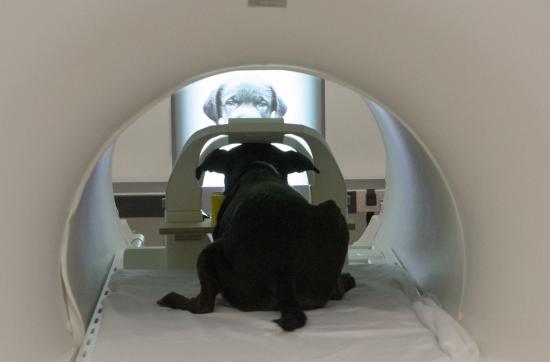
The study involved dogs viewing both static images and video images on a screen while undergoing fMRI. It was a particularly challenging experiment since dogs do not normally interact with two-dimensional images, and they had to undergo training to learn to pay attention to the screen.
Image credit goes to: Photo by Gregory Berns, Emory University
Ever feel like your pet knows what you look like? While historically animals are depicted as, well slow… new research is proving otherwise. To pet owners this might not be big news, but scientists found that dogs have a specialized region in their brains for processing faces. The research provides the first evidence for a face-selective region in the temporal cortex of dogs.
Preventing addiction relapse by erasing drug-associated memories
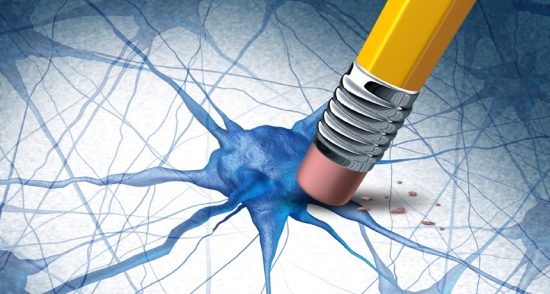
Recovering addicts often grapple with the ghosts of their addiction–memories that tempt them to relapse even after rehabilitation and months, or even years, of drug-free living. Now, scientists from the Florida campus of The Scripps Research Institute (TSRI) have made a discovery that brings them closer to a new therapy based on selectively erasing these dangerous and tenacious drug-associated memories.
Perfectionism linked to burnout at work, school and sports

Concerns about perfectionism can sabotage success at work, school or on the playing field, leading to stress, burnout and potential health problems, according to new research. In the first meta-analysis of the relationship between perfectionism and burnout, researchers analyzed the findings from 43 previous studies conducted over the past 20 years. It turns out perfectionism isn’t all bad.
Where memory is encoded and retrieved
Are the same regions and even the same cells of the brain area called hippocampus involved in encoding and retrieving memories or are different areas of this structure engaged? This question has kept neuroscientists busy for a long time. Researchers at the Mercator Research Group “Structure of Memory” at RUB have now found out that the same brain cells exhibit activity in both processes.
Sleep not just protects memories against forgetting, it also makes them more accessible

Sleeping not only protects memories from being forgotten, it also makes them easier to access, according to new research from the University of Exeter and the Basque Centre for Cognition, Brain and Language. The findings suggest that after sleep we are more likely to recall facts which we could not remember while still awake.
Cell phone notifications may be driving you to distraction

Whether you are alerted to an incoming phone call or text by a trendy ringtone, an alarm bell or a quiet vibration, just receiving a notification on your cell phone can cause enough of a distraction to impair your ability to focus on a given task. In fact, the distraction caused by a simple notification — whether it is a sound or a vibration — is comparable to the effects seen when users actively use their cell phones to make calls or send text messages, the researchers found.
Brain structure reveals ability to regulate emotions
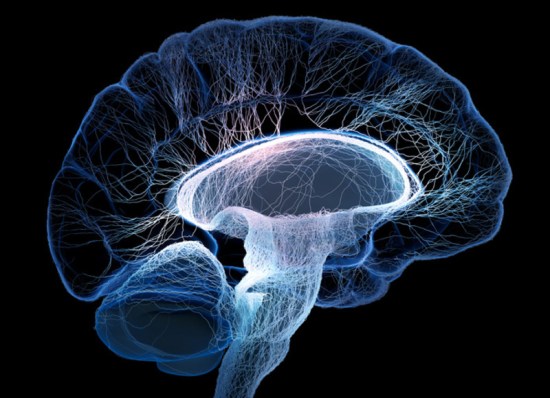
We all vary in how often we become happy, sad or angry, and also in how strongly these emotions are expressed. This variability is a part of our personality and can be seen as a positive aspect that increases diversity in society. However, there are people that find it so difficult to regulate their emotions that it has a serious impact on their work, family and social life. These individuals may be given an emotional instability diagnosis such as borderline personality disorder or antisocial personality disorder.
Women and fragrances: Scents and sensitivity


Researchers have sniffed out an unspoken rule among women when it comes to fragrances: Women don’t buy perfume for other women, and they certainly don’t share them. Like boyfriends, current fragrance choices are hands off, forbidden–neither touch, nor smell. You can look, but that’s all, says BYU industrial design professor and study coauthor Bryan Howell.
What’s that!? Brain network that controls, redirects attention identified

Researchers at Columbia University Medical Center (CUMC) have found that key parts of the human brain network that give us the power to control and redirect our attention–a core cognitive ability–may be unique to humans. The research suggests that the network may have evolved in response to increasingly complex social cues.
Intellectual pursuits may buffer the brain against addiction
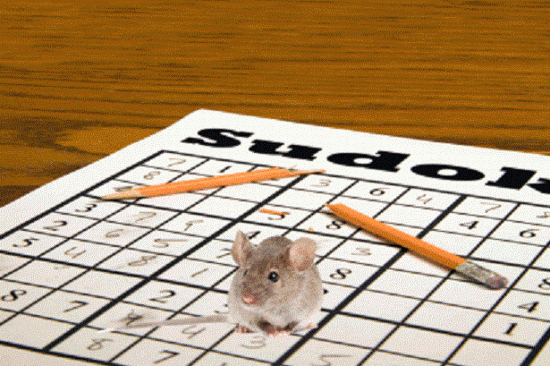
New study of mice finds that intellectual pursuits can make us more resistant to the lure of drugs Image credit goes to: Emily Strange)
Challenging the idea that addiction is hardwired in the brain, a new study suggests that even a short time spent in a stimulating learning environment can rewire the brain’s reward system and buffer it against drug dependence. Scientists tracked cocaine cravings in more than 70 adult male mice and found that those rodents whose daily drill included exploration, learning and finding hidden tasty morsels were less likely than their enrichment-deprived counterparts to seek solace in a chamber where they had been given cocaine.
‘Conjunction junction’ for brain’s navigation function

Ever wake at night needing a drink of water and then find your way to the kitchen in the dark without stubbing your toe? Researchers at the University of California, San Diego say they have identified a region of the brain that enables you to do that – and generally helps you navigate the world.


 Lunatic Laboratories