
Watch out Atkins: Over eating fatty foods can alter your muscle metabolism

More bad news on the obesity front and strangely enough, on the popular diet front too — at least for diets like atkins. New research shows that even short term high-fat diets can change your metabolism. So while you might think that you can get away with eating fatty foods for a few days without it making any significant changes to your body, think again.
The placebome: Where genetics and the placebo effect meet
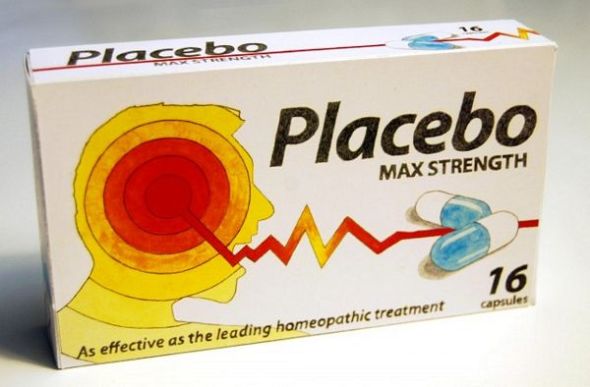
Placebos have helped to ease symptoms of illness for centuries and have been a fundamental component of clinical research to test new drug therapies for more than 70 years. But why some people respond to placebos and others do not remains under debate.
With the advent of genomics, researchers are learning that placebo responses are modified by a person’s genetics, a discovery that raises important new questions regarding the role of the placebo in patient care and in drug development: How many genetic biomarkers exist? Can the medical field harness the placebo response to enhance personalized medical treatment? What might be the impact of placebo-drug interactions? And what will this new information mean for randomized clinical trials, which depend on placebo controls to test the efficacy of new drug candidates? Should a “no-treatment” control be added to future trials?
Enzyme in cosmetic products can cause allergy

Papain is found naturally in papaya and is often referred to as a “plant-based pepsin” in reference to the digestive enzyme pepsin that is present in the stomach. Researchers looked at the effect of papain directly on the skin of mice as well as on skin cells in the petri dish. Skin consists of several layers joined via cellular connections called “tight junctions”. The project team showed that papain induces a breakdown of these cell-cell junctions. On the skin, papain results in a loss of the barrier function.
First human HIV-antibody trials, results are promising
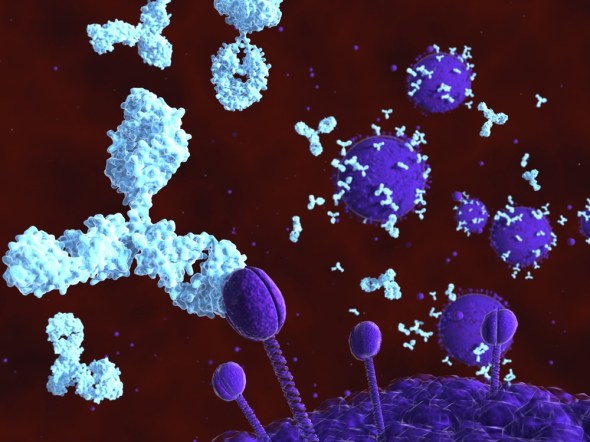
While there is no cure for HIV, a select few known as HIV controllers can literally live with it. Over the years work has been done trying to figure out what makes these individuals so special and it has helped researchers in the fight against HIV. While we are still searching for a vaccine, researchers have now found that a single infusion of an experimental anti-HIV antibody called 3BNC117 resulted in significantly decreased HIV levels that persisted for as long as 28 days in HIV-infected individuals, according to Phase 1 clinical trial findings.
Master protein enhances learning, memory and fitness?!

In this image, ERRγ is shown (stained red) in the hippocampus, the area of the brain largely responsible for memory. The new work could point to a way to enhance learning.
Image credit goes to: Salk Institute
You’re supposed to stay fit, the key to successful aging is to be active. Science doesn’t quite understand why, but staying fit helps keep our brain in shape as we get older. I hate to run, hate it, but I exercise my brain often. Truthfully, some people seem built to run marathons and have an easier time going for miles without tiring. Other individuals might be born with a knack for memorizing things, from times tables to trivia facts. These two skills―running and memorizing―are not so different as it turns out.
New therapy halts artery plaque growth and suppresses inflammation
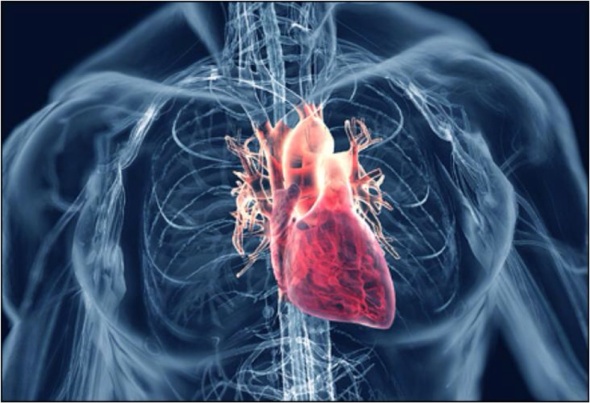
According to the CDC, 1 in 4 deaths are due to heart attacks. In fact it is the leading cause of death for both men and women. Largely attributed to diet, most medications solely aim at lowering cholesterol. However, a research team showed that a nanotherapeutic medicine can halt the growth of artery plaque cells resulting in the fast reduction of the inflammation that may cause a heart attack, offering a new way to treat people at risk for heart disease.
Beta secretase inhibitors offer treatment for Alzheimer’s disease
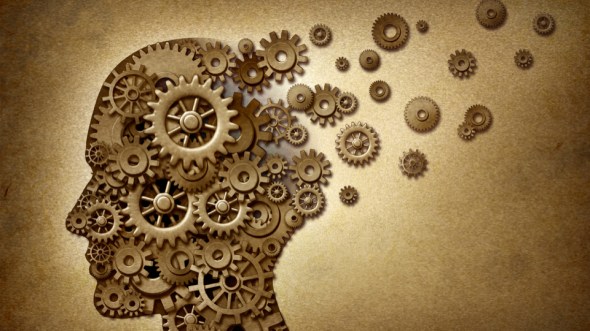
With each new amyloid-targeting treatment for Alzheimer’s disease that has been developed, there has been a corresponding concern. For example, antibodies targeting amyloid-β peptide (Aβ) produce inflammation in the brain in some patients. Gamma secretase inhibitors tend to produce adverse effects by interacting with Notch, an important pathway for cellular signaling. However, a new target for alzheimer’s is offering some new hope.
Sleep may be critical to avoid miscarriage

If you are trying to have a baby, a good night’s sleep is more important than ever. A recently published research report shows that the womb has its own “body clock” that needs to synchronize with the mother’s body clock to ensure optimal conditions for fetal growth and development. The inability of a mother’s body clock to synchronize with the womb’s clock may be at least part of the reason why some women have difficulty carrying a pregnancy to full term.
Welcome to the wikipedia for neurons
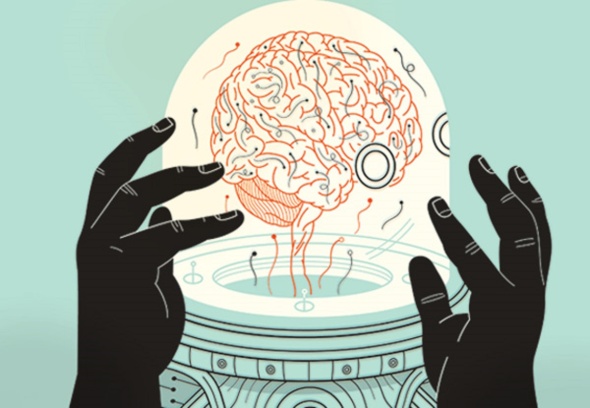
While the brain might not have more connections than stars in the universe (sorry guys), it is still complex. In fact, someone I respect defined a neuroscientist as “someone who knows how little we know about the brain.” Despite the decades worth of data that has been collected about the billions of neurons in the brain, we still don’t know much. So to help scientists make sense of the vast amount of information we already collected, researchers used data mining to create neuroelectro.org, a publicly available website that acts like Wikipedia, indexing physiological information about neurons.
UK Researchers find parental perception of child’s weight is skewed

Childhood obesity affects more than double the amount of children it did 30 years ago, according to the Centers for Disease Control and Prevention(CDC). To figure out why the rate is increasing researchers studied the relationship between parents and their obese children to determine how to improve pediatric health. The study actually reveals how poorly parents rate their own child’s weight issues — at least until they reach extreme levels of obesity.
Researchers find how body’s good fat talks to the brain
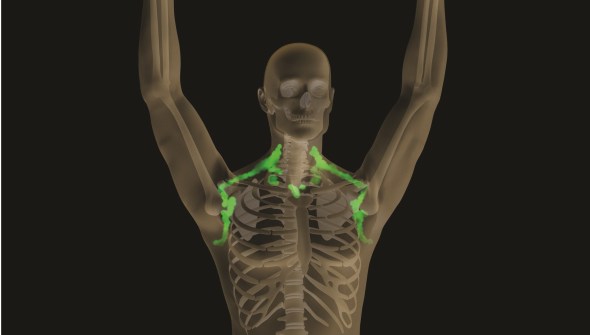
The typical areas where brown fat is stored in adults. (Unknown original source)
There are two types of fat we humans have — white and brown — unfortunately only one of them is “good fat” and it is unfortunately not the one we tend to produce. Well new research shows that brown fat tissue, the body’s “good fat,” communicates with the brain through sensory nerves, possibly sharing information that is important for fighting human obesity, such as how much fat we have and how much fat we’ve lost.
Cracking the blood-brain barrier with magnetic nanoparticles
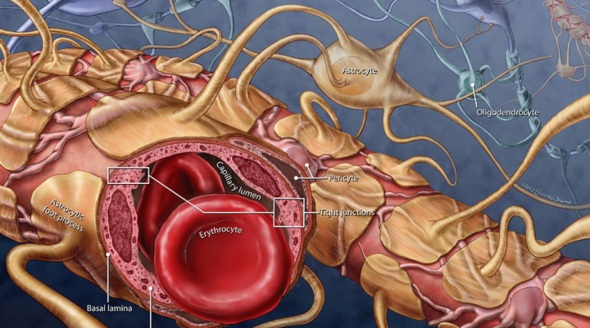
The blood-brain barrier, the thorn in the side of medicine. It makes using drugs directed for the brain ineffective at best and unusable at worst. This barrier runs inside almost all vessels in the brain and protects it from elements circulating in the blood that may be toxic to the brain. This barrier means that currently 98% of therapeutic molecules are also unable to cross to the brain. However, researchers now say magnetic nanoparticles can open the blood-brain barrier and deliver molecules directly to the brain.
Milk, not just for your bones, for your brain

Milk, depending on who you ask it’s either great or the devil. In the US drinking milk is common; not so much in other parts of the world. This has lead to questions about why we even drink milk and how real its reported health claims actually are. Well new research has found a correlation between milk consumption and the levels of a naturally-occurring antioxidant called glutathione in the brain in older, healthy adults.
Special microbes make anti-obesity molecule in the gut
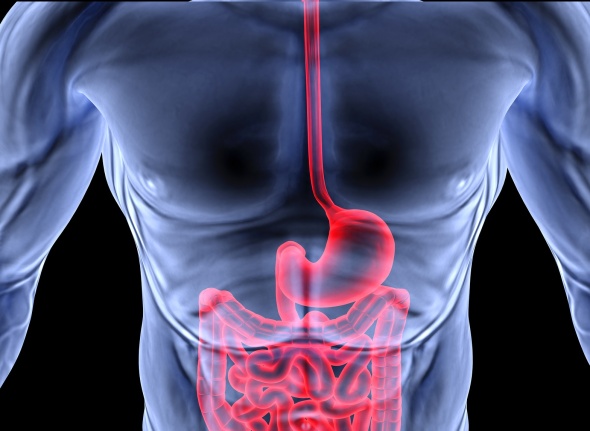
You’ve probably heard of all sorts of diets, paleo, low-fat, low-carb, atkins, but now microbes may just be the next diet craze. Researchers have programmed bacteria to generate a molecule that, through normal metabolism, becomes a hunger-suppressing lipid (fat). Mice that drank water laced with the programmed bacteria ate less, had lower body fat and staved off diabetes — even when fed a high-fat diet — offering a potential weight-loss strategy for humans.
Not “just in your head,” brain networks differ among those with severe schizophrenia

The brain is plastic, it’s how we grow, it’s how we adapt, it is quite literally how we survive. This can unfortunately be to our detriment and new research shows that people with a severe form of schizophrenia have major differences in their brain networks compared to others with schizophrenia, bipolar disorder and healthy individuals. So while it may be true, that it is all be in your head, it isn’t how people usually mean it.
Is diet soda making you fat?

The diet soda controversy is still raging on, study after study has been coming in saying that it helps weight loss, it hurts weight loss, and frankly it can all be a little confusing. Well this probably won’t help matters any, a new study shows that increasing diet soda intake is directly linked to greater abdominal obesity in adults 65 years of age and older. These findings raise concerns about the safety of chronic diet soda consumption, which may increase belly fat and contribute to greater risk of metabolic syndrome and cardiovascular diseases.
Folic acid supplementation cuts stroke risk in adults with high blood pressure
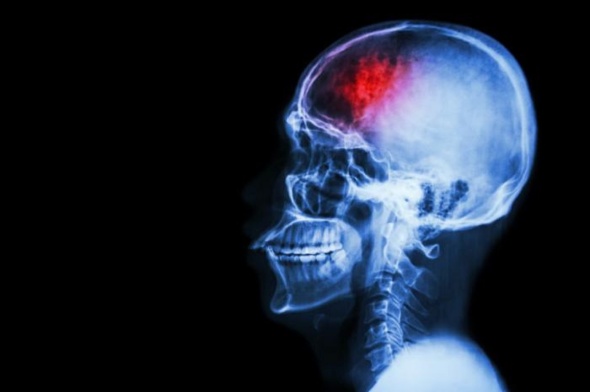
When we think hypertension (high blood pressure) you might not think stroke risk. However, high blood pressure can damage arteries, which often leads to an increased risk for a stroke. But if you suffer from hypertension, you might not need an expensive drug to lower your risk. A new study that included more than 20,000 adults in China with high blood pressure but without a history of stroke or heart attack, the combined use of the hypertension medication enalapril and folic acid, compared with enalapril alone, significantly reduced the risk of first stroke.
Antibody therapy offers possible cure for psoriasis

Sure it’s not sexy, you probably won’t be asked for donations towards a cure, or to run/walk/dive for awareness, and it probably won’t kill you. Psoriasis is an autoimmune disease, but chances are you are not familiar with it. It causes red, scale-like patches, sometimes covering a majority of the body. It’s itchy, painful, and embarrassing (to put it nicely). I know first hand as I suffer from it albeit mildly. I say mildly since I am lucky the patches are fairly small, but not so lucky for me they pop up on my face, often. However, new research is offering hope for anyone suffering from psoriasis and possibly a cure.
How gene expression is kept in check and the implications for cancer
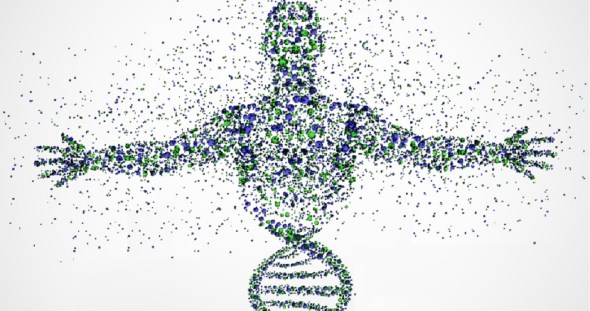
Cancers are alive in a sense, they are similar to a parasite and they fight to stay alive when we just want them gone. Cancers have access to complex ways of avoiding elimination and because we cannot easily do anything to treat it short of surgery or chemotherapy, we regularly lose to some of the more cunning types. Now researchers have learned how living beings can keep gene expression in check — this might partly explain the uncontrolled gene expression found in many forms of cancer.
Classical Music modulates genes responsible for brain functions

Although listening to music is common in all societies, the biological determinants of listening to music are largely unknown. According to a latest study, listening to classical music enhanced the activity of genes involved in dopamine secretion and transport, synaptic neurotransmission, learning and memory, and down-regulated the genes mediating neurodegeneration. Several of the up-regulated genes were known to be responsible for song learning and singing in songbirds, suggesting a common evolutionary background of sound perception across species.
Study shows modest reductions in ER visits from the ACA implementation

It’s future might still be in the air to those of us not on the supreme court, but two patient groups created by the Affordable Care Act (or ACA, also known as “Obama care”) – Medicare patients enrolled in federally designated patient-centered medical homes and people under age 26 who are allowed to remain on their parents’ health insurance – had slightly fewer emergency department visits than they had before health care reform. However, there was no change in the rate of the most expensive types of emergency visits: those that lead to hospitalization.
The cerebral cortex: we can rebuild it, we have the technology
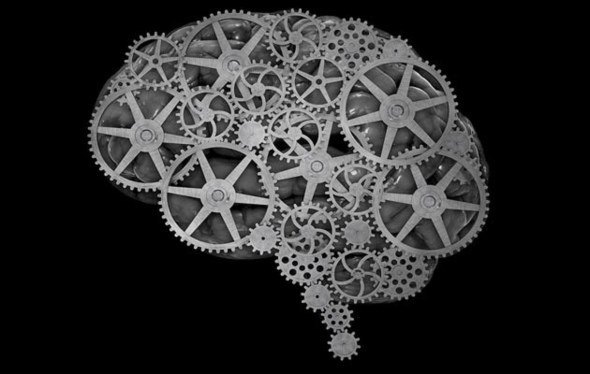
While the first actual bionic man (or woman) might still be a ways off, the writers of the show might be impressed at this. A international team of researchers, have just taken an important step in the area of cell therapy: repairing the cerebral cortex of the adult mouse using a graft of cortical neurons derived from embryonic stem cells.
Part of the diabetes puzzle solved… with breast milk

There is a long-standing puzzle in the diabetes field, only a small subset of insulin-producing beta cells in the pancreas of adult organisms can replicate (and hence contribute to beta cell regeneration in diabetes). Furthermore, this subset of replicating cells continues to decline with advancing age. This means that the typical risk for diabetes gets higher as you age, well now researchers have discovered an important piece of the puzzle.
New understanding of genetics behind the autism spectrum

Autism is a spectrum, because it isn’t a clear-cut diagnosis — and because the brain is so complex — it has been hard to figure out what causes autism. This uncertainty has led rise to the anti-vaccination movement along with other groups who are at best misinformed and at worst trying to make a quick dollar. However, a new study reveals an important connection between dozens of genes that may contribute to autism, a major step toward understanding how brain development goes awry in some individuals with the disorder.
Alzheimer’s, the autoimmune disease?

Brain levels of the lipid ceramide are high in Alzheimer’s disease, and now scientists have found increased levels of an antibody to the lipid in their disease model. While some members of this lipid family are a plus in skin cream, inside the brain, ceramide appears to increase beta amyloid production and help the iconic plaque kill brain cells in Alzheimer’s.
New approach to herpes vaccine succeeds where others failed

Herpes simplex virus infections are an enormous global health problem and there is currently no viable vaccine. For nearly three decades, immunologists’ efforts to develop a herpes vaccine have centered on exploiting a single protein found on the virus’s outer surface that is known to elicit robust production of antibodies. Breaking from this approach, Howard Hughes Medical Institute (HHMI) scientists at Albert Einstein College of Medicine have created a genetic mutant lacking that protein. The result is a powerfully effective vaccine against herpes viruses.
Team accidentally finds key to DNA vaccination and genetic engineering
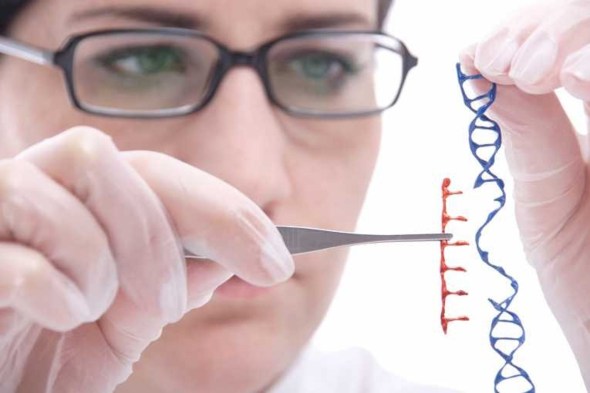
It might have been an accident, but for some lucky researchers accidents are a good thing. In this particular case, scientists have discovered a new way to manipulate how cells function, a finding that might help advance an experimental approach to improving public health: DNA vaccines, which could be more efficient, less expensive and easier to store than traditional vaccines.
A study of twins shows that autism is largely genetic

In the fight against misinformation about autism it seems science is starting to come out on top, finally. A new study hopes to add to the recent advancements made in the understanding of autism, which finds that a substantial genetic and moderate environmental influences were associated with risk of autism spectrum disorder (ASD) and broader autism traits in a study of twins.
Drug already on the market could help treat MS and other neurological diseases
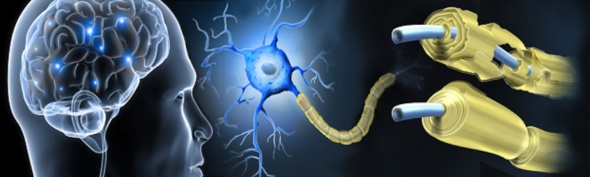
Multiple sclerosis, unless you suffer from nerve damage it is a pain you (thankfully) will never have to feel. In most cases, treating the brutal pain caused by this (and other neurological diseases) is the only help that can be offered to people. The pain is caused by damage to myelin, the fatty insulator that enables communication between nerve cells, which characterizes multiple sclerosis (MS) and other devastating neurological diseases.
Dr. Frankenstein might be impressed, the human head transplant

Sure it sounds like something from the book Frankenstein, but Sergio Canavero of the Turin Advanced Neuromodulation Group has made it known that he intends to announce at this summer’s American Academy of Neurological and Orthopedic Surgeons meeting, that he believes he has put together a group of techniques that should make it possible to attach a human donor body to a head.
The food additive that may be promoting obesity and metabolic syndrome
 People say to avoid processed foods, while I don’t agree with that fully, a new study suggests that a common food additive may be causing problems. Emulsifiers, which are added to most processed foods to aid texture and extend shelf life, can alter the gut microbiota composition and localization to induce intestinal inflammation that promotes the development of inflammatory bowel disease and metabolic syndrome.
Mental illness and ultradian rhythms

In the relatively new 24 hour, always on the go, digital lifestyle we live — might living a structured life with regularly established mealtimes and early bedtimes lead to a better life and perhaps even prevent the onset of mental illness? Well according to a new study, it might do just that, you could have a better quality of life just by being a little more structured thanks to our circadian rhythm.
Overriding muscles’ energy efficiency to burn more fat
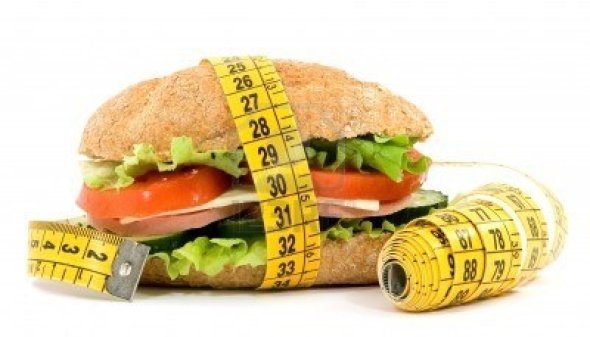
What started as an evolutionary protection against starvation has become a biological “bad joke” for people who need to lose weight. The human body doesn’t distinguish between dieting and possible starvation, so when there is a decrease in calories consumed, human metabolism increases its energy efficiency and weight loss is resisted.
Predicting the effectiveness of cancer vaccines

Cancer vaccines, once they were science fiction and now they are designed to turn the body’s own immune system specifically against tumor cells. Particularly promising are vaccines that are directed against so-called neoantigens — which are proteins that have undergone a genetic mutation in tumor cells and, therefore, differ from their counterparts in healthy cells.
Scientists find anti-HIV agent and possible start for a vaccine

We may just have found a missing link in the fight towards an HIV vaccine. No, this is not an over-hyped headline, in a remarkable new advance against the virus that causes AIDS, scientists have announced the creation of a novel drug candidate that is so potent and universally effective, it might work as part of an unconventional vaccine.
Why low-carb or fasting diets are good for your health

While most research regarding fat loss focuses on the risks of being overweight, a new study shows that fasting, low-carb diets, or high-intensity exercise have specific health benefits. Specifically, researchers have found that a compound produced by the body when dieting or fasting can block a part of the immune system involved in several inflammatory disorders such as type 2 diabetes, atherosclerosis, and Alzheimer’s disease.
The “successful aging” debate

We see it everyday in advertising, turn back the clock, reverse aging — look, feel, and be younger. With all these standards, how do you define aging, or more importantly successful aging. Scholars have long debated what successful aging is, how to measure it, and how to promote it. But researchers are now laying the groundwork for building consensus on the topic — while pointing out that the answer may differ among academics and the general public, as well as across populations and demographic groups.
Possible mechanism underpinning Alzheimer’s and Parkinson’s type diseases found
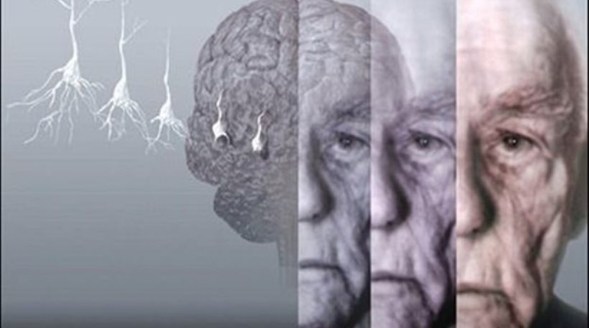
Neurodegenerative diseases have remained stubbornly increasing in prevalence for sometime now. Unfortunately longer life does not mean a better quality of life. Thankfully that could change sooner than you think, scientists have for the first time discovered a killing mechanism that could underpin a range of the most intractable neurodegenerative diseases such as Alzheimer’s, Parkinson’s and ALS.
Music may reduce your ability to remember!

Sometimes just turning on some background music really helps a person get things done. While music may help some people relax when they’re trying to concentrate, new research suggests that it doesn’t help them remember what they’re focusing on, especially as they get older.
Seafood associated with autoimmune disease

Autoimmunity is one of those great mysteries of the human body. We still aren’t sure what causes it and treating it can be painfully ineffective. Unfortunately my sister knows that one first hand, so here at the labs autoimmunity is a problem close to our heart. While we may not know what causes autoimmunity, a new study suggests one of the greatest risk factors for autoimmunity among women of childbearing age may be associated with exposure to mercury such as through seafood.
Help on the horizon for treatment resistant depression
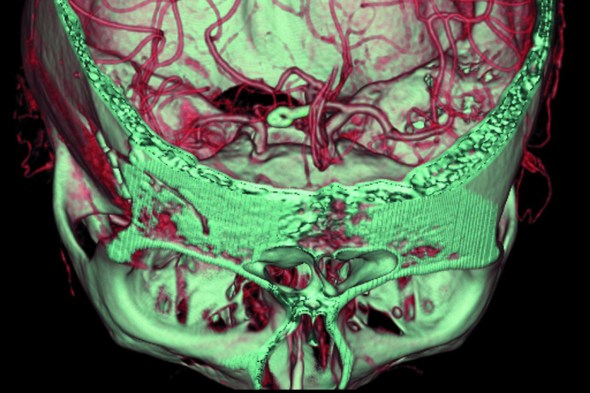
Depression is like a kick while you’re already down. Sometimes there is no real reason for it, sometimes it is triggered by some serious life issues, but clinical depression always has very real neurological roots. Unfortunately, while we know that certain areas of the brain are smaller in a depressed person, we don’t know why or what effect it has on a person. Worse, SSRI’s the “gold standard” for depression can have no — or worse ill — effects on the person taking the drugs.
‘Virtual virus’ unfolds the flu on a CPU
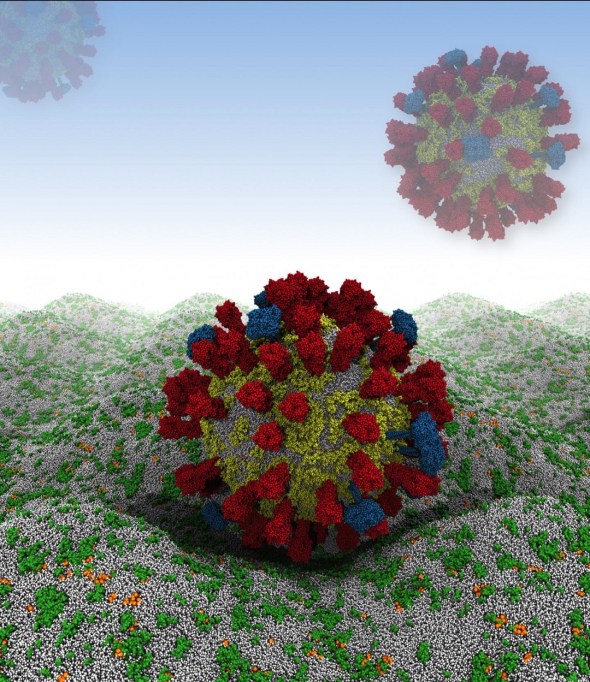
The flu virus can be pretty nasty — it’s quick to evolve — which means yearly flu shots are needed and then it’s only a guess to which strain will be the most prevalent. Well new research aims to change all that, by combining experimental data from X-ray crystallography, NMR spectroscopy, cryoelectron microscopy and lipidomics (the study of cellular lipid networks), researchers have built a complete model of the outer envelope of an influenza A virion for the first time. So would that make it a computer virus, virus?
Scientists find a way to treat hormone deficiency from an unlikely source


Science has helped us to live longer and in some cases much fuller lives. Unfortunately for some with serious medical conditions, they may lead a long life, but a life of what? To that end a group of researchers set out to help people with hormone deficiencies and the team has developed a potential new therapy based on an unlikely model: immune molecules from cows.
Meditation might mean more gray matter in later years

Since 1970, life expectancy around the world has risen dramatically, with people living more than 10 years longer. That’s the good news. The bad news is that starting when people are in their mid-to-late-20s, the brain begins to wither — its volume and weight begin to decrease. As this occurs, the brain can begin to lose some of its functional abilities.
Researchers discover viral ‘Enigma machine’

Antibiotics are for infections, vaccines are for viruses, and unfortunately both bacteria AND viruses mutate. So when someone has AIDS for example it is hard to fight since a vaccine would be hard to produce given how rapidly it evolves. Well now researchers may be one step closer to solving the problem since they have cracked a code that governs infections by a major group of viruses which includes the common cold and polio.
Alternatives to antibiotics in an antibiotic resistant world


Let’s be honest, we’ve been getting a little fancy with the antibiotics, creating new and more relevant versions of old favorites like penicillin. Truthfully, we are the problem, how many times do we have to drive home the idea that antibiotics are for bacteria, not viruses. It is not all the consumers fault, the Doctors used to hand out antibiotics to placate angry parents of sick children.
Mental illness treatment, there’s NOT an app for that

It’s more socially acceptable to talk about mental illness, which is important since the number of people who have it — or should we say, are getting treatment for mental illness — has steadily increased over the years. While it still may be taboo to talk about, mental illness is a very real thing needing very real treatment, however new research now shows that texting may be a more suitable treatment aid for those with mental illness than mobile applications.
Everyday chemical exposure leads to early menopause

Because nothing says menopause like sitting in front of a fan…
Seems like everything is killing us these days. Well ladies, you have one more thing that is causing you problems. New research has shown that women whose bodies have high levels of chemicals found in plastics, personal-care products, common household items and the environment experience menopause two to four years earlier than women with lower levels of these chemicals.
Your brain is hardening your arteries, but not on purpose!
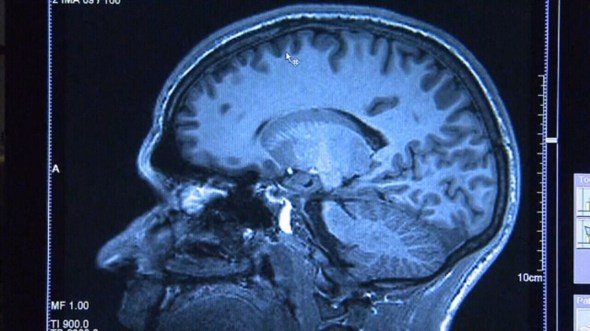
Your brain might just be killing you slowly. Atherosclerosis — or hardening and narrowing of the arteries — can be caused by fat buildup that causes plaque deposits, and is one of the main causes of cardiovascular disease. What does that have to do with the brain? Well new research has shown a link between how the brain regulates fat metabolism, which has the potential of stopping the development of this disease risk factor in obesity and diabetes.
You can’t unboil an egg? Well… now you can.

There is a saying, “you can’t unboil an egg.” Usually this is just illustrating cause and effect; you can’t turn back time, or what’s done is done. Well now scientists have successfully unboiled an egg, so suck it thermodynamics. An international team of chemists have accomplished this feat – an innovation that could dramatically reduce costs for cancer treatments, food production and other segments of the $160 billion global biotechnology industry, according to the findings.


 Lunatic Laboratories