
Research advances potential for test and vaccine for genital and oral herpes
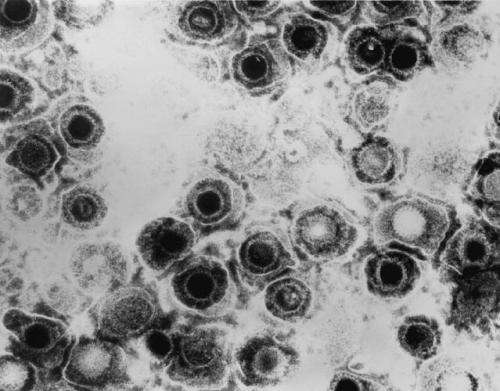
Findings from a pair of new studies could speed up the development of a universally accurate diagnostic test for human herpes simplex viruses (HSV), according to researchers at Johns Hopkins and Harvard universities and the National Institutes of Health (NIH). The work may also lead to the development of a vaccine that protects against the virus.
Researchers resurrect ancient viruses in hopes of improving gene therapy
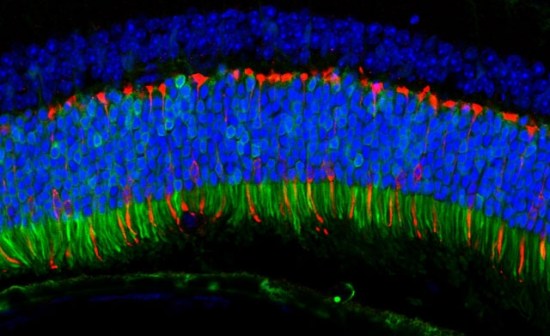
The Anc80 virus delivered genes to the mouse retina that fluoresce green when expressed. Pictured here, the delivered genes are active in the retina’s color-detecting cells.
Image credit goes to: Livia Carvalho
It sounds like the start of a horror movie, but Harvard Stem Cell Institute (HSCI) researchers at Massachusetts Eye and Ear (MEE) have reconstructed an ancient virus that is highly effective at delivering gene therapies to the liver, muscle, and retina. This discovery could potentially be used to design gene therapies that are not only safer and more potent than therapies currently available, but may also help a greater number of patients.
Study of 83,000 veterans finds cardiovascular benefits to testosterone replacement
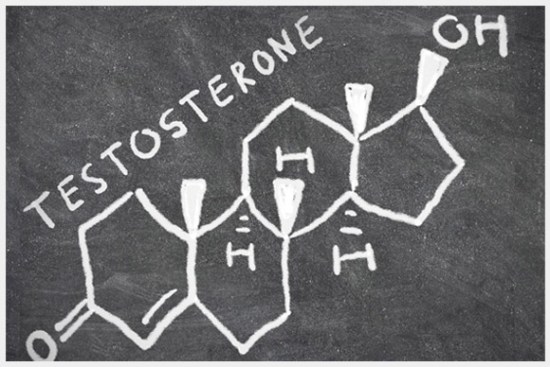
A Veterans Affairs database study of more than 83,000 patients found that men whose low testosterone was restored to normal through gels, patches, or injections had a lower risk of heart attack, stroke, or death from any cause, versus similar men who were not treated. The study also found that men who were treated but did not attain normal levels did not see the same benefits as those whose levels did reach normal.
Switching mouse neural stem cells to a primate-like behavior
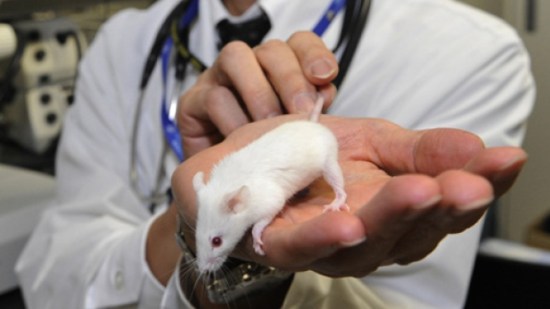
When the right gene is expressed in the right manner in the right population of stem cells, the developing mouse brain can exhibit primate-like features. Researchers at the Max Planck Institute of Molecular Cell Biology and Genetics (MPI-CBG) succeeded in mimicking the sustained expression of the transcription factor Pax6 as seen in the developing human brain, in mouse cortical progenitor cells. This altered the behavior of these cells to one that is akin to that of progenitors in the developing primate neocortex. Consequently, the mouse progenitors generated more neurons – a prerequisite for a bigger brain.
Mans best friend: Dogs process faces in specialized brain area
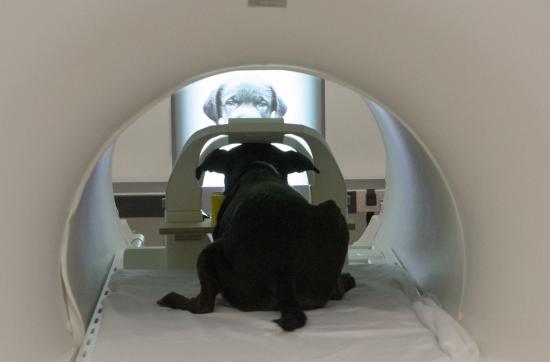
The study involved dogs viewing both static images and video images on a screen while undergoing fMRI. It was a particularly challenging experiment since dogs do not normally interact with two-dimensional images, and they had to undergo training to learn to pay attention to the screen.
Image credit goes to: Photo by Gregory Berns, Emory University
Ever feel like your pet knows what you look like? While historically animals are depicted as, well slow… new research is proving otherwise. To pet owners this might not be big news, but scientists found that dogs have a specialized region in their brains for processing faces. The research provides the first evidence for a face-selective region in the temporal cortex of dogs.
Preventing addiction relapse by erasing drug-associated memories
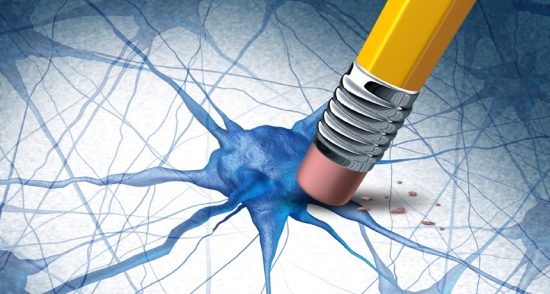
Recovering addicts often grapple with the ghosts of their addiction–memories that tempt them to relapse even after rehabilitation and months, or even years, of drug-free living. Now, scientists from the Florida campus of The Scripps Research Institute (TSRI) have made a discovery that brings them closer to a new therapy based on selectively erasing these dangerous and tenacious drug-associated memories.
Stem cells: From pluripotency to totipotency
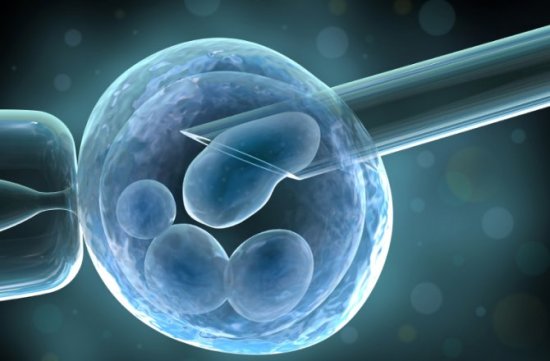
While it is already possible to obtain in vitro pluripotent cells (ie, cells capable of generating all tissues of an embryo) from any cell type, researchers from Maria-Elena Torres-Padilla’s team have pushed the limits of science even further. They managed to obtain totipotent cells with the same characteristics as those of the earliest embryonic stages and with even more interesting properties. (more…)
New approach for making vaccines for deadly diseases
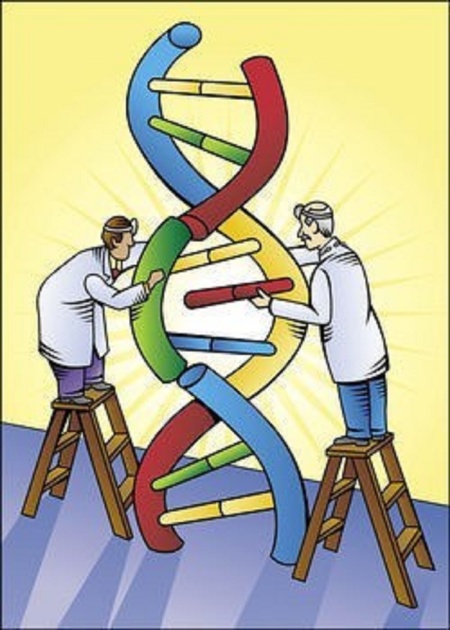
Researchers have devised an entirely new approach to vaccines – creating immunity without vaccination. The team has demonstrated that animals injected with synthetic DNA engineered to encode a specific neutralizing antibody against the dengue virus were capable of producing the exact antibodies necessary to protect against disease, without the need for standard antigen-based vaccination. Importantly, this approach, termed DMAb, was rapid, protecting animals within a week of administration.
Childhood cancer cells drain immune system’s batteries

Cancer cells in neuroblastoma contain a molecule that breaks down a key energy source for the body’s immune cells, leaving them too physically drained to fight the disease, according to new research. Cancer Research UK-funded scientists have discovered that the cells in neuroblastoma – a rare type of childhood cancer that affects nerve cells – produce a molecule that breaks down arginine, one of the building blocks of proteins and an essential energy source for immune cells.
Crystal clear images uncover secrets of hormone receptors
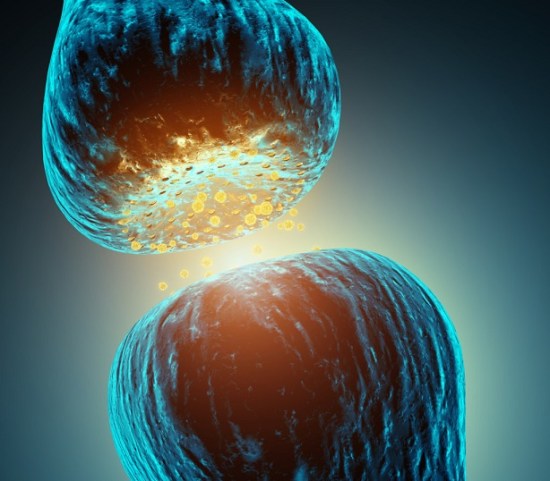
Many hormones and neurotransmitters work by binding to receptors on a cell’s exterior surface. This activates receptors causing them to twist, turn and spark chemical reactions inside cells. NIH scientists used atomic level images to show how the neuropeptide hormone neurotensin might activate its receptors. Their description is the first of its kind for a neuropeptide-binding G protein-coupled receptor (GPCR), a class of receptors involved in a wide range of disorders and the target of many drugs.
We can build it better: The first artificial ribosome
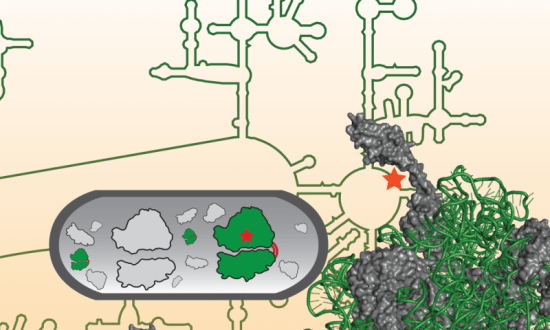
Researchers at the University of Illinois at Chicago and Northwestern University have engineered a tethered ribosome that works nearly as well as the authentic cellular component, or organelle, that produces all the proteins and enzymes within the cell. The engineered ribosome may enable the production of new drugs and next-generation biomaterials and lead to a better understanding of how ribosomes function.
Prostate cancer is 5 different diseases

Cancer Research UK scientists have for the first time identified that there are five distinct types of prostate cancer and found a way to distinguish between them, according to a landmark study. The findings could have important implications for how doctors treat prostate cancer in the future, by identifying tumours that are more likely to grow and spread aggressively through the body.
Where memory is encoded and retrieved
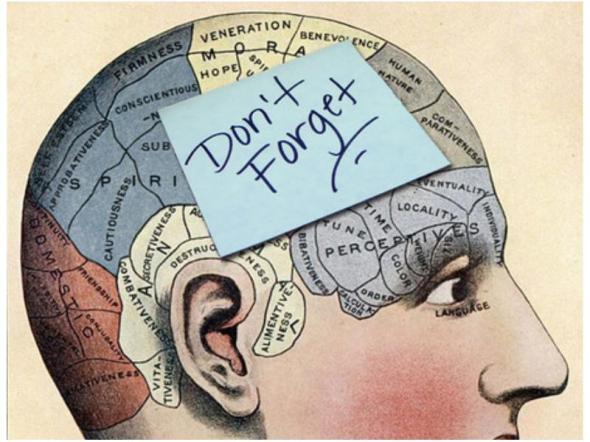
Are the same regions and even the same cells of the brain area called hippocampus involved in encoding and retrieving memories or are different areas of this structure engaged? This question has kept neuroscientists busy for a long time. Researchers at the Mercator Research Group “Structure of Memory” at RUB have now found out that the same brain cells exhibit activity in both processes.
Some vaccines support evolution of more-virulent viruses

This image shows chickens in agricultural production. Image credit goes to: Andrew Read, Penn State University
Scientific experiments with the herpes virus such as the one that causes Marek’s disease in poultry have confirmed, for the first time, the highly controversial theory that some vaccines could allow more-virulent versions of a virus to survive, putting unvaccinated individuals at greater risk of severe illness. The research has important implications for food-chain security and food-chain economics, as well as for other diseases that affect humans and agricultural animals.
Spines of boys and girls differ at birth

Looking at measurements of the vertebrae – the series of small bones that make up the spinal column – in newborn children, investigators at Children’s Hospital Los Angeles found that differences between the sexes are present at birth. Results of the study suggest that this difference is evolutionary, allowing the female spine to adapt to the fetal load during pregnancy.
Static synapses on a moving structure: Mind the gap!
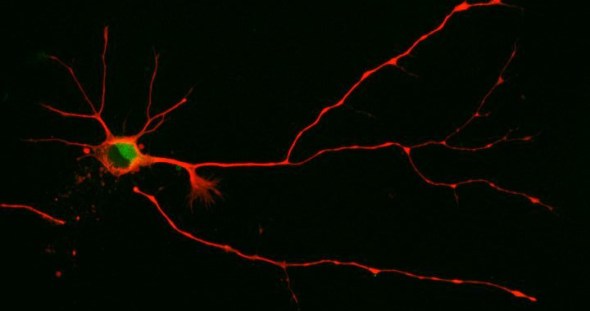
In biology, stability is important. From body temperature to blood pressure and sugar levels, our body ensures that these remain within reasonable limits and do not reach potentially damaging extremes. Neurons in the brain are no different and, in fact, have developed a number of ways to stabilise their electrical activity so as to avoid becoming either overexcitable, potentially leading to epilepsy, or not excitable enough, leading to non functional neurons.
Women and fragrances: Scents and sensitivity

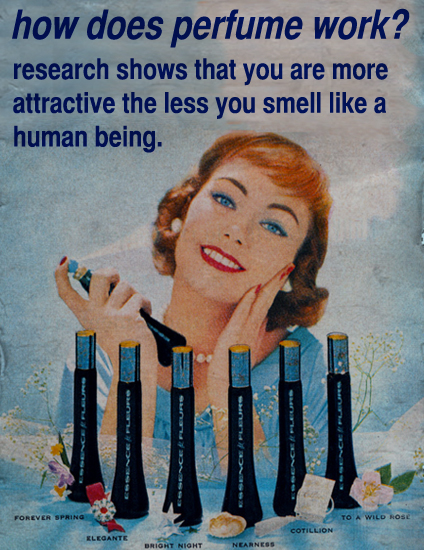
Researchers have sniffed out an unspoken rule among women when it comes to fragrances: Women don’t buy perfume for other women, and they certainly don’t share them. Like boyfriends, current fragrance choices are hands off, forbidden–neither touch, nor smell. You can look, but that’s all, says BYU industrial design professor and study coauthor Bryan Howell.
‘Conjunction junction’ for brain’s navigation function
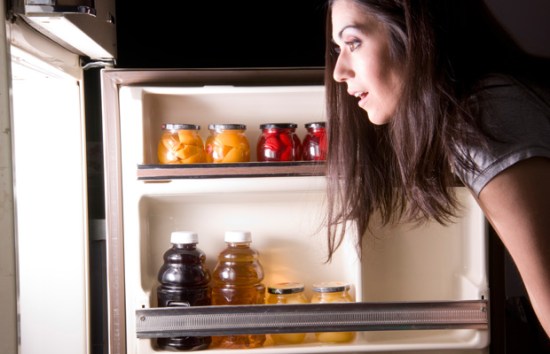
Ever wake at night needing a drink of water and then find your way to the kitchen in the dark without stubbing your toe? Researchers at the University of California, San Diego say they have identified a region of the brain that enables you to do that – and generally helps you navigate the world.
How the tumor escapes the immune response
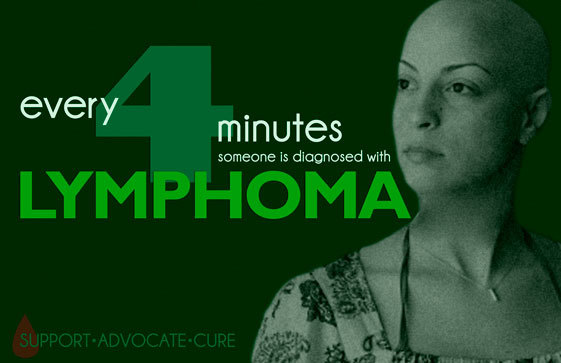
Natural killer cells of the immune system can fend off malignant lymphoma cells and thus are considered a promising therapeutic approach. However, in the direct vicinity of the tumor they lose their effect. Scientists have now elucidated which mechanisms block the natural killer cells and how this blockade could be lifted.
Link between autoimmune diseases, medications, and a dangerous heart condition
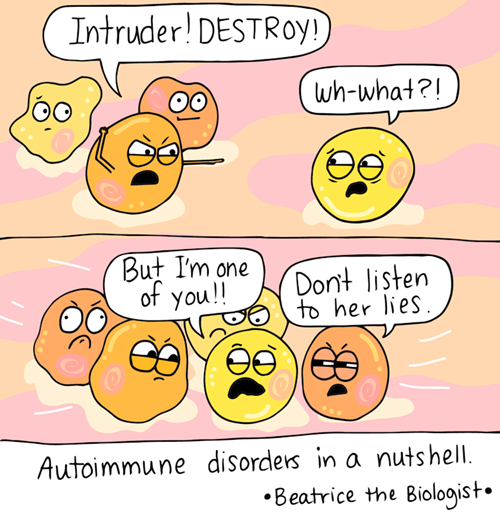
Image credit goes to: The one and only Beatrice the biologist
Mohamed Boutjdir, PhD, professor of medicine, cell biology, and physiology and pharmacology at SUNY Downstate Medical Center, has led a study with international collaborators identifying the mechanism by which patients with various autoimmune and connective tissue disorders may be at risk for life-threatening cardiac events if they take certain anti-histamine or anti-depressant medications. Dr. Boutjdir is also director of the Cardiac Research Program at VA New York Harbor Healthcare System.
Discovery points to a new path toward a universal flu vaccine

Flu vaccines can be something of a shot in the dark. Not only must they be given yearly, there’s no guarantee the strains against which they protect will be the ones circulating once the season arrives. New research by Rockefeller University scientists suggests it may be possible to harness a previously unknown mechanism within the immune system to create more effective and efficient vaccines against this ever-mutating virus.
Long-term memories are maintained by prion-like proteins


Research from Columbia University Medical Center (CUMC) has uncovered further evidence of a system in the brain that persistently maintains memories for long periods of time. And paradoxically, it works in the same way as mechanisms that cause mad cow disease, kuru, and other degenerative brain diseases.
Digesting bread and pasta can release biologically active molecules

Biologically active molecules released by digesting bread and pasta can survive digestion and potentially pass through the gut lining, suggests new research. The study reveals the molecules released when real samples of bread and pasta are digested, providing new information for research into gluten sensitivity.
Women’s faces get redder at ovulation, but human eyes can’t pick up on it
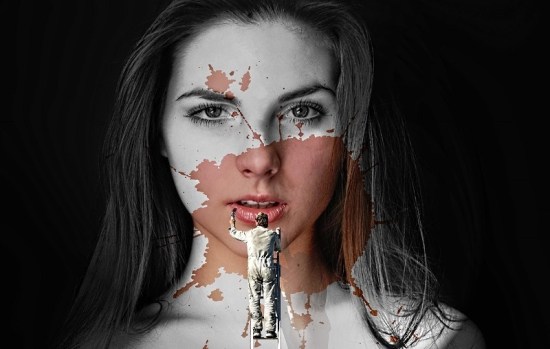
Previous studies have shown that men find female faces more attractive when the women are ovulating, but the visual clues that allow this are unclear. Now, new research investigating whether it might be to do with subtle changes in skin colour has shown that women’s faces do increase in redness during ovulation, but the levels of change are just under the detectable range of the human eye.
Natural wilderness areas need buffer zones to protect from human development

Despite heavy development, the U.S. still has millions of acres of pristine wild lands. Coveted for their beauty, these wilderness areas draw innumerable outdoor enthusiasts eager for a taste of primitive nature. But University of Georgia researchers say these federally protected nature areas have a problem: Their boundaries have become prime real estate.
A single mutation helped last year’s flu virus gain an advantage over the vaccine
The 2014-2015 flu vaccine didn’t work as well compared to previous years because the H3N2 virus recently acquired a mutation that concealed the infection from the immune system. A new study reveals the major viral mutation responsible for the mismatch between the vaccine strain and circulating strains. The research will help guide the selection of viral strains for future seasonal flu vaccines.
Study finds pet owners reluctant to face up to their cats’ kill count
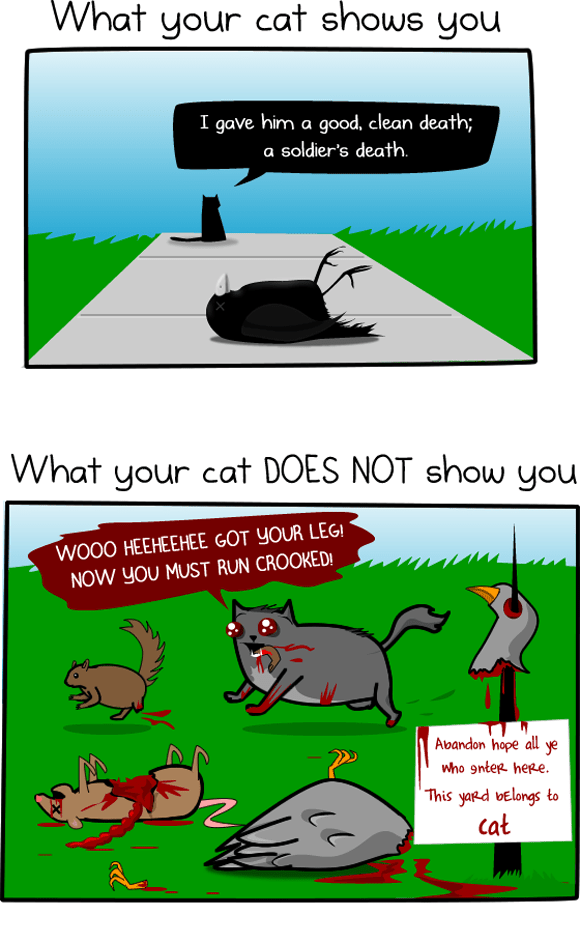
More awesomeness like this can be found at theoatmeal.com
Cats are increasingly earning themselves a reputation as wildlife killers with estimates of animals killed every year by domestic cats in the UK numbering into the millions. This new study on the attitudes of cat owners suggests that proposals to keep cats indoors in order to preserve wildlife would not be well received.
Synthetic biology used to engineer new route to biochemicals


Living cells can make a vast range of products for us, but they don’t always do it in the most straightforward or efficient way. Shota Atsumi, a chemistry professor at UC Davis, aims to address that through “synthetic biology:” designing and building new biochemical pathways within living cells, based on existing pathways from other living things.
How ‘science popularizers’ influence public opinion on religion

Two prominent scientists with drastically different views on the relationship of science and religion – Richard Dawkins and Francis Collins – have an equally different influence on these views among people who are unfamiliar with their work, according to new research from Rice University and West Virginia University.
New drug can clear all psoriasis symptoms
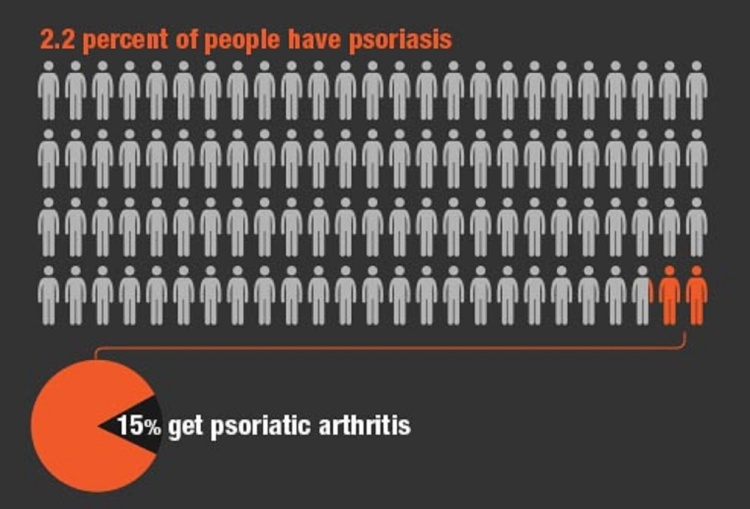
Good news for anyone who has psoriasis, a University of Manchester led trial of a new drug has resulted in 40 percent of people showing a complete clearance of psoriatic plaques after 12 weeks of treatment and over 90 percent showing improvement. The research tested 2,500 people with psoriasis. Half were given a new drug – ixekizumab – either once every two or four weeks. The other half were given a placebo or a widely used drug for psoriasis called etanercept.
Babies who can resettle are more likely to ‘sleep through the night’

Good news, for parents who see their babies “resettle” when they wake up. According to a video study, young infants who can “resettle” themselves after waking up are more likely to sleep for prolonged periods at night. Okay, maybe that’s bad news for parents who don’t have a baby who “resettles,” but it’s still good information.
Expanding the code of life with new ‘letters’
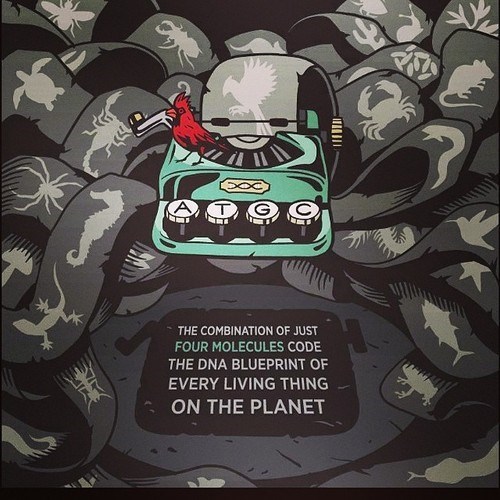
Not anymore…
The DNA encoding all life on Earth is made of four building blocks called nucleotides, commonly known as “letters,” that line up in pairs and twist into a double helix. Now, two groups of scientists are reporting for the first time that two new nucleotides can do the same thing — raising the possibility that entirely new proteins could be created for medical uses.
Researchers find essential fats for brain growth
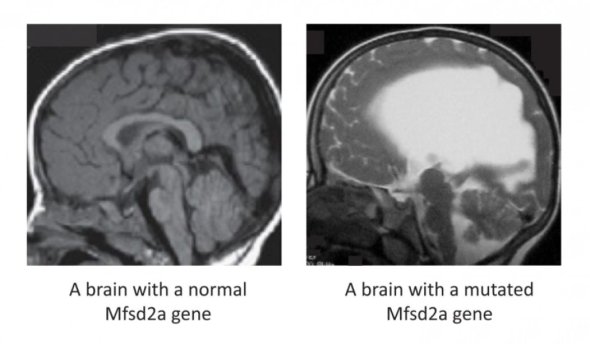
The difference between a brain with a normal Mfsd2a gene and a brain with a mutated Mfsd2a gene.
Image credit goes to: Guemez-Gamboa et al./ Nature Genetics
New research has proved that certain special fats found in blood are essential for human brain growth and function. The two studies showed that mutations in the protein Mfsd2a causes impaired brain development in humans. Mfsd2a is the transporter in the brain for a special type of fat called lysophosphatidylcholines (LPCs) — composed of essential fatty acids like omega-3. These studies show, for the first time, the crucial role of these fats in human brain growth and function.
Are infections making you stupid?

New research shows that infections can impair your cognitive ability measured on an IQ scale. The study is the largest of its kind to date, and it shows a clear correlation between infection levels and impaired cognition. Anyone can suffer from an infection, for example in their stomach, urinary tract or skin. However, a new Danish study shows that a patient’s distress does not necessarily end once the infection has been treated.
Educating the immune system: A vaccine for allergies

With the arrival of spring, millions of people have begun their annual ritual of sneezing and wheezing due to seasonal allergies. However, a Canadian research team is bringing them hope with a potential vaccine that nudges the immune response away from developing allergies. The findings have major clinical implications since allergies and asthma are lifelong conditions that often start in childhood and for which there is presently no cure.
Can drinking alcohol harm the child before the mother knows she is pregnant?

Photo credit goes to: Cute moments photography
These days pregnant “moms to be” have lots of things to worry about, from second hand smoke to the chemicals in their make-up. Well they can unfortunately add one more thing to that list, a new study finds that alcohol drunk by a mouse in early pregnancy changes the way genes function in the brains of the offspring. The early exposure was also later apparent in the brain structure of the adult offspring. The timing of the exposure corresponds to the human gestational weeks 3-6 in terms of fetal development.
US clinics avoiding government oversight of ‘stem cell’ treatments
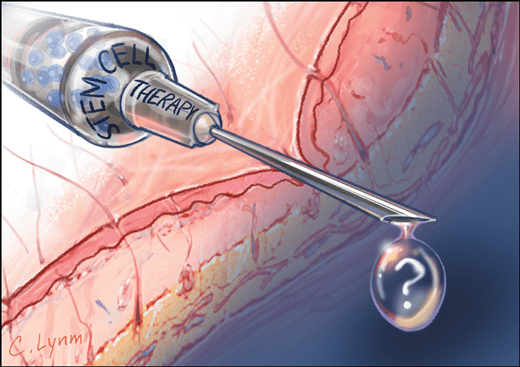
Clinics across the United States are advertising stem cell treatments that attempt to take advantage of what they perceive as exceptions in FDA regulations.The therapies in question are adipose-derived autologous stem cell treatments, in which fat cells are removed from a patient, broken down to separate components that purportedly contain stem cells, and are then reinjected into the same patient.
Diabetes drug found in freshwater potential cause of intersex fish

UWM School of Freshwater Sciences researcher Nicholas Niemuth studies minnows that are being raised in water heavy with pharmaceuticals to measure the drugs’ effects.
A medication commonly taken for Type II diabetes, which is being found in freshwater systems worldwide, has been shown to cause intersex in fish –or male fish that produce eggs. The study determined exposure to the diabetes medicine metformin causes physical changes in male fish exposed to doses similar to the amount in wastewater effluent.
Type 1 diabetes: On the way to an insulin vaccine
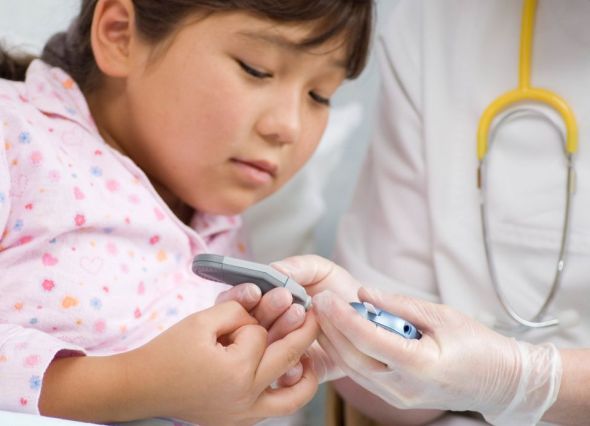
Pseudoscience claims about vaccines are seemingly hitting a fever pitch. Despite that, a new vaccine may be on the horizon for children at risk for diabetes, and that is a good thing. Researchers have found that children at risk for type 1 diabetes, who were given daily doses of oral insulin, developed a protective immune response to the disease that could lay the groundwork for a vaccine against the chronic illness.
Artificial blood vessel lets researchers assess clot removal devices
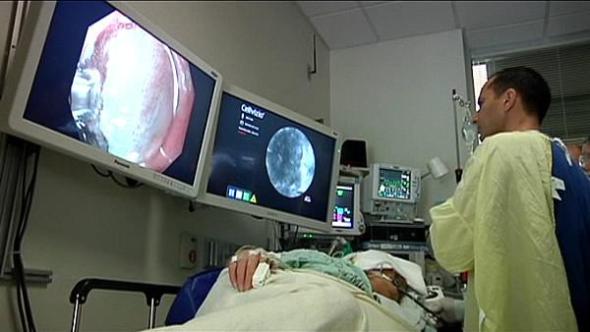
For the first time, researchers have created an in vitro, live-cell artificial vessel that can be used to study both the application and effects of devices used to extract life-threatening blood clots in the brain. The artificial vessel could have significant implications for future development of endovascular technologies, including reducing the need for animal models to test new devices or approaches.
Could maple syrup help cut use of antibiotics?

Another reason to have those waffles… well maybe. Researchers have found that a concentrated extract of maple syrup makes disease-causing bacteria more susceptible to antibiotics. In an ever increasing antibiotic resistant world, this news is almost as sweet as the syrup (okay no more bad puns). The findings suggest that combining maple syrup extract with common antibiotics could increase the microbes’ susceptibility, leading to lower antibiotic usage.
Neuronal disorders and energy metabolism
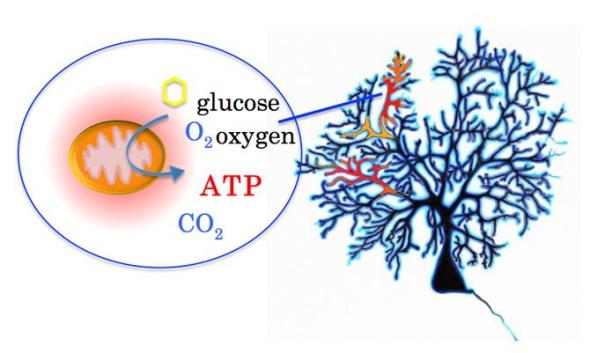
- Mitochondria are responsible for creating more than 90 percent of the energy needed by the body to sustain life and support growth. ATP energy is produced when the mitochondria transfers glucose and oxygen into water and carbon dioxide. How ATP is produced and delivered to intricate neuronal dendrites has been a mystery.
Image credit goes to: Mineko Kengaku, Kyoto University’s Institute for Integrated Cell-Material Sciences (iCeMS)
Scientists in Japan have have discovered how nerve cells adjust to low energy environments during the brain’s growth process. Their study may one day help find treatments for nerve cell damage and neurodegenerative disorders such as Alzheimer’s and Parkinson’s diseases.
Enzyme in cosmetic products can cause allergy

Papain is found naturally in papaya and is often referred to as a “plant-based pepsin” in reference to the digestive enzyme pepsin that is present in the stomach. Researchers looked at the effect of papain directly on the skin of mice as well as on skin cells in the petri dish. Skin consists of several layers joined via cellular connections called “tight junctions”. The project team showed that papain induces a breakdown of these cell-cell junctions. On the skin, papain results in a loss of the barrier function.
First human HIV-antibody trials, results are promising
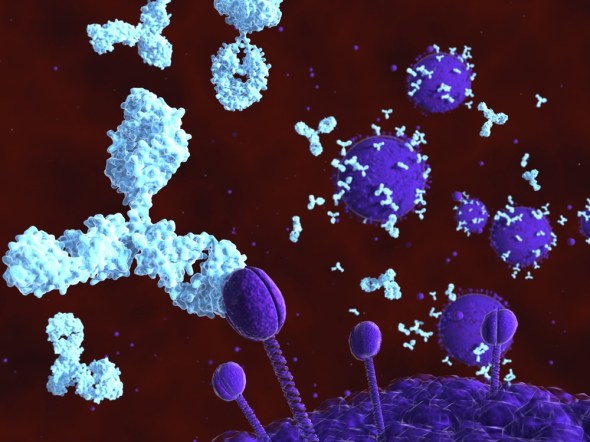
While there is no cure for HIV, a select few known as HIV controllers can literally live with it. Over the years work has been done trying to figure out what makes these individuals so special and it has helped researchers in the fight against HIV. While we are still searching for a vaccine, researchers have now found that a single infusion of an experimental anti-HIV antibody called 3BNC117 resulted in significantly decreased HIV levels that persisted for as long as 28 days in HIV-infected individuals, according to Phase 1 clinical trial findings.
Master protein enhances learning, memory and fitness?!
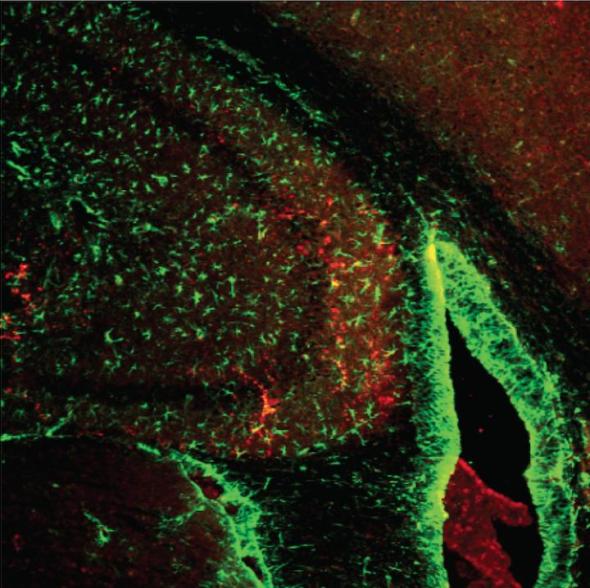
In this image, ERRγ is shown (stained red) in the hippocampus, the area of the brain largely responsible for memory. The new work could point to a way to enhance learning.
Image credit goes to: Salk Institute
You’re supposed to stay fit, the key to successful aging is to be active. Science doesn’t quite understand why, but staying fit helps keep our brain in shape as we get older. I hate to run, hate it, but I exercise my brain often. Truthfully, some people seem built to run marathons and have an easier time going for miles without tiring. Other individuals might be born with a knack for memorizing things, from times tables to trivia facts. These two skills―running and memorizing―are not so different as it turns out.
Smoking, bad for you, good for MRSA
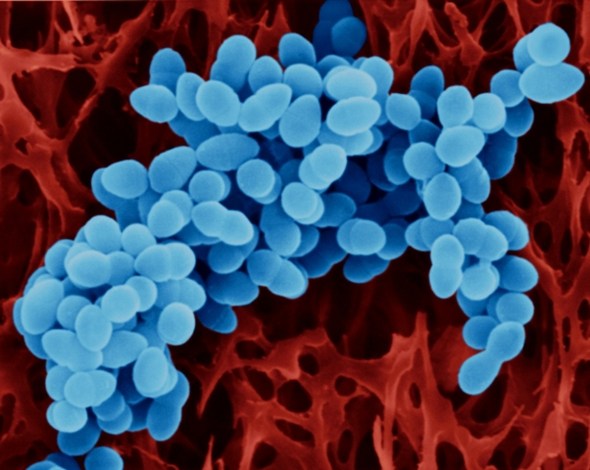
Methicillin-resistant Staphylococcus aureus (MRSA), an antibiotic-resistant superbug, can cause life-threatening skin, bloodstream and surgical site infections or pneumonia. It has been a tough battle finding ways to fight it and research now shows, cigarette smoke may make matters worse. The study shows that MRSA bacteria exposed to cigarette smoke become even more resistant to killing by the immune system.
Sleep may be critical to avoid miscarriage

If you are trying to have a baby, a good night’s sleep is more important than ever. A recently published research report shows that the womb has its own “body clock” that needs to synchronize with the mother’s body clock to ensure optimal conditions for fetal growth and development. The inability of a mother’s body clock to synchronize with the womb’s clock may be at least part of the reason why some women have difficulty carrying a pregnancy to full term.
An apple a day may keep the children away: Pesticides and sperm count

Ever hear that old saying an apple a day keeps the Doctor away? Well it might have the right idea, just the wrong person. New research investigating the relationship between eating fruit and vegetables containing pesticide residues and the quality of men’s semen has shown a link with lower sperm counts and percentages of normally-formed sperm. So for people wanting children it may be time to rethink that produce.
Squid prolifically edit RNA to enrich their DNA

DNA, it’s what makes us, well us! Not that long ago, before we sequenced human DNA we assumed we had one of the largest genomes around. Frankly it wasn’t a bad assumption, but of course we found out this was far from the case and to make ourselves feel better we said size doesn’t matter. But one of the surprising discoveries to emerge from comparative genomics is that drastically different organisms–humans, sea urchins, worms, flies –are endowed with a more or less common set of genes. So given a similar DNA blueprint, how do species develop such vast differences in physical shape, size, and complexity?
Antibody therapy offers possible cure for psoriasis

Sure it’s not sexy, you probably won’t be asked for donations towards a cure, or to run/walk/dive for awareness, and it probably won’t kill you. Psoriasis is an autoimmune disease, but chances are you are not familiar with it. It causes red, scale-like patches, sometimes covering a majority of the body. It’s itchy, painful, and embarrassing (to put it nicely). I know first hand as I suffer from it albeit mildly. I say mildly since I am lucky the patches are fairly small, but not so lucky for me they pop up on my face, often. However, new research is offering hope for anyone suffering from psoriasis and possibly a cure.


 Lunatic Laboratories