
Study details ‘rotten egg’ gas’ role in autoimmune disease

The immune system not only responds to infections and other potentially problematic abnormalities in the body, it also contains a built-in brake in the form of regulatory T cells, or Tregs. Tregs ensure that inflammatory responses don’t get out of hand and do damage. In autoimmune diseases, sometimes these Treg cells don’t act as they should.
Music and the mind: Can music help people with epilepsy?

The brains of people with epilepsy appear to react to music differently from the brains of those who do not have the disorder, a finding that could lead to new therapies to prevent seizures, according to research.
Switching mouse neural stem cells to a primate-like behavior
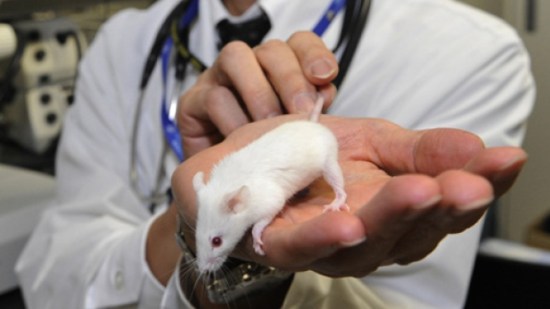
When the right gene is expressed in the right manner in the right population of stem cells, the developing mouse brain can exhibit primate-like features. Researchers at the Max Planck Institute of Molecular Cell Biology and Genetics (MPI-CBG) succeeded in mimicking the sustained expression of the transcription factor Pax6 as seen in the developing human brain, in mouse cortical progenitor cells. This altered the behavior of these cells to one that is akin to that of progenitors in the developing primate neocortex. Consequently, the mouse progenitors generated more neurons – a prerequisite for a bigger brain.
Cellular zombies: Mutant cells that can’t copy DNA keep dividing when they shouldn’t
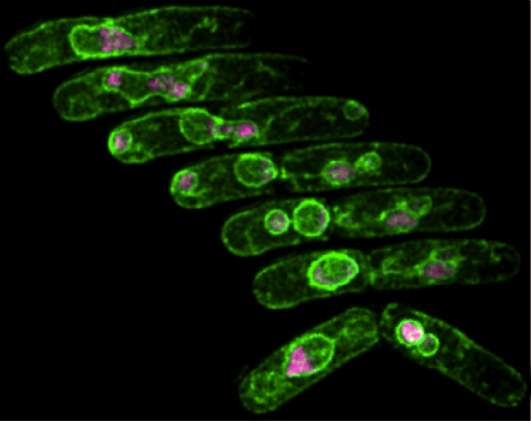
Sequential images of abnormal divisions in a mutant cell leading to abnormal nuclei and chromosome rearrangement. Chromosomes are displayed in pink, cell membranes in green. The cell undergoes two aberrant divisions.
Image credit goes to: Susan Forsburg
Researchers at USC have developed a yeast model to study a gene mutation that disrupts the duplication of DNA, causing massive damage to a cell’s chromosomes, while somehow allowing the cell to continue dividing.
How to tell the difference between bipolar disorder and depression
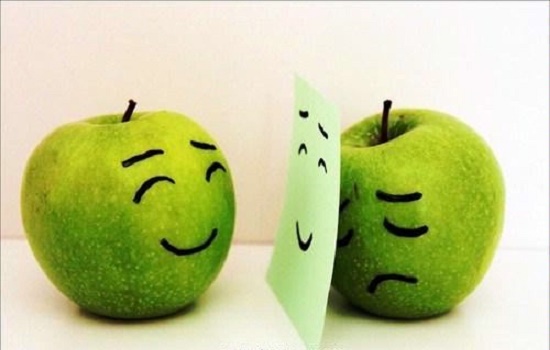
Many patients with bipolar disorder, a debilitating mental condition that can take a person from the sluggishness of severe depression to super-human energy levels, are often misdiagnosed as having major depressive disorder, or MDD. But now as an alternative to reliance on patient interviews, scientists are closing in on an objective test that could help clinicians distinguish between the two — and provide better treatment.
Mans best friend: Dogs process faces in specialized brain area
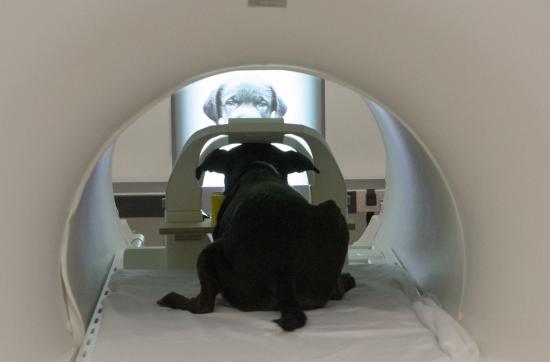
The study involved dogs viewing both static images and video images on a screen while undergoing fMRI. It was a particularly challenging experiment since dogs do not normally interact with two-dimensional images, and they had to undergo training to learn to pay attention to the screen.
Image credit goes to: Photo by Gregory Berns, Emory University
Ever feel like your pet knows what you look like? While historically animals are depicted as, well slow… new research is proving otherwise. To pet owners this might not be big news, but scientists found that dogs have a specialized region in their brains for processing faces. The research provides the first evidence for a face-selective region in the temporal cortex of dogs.
Preventing addiction relapse by erasing drug-associated memories
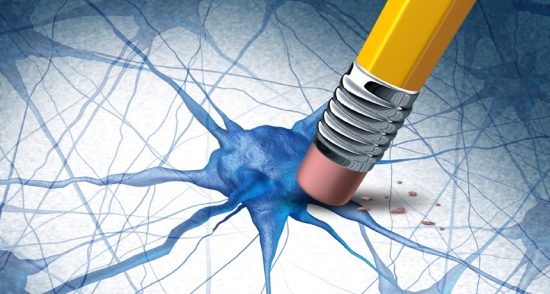
Recovering addicts often grapple with the ghosts of their addiction–memories that tempt them to relapse even after rehabilitation and months, or even years, of drug-free living. Now, scientists from the Florida campus of The Scripps Research Institute (TSRI) have made a discovery that brings them closer to a new therapy based on selectively erasing these dangerous and tenacious drug-associated memories.
Perfectionism linked to burnout at work, school and sports

Concerns about perfectionism can sabotage success at work, school or on the playing field, leading to stress, burnout and potential health problems, according to new research. In the first meta-analysis of the relationship between perfectionism and burnout, researchers analyzed the findings from 43 previous studies conducted over the past 20 years. It turns out perfectionism isn’t all bad.
Childhood cancer cells drain immune system’s batteries

Cancer cells in neuroblastoma contain a molecule that breaks down a key energy source for the body’s immune cells, leaving them too physically drained to fight the disease, according to new research. Cancer Research UK-funded scientists have discovered that the cells in neuroblastoma – a rare type of childhood cancer that affects nerve cells – produce a molecule that breaks down arginine, one of the building blocks of proteins and an essential energy source for immune cells.
Crystal clear images uncover secrets of hormone receptors
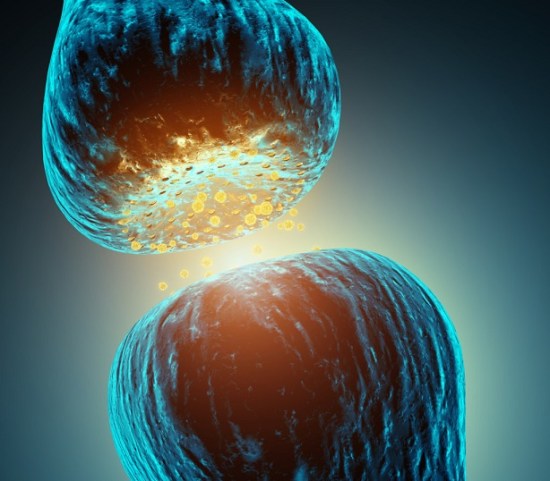
Many hormones and neurotransmitters work by binding to receptors on a cell’s exterior surface. This activates receptors causing them to twist, turn and spark chemical reactions inside cells. NIH scientists used atomic level images to show how the neuropeptide hormone neurotensin might activate its receptors. Their description is the first of its kind for a neuropeptide-binding G protein-coupled receptor (GPCR), a class of receptors involved in a wide range of disorders and the target of many drugs.
Paralyzed men move legs with new non-invasive spinal cord stimulation
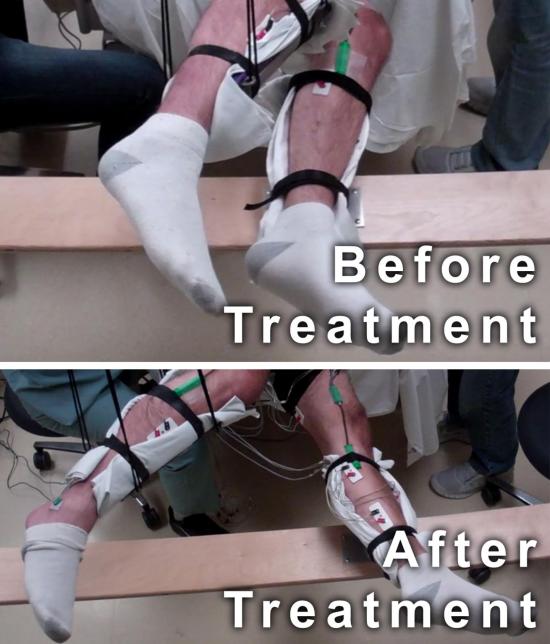
This image shows the range of voluntary movement prior to receiving stimulation compared to movement after receiving stimulation, physical conditioning, and buspirone. The subject’s legs are supported so that they can move without resistance from gravity. The electrodes on the legs are used for recording muscle activity.
Image credit goes to: Edgerton lab/UCLA
Five men with complete motor paralysis were able to voluntarily generate step-like movements thanks to a new strategy that non-invasively delivers electrical stimulation to their spinal cords. The strategy, called transcutaneous stimulation, delivers electrical current to the spinal cord by way of electrodes strategically placed on the skin of the lower back.
Where memory is encoded and retrieved
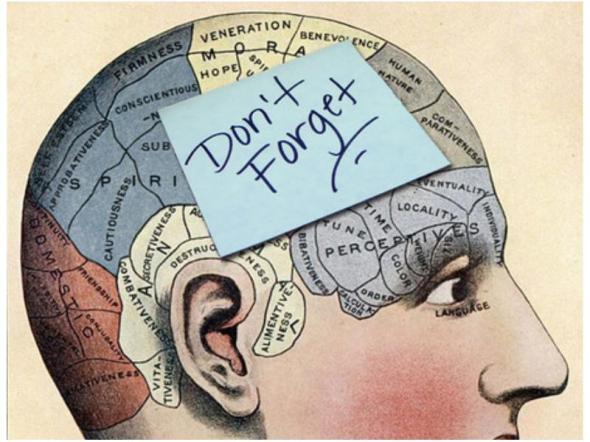
Are the same regions and even the same cells of the brain area called hippocampus involved in encoding and retrieving memories or are different areas of this structure engaged? This question has kept neuroscientists busy for a long time. Researchers at the Mercator Research Group “Structure of Memory” at RUB have now found out that the same brain cells exhibit activity in both processes.
Sleep not just protects memories against forgetting, it also makes them more accessible

Sleeping not only protects memories from being forgotten, it also makes them easier to access, according to new research from the University of Exeter and the Basque Centre for Cognition, Brain and Language. The findings suggest that after sleep we are more likely to recall facts which we could not remember while still awake.
Cell phone notifications may be driving you to distraction

Whether you are alerted to an incoming phone call or text by a trendy ringtone, an alarm bell or a quiet vibration, just receiving a notification on your cell phone can cause enough of a distraction to impair your ability to focus on a given task. In fact, the distraction caused by a simple notification — whether it is a sound or a vibration — is comparable to the effects seen when users actively use their cell phones to make calls or send text messages, the researchers found.
Brain structure reveals ability to regulate emotions
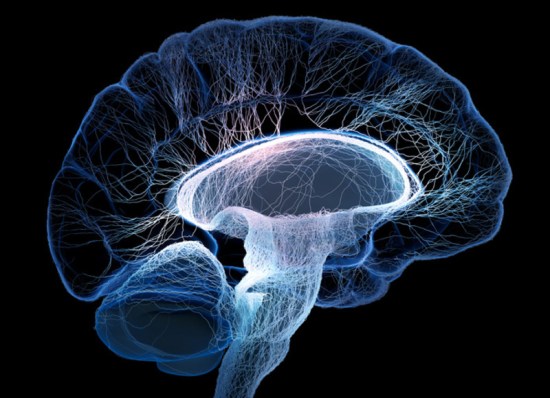
We all vary in how often we become happy, sad or angry, and also in how strongly these emotions are expressed. This variability is a part of our personality and can be seen as a positive aspect that increases diversity in society. However, there are people that find it so difficult to regulate their emotions that it has a serious impact on their work, family and social life. These individuals may be given an emotional instability diagnosis such as borderline personality disorder or antisocial personality disorder.
Body fat can send signals to brain, affecting stress response

The brain’s effect on other parts of the body has been well established. Now, a group of researchers has found that it’s a two-way street: Body fat can send a signal that affects the way the brain deals with stress and metabolism. While the exact nature of those signals remains a mystery, researchers say simply knowing such a pathway exists and learning more about it could help break a vicious cycle: Stress causes a desire to eat more, which can lead to obesity. And too much extra fat can impair the body’s ability to send a signal to the brain to shut off the stress response.
Using low-dose irradiation, researchers can now edit human genes
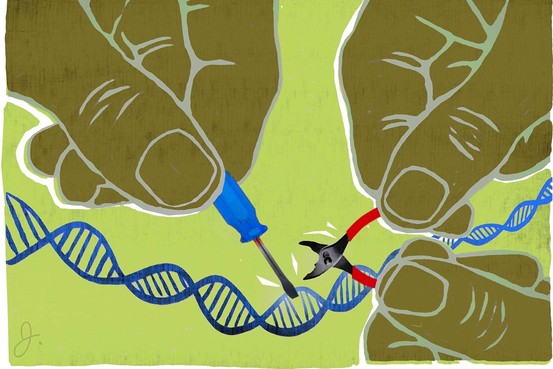
For the first time, researchers have employed a gene-editing technique involving low-dose irradiation to repair patient cells. This method, developed by researchers in the Cedars-Sinai Board of Governors Regenerative Medicine Institute, is 10 times more effective than techniques currently in use.
Static synapses on a moving structure: Mind the gap!
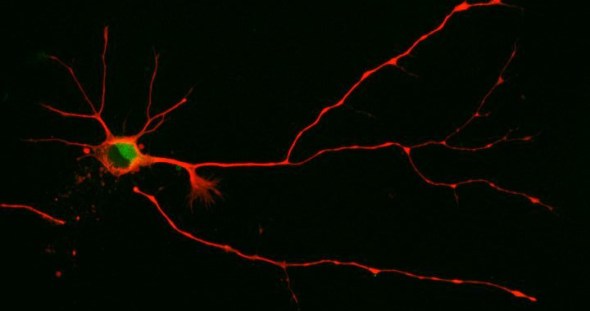
In biology, stability is important. From body temperature to blood pressure and sugar levels, our body ensures that these remain within reasonable limits and do not reach potentially damaging extremes. Neurons in the brain are no different and, in fact, have developed a number of ways to stabilise their electrical activity so as to avoid becoming either overexcitable, potentially leading to epilepsy, or not excitable enough, leading to non functional neurons.
Women and fragrances: Scents and sensitivity


Researchers have sniffed out an unspoken rule among women when it comes to fragrances: Women don’t buy perfume for other women, and they certainly don’t share them. Like boyfriends, current fragrance choices are hands off, forbidden–neither touch, nor smell. You can look, but that’s all, says BYU industrial design professor and study coauthor Bryan Howell.
What’s that!? Brain network that controls, redirects attention identified

Researchers at Columbia University Medical Center (CUMC) have found that key parts of the human brain network that give us the power to control and redirect our attention–a core cognitive ability–may be unique to humans. The research suggests that the network may have evolved in response to increasingly complex social cues.
Intellectual pursuits may buffer the brain against addiction
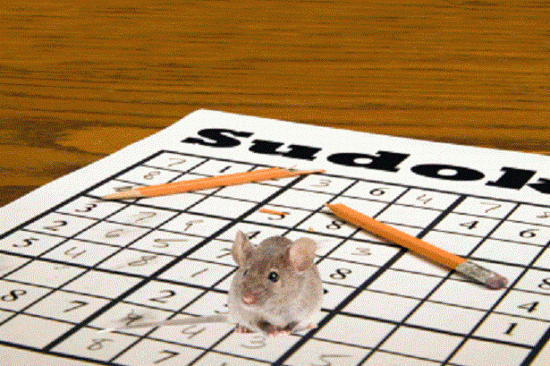
New study of mice finds that intellectual pursuits can make us more resistant to the lure of drugs Image credit goes to: Emily Strange)
Challenging the idea that addiction is hardwired in the brain, a new study suggests that even a short time spent in a stimulating learning environment can rewire the brain’s reward system and buffer it against drug dependence. Scientists tracked cocaine cravings in more than 70 adult male mice and found that those rodents whose daily drill included exploration, learning and finding hidden tasty morsels were less likely than their enrichment-deprived counterparts to seek solace in a chamber where they had been given cocaine.
Baby’s first stool can alert doctors to future cognitive issues

A newborn’s first stool can signal the child may struggle with persistent cognitive problems, according to Case Western Reserve University Project Newborn researchers. In particular, high levels of fatty acid ethyl esters (FAEE) found in the meconium (a newborn’s first stool) from a mother’s alcohol use during pregnancy can alert doctors that a child is at risk for problems with intelligence and reasoning.
Spinal cord injury and the bodies response: Modulating the macrophage
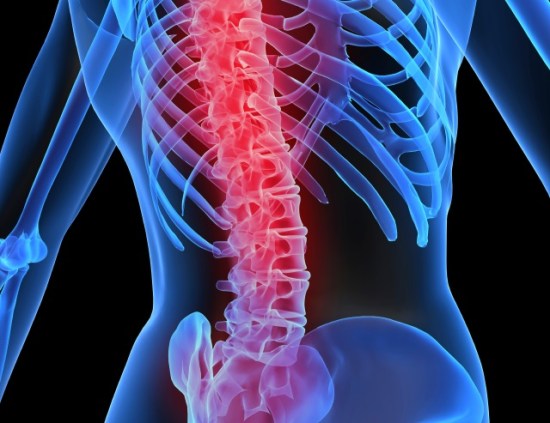
Macrophages are cellular sentinels in the body, assigned to identify “attacks” from viruses, bacteria, or fungi and sound the alarm when they are present. However, these cells are a “double edged sword” in spinal cord injury, providing both neural repair-promoting properties and pathological functions that destroy neuronal tissue.
‘Conjunction junction’ for brain’s navigation function
Ever wake at night needing a drink of water and then find your way to the kitchen in the dark without stubbing your toe? Researchers at the University of California, San Diego say they have identified a region of the brain that enables you to do that – and generally helps you navigate the world.
A new wrinkle: Geometry of brain’s outer surface correlates with genetic heritage
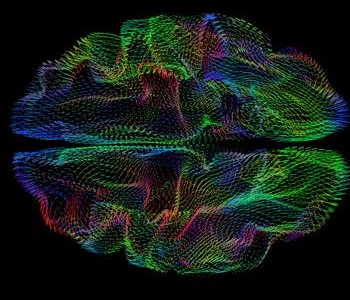
In the study, the researchers found that the shape of the cerebral cortex correlates with genetic ancestry. Image credit goes to: UC San Diego
Researchers at the University of California, San Diego and the School of Medicine have found that the three-dimensional shape of the cerebral cortex – the wrinkled outer layer of the brain controlling many functions of thinking and sensation – strongly correlates with ancestral background. The study opens the door to more precise studies of brain anatomy going forward and could eventually lead to more personalized medicine approaches for diagnosing and treating brain diseases.
Study finds violent video games provide quick stress relief, but at a price

A study authored by two University of Wisconsin-Madison graduate students indicates that while playing video games can improve mood, violent games may increase aggressive outcomes. The researchers looked at how video games may be used to manage emotions — specifically, whether playing the games can improve mood.
Study shows long-term effects of type 2 diabetes on the brain, thinking

In just two years, people with type 2 diabetes experienced negative changes in their ability to regulate blood flow in the brain, which was associated with lower scores on tests of cognition skills and their ability to perform their daily activities, according to a new study.
Pupil response predicts depression risk in kids
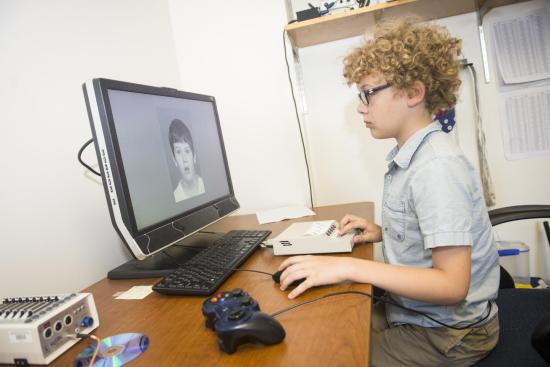
Findings suggest that physiological reactivity to sad stimuli, assessed using pupillometry, serves as one potential biomarker of depression risk among children of depressed mothers. Image credit goes to: Jonathan Cohen, Binghamton University Photographer
Most parents don’t want to think about their children as depressed, but that can be a deadly mistake. Short of clinical diagnosis through cost prohibitive therapy, there is no real way to tell if a child is at risk for depression. However, according to new research from Binghamton University , how much a child’s pupil dilates in response to seeing an emotional image can predict his or her risk of depression over the next two years.
REM sleep critical for young brain development; medication interferes

Rapid eye movement or REM sleep actively converts waking experiences into lasting memories and abilities in young brains reports a new study. The finding broadens the understanding of children’s sleep needs and calls into question the increasing use of REM-disrupting medications such as stimulants and antidepressants.
Novel DNA repair mechanism brings new horizons
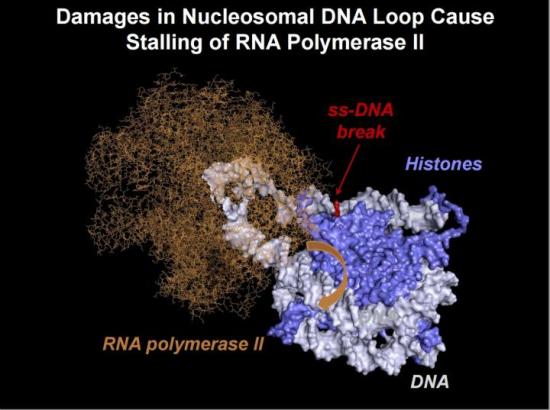
Estimated structure of the nucleosomal DNA loops, which are temporarily formed during transcription of chromatin containing intact DNA by RNA polymerase II (Pol II). In the presence of a single-strand DNA break, the loop structure likely changes, preventing rotation of the RNA polymerase along the DNA helix (orange arrow).
Image credit goes to: Nadezhda S. Gerasimova et al
The DNA molecule is chemically unstable giving rise to DNA lesions of different nature. That is why DNA damage detection, signaling and repair, collectively known as the DNA damage response, are needed. A group of researchers discovered a new mechanism of DNA repair, which opens up new perspectives for the treatment and prevention of neurodegenerative diseases.
New epigenetic mechanism revealed in brain cells
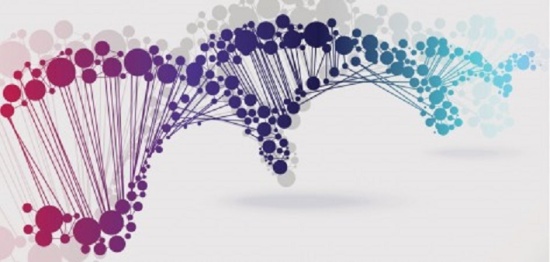
For decades, researchers in the genetics field have theorized that the protein spools around which DNA is wound, histones, remain constant in the brain, never changing after development in the womb. Now, researchers from the Icahn School of Medicine at Mount Sinai have discovered that histones are steadily replaced in brain cells throughout life – a process which helps to switch genes on and off.
Women’s faces get redder at ovulation, but human eyes can’t pick up on it

Previous studies have shown that men find female faces more attractive when the women are ovulating, but the visual clues that allow this are unclear. Now, new research investigating whether it might be to do with subtle changes in skin colour has shown that women’s faces do increase in redness during ovulation, but the levels of change are just under the detectable range of the human eye.
Omega-3 supplements and antioxidants may help with preclinical Alzheimer’s disease
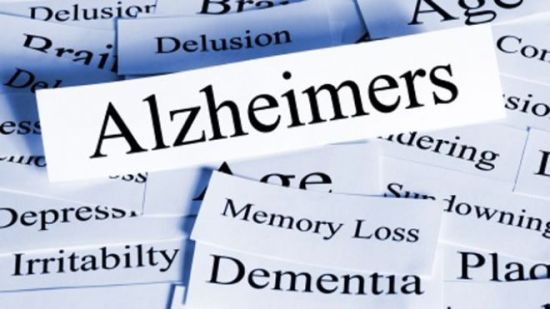
Here’s more evidence that fish oil supplementation and antioxidants might be beneficial for at least some people facing Alzheimer’s disease. A new report describes the findings of a very small study in which people with mild clinical impairment, such as those in the very early stages of the disease, saw clearance of the hallmark amyloid-beta protein and reduced inflammation in neurological tissues. Although the findings involved just 12 patients over the course of 4 to 17 months, the findings suggest further clinical study of this relatively inexpensive and plentiful supplement should be conducted.
How your brain knows it’s summer

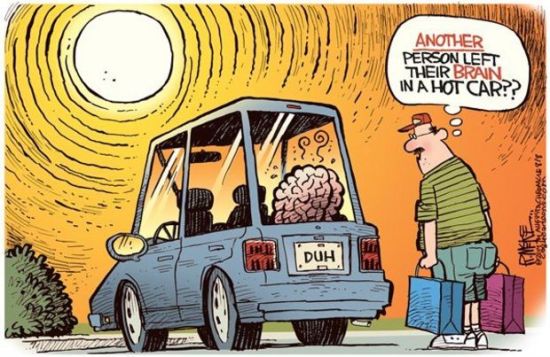
Researchers led by Toru Takumi at the RIKEN Brain Science Institute in Japan have discovered a key mechanism underlying how animals keep track of the seasons. The study shows how circadian clock machinery in the brain encodes seasonal changes in daylight duration through GABA activity along with changes in the amount of chloride located inside certain neurons.
The fear you experience playing video games is real, and you enjoy it

With the advent of video games, a frequently asked question has been whether we get as engrossed in them emotionally as we do when we see a scary movie. The answer is yes and many game players enjoy the fear caused by the zombies, disfigured humans and darkness they often encounter, the researchers found.
Rare neurons enable mental flexibility

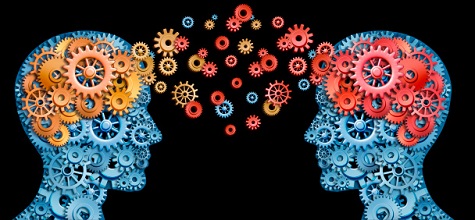
Behavioral flexibility — the ability to change strategy when the rules change — is controlled by specific neurons in the brain, Researchers have confirmed. Cholinergic interneurons are rare — they make up just one to two percent of the neurons in the striatum, a key part of the brain involved with higher-level decision-making. Scientists have suspected they play a role in changing strategies, and researchers at OIST recently confirmed this with experiments.
Brain scan can predict who responds best to certain treatment for OCD

Tens of millions of Americans — an estimated 1 to 2 percent of the population — will suffer at some point in their lifetimes from obsessive-compulsive disorder, a disorder characterized by recurrent, intrusive, and disturbing thoughts (obsessions), and/or stereotyped recurrent behaviors (compulsions). Left untreated, OCD can be profoundly distressing to the patient and can adversely affect their ability to succeed in school, hold a job or function in society.
Natural wilderness areas need buffer zones to protect from human development

Despite heavy development, the U.S. still has millions of acres of pristine wild lands. Coveted for their beauty, these wilderness areas draw innumerable outdoor enthusiasts eager for a taste of primitive nature. But University of Georgia researchers say these federally protected nature areas have a problem: Their boundaries have become prime real estate.
Consciousness has less control than believed, according to new theory
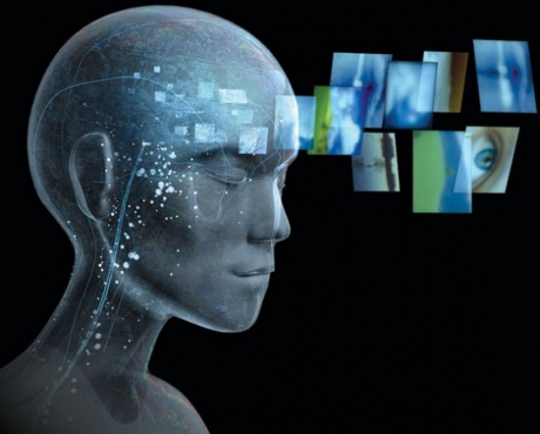
Consciousness — the internal dialogue that seems to govern one’s thoughts and actions — is far less powerful than people believe, serving as a passive conduit rather than an active force that exerts control, according to a new theory proposed by an SF State researcher.
Manning up: men may overcompensate when their masculinity is threatened

From the old Charles Atlas ads showing a scrawny male having sand kicked in his face to sitcom clichés of henpecked husbands, men have long faced pressure to live up to ideals of masculinity. Societal norms dictating that men should be masculine are powerful. And new research finds that men who believe they fall short of those ideals might be prompted to reassert their masculinity in small but significant ways.
Autism: The value of an integrated approach to diagnosis
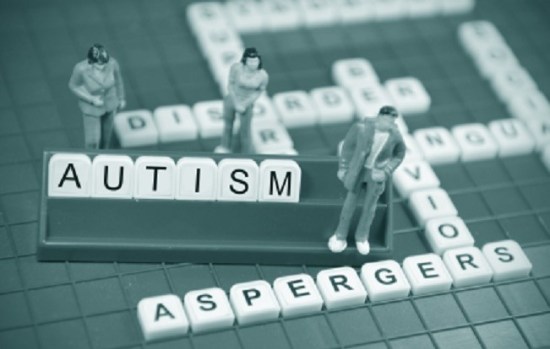
Researchers at Inserm (Inserm Unit 930 “Imaging and Brain”) attached to François-Rabelais University and Tours Regional University Hospital have combined three clinical, neurophysiological and genetic approaches in order to better understand the brain mechanisms that cause autism. When tested on two families, this strategy enabled the researchers to identify specific gene combinations in autistic patients that distinguished them from patients with intellectual disabilities.
Liar, Liar: Children with good memories are better liars

Children who benefit from a good memory are much better at covering up lies, researchers from the University of Sheffield have discovered. Experts found a link between verbal memory and covering up lies following a study which investigated the role of working memory in verbal deception amongst children.
Study links heartbeat to female libido

Sexual dysfunction in women can be linked to low resting heart rate variability, a finding that could help clinicians treat the condition, according to a study by psychologists from The University of Texas at Austin.
Musicians don’t just hear in tune, they also see in tune

Musicians don’t just hear in tune, they also see in tune. That is the conclusion of the latest scientific experiment designed to puzzle out how the brain creates an apparently seamless view of the external world based on the information it receives from the eyes.
Not-so-guilty pleasure: Viewing cat videos boosts energy and positive emotions

If you get a warm, fuzzy feeling after watching cute cat videos online, the effect may be more profound than you think. The Internet phenomenon of watching cat videos, from Lil Bub to Grumpy Cat, does more than simply entertain; it boosts viewers’ energy and positive emotions and decreases negative feelings, according to a new study by an Indiana University Media School researcher.
Hormone that differentiates sugar, diet sweeteners could exist in humans

We’ve all been there: We eat an entire sleeve of fat-free, low-calorie cookies and we’re stuffing ourselves with more food 15 minutes later. One theory to explain this phenomenon is that artificial sweeteners don’t contain the calories or energy that evolution has trained the brain to expect from sweet-tasting foods, so they don’t fool the brain into satisfying hunger. However, until now, nobody understood how organisms distinguish between real sugar and artificial sweetener.
Cell density remains constant as brain shrinks with age
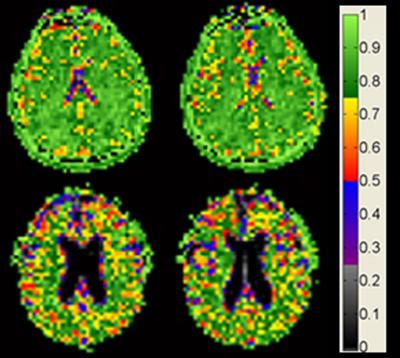
Brain cell density remains constant with age among cognitively normal adults. Image credit goes to: Dr. Keith Thulborn
New, ultra-high-field magnetic resonance images (MRI) of the brain by researchers at the University of Illinois at Chicago provide the most detailed images to date to show that while the brain shrinks with age, brain cell density remains constant. The images provide the first evidence that in normal aging, cell density is preserved throughout the brain, not just in specific regions, as previous studies on human brain tissue have shown.
Largest-ever study of parental age and autism finds increased risk with teen moms

The largest-ever multinational study of parental age and autism risk, funded by Autism Speaks, found increased autism rates among the children of teen moms and among children whose parents have relatively large gaps between their ages. The study also confirmed that older parents are at higher risk of having children with autism. The analysis included more than 5.7 million children in five countries.
DNA breakage underlies both learning, age-related damage
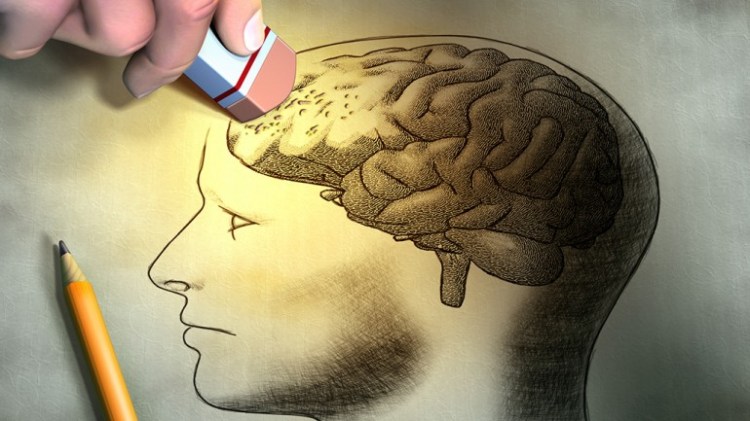
The process that allows our brains to learn and generate new memories also leads to degeneration as we age, according to a new study. The finding could ultimately help researchers develop new approaches to preventing cognitive decline in disorders such as Alzheimer’s disease. Each time we learn something new, our brain cells break their DNA, creating damage that the neurons must immediately repair.
What musical taste tells us about social class

Photo credit goes to: Hiroyuki Ito/Getty Images
Love the opera? Hungry for hip hop? It turns out that your musical likes and dislikes may say more about you than you think, according to UBC research. Even in 2015, social class continues to inform our cultural attitudes and the way we listen to music, according to the study.


 Lunatic Laboratories